Where is El Portal and why is it a hidden village?
As a Miami real estate professional, I’m always looking for neighborhoods that offer the right balance of character, lifestyle, and long-term value. El Portal is one of those rare places that quietly delivers all three. Tucked between Miami Shores and the City of Miami, this small municipality spans just 0.38 square miles, yet feels worlds away from the surrounding bustle.
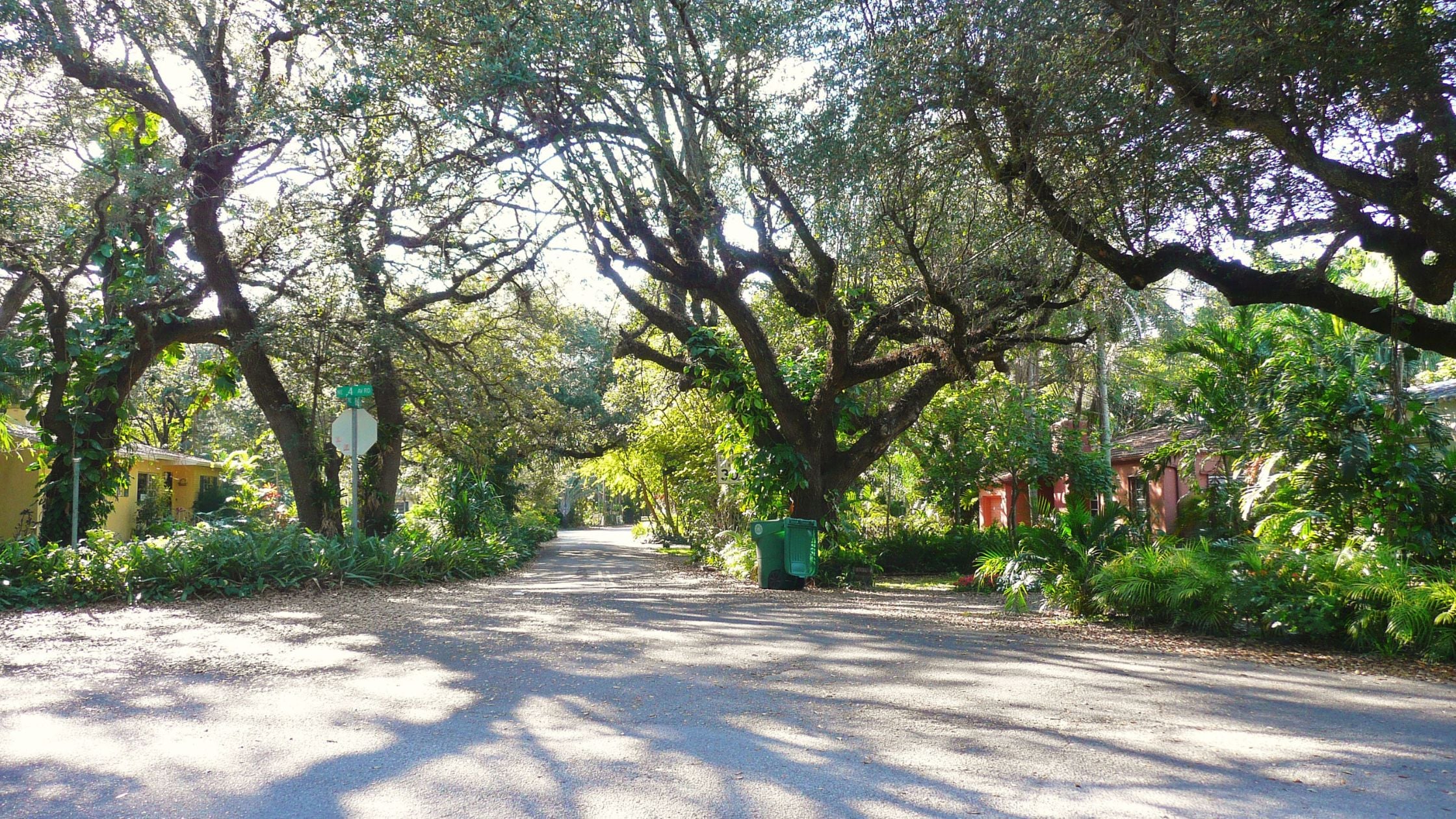
El Portal is bordered by Miami Shores to the north, the City of Miami to the south and east, and unincorporated Miami-Dade County to the west. Despite its central location, many people pass through without realizing they’ve entered a separate village. A dense tree canopy, winding residential streets, and the absence of commercial corridors give El Portal a secluded, almost hidden feel.
The name El Portal means “The Gate,” referencing an arch that once stood at NE 85th Street and NE Second Avenue. Today, the name reflects something deeper. Designated a bird sanctuary since the 1950s, El Portal is home to roaming peacocks, exotic birds nesting in towering oak trees, and manatees that glide through the Little River. For buyers seeking historic homes, lush greenery, and a slower pace of life without leaving the city, El Portal feels like a hidden gateway.
Rich History & Cultural Heritage
Indigenous roots and the Indian Mound
Long before tree-lined streets and Spanish-style cottages defined the area, the land that became El Portal was home to the Tequesta people. A prehistoric burial mound near the Little River dates back to around 600 A.D. Today, it is known as the Indian Mound or El Portal Archaeological Zone and is recognized as Miami-Dade County’s first officially designated archaeological site.
Artifacts and evidence of settlements more than 1,400 years old were uncovered here. Walking through the Sherwood Forest section of El Portal, you may notice a simple grassy knoll. Beneath it lies centuries of indigenous history, quietly preserved within the neighborhood.
Village incorporation and early development
El Portal began to take shape in the early 20th century when three subdivisions, Sherwood Forest, El Jardines, and El Portal, came together to incorporate the village. On December 6, 1937, just 25 homes and 34 residents voted to officially form the municipality.
The founders envisioned a thoughtfully planned residential community, inspired by places like Coral Gables, with landscaped medians, generous lots, and Mediterranean-influenced architecture. Women played an important role in the village’s early governance, with civic groups overseeing many public affairs and helping shape the community’s identity.
An arch once marked the village entrance at 85th Street and NE Second Avenue. Though the structure is long gone, the symbolism remains woven into El Portal’s name and character.
Notable historic homes and trailblazers
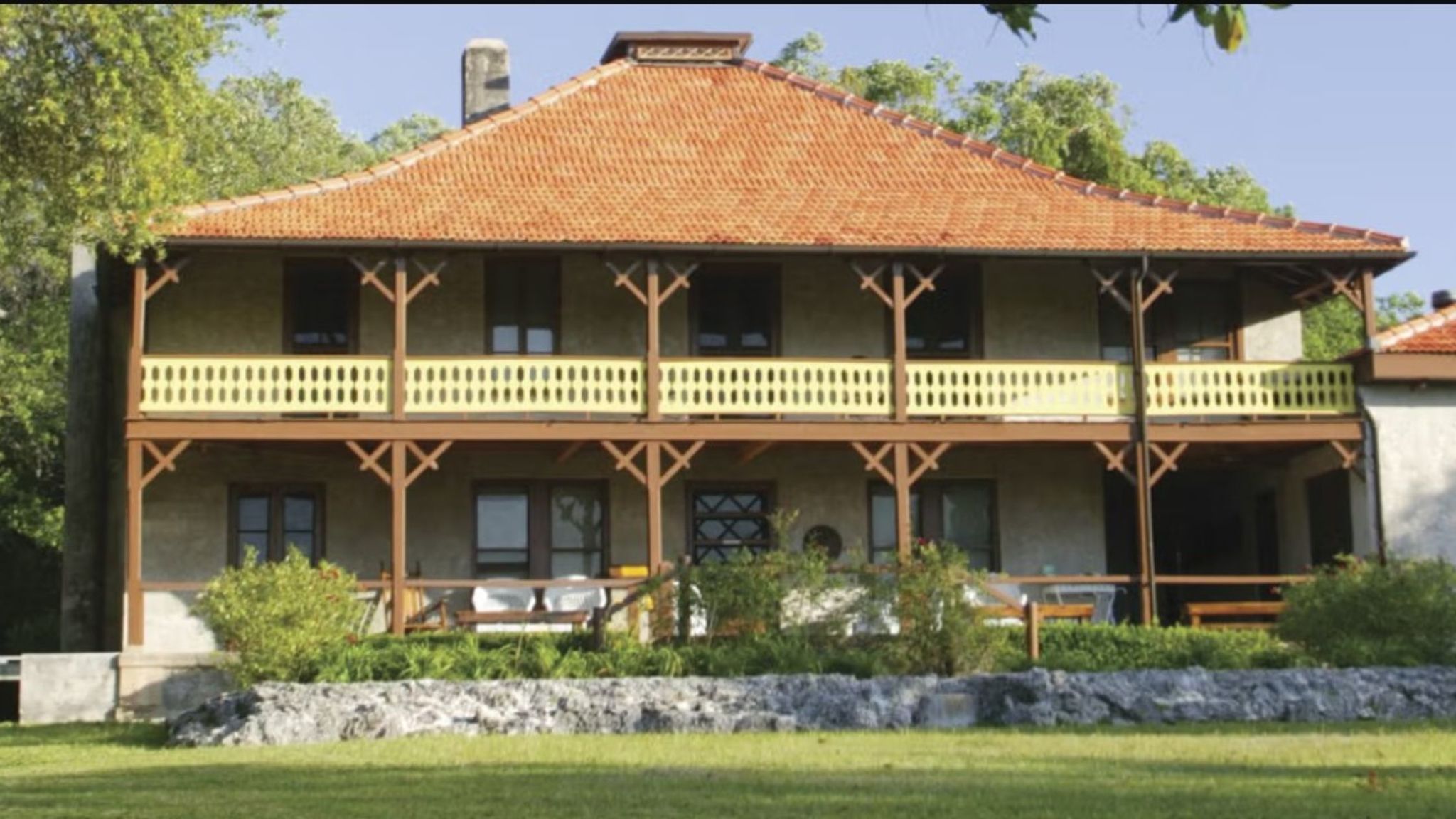
El Portal’s architecture tells the story of its past. The El Portal House, built in 1910, is the village’s oldest home and once served as a hospital during a period when medical services were limited in South Florida. Nearby, the Sherwood Forest Home, a Tudor-style residence built in 1925, adds to the neighborhood’s storybook charm.
Over the years, El Portal has attracted notable residents who valued creativity and community. Comedian Flip Wilson lived here during his military service. Garth Reeves, longtime publisher of The Miami Times, maintained a prominent residence in the village. Soul and R&B singer Betty Wright also grew up here, later becoming one of Miami’s most influential musical voices. These stories highlight how El Portal, though small, has long drawn artists, leaders, and thinkers.

Lush Nature and Tranquil Lifestyle
Bird sanctuary and nature trail
One of the first things clients notice when driving through El Portal is the thick canopy of oak trees, many reaching heights of 75 feet. As a state-designated bird sanctuary, tree removal and harm to wildlife are heavily restricted, preserving the neighborhood’s natural beauty for generations.
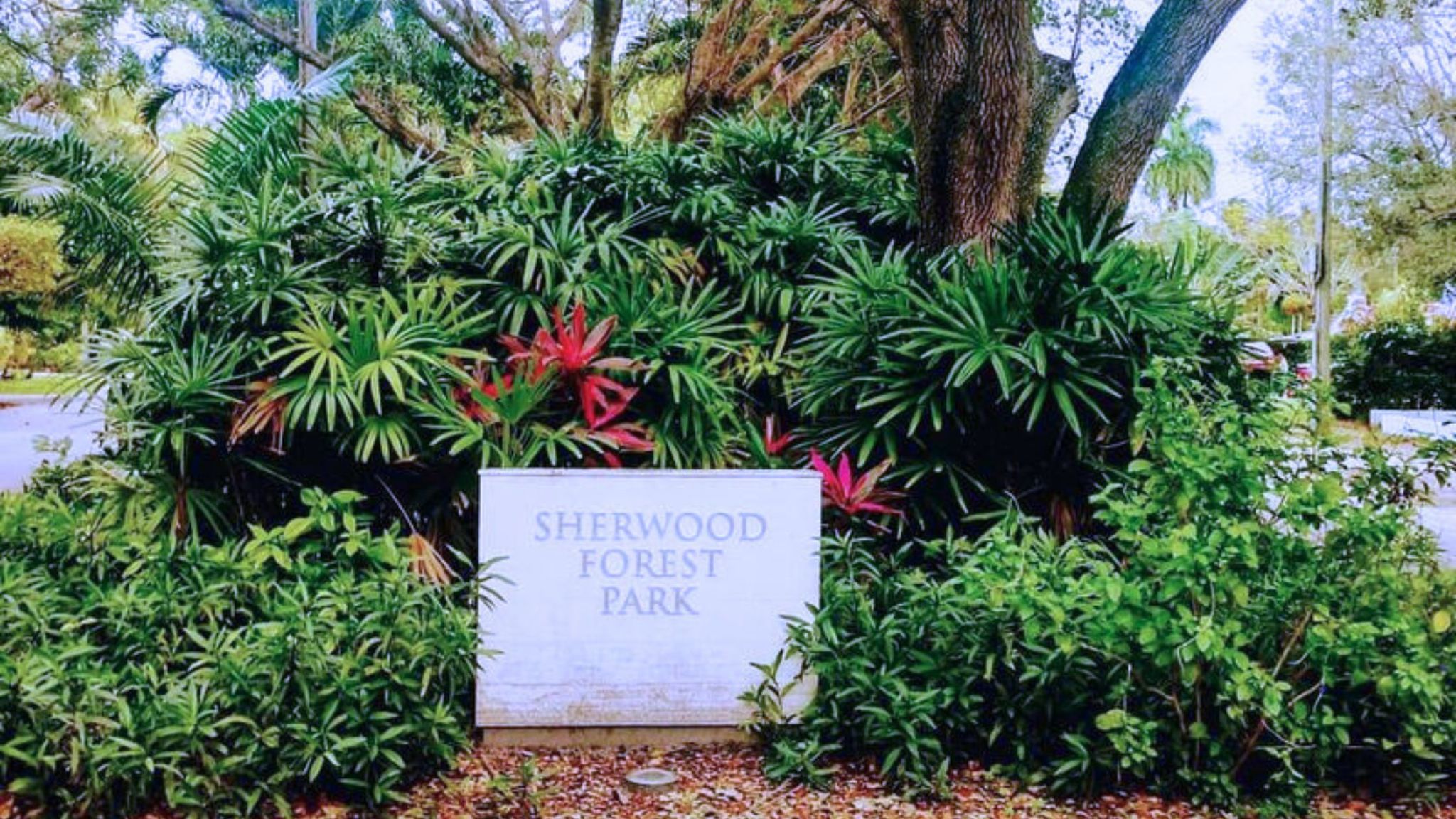
Peacocks frequently wander across streets and front lawns, adding to the village’s charm. Along the El Portal Nature Trail, which runs beside the Little River, residents may spot manatees during cooler months. Sherwood Forest Park and nearby green spaces offer shaded paths, picnic areas, and a peaceful escape that feels far removed from city life.
Community feel and events
Despite its quiet setting, El Portal has a strong sense of community. The village is a certified Tree City, and residents take environmental stewardship seriously. Community gardens, plant-care workshops, Arbor Day celebrations, and holiday gatherings encourage neighbors to connect.
With fewer than 2,000 residents, El Portal maintains a small-town atmosphere that’s increasingly rare in Miami. Neighbors know each other, streets feel personal, and community events often feel more like family gatherings than formal functions.

Diverse Architecture and Homes
Architectural styles
El Portal’s charm lies in its architectural diversity. Within just a few blocks, you’ll find Mediterranean Revival homes, Art Deco cottages, and mid-century modern ranches. Many homes were built between the 1930s and 1950s and sit on generously sized lots shaded by mature trees.
This variety gives buyers the opportunity to own a piece of Miami’s architectural history without the price tag typically associated with Coral Gables or Miami Beach.
Types of properties and price ranges
El Portal consistently offers strong value compared to neighboring communities. Typical home values fall in the mid-$800,000 range, with median list prices just over $1.1 million. Median sale prices remain notably lower than Miami Shores, where prices often exceed $1.2 million.
Inventory is limited, with only a small number of homes available at any given time. As a result, well-priced properties tend to attract immediate interest. El Portal sits in a sweet spot for buyers seeking larger lots, mature landscaping, and character-driven homes at a more accessible price point.
Real Estate Market Trends & Growth Drivers
Value trends and affordability
Economic indicators reflect El Portal’s stability. Median household income exceeds six figures, homeownership rates are high, and poverty levels remain low. While the broader Miami market has cooled from pandemic-era peaks, recent price adjustments have created opportunities for buyers.
Compared to surrounding neighborhoods, El Portal remains relatively affordable while offering strong long-term upside.
Future development and investment potential
El Portal’s location positions it well for future growth. Major mixed-use developments along Biscayne Boulevard are expected to bring new retail, employment, and housing demand to the surrounding area without disrupting the village’s residential character.
Its proximity to Little Haiti, the MiMo corridor, and the Upper East Side adds cultural depth and convenience. As infrastructure and amenities improve nearby, El Portal is well positioned for steady appreciation.
Living in El Portal: Amenities & Lifestyle
Dining and entertainment
While El Portal itself is primarily residential, excellent dining and entertainment options are just minutes away. Nearby food halls, neighborhood bistros, and cultural venues offer everything from casual meals to live music and community events.
Outdoor enthusiasts enjoy easy access to the Little River Nature Trail, Sherwood Forest Park, and nearby recreation centers. Downtown Miami, Miami Beach, and the Design District are all within a short drive, making it easy to enjoy the city while returning home to a quieter setting.
Central yet secluded
One of El Portal’s most appealing qualities is how secluded it feels despite its central location. Thick tree cover softens traffic noise, and the absence of high-rise buildings preserves a residential atmosphere.
At the same time, major roads and highways are close by, making commutes and weekend outings convenient. Buyers should consider flood zones and insurance due to the village’s proximity to the Little River, but for many, the balance between tranquility and accessibility makes El Portal especially appealing.
Why El Portal Offers Rare Value in Miami Real Estate
Affordable charm
El Portal blends historic charm and natural beauty at a price point that remains below many neighboring upscale areas. Spacious lots, mature oak trees, and early-20th-century architecture are features typically found in much higher-priced neighborhoods.
Limited inventory keeps demand strong, and buyers who value character and location often act quickly when opportunities arise.
Who should live here?
El Portal is ideal for families seeking quiet streets and nearby schools, nature lovers drawn to wildlife and greenery, and buyers or investors looking for long-term appreciation in a central Miami location. The village’s diverse population contributes to a welcoming, inclusive atmosphere that reflects the city’s cultural richness.
Considering El Portal as Your Next Move?
With its deep history, protected bird sanctuary, architectural diversity, and accessible pricing, El Portal truly lives up to its reputation as Miami’s Hidden Village. Few neighborhoods offer historic homes beneath a canopy of oak trees while remaining just minutes from downtown and major lifestyle hubs.
As development continues around it, El Portal stands out as a rare opportunity for buyers seeking charm, tranquility, and long-term value in Miami real estate. If you’re curious about current homes, market trends, or whether El Portal fits your goals, feel free to reach out. I’m always happy to share insights and help you explore your options.
Check out this article next