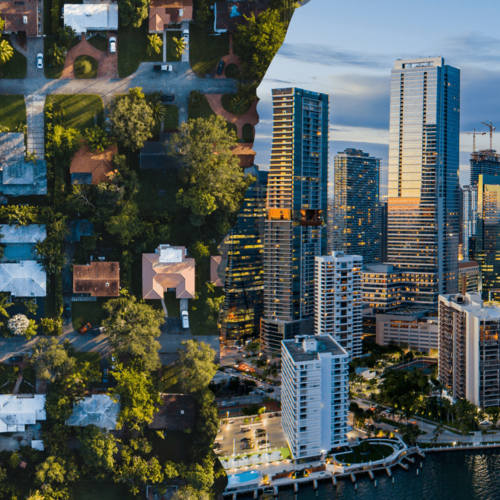

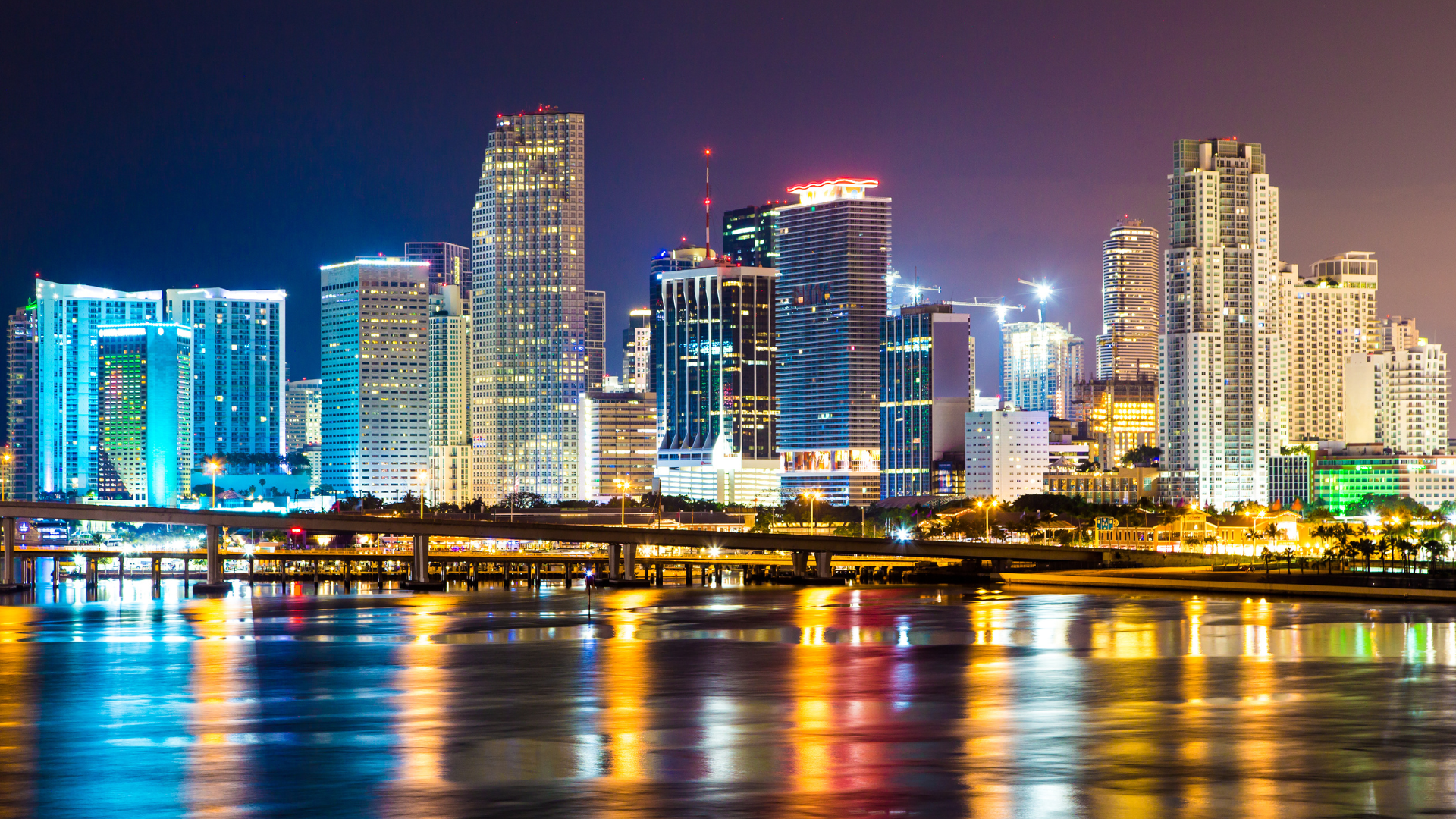
Moving to a new city often brings questions and curiosity, especially when it comes to a place as unique as Miami. New residents arriving in Miami will find a city shaped by its coastal location, cultural diversity, and fast-paced growth. Understanding what daily life is like here can help set realistic expectations.
Miami stands out for its mix of energy, opportunity, and distinct local challenges. The city's personality is defined by its neighborhoods, weather, and multicultural influences. This guide covers the most important things to know before making Miami your new home.
Should I Move to Miami? Pros and Cons
Miami offers a lifestyle centered around outdoor living, beaches, and year-round warmth. The city draws people with its cultural vibrancy, influenced by Latin America, the Caribbean, and beyond. Many find community through food, music, and local events that reflect this diversity.
- Career opportunities span tourism, hospitality, international trade, healthcare, and growing tech sectors. Miami's position as a gateway for South American and Caribbean business creates opportunities for entrepreneurs and professionals. Bilingual skills, especially Spanish, prove helpful across many industries.
- Living costs present the biggest challenge for newcomers. Housing prices exceed national averages, and salaries don't always keep pace with expenses. Transportation, utilities, and everyday costs add up quickly in this major metropolitan area.
- Climate realities include hurricane season from June to November. Flooding, storms, and intense heat become part of daily planning. Preparing for extreme weather becomes a regular part of homeownership or renting here.
- Traffic congestion affects daily routines, and public transit options remain limited compared to other major cities. Most residents rely on cars, which means factoring in insurance and parking costs.
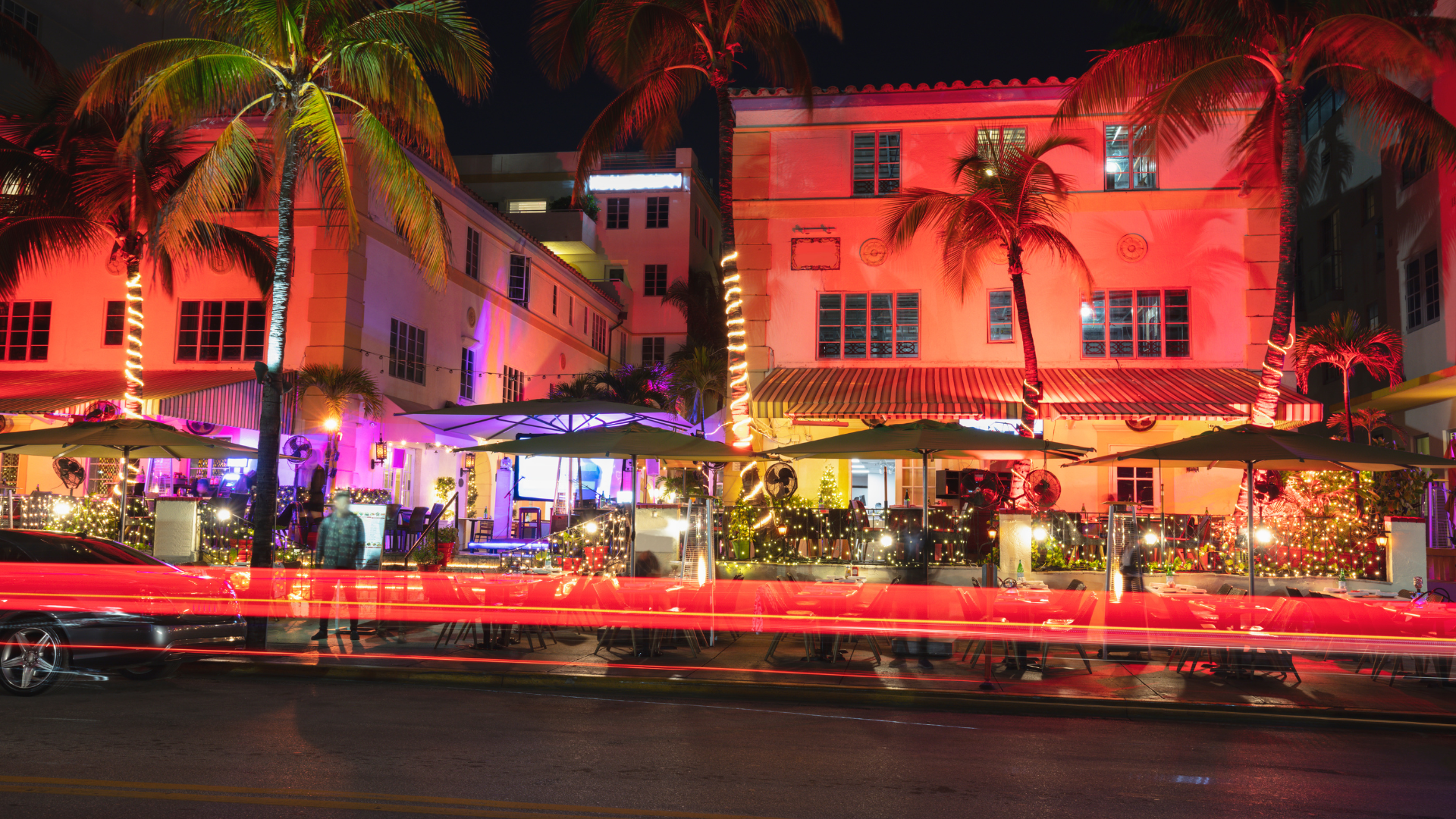
Cost of Living and Salary Needed to Live Comfortably
Living expenses in Miami typically exceed national averages across housing, utilities, food, and recreation. A comfortable lifestyle for a single person generally requires an annual income of $60,000 to $80,000, while families often need $100,000 or more.
Housing Costs
Rental prices vary significantly by neighborhood and property type:
- Brickell/Downtown: One-bedroom apartments range from $2,400 to $3,200 monthly
- Suburban areas (Westchester, Kendall): Similar units cost $1,800 to $2,500
- Miami Beach: Premium locations often exceed $3,500 for one-bedroom units
Home purchase prices start around $500,000 for condominiums, with popular neighborhoods frequently exceeding $1 million. The competitive market means properties often receive multiple offers and sell quickly.
Utilities and Daily Expenses
Monthly utility bills typically total $120 to $200 for standard apartments, with electricity costs rising during summer months due to air conditioning use. Internet service ranges from $40 for basic plans to $100 for high-speed options.
Grocery costs run $350 to $500 monthly for one person. Dining out reflects big-city pricing, with casual meals costing $12 to $18 and restaurant dinners ranging from $25 to $60 per person.
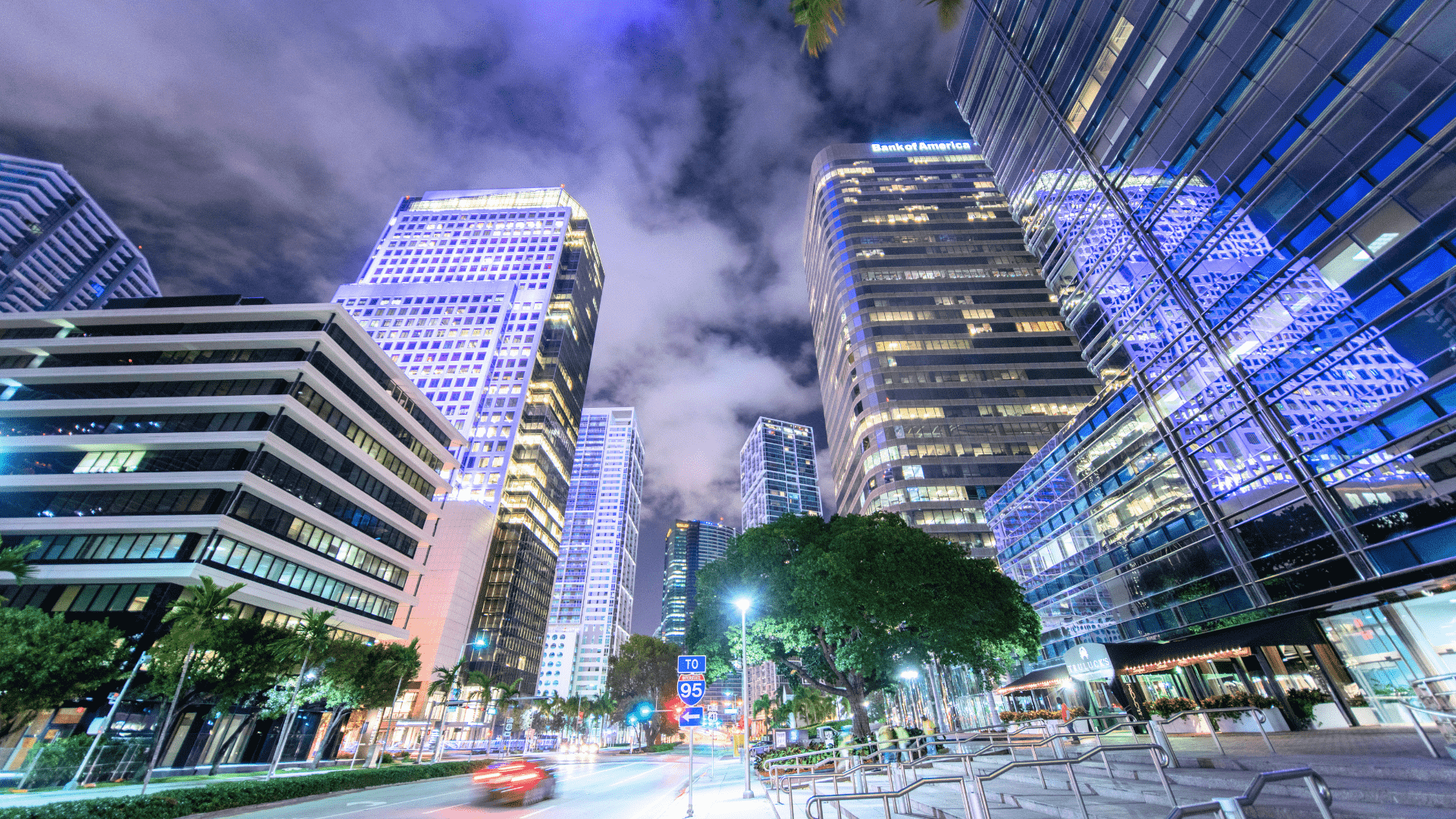
Miami Housing Market: Renting, Buying, and HOA Fees
Miami's housing market moves quickly due to high demand and limited inventory. Properties often receive multiple offers, and unique considerations include flood risk, building age, and association rules affecting both renters and buyers.
Renting: Average Rents and Lease Terms
The rental application process typically requires:
- Credit and background checks: Usually $50 to $200 per applicant
- Security deposits: Often equal to one month's rent
- Proof of income: Generally 2.5 to 3 times monthly rent
- Pet policies: Most buildings have breed, size, or number restrictions
Lease terms typically span 12 months, though shorter agreements may be available at higher rates.
Buying: Median Prices and Closing Costs
Home purchases usually require 10% to 20% down payments, with closing costs ranging from 2% to 5% of the purchase price. The process typically takes 30 to 45 days from accepted offer to closing.
HOA Fees and Flood Insurance Basics
Homeowners' associations (HOAs) manage building maintenance and amenities, with monthly fees ranging from $300 to over $1,000 depending on property size and location.
Flood insurance becomes required for properties in high-risk zones, with annual premiums ranging from several hundred to several thousand dollars. This coverage remains separate from standard homeowners' insurance.
Best Neighborhoods for Families, Professionals, and Investors
Miami neighborhoods offer distinct lifestyles, from high-rise urban living to quiet residential streets. Commute times and transportation access vary significantly across communities.
Brickell and Downtown
These central areas feature high-rise condominiums and serve as the business district. Residents enjoy walkability to offices, restaurants, and shops, plus access to Metromover and Metrorail systems. Nightlife stays active around Brickell Avenue and Bayside Marketplace.
Coral Gables and Coconut Grove
Both neighborhoods offer tree-lined streets and historic architecture. Coral Gables features Mediterranean-style homes and excellent schools, including the University of Miami. Coconut Grove provides tropical atmosphere with parks and waterfront access. Commute times to downtown typically run 15 to 30 minutes.
Wynwood and Edgewater
Wynwood draws attention for street art, galleries, and creative spaces in converted warehouses. Edgewater offers waterfront high-rise living. Both areas attract young professionals and creative workers, with good walkability and bike access.
Miami Beach and Surfside
Located on a barrier island, these areas provide direct beach access but experience seasonal population swings with tourists and short-term rentals. Traffic and parking become challenging during peak seasons, especially winter and spring.
Transportation, Traffic, and Car Insurance Reality
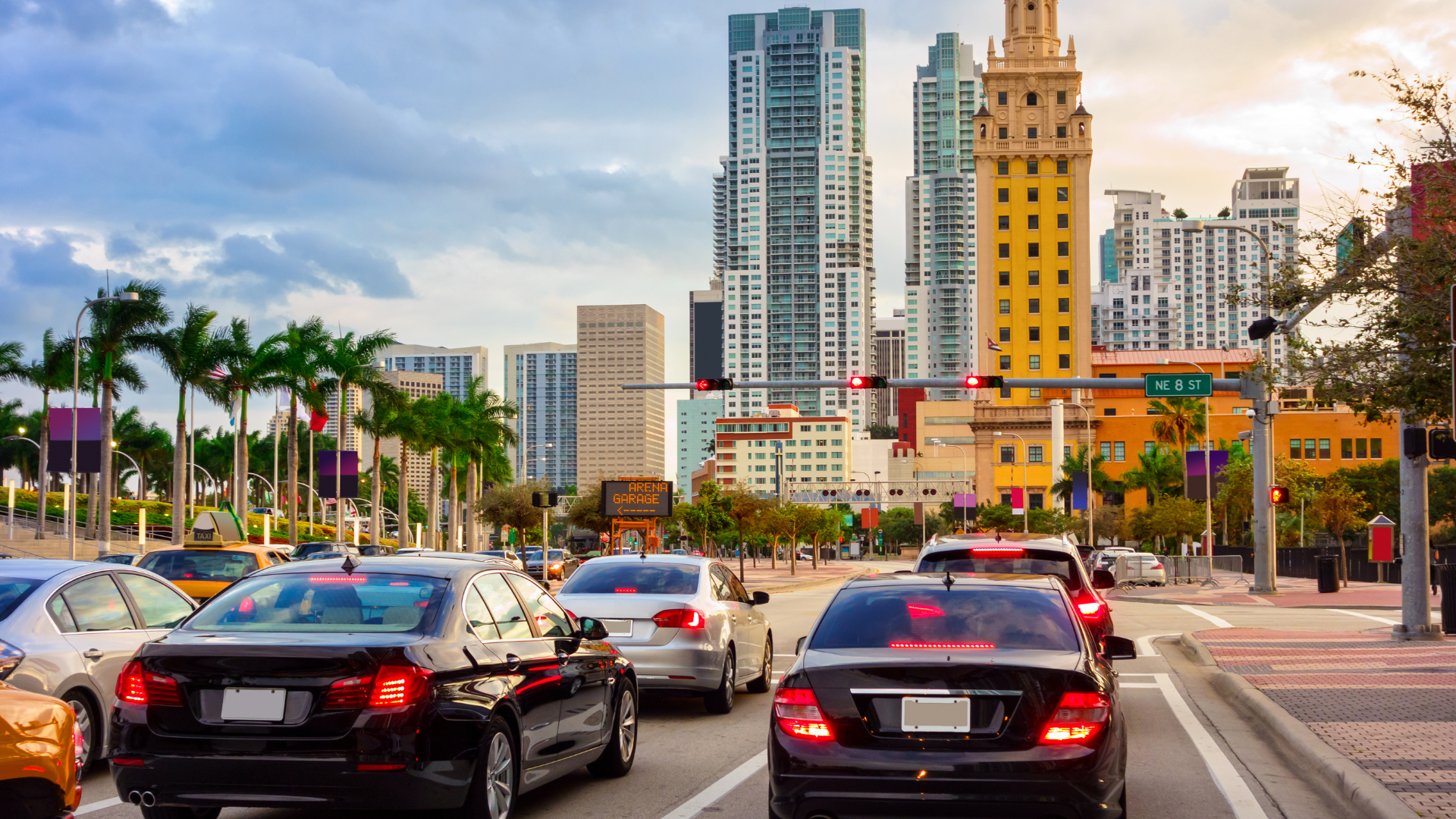
Miami's transportation system combines limited public transit with heavy car dependency. Understanding both options helps newcomers navigate daily routines.
Public Transit Options
Miami-Dade Transit operates three main systems:
- Metrorail: North-south train connecting Kendall, Coral Gables, and Downtown ($2.25 per ride)
- Metromover: Free automated train serving Downtown and Brickell
- Metrobus: County-wide bus service with frequent peak-hour routes ($2.25 per ride)
Monthly passes offer savings for regular commuters, while Metromover remains free at all times.
Driving, Parking, and Tolls
Traffic congestion peaks during morning (7-9 a.m.) and evening (4-7 p.m.) rush hours. Major highways include I-95, US-1, and the Dolphin Expressway. Downtown and beach areas enforce strict parking rules, with garage rates varying by location.
SunPass electronic tolling operates on most expressways and bridges. Visitors without SunPass pay higher plate-based billing rates.
Car Insurance Requirements
Florida requires Personal Injury Protection (PIP) and Property Damage Liability (PDL) coverage. Miami premiums exceed national averages due to traffic density, accident rates, and weather risks. Comparing quotes from multiple providers helps find competitive rates.
Weather, Hurricane Season, and Flood Zone Prep
Miami's subtropical climate brings year-round warmth with distinct wet and dry seasons. Hurricane season runs June through November, requiring preparation and awareness.
- Summer Heat Management - High humidity makes temperatures feel warmer than actual readings, often in the upper 80s to low 90s Fahrenheit. Air conditioning becomes essential for indoor comfort. Outdoor activities work best during early morning or late afternoon hours.
- Hurricane Supplies and Evacuation Plans - Emergency kits typically include bottled water, shelf-stable food, flashlights, batteries, first aid supplies, medications, important documents, and battery-powered radios. Local authorities provide evacuation zone maps and shelter information based on storm surge projections.
- Choosing Hurricane-Ready Housing - Newer construction follows hurricane-resistant building codes, including reinforced roofs, impact-resistant windows, and proper elevation. Properties in FEMA-designated flood zones may require flood insurance, with costs varying by location and coverage level.
Job Market and Business Climate
Miami's economy centers on several key industries. Tourism employs workers across hotels, restaurants, and entertainment venues. Healthcare provides opportunities in major hospital systems and research facilities.
International trade thrives due to the city's major seaport and airport, creating logistics and warehousing jobs. Finance concentrates in Brickell, while technology grows through software development and fintech companies.
The median household income in Miami sits around $57,000, generally below national averages. Professional roles in finance, healthcare, and technology typically offer higher compensation. Bilingual skills, particularly English and Spanish, prove valuable across many positions.
Networking happens through industry organizations, professional groups, and community events. Many professionals join chambers of commerce or attend local business gatherings to build connections.
Schools, Universities, and Childcare Options
- Miami-Dade County Public Schools operates as the fourth-largest district in the United States, serving elementary through high school students. School assignment typically follows residential addresses, though magnet programs offer specialized themes in science, arts, or technology.
- Charter schools provide publicly funded alternatives with independent operation and may use lottery systems for admission. Private schools offer various educational philosophies and language programs, often requiring entrance exams and interviews.
- Higher education includes the University of Miami (private research university), Florida International University (large public institution), and Miami Dade College (extensive community college system). Vocational training programs serve healthcare, technology, trades, and hospitality industries.
Culture, Language, and Local Etiquette
Miami's international character reflects its diverse population, with over 120 languages spoken throughout the area. English and Spanish serve as primary languages in business and daily life, while Haitian Creole and Portuguese appear frequently in certain neighborhoods.
Social customs blend American and Latin influences. Greetings may include handshakes or light cheek kisses depending on the setting. Personal space tends to be closer than in other U.S. cities, and conversations often feature expressive gestures.
- Dress codes vary by location—business districts like Brickell maintain formal standards, while beach communities embrace casual attire. The warm climate makes light clothing, shorts, and sandals common year-round.
- Punctuality expectations differ between business and social settings. Professional meetings expect on-time arrival, while social gatherings may start later than scheduled.
Ready to Make the Move?
Relocating to Miami involves navigating local factors from neighborhood characteristics to housing regulations and climate considerations. Local real estate professionals understand market conditions, lease requirements, property taxes, flood zones, and area amenities.
Jose Muñoz Real Estate provides guidance for evaluating neighborhoods, reviewing contracts, and understanding the Miami housing market. This includes support with documentation, timelines, and unique local considerations.
For questions about Miami real estate or to discuss specific housing needs, contact Jose Muñoz for a personalized consultation.
Frequently Asked Questions About Moving to Miami
Do I need flood insurance if I'm not directly on the water?
Flood insurance requirements depend on FEMA flood zone designations and lender policies. Properties in high-risk zones typically require coverage, while those in moderate or low-risk areas may purchase voluntary policies for additional protection.
What documents do I need to establish Florida residency?
New Florida residents must obtain a driver license within 30 days, requiring proof of identity, Social Security number, and Florida address. Vehicle registration and voter registration follow similar documentation requirements.
How much does it cost to ship a car to Miami?
Auto transport costs vary by distance and vehicle type, typically ranging from $500 to $1,500 for cross-country shipping. Seasonal demand and fuel prices affect final pricing.
Will my current health insurance work in Miami?
Insurance coverage depends on your plan's network and provider agreements. Many national insurers operate in Miami, but checking specific doctor and hospital coverage before moving helps avoid surprises.
What's the difference between Miami and Miami Beach for new residents?
Miami Beach sits on a separate barrier island connected by bridges, featuring more tourist activity and seasonal population changes. Mainland Miami offers more diverse neighborhoods and typically lower housing costs outside premium areas.
Check out this article next