
Buying a pre-construction condo in Miami is simultaneously exciting and complex. Unlike resale transactions that close within weeks, pre-construction deals unfold over months or years and involve multiple deposits, intricate contracts and the unpredictability of building a tower from the ground up. Understanding how the process works, from the small reservation deposit that holds your unit to the staged payments tied to construction milestones, can help you protect your capital and make strategic decisions. This guide explains the Miami pre-construction condo process, the legal framework governing deposits, typical timelines, and the risks and rewards investors should weigh.
Understanding Miami’s Pre‑Construction Landscape
Why buyers consider pre‑construction
Miami’s skyline is evolving rapidly. Neighborhoods such as Edgewater, Brickell, Downtown Miami and Miami Beach have seen a wave of luxury and mid‑market towers that offer modern architecture, high‑end amenities and, often, early pricing incentives. When inventory is tight or buyers want customization, reserving a unit before it exists is attractive. The 2026 Edgewater market report notes that the Miami condo market has cooled from pandemic highs, giving buyers more negotiating power; median condo prices dropped around 10 percent in Miami‑Dade while single‑family sales stayed strong. Developers now offer flexible deposit schedules and incentives to secure sales. For investors, pre‑construction condos can appreciate during the build period, though appreciation is never guaranteed.
Legal foundation: Florida escrow requirements
Florida’s Condominium Act governs how developers handle buyer deposits. Section 718.202 of the Florida Statutes requires developers to place all payments up to 10 percent of the sale price into an escrow account. Those funds cannot be released until closing unless the buyer defaults or lawfully cancels, and the escrow agent must provide a receipt. Deposits beyond the initial 10 percent must also be held in escrow and, unless the contract clearly states otherwise, may not be used for construction. However, if the contract contains the statutory legend, deposits above 10 percent can be used to pay actual construction costs. Failure to comply renders the contract voidable and can lead to criminal penalties. These rules protect buyers if a project is canceled or delayed and highlight why reading the contract carefully is essential.
Market deposit expectations
Although Florida law protects the first 10 percent, developers usually ask for more before closing. A typical deposit schedule in Miami involves 30–50 percent of the purchase price spread across several stages. Luxury developments sometimes request 50 percent before completion, while more measured cycles see total requirements closer to 30 percent. Each tower is unique; high‑demand projects can demand higher upfront commitments, whereas slower markets may offer more buyer‑friendly terms.
Step‑By‑Step Breakdown of the Pre‑Construction Process
1. Reservation Phase
The journey begins with a reservation agreement, a non‑binding document that gives you priority to select a unit. At this stage, developers are finalizing permits, and the building exists only on paper. According to Miami‑based broker Dmytro Varavin, buyers typically provide a 10 percent deposit at reservation. Because the agreement is non‑binding, either party can cancel before the purchase contract, and deposits are fully refundable. Not all projects offer a reservation phase; some proceed straight to contracts.
Pros
- Fully refundable deposit
- Wider selection of units and early pricing
- Time to evaluate project details
Cons
- Building details may change
- Project may not proceed (deposit returned)
- Long wait until completion
2. Contract Signing and Rescission Window
Once developers obtain state and local approvals, they deliver a purchase agreement and condominium documents to reservation holders. This usually happens 3–6 months after reservation. Upon signing, buyers provide an additional deposit (often another 10 percent), bringing the total to roughly 20 percent. Florida law grants a 15‑day rescission window from the time buyers receive the condo documents; within this period, you can cancel and receive a refund. After the rescission period, deposits generally become non‑refundable.
What to review during this stage
- Escrow arrangements: Confirm where funds are held, who controls the account and under what conditions they are released.
- Default definitions: Many contracts define default more broadly than expected. Missing a deposit deadline or failing to complete paperwork can trigger default.
- Condominium documents and disclosures: Understand use restrictions, association budgets, pet policies, leasing rules and how developers may modify finishes or layouts.
- Assignment rights: If you may need to sell your contract before closing, confirm whether assignments are permitted and what fees apply.
3. Construction Phase and Staged Deposits
After contracts are signed, construction begins when the developer breaks ground. For most high‑rise projects, construction lasts 24–36 months, though complexity and permitting can extend timelines. During this phase, developers request additional deposits tied to milestones:
- Groundbreaking deposit: Another 10 percent when the site moves from planning to active construction.
- Mid‑construction (25th floor or top‑off): 10–15 percent at a defined structural milestone.
- Pre‑closing deposit: A final 10 percent within the last 6–12 months before delivery.
Collectively, these staged deposits bring most buyers to around 30–50 percent of the purchase price before closing. For mid‑market towers, deposits may total closer to 20–40 percent. All deposits beyond the first 10 percent are often non‑refundable and may be used for construction if the contract includes the required legend.
Key considerations during construction
- Deposit schedule vs. liquidity: Align payment dates with your cash flow or planned asset sales. Negotiating slight adjustments in timing may be possible for early buyers or larger commitments.
- Milestone verification: Ensure milestone definitions (foundation, top‑off) are clear and that payment requests correspond to actual progress.
- Financing plan: Begin preparing mortgage or alternative financing during construction; condo lender reviews can be lengthy.
- Track deadlines: Maintain a calendar of deposit due dates, selection deadlines and notice provisions to avoid default.
4. Completion, Certificate of Occupancy and Closing
As construction nears completion, the developer works toward obtaining a Certificate of Occupancy (CO). In Miami-Dade, the CO confirms the building meets safety and code requirements; closings generally occur after the CO is issued. Developers send a closing notice, and buyers typically have 30 days to close. At closing, buyers pay the remaining balance, often 50–70 percent of the purchase price, through cash, a mortgage or both.
Before closing, conduct a final walkthrough to create a punch list of any defects or incomplete items. Document issues clearly, photograph them and ensure they are addressed in writing. After closing, be aware of Florida’s construction defect laws: owners generally have a seven‑year period to pursue certain claims, and you must follow pre‑suit notice procedures.

Typical Deposit Schedule for Miami Pre‑Construction Condos
A general deposit schedule for pre‑construction condos in Miami looks like this:
- Reservation deposit (non‑binding) – $5,000–$25,000 or roughly 10 % of purchase price; fully refundable until contract.
- Contract deposit – Additional 10 % due 30–60 days after reservation when signing the purchase agreement; rescission window of 15 days.
- Groundbreaking deposit – Another 10 % when construction commences.
- Mid‑construction deposit – 10–15 % at a defined milestone (e.g., top‑off).
- Pre‑closing deposit – Final 10 % within 6–12 months before delivery.
- Balance at closing – Remaining 50–70 % due upon issuance of the Certificate of Occupancy.
This staged approach allows buyers to spread payments over multiple years and gives developers working capital to build the project. However, deposits beyond the first 10 percent are generally non‑refundable and may be used for construction, so it’s critical to understand your contract and escrow protections.
Timelines: How Long Does the Process Take?
The length of a pre‑construction condo purchase depends on permitting, financing and construction complexity, but several patterns emerge:
- Reservation to contract: 3–6 months.
- Construction duration: 24–36 months for most high‑rise projects; delays due to permitting or supply chains can extend this period.
- Overall timeline: Many Miami pre‑construction purchases span two to four years from reservation to closing.
- Closing notice to closing: Typically 30 days after the Certificate of Occupancy.
Understanding this long horizon is essential for planning financing, residency and tax strategies.

Risks to Consider
Construction and timeline risks
Pre‑construction condos are subject to construction delays and regulatory hurdles. Weather events, government approvals, supply‑chain disruptions and contractor issues can push back delivery. Contracts often distinguish between excusable delays (force majeure) and inexcusable delays, with remedy clauses specifying how buyers are compensated. Some developers begin closings upon receiving a Temporary Certificate of Occupancy (TCO), which allows occupancy while amenities or common areas are still under construction. If a project uses a TCO, ask what remains unfinished and how those items will be completed.
Market and financing risk
Market conditions can change during construction. Interest rates may rise, reducing affordability; property values might stagnate or fall, affecting resale potential. Pre‑construction condos can appreciate during the build period, Precondo notes average annual gains of 5–10 percent, but such appreciation is not guaranteed. Because closings often occur years after reservation, ensure you can secure financing later and stress‑test your budget for rate changes.
Developer and project risk
Not all developers have equal track records. Staged deposits essentially finance part of the construction, so buyers are exposed if the project is canceled or a developer encounters financial difficulties. Florida law protects the first 10 percent deposit, but funds beyond that can be used for construction if the contract permits. Before committing, evaluate the developer’s experience, financing and whether a surety bond or completion guarantee is in place.
Contract and specification risk
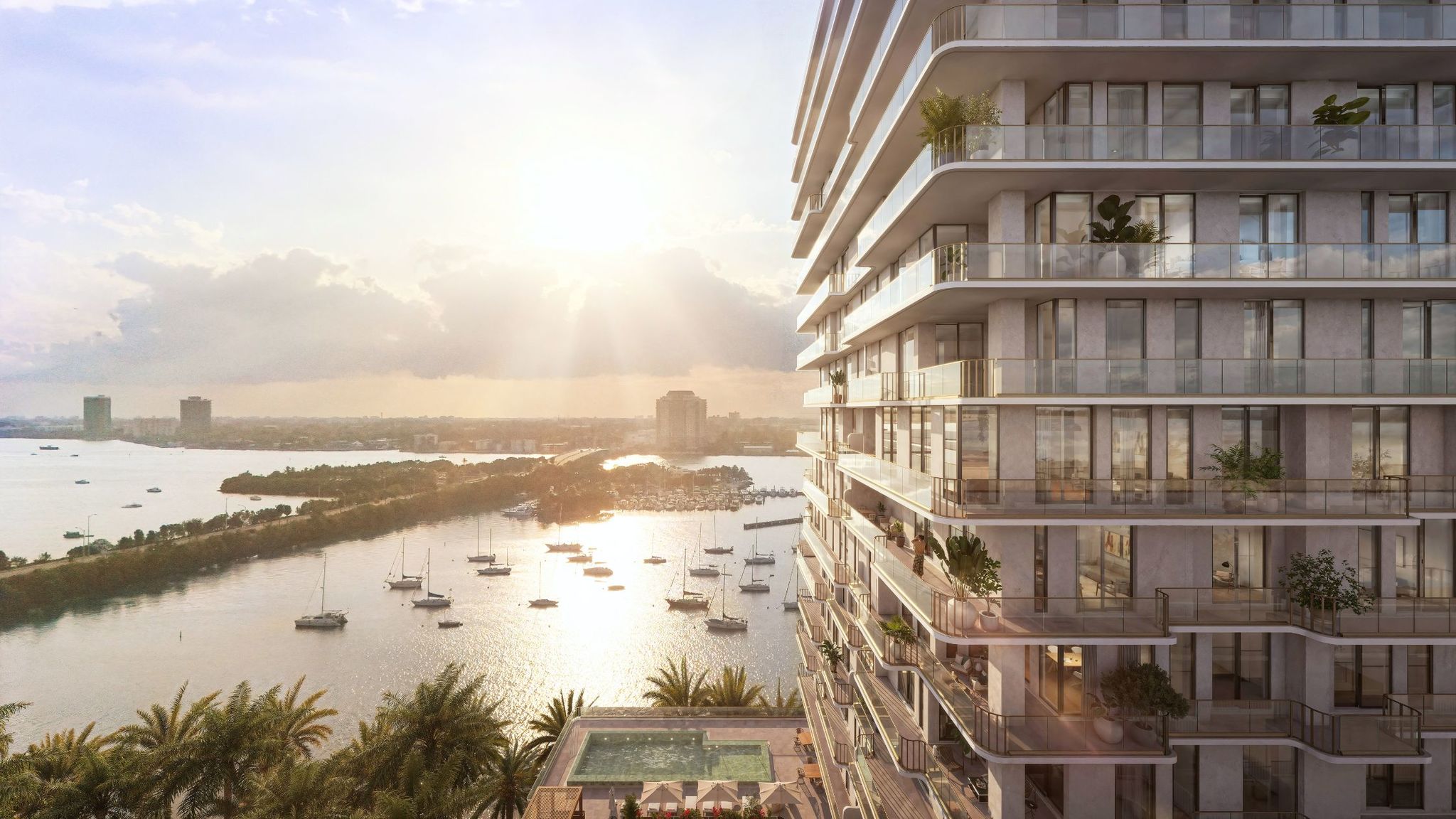
What you see in glossy renderings is often conceptual. Purchase agreements typically allow developers to modify finishes, appliances and even floor plans within certain tolerances. Understand how changes are handled and whether you have recourse if significant alterations occur. Also review assignment restrictions; some projects prohibit selling your contract before closing.
Liquidity and opportunity cost
Staged deposits lock up capital for several years. While early deposits may appreciate alongside the project, they cannot be easily redeployed elsewhere. Consider whether tying up 30–50 percent of the purchase price aligns with your overall investment strategy.
How to Minimize Risk and Navigate the Process Like a Pro
- Vet the developer and team: Research past projects and delivery history. Choose developers with successful track records and transparent reporting.
- Engage a local real estate attorney and experienced buyer’s agent: Professional guidance is critical when reviewing escrow arrangements, contract clauses and deposit schedules. Agents can also compare incentives across projects and negotiate favorable terms.
- Understand escrow mechanics: Verify the escrow agent, confirm whether funds earn interest and ensure any release conditions are documented.
- Track deadlines and maintain communication: Create a calendar of deposit due dates, selection deadlines and contract notice periods. Document all communications, especially regarding delays, in writing.
- Align deposits with liquidity planning: Where possible, negotiate deposit timing to coincide with liquidity events (e.g., the sale of another property).
- Plan financing early: Consult lenders familiar with new construction. Begin the loan process during construction and be prepared for condo review requirements.
- Inspect before closing: Conduct a thorough final walkthrough. Create a punch list of items that must be addressed and ensure remedies are in writing.
- Review contingency and termination clauses: Understand what happens if the project is delayed beyond an outside date or fails to meet milestones. Determine whether you can recover deposits or receive credits.
Making a Smart Pre-Construction Decision
Buying a pre-construction condo in Miami offers a unique opportunity to secure a modern property in a growing market, often at early pricing with flexible deposit structures. At the same time, it requires patience, careful planning and a clear understanding of how deposits, timelines and contracts work. From the initial reservation to closing, each stage carries financial commitments and legal implications that can significantly impact your investment.
Success in pre-construction is not about timing the market perfectly, but about making informed decisions. Understanding Florida escrow protections, reviewing contract terms in detail and aligning deposit schedules with your financial strategy can help reduce risk. Equally important is working with experienced professionals who can guide you through the process, identify red flags and help you navigate negotiations.
While there are risks tied to construction timelines, market shifts and developer performance, there is also strong potential for long-term value, especially in high-demand neighborhoods across Miami. With the right preparation and guidance, pre-construction can be a strategic way to build equity and secure a property that aligns with your lifestyle or investment goals.
If you are considering a pre-construction condo in Miami, reach out and I can help you better understand your options, compare available projects and move forward with clarity and confidence.
FAQ
What is the typical deposit schedule for a pre‑construction condo in Miami?
Developers usually require a small reservation deposit (often $5,000–$25,000), followed by staged payments: about 10 percent at contract signing, another 10 percent at groundbreaking, 10–15 percent at a mid‑construction milestone and a final 10 percent before closing. The remaining balance is due at closing when the Certificate of Occupancy is issued.
Are pre‑construction condo deposits in Miami refundable?
The reservation deposit is generally refundable until you sign the purchase agreement. After signing, Florida law protects the first 10 percent in escrow. Deposits beyond that are usually non‑refundable and may be used for construction if the contract authorizes it. Always review the contract’s cancellation and refund clauses.
How long does it take to complete a pre‑construction condo in Miami?
The timeline varies by project, but most high‑rise developments take two to four years from reservation to closing. Construction alone often lasts 24–36 months, and you typically close within 30 days after the Certificate of Occupancy is issued.
What are the main risks of buying a pre‑construction condo?
Key risks include construction delays, which can push back delivery or trigger closings under a Temporary Certificate of Occupancy; market shifts that affect financing or resale value; developer financial issues; contract clauses allowing design changes; and the opportunity cost of tying up capital in staged deposits. Proper due diligence, professional advice and clear contract language can mitigate these risks.
Can I sell my pre‑construction condo contract before closing?
Some Miami developments allow assignment of purchase contracts, while others prohibit it or charge fees. If you might sell before closing, negotiate assignment rights during the contract phase and confirm any developer approval requirements.
Check out this article next