

Welcome to

Coral Gables

Living in Coral Gables

Coral Gables is its own incorporated city in Miami-Dade County, set southwest of Downtown Miami between Coconut Grove and South Miami, with a Biscayne Bay shoreline along its southeastern Edge. George Merrick planned it in the early 1920s, and it was incorporated on April 29, 1925. A century later, the city still runs its own police, fire, code enforcement and parks, and it still protects the design vision that earned it the name The City Beautiful. 

The city tends to suit buyers shopping for luxury single-family homes, renovators who appreciate historic character, and relocating families, particularly from the Northeast, who want mature trees, established neighborhoods and access to strong public and private schools. Proximity to Brickell, Coconut Grove and Miami International Airport makes it practical for commuters and frequent travelers as well. 

Coral Gables is a weaker match for buyers who want high-rise urban living, nightlife outside the door or freedom to change a home's exterior at will. The Board of Architects reviews new residences, additions, pools, roof tiles, paint colors and other exterior work, so a planned renovation should be understood before an offer, not after closing. 

Relocating? Read Coral Gables Charm: What Makes The City Beautiful a Dream for Relocators and the Relocating to Miami Buyer Playbook 2026.

Homes, Estates and Waterfront Living

Single-family homes define Coral Gables real estate, and Mediterranean Revival architecture defines their look. Merrick worked with art director Denman Fink, architect Phineas Paist and landscape architect Frank Button to lay out coral rock entrances, plazas, fountains and shaded boulevards, and those early landmarks still shape the city, from the Alhambra Water Tower (1924) to the Douglas Entrance (1927) and City Hall (1928). Many properties carry historic designation, and Merrick's themed villages, seven of which were built before the 1926 hurricane and the downturn that followed halted the program, remain scattered through residential streets. The housing stock ranges from 1920s through 1950s Mediterranean Revival and Spanish-eclectic homes on generous, canopied lots to mid-century houses and newly built estates. 

Coral Gables Micro-Areas

The experience changes considerably depending on the part of the city. 

  • Downtown and Miracle Mile: Condominiums and townhomes cluster along Ponce de Leon Boulevard, Alhambra Circle and the streets around Miracle Mile, placing residents within walking distance of restaurants, offices and the free trolley. 
  • North Gables and the Granada area: Tree-lined streets of historic homes, many on generous lots near the Granada Golf Course. 
  • Biltmore area and South Gables: Larger homes near the Biltmore Hotel and golf course, and neighborhoods around the University of Miami, with a mix of historic houses and newer construction. 
  • Waterfront Gables: Along Old Cutler Road and Biscayne Bay, gated and waterfront communities such as Gables Estates, Cocoplum and Gables by the Sea offer some of the most private estate living in Miami-Dade, many with boat dockage. 

The Board of Architects evaluates color, materials, windows and proportion so new work fits the character around it, which is a large part of what buyers pay for here. For waterfront homes, flood zone, seawall condition, dock rights and insurance costs deserve the same attention as the house itself.

Lifestyle and Daily Life

Daily life in Coral Gables moves at a residential pace with a lively downtown at its center. Miracle Mile and the pedestrian-friendly Giralda Plaza anchor dining and shopping, while the Shops at Merrick Park adds upscale retail. Landmarks like the Venetian Pool, opened in 1924 in a former coral rock quarry, and the Biltmore Hotel, open since January 15, 1926, are part of everyday life rather than tourist stops. 

Outdoor time often revolves around the Biltmore and Granada golf courses, Matheson Hammock Park and Fairchild Tropical Botanic Garden. The free Coral Gables Trolley runs along Ponce de Leon Boulevard Monday through Saturday and connects to the Douglas Road Metrorail Station. Even so, most households rely on a car, so commute routes to Brickell, Downtown or the airport are worth testing at rush hour. 

Coral Gables vs Coconut Grove vs Pinecrest

Each area offers buyers a different kind of residential living: 

  • Coral Gables: An independent city with its own services, Mediterranean Revival character, strict architectural review and a walkable downtown surrounded by quieter residential streets. 
  • Coconut Grove: A bayside neighborhood within the City of Miami, with an organic street pattern, wider architectural variety, marinas and a more relaxed village feel. 
  • Pinecrest: An incorporated village south of Coral Gables, known for larger lots, quiet residential streets and a family-focused setting. 

Families weighing these options can find a deeper breakdown in Coral Gables vs Coconut Grove: Which Is Better for Families? andFrom Snow to Sunshine: Why Relocating Families Choose Coral Gables, Key Biscayne and Pinecrest.

New Construction vs Resale in Coral Gables

New construction in Coral Gables includes newly built single-family homes, boutique condos and mixed-use residences near the downtown core. It offers modern layouts, impact-rated windows, updated systems and current building code standards, though it can also mean construction timelines, deposit schedules and limited flexibility on finishes after contract.

Resale homes let buyers tour the actual property, move in sooner and judge the neighborhood as it is today. Older homes call for close inspection of roofs, plumbing, electrical and permit history, along with a review of any historic restrictions, and condo buyers should review association financials and reserves. Working with an agent who knows the Coral Gables permitting and review process helps buyers weigh the true cost of either path.

For a step-by-step look at the process, see our guide to buying a home in Coral Gables.

New Construction in Coral Gables

Check out the hottest new construction projects in Coral Gables!

View More New Construction Projects in Miami

Coral Gables FAQs

Coral Gables is its own incorporated city inside Miami-Dade County rather than a Miami neighborhood. It sits southwest of Downtown Miami, with Coconut Grove to the east, South Miami to the south and the City of Miami's Coral Way area to the north, and a Biscayne Bay waterfront along its southeastern edge. ZIP codes serving the city include 33134, 33143, 33146 and 33156. The U.S. Census Bureau counted 49,248 residents in 2020 and estimated about 49,578 as of July 2025. George Merrick planned it in the 1920s as The City Beautiful, and landmarks from that era still organize the map, including the Venetian Pool (1924), the Alhambra Water Tower (1924), the Biltmore Hotel (opened January 15, 1926), the Douglas Entrance (1927) and City Hall (1928). Merrick also helped found the University of Miami in 1925, giving 160 acres of land and $5 million toward its endowment.

The biggest difference is governance. Coral Gables is a separate city with its own police and fire departments, code enforcement, permitting and parks, and it applies its own architectural standards through the Board of Architects. That produces a consistent streetscape of Mediterranean Revival homes, coral rock landmarks and mature tree canopy that few other parts of Miami-Dade can match. The tradeoff is more oversight when you want to renovate, add on or change a home's exterior.

Single-family homes make up the bulk of the city, many of them Mediterranean Revival and Spanish-eclectic houses from the 1920s through the 1950s on generous, canopied lots, along with homes in Merrick's seven themed villages. Condominiums are a real and growing segment, concentrated along Ponce de Leon Boulevard, Alhambra Circle and the Miracle Mile corridor, where mid-rise and high-rise buildings keep residents within walking distance of restaurants and offices. That geography shapes the lifestyle: a downtown condo lives like an urban apartment, while a house on a residential street lives more like a suburb with a car in the driveway.

Coral Gables fits families who value schools, services and quiet streets, luxury buyers seeking estate or waterfront homes, and renovators who appreciate historic architecture and are comfortable working within design review. The city runs its own police, fire and parks and recreation programs, maintains pools, tennis and youth programs, and protects its tree canopy. Coral Gables Senior High School at 450 Bird Road is within the city, along with several public elementary and middle schools and many private options nearby. It is less suited to buyers seeking entry-level prices, nightlife or unrestricted renovation freedom. Confirm school assignment by address with the Miami-Dade County Public Schools locator.

Both appeal to families who want tree canopy, character and proximity to the bay, so the real difference is governance and design. Coral Gables is a municipality with its own police, permitting and an architectural review process that preserves its Mediterranean Revival character, which keeps streetscapes consistent but makes renovations slower and more prescriptive. Coconut Grove is part of the City of Miami, with an organic street pattern, wider architectural variety, looser design expectations and more direct waterfront village life. According to Walk Score, the city of Coral Gables rates 56 overall, with its most walkable pockets near Miracle Mile scoring in the 80s and 90s, while Northeast Coconut Grove rates 74. Gables buyers tend to prioritize schools, services and predictability, while Grove buyers tend to prioritize water access and individuality.

Expect a different set of homeownership costs and rules than up north. Florida has no state personal income tax, and a primary residence may qualify for the homestead exemption, which must be filed with the Miami-Dade Property Appraiser by March 1. On the other side, hurricane season runs June 1 through November 30, so windstorm and flood insurance, roof age, impact windows and flood zone should be reviewed early in any search. In Coral Gables specifically, exterior changes go through the Board of Architects and many homes carry historic designation, so renovation plans should be vetted before you commit. Visiting in summer as well as winter helps set realistic expectations about heat, rain and daily routines.

The city operates its own parks and recreation system, and its historic amenities are working places rather than decoration. The Venetian Pool, carved from a coral rock quarry and opened in 1924, is still a public swimming pool. The Biltmore Hotel, open since January 1926, includes a golf course and tennis, and the city-owned Granada Golf Course opened in 1923 beside the Coral Gables Country Club. Miami-Dade County's Matheson Hammock Park, with its tidal atoll pool, beach and marina, sits along the southern waterfront next to Fairchild Tropical Botanic Garden and its 80-plus acres of plant collections. The University of Miami adds athletics and cultural events, while the Coral Gables Museum and the Miracle Theatre anchor the arts downtown.

Miracle Mile and Giralda Plaza form the commercial heart of the city, with restaurants, cafes, bridal and home retail, salons and professional offices. Walk Score counts roughly 361 restaurants, bars and coffee shops across Coral Gables. Grocery stores, pharmacies and everyday services line Ponce de Leon Boulevard, Bird Road, LeJeune Road and South Dixie Highway, and the Shops at Merrick Park adds upscale department and designer stores. Banking, legal and medical offices cluster downtown. Traffic permitting, Coconut Grove is about 10 minutes away, Brickell roughly 15 to 20 minutes, and Miami International Airport about 15 minutes north via LeJeune Road.

It depends on where in the city you live. Walk Score rates Coral Gables at 56 for walking, 38 for transit and 56 for biking, reflecting a mostly residential, car-oriented city. The downtown pockets are a different story, with the Crafts area scoring 93, Douglas 87, Flagler 83 and Southeast Gables 82, so a condo near Miracle Mile puts groceries, restaurants and offices within an easy walk. Residential streets farther out have shade and sidewalks but fewer destinations, so errands usually mean driving. Transit options include the Douglas Road Metrorail Station at 3060 SW 37th Court, the University Metrorail Station at 5400 Ponce de Leon Boulevard and the free Coral Gables Trolley along Ponce de Leon Boulevard.

Coral Gables runs its own rulebook, and that rulebook affects what a property is worth. The Board of Architects reviews exterior changes, historic designation applies to many properties, and work such as additions, driveways, roof tiles and paint colors goes through city review. Buyers who plan to renovate need to know what the city is likely to approve before signing a contract. Homes from the 1920s through the 1950s bring their own inspection priorities around roofs, plumbing, electrical and permit history, including unpermitted work by previous owners that can become the buyer's responsibility. Waterfront and near-waterfront parcels add flood zone, seawall condition and dock permitting to the list. Jose Munoz is a licensed Florida real estate advisor with SERHANT., license 3426728, reachable at 305-988-0693 or [email protected].

Ready to see what is available in Coral Gables? Work with Jose Munoz to compare buildings, review association documents, and tour with a clear plan.
Work with Me

Want the full market report for Coral Gables?

We want to ensure that you have all the information needed to make the best decisions when it comes to your home goals. When you enter your info below you will get instant access to the area's latest market report, complete with sales and demographic trends.

Coral Gables
Market Report

Schools In The Area

Browse local schools, complete with ratings and contact info.

Around The Area

Browse through the top rated businesses that Coral Gables has to offer!

Local News & Advice

Read helpful resources and articles related to the area.

From Coral Gables to South Beach: 5 Buzz-Worthy Restaurant Openings …

From Coral Gables to South Beach: 5 Buzz-Worthy Restaurant Openings …

Miami’s culinary landscape is continually evolving, with new establishments offering diverse and innovative dining experiences. Here’s an in-depth…
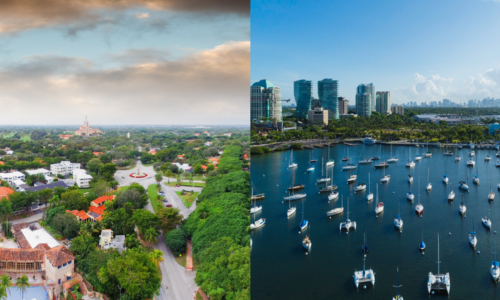
Coral Gables vs Coconut Grove: Which is Better for Families?

Coral Gables vs Coconut Grove: Which is Better for Families?

Miami offers two of its most family-friendly neighborhoods: Coral Gables and Coconut Grove. While Coral Gables shines with…
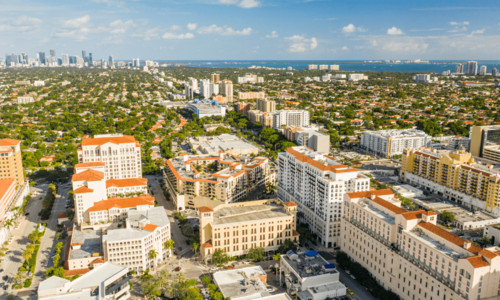
Insider Insight: 12 Expert Home Staging Secrets for Quick Coral …

Insider Insight: 12 Expert Home Staging Secrets for Quick Coral …

Staging your Coral Gables home doesn’t have to be overwhelming. These 12 expert tips, from boosting curb appeal…