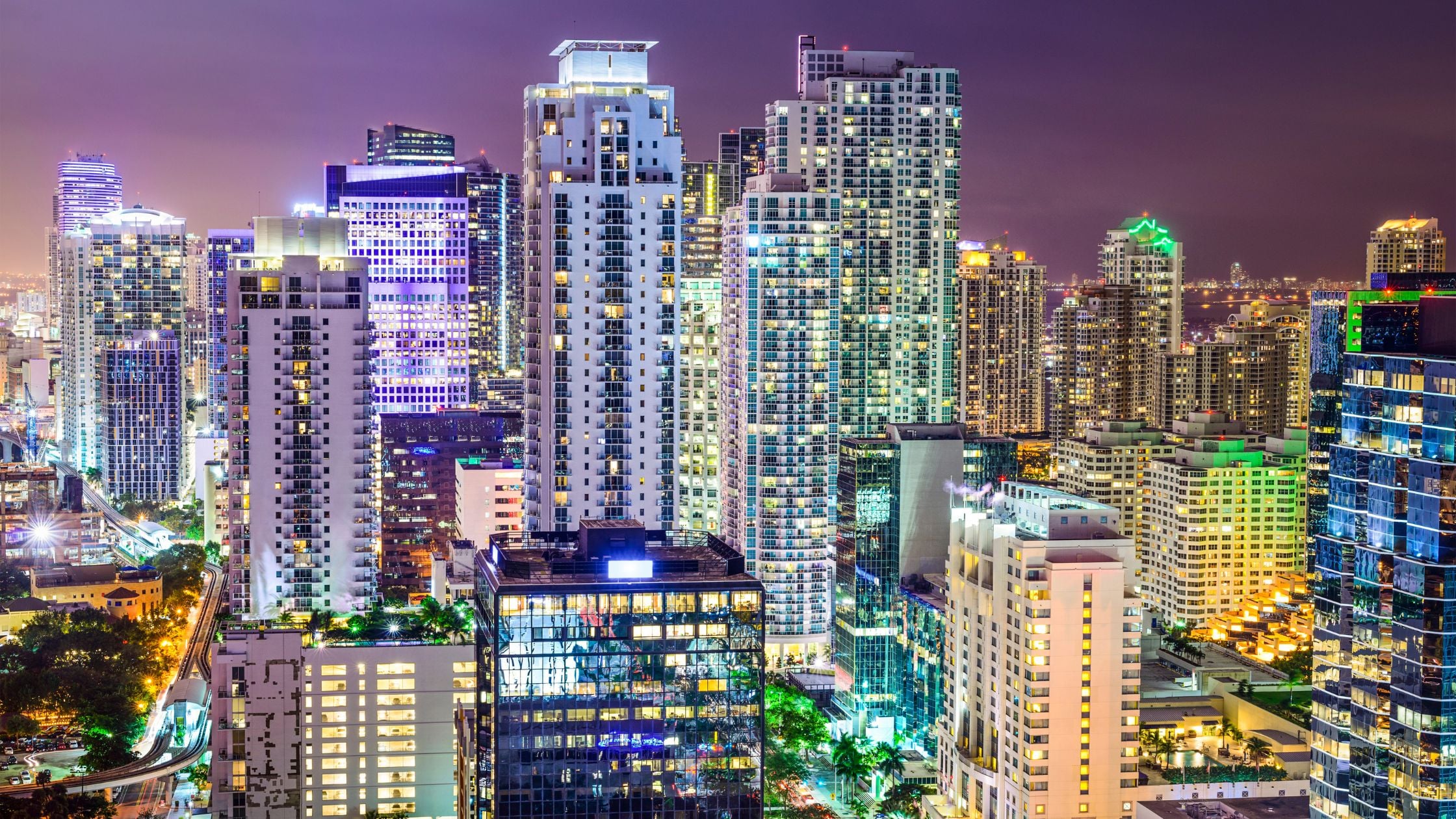
When Miami residents stroll to brunch beneath palms or enjoy a sunset dinner al fresco, they’re participating in more than a lifestyle trend. Walkability and vibrant street‑level dining have become markers of neighborhood desirability and, increasingly, drivers of real estate demand. A 2023 National Association of Realtors survey found that 79 % of Americans consider walkability important and 78 % said they would pay more for homes in walkable areas. Younger buyers lead the charge: 90 % of Gen Z and millennials want walkable communities and one‑third would pay “a lot more” for the privilege. The central question for Miami buyers and sellers is whether this appetite for café culture and car‑free convenience actually translates into higher property values.
This in‑depth guide explores the relationship between outdoor dining, walkability and home prices. We’ll examine academic research and market data, highlight Miami neighborhoods where walkability and outdoor dining converge, and offer practical insights for buyers, sellers and investors. Whether you’re relocating, upgrading, downsizing or curious about market dynamics, understanding how lifestyle amenities influence property values will help you make smarter decisions.
Understanding Walkability and Outdoor Dining
Walkability refers to how easily residents can accomplish daily activities on foot, such as buying groceries, meeting friends for coffee, exercising or commuting. At a national level, interest in walkable living has surged. According to the Florida Realtors’ recap of a NAR survey, 79% of Americans say walkability is important and 78% would pay more for homes in walkable areas. The share of listings emphasizing walkable features doubled from October 2024 to October 2025.
In Miami, walkability isn’t uniform. Certain districts developed before suburban sprawl, such as Brickell, Downtown and Coconut Grove, offer connected street grids, dense retail and transit access. As local real estate expert Jose Munoz notes, walkability has become a meaningful decision factor for buyers prioritizing time efficiency, cost control and lifestyle flexibility. Access to groceries, dining, green space, transit and healthcare within a compact radius influences where people choose to live. Walkable neighborhoods foster daily routines without a car, and that convenience now ties directly to housing demand and rental resilience.
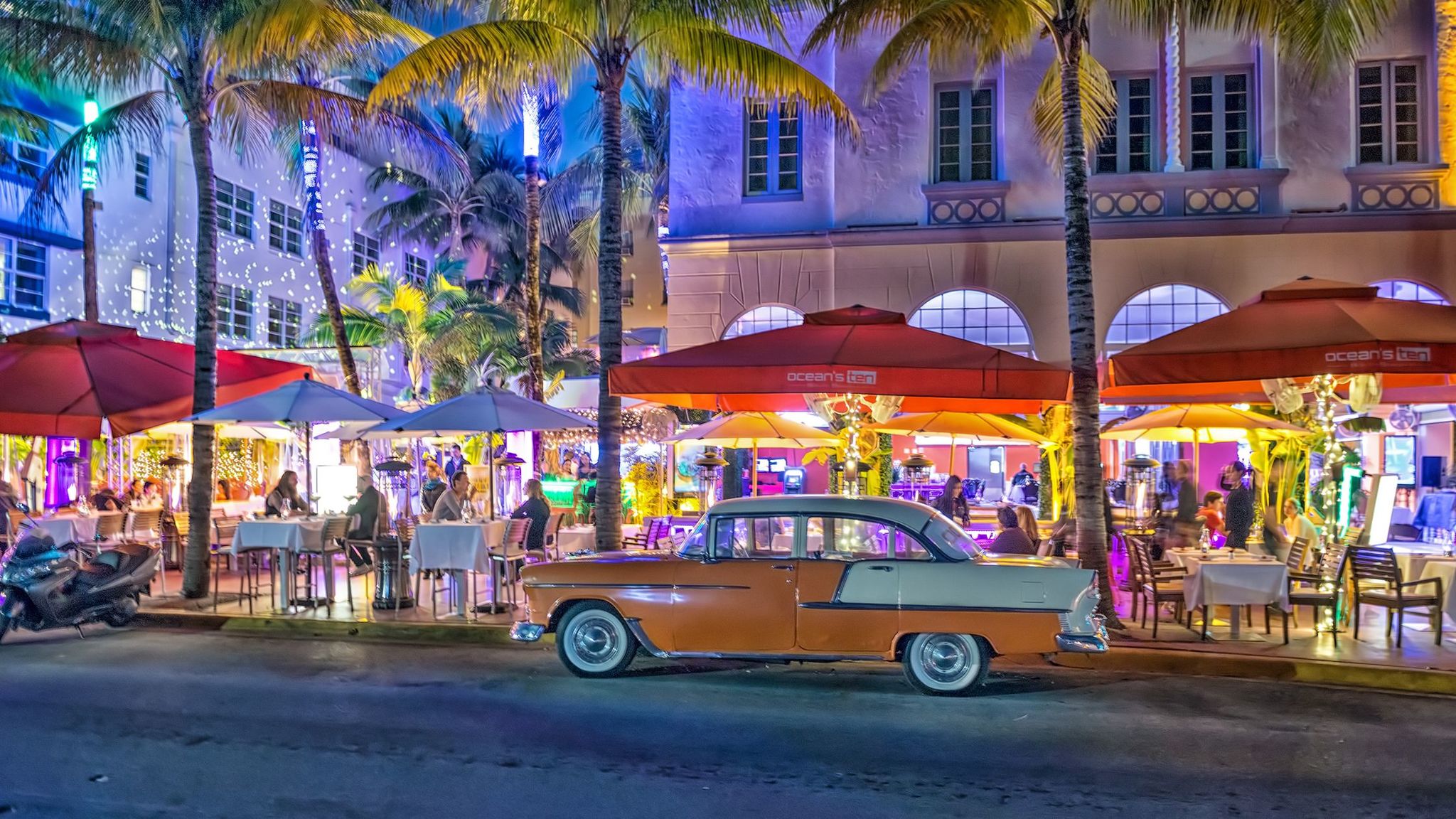
Outdoor dining, including patio restaurants, cafés with sidewalk seating and rooftop bars, complements walkability. Street level dining animates sidewalks, encourages social interaction and attracts both locals and visitors. Miami’s Downtown Development Authority (DDA) launched an outdoor dining program during the pandemic that allowed restaurants to convert on street parking into patios. The program, made permanent in 2021, transformed previously quiet downtown streets into vibrant, welcoming environments. It illustrates how outdoor dining can turn a corridor into a destination and boost a neighborhood’s appeal.
Research on Walkability and Property Values
Academic and industry studies provide insight into whether walkability commands a price premium and whether Miami follows national trends.
National and Multi‑Metro Findings
- Redfin analysis: Redfin examined more than one million home sales across 14 metro areas between 2014 and 2016. The study found that each additional point of Walk Score adds about $3,250 to a home’s value (about 0.9 %). A home going from a Walk Score of 79 to 80 saw an average value increase of more than $7,000. The premium varies by market; in San Francisco, moving from a score of 60 to 80 increased value by $187,630, whereas Phoenix saw only about $15,700.
- Walk Score premium: Earlier research aggregated by Walk Score found that homes in highly walkable neighborhoods sold 23.5 % (about $77,668) more than comparable homes in car‑dependent areas. However, correlation does not imply causation; walkability often aligns with other desirable traits like job access and cultural amenities.
- National Association of Realtors survey: 79 % of Americans consider walkability important and 78 % would pay more for it. Walkability is not just a lifestyle preference; it is tied to perceived value.
Nuanced and Local Findings
- Miami study by Boyle et al. (2014): Researchers re‑examined the relationship between walkability and housing prices in Miami and found that when controlling for local characteristics, walkability alone did not significantly affect home prices. This suggests that micro‑neighborhood factors like school quality, crime and lot size may override walkability in certain contexts.
- 15‑Minute City analysis: A 2025 study by West Virginia University used smartphone data to estimate demand for walkable neighborhoods following Miami’s adoption of the Miami 21 form‑based code. The author found that residents exhibit a strong revealed preference for walkability, with willingness to pay about $24 per square foot for a one‑standard‑deviation increase in walkability, relative to a median housing price of $305 per square foot. The study also noted that a one percent increase in amenity access raised local walking trips by 0.35 percentage points, highlighting how more destinations encourage trip chaining. While crime negatively affects values, walkability exerts an even stronger positive impact.
- Hedonic analysis by Redfin for luxury homes: For the top 5% of homes by price, each Walk Score point adds roughly $6,800 (0.55%). Interestingly, Orange County’s luxury homes showed little to negative premium, demonstrating that lifestyle preferences vary by region.
Interpreting the Data
The data shows a positive overall relationship between walkability and home values, but the strength of the premium depends on local variables. Highly walkable areas typically have more job opportunities, transit access, culture and restaurants, amenities that attract higher income buyers. Conversely, when the supply of walkable homes is limited or when other factors such as school quality or crime dominate, the walkability premium can diminish. Buyers should therefore view walkability as one component of value, not a guarantee of appreciation.
Outdoor Dining as a Lifestyle Amenity
Outdoor dining animates streetscapes and signals a healthy local economy. Research on amenities indicates that proximity to shopping and dining makes a location more convenient and attractive, which can drive up demand for nearby homes. Key benefits of outdoor dining include:
- Community vibrancy: Sidewalk cafés, food halls and open‑air restaurants draw foot traffic and create lively public spaces. Miami’s DDA found that its outdoor dining program not only helped restaurants survive the pandemic but transformed often deserted streets into vibrant and welcoming environments.
- Convenience and quality of life: Being able to walk to a favorite brunch spot or evening tapas bar saves time and reduces reliance on cars. In markets where walkability commands a premium, convenient dining can strengthen that appeal.
- Health and well‑being: Eating outside encourages social connection and fosters a sense of place. Parks, waterfront promenades and sidewalk cafés support physical activity and mental health.
- Economic signals: High‑quality restaurants and cafés often locate in neighborhoods with strong demographics. The presence of chef‑driven restaurants or curated food halls suggests that a community can support higher‑end retail and may be on an upward trajectory.
However, not all restaurant proximity yields a premium. An analysis of fast‑food locations notes that living right next door to a high‑traffic chain can lower property value due to noise, while having a fast‑food restaurant within driving distance is often viewed as a bonus. The key factors are noise, aesthetics and whether the restaurant contributes to the neighborhood’s overall charm. Buyers should evaluate the quality and variety of dining options rather than assuming any restaurant will boost resale value.
Miami Neighborhoods Where Walkability and Dining Converge
Miami’s urban core is home to several neighborhoods where walkability, outdoor dining and real estate demand intersect. Each neighborhood offers different property types, from condos and townhomes to historic single family homes and luxury towers, so price points vary widely. Here is a lifestyle focused overview of key areas:
Brickell
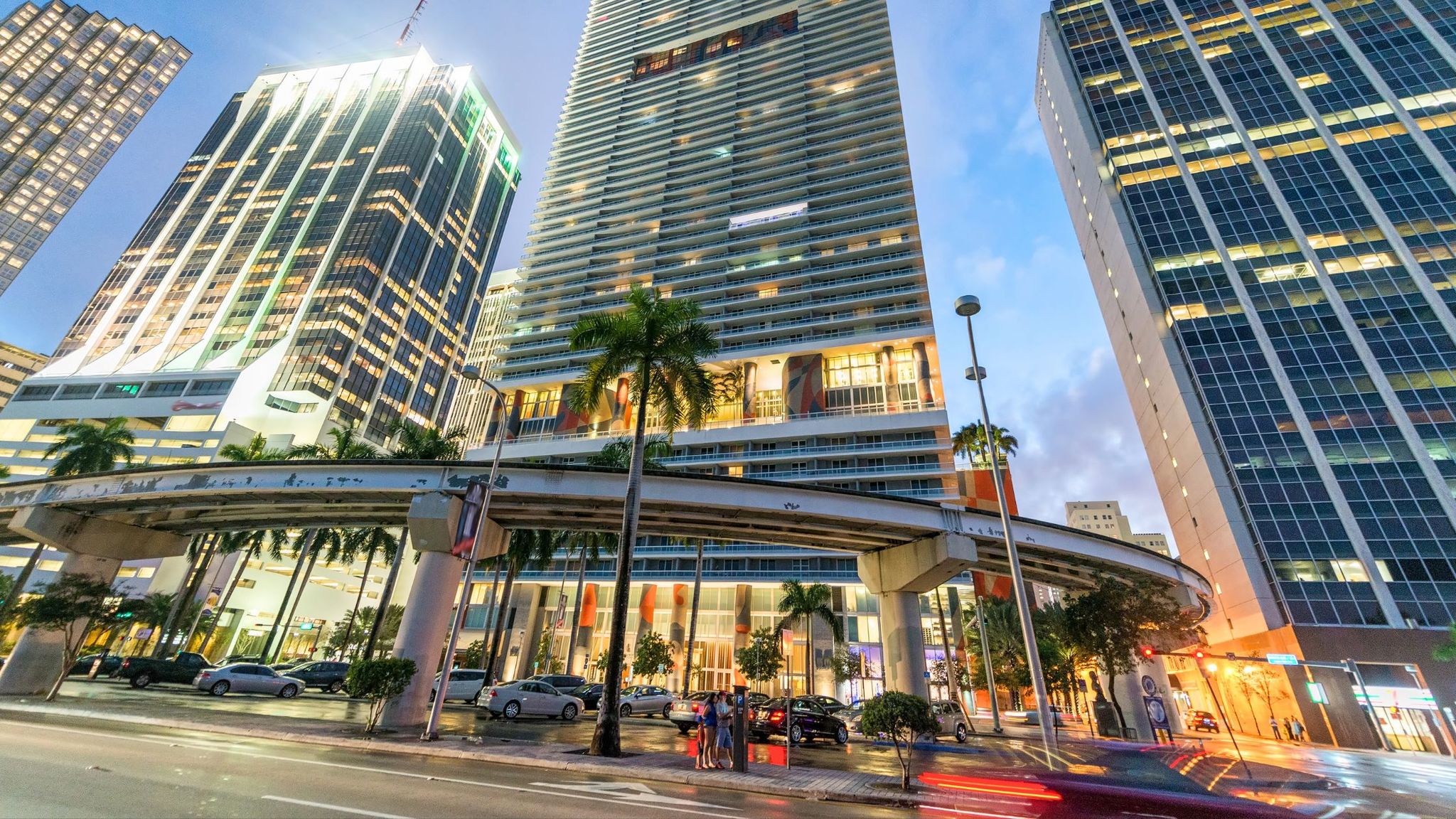
Brickell is Miami’s primary financial district and one of its most walkable environments, blending high‑rise residential towers with office buildings, retail corridors and integrated transit. Residents can walk to groceries, gyms, banks and restaurants; many commute on foot or via Metromover. Key features include:
- Dense retail clusters: Mary Brickell Village and Brickell City Centre offer dining, shopping and entertainment; cafés and rooftop bars fill the ground floors of condominiums.
- Transit access: Metromover and Metrorail stations make it possible to live without a car.
- Waterfront promenades: Paths along Biscayne Bay and the Miami River provide outdoor recreation.
- Housing mix: Primarily high‑rise condominiums with amenities such as pools, gyms and 24‑hour security; some mid‑rise lofts and townhomes. New construction includes luxury towers like Baccarat Residences and Cipriani Miami, offering pre‑construction opportunities with resort‑style amenities.
- Price range: Entry‑level one‑bedroom condos often start in the mid–$500,000s, while premium units and penthouses soar well above $2 million. Association fees are higher than suburban communities but include amenities and security.
Who it suits: Professionals working in finance or downtown, international buyers seeking a cosmopolitan lifestyle, and investors targeting rental demand. Sellers should highlight building amenities, proximity to transit and the abundance of outdoor dining.
Downtown Miami
Downtown sits immediately north of Brickell and has evolved from a commercial district into a mixed‑use neighborhood. Its walkability centers on transit hubs and waterfront parks. Highlights include:
- Cultural institutions: Pérez Art Museum, Frost Science Museum and Adrienne Arsht Center anchor the arts scene.
- Bayfront Park and Museum Park: Green spaces that host concerts, farmers markets and outdoor workouts.
- Street‑level retail: New residential towers feature ground‑floor restaurants and cafés. The Flagler Street revitalization aims to pedestrianize the historic spine, adding al fresco dining.
- Housing: Downtown offers a mix of older loft conversions, newer condominium towers and some boutique condos. Prices range from the $400,000s for smaller units to multi‑million‑dollar skyhomes.
- Transit: Access to Metromover, Metrorail and Brightline high‑speed rail makes Downtown appealing to commuters and tourists.
Downtown is ideal for buyers seeking transit‑oriented living and those who value cultural attractions. Investors should note continued infill development improving street‑level activity.
Coconut Grove
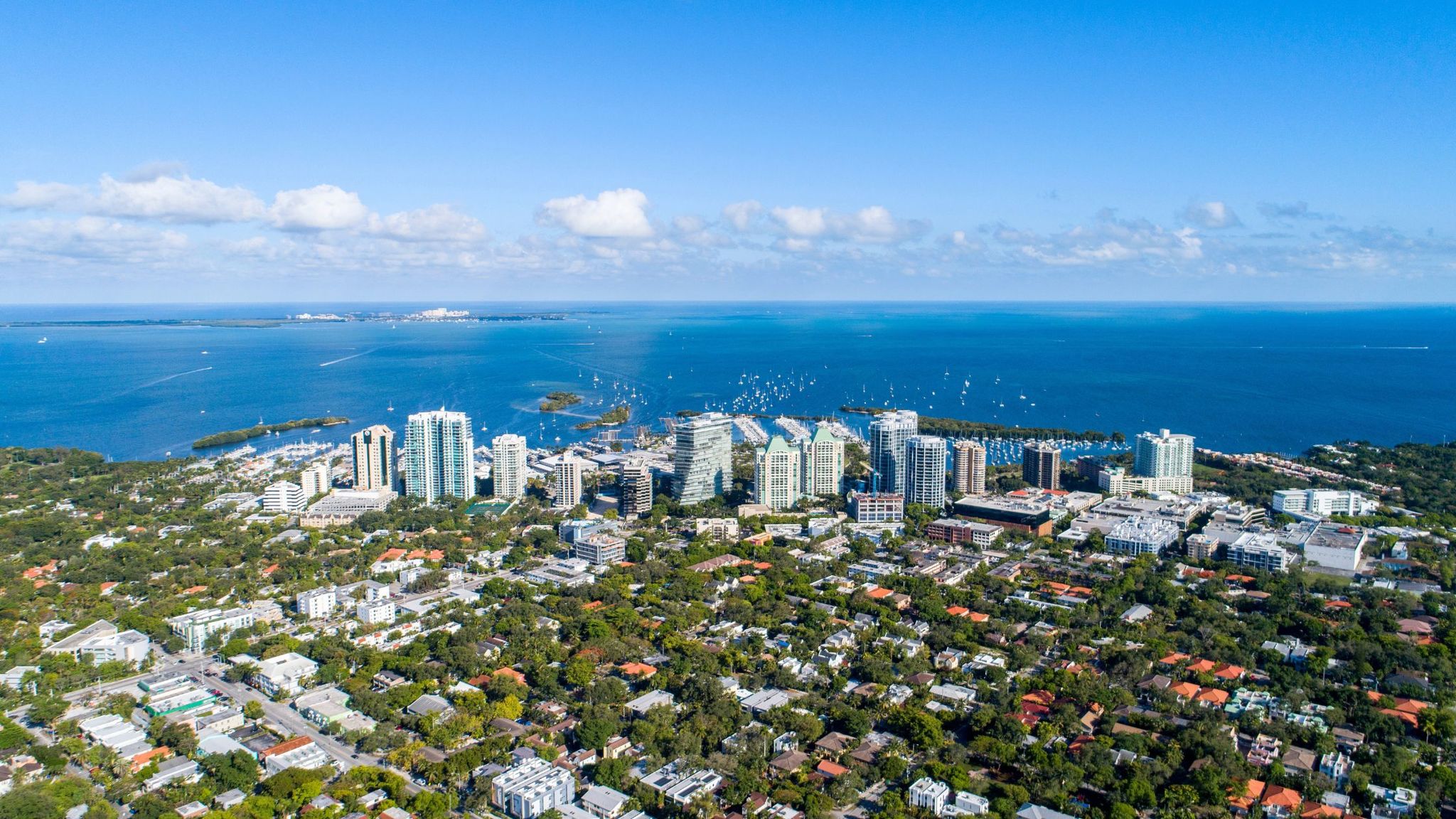
Coconut Grove provides a village‑style alternative to Miami’s high‑rise core. Its compact commercial center supports strong walkability within a defined area, while tree‑canopied residential streets maintain a relaxed vibe. Highlights include:
- Pedestrian village center: Centered around Commodore Plaza and Main Highway, the Grove’s core features independent cafés, outdoor bistros and boutique shops. The area hosts the Grove Sundays Farmers Market and frequent art festivals.
- Parks and marinas: Peacock Park and Regatta Park offer waterfront views, jogging paths and playgrounds; Dinner Key Marina caters to boaters.
- Housing mix: A diverse inventory of 1950s cottages, Mediterranean single‑family homes, townhomes and new luxury condos. Gated communities like The Cloisters offer security and privacy. New construction includes projects such as Mr. C Residences and The Grove Central near the Metrorail station.
- Price range: Single‑family homes often start above $1 million and climb to $10 million for waterfront estates. New luxury condos command premium pricing; townhomes and older condos may offer entry points in the $700,000s.
Coconut Grove appeals to families and buyers valuing walkability with a bohemian flair. The area’s eight‑out‑of‑ten school rating contributes to a significant price premium. Sellers should emphasize the village atmosphere and outdoor dining options.
Wynwood & Edgewater
Wynwood began as an industrial warehouse district and has transformed into Miami’s hub for street art, craft breweries and culinary innovation. While fewer residential options exist, new mid‑rise condos and lofts (e.g., Aria Reserve, NoMad Residences) allow residents to live above galleries, microbreweries and outdoor dining courtyards. Walkability here revolves around the Wynwood Walls art park and the main retail/dining corridors. Homes range from industrial‑style lofts in the $400,000s to luxurious penthouses in new towers.
Edgewater, located east of Wynwood along Biscayne Bay, offers a high‑rise residential skyline with sweeping water views. Recent construction such as Missoni Baia, Aria on the Bay and Elysee deliver resort‑style amenities. Edgewater’s walkability comes from its proximity to Margaret Pace Park, outdoor cafés along Biscayne Boulevard and the ability to walk or bike to Midtown and the Design District. Condos vary from under $500,000 for a smaller unit to over $10 million for a bayfront penthouse. Short‑term rentals may be restricted by building covenants; investors should verify regulations before purchasing.
Coral Gables & Miracle Mile
Coral Gables, known as “The City Beautiful,” blends Mediterranean Revival architecture with wide tree‑lined boulevards. The Miracle Mile shopping district offers outdoor cafés, upscale boutiques and independent theaters. Research compiled by Joelle Realtor notes that high Walk Scores command significant premiums, and Coral Gables exemplifies this dynamic: homes around the Mile command price premiums thanks to walkable dining, A‑rated schools and proximity to employment centers. Median prices in Coral Gables hover around the low seven figures for single‑family homes, while condos near Miracle Mile can range from $600,000 to $2 million.
Key features include:
- Spanish‑style homes: Many built in the 1920s, with large lots and historic charm. Gated communities like Cocoplum and Old Cutler Bay offer waterfront estates.
- University of Miami: Adds vibrancy and anchors restaurants and bookstores.
- Parks: Fairchild Tropical Botanic Garden, Matheson Hammock Park and Granada Golf Course provide green spaces.
Coral Gables is ideal for families seeking top schools and a balance between walkability and privacy. Sellers should highlight the Miracle Mile lifestyle while emphasizing commuting convenience to Brickell via Metrorail or a short drive.

Comparing Walkable and Car‑Dependent Neighborhoods
Walkable neighborhoods deliver clear lifestyle benefits, including reduced commuting time, healthier routines and social vibrancy, but they also come with trade offs. Car dependent areas such as Pinecrest or Kendall offer larger lot sizes, quieter streets and sometimes lower price per square foot. Joelle Realtor’s analysis highlights that buyers cannot optimize for maximum walkability and maximum safety simultaneously. Brickell scores 95 for walkability but experiences more property crime, while suburban Pinecrest scores lower for walkability but offers larger homes and lower crime rates. Families may trade walkability for extra bedrooms, backyards and pools. Urban professionals may accept higher HOA fees an
When comparing neighborhoods:
- Evaluate your daily routine. Do you need to drive children to school or can you walk to transit? Are you comfortable using rideshares instead of owning multiple vehicles?
- Consider noise and privacy. Walkable districts can be lively late into the evening. Upper‑floor condos mitigate street noise, while homes on side streets may offer quiet pockets within walkable zones.
- Balance budgets. Walkability often commands a price premium; evaluate whether the cost difference yields enough lifestyle value for your situation. In some cases, a near‑walkable neighborhood (5‑10 minute drive to amenities) provides a compromise.
- Think long‑term. Walkable neighborhoods may provide better rental resilience and appreciation potential, but suburban neighborhoods can deliver stability and larger spaces at similar or lower prices.
Implications for Buyers
- Define your priorities. Identify which amenities, such as restaurants, parks, schools and transit, are non negotiable. Walkability will mean different things to professionals, families and retirees.
- Assess the quality of amenities. Not every restaurant adds value. Seek neighborhoods with a mix of chef‑driven restaurants, coffee shops and everyday conveniences. Avoid properties directly adjacent to noisy bars or fast‑food drive‑throughs, which can drag values.
- Investigate walkability metrics. Walk Score and similar indices provide useful starting points, but local nuances matter. For example, some streets might have sidewalks but lack shade trees, making walking less comfortable in the Miami heat. Others may have high scores yet limited grocery options.
- Understand HOA and zoning restrictions. Some condominium associations restrict short‑term rentals, which impacts investment strategy. Zoning changes like Miami 21 encourage mixed‑use developments, but not all neighborhoods have the same policies.
- Review future development plans. Look at the Miami DDA master plan and city zoning changes. Planned parks, transit expansions or outdoor dining initiatives could boost future walkability and, potentially, property values.
- Work with a local expert. A realtor who lives and works in Miami can provide on‑the‑ground insight into micro‑neighborhoods, building reputations, condo fees and upcoming developments. They can also help you evaluate how walkability aligns with your lifestyle and budget.
Implications for Sellers
- Highlight walkability in marketing. Emphasize proximity to favorite restaurants, parks, transit stops and cafés in listing descriptions. Mention if your home is within a 10‑minute walk of grocery stores or popular dining corridors.
- Stage outdoor spaces. If your property has a patio, balcony or rooftop area, stage it to evoke an outdoor dining experience. Buyers increasingly visualize themselves enjoying fresh air and hosting friends.
- Leverage the neighborhood story. Provide potential buyers with a neighborhood guide that showcases local farmers markets, coffee shops, fitness studios and upcoming events. Lifestyle stories resonate more than square footage.
- Price strategically. Recognize that while walkability adds appeal, other factors like school quality, condition and architectural style still drive pricing. Consult a realtor to benchmark against comparable sales in your micro‑market.
- Stay informed on regulations. If your building participated in the DDA’s outdoor dining program or is adjacent to new sidewalk cafés, understand any association policies and potential fees. Transparency builds buyer confidence.
Relocation Insights
For out‑of‑state or international buyers considering Miami, walkability and dining culture can be part of the city’s charm, but understanding local nuances is critical:
- Neighborhood diversity: Miami consists of micro‑markets. Brickell’s skyline living contrasts with Coconut Grove’s village ambiance or Coral Gables’ suburban elegance. Visit neighborhoods at different times of day to experience traffic patterns, noise levels and community atmosphere.
- Climate considerations: Miami’s subtropical climate makes outdoor dining pleasant most of the year, but midday heat and seasonal storms can limit walkability. Seek buildings with covered walkways or shade trees.
- Language and culture: Miami is an international city. Walkable districts often have multilingual signage and a mix of cuisines, from Cuban ventanitas to Peruvian ceviche bars, adding cultural richness.
- Healthcare and schooling: If you have specific healthcare needs or children, evaluate proximity to hospitals and A‑rated schools. Some walkable neighborhoods may lack large medical facilities; others like Coral Gables offer both convenience and top schools.
- Transportation: Even in walkable areas, owning a car may be necessary for longer trips. Many residents use ride‑share services or keep a secondary vehicle. Buildings with secure parking command higher prices.
New Construction and Pre‑Construction Opportunities
Miami continues to attract developers eager to build luxury towers and mixed‑use communities that enhance walkability. Pre‑construction projects often offer early pricing, customizable finishes and state‑of‑the‑art amenities. Notable examples include:
- Brickell: Baccarat Residences, Cipriani Residences and The St. Regis Brickell will deliver ultra‑luxury condos with private dining clubs, concierge services and proximity to Brickell’s restaurant row. Some projects integrate street‑level retail and outdoor cafés, further enhancing walkability.
- Edgewater: Aria Reserve and Missoni Baia bring resort‑style towers with waterfront promenades, while NoMad Residences introduces a hotel‑branded residential concept with on‑site restaurants.
- Coconut Grove: Mr. C Residences, Grove Central and boutique townhome projects such as The Fairchild cater to buyers seeking a blend of village charm and modern design. Several include ground‑floor retail and dining.
- Coral Gables and Merrick Park: The Merrick Park district continues to expand, with new condo and hotel developments adding retail and outdoor dining plazas.
Pre-construction buyers should examine developer track records, HOA budgets and rental policies. It is also wise to consider resale timelines, as pre construction units often require several years before completion, so align your investment horizon accordingly.
Explore pre-construction projects in Miami to secure early pricing, flexible deposit structures and long term appreciation potential in high demand neighborhoods.
Investment and Rental Considerations
Walkable neighborhoods tend to command higher rents and lower vacancy rates. According to Redfin’s hedonic analysis, luxury homes in walkable areas gain about $6,800 per Walk Score point, implying strong rental demand at the high end. However, investors must account for:
- HOA fees: High‑rise condos with extensive amenities and security may have monthly fees between $600 and $1,200 or more. These costs impact cash flow.
- Short‑term rental restrictions: Many associations and municipalities limit rentals to 30‑ or 90‑day minimums. Verify rules before purchasing, especially in Brickell, Downtown and Edgewater.
- Insurance and taxes: Florida homeowners insurance and property taxes can be higher near the coast. Evaluate numbers with your lender or financial adviser.
- Long‑term appreciation versus cash flow: Walkable districts may appreciate faster due to demand, but purchase prices are higher. Investors should balance capital growth prospects with current yields.
Lifestyle and Community Highlights
Beyond price, walkable neighborhoods with outdoor dining foster a distinct sense of community. Key lifestyle benefits include:
- Social interaction: Outdoor patios encourage spontaneous meet ups with neighbors and friends. Farmers markets and food festivals, common in Coconut Grove and Coral Gables, bring residents together.
- Health and sustainability: Walking or biking reduces reliance on cars, lowering emissions and promoting physical activity. Miami’s 15‑minute neighborhoods help residents “combine multiple stops within a single outing”.
- Cultural richness: Street‑level dining and art create a vibrant cultural scene. Wynwood’s murals, Brickell’s rooftop bars and Little Havana’s sidewalk cafés celebrate Miami’s diversity.
- Economic resilience: Walkable, mixed‑use districts often weather market downturns better because they attract a stable mix of residents, office workers and tourists. High walkability also lowers mortgage default risk; Pivo (2014) found that multifamily properties with Walk Scores below 80 had a 60 % higher default rate compared with those scoring over 80.
Why Work With a Local Miami Realtor
Navigating Miami’s micro‑markets requires on‑the‑ground expertise. A local realtor:
- Understands micro‑neighborhoods: They know which blocks offer quiet respite within walkable districts, where new cafés are opening and which projects have solid HOA reserves.
- Provides data‑driven guidance: Using market statistics, walkability indices and lifestyle insights, they help buyers quantify premiums for amenities such as outdoor dining and evaluate whether those premiums align with personal goals.
- Connects you with resources: Whether you need a mortgage calculator, home valuation, relocation guide or access to off‑market listings, a trusted advisor offers tools to make informed decisions.
- Advocates during negotiations: In competitive walkable neighborhoods, having a professional who knows recent comps and developer incentives can mean the difference between winning and losing a bid.
Explore our curated Miami Neighborhood Guides for deeper dives into specific districts.
Frequently Asked Questions
Does living near restaurants and outdoor dining increase home value?
Proximity to high‑quality restaurants and outdoor cafés can boost demand by enhancing convenience and lifestyle appeal. However, research shows that not all dining options have the same effect; being next to a noisy fast‑food outlet may lower value, while being a short walk away is often a positive.
What premium can walkable neighborhoods command in Miami?
National studies suggest homes in highly walkable areas sell for about 23.5 % more than comparable car‑dependent homes. Each Walk Score point may add around $3,250 to $6,800 depending on the market. In Miami, some research finds that walkability alone is not statistically significant when local factors are controlled, indicating that walkability premiums vary by neighborhood.
Which Miami neighborhoods offer the best combination of walkability and outdoor dining?
Brickell, Downtown Miami, Coconut Grove, Wynwood, Edgewater and Coral Gables each provide strong walkability and vibrant dining scenes. Brickell has the highest Walk Score and offers dense retail and transit. Coconut Grove delivers a pedestrian village atmosphere. Coral Gables’ Miracle Mile blends historic charm with outdoor cafés.
Are there downsides to highly walkable neighborhoods?
Walkable areas can have higher noise, smaller living spaces and higher HOA fees. Crime rates may be higher in dense districts like Brickell compared with suburban neighborhoods. Buyers should balance lifestyle benefits with personal preferences for privacy and safety.
How can sellers leverage walkability to attract buyers?
Sellers should highlight proximity to amenities, stage outdoor spaces and tell the neighborhood story. Pricing should still reflect overall property condition and comparable sales. A local realtor can craft marketing that appeals to buyers seeking a lifestyle upgrade.
Do outdoor dining programs affect long‑term property values?
Miami’s DDA outdoor dining program revitalized downtown streets and improved community vibrancy. While there isn’t extensive data on long‑term value impact, lively streetscapes generally attract residents and businesses, supporting property demand.
Is walkability more important than school quality?
It depends on buyer priorities. Families often prioritize school quality over walkability, which may lead them to suburban areas like Pinecrest or Coral Gables. Young professionals or retirees might prioritize walkability and dining culture. The highest premiums occur when neighborhoods combine walkability with A‑rated schools.
Can I find walkable neighborhoods with single‑family homes?
Yes. Coconut Grove and Coral Gables offer walkable pockets with single‑family homes and townhomes. Some subdivisions around Brickell and Downtown are predominantly condos, but adjacent neighborhoods like The Roads provide single‑family options within walking distance of Brickell’s dining and transit.
Conclusion
Walkability and outdoor dining contribute to the lifestyle premium that modern homebuyers seek. National research indicates that homes in highly walkable areas command significant price premiums, and buyers, especially younger generations, are willing to pay for the convenience. Miami’s urban core demonstrates this trend, with neighborhoods like Brickell and Coconut Grove offering vibrant restaurant scenes and car free living. Yet the relationship between walkability and property value is nuanced. Local factors such as school quality, crime rates, lot sizes and HOA fees play critical roles. In some Miami neighborhoods, walkability alone does not guarantee a price premium.
For buyers, the key is aligning lifestyle priorities with budget and long‑term goals. Evaluate the quality of amenities, study micro‑market data and work with a trusted local realtor. For sellers, leveraging walkability in marketing and staging can attract lifestyle‑driven buyers. Whether you’re exploring a new condo in Brickell, a historic home in Coconut Grove, or a townhome in Coral Gables, understanding how outdoor dining and walkability influence demand will help you make informed decisions.
Ready to explore Miami’s walkable neighborhoods or discuss your real estate goals? Reach out for personalized guidance, or download our free relocation guide to start planning your move.
Check out this article next