Wynwood Lifestyle Overview
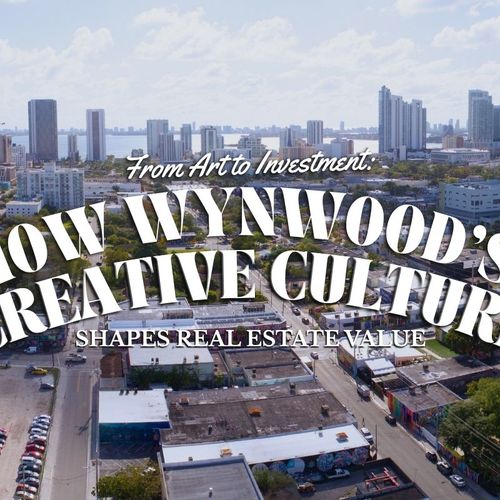
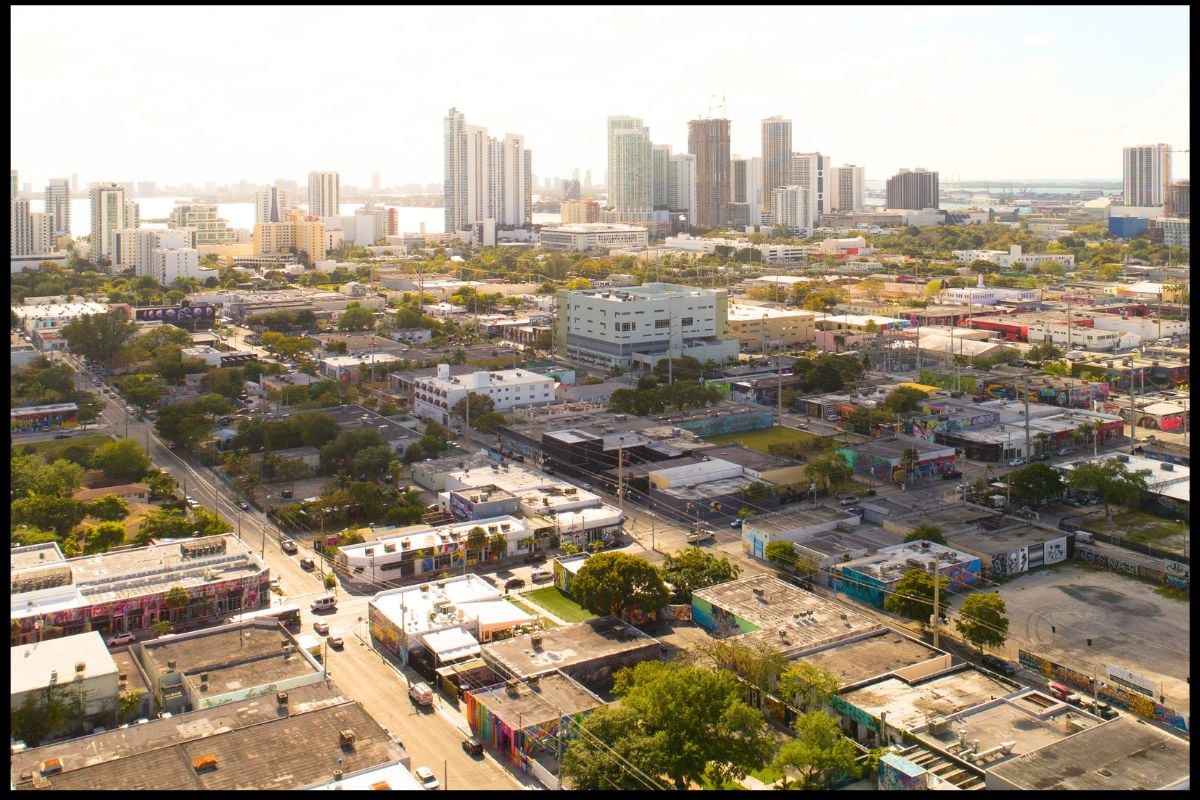
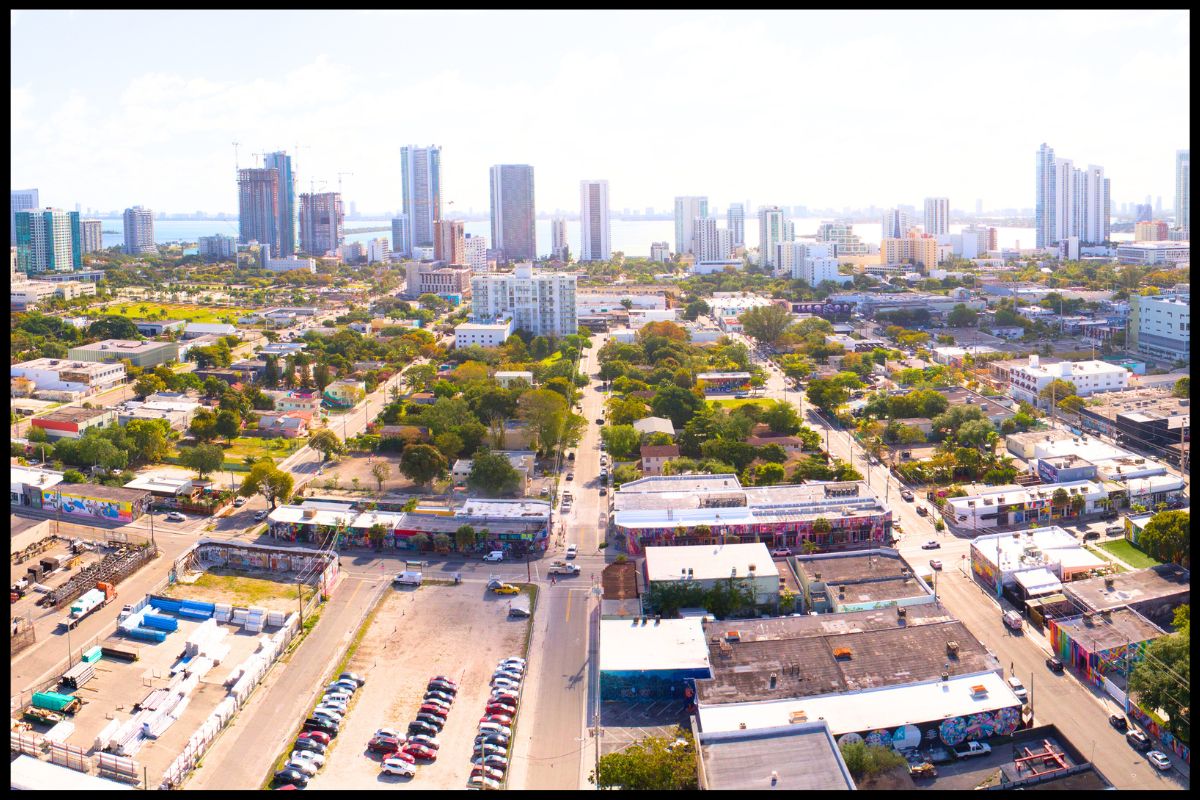
Wynwood sits just north of Downtown Miami and west of Biscayne Bay, yet it feels worlds apart. Once dominated by industrial warehouses, the neighborhood began transforming in the early 2000s as artists and developers turned blank walls into large-scale canvases. Today, Wynwood is globally recognized as an arts district where creative expression shapes nearly every block.
Massive murals, independent galleries, music venues, and craft breweries coexist within a compact, walkable neighborhood that attracts both residents and visitors year-round. Cultural landmarks anchor Wynwood’s identity and reinforce its reputation as an open-air gallery rather than a traditional residential enclave.
Over the past two decades, this creative momentum has drawn entrepreneurs, designers, and young professionals, spurring new residential and mixed-use development alongside longtime industrial buildings. This article explores Wynwood’s lifestyle, real estate market, and long-term value using verified data and on-the-ground insight to help buyers, investors, and long-term owners determine whether Wynwood fits their needs and how it compares to nearby Miami neighborhoods.
Wynwood is one of several Miami neighborhoods offering a distinct lifestyle experience. For a broader comparison of lifestyle, walkability, and long-term livability across the city, see Where Is the Best Place to Live in Miami? A Neighborhood Lifestyle Guide.
Is Wynwood a Good Place to Live in Miami?
Wynwood offers a distinctive urban lifestyle defined by creativity, walkability, and cultural energy.
- Walkability is high, with a Walk Score of 87 for the Wynwood–Edgewater area, allowing most daily errands to be completed on foot.
- Monthly art walks and frequent nightlife events foster a strong sense of community and shared identity.
- Housing stock includes older multifamily buildings alongside newer condo and rental developments.
- Approximately 75 percent of occupied housing is renter-occupied
- Proximity to Downtown, Midtown, the Design District, and I-95 supports convenience and long-term value.
Wynwood appeals to residents who prioritize culture, social energy, and an active urban environment over suburban quiet.
Wynwood Real Estate Market in 2026
Market Snapshot
As of 2026, Wynwood remains a compact, renter-heavy urban neighborhood with a young population and evolving affordability dynamics. Recent demographic estimates place the population at approximately 6,100 residents, spread across about 3,060 households. The median age is 36, with a strong concentration of residents between 25 and 44, reinforcing Wynwood’s identity as a neighborhood dominated by working professionals, creatives, and entrepreneurs.
The median household income is estimated around $49,000, which remains below the Miami-Dade County average. Housing tenure continues to skew heavily toward renting, with roughly three-quarters of occupied units renter-occupied. This renter dominance plays a central role in shaping both pricing behavior and long-term demand.
Older cost-of-living figures no longer reflect current conditions. While historic data once placed median housing costs near $1,300 per month, current rental pricing in 2026 is significantly higher, particularly in newer developments. Average asking rents across Wynwood now exceed $3,400 per month, with one-bedroom units commonly pricing above $3,000 and two-bedroom units well above $4,000. This widening gap between income levels and housing costs highlights ongoing affordability pressure within the neighborhood.
Pricing and Sales Trends
From a sales perspective, Wynwood’s housing market cooled through 2024 and 2025, creating more balanced conditions entering 2026. The median sale price now sits just under $590,000, down from peak pricing levels reached in prior years. Pricing softness has not been uniform across all property types, but overall conditions favor buyers more than in previous cycles.
The median price per square foot generally ranges between $600 and $620, depending on building age, unit condition, and proximity to core Wynwood amenities. New-construction luxury condos continue to command a premium compared to older multifamily inventory.
Across the broader Wynwood–Edgewater area, the typical home value is approximately $561,000, reflecting modest year-over-year softening rather than a sharp market correction. Homes are taking longer to transact, with median days on market averaging roughly 100 to 110 days, and many properties closing below asking price. These trends provide buyers with increased negotiating leverage.
Overall, Wynwood’s 2026 real estate market reflects a buyer-leaning short-term environment paired with sustained long-term development momentum.
Who Is Wynwood Best For?
Creative Professionals and Entrepreneurs
Wynwood attracts artists, designers, and founders who value proximity to galleries, coworking spaces, and collaborative creative environments.
Young Professionals and Couples
Residents seeking nightlife, dining, and a walkable social scene often find Wynwood appealing.
Investors
A renter base exceeding 75 percent supports long-term rental strategies, while new luxury condos priced between $850 and $1,100 per square foot offer entry points below waterfront districts.
Remote Workers
Live-work units and coworking lounges appeal to professionals seeking flexibility near Downtown Miami.
Culture-Focused Buyers
Buyers who value museums, murals, and recurring cultural events find Wynwood uniquely compelling.
Overview: Is Wynwood a Good Investment?
Positive Investment Indicators
- Large-scale residential and mixed-use developments signal long-term confidence
- Strong rental demand supported by renter-heavy demographics
- Central location near employment and cultural hubs
- Pedestrian-oriented streetscape and public-space improvements
Market Considerations
- Recent price declines create near-term buying opportunities
- Longer days on market favor negotiation
- Ongoing construction can affect daily livability in the short term
Overall, Wynwood presents a long-term growth narrative paired with short-term volatility.
Neighborhood Overview
From Warehouses to a Global Arts District
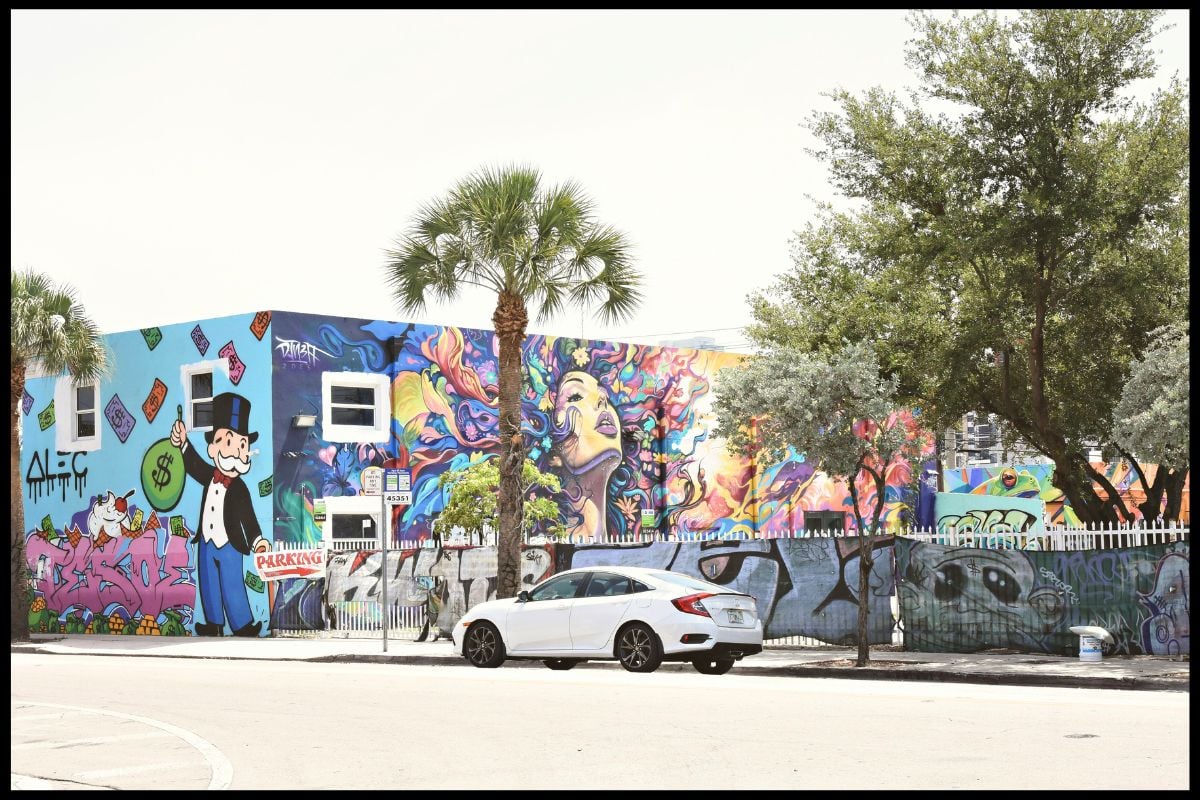
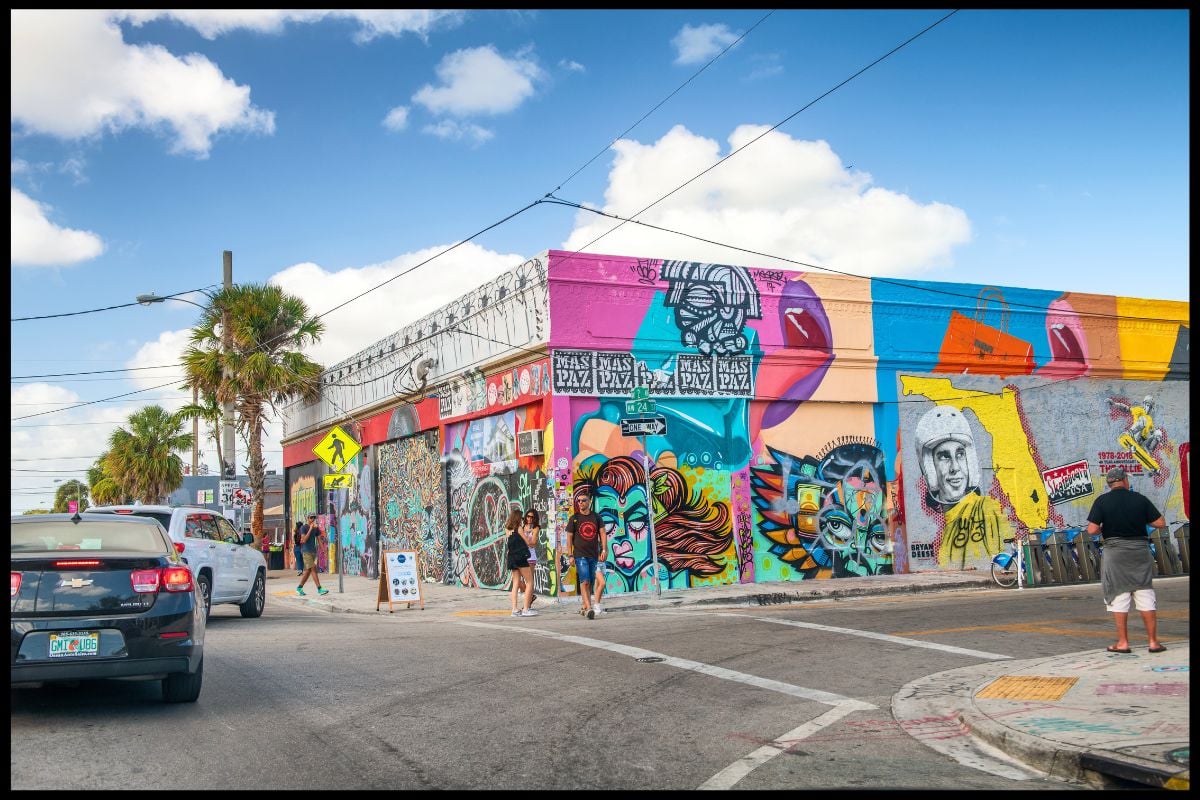
Wynwood’s transformation accelerated in the early 2000s when developers reimagined warehouse walls as platforms for street art. Today, the neighborhood operates as an open-air gallery with rotating murals, galleries, and studios that reflect the evolution of street art into a globally recognized movement. Cultural institutions reinforce Wynwood’s artistic roots while accommodating growth and modernization.
Events, Culture, and Nightlife
Monthly Art Walks
Every second Saturday of the month, Wynwood hosts its signature art walk, transforming the neighborhood into an open-air festival of murals, gallery openings, vendors, and live music. The event remains central to Wynwood’s cultural identity.
Inclusive Nightlife
Wynwood’s nightlife emphasizes creativity and inclusion. Venues host themed dinners, drag brunches, and live performances that contribute to the neighborhood’s expressive and welcoming atmosphere.
Lifestyle and Daily Living
Walkability and Transportation
With a Walk Score of 87, Wynwood allows residents to reach dining, galleries, and entertainment largely on foot. Ongoing development means construction is part of daily life, but newer projects emphasize pedestrian-friendly design, wider sidewalks, and shared public spaces.
Dining and Culinary Culture
Wynwood’s dining scene mirrors its artistic diversity.
Notable Dining Experiences
- French brasserie-style dining
- Mediterranean and Middle Eastern small plates
- High-end omakase counters
- Casual taco spots and burger joints
- Food halls featuring multiple Asian cuisines
This variety supports a lively evening economy and draws visitors from across Miami.
Shopping, Wellness, and Community Spaces
Rather than traditional malls, Wynwood offers:
- Independent boutiques and rotating pop-up shops
- Yoga studios and fitness centers
- Coworking lounges and rooftop amenities
- Community programming within residential developments
Many new projects integrate wellness, workspaces, and social areas into everyday living.
Real Estate Market Overview in 2026
Demographics and Housing Stock
- Median age: 36
- Strong concentration of residents aged 25 to 44
- Many buildings constructed before 1980
- New luxury development gradually expanding inventory
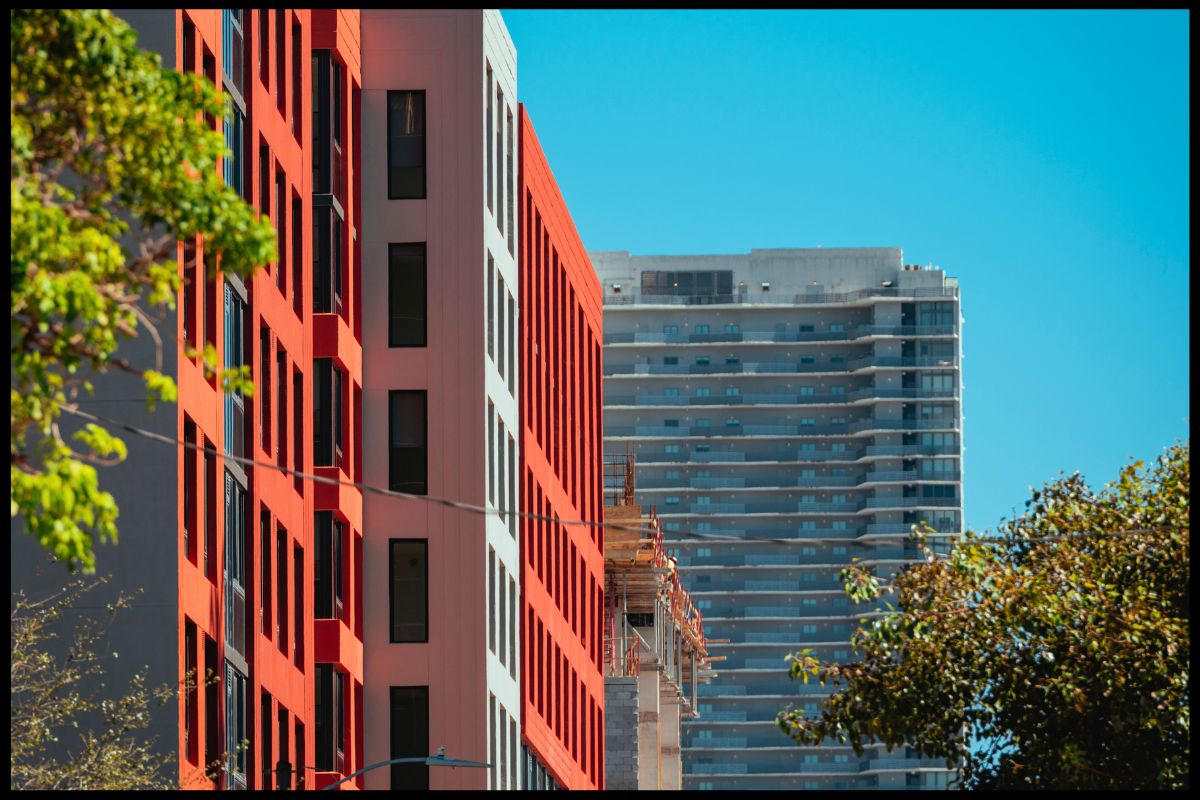
Wynwood remains dominated by older multifamily structures, with modern towers increasing density and amenities.
Market Activity and Buyer Leverage
- Homes frequently sell below asking price
- Inventory turnover is slower than prior years
- Buyers have increased negotiating power
Despite cooling metrics, the active development pipeline reflects long-term optimism.
Development Pipeline and Major Projects
Large-Scale Developments
- New rental towers with wellness and coworking amenities
- Mixed-use campuses combining residential, retail, office, and public space
- Projects delivering public plazas, widened sidewalks, and pedestrian-focused design
Investor Activity
Land acquisitions, refinancing, and institutional participation continue to signal confidence in Wynwood’s evolution as a live-work-play district.
Who This Neighborhood Is Best Suited For
Best Fit Residents
- Artists and creative entrepreneurs
- Remote professionals and founders
- Investors focused on rental demand
- Buyers comfortable with evolving urban density
Less Ideal For
- Buyers seeking quiet suburban environments
- Families prioritizing traditional school districts
- Residents sensitive to construction and congestion
Investment and Long-Term Value Considerations
Economic Momentum
- Strong developer financing
- National and international tenant interest
- Expanding retail and office demand
Rental Demand
- High renter occupancy supports income strategies
- Diverse unit types support multiple price points
Infrastructure Improvements
- Pedestrian-focused streetscape upgrades
- Expanding public plazas and shared spaces
Neighborhood Comparisons
Wynwood vs Midtown
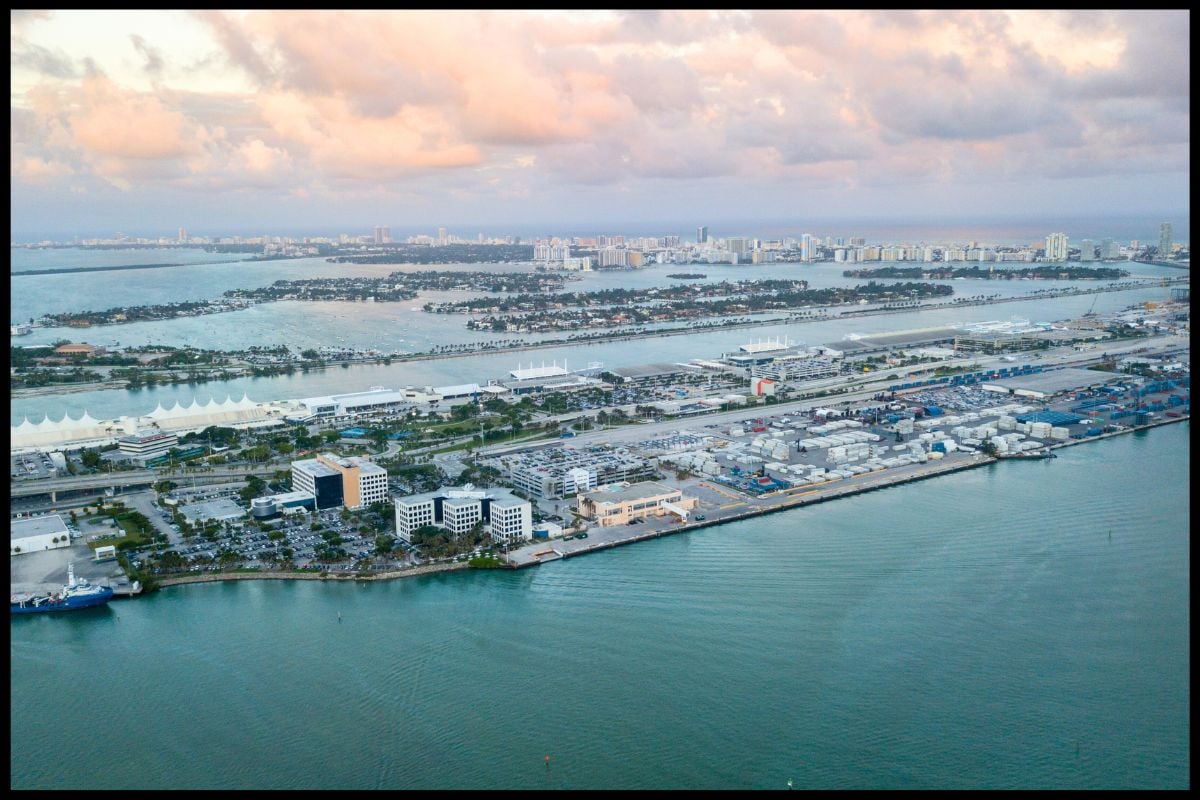
Midtown offers a more polished, residential feel with large retailers, while Wynwood prioritizes culture, art, and street-level vibrancy.
Wynwood vs Design District
The Design District focuses on luxury retail and higher price points, while Wynwood emphasizes creative authenticity and accessibility.
Wynwood vs Edgewater and Brickell
Edgewater and Brickell offer high-rise waterfront living. Wynwood delivers lower-scale density, artistic energy, and a more casual urban experience.
FAQ: Living in Wynwood
Is Wynwood a good place to live in Miami?
Yes, for residents seeking walkability, culture, and an active urban lifestyle.
Is Wynwood walkable?
Yes. Most daily needs can be met on foot, though construction remains ongoing in some areas.
Is Wynwood good for investment?
Long-term prospects are strong, though buyers should expect short-term market fluctuations.
Who should buy in Wynwood?
Creative professionals, remote workers, investors, and lifestyle-driven buyers.
Wynwood Lifestyle Summary and Long-Term Perspective
Wynwood’s evolution from an industrial zone into a world-recognized arts district reflects Miami’s broader transformation. The neighborhood blends culture, walkability, dining, and development momentum in a way few Miami districts can match. While the current market favors buyers, long-term fundamentals such as cultural identity, infrastructure investment, and sustained demand continue to support Wynwood’s position as a distinctive place to live and invest.
For those who value creativity, community, and constant change, Wynwood remains one of Miami’s most compelling urban neighborhoods in 2026.
Check out this article next