A Year of Transition and Opportunity
The Miami real estate market in 2025 stands at a meaningful inflection point. After years of explosive growth, intense competition, and headline-making price jumps, the market has entered a more nuanced phase. Demand remains strong, particularly in the luxury and waterfront segments, but buyers are more deliberate, sellers are more strategic, and pricing is increasingly driven by quality rather than urgency.
This year has been defined by balance rather than frenzy. Record-setting luxury sales have continued, yet inventory has slowly increased. New construction is reshaping the skyline, while updated regulations are changing how buyers evaluate condos and long-term investments. For buyers, sellers, and investors alike, 2025 has been a year that rewards preparation, clarity, and informed decision-making.
The following highlights capture the most important developments shaping Miami real estate this year and explain what they mean for anyone considering a move in this market.
Miami Ranked Number Two Housing Market for 2025
Miami’s ranking as the number two housing market in the country reflects more than short-term demand. It signals long-term confidence in the region’s economy, lifestyle appeal, and population growth. Even as other markets cool, Miami continues to attract domestic relocations, international buyers, and capital seeking stability.
One of the defining characteristics of this ranking is Miami’s financial resilience. A significant portion of transactions continue to be completed with cash, reducing sensitivity to interest rate fluctuations. Additionally, a large share of homeowners hold substantial equity in their properties, giving sellers flexibility and reducing distressed inventory.
This combination of equity-rich owners and well-capitalized buyers has helped Miami maintain momentum while other major markets experience sharper slowdowns.
Ultra Luxury Market Sets Records
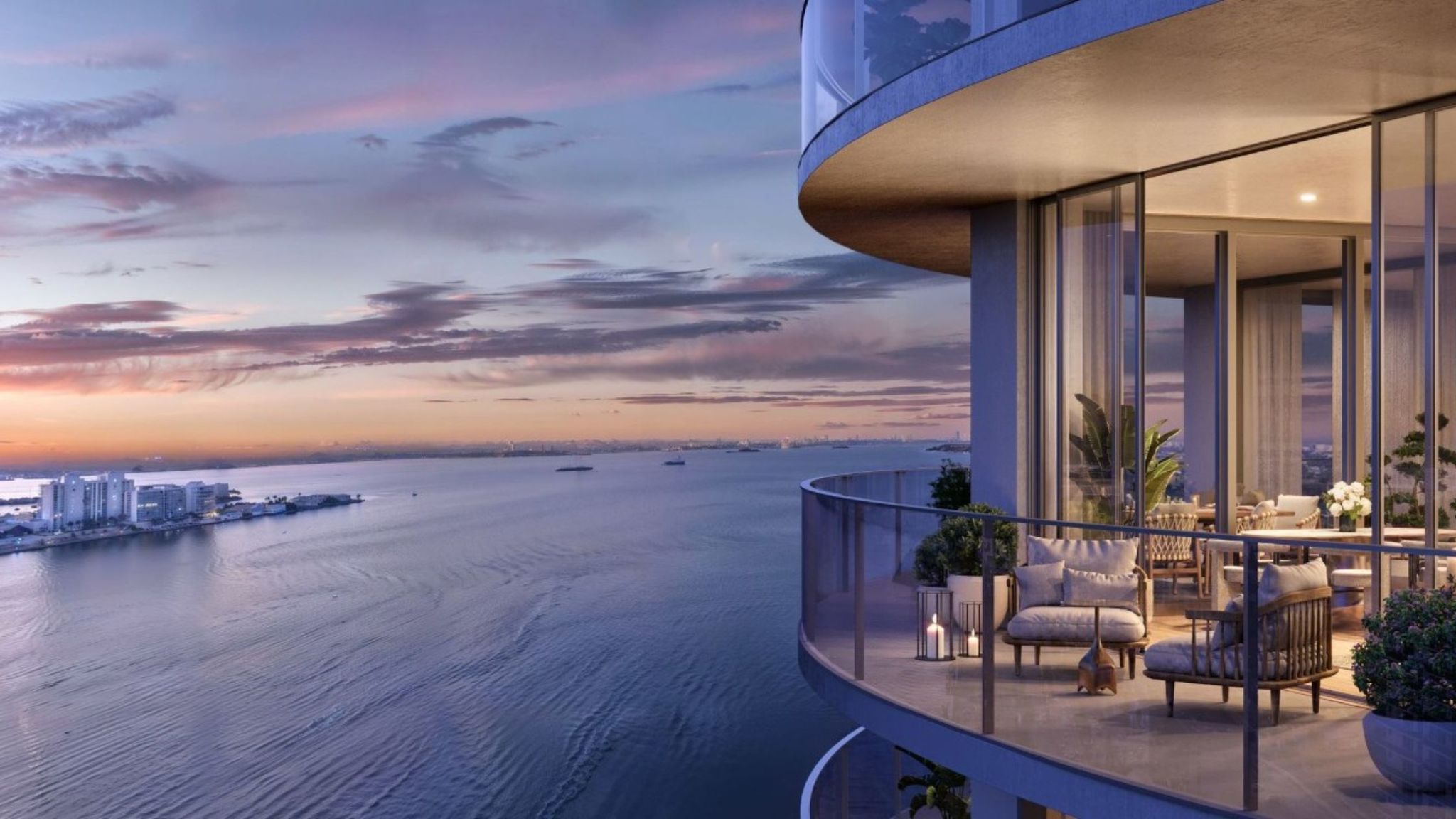
The ultra luxury segment remains Miami’s strongest performer. Properties priced above ten million dollars continue to attract buyers seeking waterfront locations, privacy, modern design, and move-in-ready condition. These buyers are less influenced by mortgage rates and more focused on lifestyle, tax advantages, and long-term value.
High-profile sales in exclusive neighborhoods such as Miami Beach and Bay Point have reinforced Miami’s status as a global luxury destination. These transactions are not isolated events. They reflect sustained interest from high-net-worth individuals relocating from high-tax states and international markets.
For sellers in this segment, presentation and positioning are critical. Buyers expect turnkey condition, thoughtful design, and seamless transactions. Homes that meet these standards continue to command premium pricing even as overall inventory grows.
Balanced Inventory and Market Metrics
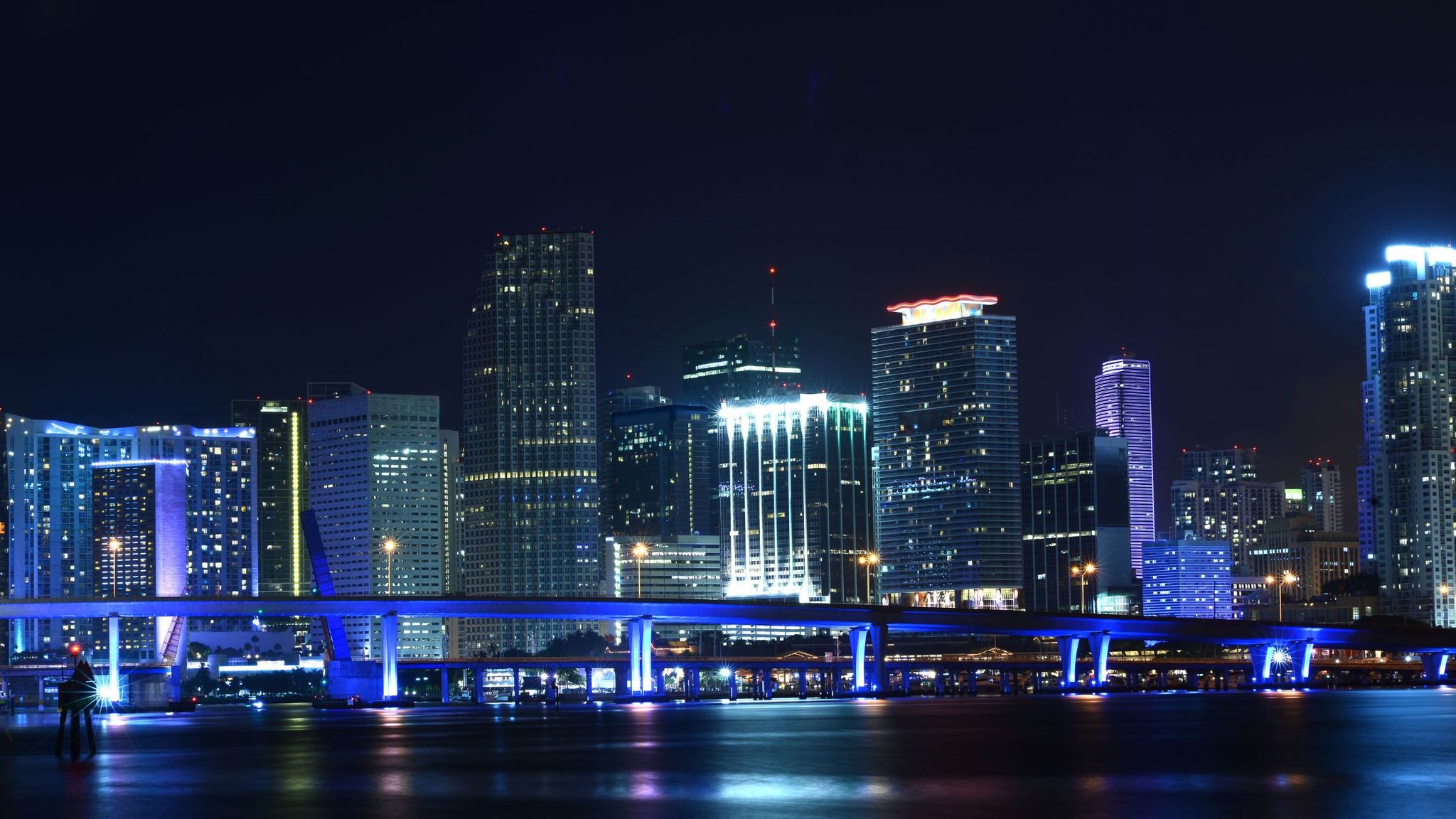
After years of limited supply, the broader Miami market has shifted toward healthier balance. Inventory has increased modestly, giving buyers more options without tipping the market into oversupply. At the same time, pricing has stabilized rather than declined, signaling continued confidence.
This environment favors well-priced, well-presented homes. Buyers now have the opportunity to compare properties, evaluate neighborhoods, and negotiate thoughtfully. Sellers, in turn, must be realistic about pricing and strategic about marketing.
Balanced conditions create a more sustainable market where transactions are driven by alignment rather than urgency, benefiting both sides over the long term.
Mortgage Rates and Sales Projections
Interest rates continue to shape buyer behavior, but their impact has softened compared to earlier cycles. Buyers have adjusted expectations and are factoring rates into long-term planning rather than short-term hesitation.
Projected rate stabilization has encouraged buyers who were previously on the sidelines to re-enter the market. While appreciation is expected to be more moderate, demand remains steady, particularly for well-located properties and new construction.
For sellers, this means pricing accurately and understanding that today’s buyers are informed, prepared, and selective. Timing and strategy matter more than speculation.
Affordability, Equity, and Cash Buyers
Affordability remains one of the most pressing challenges in the Miami market. Entry-level inventory is limited, and rising costs continue to push many buyers toward condos or emerging neighborhoods.
At the same time, existing homeowners are benefiting from years of appreciation. This accumulated equity fuels cash purchases, trade-up buying, and investment activity. As a result, cash buyers continue to play an outsized role in competitive segments.
Buyers using financing must be prepared with strong offers, flexible terms, and a clear understanding of market dynamics to compete effectively.
Bubble Risk and Rising Insurance Costs
As prices have climbed, concerns around sustainability have grown. Rising insurance premiums, particularly for waterfront and older properties, are now a major consideration for buyers and investors.
While headlines about bubble risk attract attention, Miami’s fundamentals remain strong. Population growth, limited land availability, and global demand continue to support values. However, buyers must account for total ownership costs, including insurance, maintenance, and reserves.
Prudent budgeting and due diligence are essential, especially for condo buyers and long-term investors.
Landmark Developments and Pre Construction Milestones
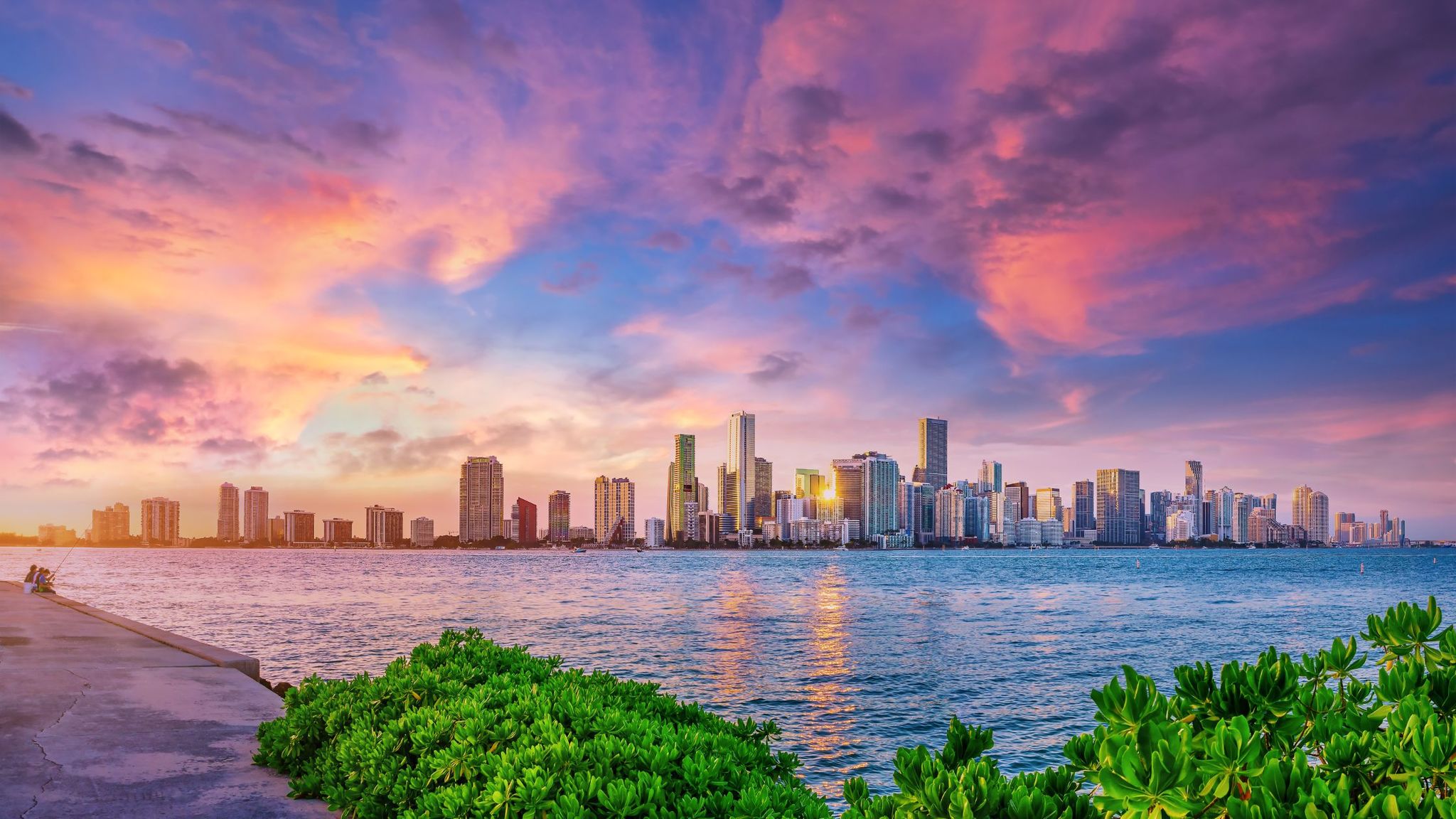
New development continues to redefine Miami’s skyline. Large-scale projects in Edgewater, Brickell, South Brickell, and Coconut Grove reflect demand for modern residences with resort-style amenities.
These developments cater to buyers seeking security, services, and lifestyle convenience. Pre construction opportunities remain attractive, but they require careful evaluation of timelines, deposits, and developer history.
For buyers who understand the process, pre construction can offer access to prime locations and long-term appreciation.
Emerging Neighborhoods and Lifestyle Trends
Beyond established luxury corridors, emerging neighborhoods are gaining traction. Areas such as Little Havana, Wynwood, and Overtown are experiencing revitalization driven by new development, cultural investment, and infrastructure improvements.
Lifestyle priorities continue to influence buying decisions. Walkability, outdoor space, sustainability, and access to dining and cultural venues are now central considerations.
Technology has also reshaped how buyers engage with the market, making remote exploration and digital transactions more accessible than ever.
New Condo Safety Laws and Reserve Requirements
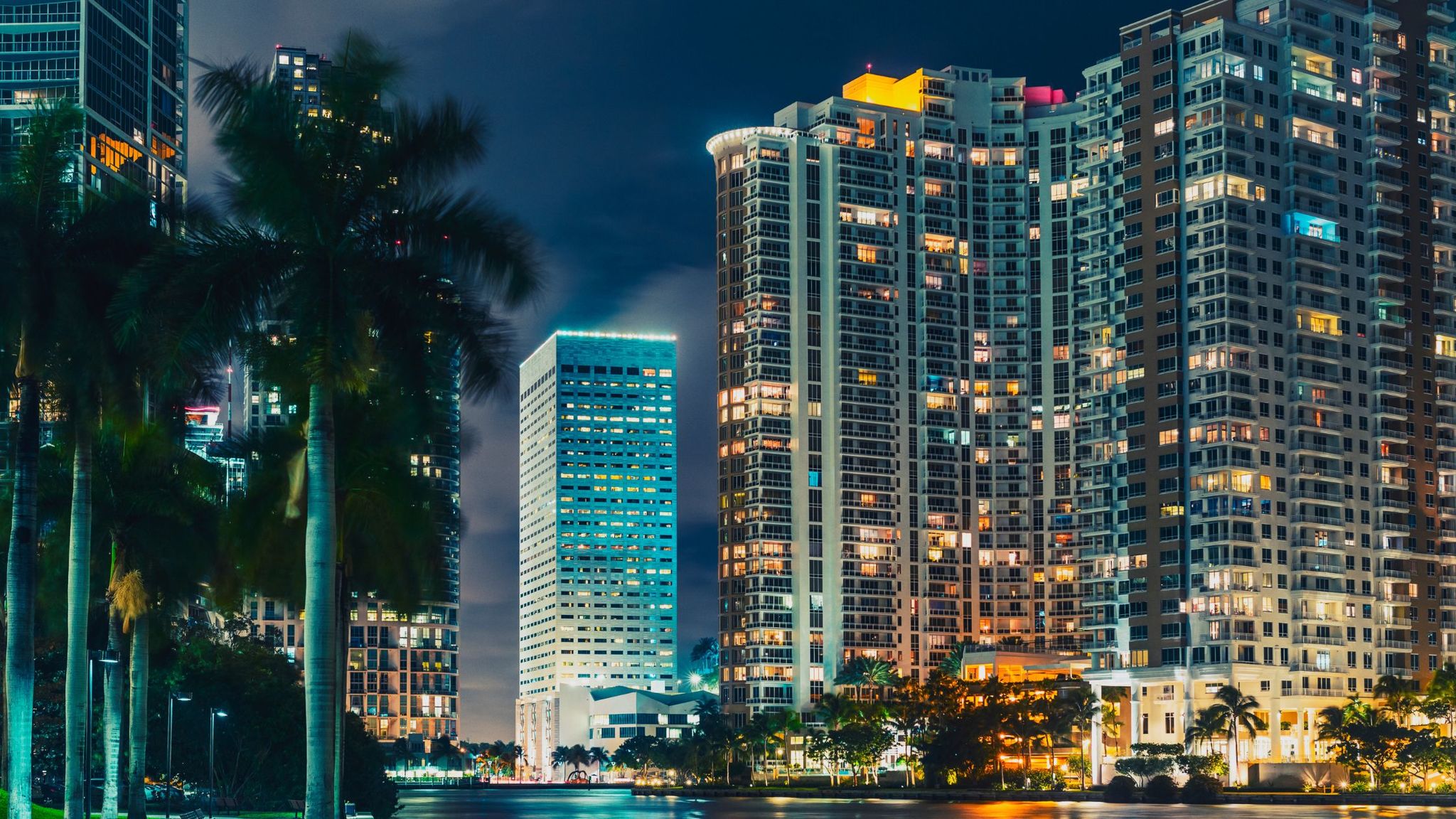
Florida’s updated condo regulations have reshaped buyer expectations. Structural inspections and fully funded reserves are now non-negotiable factors in evaluating buildings.
For buyers, this creates greater transparency and long-term security. For sellers, compliance and preparedness can significantly impact marketability and pricing.
Owners in older buildings must plan proactively for increased dues or assessments, while buyers should carefully review financials and inspection reports before committing.
Market Sentiment and Buyer Behavior
Buyer behavior in 2025 reflects patience and discernment. Quality properties continue to sell, but buyers are no longer rushing. Design, location, condition, and building health all carry greater weight.
Homes that are move-in ready and priced appropriately stand out. Those that require significant updates or lack clear value proposition face longer market times.
Successful transactions today are driven by alignment between pricing, presentation, and buyer expectations.
Navigating 2026 and Beyond
The Miami real estate market in 2026 continues to be sophisticated, resilient, and rich with opportunity for those who approach it strategically. Luxury demand remains steady, new development is thoughtfully reshaping the city, and regulatory adjustments are helping support long-term market stability.
While affordability and ownership costs still require careful evaluation, informed buyers, sellers, and investors can achieve strong outcomes with the right preparation. Success in today’s market depends on clarity, expertise, and realistic expectations grounded in current market conditions.
If you are considering buying, selling, or investing in Miami in 2026 and beyond, experienced guidance can help you navigate this evolving landscape with confidence and long-term perspective.
Check out this article next