
Miami is known for its year round sunshine, waterfront setting, and a diverse collection of neighborhoods that offer distinctly different ways of living. From dense urban districts to island communities and historic cultural enclaves, lifestyle in Miami is shaped as much by location as by housing type.
For homebuyers and investors seeking a balance of dining options, walkability, green space, and long term value, neighborhoods along Biscayne Bay consistently rise to the top. Access to parks, waterfront promenades, and established restaurant scenes plays a growing role in how buyers evaluate quality of life and resale potential, particularly as Miami continues to attract professionals, retirees, and international residents.
In Brickell and surrounding established neighborhoods, dining density, access to public parks, and walkable infrastructure play an increasing role in daily livability and long-term real estate value.
For a deeper look at how dining access, parks, walkability, and daily routines come together in Brickell, see Miami Lifestyle Guide: Dining, Parks, Walkability and Daily Living in Brickell, which explores the neighborhood’s urban lifestyle in greater detail.
Neighborhood Overview
Brickell Miami’s Urban Core
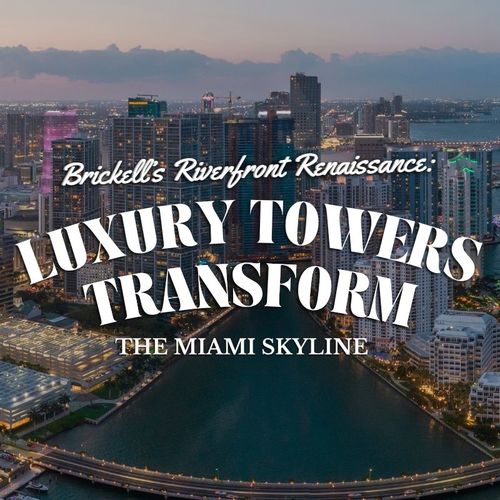
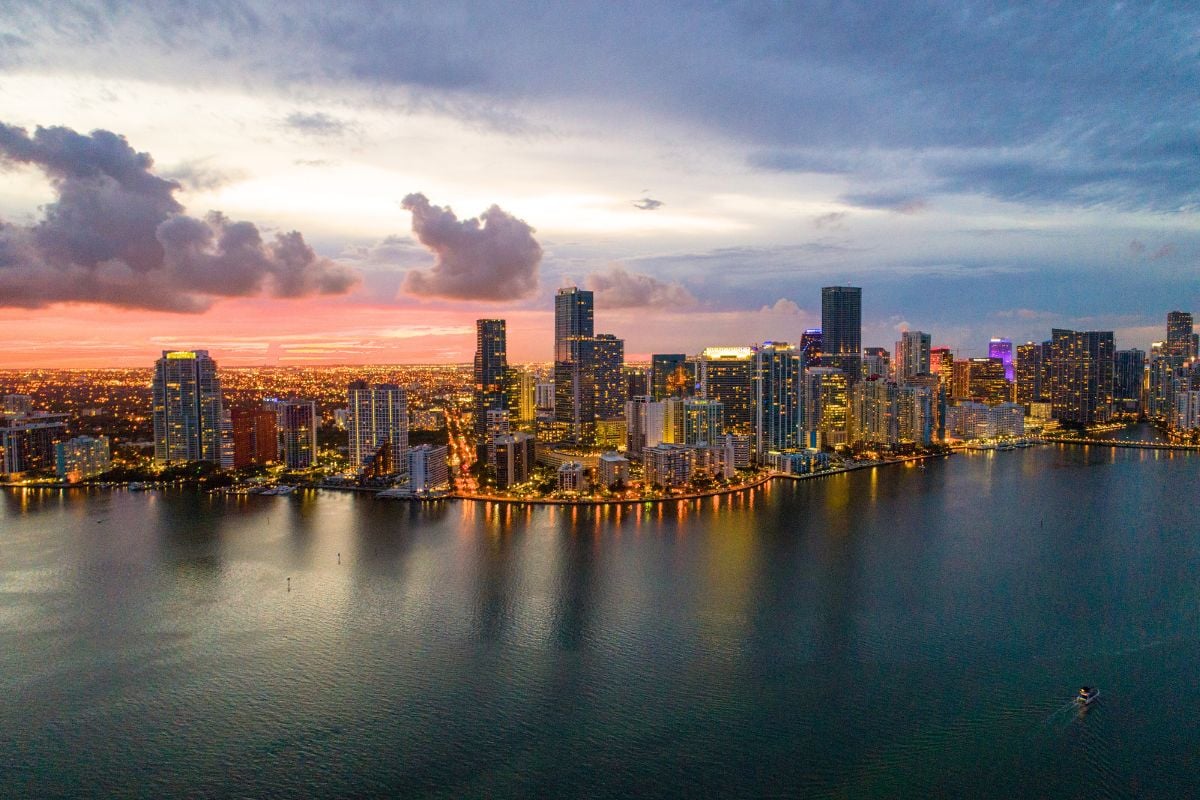
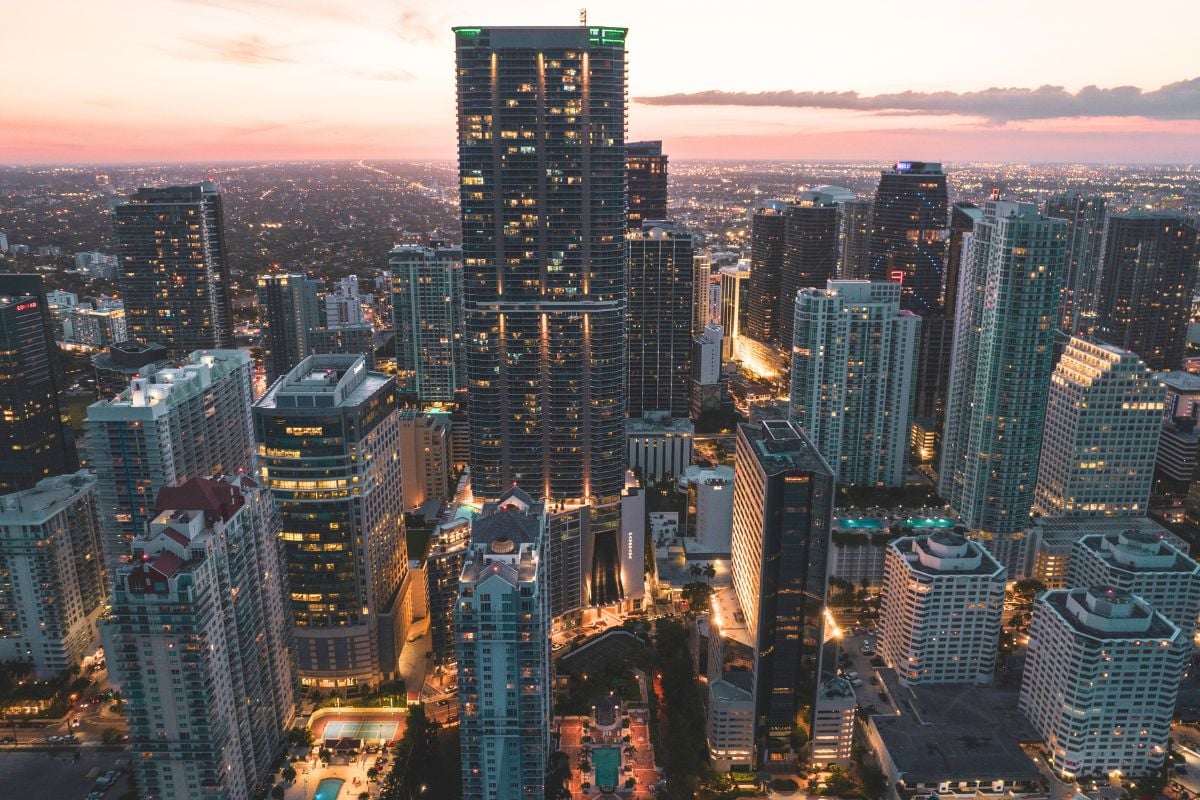
Brickell is Miami’s financial district and one of the most densely developed neighborhoods in the city. Glass high rise towers line the Miami River and Biscayne Bay, housing luxury condominiums, multinational banks, professional offices, and corporate headquarters.
Buyers are drawn to Brickell for its skyline and water views, compact street grid, and proximity to Downtown Miami, Wynwood, and Coconut Grove. The neighborhood offers one of the city’s most complete live work environments, where residents can walk from home to offices, restaurants, parks, and transit within minutes.
Brickell supports a car light lifestyle through the free Metromover system, which loops through Brickell and Downtown from early morning until midnight with frequent arrivals. This level of transit access, combined with pedestrian friendly streets and dense amenities, has positioned Brickell as one of Miami’s most desirable urban residential markets for professionals and investors alike.
Coconut Grove
Located southwest of Brickell, Coconut Grove is Miami’s oldest continuously inhabited neighborhood and offers a noticeably different pace. Tree lined streets, low rise buildings, and preserved green space give the area a village style atmosphere that contrasts with Brickell’s vertical skyline.
Major parks include David T. Kennedy Park, which spans more than 20 acres and features waterfront running paths, dog parks, playgrounds, and outdoor fitness areas. The Barnacle Historic State Park preserves both waterfront green space and Miami’s early history, while Peacock Park provides recreational fields and open bay views.
Dining in Coconut Grove is more neighborhood oriented, featuring casual international eateries, long standing local institutions, and waterfront cafés. The Grove appeals to buyers seeking green space, architectural character, and a more residential environment with limited high rise development.
Downtown Miami and the Bayfront Area
Directly north of Brickell, Downtown Miami offers some of the city’s largest and most prominent public parks. While traditionally more commercial, Downtown has evolved into a mixed use residential district anchored by cultural institutions and waterfront access.
Bayfront Park spans 32 acres and includes open lawns, a dog park, playgrounds, fitness programming, and a waterfront promenade used for events and daily recreation. Maurice A. Ferré Park extends along Biscayne Bay and features the city’s longest continuous baywalk, outdoor gyms, sculpture installations, and direct access to major museums.
Downtown residents benefit from access to large scale green space while remaining connected to Brickell through transit and walkable corridors, making the two districts functionally linked.
Key Biscayne
Key Biscayne sits east of Brickell across the Rickenbacker Causeway and offers a distinctly island oriented lifestyle. Development is lower density, and daily life centers on beaches, bike paths, and outdoor recreation rather than nightlife or office proximity.
Crandon Park features two miles of calm shoreline, picnic areas, bike paths, a marina, and a highly regarded golf course. Dining options are fewer than in Brickell but emphasize waterfront settings and sunset views.
The island appeals to buyers seeking quiet residential living, strong outdoor amenities, and a retreat like environment, though commuting requires reliance on a single causeway connection to the mainland.
Little Havana
West of Brickell, Little Havana is a cultural district defined by Cuban and Latin American heritage. Street life, music, and dining form the core of the neighborhood’s identity, while green space is more limited.
Domino Park serves as a central gathering point where residents socialize and play dominoes. Murals, memorials, and walkways reflect the neighborhood’s cultural history and community focus.
Housing stock consists primarily of older single family homes and low rise apartments, often at more accessible price points than Brickell, appealing to buyers prioritizing cultural authenticity and affordability.
Lifestyle and Daily Living in Brickell
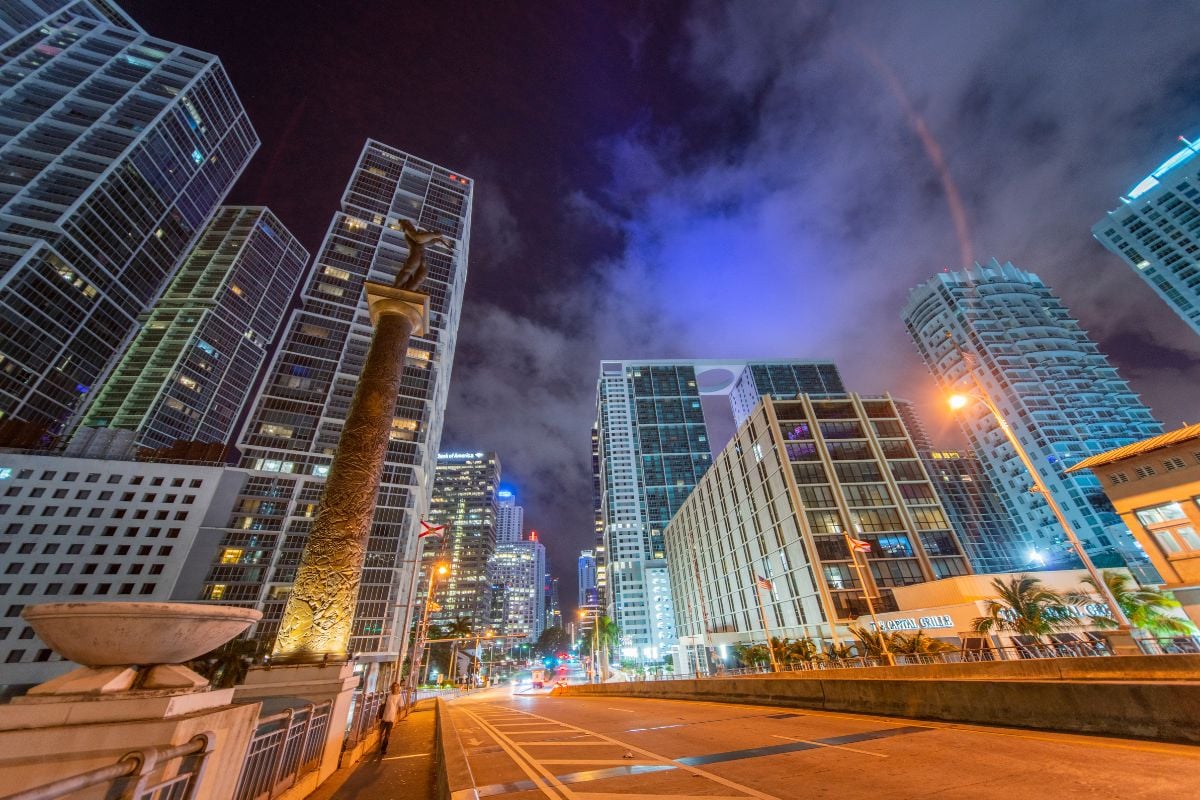
Living in Brickell combines urban convenience with access to outdoor recreation. While most residents live in high rise condominiums with private amenities, public parks, waterfront spaces, and pedestrian infrastructure play an essential role in daily routines.
Residents frequently integrate walking, outdoor exercise, and waterfront access into everyday life, balancing the intensity of urban living with natural relief.
Parks and Green Spaces in and Around Brickell
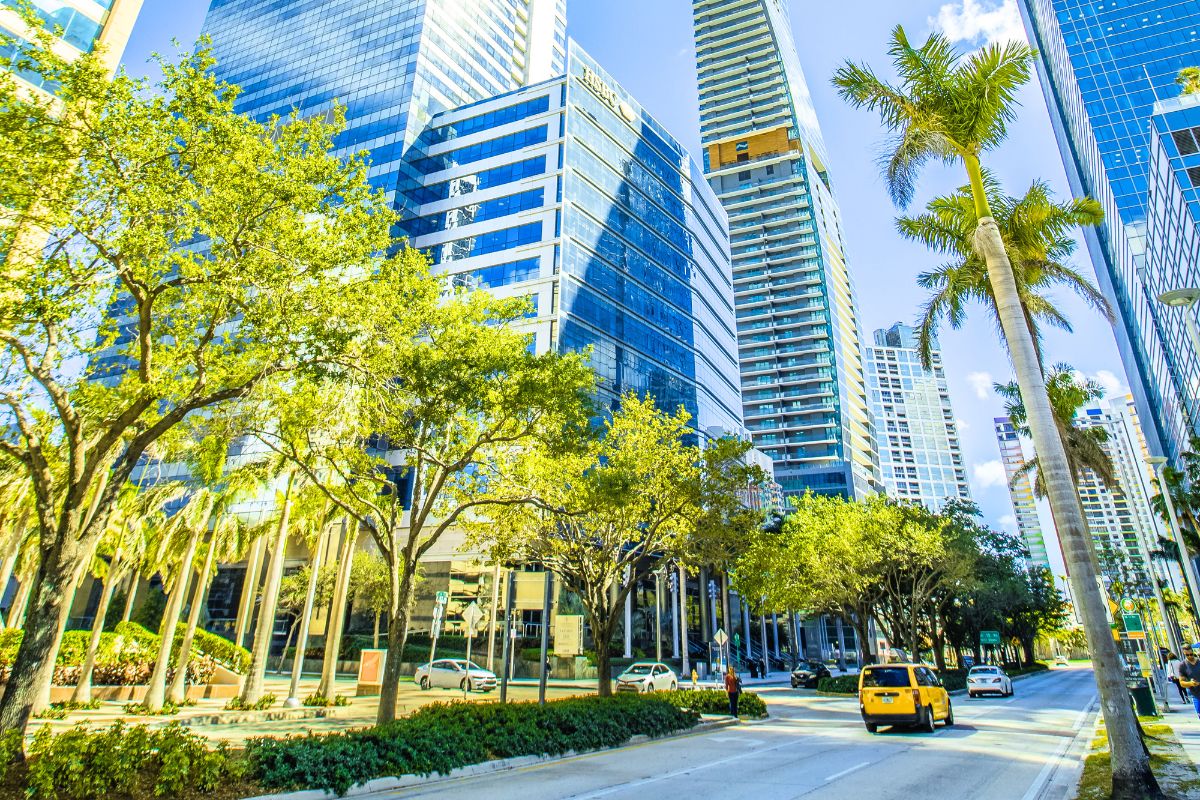
Brickell’s green space network consists of smaller neighborhood parks supplemented by larger nearby waterfront parks.
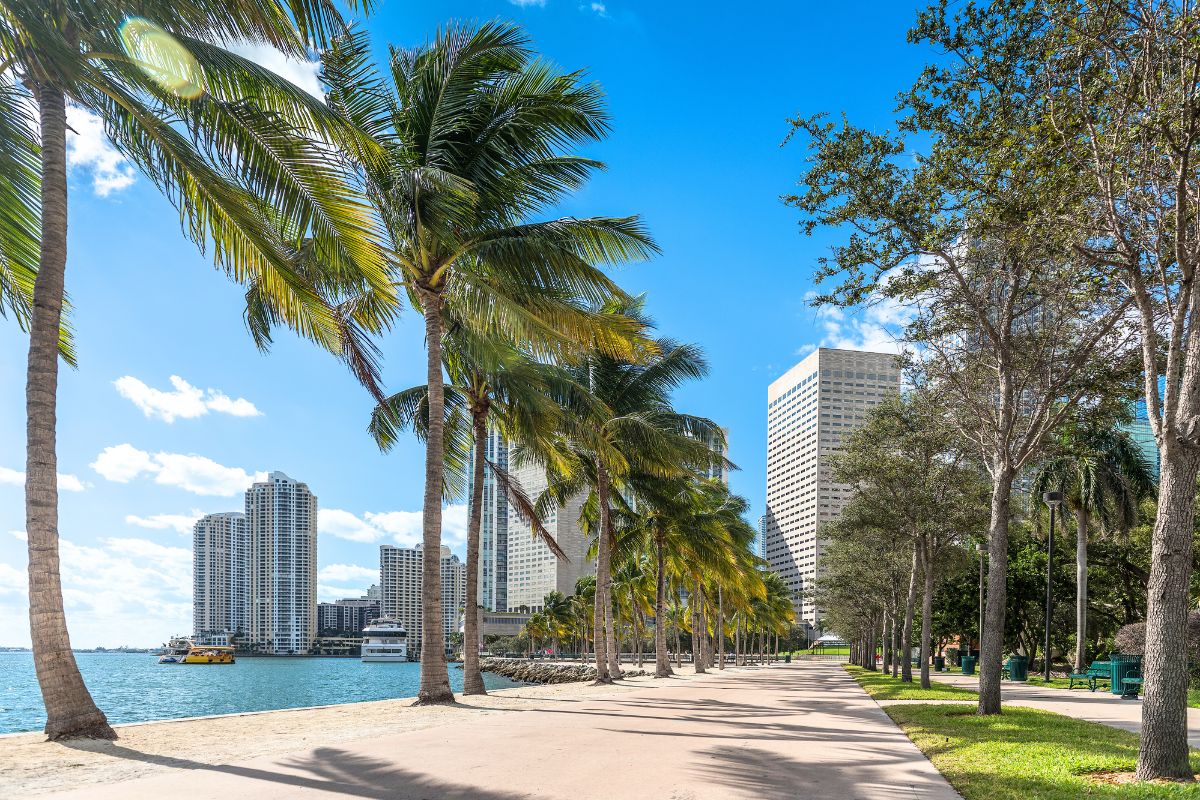
Alice C. Wainwright Park offers playgrounds, sports courts, outdoor fitness equipment, picnic shelters, and bay views within a tropical hardwood hammock setting.
Simpson Park provides a quiet nature preserve experience with shaded walking paths and native plant species, offering a contrast to surrounding development.
Brickell Key Park adds waterfront seating, lawns, and play areas on a residential island just offshore.
Bayfront Park and Maurice A. Ferré Park expand recreational options with expansive lawns, baywalks, cultural programming, and museum access, all easily reachable from Brickell.
Dining Scene in Brickell
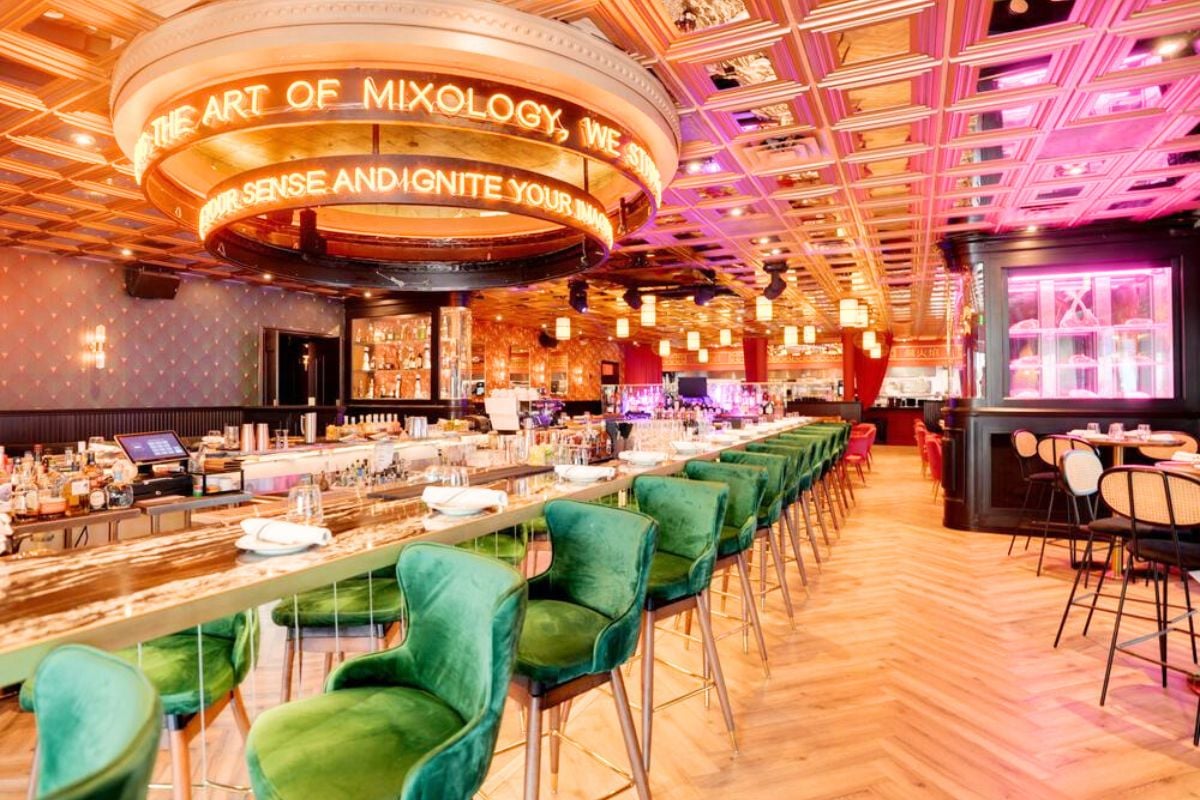
Brickell’s dining scene reflects its international and professional population. Restaurants range from casual neighborhood cafés to destination level fine dining.
The neighborhood supports seafood focused dining, French bistros, intimate omakase counters, pan Asian cuisine, Mediterranean and Middle Eastern eateries, Brazilian cafés, and classic American restaurants. This depth allows residents to meet daily dining needs while also supporting business meals and special occasions without leaving the neighborhood.
A closer look at Brickell’s neighborhood layout and surrounding dining options provides helpful context for how daily life functions in the area.
Transportation and Walkability
Brickell is one of Miami’s most walkable neighborhoods. Short block lengths, consistent sidewalks, pedestrian bridges, and the free Metromover allow residents to commute, dine, shop, and access parks without relying on a car.
Bike lanes, ride share services, and water based transportation further enhance mobility, distinguishing Brickell from more car dependent residential areas.
Daily Conveniences
Brickell City Centre and Mary Brickell Village anchor retail, grocery, fitness, and service needs. Gyms, yoga studios, salons, pharmacies, coworking spaces, and everyday retail are integrated throughout the neighborhood.
Families benefit from nearby playgrounds and cultural institutions, while professionals value proximity to offices, transit, and dining.
Brickell Real Estate Market Overview 2026
Brickell continues to experience substantial residential development. Approximately 26,500 condominium units exist, with an additional 4,500 units under construction, representing roughly a 17 percent increase in inventory.
Despite this growth, demand remains strongest in the one to three million dollar range. Well located and well managed buildings continue to sell efficiently, with buyers prioritizing layout quality, building reputation, long term maintenance, and view orientation.
Rental demand remains stable due to proximity to major employment centers. Buyers should carefully evaluate association fees, building age, insurance considerations, and long term appreciation potential.
Who Brickell Is Best Suited For
Brickell is particularly well suited for young professionals and executives who value walkable access to offices, dining, and social venues.
International buyers are drawn to modern condominiums and steady rental demand.
Empty nesters and second home owners benefit from low maintenance living, amenities, and cultural proximity.
Small families may find Brickell appealing due to parks and museums, though it is less suitable for those seeking large yards or suburban environments.
Investment and Long Term Value Considerations
Brickell benefits from continued infrastructure investment, strong employment drivers, and lifestyle amenities that support long term demand. Transit access, waterfront parks, and cultural institutions contribute to property value stability.
Investors should remain mindful of supply cycles, building quality, insurance costs, and climate resilience when assessing opportunities.
Neighborhood Comparisons
Brickell offers high density urban living compared to Coconut Grove’s greener village atmosphere. It provides newer buildings and stronger transit connectivity than Downtown Miami, broader dining and nightlife than Key Biscayne, and more modern housing stock than Little Havana.
What Sets Brickell Apart in Miami’s Neighborhood Landscape
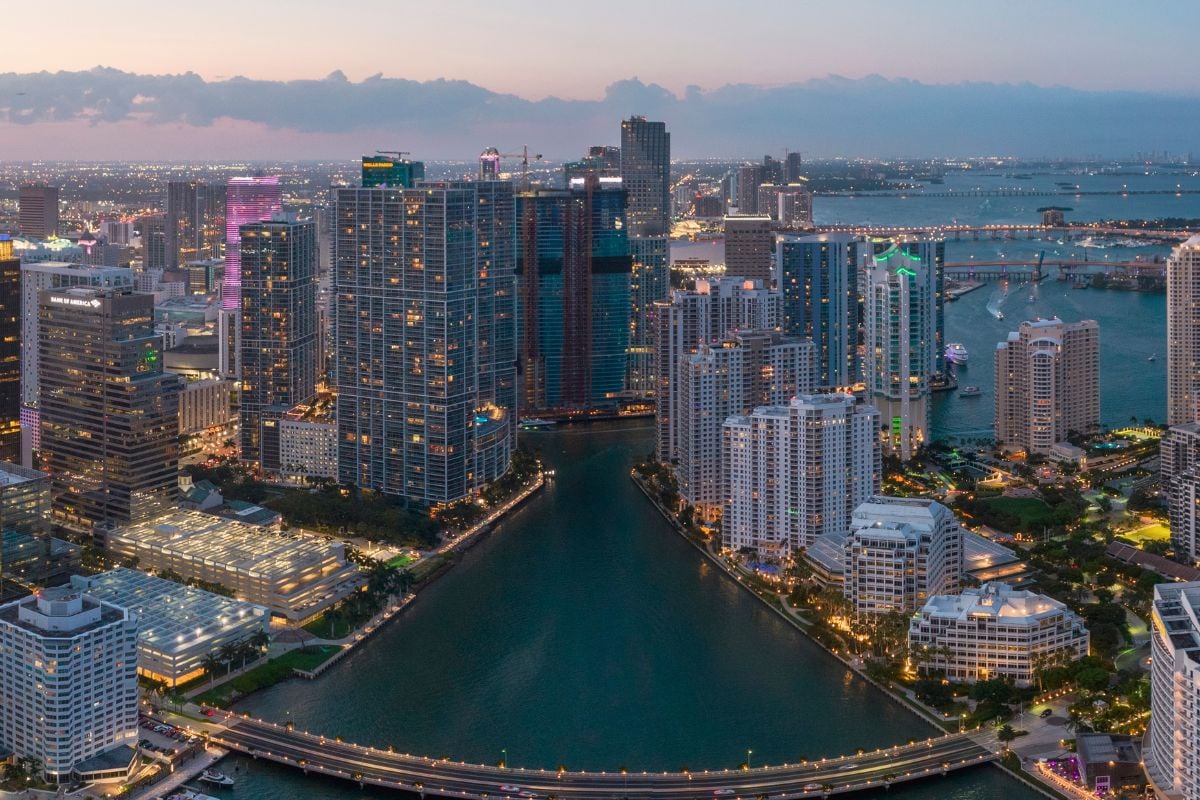
Brickell occupies a unique position within Miami’s neighborhood ecosystem. It offers a rare balance of walkability, dining diversity, green space access, and economic resilience within a compact urban footprint.
While inventory continues to expand, Brickell’s appeal to professionals, international buyers, and long term investors remains strong. For those evaluating Miami neighborhoods in 2026, Brickell continues to stand out as a district that combines urban energy with practical livability and enduring real estate value.
Check out this article next