

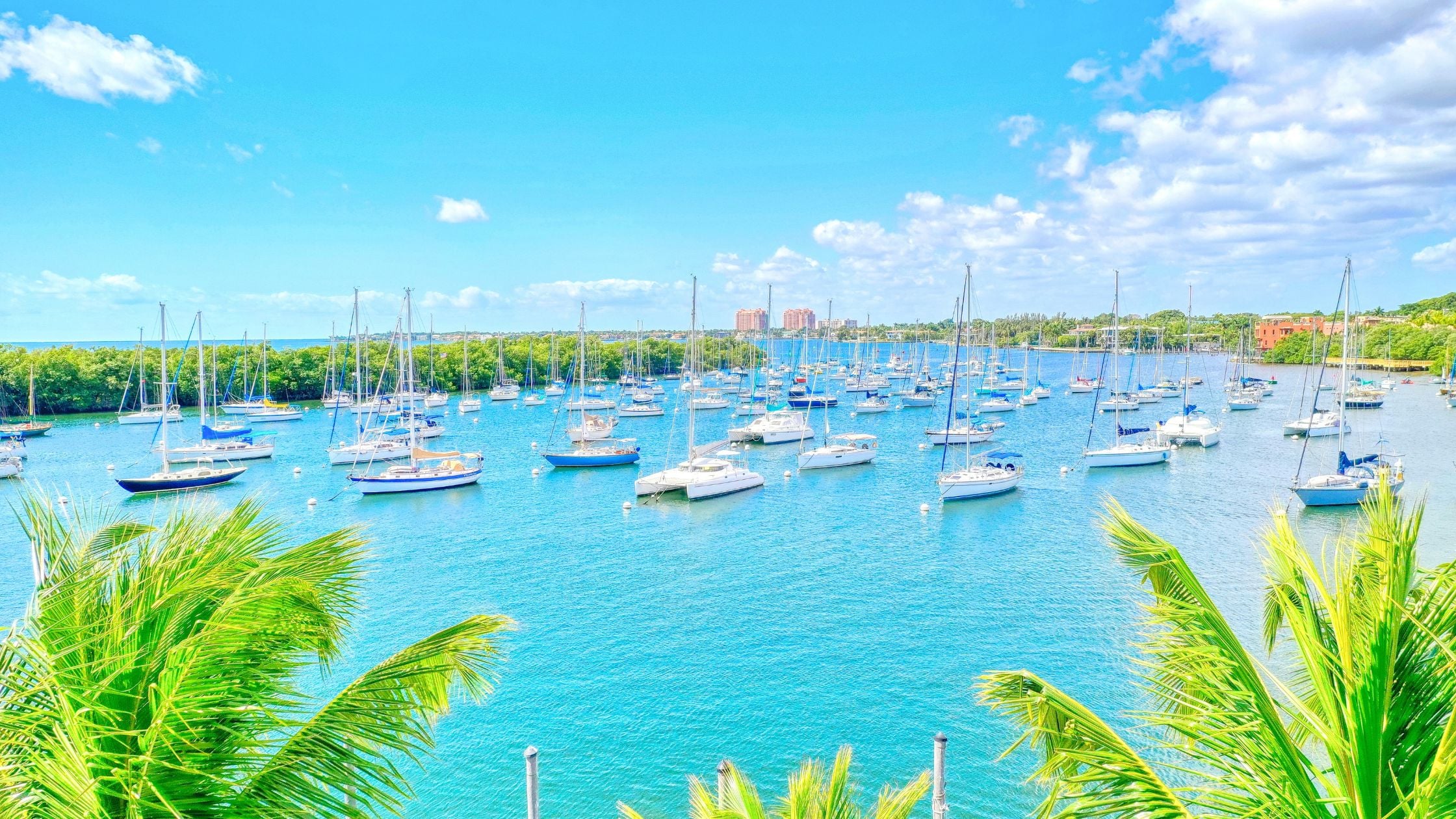
From sunrise cruises on Biscayne Bay to weekend sandbar gatherings, boating is embedded in Miami’s identity. This year-round maritime lifestyle is not merely leisure. It shapes real estate demand and pricing. Properties with direct water access, private docks or proximity to marina amenities consistently command premiums over comparable inland homes. For buyers, sellers and relocators, understanding how boating culture influences property values is key to making informed decisions. This guide explores the economic and lifestyle factors that link Miami’s boating scene with real estate, offering insights into price ranges, neighborhood characteristics and strategies for anyone navigating the market.
If you are exploring waterfront opportunities or simply want a deeper understanding of Miami’s marina lifestyle, Marina Living in Miami: Dockage & Luxury Homes offers a closer look at the neighborhoods, dockage considerations and long-term value drivers shaping this unique segment of the market.
Miami’s Boating Lifestyle: More Than a Hobby
Miami’s subtropical climate and 35‑mile stretch of Biscayne Bay create a playground for boaters. Residents take advantage of protected waters, sandbars and marinas for everything from after‑work cruises to offshore fishing. Living near the water offers direct access to club marinas and sandbars, with some neighborhoods hosting a vibrant scene of yacht clubs and waterfront restaurants. Because boating is woven into daily life, the ability to step from one’s dock to open water without fixed bridges or shallow canals is a key differentiator when buyers evaluate homes.
Beyond leisure, boating culture confers prestige and social connectivity. Luxury buyers often view private docks and yacht slips as status symbols; high‑profile owners value the privacy and security of mooring vessels on their own property. For mid‑market buyers, canal‑front neighborhoods such as North Miami’s Keystone Point or Cutler Bay provide affordable access to marinas and boat ramps, blending community charm with nautical convenience. Even inland communities like Miami Shores emphasize proximity to Pelican Harbor Marina and quick routes to Biscayne Bay. The pervasiveness of boating culture means that homes enabling this lifestyle hold a competitive edge.
Marine Economy & Property Value Impact
The scale of the marine industry
South Florida’s marine sector is a major pillar of the regional economy. According to Ocean Exchange, the industry generates $9.9 billion annually in Broward County and $18.5 billion across Broward, Miami‑Dade and Palm Beach counties, supporting roughly 142,000 jobs. Events such as the Fort Lauderdale International Boat Show add $1.73 billion each year, underscoring the area’s reputation as the “Yachting Capital of the World”. This economic engine fuels demand for waterfront housing, attracting international buyers, entrepreneurs and investors who seek both recreation and return.
Biscayne Bay’s contribution to real estate values
The 2023 Biscayne Bay Economic Study found that Biscayne Bay and the Miami River together contribute about $8 billion to the value of residential property in Miami‑Dade County. Biscayne Bay alone accounts for $7.9 billion, representing an annual economic value of $240 million. These figures illustrate that healthy waterways and the ability to boat or enjoy water views directly bolster property values. Recreational activities such as boating, fishing and sightseeing also attracted more than 119.8 million persons‑days of recreation in 2022, reinforcing the bay’s role in tourism and lifestyle demand.
Private marinas and luxury premiums
The growth of waterfront leisure has spurred demand for private marinas. South Florida Agent Magazine notes that buyers pay a significant premium for residences with custom‑built docks because private marinas offer convenience, secure storage and freedom from public marina waitlists. Developers are integrating private docks into new luxury communities, treating them as core amenities. Limited public marina space and increased focus on privacy have pushed high‑net‑worth buyers to favor homes with dedicated slips, further elevating waterfront property values.
What Drives Waterfront Property Values
Waterfront properties command higher prices than comparable inland homes, but not all water frontage carries equal value. Buyers evaluate several technical and lifestyle factors when assigning value:
Scarcity and demand
There is “extremely high demand” for single‑family waterfront homes, yet inventory is limited, creating a competitive market where luxury homes sell quickly and often for cash. Non‑waterfront properties make up the majority of land in Miami‑Dade County, so properties with direct ocean access remain scarce. This scarcity drives price appreciation and long‑term stability, especially during market fluctuations.
Navigability and water exposure
Value is closely tied to water exposure type and navigability. Open‑bay estates with unobstructed views and direct Atlantic routing command higher premiums than canal‑front homes. Key pricing factors include:
- Water exposure: Open bay vs. canal frontage
- Bridge clearance: Properties with no fixed bridges appeal to yacht owners; limited clearance reduces the buyer pool.
- Water depth and width: Deep water and wide canals allow larger vessels.
- Dock capacity and seawall condition: Ample dock space and a well‑maintained seawall add value.
- Proximity to inlets and Intracoastal Waterway: Homes near ocean inlets or the Intracoastal offer quick access to open water.
Elevation, flood zones and insurance
Much of Biscayne Bay falls within FEMA flood zones AE or VE, meaning flood insurance is required for financed purchases. Higher finished floor elevations can reduce insurance premiums and protect long‑term value. Miami‑Dade’s strict building codes mandate impact‑resistant glass and reinforced construction, which buyers must factor into pricing.
Lifestyle and community amenities
Proximity to sandbars, marina clubs and waterfront dining enhances desirability. Canal-front neighborhoods with easy access to parks and cultural amenities, like Coconut Grove’s Regatta Park or Edgewater’s Margaret Pace Park, attract buyers seeking both boating and urban convenience. In contrast, open-bay communities offer privacy, prestige and resort-style living. The social energy of a boating community, whether serene and residential or lively and public, also influences perception of value.
Miami Waterfront Property Types & Price Ranges
Waterfront living in Miami spans a wide spectrum of property types and price points. The following ranges are based on recent market data and should be considered general estimates; specific prices vary by neighborhood, water exposure, and property condition.
Property Type | Entry Level (approx.) | Mid‑Range | Luxury | Ultra‑Luxury |
Waterfront condos | $400K–$800K (older bayfront buildings in North Miami Beach or Aventura) | $800K–$1.5M (mid‑rise condos in Brickell or Edgewater) | $1.5M–$5M (luxury towers in Miami Beach, Sunny Isles) | $5M+ (penthouse units with private marina slips) |
Waterfront townhouses | $650K–$1M | $1M–$2M | $2M–$4M | $4M+ |
Waterfront single‑family homes | $1M–$2.5M (canal‑front homes in less central areas) | $2.5M–$5M (mid‑range bayfront/oceanfront) | $5M–$15M (luxury estates in Coconut Grove, Key Biscayne) | $15M+ (trophy properties in Miami Beach, Coral Gables) |
Waterfront condos in desirable areas typically start around $800,000 to $1 million, while single‑family waterfront homes commonly range from $2 million to $5 million. Entry‑level condos may be found in older buildings for $400,000 to $500,000, but they often lack modern finishes and carry higher maintenance needs. HOA fees for waterfront condos have risen in recent years due to insurance and reserve requirements.
Property type comparisons
Condos vs. homes: Condos offer lower entry prices and amenities such as pools and gyms, but HOA fees ($1,000–$3,500 per month) and special assessments can make long‑term ownership costly. Single‑family homes require more maintenance but provide private docks, customization and freedom from association rules.
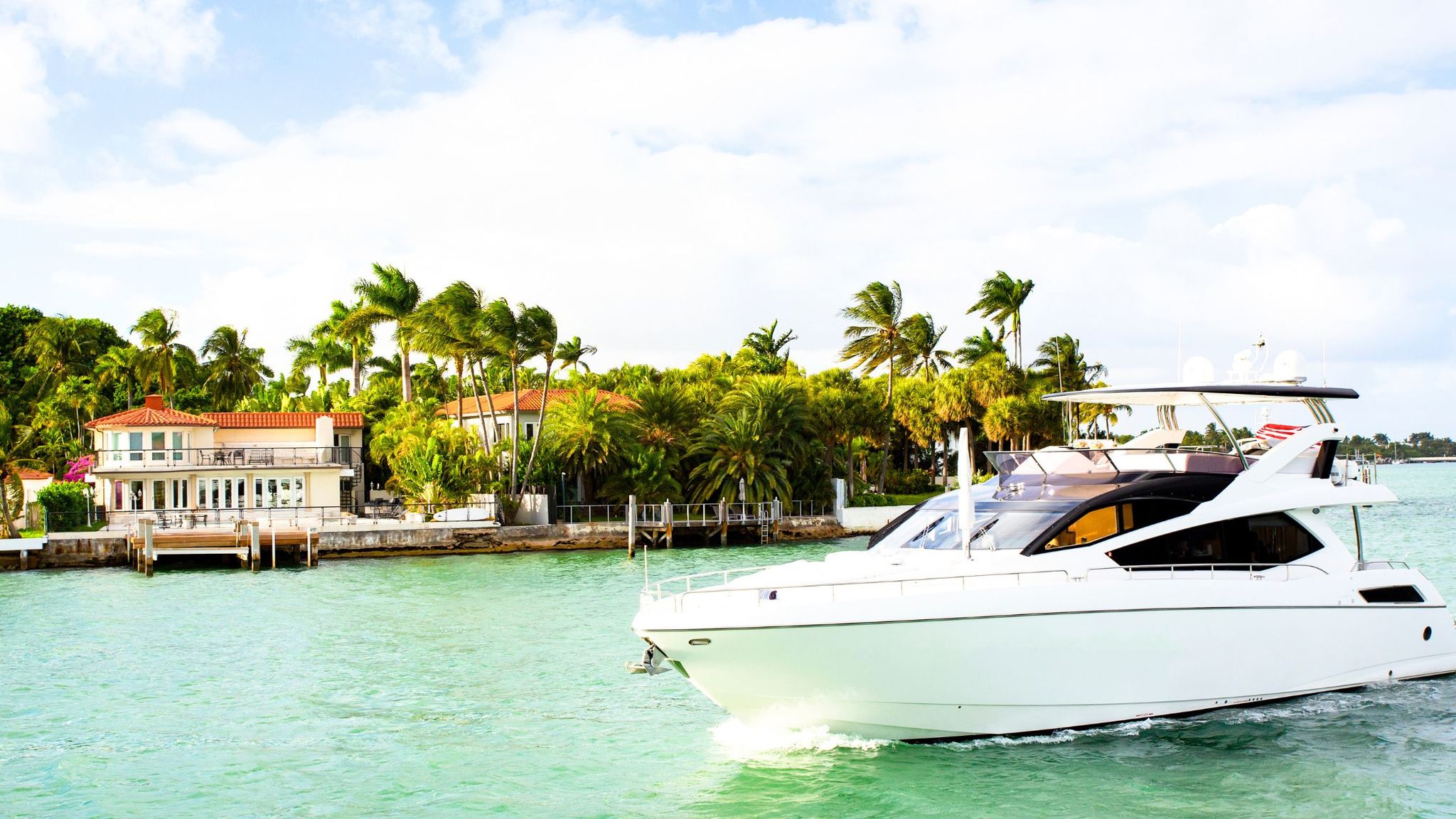
Bayfront vs. oceanfront: Oceanfront properties command the highest premiums due to direct beach access and unobstructed Atlantic views. Bayfront properties feature calmer waters ideal for boating and often carry slightly lower prices while still offering skyline vistas and protected docking. Intracoastal and canal‑front homes provide moderate price points and excellent boat access.
Boating‑Friendly Neighborhood Insights
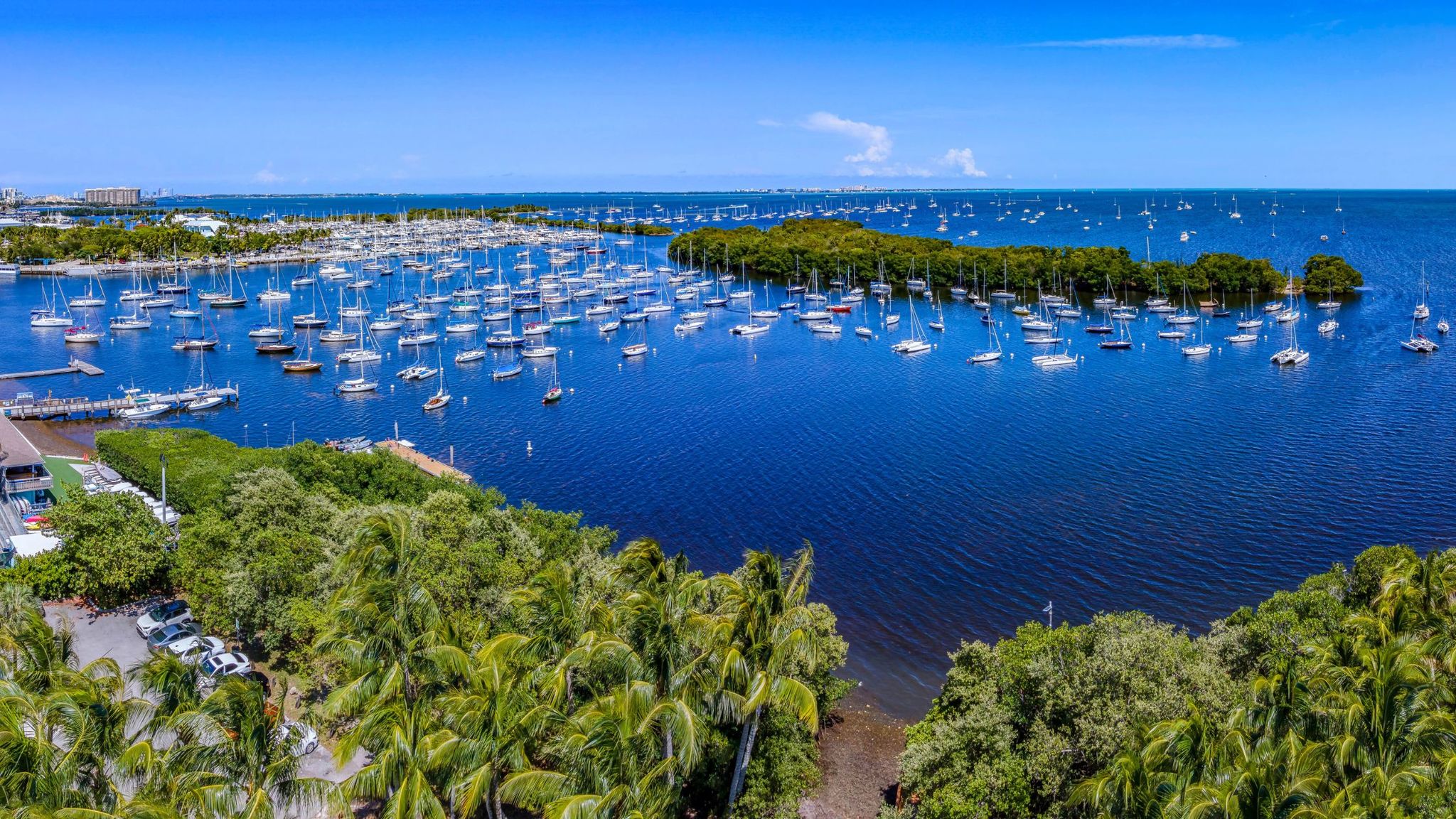
Miami offers boating access at diverse price points. Below are highlights of neighborhoods across the spectrum.
High‑end waterfront enclaves
- Coconut Grove: One of Miami’s oldest neighborhoods and long associated with sailing culture. Homes feature canal frontage, deepwater docks and larger lot sizes. Boutique luxury condos emphasize private elevators and expansive terraces. Limited supply and strong owner occupancy keep prices high.
- Coral Gables Waterfront: Gated communities and deepwater canals with no fixed bridges offer premium navigability. Wide water frontage and architectural consistency place this area among Miami’s most exclusive markets.
- Miami Beach & Venetian Islands: Open bay exposure, contemporary estates and proximity to South Beach command top-tier prices and appeal to yacht owners. Properties here often include private docks and panoramic water views.
- Key Biscayne: An island paradise offering oceanfront and bayfront estates, yacht clubs and resort amenities. Prices remain in the ultra‑luxury segment due to exclusivity and limited inventory.
Mid‑range bayfront and urban waterfront
- Edgewater: A high‑rise corridor facing Biscayne Bay, offering unobstructed eastern exposure and proximity to Downtown and Midtown. Condos range from mid‑market buildings to ultra‑luxury towers, providing accessible entry points for bayfront living.
- Brickell & Downtown Miami: Urban waterfront living with walkability, transit connectivity and financial district access. Many towers feature floor‑to‑ceiling glass and amenity decks facing the bay. This area attracts professionals and international buyers seeking convenience and skyline views.
- Miami River Corridor: Several condo buildings along the Miami River offer private marina slips and direct access to Biscayne Bay. Residents enjoy walkable access to downtown restaurants and a unique blend of boating and city living.
Boat‑friendly communities without ultra‑luxury pricing
- Upper East Side & Little River: These emerging neighborhoods along Biscayne Bay provide attainable boating access and a creative urban vibe. Buyers enjoy marinas along NE 79th Street, quick routes to Miami Beach waterways and a mix of condos and single‑family homes.
- North Miami (Keystone Point & Sans Souci): Canal‑front homes with no fixed bridges, deepwater access, and short rides to Haulover Inlet make this area ideal for boaters seeking door‑to‑dock living.
- Miami Shores: Not fully waterfront but adjacent to Biscayne Bay, this village offers convenient access to Pelican Harbor Marina and a range of home styles.
- Cutler Bay & Palmetto Bay: South Miami‑Dade communities that combine affordability with open‑water access. Residents enjoy proximity to Black Point Marina and Biscayne National Park, larger lots and quiet canal systems.
New Construction & Development Trends
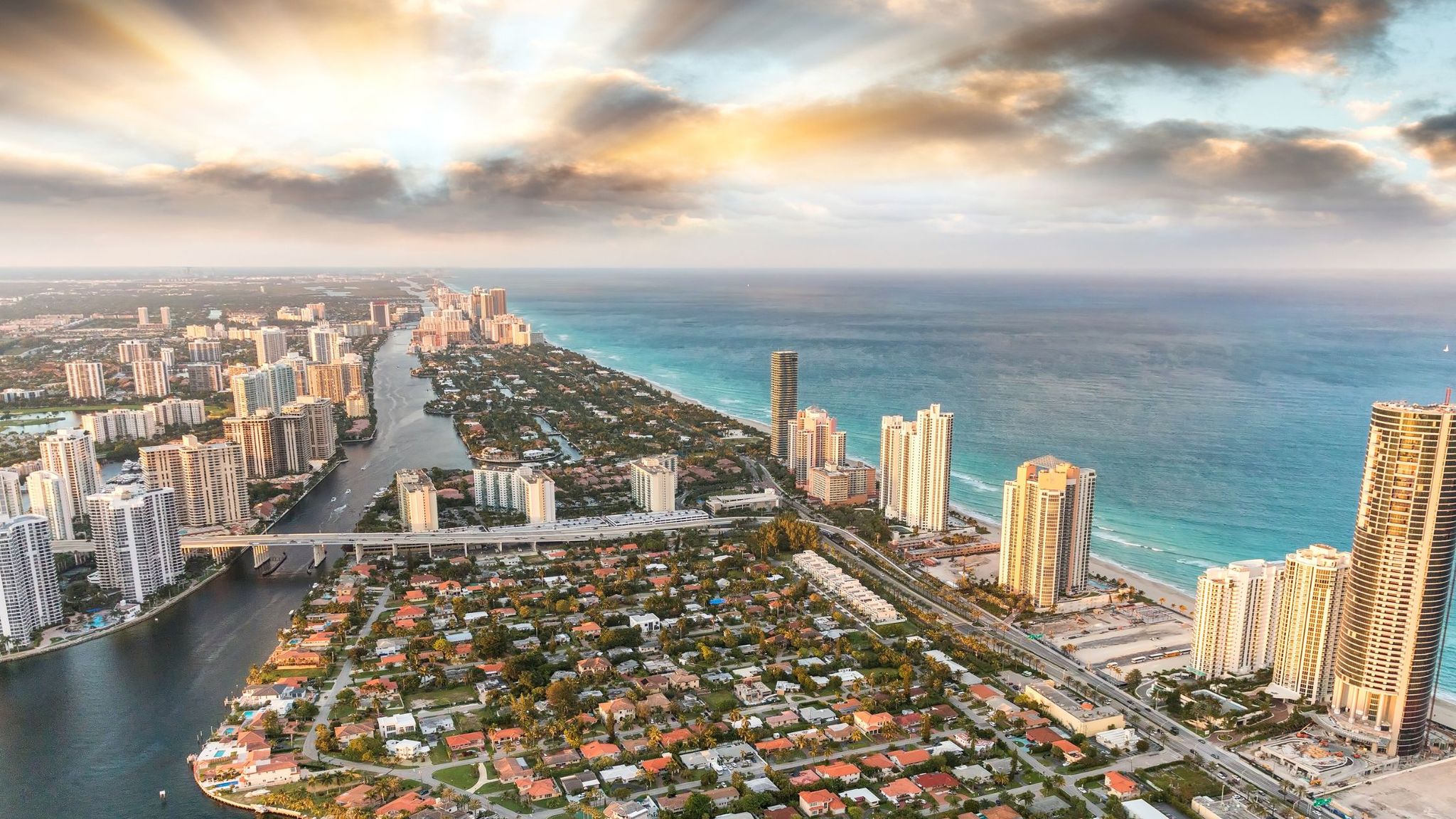
Waterfront development in Miami is evolving to address resilience and lifestyle demands. Recent projects incorporate larger floor plans, private elevator foyers and wellness amenities. Elevated podium construction and improved flood mitigation design are becoming standard. Developers also integrate private marinas into luxury projects to attract yacht owners. Pre‑construction opportunities often offer phased deposit structures and customization, but buyers should vet developer track records and HOA budgets.
On the single‑family side, scarcity of land means most new waterfront homes are individual teardowns or custom builds rather than brand‑new communities. Buyers seeking new construction should expect to replace older structures or purchase vacant lots, adding to cost but allowing modern designs that meet current building codes.
Investment & Rental Considerations
Appreciation and rental yields
Waterfront properties in Miami have historically outperformed many inland homes, with demand fueled by lifestyle appeal and limited supply. Luxury waterfront buyers often purchase second homes or investment properties, and international buyers remain a significant segment of the market. Rental yields vary by location and property type; mid‑range bayfront condos may yield 3–7% annually, while luxury estates focus on long‑term appreciation rather than cash flow.
Short‑term rental rules
Short‑term rental regulations differ by municipality and condominium association. Some Downtown buildings allow monthly rentals, but many luxury waterfront towers restrict short‑term leasing. Buyers hoping to offset costs with vacation rentals should review association documents and local ordinances before purchasing.
Costs beyond purchase price
Waterfront ownership involves expenses beyond the sale price:
- Flood and wind insurance: Required in FEMA flood zones; premiums depend on elevation and construction features.
- HOA fees and assessments: Elevated for waterfront condos due to maintenance, insurance and reserve requirements.
- Dock and seawall maintenance: Inspections and repairs can be significant; seawall condition is a key value factor.
- Marina fees (if applicable): Even private docks may require membership fees or maintenance of communal facilities.
Guidance for Buyers
Purchasing waterfront property in Miami requires due diligence beyond that of inland real estate. Prospective buyers should:
- Determine your boating priorities. Assess vessel size, desired routes and bridge clearance needs. No‑fixed‑bridge canals cater to large yachts, while shallow canals suit smaller boats.
- Order a dock and seawall inspection. Structural integrity and water depth influence both safety and future costs.
- Verify elevation and flood zone status. Review elevation certificates and floodplain maps to estimate insurance premiums.
- Review HOA reserves and rules. Healthy reserves indicate financial stability; rules govern dock usage and rental flexibility.
- Assess neighborhood development plans. Future high‑rise projects may obstruct views or alter navigability; check zoning and development pipelines.
- Set realistic budgets. Account for HOA fees, insurance, dock maintenance and potential seawall repairs in addition to purchase price.
- Work with a waterfront specialist. Local Realtors with marine knowledge can guide you through navigational routes, permit requirements and property nuances.
Guidance for Sellers
Selling a waterfront home requires showcasing the boating lifestyle and addressing buyer concerns:
- Highlight navigability. Provide details on canal depth, bridge clearance and proximity to inlets; include drone footage illustrating water width and views.
- Document dock and seawall specifications. Buyers will scrutinize dock length, materials and capacity; share inspection reports and maintenance history.
- Present flood insurance and elevation documentation. Transparency on premiums and mitigation measures builds buyer confidence.
- Stage for lifestyle. Emphasize outdoor living spaces, sunrise or sunset orientations and easy access to marinas. Incorporate images of boats and water vistas to evoke the boating lifestyle.
- Leverage local market data. Pricing should reflect current demand, recent comparable sales and unique features such as private marinas or oversized lot size. Partner with a local Realtor who understands waterfront pricing dynamics.
Why Work With a Local Miami Realtor
Waterfront transactions involve layers of complexity beyond typical home sales. A local Miami Realtor with waterfront expertise can:
- Navigate tidal charts, bridge heights and dredge schedules to match properties with buyers’ boating needs.
- Interpret FEMA flood maps, insurance requirements and building codes.
- Evaluate seawall and dock conditions, and recommend qualified marine surveyors.
- Analyze HOA reserves and governance structures, especially in older waterfront condos.
- Provide insight into off‑market listings and local development plans that could affect future values.
Working with a Realtor who lives the boating lifestyle adds an extra layer of authenticity and trust. They can help buyers envision daily routines, whether a sunrise paddleboard session from Coconut Grove or an after-work cruise from Keystone Point, and ensure sellers market these experiences effectively.
Water as Infrastructure and Identity
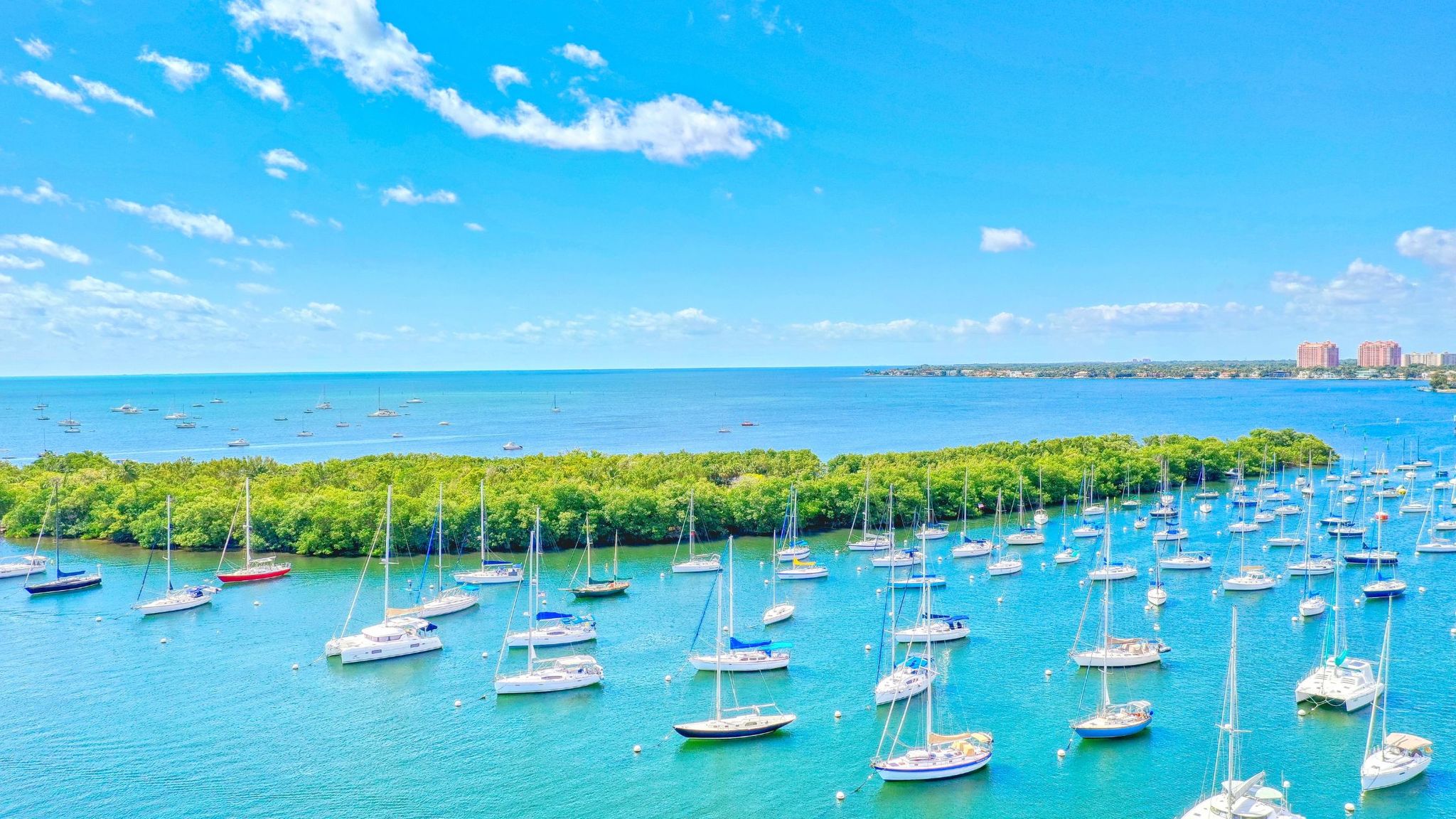
Boating culture is more than a pastime in Miami. It is an economic force that shapes property values, fuels development and defines lifestyle choices. Waterfront properties, from entry-level condos to ultra-luxury estates, command premiums due to scarcity, navigability and access to the vibrant marine lifestyle. As demand for private docks and marinas grows, new construction integrates resilience and wellness features while maintaining the allure of life on the water. Whether you are a buyer seeking your own dock, a seller marketing sunrise views or an investor exploring rental yields, understanding the nuances of Miami’s boating culture will position you for success. For personalized guidance, explore our neighborhood guides, browse new construction opportunities or contact a local Miami Realtor to navigate your next waterfront move.
Check out this article next