Introduction
Working remotely has moved from a pandemic necessity to a permanent feature of the modern workforce. By March 2025 the Bureau of Labor Statistics estimated that 22.8 % of U.S. employees worked remotely at least part of the time, representing more than 36 million Americans. Digital nomads, professionals who combine remote work with travel have flourished in this new reality. Among U.S. metro areas, Miami has become one of the most desirable hubs for remote workers.
Download our Miami Relocation Guide to get a complete overview of neighborhoods, lifestyle, and housing options before you make the move.
This article explores why Miami is attractive to digital nomads and highlights the neighborhoods that offer the best balance of work‑friendly amenities, vibrant lifestyle and housing options. All data and recommendations are based on the latest research, rental statistics and local market insights available as of early 2026. Whether you’re a freelancer, remote employee or investor, this guide will help you navigate Miami’s dynamic real estate landscape.
Why Miami Appeals to Digital Nomads
Year‑Round Sunshine and Global Culture
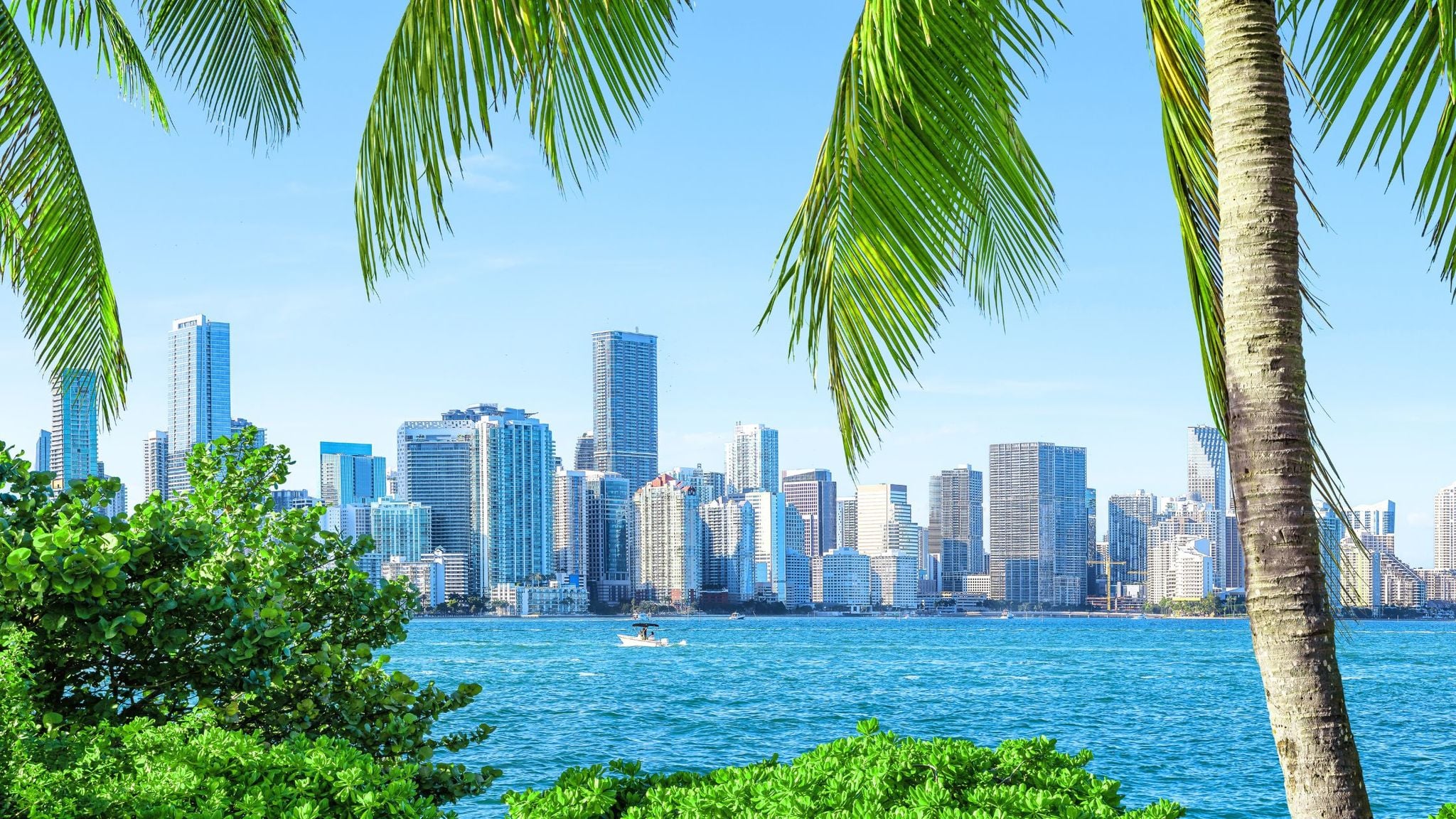
Miami enjoys a subtropical climate with average summer temperatures around 84 °F (29 °C). The city’s legendary beaches and abundant sunshine allow remote workers to enjoy an outdoor lifestyle year‑round. Its cultural diversity, shaped by Latin American and Caribbean influences creates a vibrant culinary scene and multilingual community.
Thriving Tech & Startup Scene
Florida’s business‑friendly environment and absence of state income tax make Miami attractive to entrepreneurs. Florida is among the U.S. states without a state income tax, giving digital nomads more disposable income. Over the past few years Miami has evolved into a burgeoning tech hub; major founders and investors have relocated to the region, and coworking operators have flooded downtown and Wynwood.
Remote‑Work Infrastructure
Miami’s appeal goes beyond climate. Its infrastructure supports remote work:
- Co‑working spaces: Wynwood, Brickell and Downtown host popular spaces like WeWork, The LAB Miami, Quest Workspaces, Pipeline and Spaces. Memberships range from $200 to $500 per month.
- High‑speed internet: Digital nomad guides report average internet speeds around 43 Mbps, adequate for video calls and cloud productivity.
- Public transit: The Metromover, a free electric people mover, runs a 4.4‑mile loop with 21 stops in Downtown and Brickell every day from 5 a.m. to midnight. The Metrobus network covers over 95 routes across Miami‑Dade County, and Brightline rail connects downtown Miami to Aventura and Orlando.
- Networking and community: Visit Florida highlights that digital nomads in Miami join meet‑ups and coworking events to build community. Miami Local reports that nearly 11 % of the U.S. workforce operated remotely in early 2025 and notes that neighborhoods such as Miami Beach, Brickell and Wynwood have flourishing coworking scenes.
Cost of Living & Housing Market
Although Miami can be pricey, it is more affordable than other major U.S. tech hubs. According to rental platform Point2Homes, the average apartment rent in Miami was $2,732 per month in February 2026; approximately 30 % of rentals exceed $3,000, while only 0.07 % cost under $1,000. For those seeking to buy, the median sales price in Miami‑Dade County was $675,000 in early 2026.
Digital nomad guides suggest budgeting around $2,109 per month for rent, $15–$30 per meal for dining out, $100 for a monthly transportation pass, and $200–$500 for coworking memberships. While some neighborhoods cost more than others, many residents find the combination of no state income tax and a robust job market offsets the higher rents.
Best Miami Neighborhoods for Digital Nomads
Miami’s varied neighborhoods cater to different lifestyles. Below are the top areas that balance remote‑work amenities, livability and real‑estate appeal.
Brickell: The Financial District
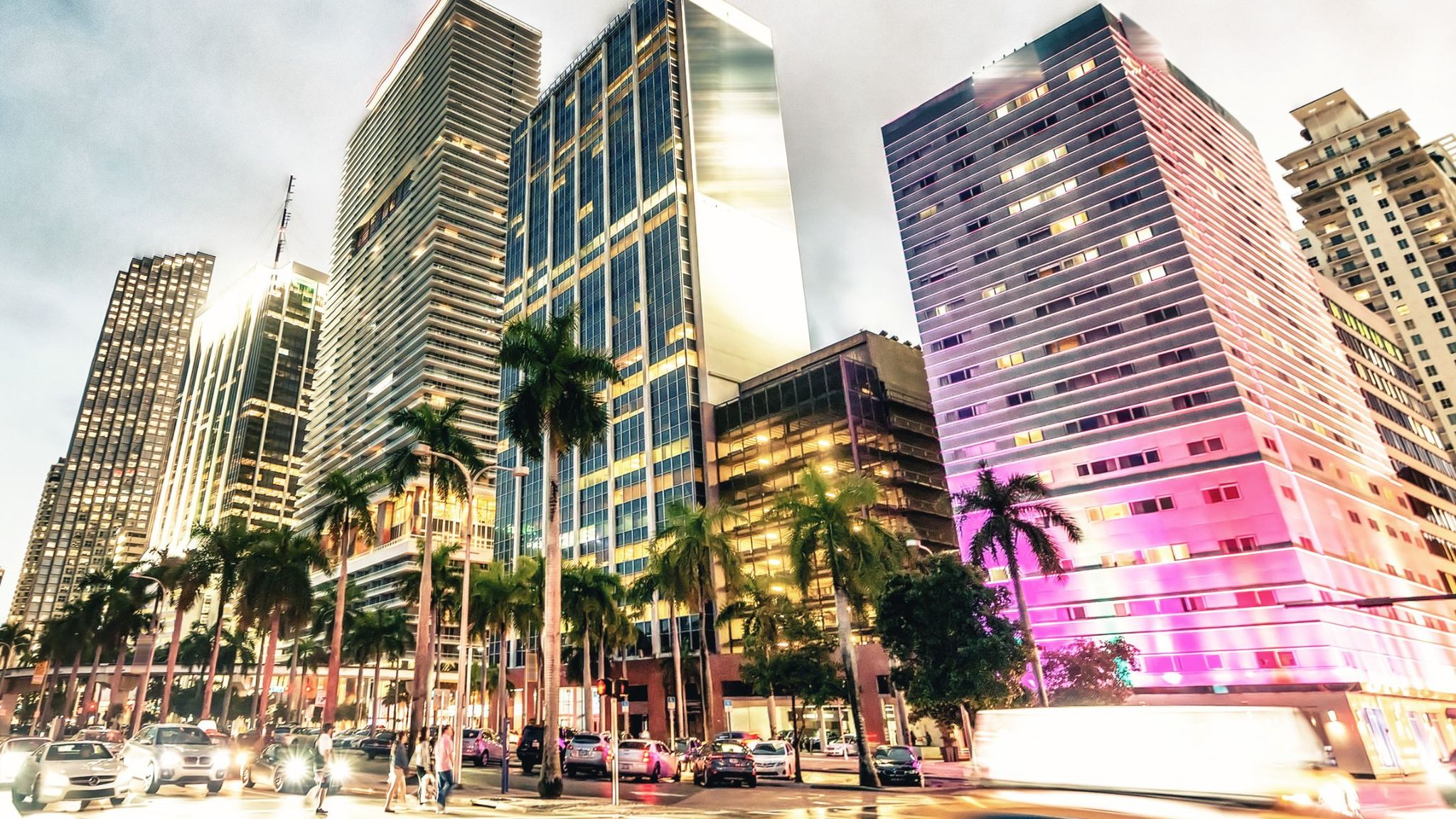
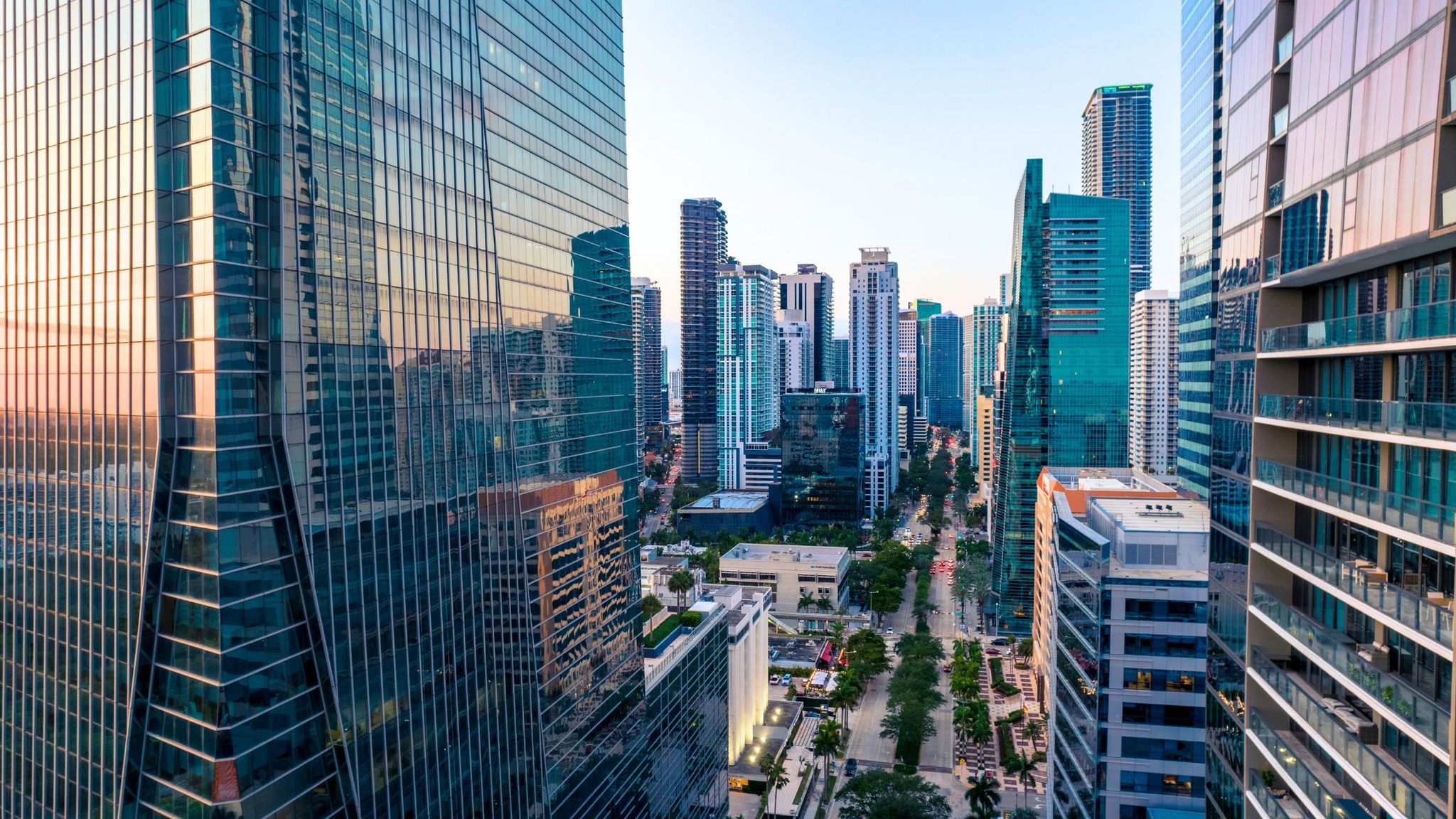
Profile: Brickell is Miami’s financial heart—home to banks, law firms, tech startups and high‑rise residential towers. Its skyline hosts luxury condos and world‑class hotels. Digital nomads are drawn to Brickell for its polished amenities and proximity to coworking spaces like WeWork, Pipeline and Spaces.
Housing & Cost: Brickell is one of Miami’s priciest neighborhoods. The high demand for luxury condos means rents often exceed the city average; expect one‑bedroom apartments well above $3,000 per month. However, many buildings include resort‑style pools, gyms and doormen, providing the live‑work convenience remote professionals crave.
Pros:
- Walkability: Brickell is one of the most walkable parts of Miami. Grocery stores, restaurants and nightlife are steps away.
- Transit: The free Metromover and Metrorail stop at Brickell Station, enabling car‑free commuting.
- Coworking & networking: With dozens of shared offices and networking events, Brickell is ideal for building a business network.
Cons:
- Cost of living: High rents and parking fees may be prohibitive for budget‑conscious nomads.
- Traffic: Brickell Avenue often experiences heavy traffic, especially during rush hour.
Wynwood & Midtown: Art Districts & Creative Energy
Profile: Wynwood, just north of Downtown, transformed from a warehouse district into an international arts destination. Murals, galleries and craft breweries line the streets. The area attracts creatives, tech professionals and digital nomads who appreciate eclectic cafés and coworking spaces like The LAB Miami and now mindspaces.
Midtown, adjacent to Wynwood, offers new apartment towers and a thriving shopping center (Midtown Miami). Together, these neighborhoods deliver a youthful vibe and community events.
Housing & Cost: Rents in Wynwood and Midtown vary. New high‑rise apartments can exceed $2,500 per month, whereas older lofts may fall closer to $1,800. Digital nomad guides estimate that renting a one‑bedroom apartment in Wynwood costs roughly $2,500 per month.
Pros:
- Creative scene: Street art, live music and galleries foster inspiration.
- Coworking hubs: The LAB Miami, NOW and various art‑oriented coworking spaces provide flexible memberships.
- Proximity to downtown: Wynwood is minutes from Downtown and Brickell via car or ride‑share.
Cons:
- Nightlife noise: The area’s nightlife can be loud on weekends.
- Parking scarcity: Street parking is limited; using rideshares or bikes is advisable.
Downtown Miami: Urban Core & Convenience
Profile: Downtown serves as the city’s commercial and transportation hub. High‑rise condos overlook Biscayne Bay. Digital nomads enjoy Downtown’s central location, proximity to the Metromover and walking distance to Government Center, FTX Arena and Bayfront Park. Coworking spaces such as Spaces, Quest Workspaces and WeWork are abundant.
Housing & Cost: Downtown offers a mix of luxury condos and more affordable older buildings. Expect rents between $2,200 and $3,000. Many buildings include amenities such as pools, gyms and 24‑hour security.
Pros:
- Transit connectivity: In addition to the Metromover, Downtown has Metrorail and bus connections to the airport, Dadeland and beyond.
- Retail and dining: Residents have easy access to shopping centers, grocery stores and an expanding restaurant scene.
- Proximity to Brickell & Wynwood: Downtown sits between other major neighborhoods, offering quick commutes.
Cons:
- Downtown bustle: Noise and crowds are common; weekends bring heavy tourist traffic.
- Limited green space: While Bayfront Park provides some greenery, outdoor space is limited compared to suburbs.
Coconut Grove: Laid‑Back & Green
Profile: Coconut Grove is Miami’s oldest neighborhood and offers a tranquil, tropical environment with lush tree‑lined streets, marinas and waterfront parks. It appeals to digital nomads seeking a calmer pace while staying close to the city.
Housing & Cost: Rents in Coconut Grove average around $2,000 per month. You’ll find cottage‑style homes, mid‑rise condos and luxury townhouses. The neighborhood’s historic charm and walkability command strong demand.
Pros:
- Nature & recreation: Coconut Grove borders Biscayne Bay, making it ideal for boating, jogging and outdoor yoga.
- Cafés & coworking: Cozy cafés with outdoor seating double as workspaces. A few boutique coworking spaces provide quiet work environments.
- Community events: Farmers’ markets and art festivals create a village feel.
Cons:
- Higher cost: While less expensive than Brickell, housing still ranks above average for Miami.
- Limited nightlife: Bars and clubs close earlier than in Wynwood or South Beach.
South Beach & Miami Beach: Iconic & Tourist‑Heavy
Profile: Miami Beach (particularly South Beach) is known worldwide for its Art Deco architecture, white‑sand beaches and nightlife. It’s also one of the most popular neighborhoods for digital nomads who crave ocean views and a walking lifestyle. Visit Florida lists South Beach and North Miami Beach among the top areas for remote workers.
Housing & Cost: South Beach rents are high; expect studio apartments above $2,500 and one‑bedrooms above $3,000. North Miami Beach offers slightly lower rents and more family‑oriented communities.
Pros:
- Beach access: Live steps from the Atlantic. Mid‑day swim breaks are a reality.
- Walkability & nightlife: You can walk to cafés, gyms and nightlife without a car.
- Tourist amenities: Gyms, boutique hotels and coworking spots cater to a global clientele.
Cons:
- High cost & tourist crowds: Premium rents and seasonal tourism can make daily life expensive and noisy.
- Parking challenges: Limited parking and strict regulations create hassles for car owners.
Little Havana: Culture & Affordability
Profile: West of Downtown, Little Havana offers a strong Cuban heritage and an authentic Miami vibe. Colorful murals, live music and cafés serving strong cafecito attract artists and remote workers seeking a cultural immersion.
Housing & Cost: Digital nomad guides cite rents around $1,800 per month, making it one of the more affordable centrally located neighborhoods.
Pros:
- Cultural immersion: Food, music and festivals provide a rich cultural experience.
- Affordability: Lower rents allow budget flexibility for coworking memberships or travel.
- Local cafés: Many coffee shops offer Wi‑Fi and the opportunity to practice Spanish.
Cons:
- Limited coworking spaces: Fewer dedicated coworking facilities mean relying on cafés or traveling to nearby Downtown.
- Noise & traffic: Calle Ocho is lively; expect traffic and noise, especially during festivals.
Edgewater & Design District: Waterfront & Urban Luxury
Profile: Edgewater, north of Downtown along Biscayne Bay, offers modern high‑rise towers with bay views and proximity to the Design District’s luxury shopping and art galleries. According to Digital Nomads World, Edgewater is near parks and museums and is an upscale neighborhood.
Housing & Cost: Expect rents around the city average ($2,500–$3,000). Many buildings feature state‑of‑the‑art amenities including gyms, pools and rooftop lounges.
Pros:
- Waterfront views: Direct access to Baywalk and Margaret Pace Park.
- Quiet yet central: Less hectic than Downtown but still near major business districts.
- Proximity to museums: The Pérez Art Museum and Frost Science Museum are nearby.
Cons:
- Limited nightlife: Nightlife options are more subdued; for clubs you’ll need to head to Wynwood or South Beach.
- Higher cost: Waterfront units carry premium pricing.
Buena Vista & North Miami: Up‑and‑Coming & Affordable
Profile: North of Wynwood lies Buena Vista, a historic district known for its bungalow homes and newly renovated shops. Meanwhile, North Miami (including North Miami Beach) provides larger apartments and single‑family homes at more affordable rates. Visit Florida includes North Miami Beach and Buena Vista among top neighborhoods for digital nomads.
Housing & Cost: Rents in Buena Vista range from $1,500 to $2,000, while North Miami can offer apartments under $1,800. These areas require longer commutes to Downtown but deliver value for money.
Pros:
- Affordability: Lower rents free up budget for travel or coworking memberships.
- Quiet neighborhoods: Residential feel with parks and tree‑lined streets.
- Space: Larger units appeal to those needing room for home offices or families.
Cons:
- Car dependency: Public transit options are less extensive; a car or ride‑share budget is necessary.
- Fewer coworking spots: While coworking is expanding, options are limited compared to central neighborhoods.
Practical Tips for Digital Nomads Moving to Miami
- Budget realistically: Expect to spend between $2,100 and $3,000 per month on rent, plus utilities, food and coworking membership. Use the no‑income‑tax advantage to build savings or invest in amenities that improve work‑life balance.
- Use a real estate agent: Digital Nomads World recommends working with a local real estate agent to navigate leases and secure good deals, especially when dealing with limited inventory.
- Compare coworking packages: Many spaces offer day passes, dedicated desks and private offices. Evaluate the location (proximity to your home), amenities (24/7 access, meeting rooms, printers) and community events.
- Optimize transportation: If you live in Brickell or Downtown, take advantage of the free Metromover. For longer commutes, the Metrobus and Brightline high‑speed rail connect major neighborhoods.
- Network locally: Join meet‑up groups and attend events at coworking spaces or the Underline park. Building a professional network will help you integrate into Miami’s tech scene and might lead to housing referrals or collaboration opportunities..
- Consider seasonality: Miami’s peak tourist season (November–April) pushes up rental prices, especially in South Beach. Signing a longer lease or moving during the summer can secure better rates.

Miami’s Top Digital‑Nomad Neighborhoods
For a quick summary of the best neighborhoods for digital nomads in Miami, here’s a list formatted for featured snippets:
- Brickell – High‑rise condos, financial district, premium coworking spaces; expensive but walkable.
- Wynwood & Midtown – Artistic atmosphere, creative coworking hubs; moderate to high rents.
- Downtown Miami – Urban core with excellent transit links and abundant coworking options.
- Coconut Grove – Laid‑back, green, near the bay; moderate rents and boutique coworking.
- South Beach / Miami Beach – Iconic beaches and nightlife; high rents and seasonal tourism.
- Little Havana – Cultural immersion and affordable rents; limited coworking spaces.
- Edgewater & Design District – Waterfront living with modern amenities and upscale shopping.
- Buena Vista & North Miami – Budget‑friendly, larger homes; fewer coworking options but growing popularity.
Finding the Right Miami Lifestyle for Remote Work
Choosing where to live in Miami as a digital nomad ultimately comes down to how you want your day-to-day life to feel.
Some neighborhoods prioritize convenience and connectivity, like Brickell and Downtown, where everything is within walking distance and networking opportunities are constant. Others, such as Coconut Grove or Edgewater, offer a slower pace with access to nature and a more relaxed environment. Areas like Wynwood bring creativity and energy, while Little Havana and North Miami provide more affordable options without losing Miami’s cultural identity.
Miami stands out because it allows you to design a lifestyle around your work, not the other way around. Whether you value walkability, community, affordability, or waterfront living, there is a neighborhood that aligns with your priorities.
If you are considering making Miami your base, exploring the right neighborhood is the first step toward building a work-life balance that truly fits your goals. Reach out if you’d like guidance on finding the right area or property that aligns with your lifestyle and investment goals.
FAQ
- Is Miami a good city for digital nomads?
Yes. Miami offers year‑round sunshine, no state income tax, thriving tech and startup scenes, and a wide range of coworking spaces. Neighborhoods like Brickell, Wynwood and Coconut Grove balance work amenities with lifestyle options. - How much does it cost to live in Miami as a digital nomad?
Average rents in Miami were about $2,732 per month as of February 2026. Budget at least $2,100–$3,000 for rent, plus transportation, food and coworking membership. - Which Miami neighborhoods are best for remote workers?
Top neighborhoods include Brickell, Wynwood & Midtown, Downtown, Coconut Grove, Miami Beach, Little Havana, Edgewater, and Buena Vista & North Miami. Each offers unique advantages in terms of cost, walkability and lifestyle. - Are there many coworking spaces in Miami?
Yes. Miami has dozens of coworking spaces concentrated in Brickell, Downtown and Wynwood. Memberships range from $200–$500 per month. - Do digital nomads need a car in Miami?
It depends on the neighborhood. Brickell, Downtown and South Beach are highly walkable and served by the free Metromover. Neighborhoods farther north or west (Buena Vista, North Miami) generally require a car or ride‑share budget.
Check out this article next