

Wynwood gets credit for the entire Miami art scene, and that's a problem. Wynwood is one neighborhood. The actual map runs from a downtown waterfront museum that lights up like a building-sized art installation to a warehouse in Allapattah that holds one of the most important contemporary collections in the country, and there's a museum in my own neighborhood, Coral Gables, that quietly opened back in 1950 before most of South Florida knew what a contemporary gallery was. If you only know the murals, you're seeing about 20% of the picture.
I get asked about this a lot, especially from clients moving here from New York, LA, and Chicago who expect Miami to be all beach and nightlife. The art is everywhere. You just need someone to show you where to look. This is the route I'd give a friend on their first weekend in the city.
Why Wynwood Is the Start, Not the Story
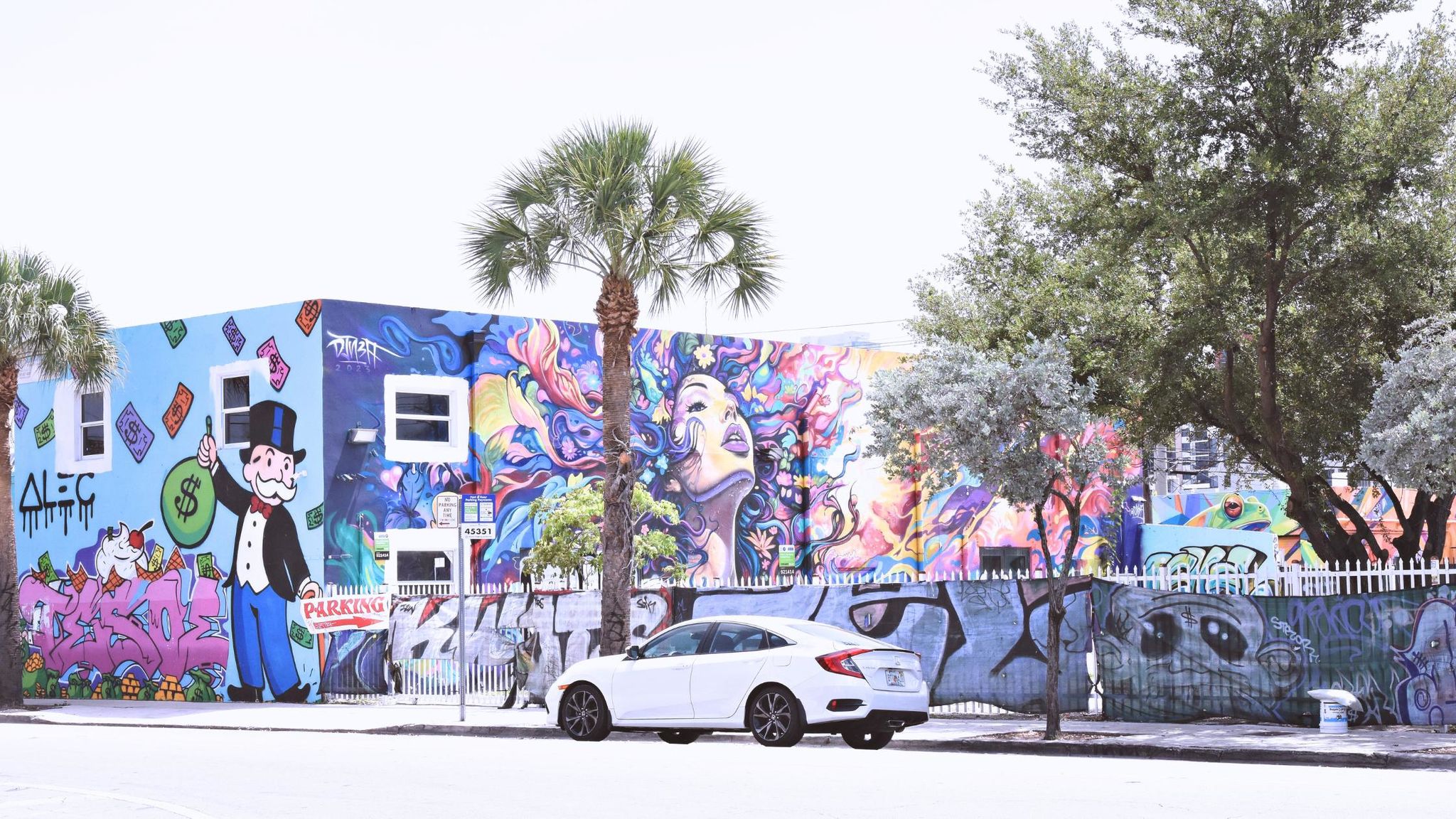
Wynwood Walls deserves its reputation. The murals changed how the world thinks about Miami, and the Wynwood Walls model spawned a generation of street-art districts everywhere from Atlanta to Lisbon. I send friends there, especially first-timers.
But Wynwood is one stop on a much longer route. The reason matters. Miami's art scene grew up around private collectors who built museum-quality spaces because the city didn't have enough public ones, and around public institutions that grew up later to catch up. Both layers are still here, and the most interesting work is often in the parts of town that don't show up in a guidebook. If you only know the Wynwood lifestyle, you're missing the connective tissue that runs from the bay to the Gables.
Downtown Miami: PAMM and the Waterfront Museum Mile
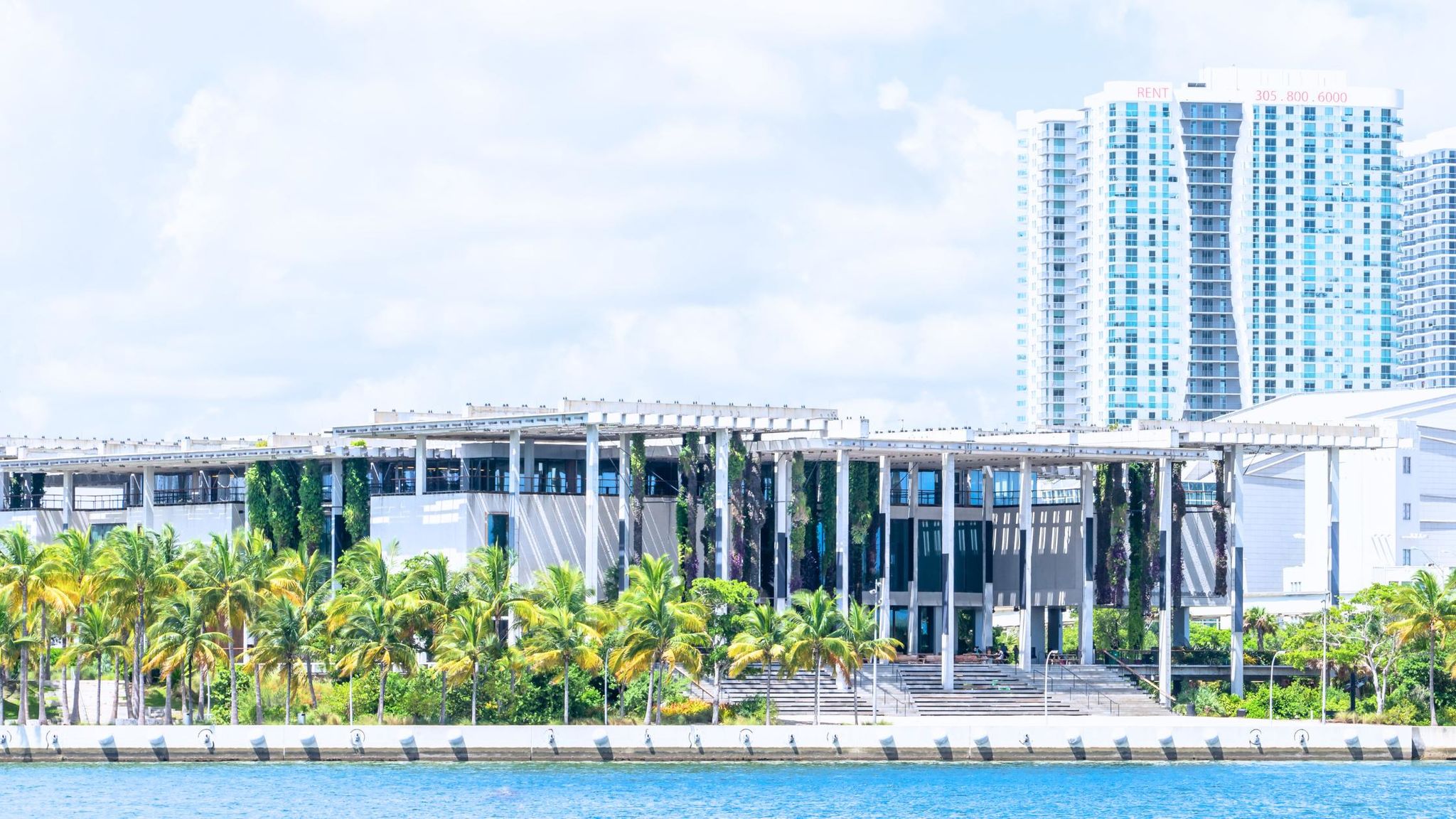
The single best place to start is the Pérez Art Museum Miami, or PAMM. It sits on Biscayne Bay inside Museum Park, and the Herzog and de Meuron building alone is worth the visit. Hanging gardens, deep overhangs, raw concrete, glass walls open to the water. I've taken clients there who didn't even make it inside, they just stayed on the terrace for an hour with a coffee and the skyline.
Inside, PAMM focuses on 20th and 21st-century art with a serious throughline on artists from the Caribbean, Latin America, and the African diaspora. That focus matters. It is the lens that makes PAMM specifically a Miami museum, not a generic American contemporary museum that happens to be in Florida.
A few minutes' walk south puts you in the Arsht and the financial heart of Downtown Miami, which has its own evolving public art presence as the new supertalls go up. Bring walking shoes. The bayfront stretch from PAMM south is the closest thing Miami has to a museum mile.
The Design District: ICA Miami and the Public Art You Walk Past
The Design District is the smartest art neighborhood in the city if you have two hours and want a real range. Park once and walk.
ICA Miami is the anchor. Free admission, serious contemporary programming, and a sculpture garden that often surprises visitors who expected a gift shop. The building itself, designed by Aranguren and Gallegos, looks like a folded sheet of metal from the outside and a museum from the inside. Plan for at least 90 minutes.
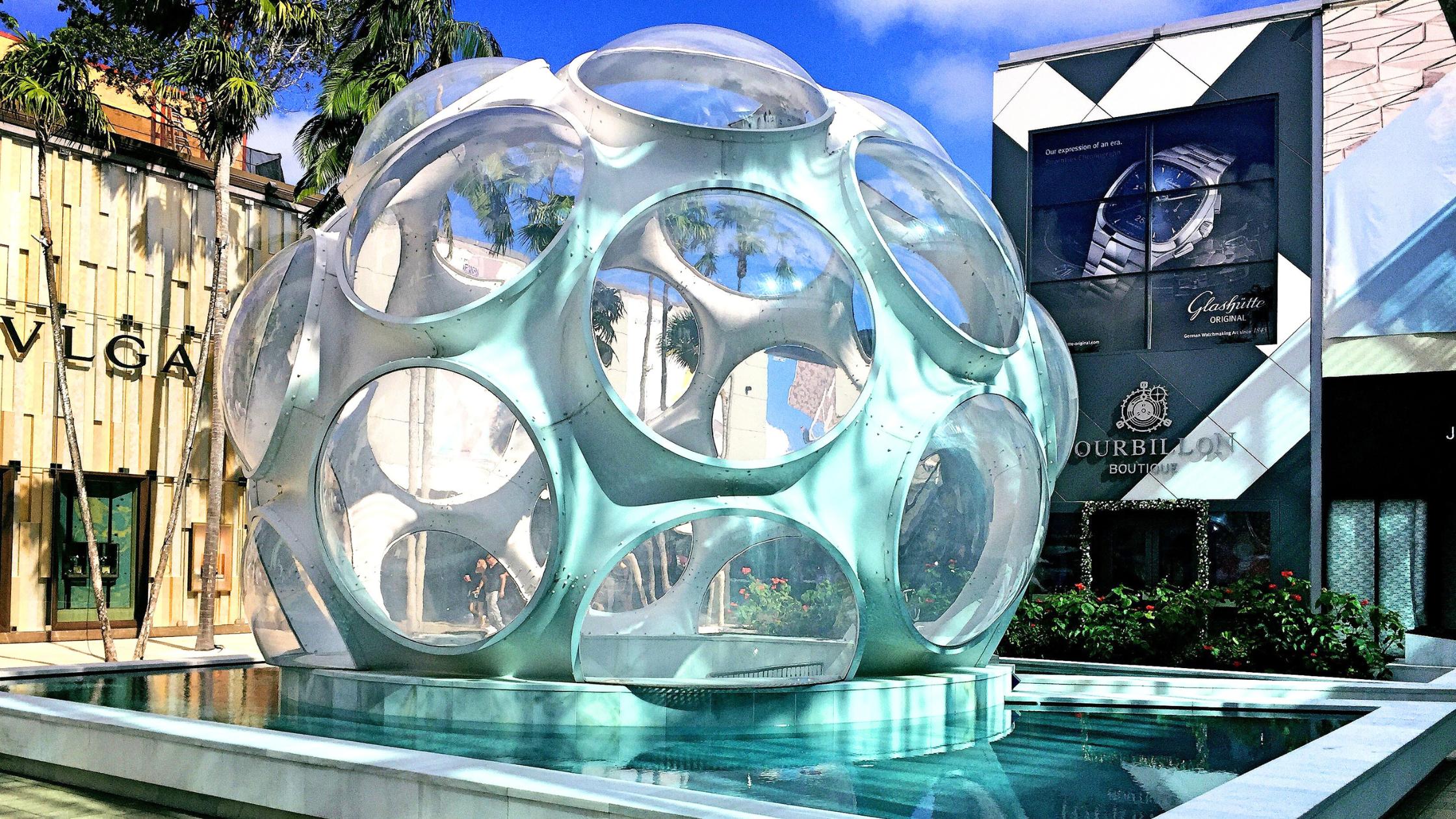
The rest of the Design District is the public art exhibit. You're walking past Buckminster Fuller's Fly's Eye Dome in the central plaza. You're standing under Zaha Hadid's elytra filament pavilion. You're crossing Marc Newson glassworks set into the pavement. None of this is fenced off. It's right there, mixed in with the boutiques, and most visitors walk past it without realizing they're inside a curated public-art collection.
A few blocks south you hit Midtown, with its own gallery row and creative spillover. I've written before about Midtown's galleries and creative energy, which pairs naturally with a Design District morning.
Allapattah, Wynwood, and Mid-Beach: The Private Collections You Can Actually Visit
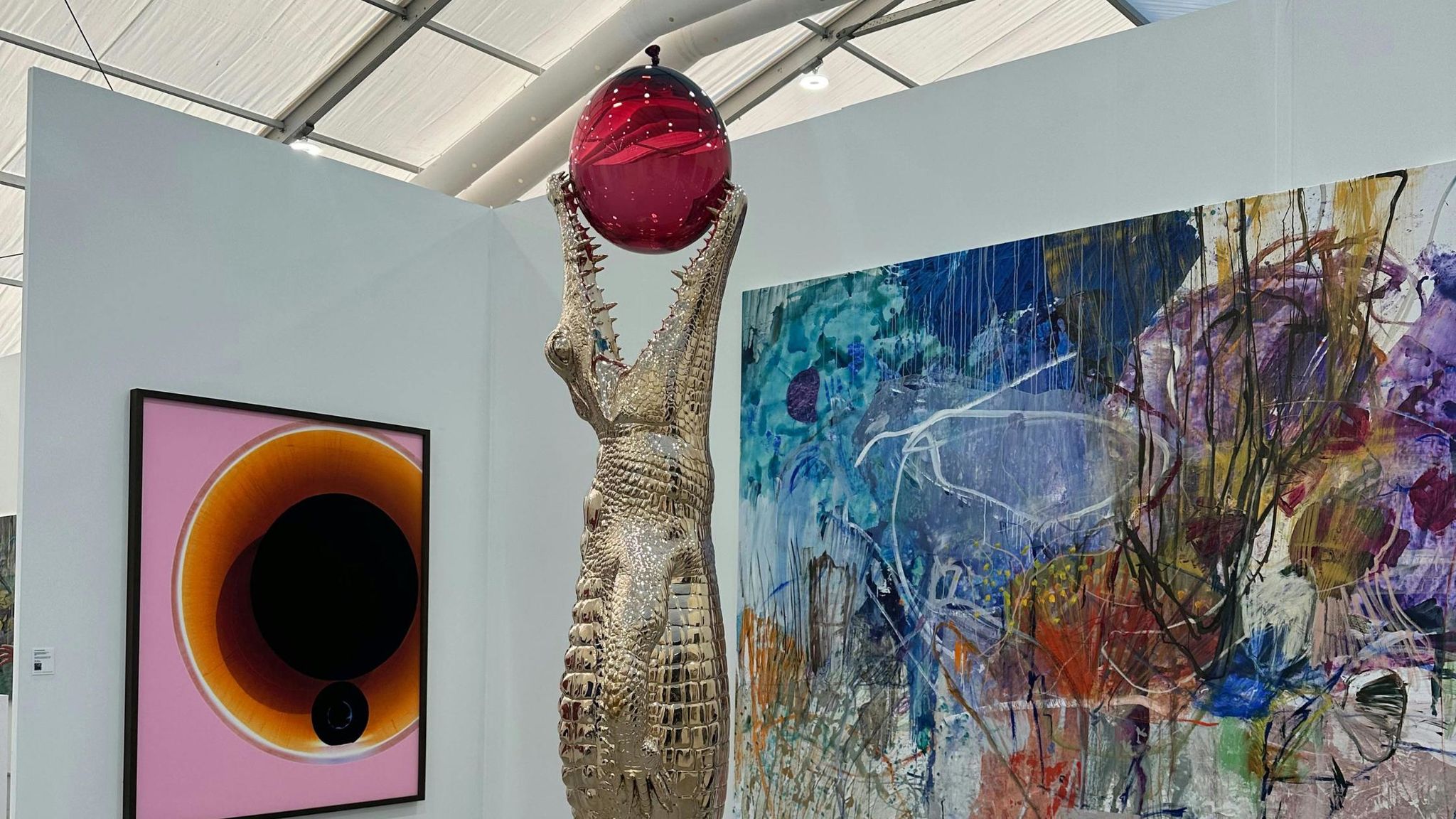
This is where the Miami art scene gets quietly elite. A handful of private collectors built museum-grade exhibition spaces in working-class or industrial neighborhoods, and most of them are open to the public during the day.
The four private collections every Miami art day should consider:
- Rubell Museum - Allapattah. The Rubell family's contemporary collection in a converted 100,000-square-foot former DEA facility. 36 galleries, a restaurant, a performance space, and outdoor sculpture. About a 30-minute walk west of Wynwood, but a short drive.
- Margulies Collection at the Warehouse - Wynwood Arts District. A 50,000-square-foot warehouse holding 4,500+ works, with a strong emphasis on photography and large-scale sculpture. Open seasonally, October through April, so check before you go.
- de la Cruz Collection - Design District. Free admission, three floors of contemporary art assembled by Rosa and Carlos de la Cruz. (Status updates have been in flux since 2024, verify current hours before driving over.)
- Faena Forum and Faena Art - Mid-Beach. The Faena District holds rotating public installations alongside the hotel's permanent commissions, including Damien Hirst's gilded woolly mammoth skeleton.
The point of including all four isn't that you'll see them in one day. The point is that Miami's contemporary art density is one of the highest in the country if you know where the warehouses are.
Coral Gables and Miami Beach: The Quiet Anchors
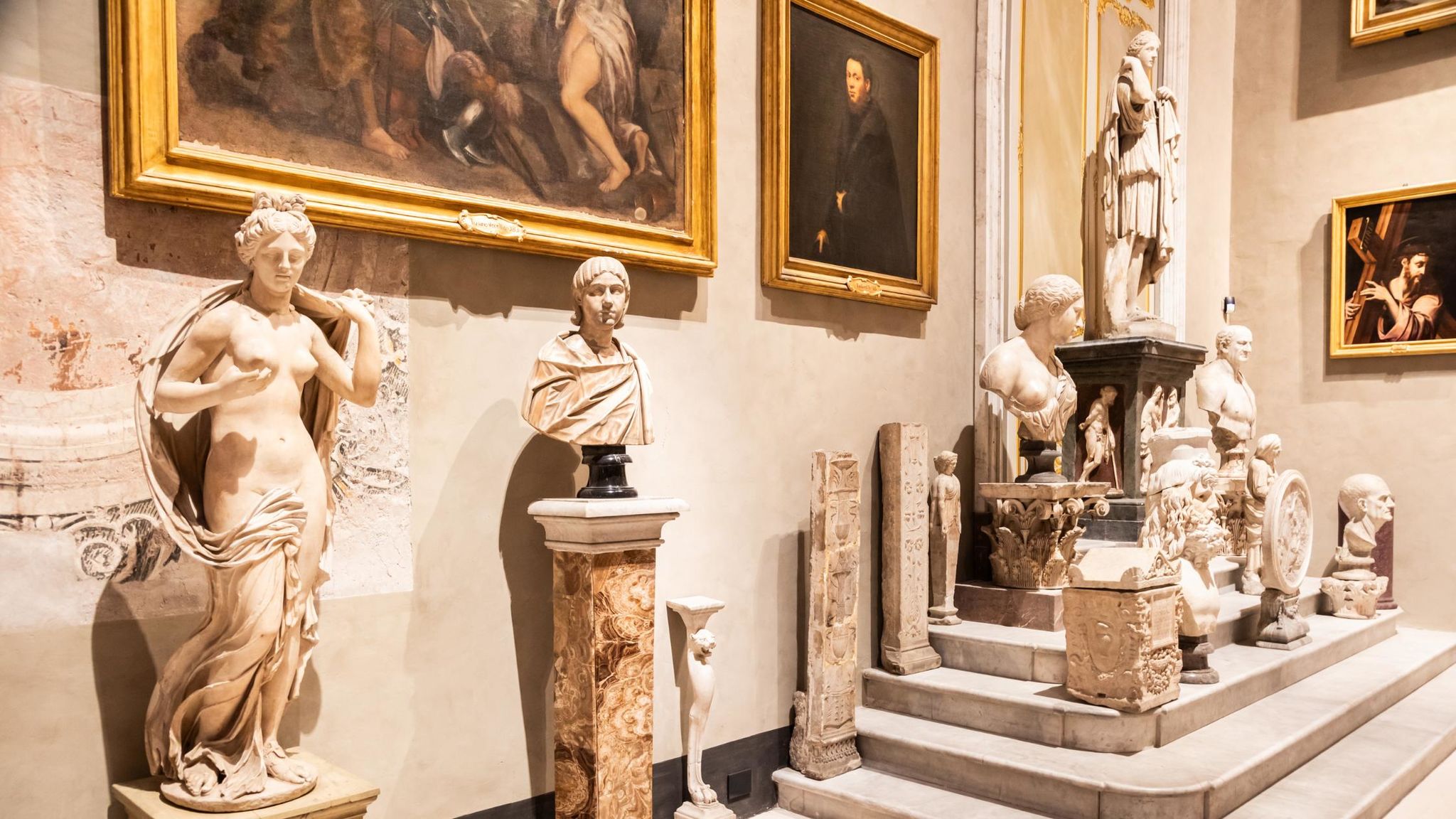
I live in Coral Gables, so I'm biased, but the Lowe Art Museum at the University of Miami is one of the most underrated stops on the entire Miami art map. It opened in 1950, making it the oldest art museum in South Florida, and it holds more than 19,000 objects spanning over 5,000 years of human creativity. Native American art, ancient Mediterranean pieces, European old masters, contemporary works. It's quieter than the bigger downtown institutions, which is part of why it's good.
On the beach side, the Bass anchors Miami Beach's art scene in a 1930s Art Deco building on Collins Park. Free for Miami Beach residents, contemporary focus, and a sculpture program that spills out into the surrounding park. Pair it with a walk through South Pointe or down Lincoln Road and you have a full beach-side art afternoon.
If you're spending time on the cultural neighborhoods, the Little Havana cultural draw belongs in your art weekend too. Calle Ocho is its own gallery in a different format.
How to Plan Your Miami Art Day
If you only have one day, group by direction:
Direction | Stops | Time needed |
Bay (downtown) | PAMM, then the downtown bayfront | 2 to 3 hours |
Design District + Midtown | ICA Miami, public art walk, Midtown galleries | 3 to 4 hours |
Allapattah / Wynwood | Rubell Museum, Margulies (seasonal), Wynwood Walls | 4 to 5 hours |
Coral Gables + Beach | Lowe Art Museum, then the Bass on Miami Beach | 4 to 5 hours |
I usually tell people to pick two directions for a weekend. PAMM plus Design District is the cleanest first-timer route. Rubell plus Lowe is the move for repeat visitors who already know the headline museums.
For a deeper neighborhood-by-neighborhood look at the city, my Miami neighborhoods hub is the easiest starting point.
Falling for Miami the Way Locals Do
Art is the easiest doorway into the city. Once you've spent a Saturday at PAMM and a Sunday walking through the Design District, you start to understand what Miami actually is, not what the cruise ads sell. If that's the version of Miami you're looking for, I'd love to show you the neighborhoods that fit it best. Thinking about making Miami home, or just want to know which neighborhoods would put you closest to the art you care about most? Join my newsletter for the monthly Miami insider notes, and reach out anytime.