

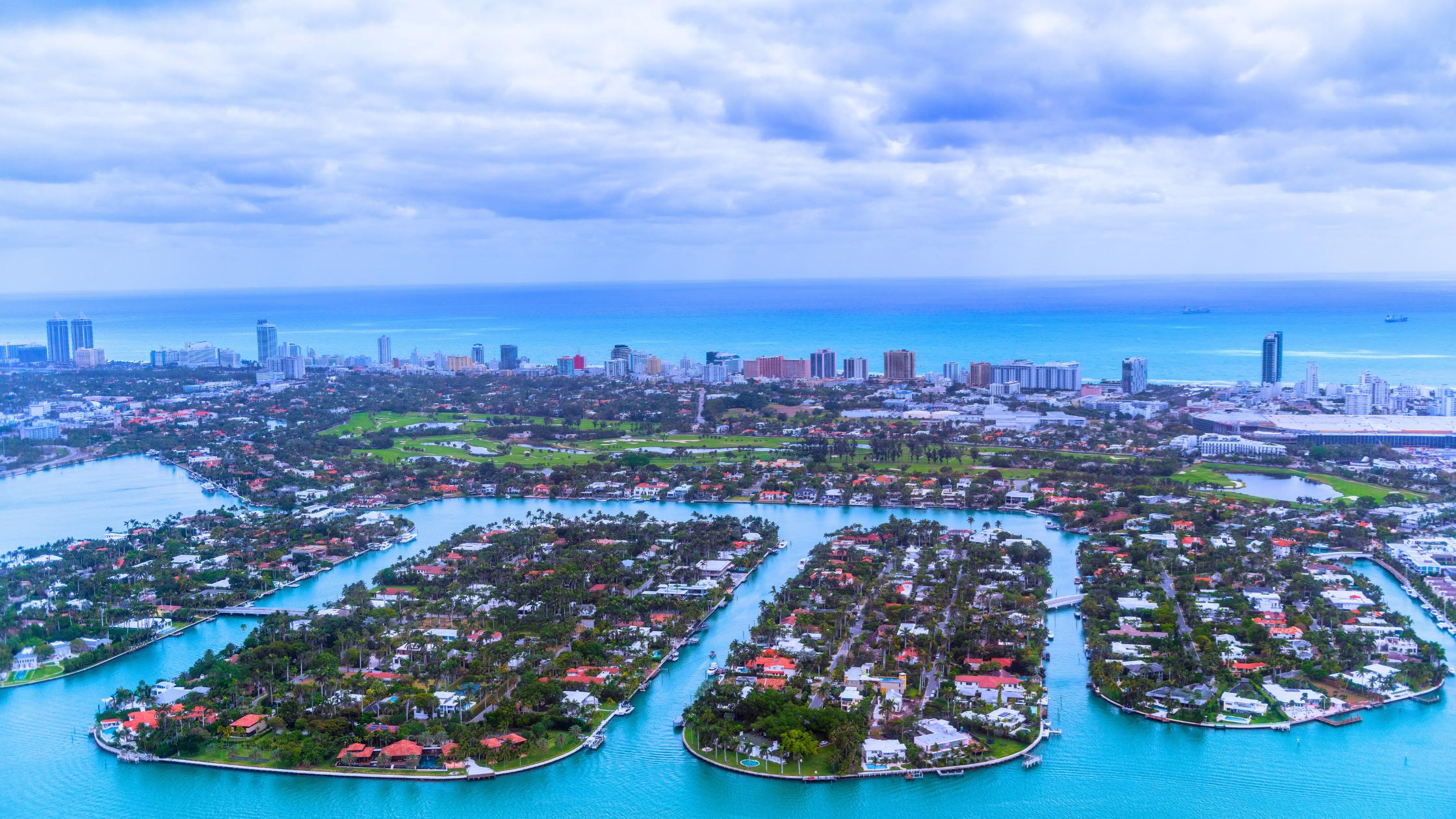
One of the fastest ways I can tell a Miami buyer hasn't actually spent time in Bay Harbor Islands is when they tell me they're "looking at Bay Harbor." My first question back is always the same. Which side? Because the difference between the Bay Harbor Islands East vs West decision is the difference between two neighborhoods that share a Village government, a zip code, and almost nothing else. If you're bidding across the little bridge that connects them without understanding the split, you're going to end up with the wrong footprint, the wrong monthly, and a very quick case of buyer's remorse. Here is what I actually tell my clients before they write on either side.
The physical split, in one paragraph
The Village of Bay Harbor Islands is exactly what it sounds like. Two small residential islands tucked into Biscayne Bay just west of Bal Harbour, connected to each other by a short interior bridge and to the mainland by the Broad Causeway. East Island sits closest to Bal Harbour and the ocean, and it is almost entirely low-rise residential with a single-family core and canal frontage on the outside edges. West Island sits closer to the mainland and carries the mixed-use spine of the Village. That is where you find Kane Concourse, the retail on 96th Street, the coffee and restaurants, the medical offices, most of the mid-rise condo stock, and Ruth K. Broad Bay Harbor K-8 Center. Both islands are walkable, but the walking experiences are not the same experience.
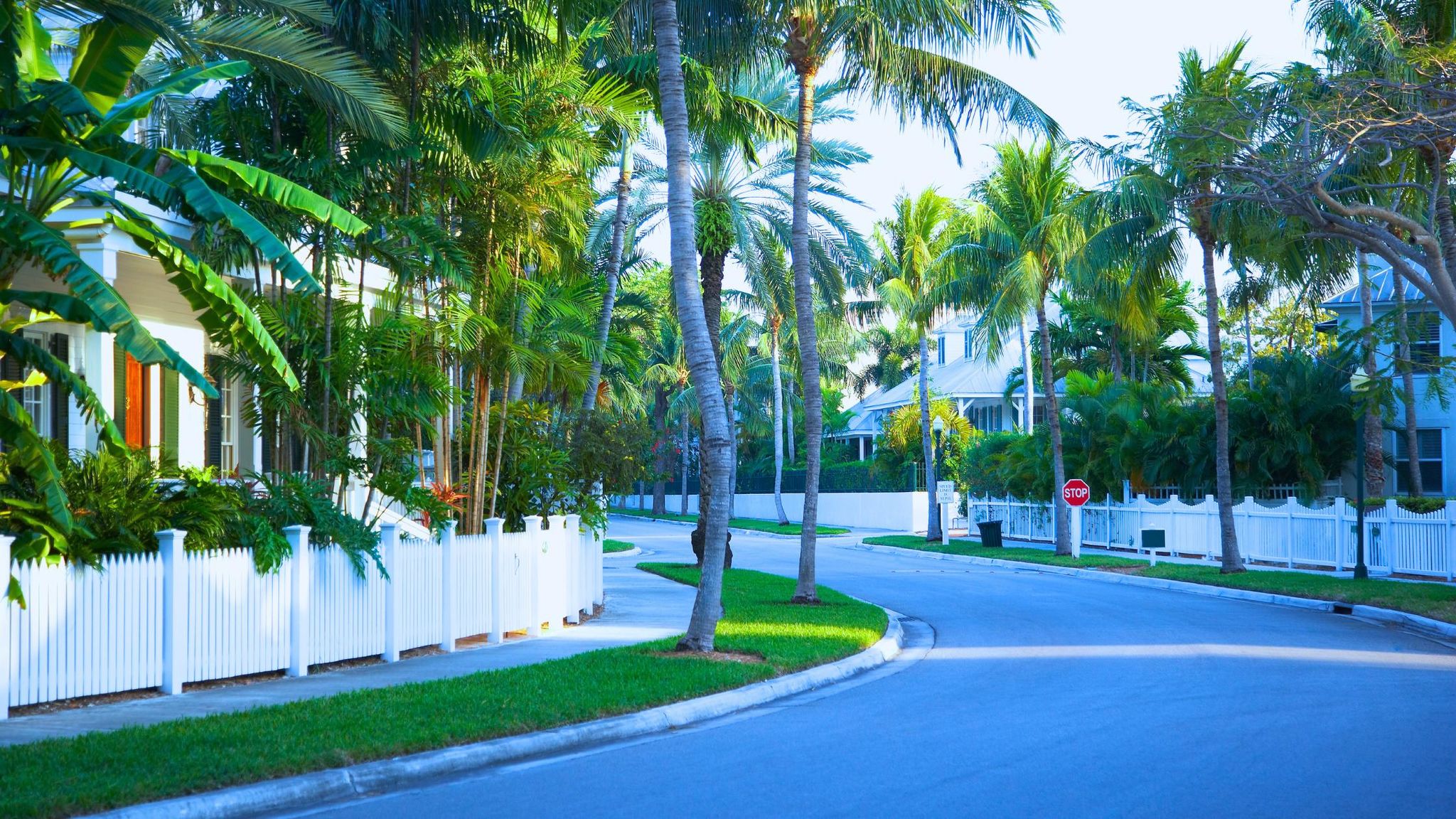
East Island: what you're actually buying
East Island is the single-family half of the Village. You are buying land, a house, a quiet interior street lined with mature trees, and, if you are on the perimeter, a canal-front lot with a dock. The zoning skews residential in a way that keeps commercial activity almost entirely off the island, so the ambient sound at night is very different from what you hear on the West Island commercial strip. Lots tend to be larger than what you find on the West Island residential blocks, and the typical buyer here is someone who wants a single-family Miami footprint within a short walk of the beach and Bal Harbour Shops, but does not want the density of a Miami Beach oceanfront address. The trade-off you accept is that daily conveniences live across the bridge. If you want coffee, groceries, or to drop the kids at school, you are either walking or driving over to West Island for most of that. If you like your streets quiet and your errands on wheels, that trade-off pays off every night. If you like walking out of your front door and into a coffee shop, it does not.
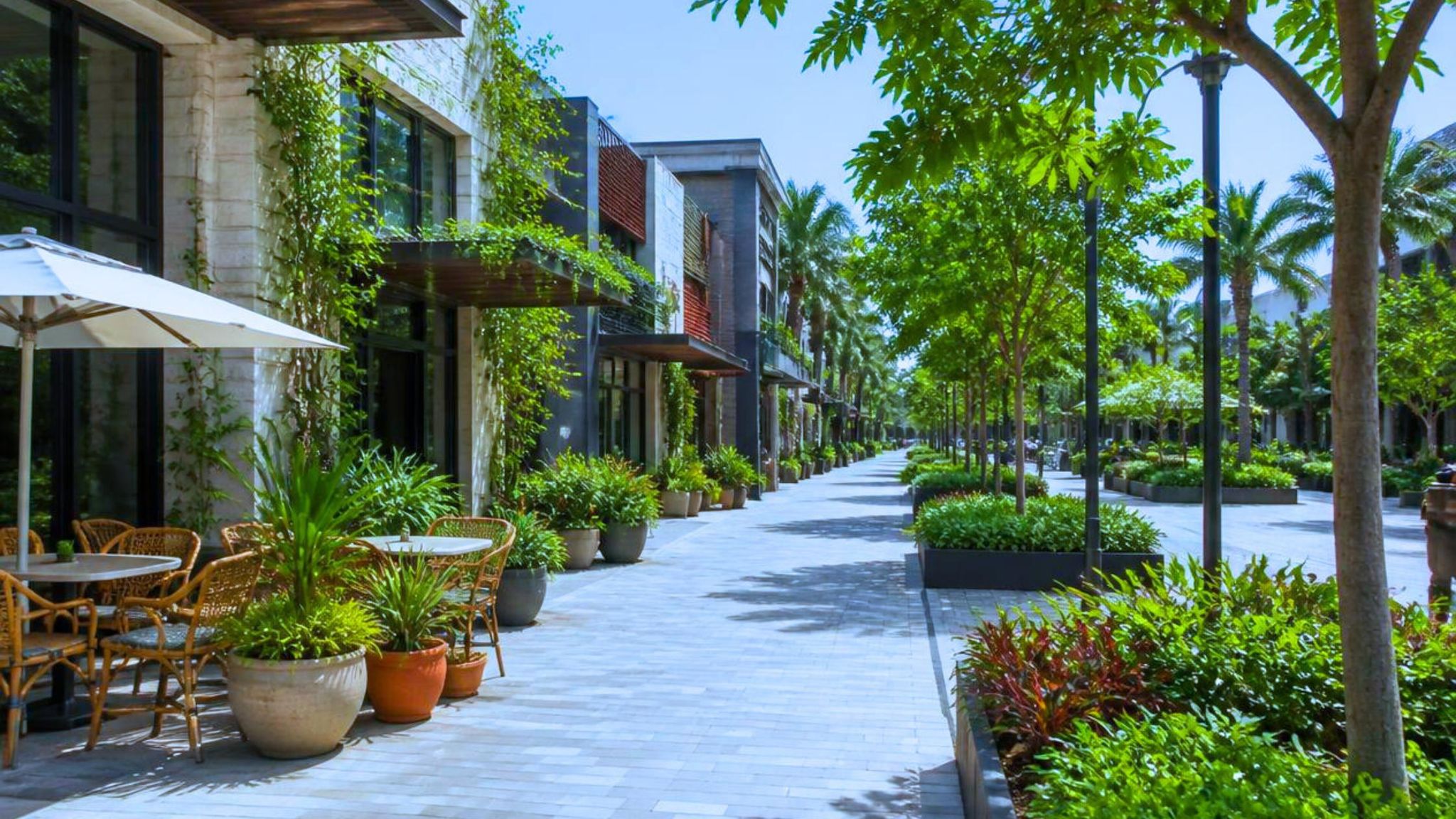
West Island: what you're actually buying
West Island is where the Village breathes as a neighborhood. Kane Concourse cuts through the middle, and along it you have the retail, the cafes, the restaurants, the pharmacy, the professional offices, and the tempo of a small walkable urban village. Housing skews toward low-rise and mid-rise condo, with a residential single-family center around the school. The buyer profile is broader than East Island. You have condo buyers who want the walkability, families who want to walk their kids to Ruth K. Broad, downsizers who want a lock-and-leave apartment near Bal Harbour Shops, and investors who want a Village-zoned condo with legitimate long-term rental demand. Waterfront exists on West Island too, mostly on the bay side and on the interior canals, and it shows up in condo products more than single-family products. The trade-off you accept is that you get more foot traffic, more vehicle traffic, and more nighttime activity than you get on East Island. For most buyers, that is not a bug. It is exactly why they picked West Island in the first place.
The Ruth K. Broad factor
Ruth K. Broad Bay Harbor K-8 Center is one of the reasons Bay Harbor Islands has held its value the way it has, and it is worth understanding on both sides of the split. The school sits on West Island, and for most West Island addresses it is a genuine walk. It is a public Miami-Dade County Public Schools magnet-adjacent K-8 with a strong local reputation and long-tenured families. East Island parents send their kids there too, either walking across the interior bridge or driving over in a few minutes. The school shows up in Bay Harbor pricing in two ways. It sets a floor under West Island condo demand from families who specifically want to walk to school. And it keeps East Island single-family demand steady from families who want the single-family footprint and are willing to make the short trip. If school is part of your buying decision, confirm your address boundary and the current attendance policy directly with the district before you make an offer.

Price and inventory realities
I am not going to quote you specific price-per-square-foot numbers in a blog post that will still be up next year, because those move. What I will tell you is the shape of the market as I see it in 2026. East Island single-family houses carry a meaningful premium over West Island condo on a per-unit basis, because you are paying for land, waterfront where you have it, and privacy. West Island condo product prices in a wider range depending on building age, waterfront exposure, and amenity package. Waterfront carries a real premium on both islands. New construction is minimal on East Island, where the housing stock is largely established single-family, and slightly more active on West Island where redevelopment of older condo sites happens periodically. Inventory turnover is slower on East Island single-family than on West Island condo, so if you are set on East Island, be patient and be ready to move quickly when the right listing hits.
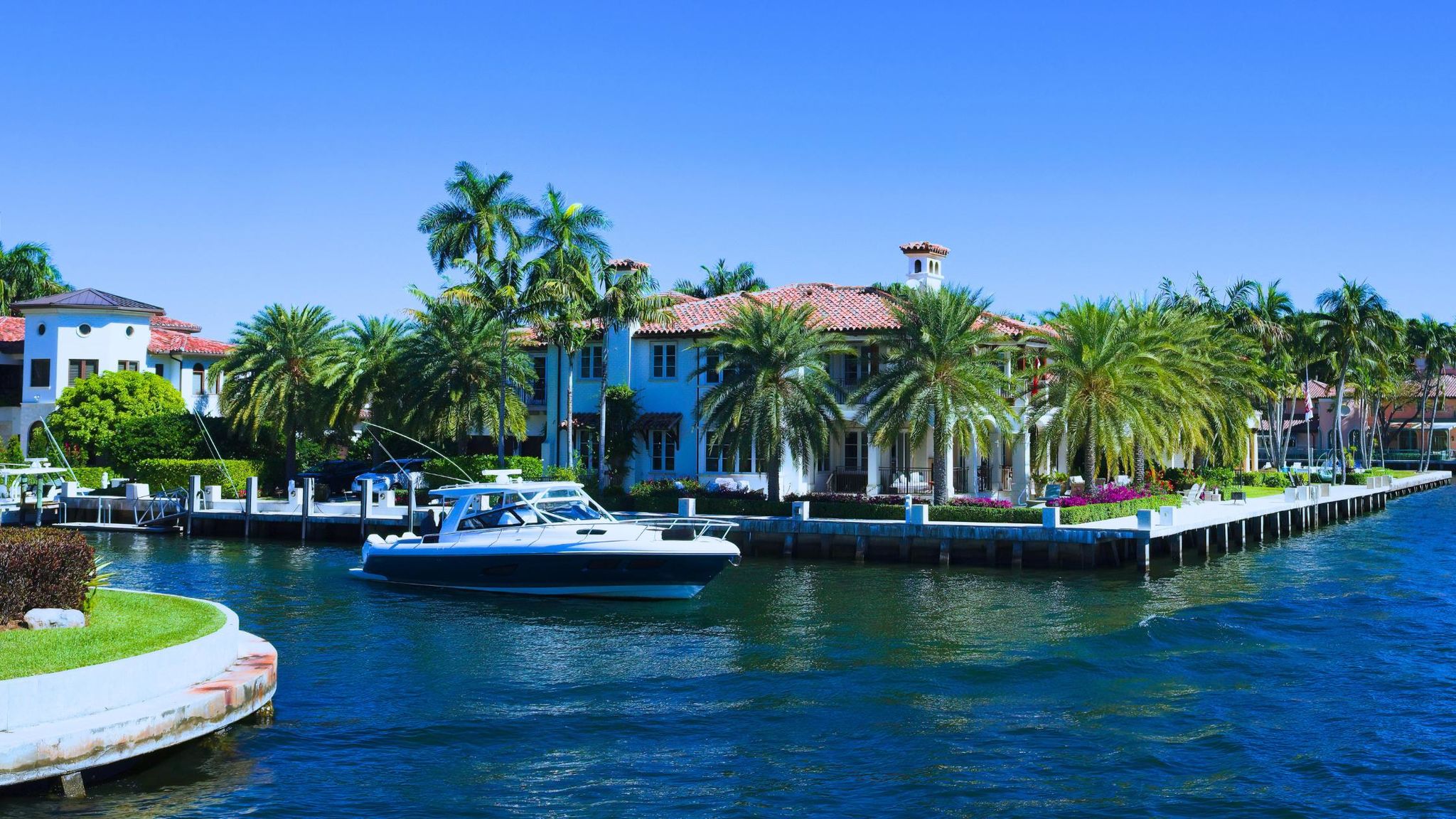
Which side fits which buyer, side by side
Here is the comparison I actually walk clients through before we start scheduling showings.
Consideration | East Island | West Island |
Primary housing type | Single-family and low-rise duplex | Mid-rise condo, some single-family in the center |
Zoning character | Almost entirely residential | Mixed-use along Kane Concourse |
Typical buyer | Family or move-up buyer wanting single-family footprint | Condo buyer, walk-to-school family, downsizer, investor |
Walkability | Quiet interior streets, walk to school and coffee crosses the bridge | Walk to coffee, retail, restaurants, school |
Waterfront profile | More single-family canal and bayfront | More condo waterfront, some canal single-family |
Nighttime feel | Very quiet | Active near the commercial strip |
School access | Short walk or short drive over the bridge | Walk for most West Island addresses |
Turnover speed | Slower | Faster |
If you can honestly identify which row matters most to your family, the side almost always picks itself.
Ready to move on to a Bay Harbor address?
If Bay Harbor Islands is on your shortlist, the first thing I want to know is what your Saturday looks like, not what your budget looks like. That is what tells me whether we should be walking East Island streets or scheduling West Island condo showings. If you want a deeper read on Village life and the neighborhood's day-to-day rhythm before we go, my earlier Bay Harbor Islands lifestyle guide is a good place to start, and if schools are driving the search, the best neighborhoods in Miami for safety and schools piece frames how I compare Bay Harbor against the other options that usually show up on the same shortlist.
If you're relocating from out of state, download my free Miami home buyer guide before your first trip.
For a fuller neighborhood comparison across South Florida, I put together a broader Miami neighborhood lifestyle guide worth reading before you narrow your search.
When you're ready to see homes, reach out and we'll build a Bay Harbor tour that hits both islands so you can feel the difference in person before you write.