

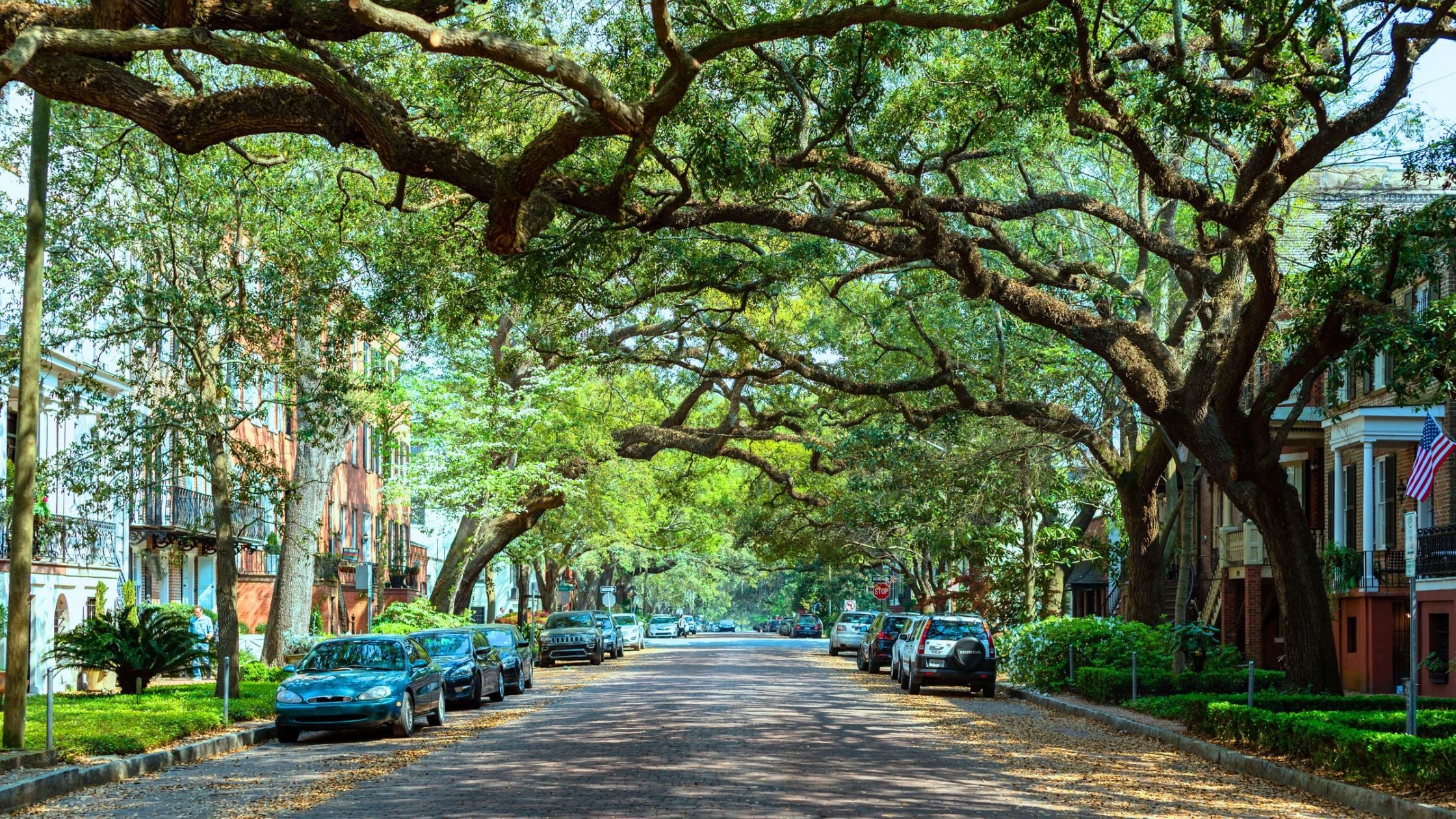
El Portal is the easiest Miami neighborhood to miss. If you've driven north on Northeast Second Avenue past 85th Street on your way to Miami Shores, you've been inside the Village of El Portal and probably didn't register it. Living in El Portal Miami means living in a 0.42 square mile village that was incorporated on December 6, 1937, has been designated a bird sanctuary by the State of Florida since the 1950s, and is bordered on its southern edge by the Little River Canal. I show buyers this village regularly, and almost every time the reaction is the same. They walk one block under the tree canopy and ask why nobody told them about it sooner.
I live and work across Miami, and I've been doing this long enough to know that a neighborhood this small, this specific, and this officially a bird sanctuary isn't for everyone. But for the right buyer, El Portal is one of the most distinctive places you can own a home in Miami-Dade County. Here's what you actually get, grounded in the published record rather than market talk.
What El Portal Is, in Hard Facts
Let me put the structural facts on the table first, because this is a neighborhood that lives or dies on the specifics. Every figure below is sourced from the public record.
- Area: 0.42 square miles (U.S. Census Bureau QuickFacts)
- Incorporated: December 6, 1937
- 2020 Census population: 1,986 residents
- Elevation: 10 feet above sea level
- ZIP code: 33138
- Boundaries: 91st Street on the north, the Little River Canal on the south, Northeast Fifth Avenue on the east, Northwest Fifth Avenue on the west
- Bird sanctuary status: Designated by the State of Florida since the 1950s
- Neighboring jurisdictions: Bordered by the city of Miami to the south and east, the village of Miami Shores to the north, and unincorporated West Little River to the southwest
- Distance from downtown Miami: 6 miles
For scale, El Portal is one of 34 incorporated municipalities in Miami-Dade County. Neighboring Miami Shores covers 3.78 square miles and the surrounding City of Miami covers 56.07 square miles. At 0.42 square miles, El Portal is a fraction of either. When I say half a square mile, I mean you can walk every street in the village in an afternoon.
The Bird Sanctuary Designation Is Not a Marketing Line
This is the part that catches most first-time visitors off guard. El Portal has been designated a bird sanctuary by the State of Florida since the 1950s, and that status is baked into the village's identity. In practice, that designation establishes a legal posture around tree preservation and protection of the resident bird population inside the village boundaries.
The tree canopy is the thing you notice first when you turn off 95th Street or 87th Street into one of the interior blocks. Mature live oaks and other tropical species line the streets. For a buyer coming out of a Brickell or Edgewater condo, the shade alone is a reset.
The Little River Edge and Why It Matters
The southern border of the village is the Little River Canal. Historically, this was part of the Little River waterway that connected inland South Florida to Biscayne Bay. Homes along the southernmost blocks of El Portal that back up to the canal line have a particular character you don't find elsewhere in the village.
A couple of things to understand about the canal frontage. First, canal access here is not deep-water boat access, so if your use case is a large sportfisher at a private dock, this is not your neighborhood. Second, proximity to a canal, like all low-lying South Florida areas, is worth evaluating against current flood-zone maps and insurance quotes. I always walk clients through the flood-zone work before we fall in love with a canal-adjacent property, because the insurance math is the math whether you like it or not. If you want the long version on how I think about this across Miami, I've laid out my full approach in the Miami flood zones piece on the blog.
Third, the Little River corridor has deep history. The Little River Mound, located in the Sherwood Forest subdivision of El Portal, is a prehistoric Native American burial site that archaeologists have dated to approximately 600 AD. According to the village's published historical record, it was the first archaeological site in Miami-Dade County to be publicly recognized and preserved. That's not a lifestyle amenity in the usual sense. It's a reminder that this ground has been continuously inhabited for a very long time.
The Three Subdivisions Inside the Village
If you spend time in El Portal you'll start to hear residents refer to three distinct subdivisions. All three merged into the village over its history.
- Sherwood Forest — home to the Little River Mound and some of the oldest tree canopy in the village
- El Jardin — the subdivision whose name (Spanish for "the garden") captures the horticultural character El Portal is known for
- El Portal — the original subdivision that gave the village its name. "El Portal" means "the gate" in Spanish and refers to a pair of wooden gates that once stood on Northeast Second Avenue and were taken down in the 1940s
Residents still refer to streets by subdivision context, and the real-estate character shifts block by block in a way that doesn't show up on a public map. If you're serious about buying here, walk the subdivisions on different days. The feel of 90th Street under the canopy on a Saturday morning is a different data point than the same block at 6 PM on a weekday.
Who El Portal Actually Fits
I'll be direct about the fit profile, because this village is specific.
El Portal fits a buyer who wants a single-family home with character, mature landscaping, and a village-scale civic feel, inside Miami-Dade County, without the price points of Coral Gables or Pinecrest. It fits a buyer who prefers a quiet residential street to a high-rise. It fits someone who likes the idea of being inside a small incorporated village where local government is close at hand, because at a 1,986-person population, village council decisions are proximate in a way they never are in the city of Miami next door.
El Portal does not fit a buyer who wants a brand-new build, a high-rise view, deep-water boat access, or a short walk to a nightlife district. The commercial footprint is small, and dining, shopping, and services are generally found in Miami Shores to the north, the Upper East Side to the south, or the broader city of Miami.
For a broader picture of how I think about matching Miami neighborhoods to lifestyle profiles, my Miami neighborhood lifestyle guide covers my full framework, and the companion piece on Miami neighborhoods for walkability and daily convenience is worth reading alongside this one.
Daily Life, Honestly
A weekday morning in El Portal is quiet. The main north-south arteries bordering and running near the village are Northeast Second Avenue and Biscayne Boulevard, both of which carry commuters toward downtown Miami. The village itself is residential by design.
Day-to-day dining and groceries are typically found just outside the village, with Miami Shores to the immediate north and the broader Upper East Side to the south offering the closest options. For a city-wide view of where the strongest dining and park neighborhoods are concentrated, I've mapped the top-rated areas for dining and parks across Miami, and Miami Shores next door has its own historic character and community traditions that spill over into El Portal daily life.
The village council and civic calendar are an underrated part of living here. At a village of under 2,000 people, local government is proximate in a way it never is in a city of 56 square miles. If that matters to you, this is a feature. If it doesn't, you can still enjoy the canopy and the quiet.
If El Portal Is on Your Shortlist
If this neighborhood is on your shortlist, let's talk. I live and work across Miami every day, and El Portal is one of those places where the right block, the right subdivision, and the right understanding of the canal line make or break the purchase. I can walk you through the village in person, show you the differences between Sherwood Forest, El Jardin, and the original El Portal subdivision, and help you think through flood-zone, insurance, and tree-canopy questions that don't show up on a listing sheet.
Reach out when you're ready, and I'll match the neighborhood to your lifestyle, not the other way around. The full Miami Neighborhoods hub is also worth bookmarking if you're still mapping the city.
Check out this article next
