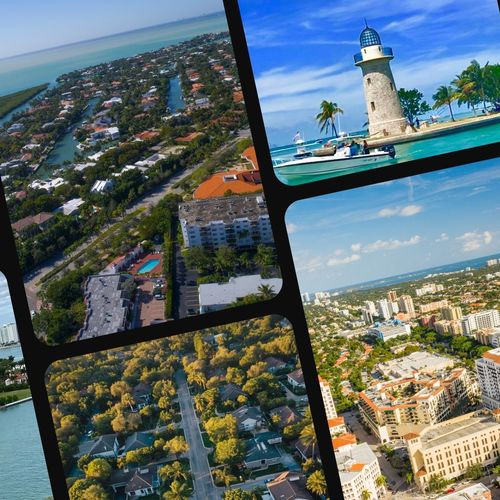

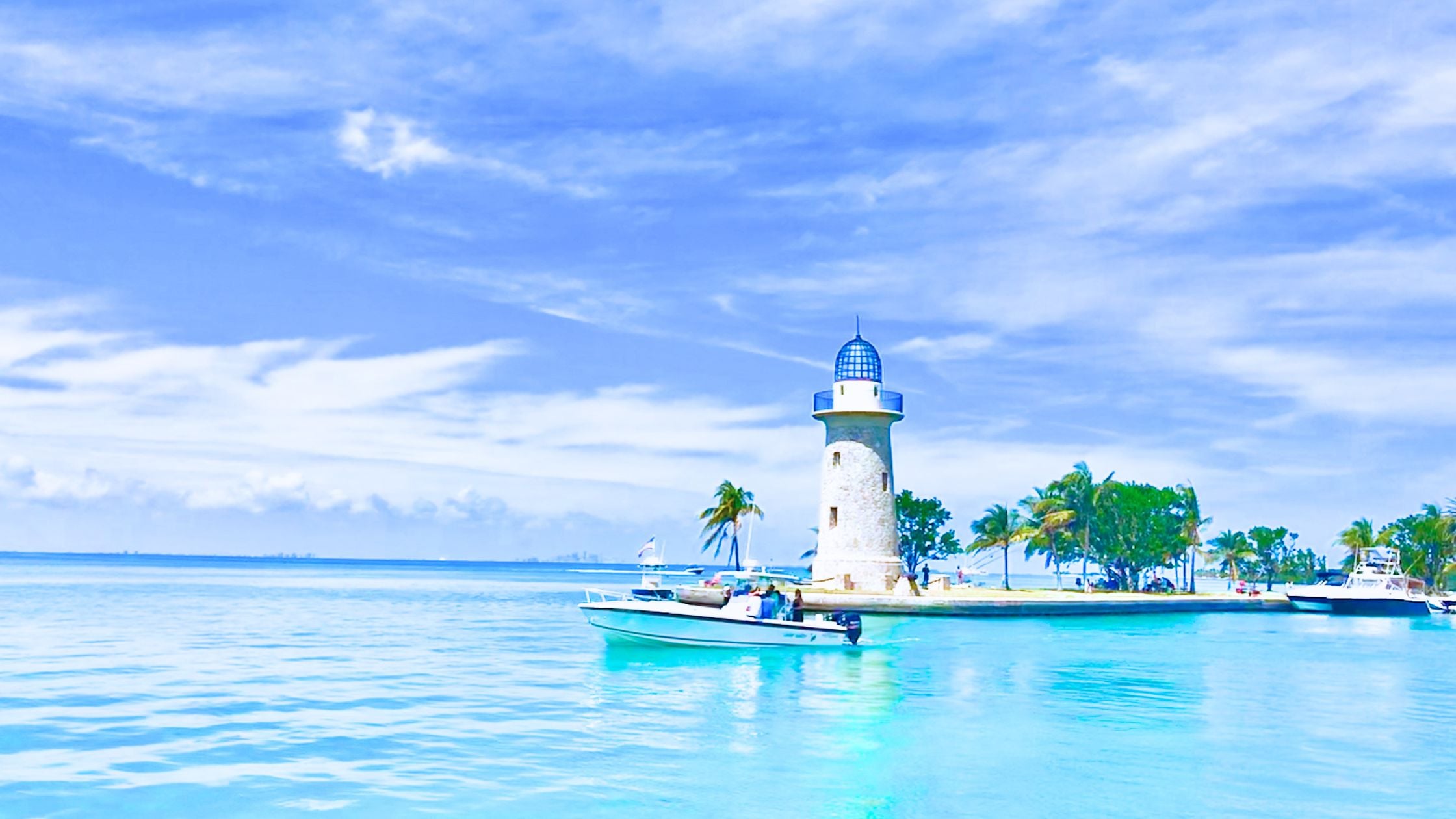
Key Biscayne is a postcard‑worthy barrier island just south of Miami. Measuring roughly seven miles long and two miles wide, it hosts a vibrant residential community of about 14,400 residents and two oceanfront resorts. The U.S. Census Bureau estimates the island’s population at 15,111 in July 2024, highlighting steady growth in recent years. Only one road – the Rickenbacker Causeway. It connects the island to the mainland, so life here balances seclusion with easy access to Miami’s urban energy. This guide unpacks the best ways to enjoy Key Biscayne’s natural wonders, from long beach days and scenic bike rides to boating and wildlife spotting. It also weaves in real‑estate context for those considering a move to Miami’s premier island.
Beaches: Crandon Park & Bill Baggs
Key Biscayne boasts two world‑class beach parks that are both public and pristine. Each offers distinct experiences, so many locals rotate between them depending on mood and crowd levels.
Crandon Park
Located on the northern end of the island, Crandon Park is managed by Miami‑Dade County. The park includes a two‑mile beach consistently ranked among the nation’s top ten. Thanks to an offshore sandbar, the water here is gentle and suitable for families. Crandon Park also features:
- Lengthy paved trail: The park encompasses a 4.4‑mile trail system when including Bear Cut Preserve. Paved and unpaved paths wind through palm groves, mangroves and coastal hammocks, giving cyclists and walkers a chance to explore the island’s ecosystems.
- Eco‑adventures: Visitors can rent kayaks, paddleboards and cabanas. Kiteboarding and windsurfing are popular thanks to consistent breezes.
- Nature and wildlife: The park’s dunes, seagrass beds and tropical hardwood hammocks provide habitat for sea turtles, herons, ospreys and butterflies. The Bear Cut Preserve serves as an environmental study area with educational tours.
- Facilities and fees: Crandon Park is open from sunrise to sunset, with weekday parking at $7 and weekend parking at $10. Fees help maintain amenities including restrooms, concessions, picnic pavilions and accessible beach wheelchairs.
Bill Baggs Cape Florida State Park
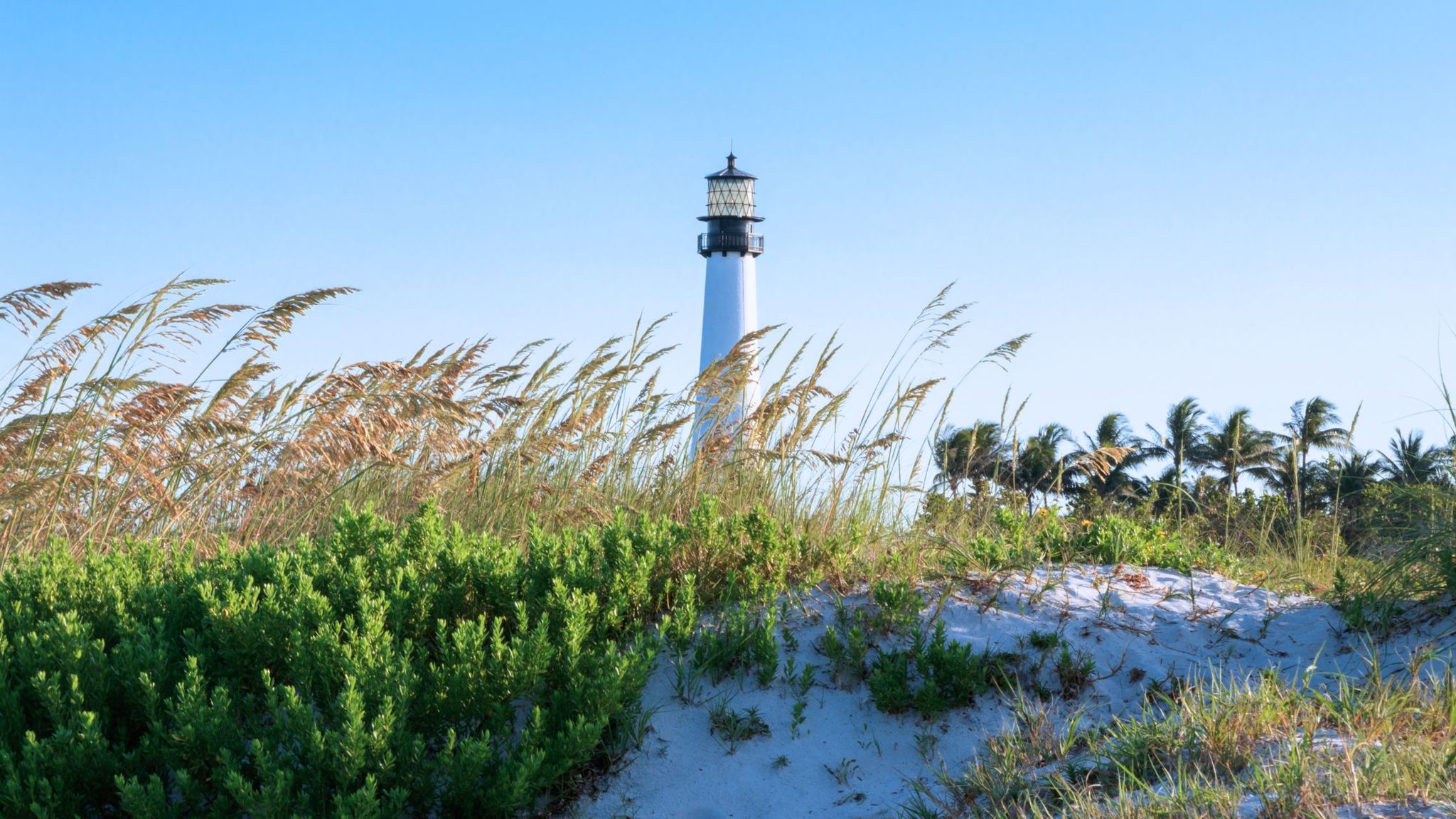
At the southern tip of the island lies Bill Baggs Cape Florida State Park, a Florida state park famous for its beaches and historic lighthouse. Key highlights include:
- Top‑rated beach and lighthouse: Cape Florida’s sandy shoreline is frequently listed among the top beaches in the U.S.. Visitors can climb the 1825 Cape Florida Lighthouse, the oldest standing structure in Miami‑Dade County, for sweeping views.
- Hours, fees and capacity: The park is open 8 a.m. to sundown every day. Admission is $8 per vehicle. On weekends and holidays the park can reach capacity, after which it closes to vehicles, pedestrians and cyclists until spaces reopen. Arriving early is therefore essential.
- Outdoor activities: Visitors can hike, bike, fish, boat camp and explore by kayak. The park’s amenities include picnic pavilions, No Name Harbor boat anchorage and concessions.
- Biking details: A 1.5‑mile paved bike path winds through the park, complemented by unpaved service roads. Bike rentals cost about $10 per hour for single bikes and quad bikes are available for families. Helmets are strongly recommended and required for riders under 16.
Biking & Walking Trails
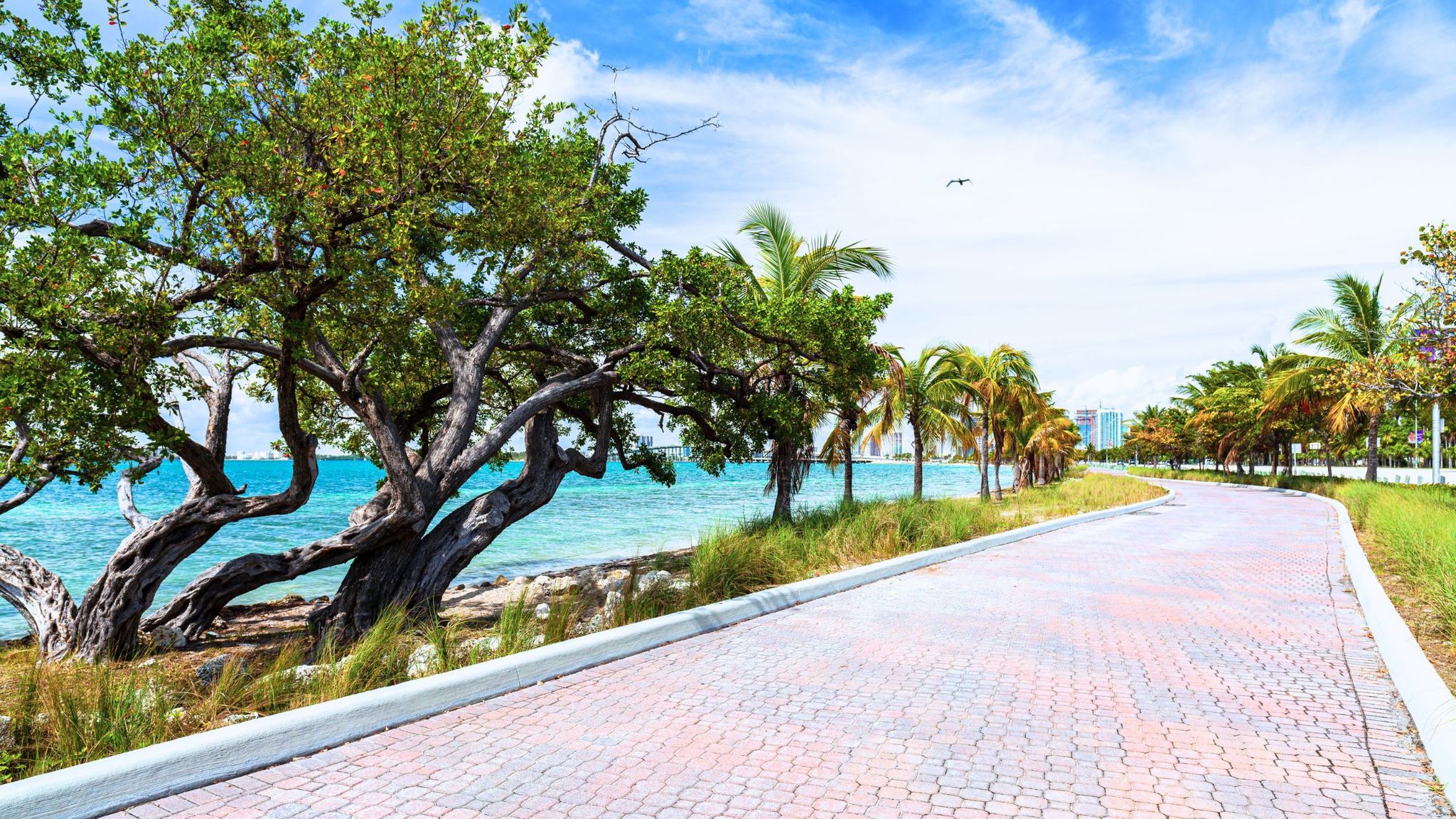
While beaches draw visitors to Key Biscayne, the island’s extensive network of biking and walking paths keeps them exploring. Riding a bike here feels like moving through a tropical garden with glimpses of Biscayne Bay and Downtown Miami.
Crandon Park & Bear Cut Trails
The 4.4‑mile trail network through Crandon Park and Bear Cut Preserve offers paved and unpaved sections for all skill levels. Starting near the entrance to Crandon Park, the path runs south toward Bear Cut, where a boardwalk overlooks fossilized coral reefs and provides dramatic skyline views. Cyclists can easily make a loop by combining park roads and the Rickenbacker Causeway.
Bill Baggs Bike Paths
Within Bill Baggs Cape Florida State Park, the paved 1.5‑mile bike path allows visitors to ride from the entrance to the lighthouse. Unpaved service roads branch off into quiet picnic areas and marshland. Rentals are available at the park’s concession near the Lighthouse Café with hourly rates for single and quad bikes.
Rickenbacker Causeway & Crandon Boulevard
Cycling around Key Biscayne often involves the Rickenbacker Causeway and Crandon Boulevard. The Key Biscayne Citizen Scientist Project notes that a multi‑use path runs along the causeway and boulevard, extending from Crandon Park to Bill Baggs. Riders enjoy views of Biscayne Bay and can stop at mini‑piers for fishing or at No Name Harbor. Another path along the southeastern side of the island offers stunning bay vistas, crosses a bridge into Virginia Key, and ends at the lighthouse.
Other Outdoor Adventures
Key Biscayne isn’t just about sunbathing and cycling. The island is a playground for boaters, paddlers and nature lovers.
- Kayaking & Paddleboarding: Both Crandon Park and Bill Baggs offer kayak and paddleboard rentals. Launch sites include the north end of Bill Baggs (Beach Access No. 1) and No Name Harbor. Paddlers often spot eagle rays or manatees in the bay.
- Fishing: Shoreline fishing is popular along Biscayne Bay within Bill Baggs. Eight fishing platforms and sections of the seawall are designated for anglers. Visitors must follow state regulations and may need a license.
- Wildlife Viewing: Both parks protect mangrove wetlands, dunes and coastal hammocks that host seabirds, butterflies and marine life. Early mornings are ideal for birdwatching and photographing the sunrise.
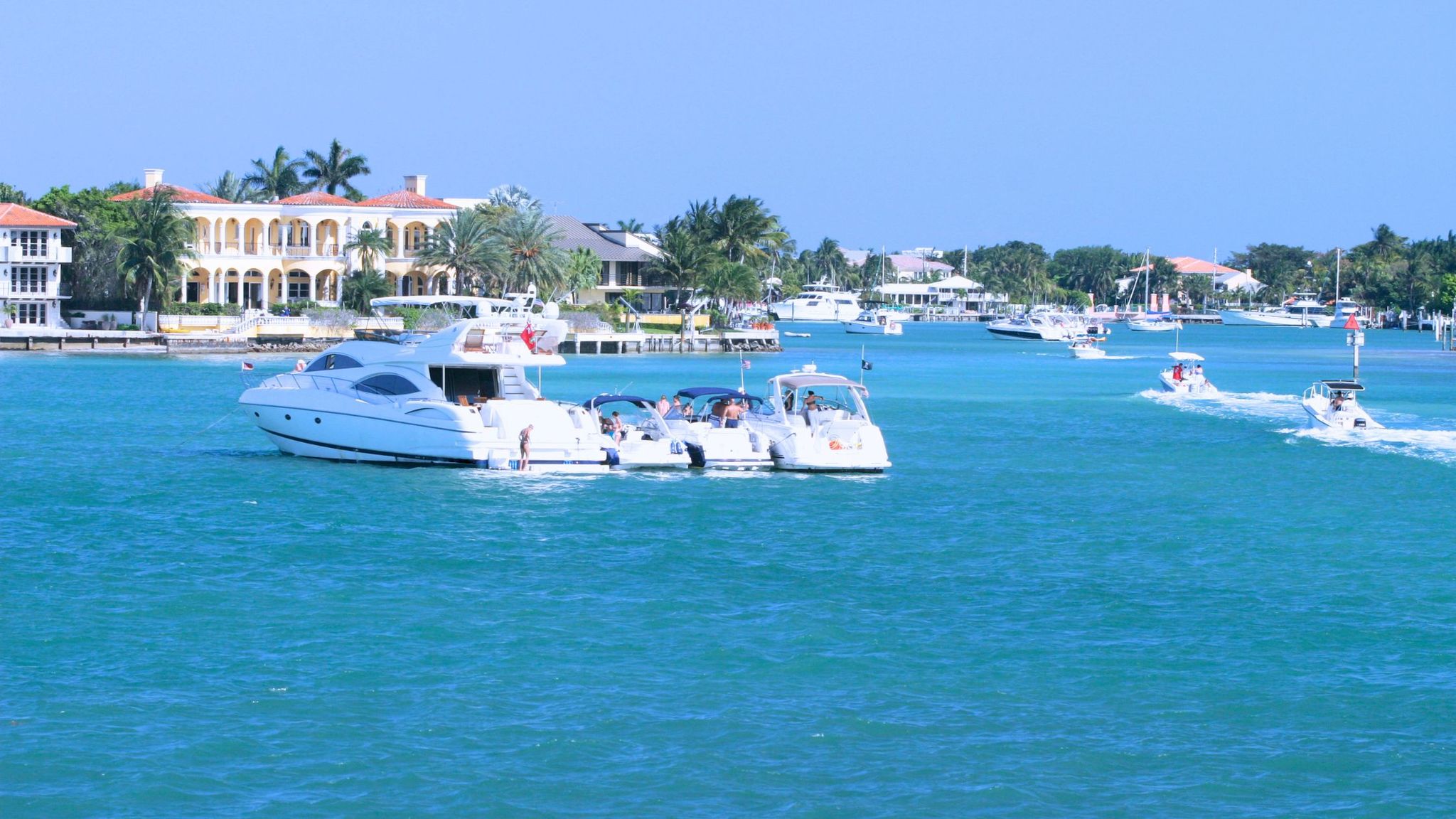
- Boating & Sailing: Crandon Park Marina on the island’s north side offers boat slips and serves as a launch point for fishing charters or day trips to sandbars. Bill Baggs allows overnight boat anchorage in No Name Harbor for a fee.
- Golf & Tennis: Golfers can play at Crandon Golf at Key Biscayne, a public championship course. Tennis players head to the Crandon Tennis Center where public courts and lessons are available, adding another dimension to an active lifestyle.
Living and Real Estate in Key Biscayne
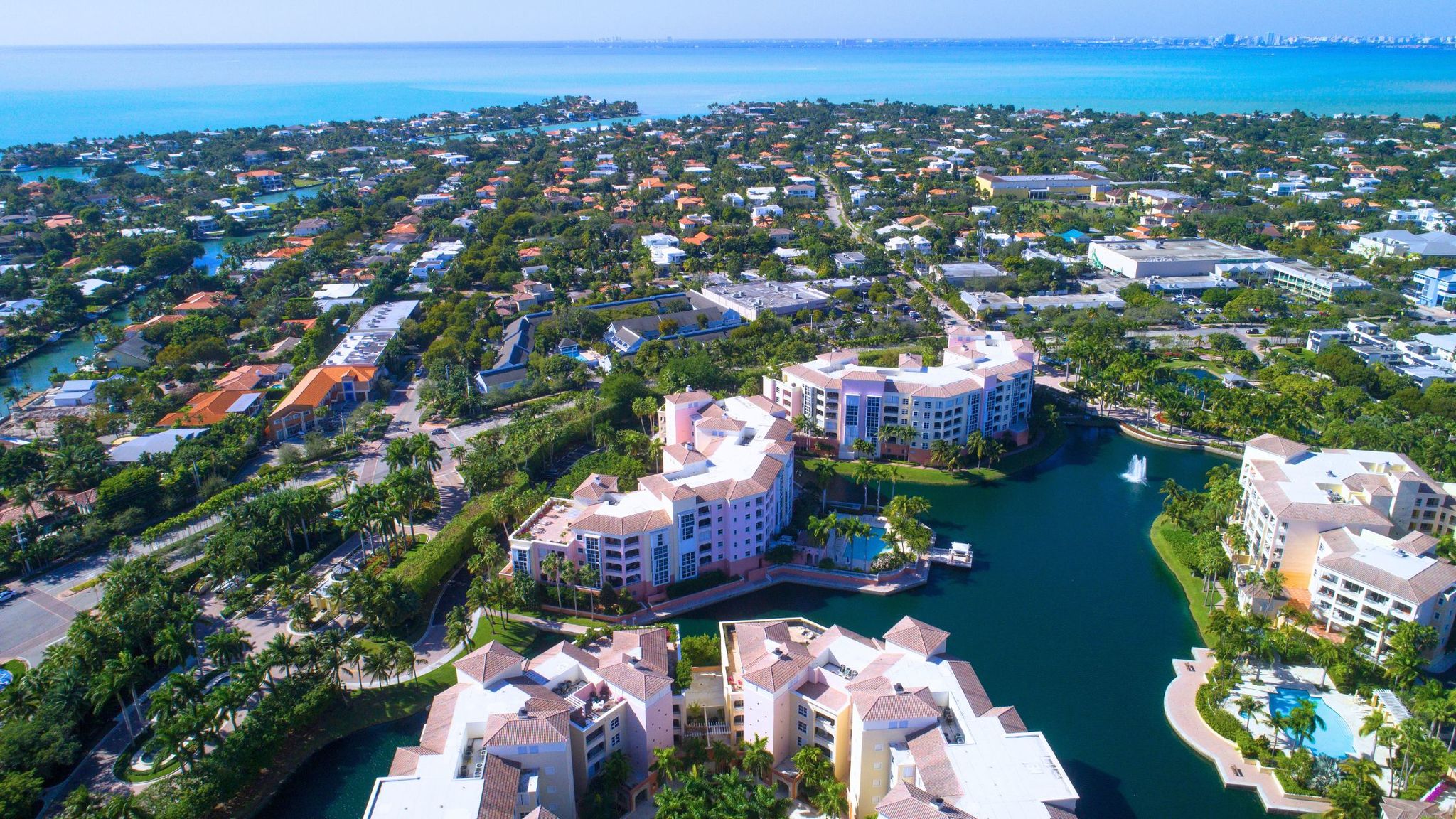
From a real‑estate perspective, Key Biscayne blends resort‑style amenities with a tight‑knit village feel. Census QuickFacts notes that the island has a population of 14,809 (2020) and the median household income exceeds $181,500. Housing values reflect limited land and high demand:
- Zillow’s Home Value Index places the average home value at about $1.66 million (March 31 2026).
- Broker One reports a median home sale price of $1.6 million in April 2026 and a median list price of $6.9 million for single‑family houses. Condos and townhouses listed at a median of $1.55 million.
These figures highlight the island’s luxury market. Most properties are condominiums or waterfront estates with private docks and panoramic views. The limited supply of single‑family homes drives up prices further. Buyers often compete for oceanfront lots or high‑rise residences with resort amenities.
Lifestyle Considerations
Living on Key Biscayne means balancing island tranquility with urban convenience. Residents commute via the Rickenbacker Causeway, which can experience congestion during events or weekends. Many locals work remotely or schedule meetings around traffic patterns. Schools, shops and services are concentrated within the village, fostering walkability and a strong sense of community. The island’s parks, yacht clubs and outdoor programs create a culture centered on nature, wellness and social connection.
Climate Resilience
Key Biscayne’s low elevation makes resilience planning important. Buyers should review flood zones, elevation certificates and insurance requirements. Miami‑Dade County and the Village of Key Biscayne continually invest in shoreline protection, bridge repairs and infrastructure upgrades to address sea‑level rise and tropical weather. For example, the West Bridges and William Powell Bridge rehabilitation on the Rickenbacker Causeway, announced in March 2026, underscores ongoing infrastructure investment.
Tips for Planning Your Outdoor Day
The following tips will help you enjoy Key Biscayne’s beaches and trails like a local:
- Arrive early: Parking lots at both parks fill quickly on weekends and holidays. Bill Baggs closes its gates when capacity is reached, so arrive by mid‑morning.
- Bring cash and ID: Park entry fees are charged per vehicle ($7–$10 at Crandon Park, $8 at Bill Baggs). Some concessions and kayak launch sites may only accept cash.
- Pack sun protection: The tropical sun is intense. Wear reef‑safe sunscreen, a hat and UV‑protective clothing. Helmets are mandatory for cyclists under 16 and recommended for all riders.
- Respect the environment: Stay on designated paths to protect sensitive dunes and mangroves. Follow posted rules on fishing, paddlecraft launches and wildlife viewing. Carry out trash to keep the island pristine.
- Explore beyond the beach: Take a bike ride through Bear Cut Preserve or hike to the mangrove wetlands. Visit the Marjory Stoneman Douglas Nature Center in Crandon Park for educational exhibits and children’s programs. Climb the Cape Florida Lighthouse for panoramic views.
Top Outdoor Activities on Key Biscayne
- Relax on Crandon Park Beach: Two miles of gentle shoreline protected by an offshore sandbar offer family‑friendly swimming and cabana rentals.
- Bike the Bear Cut & Bill Baggs Trails: Combine Crandon Park’s 4.4‑mile trail system with Bill Baggs’ 1.5‑mile paved path for a scenic ride from park to park.
- Tour the Cape Florida Lighthouse: Climb the 1825 lighthouse at Bill Baggs for sweeping views of Biscayne Bay and downtown.
- Paddle Biscayne Bay: Launch a kayak or SUP from No Name Harbor and paddle among eagle rays and manatees.
- Explore Bear Cut Preserve: Walk boardwalks through mangrove wetlands and fossil reefs on the north end of Crandon Park.
Experience the Best of Key Biscayne Living
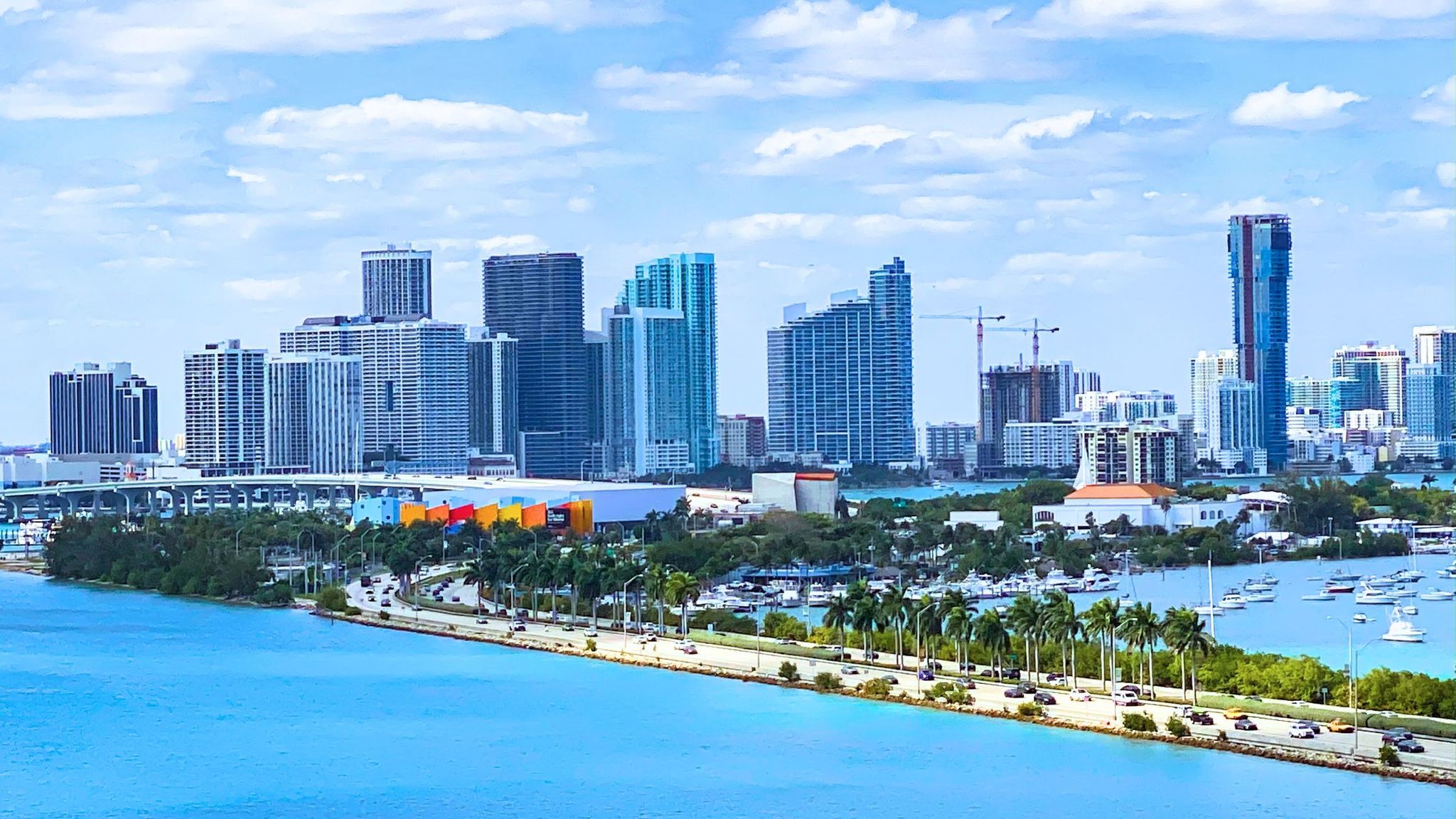
Key Biscayne offers a rare blend of natural beauty, outdoor adventure, and refined island living just minutes from Miami. Whether you’re spending a full day relaxing on the calm shores of Crandon Park, biking through scenic coastal trails, or exploring the historic charm of Bill Baggs Cape Florida State Park, the island delivers an unmatched lifestyle rooted in nature and wellness.
Beyond the beaches and trails, Key Biscayne stands out as one of Miami’s most desirable residential enclaves. Limited inventory, strong demand, and a close-knit community create long-term value for homeowners and investors alike. It’s not just a place to visit, it’s a place to truly live, unwind, and reconnect with what matters most. Learn more about Miami neighborhoods.
If you’re considering making Key Biscayne part of your lifestyle, or simply want to explore available properties, feel free to reach out anytime. I’d be happy to guide you through the opportunities and help you find the right fit for your goals.
Check out this article next