A Real Estate Guide to Living Car-Light in Miami in 2026
Miami is often characterized as a car-oriented city, but that description overlooks how daily life functions in several of its most established and strategically developed neighborhoods. While much of the metro area still relies heavily on driving, certain districts support a lifestyle where residents can complete most daily routines on foot. In 2026, walkability has become a meaningful decision factor for buyers prioritizing time efficiency, cost control, lifestyle flexibility, and long-term urban usability.
Access to groceries, dining, green space, public transit, healthcare, and professional services within a compact radius increasingly influences where people choose to live. Walkability is no longer viewed solely as a lifestyle upgrade. It is now closely tied to housing demand, rental resilience, and neighborhood stability.
Understanding Walkability in Miami
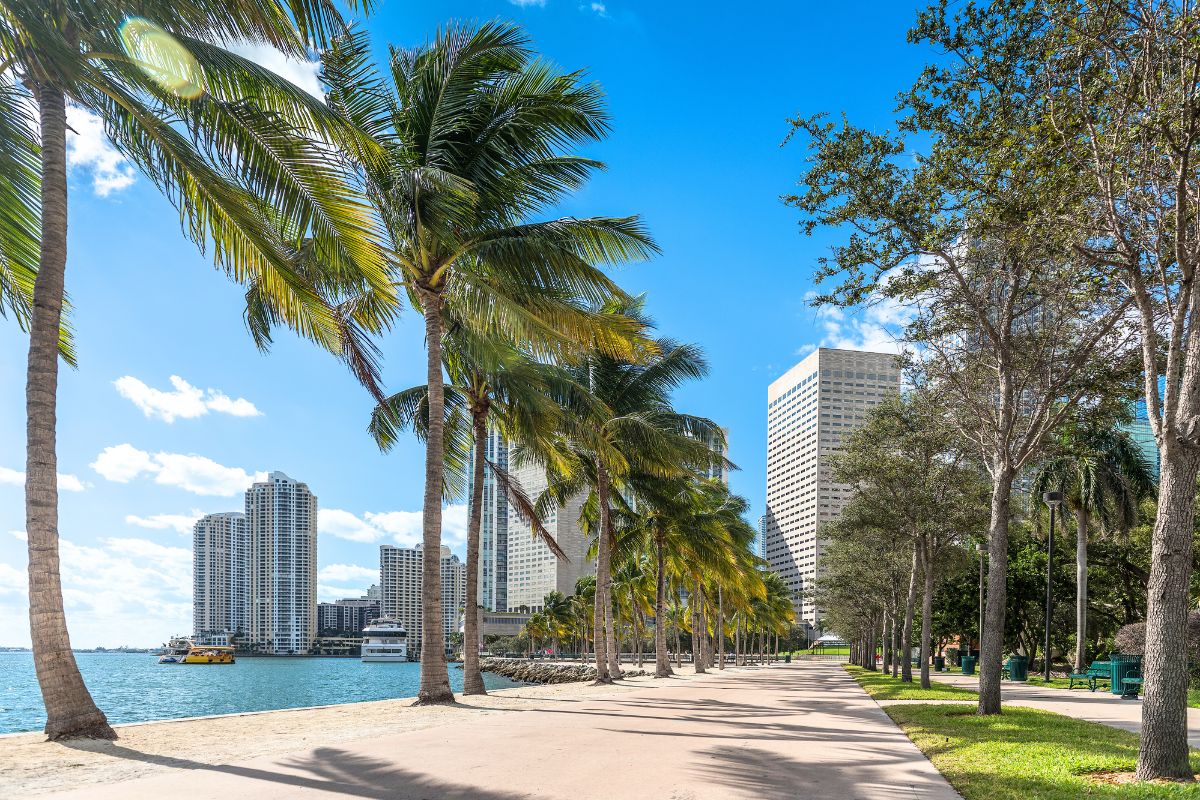
Walkability in Miami is highly localized rather than citywide. Neighborhoods developed before large-scale suburban expansion or intentionally designed as mixed-use districts consistently perform best. These areas benefit from density patterns and zoning decisions that support everyday services close to residential buildings.
Several structural factors define walkable neighborhoods in Miami:
- Density sufficient to support grocery stores, pharmacies, restaurants, and services at street level
- A connected street grid with continuous sidewalks, controlled intersections, and pedestrian safety measures
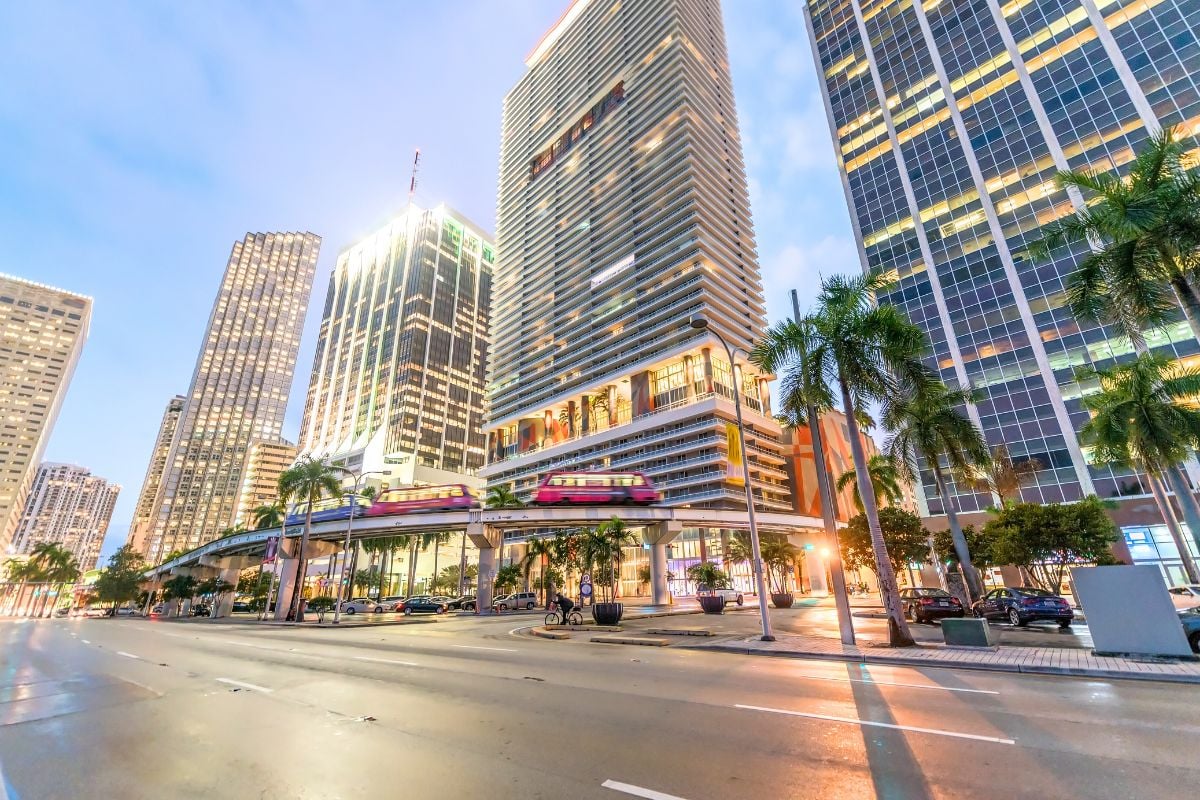
- Reliable access to public transit such as Metrorail, Metromover, or frequent bus routes
- Proximity to employment centers, schools, and essential services
- Zoning frameworks that allow residential, commercial, and recreational uses to coexist
Neighborhoods that combine these elements tend to deliver consistent daily convenience while also maintaining long-term real estate demand. The areas outlined below consistently rank highest for real-world walkability in Miami.
Brickell
Neighborhood Overview
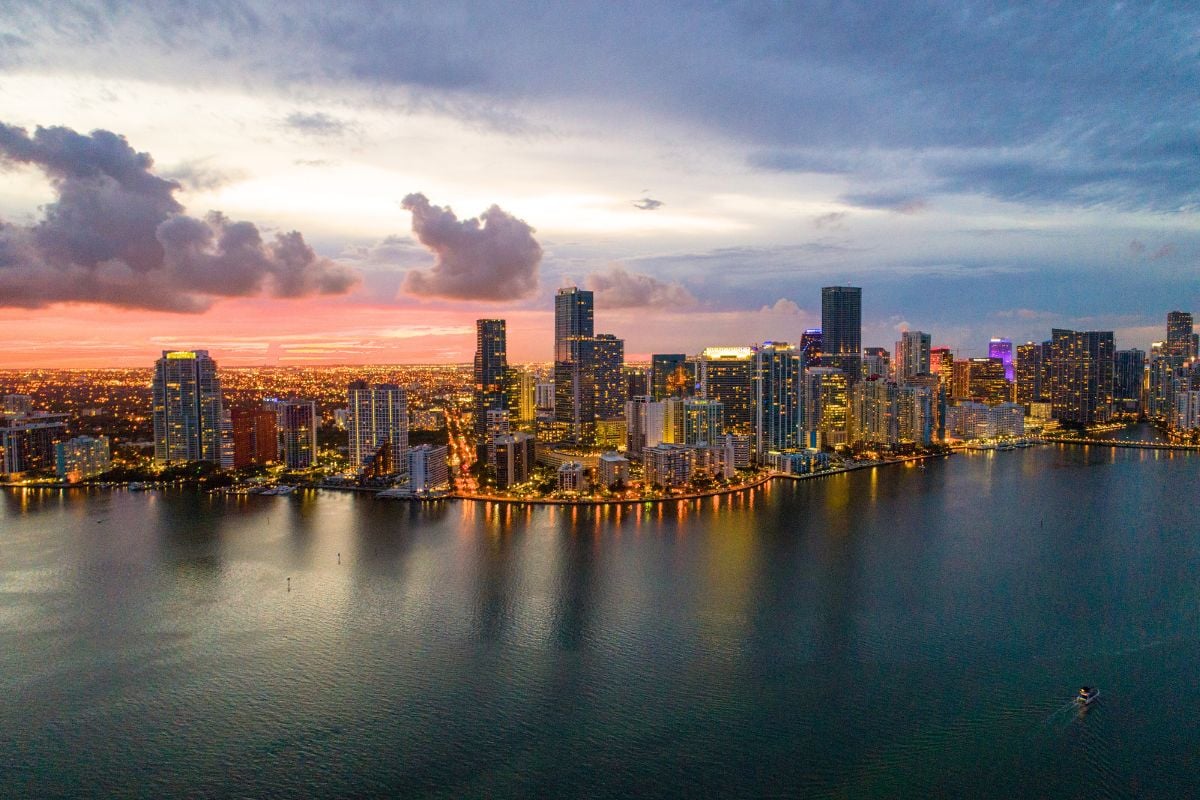
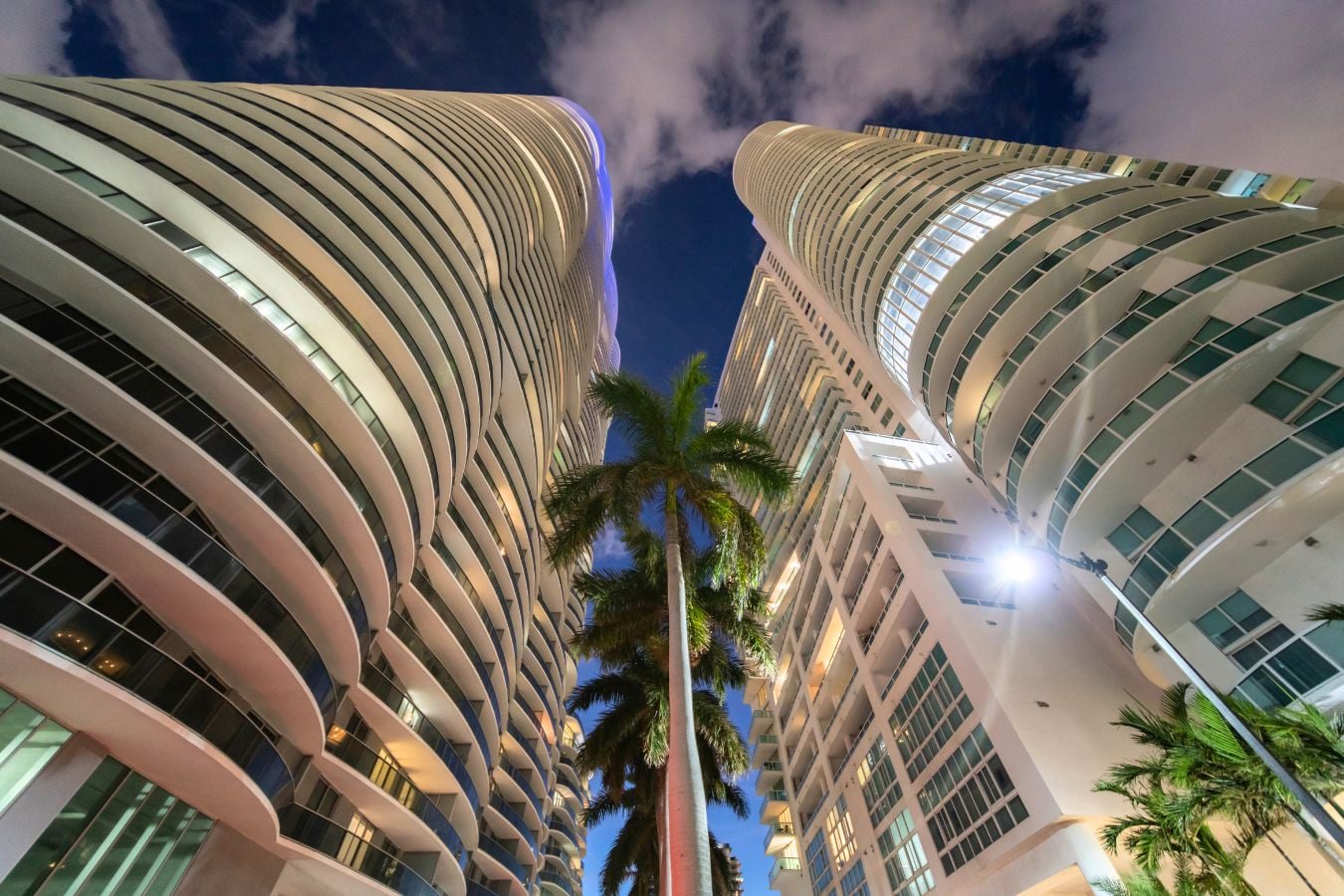
Brickell is Miami’s primary financial district and one of the city’s most walkable environments. Located south of the Miami River, it combines high-density residential towers with office buildings, retail corridors, and integrated transit infrastructure.
Development in Brickell has been intentionally structured to support a car-light lifestyle. Wide sidewalks, active ground-floor retail, and short distances between residential, commercial, and employment uses allow many residents to function with minimal reliance on a personal vehicle.
Is Brickell a Good Place to Live in Miami?
Brickell offers one of the most walkable lifestyles in the city. Daily needs such as groceries, dining, fitness, banking, and professional services are typically accessible on foot. Public transit connectivity further reduces dependence on driving, particularly for commuters working within Brickell or Downtown.
The neighborhood attracts professionals, executives, and long-term urban residents who prioritize efficiency, accessibility, and proximity to employment centers.
Lifestyle and Daily Living
Brickell’s daily convenience is anchored by dense retail clusters, a concentrated employment base, and waterfront access. Many residents walk to work, cafes, gyms, and outdoor spaces as part of their daily routine.
Key features that support walkability include:
- Direct access to Metromover and Metrorail stations
- Continuous retail corridors along major streets
- Waterfront paths along Biscayne Bay and the Miami River
- A high concentration of restaurants, grocery stores, and essential services
Brickell Real Estate Market Overview (2026)
- Housing stock consists primarily of high-rise condominiums
- Demand is driven by professionals, international buyers, and investors
- Inventory turnover remains steady due to rental flexibility
- Buildings emphasize amenities, security, and transit proximity
Who Brickell Is Best Suited For
- Professionals working in Brickell or Downtown
- Buyers seeking a fully walkable, urban environment
- Out-of-state or international buyers prioritizing convenience
- Investors targeting long-term rental demand
Investment and Long-Term Value
Brickell remains one of Miami’s most liquid real estate markets. Strong rental demand, employment density, and transit access contribute to long-term usability and value stability, particularly for well-located condominium buildings.
For a deeper look at how dining, parks, and walkability shape daily life in Brickell, explore our full Miami lifestyle guide.
Downtown Miami
Neighborhood Overview
Downtown Miami sits directly north of Brickell and serves as the civic and cultural core of the city. Over the past decade, it has transitioned from a primarily commercial district into a mixed-use residential area with growing walkability.
Is Downtown Miami a Good Place to Live?
Downtown supports a walkable lifestyle, especially near transit hubs and waterfront parks. Residents can reach offices, cultural venues, and public spaces on foot, although daily convenience varies depending on proximity to retail and grocery services.
Lifestyle and Daily Living
Downtown’s walkability is centered around key public spaces and transit nodes, including:
- Bayfront Park and Museum Park
- Major Metromover and Metrorail hubs
- Cultural institutions and government offices
- Newer residential towers with street-level retail
Downtown Miami Real Estate Market (2026)
- A mix of high-rise condominiums and newer residential developments
- A growing full-time residential population
- Demand closely tied to transit connectivity and job access
- Continued infill development improving street-level activity
Who Downtown Miami Is Best For
- Buyers seeking transit-oriented living
- Professionals working in government or nearby business districts
- Residents who value cultural and waterfront access
- Investors focused on evolving urban cores
Investment Outlook
Infrastructure-driven growth and an expanding residential base support long-term demand, particularly near parks, transit stations, and mixed-use corridors.
Coconut Grove
Neighborhood Overview
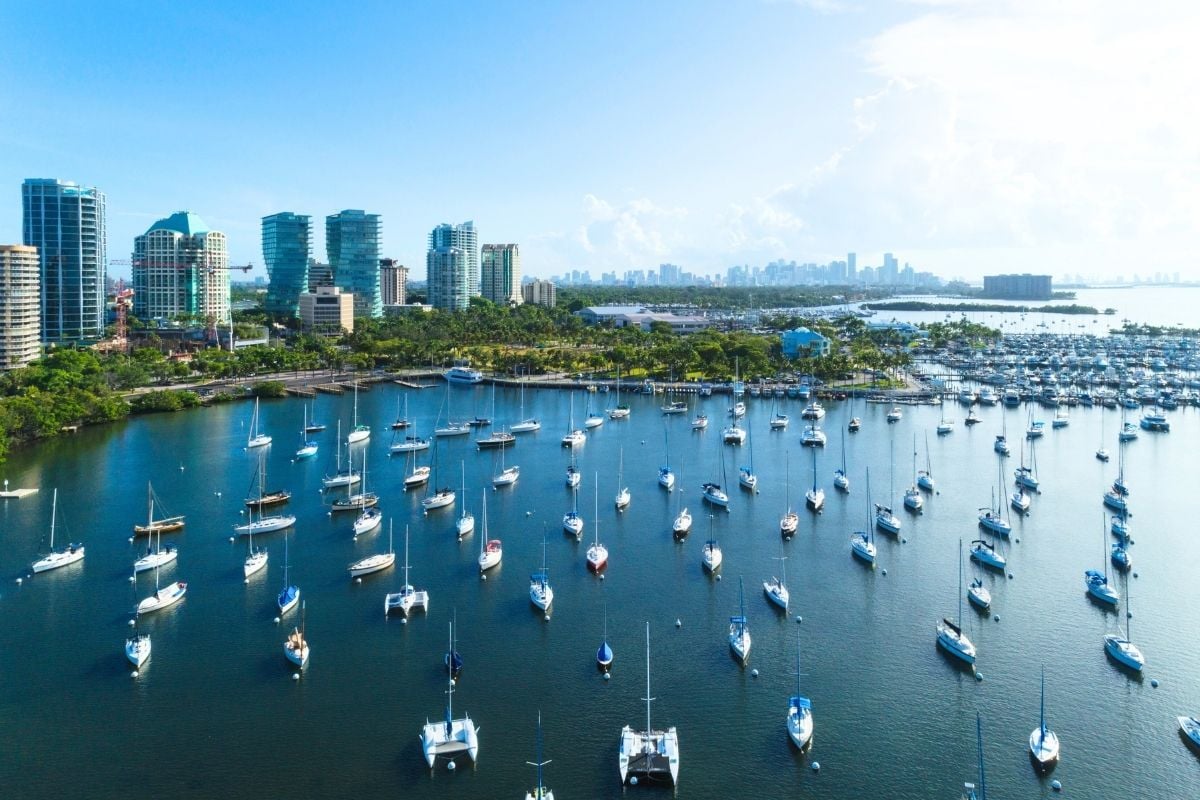
Coconut Grove offers a village-style alternative to Miami’s denser urban cores. While less dense than Brickell or Downtown, its compact commercial center supports strong walkability within a defined area.
Is Coconut Grove a Walkable Neighborhood?
Coconut Grove supports walkable daily living within its village core, where dining, retail, and parks are concentrated. Walkability declines outside the central area, where residential streets become more dispersed and car use increases.
Lifestyle and Daily Living
Daily life in Coconut Grove revolves around:
- A pedestrian-friendly village center
- Waterfront parks and marinas
- Local cafes and independent retailers
- Tree-lined residential streets
Coconut Grove Real Estate Market (2026)
- A mix of condominiums, townhomes, and single-family homes
- Limited inventory supports long-term market stability
- Buyer demand driven by lifestyle, greenery, and location
Who Coconut Grove Is Best For
- Buyers seeking walkability without high-rise density
- Long-term residents prioritizing outdoor space
- Families and downsizers located near the village core
Investment Perspective
Scarcity of inventory and lifestyle-driven demand support long-term value retention, particularly for properties within walking distance of the village center.
Wynwood
Neighborhood Overview
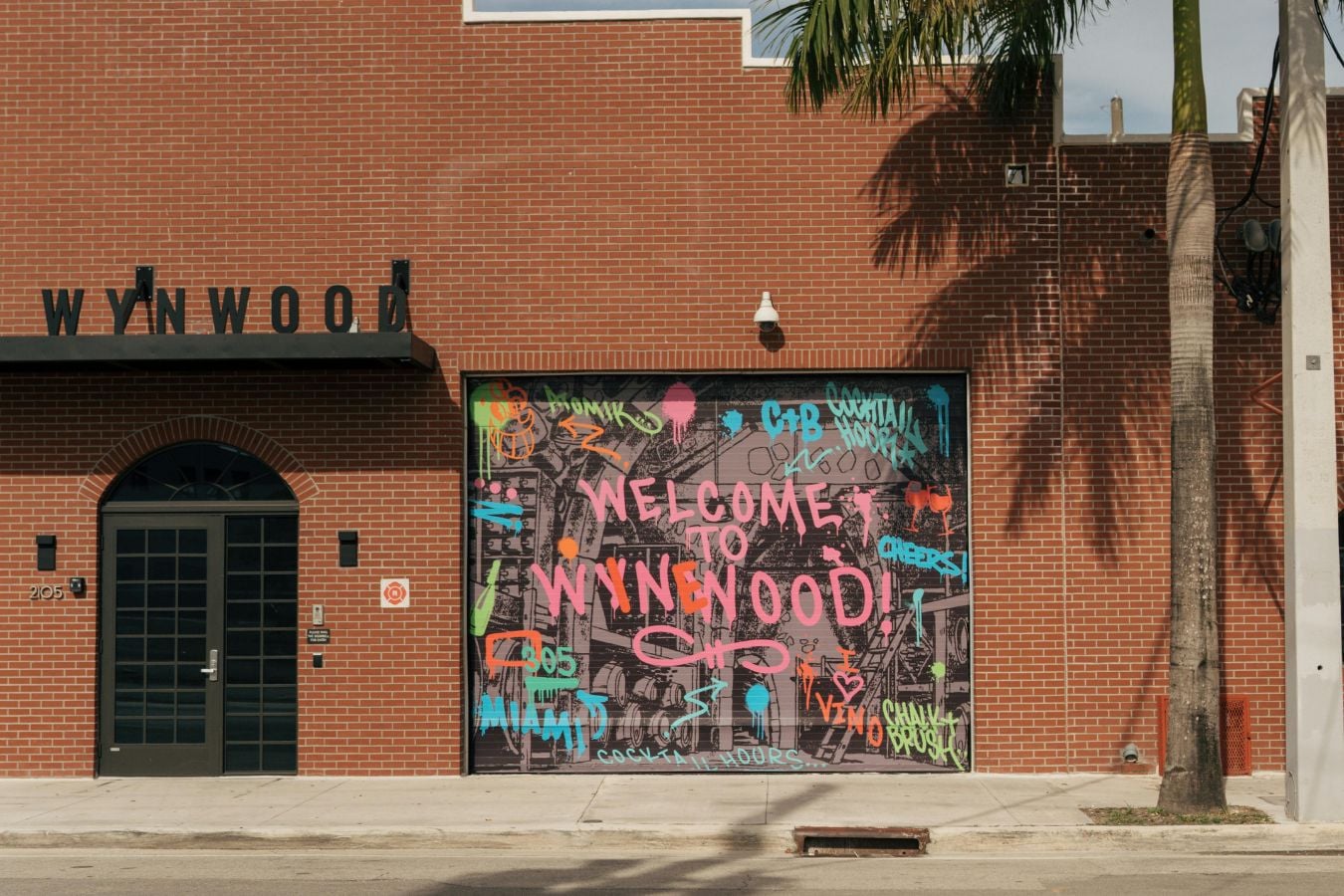
Wynwood is Miami’s most walkable creative district. Originally an industrial area, it has evolved into a dense, pedestrian-oriented neighborhood supported by mixed-use zoning.
Is Wynwood a Good Place to Live?
Wynwood supports a highly walkable urban lifestyle with daily amenities concentrated within a compact footprint. Residential options are newer and more limited compared to established neighborhoods, but demand remains strong.
Lifestyle and Daily Living
Wynwood’s walkability is supported by:
- Dense clusters of restaurants and retail
- Short block lengths and wide sidewalks
- Proximity to Midtown and the Design District
- Minimal need for daily driving
Wynwood Real Estate Market (2026)
- Predominantly mid-rise residential buildings
- Limited inventory with growing residential demand
- Strong appeal to urban renters
Who Wynwood Is Best For
- Buyers seeking walkable creative environments
- Renters prioritizing location over space
- Investors targeting urban rental demand
Investment Outlook
Mixed-use zoning, pedestrian design, and cultural relevance support long-term demand, particularly for rental-oriented properties.
Coral Gables
Neighborhood Overview
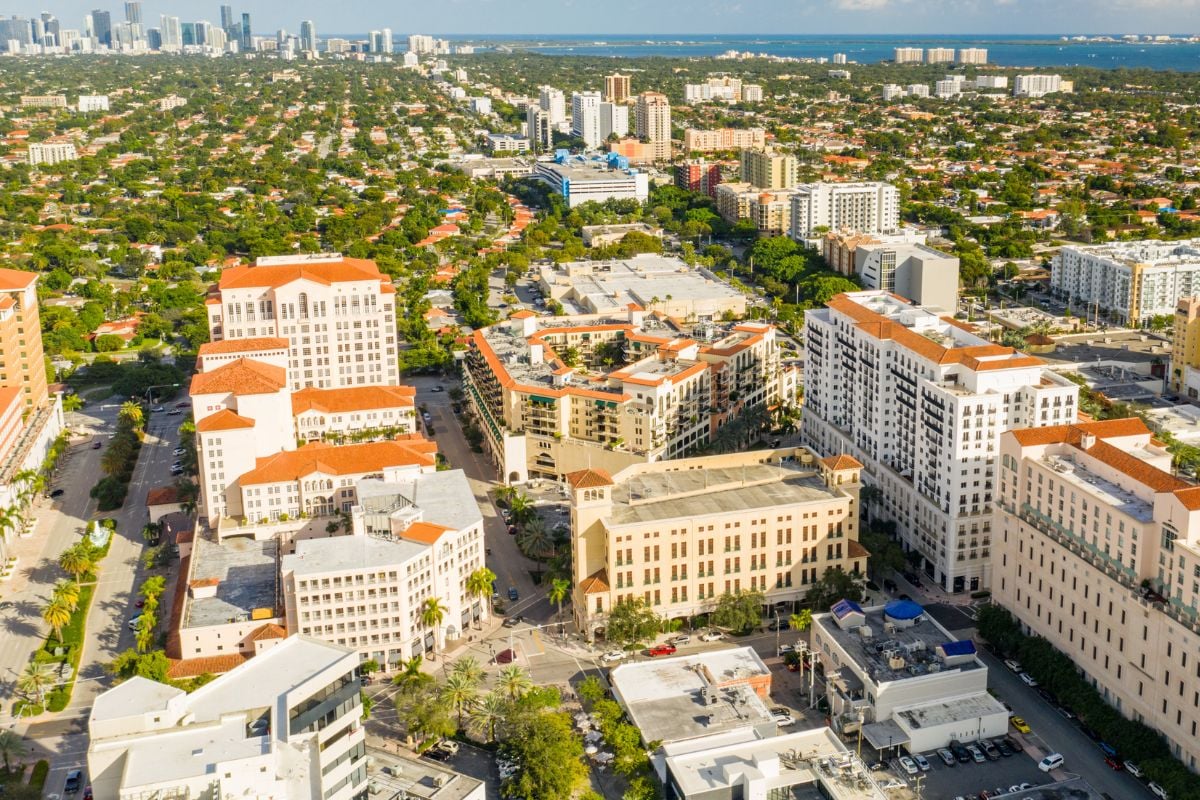
Coral Gables offers walkability within defined commercial districts rather than citywide. The Miracle Mile area functions as a self-contained walkable environment supported by retail, dining, offices, and transit.
Walkability in Coral Gables
Walkability is concentrated near commercial corridors where services, parks, and transit converge. Residential areas outside these cores generally require driving for daily needs.
Lifestyle and Daily Living
Key walkable elements include:
- Miracle Mile dining and retail
- Civic spaces and public parks
- Access to nearby Metrorail stations
Coral Gables Real Estate Market (2026)
- A mix of condominiums, townhomes, and single-family homes
- Stable buyer demand driven by planning consistency
- Controlled density preserves neighborhood character
Who Coral Gables Is Best For
- Buyers seeking walkable pockets within established neighborhoods
- Long-term owners valuing stability and zoning discipline
- Professionals working nearby
Investment Perspective
Long-term value is supported by zoning controls, walkable commercial cores, and consistent buyer demand.
Neighborhood Comparisons
Brickell vs Downtown Miami
- Brickell offers more consistent retail density and daily convenience
- Downtown provides broader cultural and civic access
- Both support transit-based, car-light living
Coconut Grove vs Coral Gables
- Coconut Grove emphasizes village-style walkability
- Coral Gables concentrates walkability along defined corridors
- Both attract long-term lifestyle-oriented buyers
Choosing the Right Walkable Neighborhood in Miami
Walkability in Miami is concentrated rather than uniform. Neighborhoods such as Brickell, Downtown Miami, Coconut Grove, Wynwood, and Coral Gables support daily convenience in different ways, shaped by density, zoning, and infrastructure investment.
Understanding how walkability functions at the neighborhood level allows buyers and investors to align lifestyle priorities with long-term real estate value. Evaluating these areas through the lens of daily usability, housing stock, and demand drivers provides clarity on which environment best supports everyday living in Miami.
Check out this article next