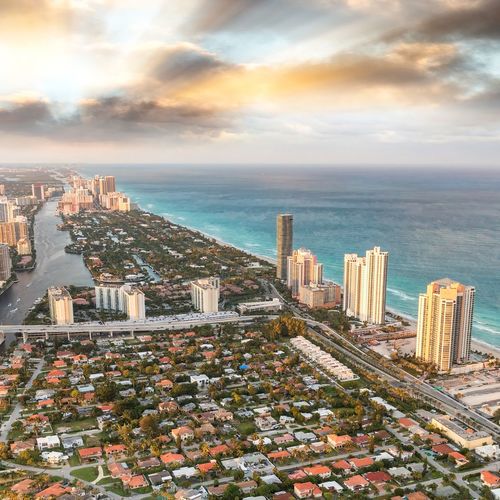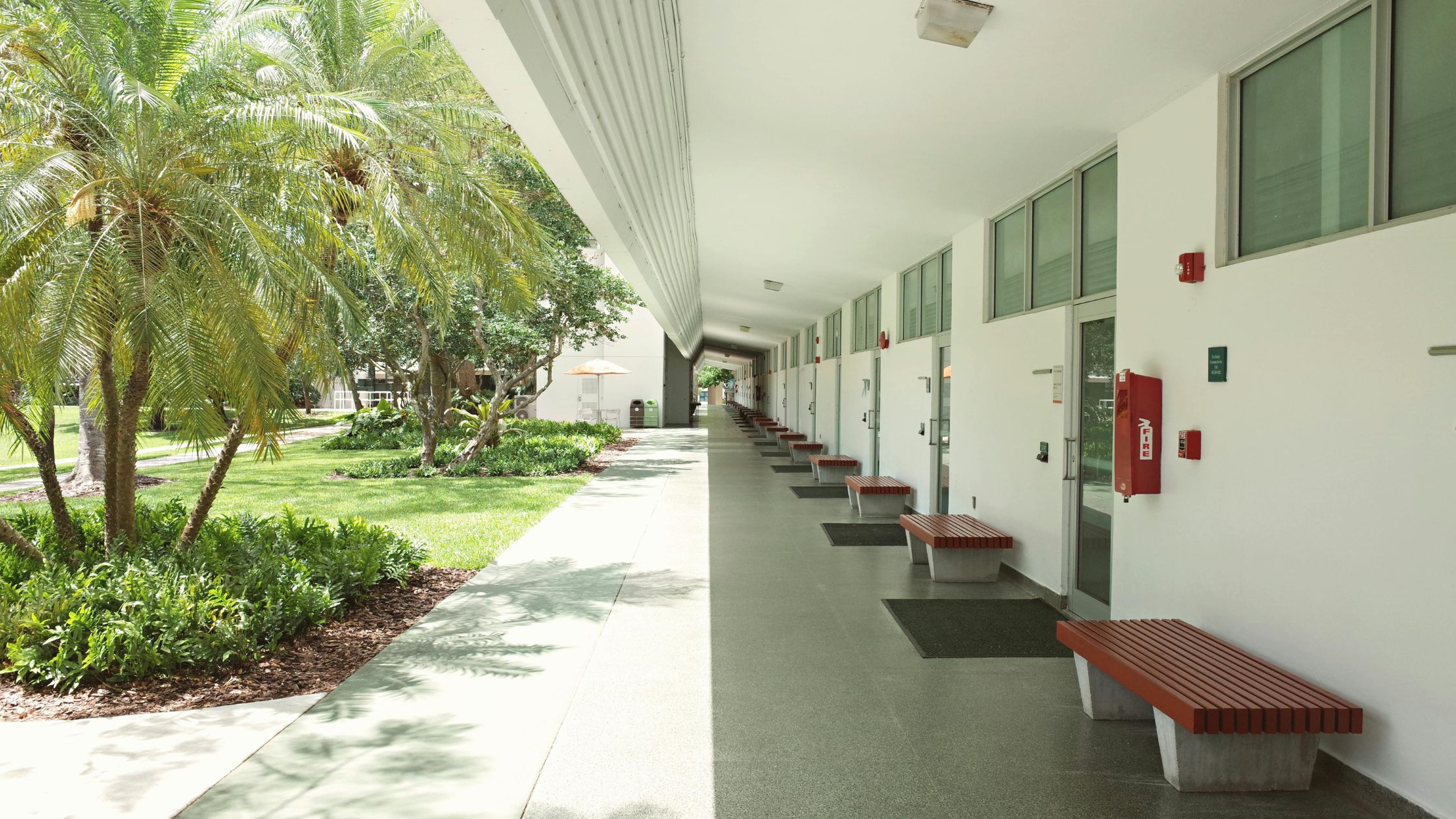
Choosing where to live in Miami involves more than lifestyle preferences or proximity to the beach. For many buyers, safety, school quality, and long-term neighborhood stability are central decision factors. This is especially true for families, relocation buyers, and long-term owners who want predictability alongside lifestyle benefits.
Miami is not a single, uniform market. Safety levels, school performance, walkability, and housing stock vary significantly by neighborhood. Some areas consistently attract buyers because they offer lower crime rates, established school districts, and a residential environment that supports long-term ownership rather than short-term turnover.
This guide focuses specifically on safety and school considerations. For a broader view of how lifestyle, walkability, and long-term value vary across Miami neighborhoods, Where Is the Best Place to Live in Miami? A Neighborhood Lifestyle Guide provides additional context.
Neighborhoods Covered in This Guide
- Coral Gables
- Pinecrest
- Key Biscayne
Each of these areas has a distinct profile, but they share common traits that consistently attract buyers focused on safety, education, and long-term value.
Coral Gables
Neighborhood Overview
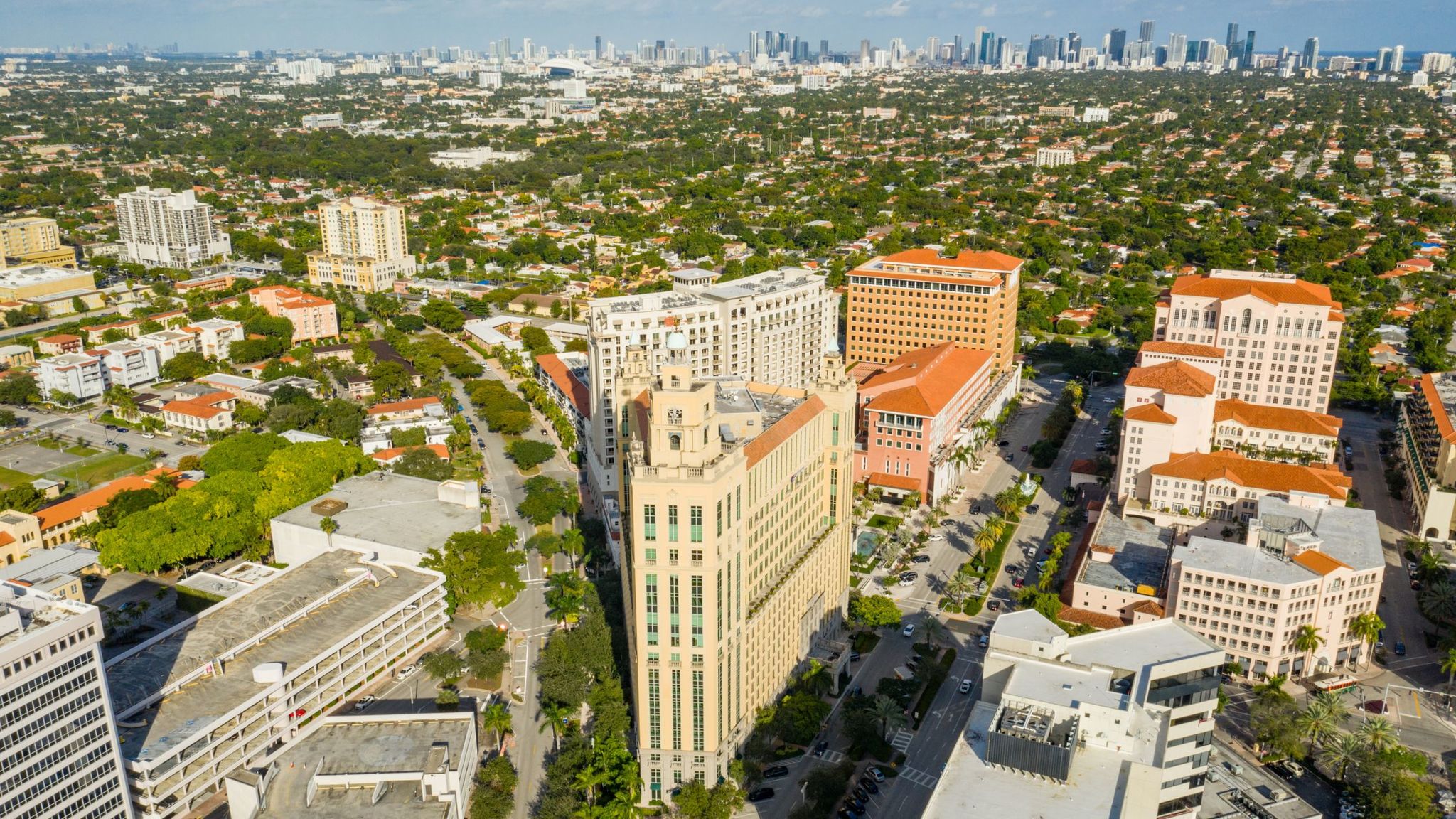
Coral Gables is one of Miami’s most established planned communities. Known for its historic zoning, Mediterranean-style architecture, and controlled development standards, it offers a structured residential environment that differs from many rapidly evolving parts of Miami.
The city maintains its own police and fire departments, which contributes to consistently lower crime rates compared to surrounding urban areas. Streets are generally quiet, well-maintained, and designed around long-term residential use rather than transient activity.
Is Coral Gables a Good Place to Live in Miami?
- Coral Gables is considered one of Miami’s safer residential cities with a long-standing reputation for stability.
- The neighborhood features controlled zoning, dedicated city services, and strong civic infrastructure.
- Public and private school access is a key driver of long-term demand.
- Daily life emphasizes residential calm over nightlife or tourism activity.
- The area attracts buyers seeking predictability rather than rapid change.
Lifestyle and Daily Living
Daily life in Coral Gables centers on neighborhood routines rather than destination-driven activity.
Key lifestyle characteristics include:
- Tree-lined residential streets with consistent architectural standards
- A defined downtown core with dining, offices, and retail
- Cultural institutions, parks, and community facilities integrated into daily life
- Limited short-term rental presence due to city regulations
While Coral Gables is not uniformly walkable, certain pockets near downtown and commercial corridors support walking for errands and dining. Most residents still rely on cars for commuting and school transportation.
Schools and Education Access
Coral Gables is widely known for access to high-performing public and private schools.
School-related considerations:
- Several well-rated public elementary, middle, and high schools serve the area
- Strong presence of private and parochial schools within city limits
- Stable school zoning contributes to buyer confidence
- Long-standing reputation among families relocating from out of state
School quality is one of the primary reasons buyers remain in Coral Gables through multiple housing cycles.
Coral Gables Real Estate Market (2026)
- Housing stock includes single-family homes, townhomes, and low-rise condominiums.
- Inventory turnover remains relatively low compared to higher-density areas.
- Buyer demand is driven by end users rather than short-term investors.
- Renovated historic homes continue to attract premium interest.
- New development is limited by zoning and preservation guidelines.
Who Is Coral Gables Best For?
- Families prioritizing safety and school stability
- Long-term homeowners seeking predictable neighborhood character
- Professionals working in central Miami locations
- Buyers who prefer established communities over emerging areas
Is Coral Gables a Good Investment?
- Long-term value is supported by limited new supply.
- Consistent owner-occupant demand stabilizes pricing cycles.
- Strong school reputation supports resale liquidity.
- City-level planning reduces volatility from overdevelopment.
Neighborhood Comparison: Coral Gables vs Coconut Grove
Compared to Coconut Grove, Coral Gables offers more controlled development and quieter residential streets. Coconut Grove provides a more walkable, lifestyle-driven environment but experiences greater variability in density and traffic patterns. Buyers choosing Coral Gables often prioritize structure and consistency over proximity to nightlife or waterfront amenities.
Pinecrest
Neighborhood Overview
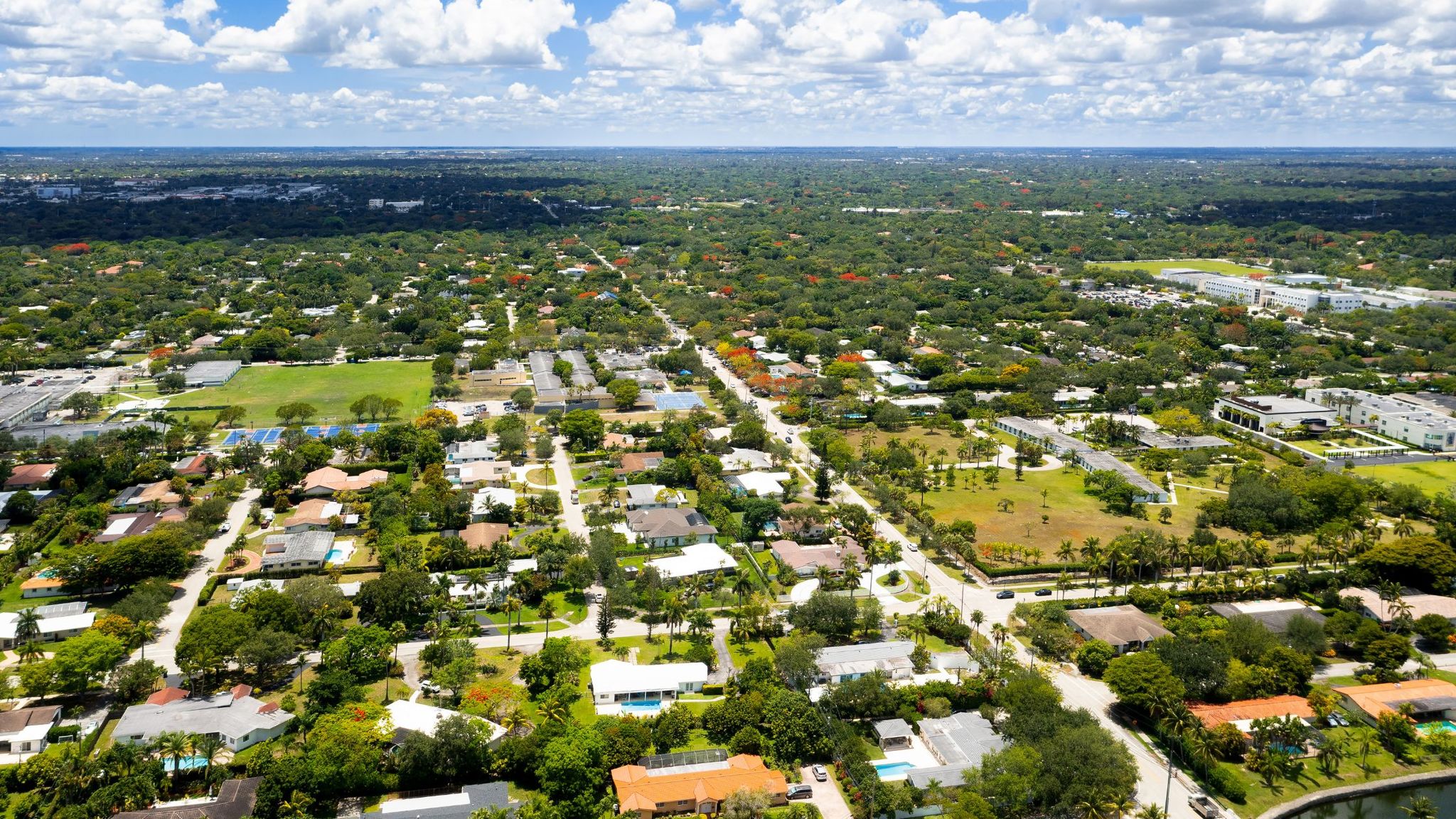
Pinecrest is a suburban village located south of Coral Gables and is widely regarded as one of Miami-Dade County’s most family-oriented communities. The area is almost entirely residential, with large lots, single-family homes, and limited commercial development.
Pinecrest operates its own police department and maintains zoning policies that discourage overdevelopment. This contributes to a quieter environment and consistent safety profile.
Is Pinecrest a Good Place to Live in Miami?
- Pinecrest is known for low crime rates and a strong residential focus.
- The neighborhood is heavily oriented toward families and long-term residents.
- School quality is a primary driver of buyer interest.
- Commercial activity is intentionally limited.
- Daily life is centered on home, schools, and local parks.
Lifestyle and Daily Living
Pinecrest offers a suburban lifestyle that contrasts with Miami’s urban core.
Lifestyle features include:
- Large residential lots and single-family zoning
- Quiet streets with minimal through traffic
- Community parks and recreational facilities
- Limited walkability for errands, with car-dependent routines
The area appeals to buyers who prioritize privacy and space over walkable entertainment districts.
Schools and Education Access
Pinecrest is often referenced as one of the strongest public school zones in Miami-Dade County.
Education-related highlights:
- Multiple top-rated public schools serve the village
- Strong demand from families relocating specifically for school access
- Private school options are also available nearby
- School zoning stability supports long-term ownership decisions
Pinecrest Real Estate Market (2026)
- Housing inventory is primarily single-family homes.
- New construction is limited and highly regulated.
- Buyer demand remains steady among families and professionals.
- Turnover is lower than in more urban neighborhoods.
Who Is Pinecrest Best For?
- Families focused on public school access
- Buyers seeking suburban living within Miami-Dade County
- Long-term owners planning to stay through multiple school cycles
- Professionals willing to commute for lifestyle stability
Is Pinecrest a Good Investment?
- Long-term value is supported by school-driven demand.
- Limited supply helps reduce price volatility.
- Rental demand exists but is secondary to owner occupancy.
- Infrastructure and zoning support long-term neighborhood consistency.
Neighborhood Comparison: Pinecrest vs Palmetto Bay
Pinecrest and Palmetto Bay share suburban characteristics, but Pinecrest typically attracts buyers more focused on public school rankings and proximity to central Miami. Palmetto Bay offers larger lot sizes in some areas but involves longer commute times for many buyers.
Key Biscayne
Neighborhood Overview
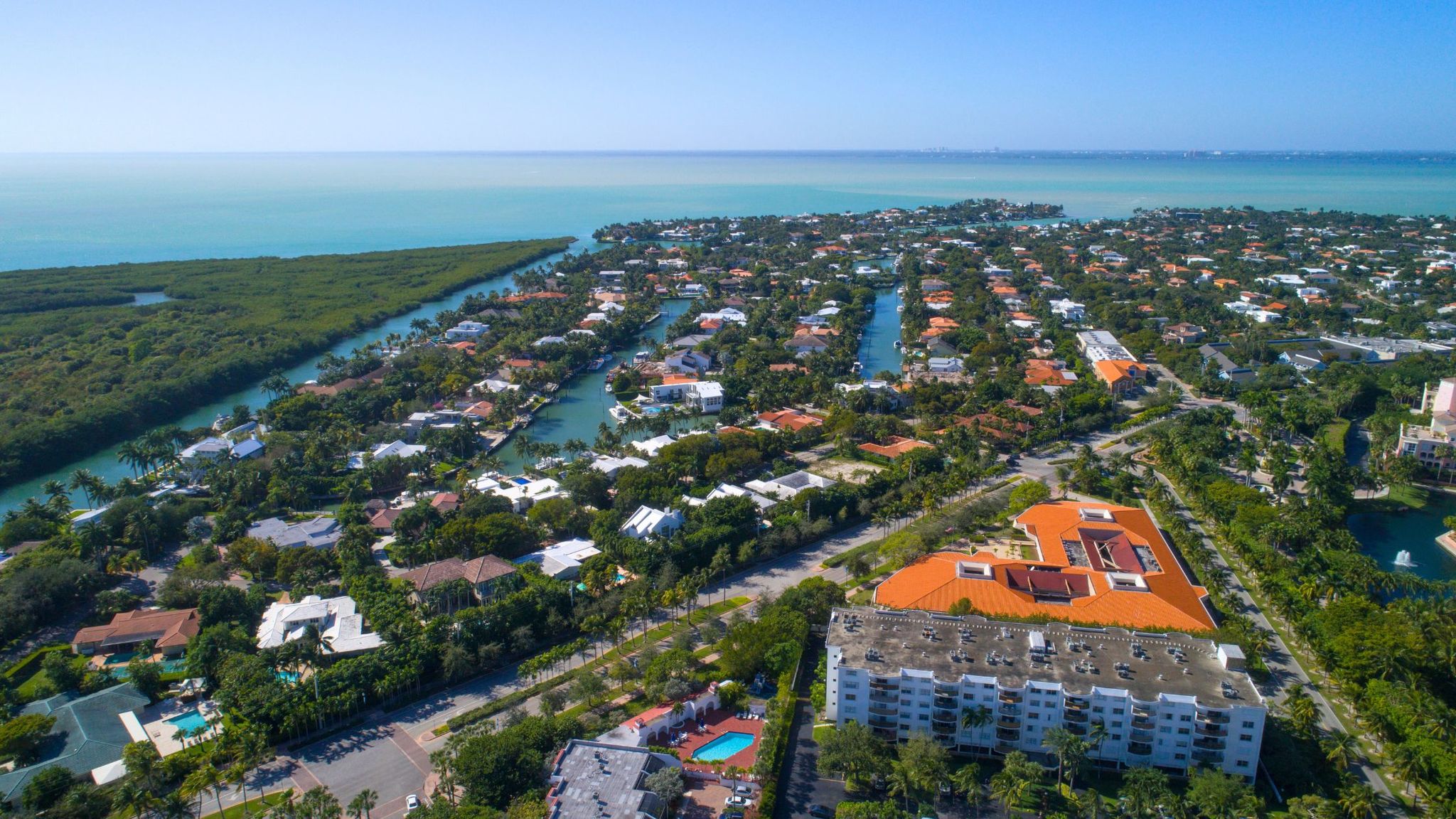
Key Biscayne is a barrier island community located east of Miami, accessible by the Rickenbacker Causeway. Its geographic separation contributes to a distinct lifestyle and safety profile compared to mainland neighborhoods.
The village maintains its own police department and has limited entry points, which supports lower crime rates and a strong sense of community.
Is Key Biscayne a Good Place to Live in Miami?
- Key Biscayne offers a physically separated and controlled environment.
- The area is known for strong safety metrics relative to urban Miami.
- Schools and community facilities are central to daily life.
- The lifestyle is quieter and more residential than mainland neighborhoods.
- Buyer demand is driven by long-term residents rather than transient activity.
Lifestyle and Daily Living
Key Biscayne’s lifestyle is shaped by its island geography.
Daily living considerations:
- Easy access to beaches, parks, and outdoor recreation
- Bike-friendly layout within the village
- Limited commercial development focused on local needs
- Commute dependency on the causeway for mainland access
The area is more walkable and bikeable than many suburban neighborhoods, particularly within residential zones.
Schools and Education Access
Key Biscayne offers a combination of public and private school options that attract families.
School-related factors:
- Well-regarded public schools serving the village
- Private and international school options nearby
- Community involvement in school-related initiatives
- Consistent demand from families seeking a contained environment
Key Biscayne Real Estate Market (2026)
- Housing includes condominiums, townhomes, and single-family homes.
- Inventory is constrained by geographic limits.
- Buyer activity remains steady despite broader market cycles.
- Demand is influenced by lifestyle and safety factors rather than speculation.
Who Is Key Biscayne Best For?
- Families seeking safety and outdoor-oriented living
- Buyers prioritizing community feel over nightlife access
- Long-term owners comfortable with island living logistics
- International buyers familiar with resort-style environments
Is Key Biscayne a Good Investment?
- Long-term value benefits from limited land availability.
- Stable demand from end users supports pricing consistency.
- Rental demand exists but is regulated.
- Infrastructure investment supports long-term livability.
Neighborhood Comparison: Key Biscayne vs Brickell
Key Biscayne offers a residential, low-density environment with strong safety metrics, while Brickell functions as a high-density financial district with greater turnover and nightlife activity. Buyers choosing Key Biscayne typically value calm, space, and community over proximity to offices and entertainment.
FAQs
Is Coral Gables a good place to live in Miami?
Coral Gables is widely considered a good place to live for buyers prioritizing safety, school access, and long-term neighborhood stability. Its controlled zoning and dedicated city services contribute to a consistent residential environment.
Is Pinecrest a safe neighborhood in Miami?
Pinecrest is known for low crime rates and a strong residential focus. The village maintains its own police department and emphasizes family-oriented planning.
Is Key Biscayne walkable?
Key Biscayne is relatively walkable and bike-friendly within the village, especially for schools, parks, and local services. Most residents still rely on cars for travel to the mainland.
Which Miami neighborhood is best for schools?
Pinecrest and Coral Gables are often highlighted for strong public and private school access. School zoning stability is a major factor driving long-term buyer demand in both areas.
Are these neighborhoods good for long-term real estate investment?
These neighborhoods tend to support long-term investment through limited supply, owner-occupant demand, and stable infrastructure. Value is typically driven by livability rather than short-term market cycles.
How do Coral Gables and Pinecrest compare?
Coral Gables offers a more urban-suburban blend with a defined downtown, while Pinecrest is more purely suburban. Both attract buyers focused on safety and education but differ in density and lifestyle.
What Long Term Buyers Should Know
Safety and school quality remain among the strongest long-term drivers of residential demand in Miami. Neighborhoods like Coral Gables, Pinecrest, and Key Biscayne continue to attract buyers because they offer structure, stability, and predictable livability rather than rapid change.
Understanding how these areas function day to day, and how they compare to nearby neighborhoods, is essential when evaluating long-term ownership or relocation decisions. Exploring options with local context helps buyers move beyond surface-level impressions and make informed choices aligned with their priorities.
Check out this article next