

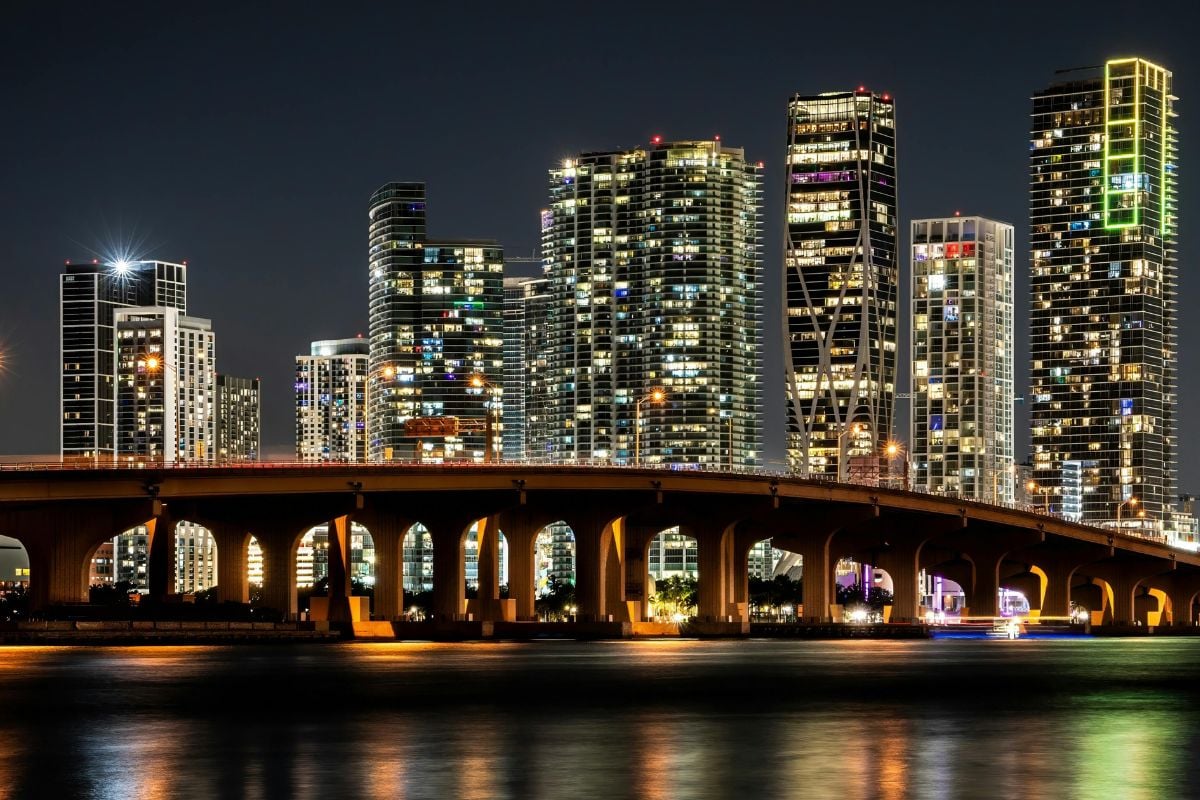
Miami’s real estate market has long been a magnet for buyers from across the U.S. and around the globe. In 2025 international buyers spent $4.4 billion on South Florida residential properties and purchased 5,300 homes in Miami‑Dade and the surrounding counties. This appetite for Miami property is supported by steady population growth, a diverse economy, no state income tax and strong rental demand. The median home value in the city is about $597,000 with single‑family homes averaging $685,000 and condos around $445,000. While the market cooled slightly in late 2025, median sale prices in Miami‑Dade County remained around $550,000 and homes still sold for about 6 % below list price in Downtown Miami. High demand from out‑of‑state and international buyers means that anyone entering this market needs solid guidance on neighborhoods, lifestyle, legal considerations and investment fundamentals.
Neighborhood Overview
Miami is not a monolithic market. From urban high‑rise districts to leafy suburban enclaves, each neighborhood offers distinct lifestyle and investment characteristics. The table below summarizes typical price ranges and buyer types for several prominent areas in 2026. Exact prices vary by building, view and property condition, but the ranges provide a starting point for comparison.
Neighborhood | Typical Price Range | Property Type Focus | Buyer Type |
Downtown Miami | $400K–$600K | Condos | Professionals |
Brickell | $450K–$750K | High‑rise condos | Executives & investors |
Coconut Grove | $850K–$2.5M+ | Homes & condos | Families |
Coral Gables | $900K–$3M+ | Single‑family homes | Luxury buyers |
Bal Harbour | $1.2M–$5M+ | Waterfront condos | International buyers |
Brickell
Is Brickell a Good Place to Live in Miami?
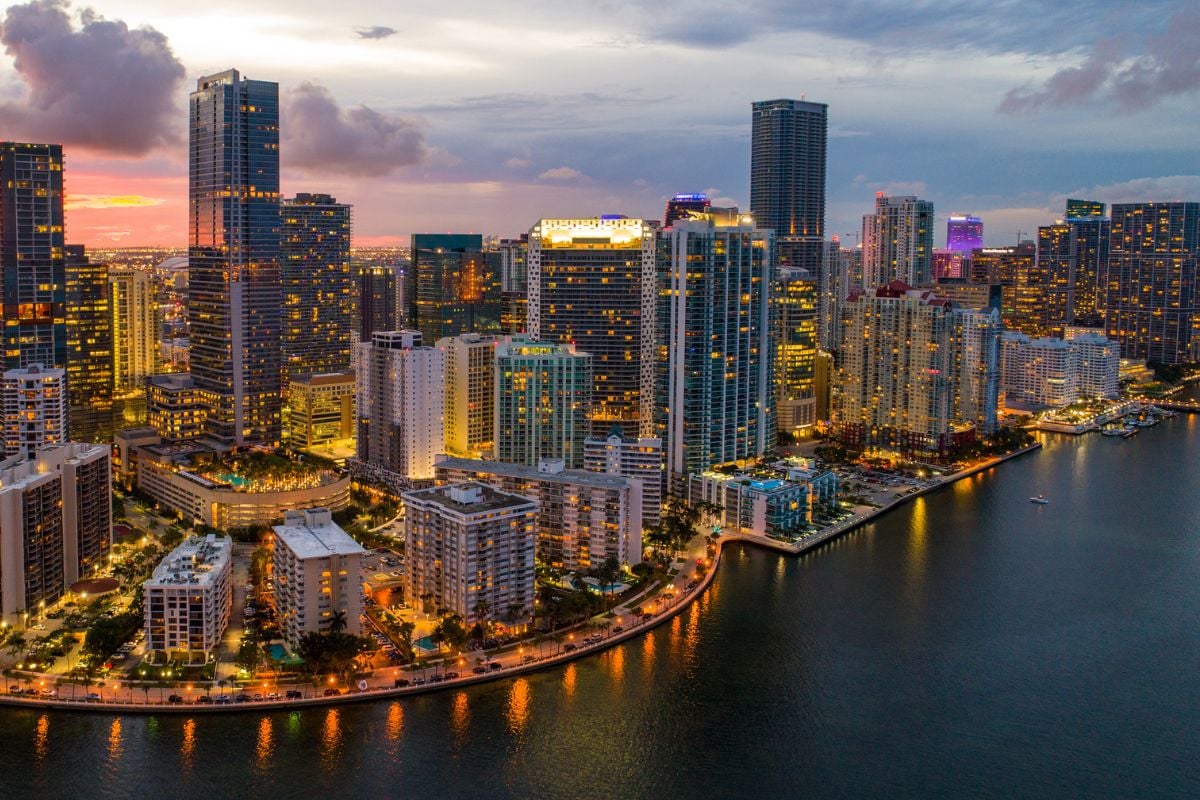
- Brickell is Miami’s financial district; its skyscrapers, dense street grid and public transport make it the city’s most walkable urban core.
- Residents have immediate access to cafes, restaurants, fitness studios and shopping at Brickell City Centre; errands rarely require a car.
- The Underline, a linear park beneath the Metrorail, provides separated bike and walking paths, dog runs and green space.
- Heavy traffic encourages walking or using the free Metromover; the area feels safe because streets are well‑lit and busy.
- High‑rise living means limited personal green space, but bayfront views and proximity to Downtown offset this trade‑off.
Brickell Real Estate Market (2026)
- Typical condos range between $450K and $750K with entry‑level one‑bedrooms around $500K; larger units exceed $1 million.
- The market is characterized by luxury high‑rise buildings offering concierge services, pools and roof decks.
- Days on market have lengthened to about three months, and properties often sell below list price as inventory has grown.
- International buyers remain prominent; Latin American investors value proximity to international banks and strong rental demand.
- High association fees ($600–$1,200 per month) cover building maintenance and reserves.
Who Is Brickell Best For?
- Professionals and executives who want to walk to Downtown offices and avoid long commutes.
- Investors seeking predictable rental demand from young professionals; gross yields are around 5–6 percent.
- People comfortable with dense urban living, high HOA fees and limited private outdoor space.
- Individuals who value nightlife, rooftop bars and an amenity‑rich lifestyle.
- International buyers needing a pied‑à‑terre near financial institutions.
Is Brickell a Good Investment?
- Brickell offers moderate appreciation but strong stability; five‑year gains around 41 percent outpace many U.S. markets.
- The neighborhood’s high walkability and proximity to employment centers create consistent demand.
- An influx of corporate relocations supports high rents, but oversupply of new towers could temper future price growth.
- Investors should factor in substantial HOA fees and insurance costs when calculating returns.
- Long‑term value is supported by infrastructure projects like the Underline and the city’s continuing appeal to global capital.
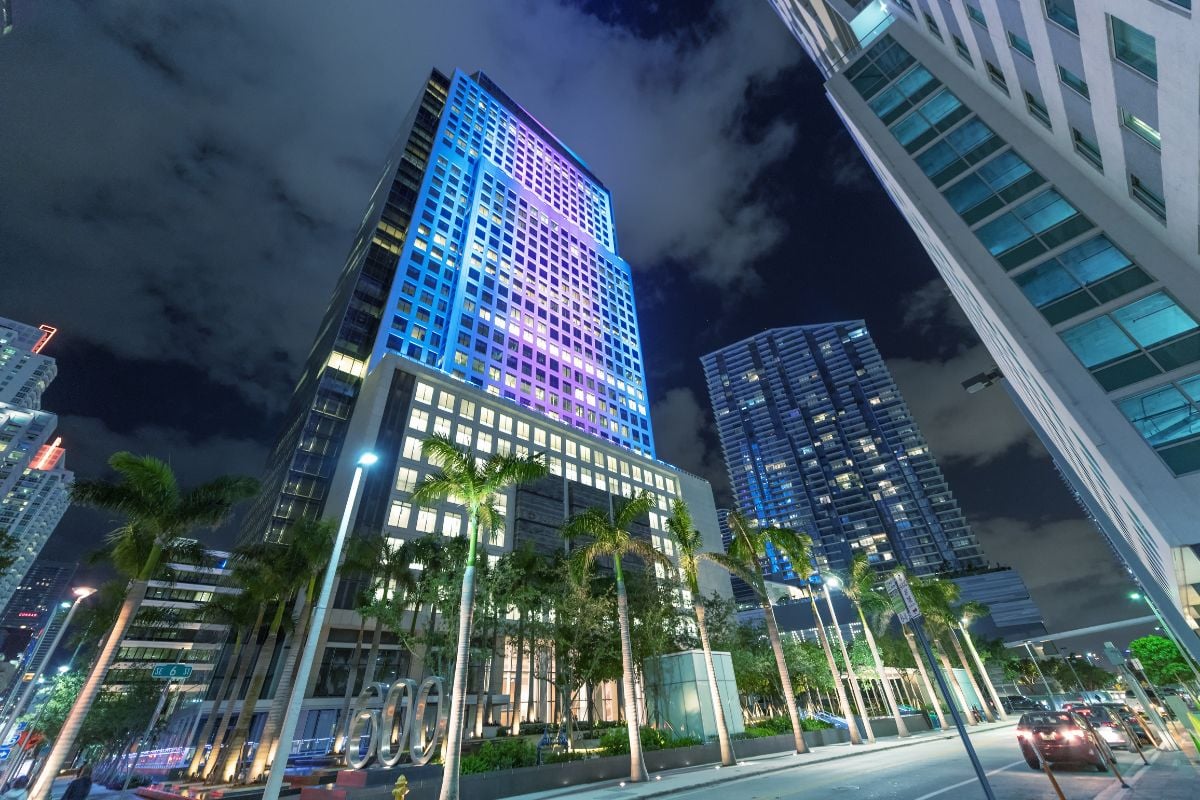
Brickell has evolved into Miami’s “Manhattan of the South” with a skyline of glass towers and a street‑level scene of cafes, boutiques and fitness studios. Walkability is unmatched — residents can ride the free Metromover or stroll to restaurants and shops without crossing major highways. Heavy traffic and limited parking reinforce the pedestrian lifestyle. For those comfortable with high‑density living and amenity‑rich buildings, Brickell delivers convenience and urban energy.
Real estate demand remains strong, though the market cooled in late 2025. Entry‑level units start around $450K with premium high‑rises exceeding $1 million. Rising inventory and extended days on market give buyers more negotiating power. High HOA fees cover amenities, master insurance and structural reserves, which became mandatory after Florida’s post‑Surfside condo reforms. Investors appreciate steady rental demand from professionals and the opportunity to hedge against currency fluctuations.
Coconut Grove
Is Coconut Grove a Good Place to Live in Miami?
- Coconut Grove is Miami’s oldest continually inhabited neighborhood, known for its lush vegetation, banyan‑shaded streets and tropical ambiance.
- Walkability is high; residents can stroll to cafés, farmers’ markets, boutiques and waterfront parks like Peacock Park and the revitalized CocoWalk.
- A strong community feel, excellent schools and family‑oriented culture make it one of Miami’s safest and most sought‑after areas.
- Housing includes cottages, mid‑century bungalows and modern tropical homes; tree‑canopied streets provide shade and privacy.
- The bayfront location offers boating and sailing opportunities, but it lacks the urban nightlife of Brickell.
Coconut Grove Real Estate Market (2026)
- Typical homes and condos range from $850K to over $2.5 million; some waterfront estates exceed $10 million.
- Inventory is limited because zoning restricts high‑rise development, preserving low‑density character.
- Properties in highly rated school zones command premium prices; strong demand from families keeps supply tight.
- Cash buyers and international families are active; some compete for waterfront lots along Bayshore Drive.
- Median days on market are shorter than downtown areas because of scarcity and community appeal.
Who Is Coconut Grove Best For?
- Families seeking a quiet residential enclave with top‑rated schools and a strong community identity.
- Buyers who prefer mature trees, parks and outdoor recreation over high‑rise living.
- Professionals looking for a suburban feel while staying minutes from Brickell and Coral Gables.
- Boaters and sailors who value marinas and access to Biscayne Bay.
- International families seeking privacy and security in a neighborhood with limited new construction.
Is Coconut Grove a Good Investment?
- Long‑term value is underpinned by scarcity; zoning limits mean limited new supply.
- Homes historically appreciate steadily because families rarely sell, contributing to a stable market.
- Proximity to top schools and green spaces attracts high‑earning residents and supports rental demand.
- High entry prices and larger lots require more capital than downtown condos.
- Investors should budget for higher property taxes and insurance on waterfront properties.
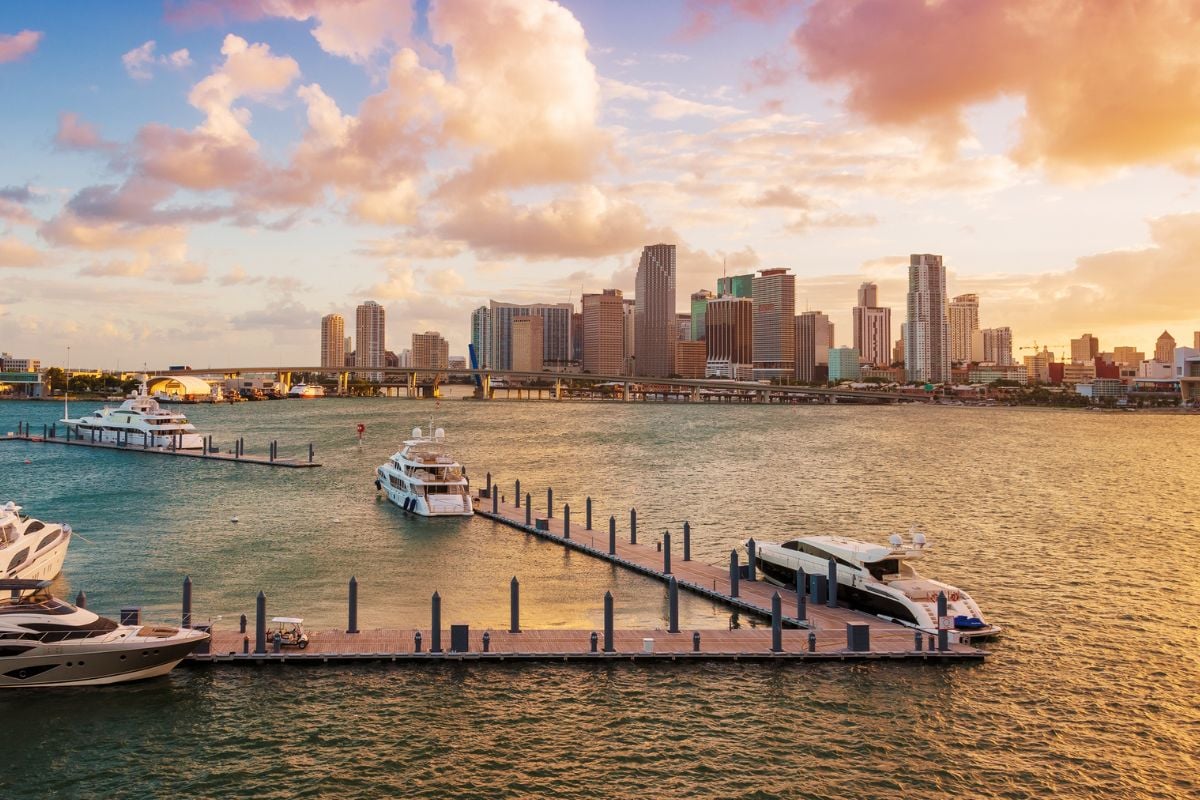
Coconut Grove blends historic charm with modern comforts. Established in the late 1800s, it retains a village atmosphere with tree‑shaded sidewalks, art galleries and open‑air cafés. The Grove’s revitalized CocoWalk mixed‑use center adds shopping and dining options, while Peacock Park and Kennedy Park provide expansive green space. Sailors appreciate the bayfront marinas and regattas. A strong neighborhood association and excellent schools foster a community where families feel secure. Real estate is expensive but holds its value due to land scarcity and school district demand.
Coral Gables
Is Coral Gables a Good Place to Live in Miami?
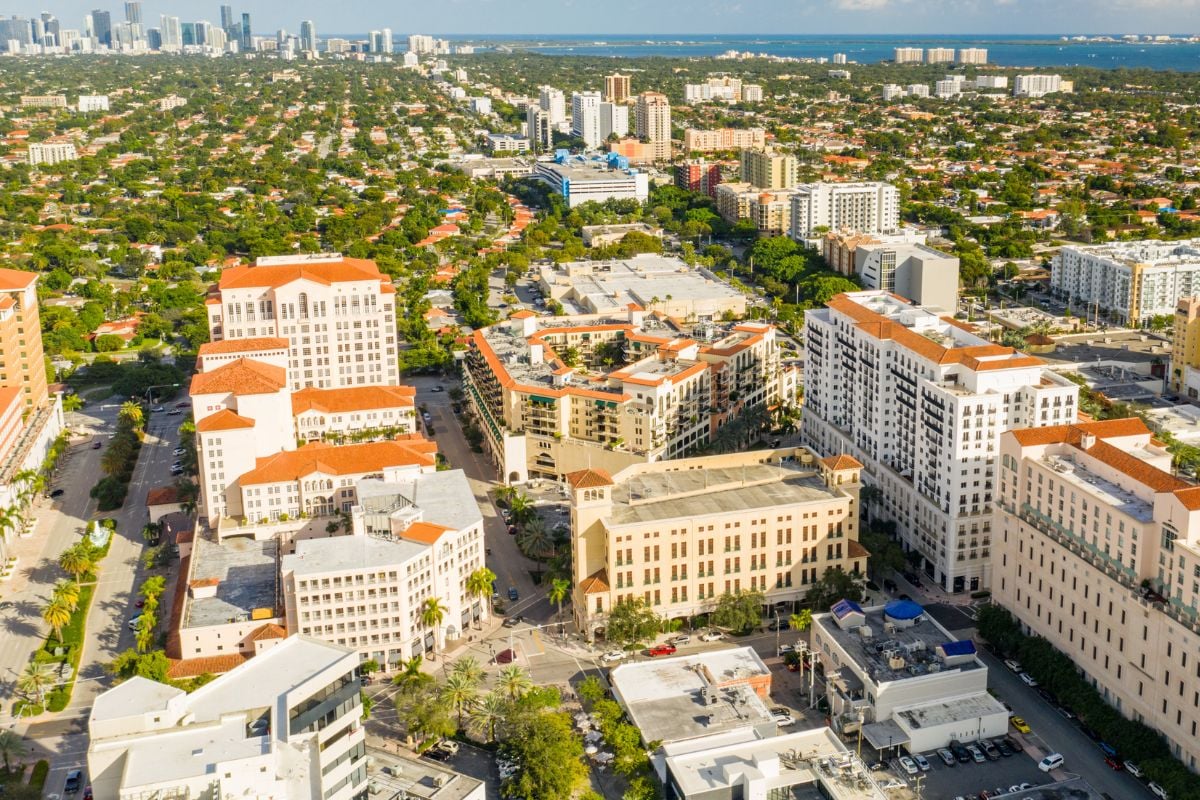
- Coral Gables is renowned for its Mediterranean Revival architecture, manicured tree‑lined streets and cohesive urban design.
- Walkability centers on Miracle Mile, a commercial corridor lined with retail boutiques, restaurants and cultural venues.
- Landmarks such as the Biltmore Hotel and Venetian Pool anchor the neighborhood’s historic character and social scene.
- The area exudes a polished, upscale energy and is considered one of Miami’s safest residential districts.
- Public and private schools are highly rated, making it a magnet for families.
Coral Gables Real Estate Market (2026)
- Typical single‑family homes range from $900K to over $3 million.
- Gated communities like Gables Estates and Cocoplum offer waterfront homes with private docks and mature landscaping.
- The market is dominated by large lots and historic homes; there is limited condo inventory.
- Proximity to University of Miami and downtown Miami drives demand among academics and executives.
- Zoning restrictions on density protect the area’s character and sustain property values.
Who Is Coral Gables Best For?
- Families and professionals seeking quiet, residential living with access to top schools.
- Buyers who appreciate historic architecture, manicured landscapes and strict design guidelines.
- People who want easy access to cultural venues, upscale dining and boutique shopping.
- Individuals seeking larger lots and single‑family homes rather than high‑rise condos.
- Luxury buyers looking for privacy within gated communities.
Is Coral Gables a Good Investment?
- Coral Gables has historically delivered steady appreciation due to limited supply and high demand.
- Strict zoning and design regulations prevent overdevelopment and protect home values.
- Premium school zones and proximity to employment centers attract long‑term residents.
- The high entry price limits rental cash flow; investors typically focus on capital preservation rather than yield.
- Infrastructure upgrades and hurricane mitigation projects support long‑term resilience.
Coral Gables offers a unique blend of history, civic pride and luxury. The city’s Mediterranean architecture and lush streetscapes were carefully planned in the 1920s and remain protected by strict design standards. Residents enjoy boutique shopping and dining along Miracle Mile, world‑class golf and social events at the Biltmore Hotel, and family outings at the Venetian Pool. High property values reflect scarcity and prestige, while A‑rated schools and a well‑managed municipal government appeal to families and long‑term homeowners.
Wynwood
Is Wynwood a Good Place to Live in Miami?
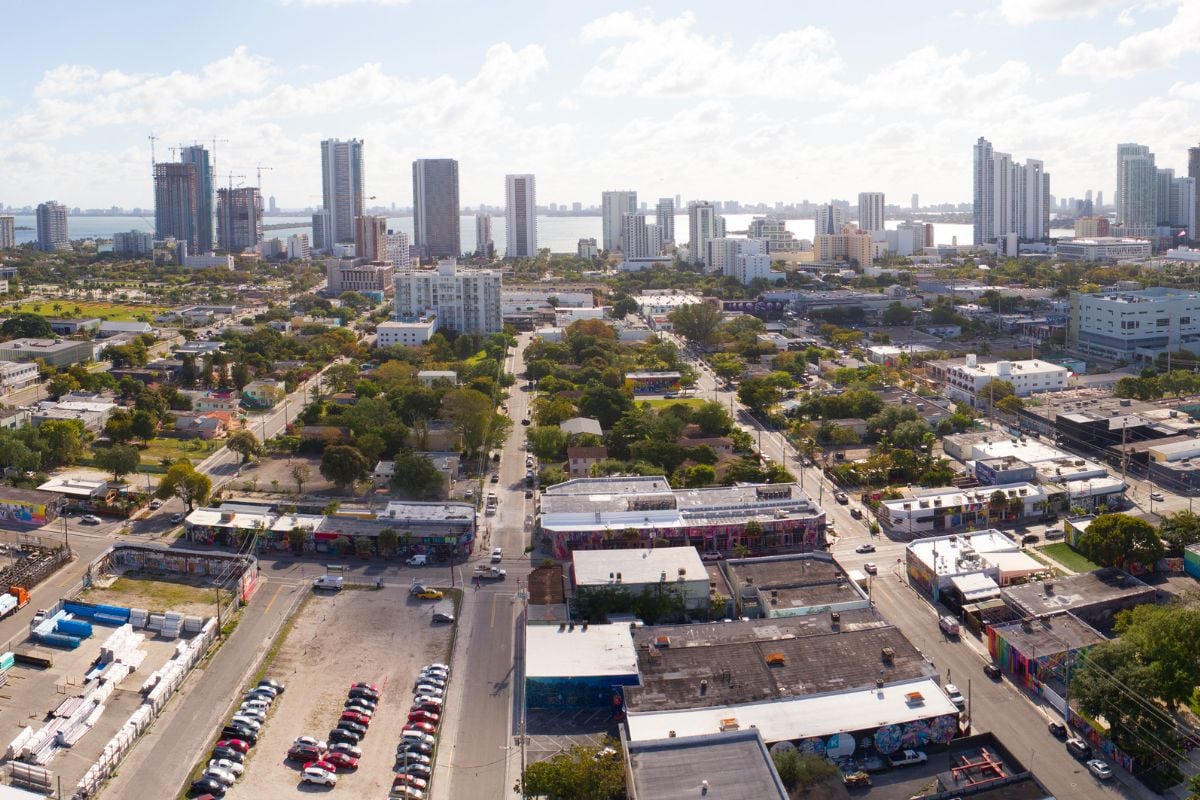
- Wynwood has transformed from a warehouse district into Miami’s creative hub, famed for colorful murals, galleries, breweries and global street art.
- New restaurants, boutiques and cafés create an evolving lifestyle ecosystem that attracts entrepreneurs and designers.
- Residential offerings include lofts, design‑forward apartments and boutique condos, often with rooftop amenities.
- Walkability is improving as streetscape projects add bike lanes and green space, though the area remains more industrial than suburban.
- Nightlife and cultural events make it vibrant but can also mean noise and limited parking.
Wynwood Real Estate Market (2026)
- Pricing varies widely; entry‑level condos are often below downtown prices, while luxury lofts can exceed $800K.
- The neighborhood is an emerging investment zone; appreciation has been rapid as redevelopment accelerates.
- Zoning encourages mid‑rise projects and mixed‑use buildings, creating a diverse housing stock.
- Rental demand is strong among young creatives and tech workers; vacancy rates are low.
- Investors should evaluate construction quality and association reserves due to the area’s rapid build‑out.
Who Is Wynwood Best For?
- Entrepreneurs, artists and tech professionals are drawn to a creative atmosphere.
- Buyers seeking modern lofts and design‑forward condos rather than traditional homes.
- Investors are comfortable with an up‑and‑coming neighborhood that offers high appreciation but more volatility.
- Individuals who value walkable cafes, breweries and art events over quiet residential streets.
- People who want proximity to Downtown and Brickell without paying premium prices.
Is Wynwood a Good Investment?
- Rapid redevelopment has delivered strong appreciation; many investors expect high future growth.
- The arts district branding and influx of tech startups support long‑term demand for housing.
- However, volatility is higher than in established neighborhoods; investors must perform due diligence on developers and building reserves.
- Rental yields are attractive because of strong demand from young professionals.
- Infrastructure improvements and public investment in the arts signal municipal commitment to the area’s future.
Wynwood’s evolution over the last decade illustrates Miami’s creative energy. Street murals draw visitors from around the world, while breweries, coffee shops and design showrooms nurture a vibrant local community. Residential development is catching up: loft conversions and new condominiums cater to entrepreneurs and digital nomads. Prices remain lower than Brickell or Coconut Grove, but gentrification is pushing values higher. Buyers should research each project’s financial health and plan for potential construction noise and parking challenges.
Pinecrest
Is Pinecrest a Good Place to Live in Miami?
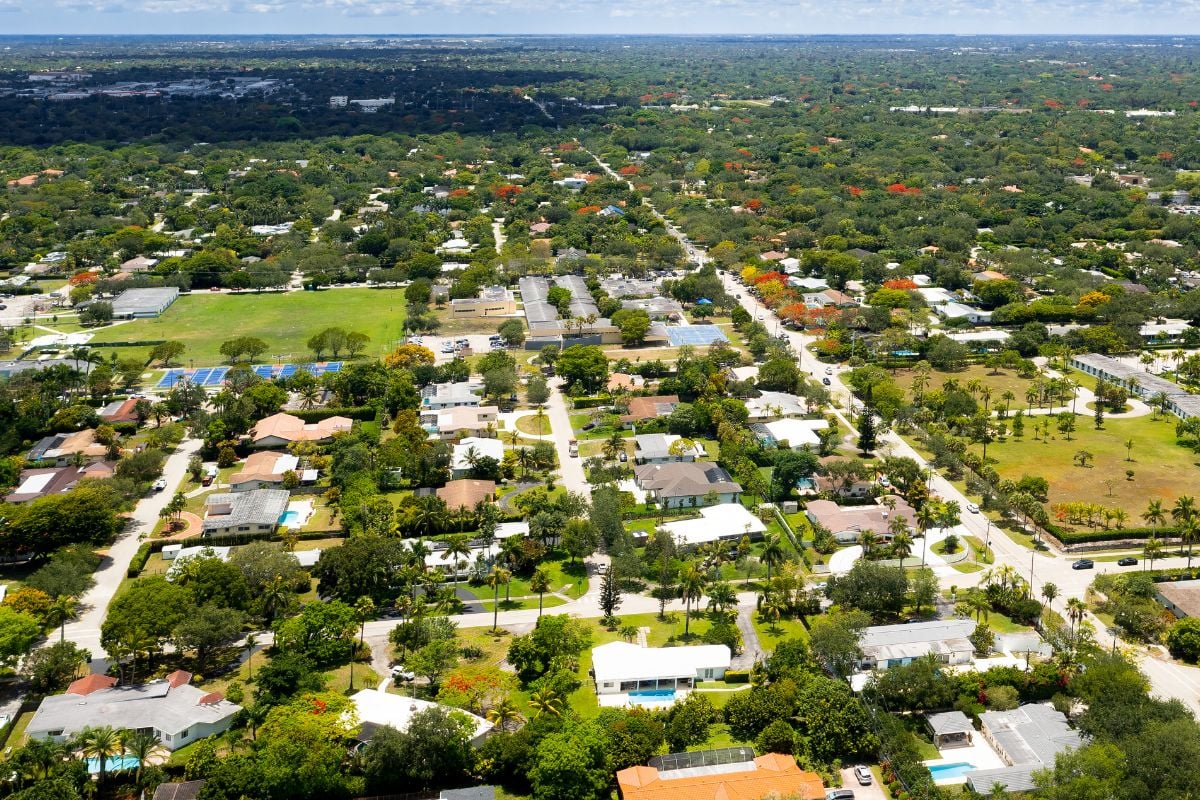
- Pinecrest is a suburban village known for its large lots, tree‑shaded streets and tranquil environment.
- Residents enjoy privacy and space while remaining a short drive from downtown Miami.
- The community is family‑oriented with parks, farmers’ markets and top‑ranked schools.
- Housing consists primarily of single‑family homes on half‑acre or larger parcels; HOAs are rare.
- Walkability is limited; most errands require a car, but traffic is lighter than in urban districts.
Pinecrest Real Estate Market (2026)
- Home prices generally exceed $1 million due to large lot sizes and high demand from affluent families.
- Inventory is low; custom estates and ranch‑style homes dominate the market.
- Properties in the Pinecrest Elementary/Palmetto High School district command substantial premiums.
- Renovation potential is high; older homes can be updated for significant value growth.
- Luxury buyers from out of state are active, especially those seeking primary residences with privacy and room for pools or tennis courts.
Who Is Pinecrest Best For?
- Families who prioritize large yards, quiet streets and A‑rated schools.
- Buyers seeking privacy and a suburban lifestyle within 30–40 minutes of downtown Miami.
- Professionals who commute by car and prefer low‑density neighborhoods.
- Retirees or remote workers who value space and tranquility over proximity to nightlife.
- Investors interested in high‑end, owner‑occupied rental properties.
Is Pinecrest a Good Investment?
- Pinecrest offers stable long‑term appreciation; supply is limited and demand from families remains constant.
- Large lots and zoning restrictions create scarcity that preserves value.
- Rental demand exists but yields are lower than in high‑density areas; investors often focus on capital appreciation.
- Property taxes and insurance costs can be high due to property size.
- Remodeling older homes can generate significant equity gains.
Pinecrest provides an antidote to urban living: tree‑lined streets, expansive yards and a village atmosphere. The neighborhood’s parks host farmers’ markets and family events, and the local school district consistently ranks among Florida’s best. Homes are expensive because they sit on generous lots, often with pools or guest houses. Commuting requires driving, but many residents appreciate the quiet and privacy after a day in the city. For out‑of‑state buyers who value space and intend to settle long term, Pinecrest can offer strong lifestyle and investment returns.
Downtown Miami
Is Downtown Miami a Good Place to Live in Miami?
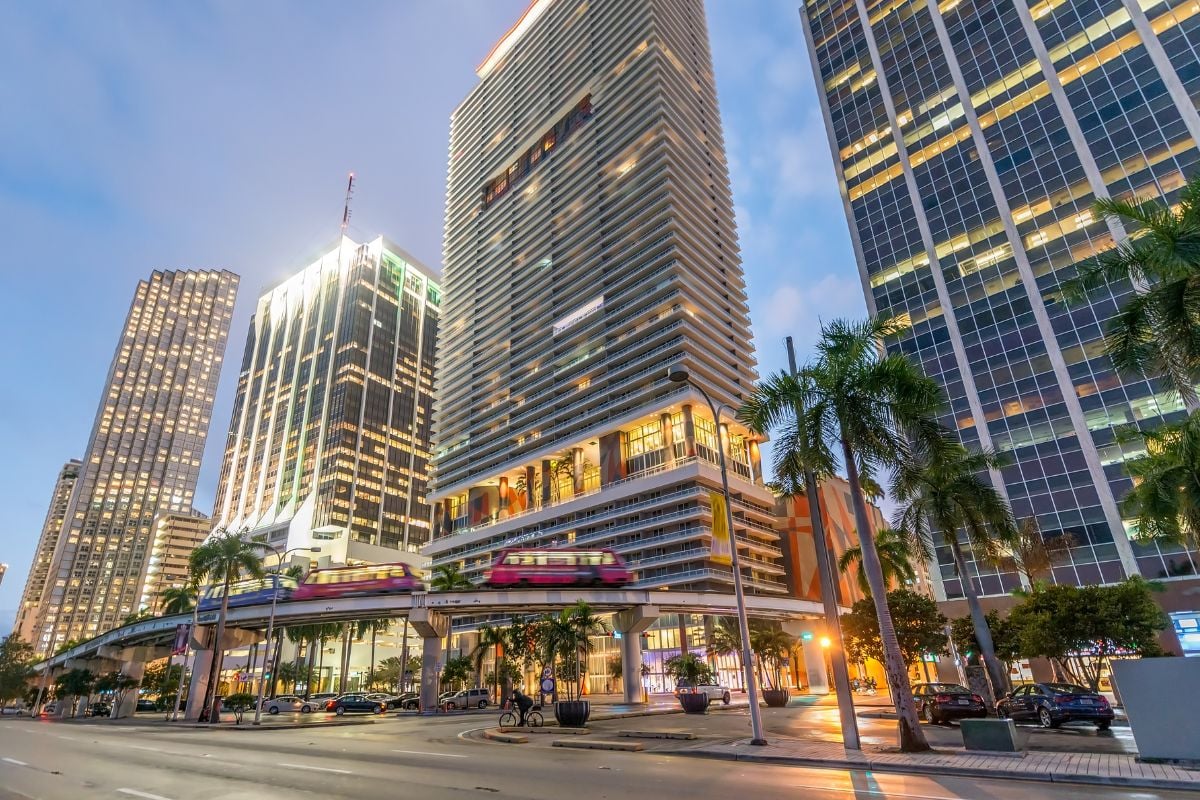
- Downtown Miami is the urban core, offering high‑rise condos, cultural venues and access to major employment centers.
- Walkability is high within the central business district; the Metromover and Metrorail provide free transit connections.
- The area features museums, performing arts centers and waterfront parks, but noise and congestion are constant.
- Housing consists mostly of condos and some converted lofts; single‑family homes are nonexistent.
- Safety varies by block; some areas experience nightlife‑related noise.
Downtown Miami Real Estate Market (2026)
- Median sale price in December 2025 was $600,000, down 11 % year‑over‑year.
- Homes sold after approximately 152 days on market, reflecting a slower market than Brickell.
- Typical condos are priced between $400K and $600K.
- Sale‑to‑list price ratios hover around 94.9 %, indicating that buyers often negotiate discounts.
- The area is less competitive than midtown or coastal neighborhoods, but rental demand remains strong due to proximity to jobs and transit.
Who Is Downtown Miami Best For?
- Professionals working in the central business district who value a short commute.
- Buyers seeking an urban lifestyle with cultural events, museums and sports venues.
- Investors targeting short‑term rental markets (where permitted) and corporate housing.
- People comfortable with dense living, limited green space and occasional congestion.
- Students attending nearby universities and institutions.
Is Downtown Miami a Good Investment?
- Prices dipped in late 2025, creating opportunities for buyers to enter below peak valuations.
- The area’s central location and transit access support long‑term demand, but appreciation may lag behind emerging neighborhoods.
- Investors should budget for HOA fees and assess building reserves in light of Florida’s condo reform legislation.
- Strong rental markets driven by professionals and students provide consistent cash flow.
- Future waterfront redevelopment projects could enhance value over the next decade.
Downtown Miami offers an immersive urban experience. The skyline is dotted with residential towers and office buildings, while cultural venues like the Perez Art Museum and Adrienne Arsht Center attract residents and visitors. Public transit eliminates the need for a car, but traffic and congestion remain part of daily life. Real estate prices are slightly lower than in Brickell, and days on market are longer. Investors should evaluate each building’s financial health and structural integrity, particularly following new milestone inspection and reserve requirements.
Lifestyle & Daily Living
Living in Miami extends beyond property statistics. Climate, culture, transportation and daily conveniences shape the experience for out‑of‑state and international buyers. Miami enjoys year‑round sunshine and a vibrant outdoor culture; beaches, parks and waterfront promenades are integral to daily life. The city’s demographics are diverse: more than 57 % of residents are foreign‑born, and the median household income is about $59,390. This diversity manifests in a rich culinary scene, multilingual services and neighborhoods with distinct identities.
Transportation and Walkability
Walkability varies widely. Brickell and Downtown boast high Walk Scores because of their dense grids, transit connections and street‑level retail. Coconut Grove and Coral Gables are also walkable within their village centers, though many residents still drive for errands. Wynwood’s walkability is improving but remains patchy, while Pinecrest is car‑dependent. The Metrorail, Metromover and Busway provide low‑cost transit across the urban core, and the Underline adds miles of bike and pedestrian paths beneath the rail line.
Education and Schools
School quality is a major driver of housing decisions. Coral Gables and Pinecrest are known for A‑rated public schools, with some buyers willing to pay premiums to avoid private school tuition. Coconut Grove also offers highly rated public and private institutions and a strong sense of community involvement. Brickell and Downtown have fewer high‑performing public schools, leading many families to choose suburban neighborhoods or private education.
Safety and Community
Safety perceptions vary. Coral Gables and Coconut Grove are often cited as two of the safest neighborhoods due to low crime rates and community policing. Brickell offers well‑lit streets and constant foot traffic, but property crime rates are higher because of density. Wynwood’s transformation has improved safety, but nightlife and tourism can lead to occasional disturbances. Pinecrest’s suburban setting and active homeowners’ associations contribute to a secure environment.
Real Estate Market Overview (2026)
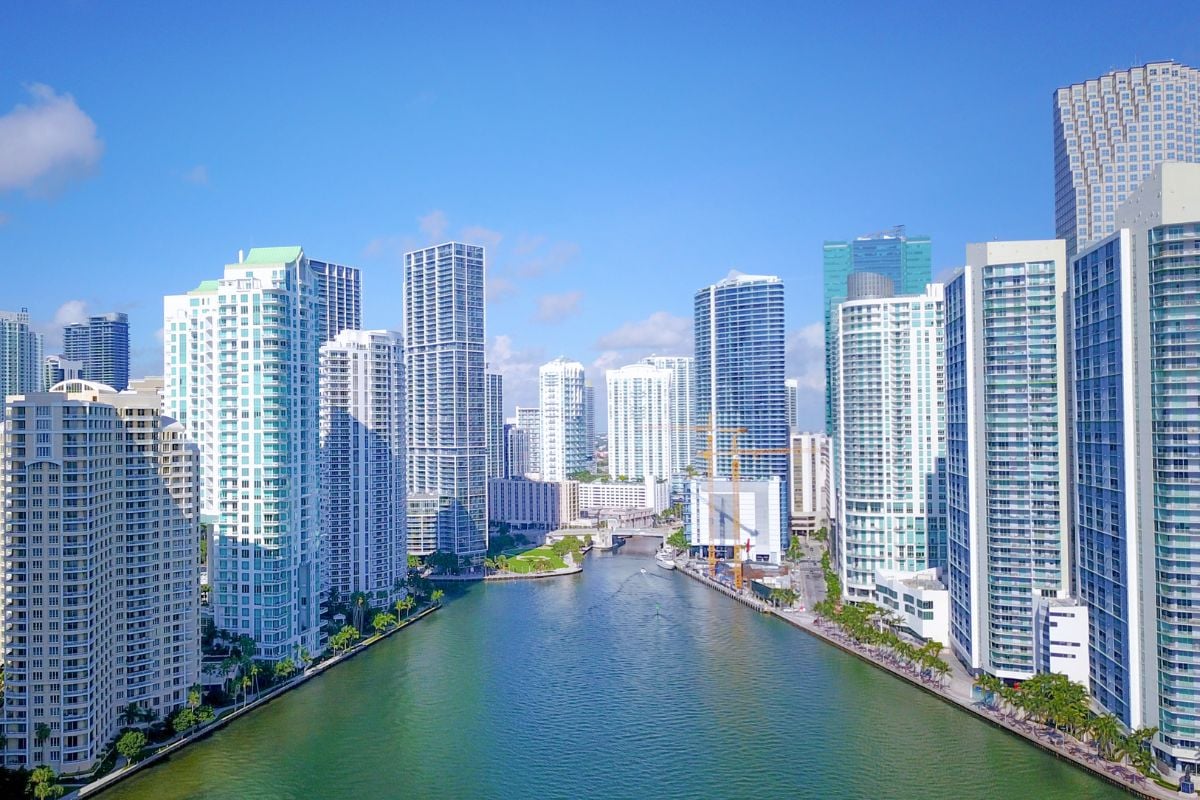
The Miami market entering 2026 reflects a blend of high demand and increased inventory. In February 2025, the number of homes for sale was 15 % higher than a year earlier, signaling a shift toward a more balanced market. Still, demand remains robust due to domestic relocations and international investment. Major statistics include:
- Median Home Prices: The citywide median is approximately $597,000; single‑family homes average $685,000, condos $445,000 and townhomes $520,000. Miami‑Dade County’s median sale price of $550,000 is 28 % higher than the U.S. median.
- Days on Market: Homes across the county typically sell in about 92 days. In Downtown Miami the median is 152 days; in highly sought neighborhoods like Coconut Grove the timeline is shorter due to scarcity.
- Sale‑to‑List Price Ratio: Properties in Miami sell for roughly 94.9 % of list price, indicating some room for negotiation.
- Buyer Demographics: A mix of local residents, domestic relocators and international investors drive demand. High‑income buyers from New York, California and abroad pay premium prices to access waterfront amenities.
- Rental Market: Miami is the most competitive rental market in the U.S. and exhibits strong yields for investors. Median rental prices continue to rise as population growth outpaces supply.
International interest remains a defining feature. Foreign buyers accounted for 15 % of South Florida’s residential dollar volume in 2025, purchasing $4.4 billion worth of property and nearly half of all new construction. Colombia, Argentina, Mexico and Brazil were the top source countries. These buyers often pay cash, motivated by asset protection and long‑term appreciation. Domestic migration is equally important: a StreetEasy report ranked Miami as the second most popular destination for New Yorkers relocating in 2025. Reasons include the absence of state income tax, year‑round sunshine and a booming tech and finance sector.
Who This Neighborhood Is Best Suited For
Selecting the right neighborhood depends on lifestyle and financial priorities. Below is a summary of buyer profiles and the neighborhoods that align with them.
Buyer Profile | Description | Suitable Neighborhoods |
Young Professionals | Seek walkable, amenity‑rich living close to offices and nightlife. | Brickell, Downtown, Wynwood |
Families | Prioritize schools, safety and larger homes; prefer suburban or village settings. | Coconut Grove, Coral Gables, Pinecrest |
Investors | Value rental yield and appreciation; focus on areas with strong demand and infrastructure improvements. | Brickell (moderate appreciation with high rents), Wynwood (emerging appreciation), Downtown (cash flow), Edgewater |
Luxury Buyers | Seek exclusivity, large lots and waterfront access; less sensitive to price. | Coral Gables, Coconut Grove waterfront, Pinecrest estates |
Creative Entrepreneurs | Desire a cultural scene, loft spaces and flexible zoning. | Wynwood, Allapattah |
Investment & Long‑Term Value Considerations
Legal and Regulatory Environment
Foreign nationals can purchase property in Florida with few restrictions. A 2025 legal guide notes that there are no general prohibitions based on nationality, although foreign buyers may face larger down‑payment requirements and higher interest rates. Typical down payments range from 30–50 % and interest rates are roughly 0.5 percentage points higher than domestic rates. Buyers must consider FIRPTA (Foreign Investment in Real Property Tax Act) withholding when selling; a portion of the sale price (usually 15 %) is withheld to prepay taxes. Florida also imposes documentary stamp taxes on deeds (about $0.70 per $100 of purchase price in some counties) and out‑of‑state buyers do not qualify for the homestead exemption unless they establish residency.
In 2023 Florida enacted Senate Bill 264, which restricts property purchases by nationals of seven “countries of concern.” Chinese citizens who are not U.S. residents may buy only one property under two acres and not within five miles of military installations; nationals of Russia, Cuba, Venezuela, Iran, Syria and North Korea face near‑total bans within 10 miles of critical infrastructure. All buyers, regardless of nationality, must sign an affidavit confirming compliance at closing. Those from affected countries should consult legal counsel before proceeding.
Closing Process for Out‑of‑State and International Buyers
Florida permits remote closings through Remote Online Notarization (RON). A 2025 legal update explains that online notaries can verify identities and notarize documents via secure audio‑video platforms. Electronic signatures are legally binding for most documents, and deeds and mortgages can be notarized online if proper procedures are followed. Remote closings eliminate the need to be physically present and are widely used by out‑of‑state buyers. Alternatively, buyers can authorize an agent through a Power of Attorney, provided it meets Florida statutory requirements.
Foreign and nonresident buyers must prepare additional documentation: an authenticated passport or government ID, an Individual Taxpayer Identification Number (ITIN), IRS Form W‑8BEN, bank verification for international wire transfers and sometimes an apostille for documents executed abroad. Because buyers are responsible for withholding FIRPTA taxes when purchasing from foreign sellers, early identification of the seller’s status is crucial. Out‑of‑state buyers should also understand that they do not receive the homestead tax cap unless they become Florida residents.
Due Diligence and Condo Reform
Following the Champlain Towers collapse in 2021, Florida enacted strict condominium safety laws. Buildings over three stories and 30 years old (25 years near the coast) must undergo milestone structural inspections and maintain fully funded reserves; associations can no longer waive these reserves. Buyers should ask whether the building has completed its milestone inspection, what the reserve funding levels are, and whether special assessments are pending. These factors affect HOA fees and future liabilities.
Financing and Ownership Structures
Lenders experienced with foreign nationals (e.g., HSBC, Citi Private Bank, JP Morgan) typically require 12 months of reserves, maximum loan amounts of $3–5 million and extensive documentation. Cash purchases remain common; roughly half of Miami luxury transactions are all‑cash. Buyers should consult tax advisors to evaluate whether to hold property personally or through an entity; LLCs or trusts can provide privacy and liability protection but introduce additional reporting requirements.
Neighborhood Comparisons
When deciding between neighborhoods, consider lifestyle trade‑offs, price and investment horizon. The table below summarizes key differences between Brickell and Coconut Grove, two popular choices for out‑of‑state buyers.
Feature | Brickell | Coconut Grove |
Lifestyle | Dense urban core with high‑rise living, nightlife and walkable access to offices. | Village atmosphere with lush greenery, boutique shops and casual cafés. |
Housing | Mostly condos; amenities like pools and concierge services; limited private outdoor space. | Mix of single‑family homes, townhomes and low‑rise condos; larger lots with mature trees. |
Price Range | $450K–$750K for typical condos; high‑rise penthouses exceed $1M. | $850K–$2.5M+ for homes and condos. |
Target Buyers | Young professionals, executives and investors seeking rental income. | Families, boaters and buyers prioritizing schools, community and privacy. |
Investment Outlook | Moderate appreciation with strong rental demand; high HOA fees and potential oversupply. | Scarce supply due to zoning limits; strong long‑term appreciation driven by school districts and neighborhood character. |
Wynwood and Downtown can also be contrasted. Wynwood appeals to creatives and investors willing to accept volatility for higher appreciation, while Downtown targets professionals seeking proximity to work and culture at lower entry prices. Pinecrest and Coral Gables serve families and luxury buyers who desire space, privacy and top schools, often at the expense of walkability and nightlife.
FAQs
Is Brickell a good place to live in Miami?
Brickell is Miami’s financial district and one of its most walkable neighborhoods. Residents live in high‑rise condos, walk to offices, restaurants and shops, and enjoy green space along the Underline. Heavy traffic and high HOA fees make it more suitable for urban professionals than for families seeking yard space.
Is Coconut Grove walkable?
Coconut Grove offers shady, tree‑lined streets and a village atmosphere where residents can stroll to cafés, farmers’ markets and parks like Peacock Park. While some errands still require a car, the neighborhood is considered highly walkable compared with most Miami suburbs.
Is Coral Gables a good area for real estate investment?
Coral Gables is prized for its Mediterranean architecture, strong schools and strict zoning, which limit new supply and support steady appreciation. High entry prices and limited rental yields mean investors focus on long‑term capital preservation rather than cash flow.
How can out‑of‑state buyers close on property in Florida?
Florida law allows remote closings using Remote Online Notarization (RON), which enables documents to be notarized and signed via secure video platforms. Buyers can also appoint someone using a Power of Attorney to sign on their behalf, and must provide identification, tax forms and bank verification.
What legal considerations apply to international buyers in Miami?
Foreign nationals face no general prohibition on owning Florida property, but lenders may require 30–50 % down payments and higher interest rates. Buyers must understand FIRPTA tax withholding when selling, pay documentary stamp taxes, and confirm whether Florida’s SB 264 restrictions apply to their citizenship.
Who should buy in Pinecrest?
Pinecrest suits families seeking large lots, tranquility and top‑rated schools. The neighborhood is car‑dependent and expensive, but it offers privacy, space for pools and gardens, and consistent long‑term appreciation.
Is Wynwood good for real estate investment?
Wynwood is an emerging arts district with rapid redevelopment and high appreciation potential. Its creative scene attracts young professionals and entrepreneurs, but investors should perform due diligence on building quality and reserves because the area is still evolving.