

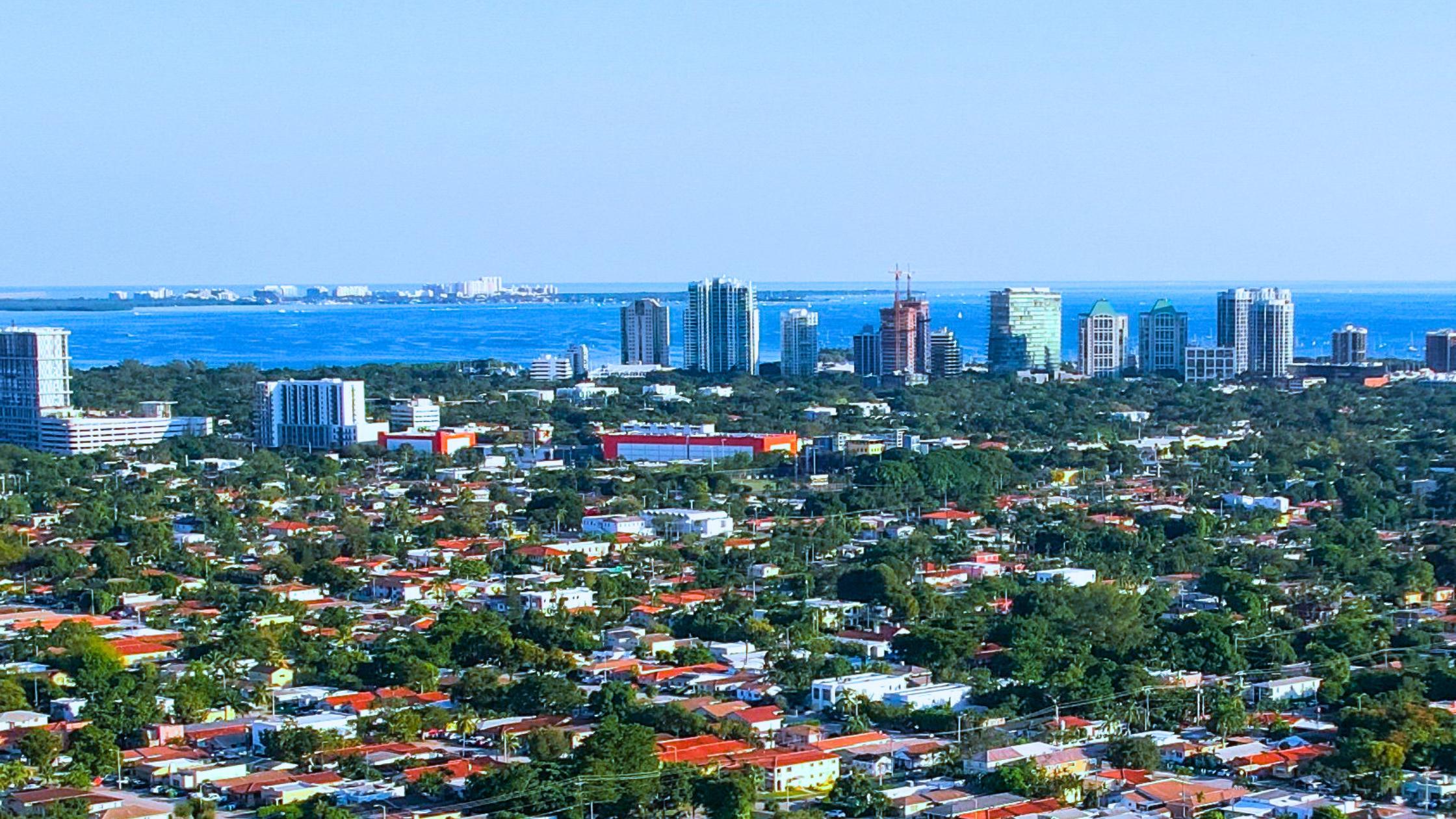
Most Coral Gables spillover buyers walk into my office with three neighborhoods on a shortlist and no idea they are actually choosing between three different governments. Glenvar Heights vs South Miami is the search I see most often, with West Miami usually added in by the second call. The three sit within a fifteen minute drive of each other, they all catch overflow from Coral Gables buyers who cannot get their price inside the city, and they trade completely differently once you understand what you are actually buying.
I live in Coral Gables. I watch this spillover happen weekly. Buyers who fell in love with the Merrick canopy, then saw the closing numbers, then started looking one street west, one street south, or one street north. Here is how I actually coach clients through the Glenvar Heights vs South Miami vs West Miami decision in 2026, from the governance question everyone misses first, to schools, walkability, price per square foot, and the resale reality most agents skip.
The one thing most buyers get wrong first
The three neighborhoods look interchangeable on a map. They are not. Only one of them is unincorporated Miami-Dade County. The other two are their own small incorporated cities with their own mayors, their own police departments, their own commissions, and their own zoning boards. This is the sentence that reframes the entire decision, and it is the sentence I have to say out loud on almost every call.
- Glenvar Heights is unincorporated Miami-Dade. Services come from the county. Police is Miami-Dade Police Department. Zoning follows county code.
- South Miami is an incorporated city of roughly 12,000 residents with its own police, its own commission, and its own downtown redevelopment authority. Home rule applies.
- West Miami is an incorporated city of roughly 6,000 residents inside about one square mile, with its own police, its own commission, and its own code.
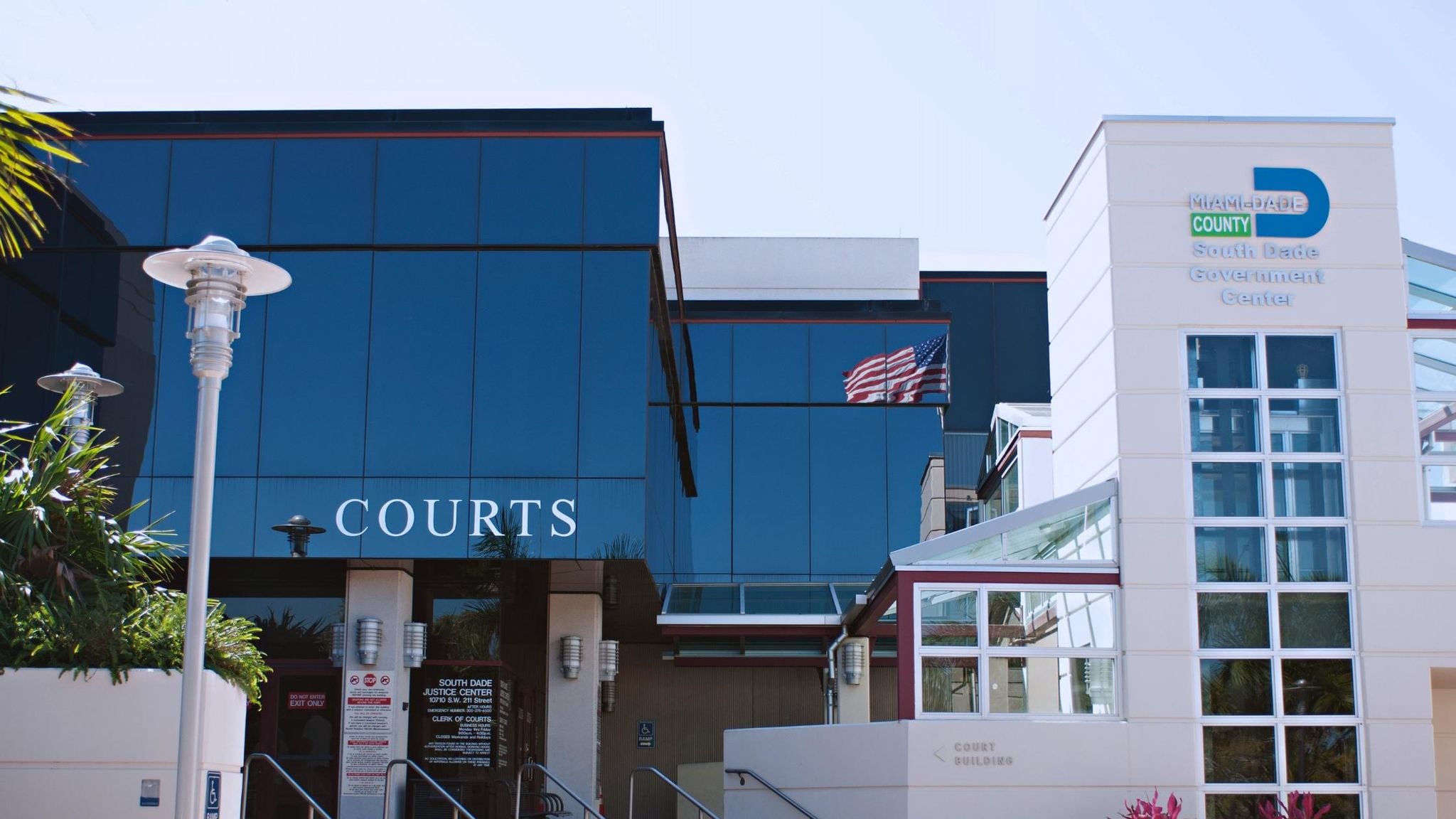
Why this matters: your day to day experience of owning a home is shaped less by the pretty streets and more by who picks up the phone when your permit stalls, who writes the parking rules on your block, and who decides whether the corner lot two houses down becomes a duplex. Coral Gables buyers are used to a city that answers those questions with a strong hand. Glenvar Heights, South Miami, and West Miami answer them very differently.
Glenvar Heights: what you are actually buying
Glenvar Heights sits directly south and west of Coral Gables, bounded loosely by Bird Road, US 1, and the University of Miami. Unincorporated status means you are buying county services, county code enforcement, and county permitting. The upside is a lighter regulatory hand than Coral Gables. The tradeoff is that when something goes wrong on your street, you are dialing 311 and taking a number.
What Glenvar Heights actually gives a Coral Gables spillover buyer:
- Sub-Coral-Gables pricing on comparable single family homes, often ten to twenty percent lower per square foot on similar vintage and lot size, though the range varies block by block and current numbers should be verified with your agent at the time of an offer.
- MetroRail access with South Miami and Dadeland South stations both within a short drive, which matters if a household member commutes downtown to Brickell or Miami International.
- Sunset Elementary attendance for a portion of the neighborhood, which is one of the top rated public elementaries in the county and a genuine reason families move here rather than jumping the border.
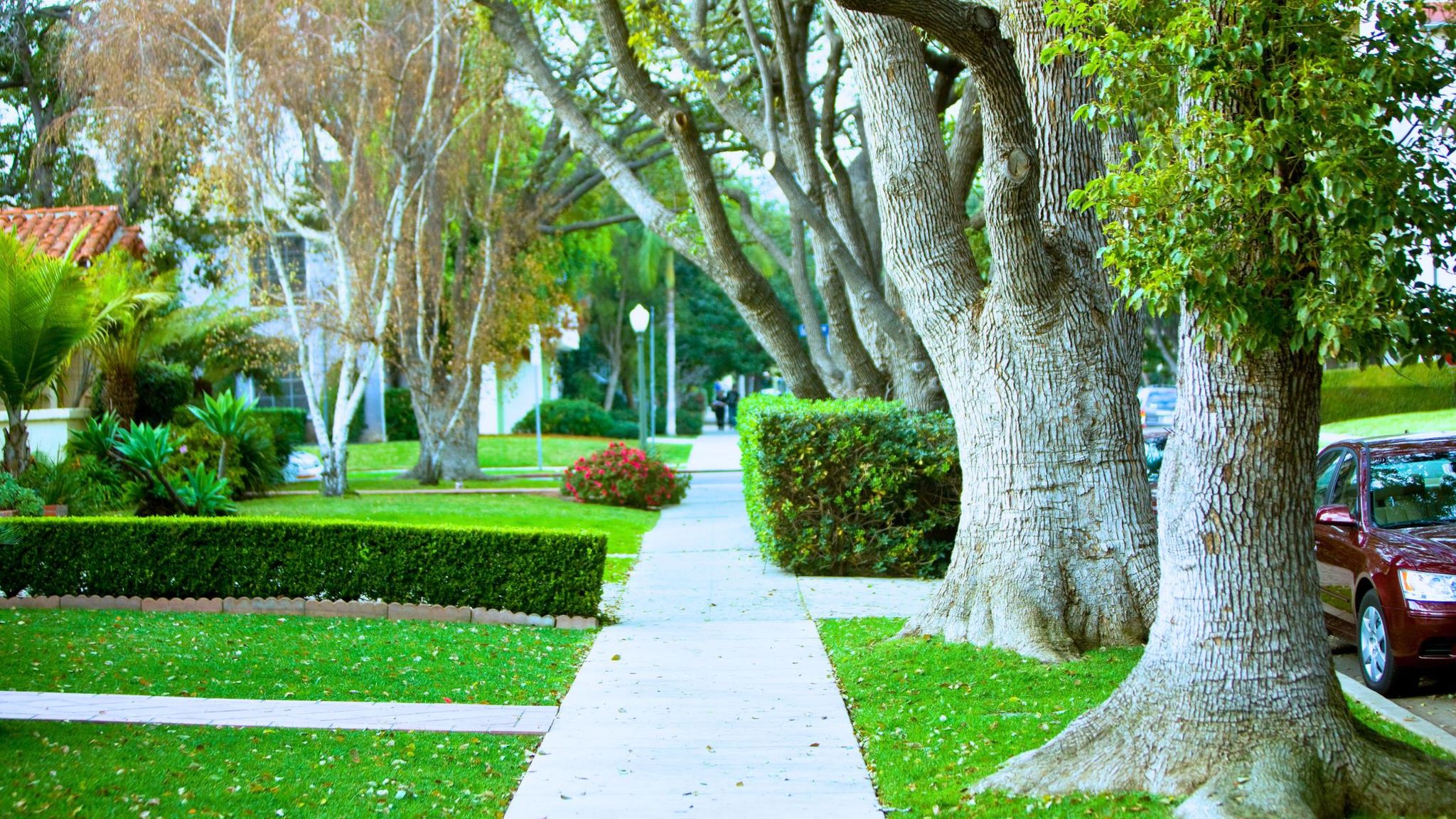
- Mature canopy that echoes Coral Gables in feel, especially on the streets closest to Sunset Drive.
What you should expect to give up:
- Design review that protects the streetscape. County code will not stop a neighbor from tearing down a 1950s ranch and building something that clashes.
- A single point of contact for city services. Everything routes through county departments.
- Strong municipal branding. Glenvar Heights does not have a downtown, a city seal, or a chamber of commerce. The identity is quieter.
For a certain buyer, that quieter identity is exactly the point. For others, it is a hard no.
South Miami: what you are actually buying
South Miami is a real incorporated city, not a direction. It runs roughly from US 1 west to Red Road and from about SW 72nd Street south to about SW 88th Street. The city has its own downtown around Sunset Drive and Red Road, its own police department, and its own long standing Sunset Place redevelopment plan that is finally moving in 2026 with the recently approved Downtown SoMi Community Development District.
What South Miami actually gives a Coral Gables spillover buyer:
- A functioning walkable downtown anchored by Shops at Sunset Place, restaurants along Sunset Drive, and the South Miami MetroRail station. This is genuinely rare in South Miami-Dade.
- University of Miami proximity with all the rental demand, service infrastructure, and dining that a large university generates two miles away.
- City services with a local face. South Miami PD, South Miami Public Works, and a commission that meets and answers residents directly.
- Real housing variety from 1950s bungalows in the north end to newer townhomes and small condo buildings near the downtown core.

What you should expect to give up:
- Some price advantage. South Miami's walkable core has been re-rated by buyers over the last five years. It is no longer the value option it was in 2018.
- Quiet. The blocks closest to Sunset Drive absorb downtown traffic and event nights.
- A single school-district story. South Miami's attendance zones vary meaningfully within the city, and the Sunset Place area draws differently than the residential streets to the north.
West Miami: what you are actually buying
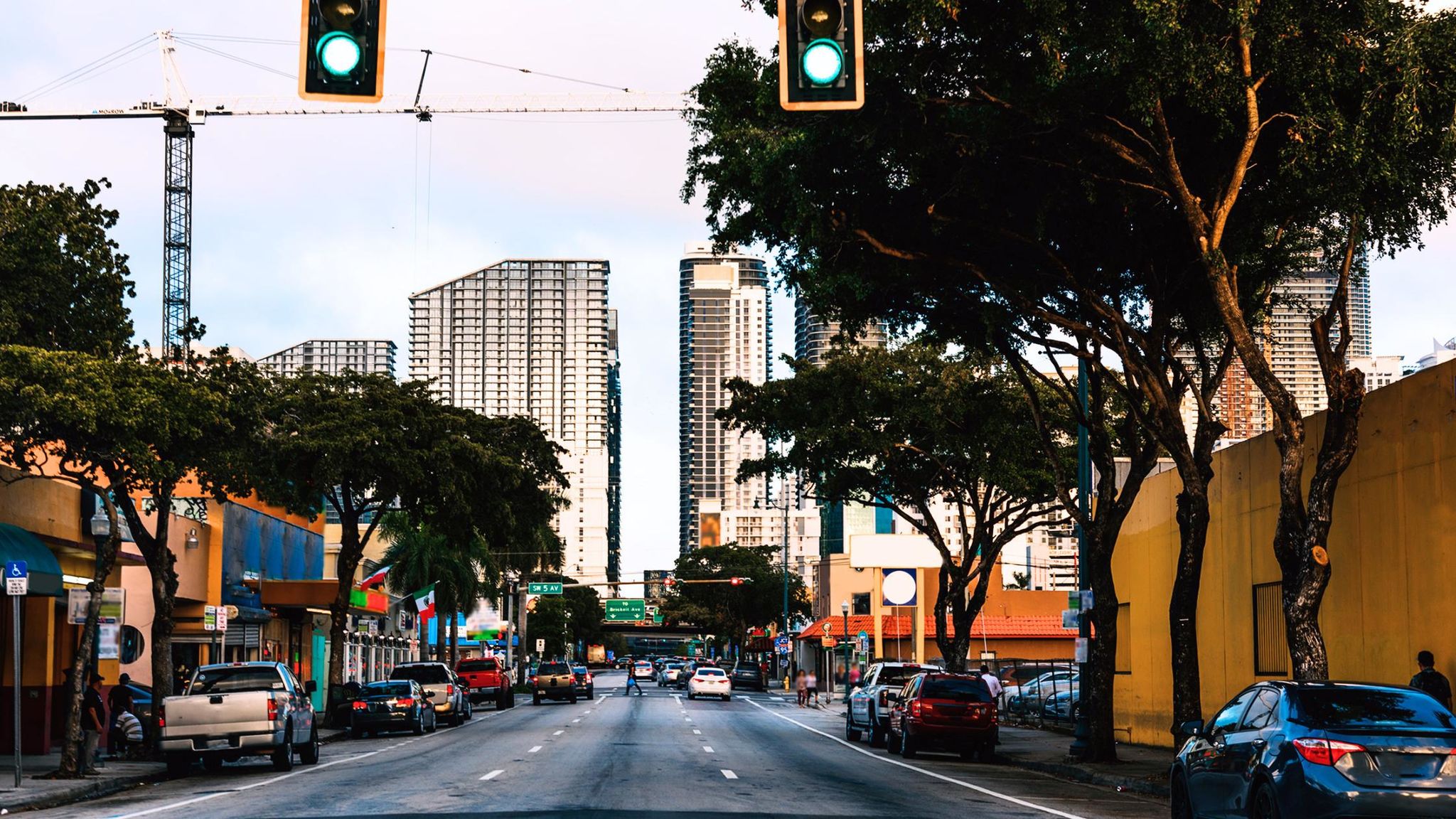
West Miami is the outlier of the three. It sits inside about one square mile between SW 8th Street (Calle Ocho), SW 16th Street, and roughly 57th to 67th Avenues. It is a tightly bounded incorporated city of roughly 6,000 residents with strong Cuban American character, a small commercial spine along Coral Way and 8th Street, and a housing stock that is mostly 1950s and 1960s single family on smaller lots.
What West Miami actually gives a Coral Gables spillover buyer:
- The lowest per square foot pricing of the three in most price bands, especially for buyers open to updating an older home rather than buying new construction.
- True walkability to a working commercial corridor along Coral Way and 8th Street, with restaurants, bakeries, and services that have been in place for decades.
- Genuine neighborhood identity. West Miami is small enough that residents actually know each other. Commission meetings are attended. Local politics matters.
- Fast access to the Palmetto and Dolphin expressways, which changes airport and doctor commutes materially.
What you should expect to give up:
- Lot size and setbacks. Most West Miami lots are smaller than what Coral Gables buyers are used to.
- The luxury dining and retail infrastructure of Sunset Drive or Miracle Mile.
- Design continuity. West Miami is not architecturally curated. Two houses on the same block can look like they belong to two different decades because they do.
Head to head: the buyer decision at a glance
The comparison below is a starting framework, not a substitute for pulling live comps and confirming attendance zones on the day of your offer. Numbers evolve month to month in a market this active.
Factor | Glenvar Heights | South Miami | West Miami |
Governance | Unincorporated Miami-Dade County | Incorporated city, ~12K residents | Incorporated city, ~6K residents |
Services | Miami-Dade PD, county code | Own PD, own PW, own commission | Own PD, own PW, own commission |
Typical relative pricing | Below South Miami, above West Miami | Highest of the three | Lowest of the three |
Walkability core | Limited, driving neighborhood | Real, around Sunset Drive | Corridor walkable, Coral Way and 8th |
MetroRail access | Close to two stations | Own station in the city | No direct station |
School district story | Portions of Sunset Elementary | Varies within city limits | Miami-Dade Public Schools, verify by address |
Best fit for | Sunset Elementary families, quieter buyers | Walkable-lifestyle buyers, UM adjacent | Value buyers, cultural fit, updaters |
Which one fits which buyer
The pattern I see is consistent. A Coral Gables buyer with two young kids and a Sunset Elementary target usually lands in Glenvar Heights. A buyer who fell in love with the walkability of Miracle Mile but got priced out often lands in South Miami. A buyer who wants a real neighborhood, is willing to renovate, and cares more about a working commercial corridor than a curated one often lands in West Miami. None of these are wrong. All three are legitimate answers to a different question.
The mistake I watch buyers make is treating the three as one shortlist and picking on price alone. Price is downstream of everything else. Governance, walkability, and school zone are the questions that shape whether you actually enjoy the house five years in. Get those right first, then let price sort the finalists.
If you are underwriting a spillover move from Coral Gables and want a live look at the current numbers, my free Miami buyer's guide walks through the same framework I use with clients, and the Miami neighborhoods hub links out to individual profiles for the surrounding areas. For a broader comparison of how these three fit into the wider Miami neighborhood map, our Miami neighborhood lifestyle guide is the pillar I built for exactly this kind of decision, and Best Neighborhoods in Miami for Safety and Schools plus Best Miami Neighborhoods for Walkability and Daily Convenience cover the two filters most Coral Gables spillover buyers weight hardest.
For the governance-level details, the Miami-Dade County unincorporated services overview is the official source on what the county provides in Glenvar Heights. The City of South Miami and the City of West Miami sites cover their own city services, commissions, and code. You can also confirm public school attendance by address at the Miami-Dade County Public Schools boundary lookup and pull current assessed values from the Miami-Dade Property Appraiser.
Ready to compare live numbers?
If you are working through a Glenvar Heights vs South Miami vs West Miami decision right now, I would rather run the current comps with you than have you decide from a chart. I live one neighborhood over, I walk these streets, and I have watched clients get this right and get it wrong for years. Reach out here and I will pull the live numbers on any specific address you are considering and help you decide which of the three actually fits how you live.