
Miami is now the second-largest branded residence market on the planet, and buyers are paying an average 32% premium over comparable non-branded product to be in one. That number comes from Savills' Branded Residences research, and after closing on both sides of these deals since 2018, I can tell you exactly where that premium earns its keep and where it burns a hole in your basis.
I started my career in real estate finance in 2006 as a mortgage loan originator, which means I read a condo association budget the way a cardiologist reads an EKG. When I walk a Four Seasons, an Aston Martin, or a Baccarat with a client, the tour is fine. The conversation I actually care about happens 20 minutes later at my kitchen table in Coral Gables, with the offering plan open and a calculator between us. This post is that conversation, on the record.
What Counts as a Branded Residence in Miami Right Now
A branded residence is a condo (or a single-family enclave, occasionally) that licenses a hospitality, fashion, or auto brand and, in most cases, borrows the operating standards of that brand. In Miami in 2026 that includes hospitality names like Four Seasons, St. Regis, Ritz-Carlton, Mandarin Oriental, Rosewood, Waldorf Astoria, Aman, EDITION, and Faena. It includes fashion and design houses like Missoni, Fendi, Elie Saab, and ELLE. And it increasingly includes automotive: Aston Martin Residences downtown, Bentley Residences and the coming Pagani Residences in Sunny Isles Beach, and Porsche Design Tower already delivered.
Miami has 48 completed branded projects and 55 more in the pipeline, according to Savills' 2025/2026 report. That is a staggering concentration for one metro, and it's why the branded conversation now runs through nearly every luxury tour I do. For a broader read on what's under construction right now, my Ultimate Guide to Miami's New Luxury Condo Developments tracks the pipeline building by building.
The 32% Premium: What You're Actually Paying For
Here's the honest split of what that premium covers.
Line item | Real value | Marketing spin |
Design and finish package | Genuine, if the brand actually specified the interiors | "Curated by" language when the brand only signed off on a lobby |
Service and staffing | Real when the flag operates the building, thin when it's just a license | "5-star lifestyle" without a hotel operator on site |
Resale liquidity | Real for A-tier hospitality brands with global buyer recognition | Weakest for niche or fashion-only flags |
Amenity depth | Real, and often the best in the neighborhood | Often duplicative if you already belong to a club |
HOA fees | You pay for the service level in monthly dues, sometimes $3 to $5 per square foot | Rarely disclosed cleanly upfront |
The global branded residence market analysis by Brand-Atlas puts the international average premium at 25% to 35%, with hospitality-operated projects at the top of that band and fashion-only licenses at the bottom. Miami mirrors that curve. Four Seasons and St. Regis command the fattest premiums here. A fashion-house license without a hotel operator rarely holds the same delta at resale.
Where the Brand Delivers Real Value
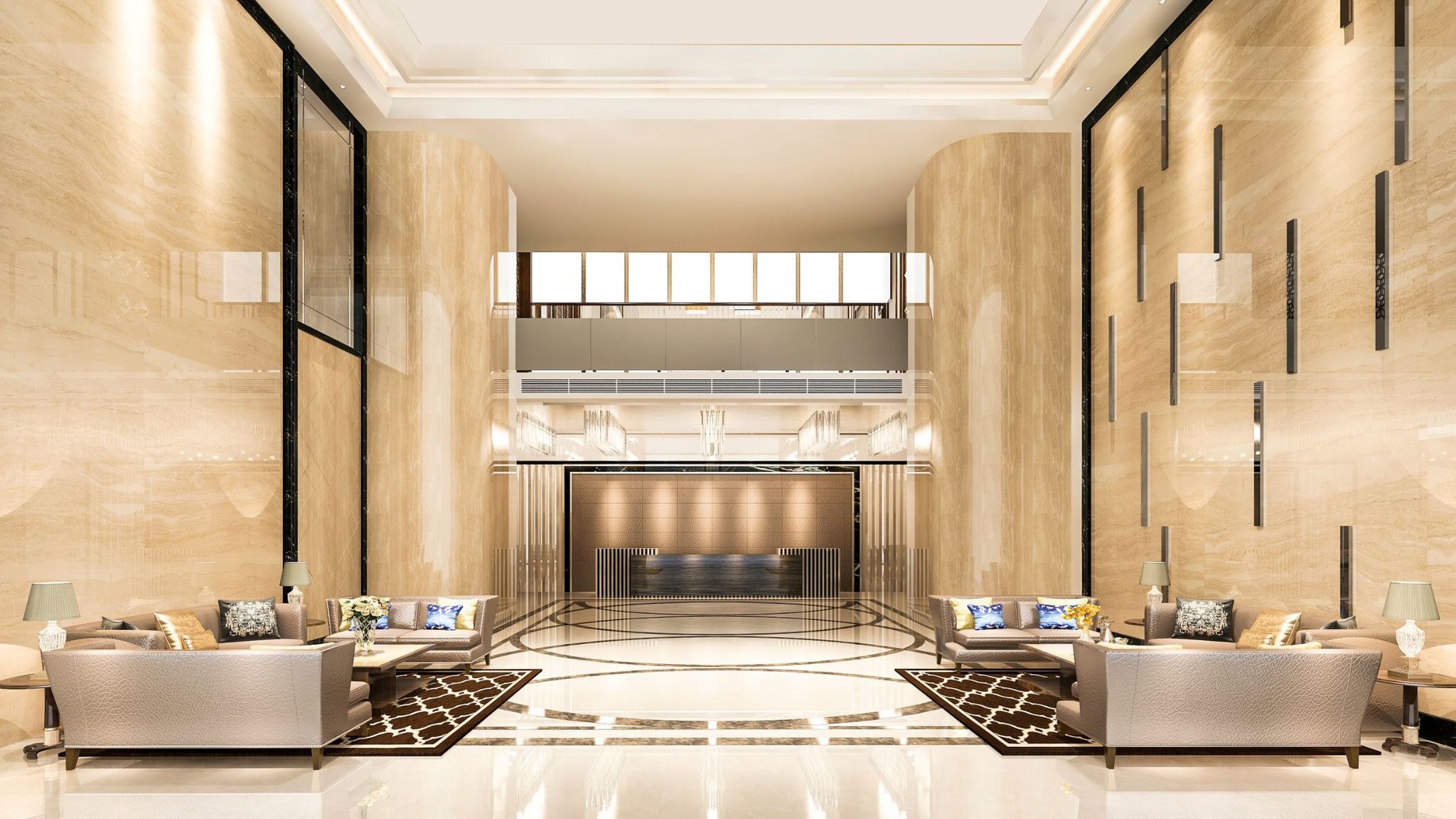
- Service you can actually use. In a true hospitality-operated building, you get room service to your unit, twice-daily housekeeping, a doorman who knows your dog, a concierge who books your Art Basel dinners, and a spa you don't need to leave the property to reach. If you travel three weeks a month or run a Miami pied-à-terre, that service is not a nice-to-have. It's the whole point.
- Global resale recognition. A buyer flying in from São Paulo or Dubai types the brand into a search bar and gets your building. A comparable non-branded tower has to compete on address alone. For international buyers, and Miami's luxury market is heavily international, the flag is a shortcut for trust.
- Rental yield, where the building permits it. Some branded buildings allow short-term rentals through the operator's program, which effectively gives you a turnkey rental with hotel-level occupancy data. This is where my finance brain lights up: if the operator's rental program hits 60% occupancy at a $1,200 ADR, the math on a $3M unit starts to look like an actual investment, not a lifestyle purchase. I walked through why this cash-flow lens matters for pre-construction buyers in Miami's Pre-Construction Condo Process.
- Reserve funding and building maintenance. Branded buildings, especially hospitality-operated ones, tend to run their reserves more disciplined than non-branded product. That is not a guarantee, but the operator has reputational skin in the game. After the special-assessment stories of the last few years across South Florida, that matters.
Where the Logo Doesn't Justify the Line Item
- When the brand is a license, not an operator. Some Miami "branded" projects license the name for the marketing package and hand the day-to-day building operation to a standard management company. You pay a hospitality premium and get a non-hospitality building. Read the operating agreement, not the sales brochure.
- When maintenance fees eat the resale math. I've modeled deals where a 32% purchase premium is fine, but $3.50 per square foot in monthly HOAs compounds over a 7-year hold and turns a "trophy asset" into a break-even. Fees are the silent killer. Always ask for a five-year fee trajectory, not just year one.
- When you already have the service elsewhere. If you're a member at a club that already gives you spa, dining, and concierge, the branded amenity stack is duplicative. You'd be paying twice for the same lifestyle.
- When the flag is unproven at resale. A first-of-its-kind branded project in a new category (a fashion brand's first residential license, an auto brand's first US building) is a bet. It may pay off. It also may not have the resale benchmark yet, and lenders sometimes discount it accordingly. The broader luxury condo pricing dynamic across Miami is worth understanding before you commit to a flag that's still writing its Miami track record.

How to Pressure-Test a Branded Deal Before You Sign
Here's the checklist I run with clients on any branded purchase in Miami.
- Read the license agreement, not the marketing. Confirm whether the brand operates the building or licenses the name only. Get the answer in writing.
- Model the fees over 10 years. Assume 5% annual HOA growth. Look at the reserve study. Ask what percentage of the reserve is funded today.
- Benchmark price per square foot against three non-branded Class A+ comparables within a half-mile. The delta is your real "brand premium," not the developer's marketing number.
- Check the rental policy in the condo docs, and if rentals are allowed, ask the operator for occupancy and ADR history on any comparable project they run.
- Talk to two current owners from a completed phase or a prior operator project. Ask what has and hasn't matched the pitch. Most sales teams will decline this request. That's information.
- Underwrite the exit, not just the entry. What is the estimated resale spread against non-branded in year 5? Year 10? The Miami new construction hub I keep on the site is where I track the delivered projects that are now writing that resale data in real time.
If you're a first-time luxury buyer running this playbook, the free Home Buyer Guide covers the underlying diligence framework I use on any Miami purchase, branded or not.
Ready to pressure-test a specific building?
If you're weighing a branded purchase in Miami, or trying to decide between a branded tower and a comparable non-branded Class A+ address, I run this exact modeling for clients before they sign anything. Reach out here and I'll put together a side-by-side on the two or three buildings you're considering.
Check out this article next