

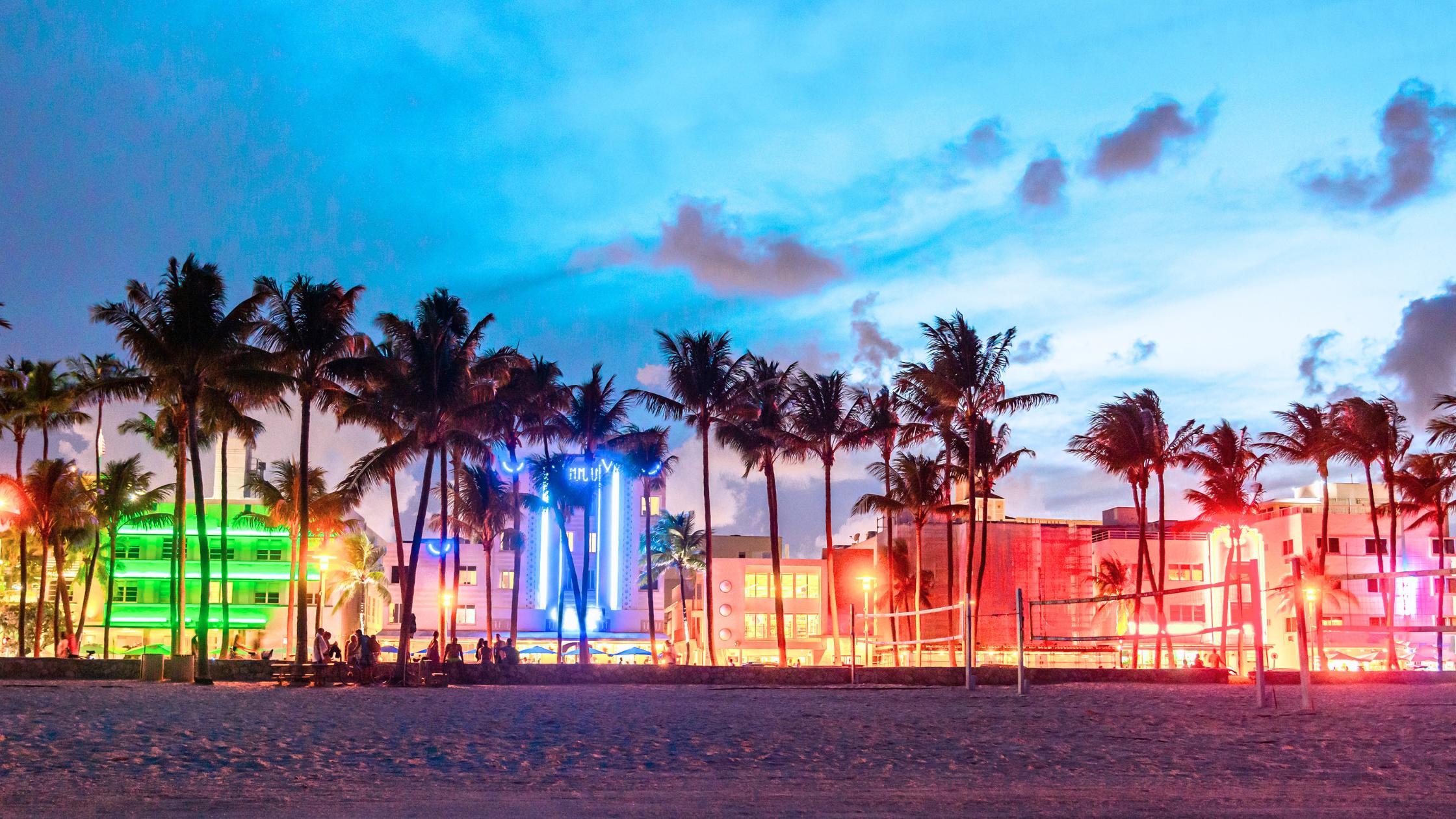
The building sells the unit in South Beach, not the unit. I have been telling my clients some version of that line for years, but in 2026 it is finally quantifiable. Selling a home in South Beach right now depends less on your view or your finishes than on whether your building is on the Fannie Mae warrantable list, whether the Structural Integrity Reserve Study is filed, and whether the reserves clear the new 15 percent bar. I write mortgages back to 2006, and this is the first cycle where the loan underwriter and the condo board are telling the same story. If you are a South Beach seller in 2026 and you do not know your building's warrantability status, you are already leaving money on the table.
What is actually happening in the South Beach condo market in 2026
Let me set the numbers first, because this is where most sellers start with the wrong picture.
Miami Beach's median sale price sits near $630,000 in early 2026, about 1.2 percent below a year ago according to Redfin's Miami Beach housing data. The average condo here is spending about 130 days on the market. Zoom out to Miami-Dade and the condo supply is north of 13 months, well past the definition of a buyer's market per MIAMI REALTORS statistics. Around 15 percent of active listings countywide are cutting prices, averaging a 4.5 percent reduction.
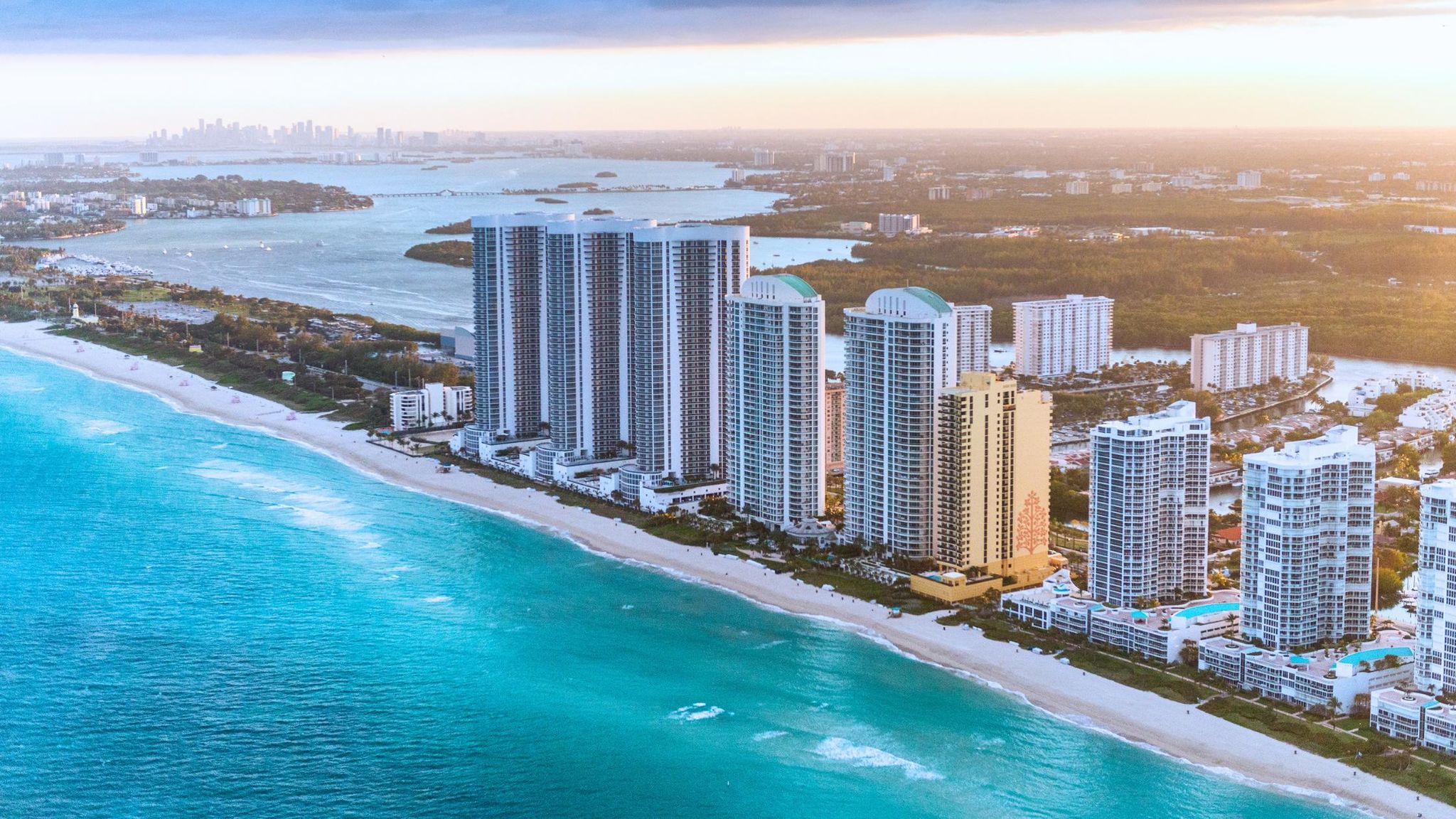
That is one story. The more useful one is that South Beach in 2026 is a two-tier market. There is a warrantable, fully compliant, well-reserved tier where units still move at reasonable timelines. Then there is a non-warrantable tier where the only buyer is a cash buyer, the offers come in soft, and DOM pushes past 200. Sellers in the second tier who price like they are in the first are the ones who sit. Find out which tier your building is in before you set a price. If you are still deciding whether South Beach is even the right sale to make in this cycle, my broader guide to where to live in Miami frames the trade-offs against every other neighborhood on the map.
Why the building sells your unit (SIRS + Fannie Mae warrantability)
Two things changed the seller math in 2026 more than any market shift did.
The first is Florida's Structural Integrity Reserve Study, or SIRS, required under the Florida Building Safety Act. Every condo three stories or taller in the state was required to complete one by December 31, 2025. If your association also had a Milestone Inspection deadline, some of that timing extended to December 31, 2026. If your building's SIRS is done and funded, that is a green light for buyers. If it is late, missing, or shows a shortfall the board has not funded, buyers and their lenders see it immediately in the resale package.
The second is Fannie Mae's updated condo project standards. Starting with loans dated on or after January 4, 2027, the reserve minimum climbs from 10 percent of the annual budget to 15 percent. Limited Review, the shortcut lenders used to approve small loans in questionable projects, is being eliminated. Every conventional condo purchase now runs through the full project review.
Here is what that means in practice. If your building fails project review, the conventional loan door closes. Your buyer pool shrinks to cash, private lenders, and non-QM mortgages priced in the 8 to 9 percent range. The same unit at the same price hits a buyer's monthly payment several hundred dollars higher on the non-warrantable path, and appraisal risk compounds. In a 130-day-DOM market, a shrunken buyer pool is not a small problem.
If your building is compliant, you compete for the full buyer pool. If not, you compete for a smaller one at a lower clearing price.
The 90-day pre-list playbook for South Beach sellers
Here is the sequence I run with every South Beach client. It compresses a year of hesitation into 90 focused days, and it costs almost nothing to execute.
Days 1 to 14: Order the building resale packet and read it like an underwriter. Request the full HOA package, financials, the SIRS report, the Milestone Inspection status, the most recent insurance declarations, and the assessment history. Do not skim it. This is the exact package a buyer's lender will pull, and if there is a red flag in there, you want to know before your listing agent does.
Days 15 to 45: Fix what you can, disclose what you cannot. Small unit repairs first: water intrusion, sliding-door tracks, cracked balcony tile, anything a Miami Beach inspector will circle. Then coordinate with the association on any pending special assessment and who pays it. Get that answer in writing.
Days 45 to 75: Interview two to three agents and pull comps by building, not by neighborhood. Comparing a South Beach unit against the "Miami Beach average" is one of the fastest ways to overprice. Your real comp set is the last four sales in your building, or the closest warrantability-matched building on the same block.
Days 75 to 90: Set your price using the framework below and launch. By this point you know your tier, your true comp set, your assessment exposure, and your buyer profile. That is the price. Not what you paid in 2018, not what your neighbor is asking, not a number that leaves room to negotiate. The number the market will meet.
How to actually price a South Beach condo in 2026
This is the framework I use. Three tiers, three different pricing conversations.
Tier | Typical building | Buyer pool | Time to sell | Price positioning |
Warrantable + waterfront | Full SIRS, funded reserves, oceanfront or direct-bay | Conventional financed + cash + international | 60 to 90 days | At market, small premium for view |
Warrantable + interior | Full SIRS, funded reserves, non-water view | Conventional financed + cash | 90 to 130 days | At market, no premium |
Non-warrantable | SIRS late or short, assessment pending, Fannie Mae ineligible | Cash and non-QM only | 150+ days | 5 to 12 percent below comparable warrantable comp, disclose upfront |
The mistake I watch sellers make is pricing a Tier 3 unit like a Tier 1 unit and hoping a cash buyer will show up and pay it. In 2026, cash buyers know exactly which buildings are non-warrantable and price their offers accordingly. Position honestly on Tier 3 and you close in 5 months. Position dishonestly and you sit for 12. Sellers competing against new supply on Collins should read Miami's pre-construction condo process so you can preempt buyer questions about deposits, timelines, and delivery risk on the towers your resale sits next to.
Prep, photos, and positioning the Deco District way
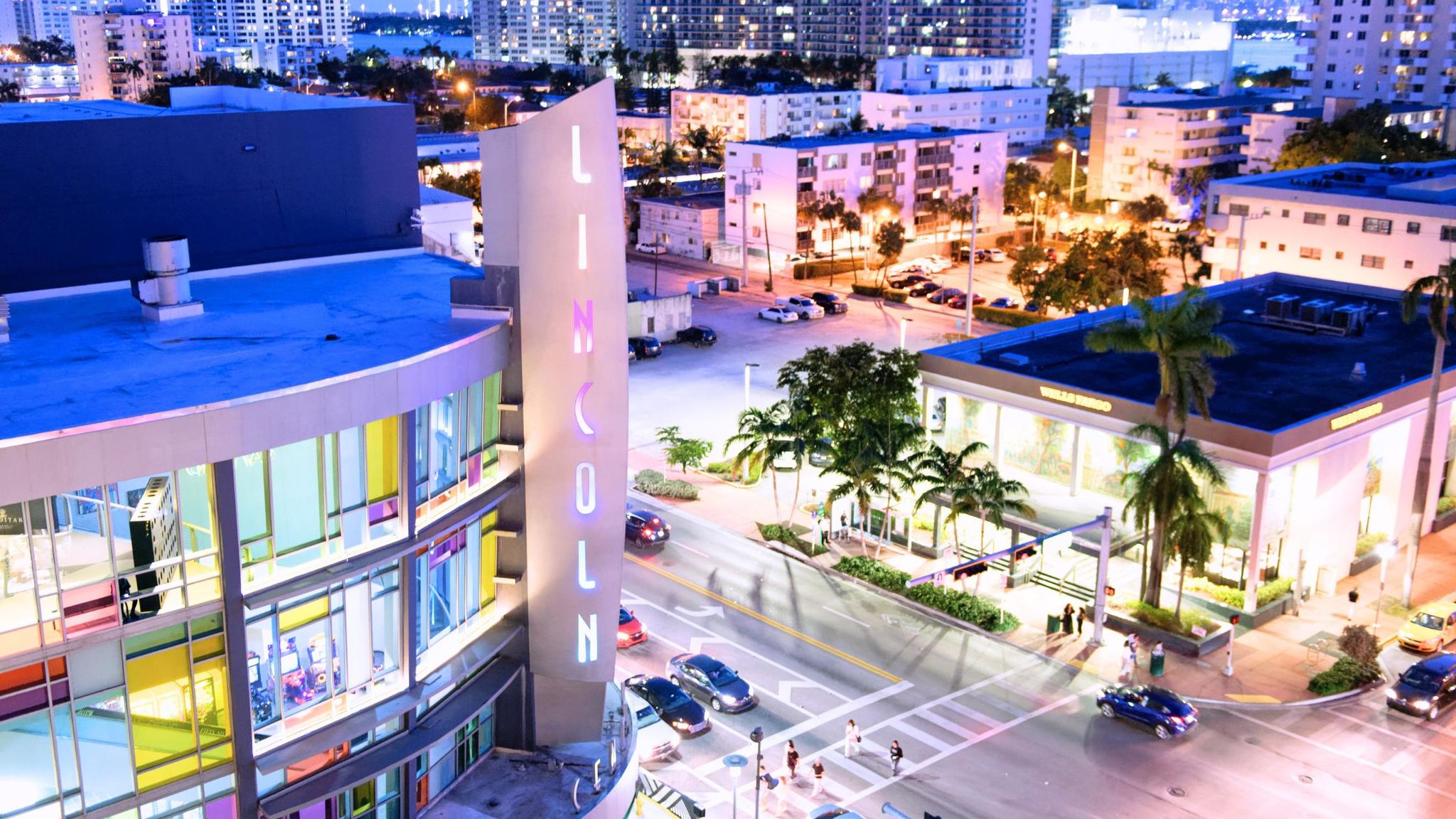
South Beach is not a family-suburb sale. Your buyer is almost certainly a second-home owner, an international buyer, or an investor, and the National Association of Realtors buyer profile data backs that up on the vacation-home category year over year. Stage light. Let the Deco lines of the building show. Photograph the ocean view if you have one and the walkability if you do not. Get an aerial that puts your building in context on Ocean Drive, Collins, or West Avenue.
Lean into the two things South Beach still owns: walkability and architecture. Everything inside a 10-minute walk belongs in the listing. If your building is a designated historic Deco property, that is a real premium. Say so, and if the buyer is out of town my primer on Miami architectural styles from Art Deco to modern luxury gives them the context to understand why the building matters.
The finance close on the listing description is the part most agents skip. If your building is warrantable and clean on SIRS, put that in the description. Buyer's agents scan for it, and sellers who tell the finance story upfront pull financed offers faster.
What South Beach sellers get wrong every time
- Assuming a cash buyer will close in two weeks and pay full asking. In 2026, cash buyers are the most disciplined pricing group in the market and they negotiate hardest.
- Ignoring assessment history. Two special assessments in three years will show up in the resale package, and buyers will factor them into their offer.
- Overpricing to leave room. In a 130-day-DOM market, the list price anchors the market. Overprice and you re-list at a discount six weeks later, which reads as damaged goods.
- Refusing to fix visible unit issues before listing. Every one becomes a negotiation lever after inspection.
- Ignoring the flood zone story. Sellers who get ahead of the insurance conversation with recent policy binders and a clear elevation certificate close faster; my Miami flood zones and insurance guide is the exact context to hand a buyer's agent on the first showing.
Ready to sell in South Beach?
If you own in South Beach and you are thinking about selling in the next 12 months, the earliest thing worth doing is a building-status review. It costs you nothing, and it decides everything about your pricing strategy. If you want a second set of eyes on your resale package, your comp set, or your listing timing, reach out and we will run it together.
If you want to start with the strategy, my Free Seller's Guide covers the full pre-list sequence.