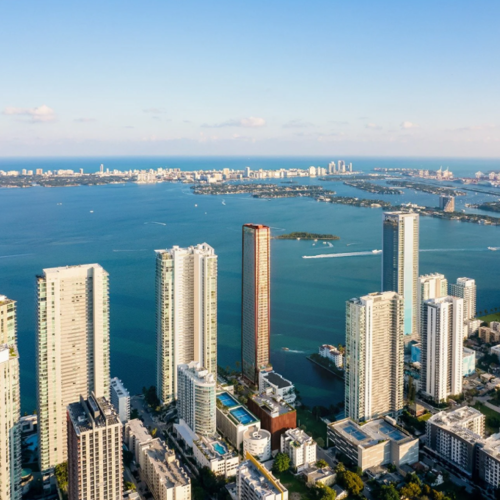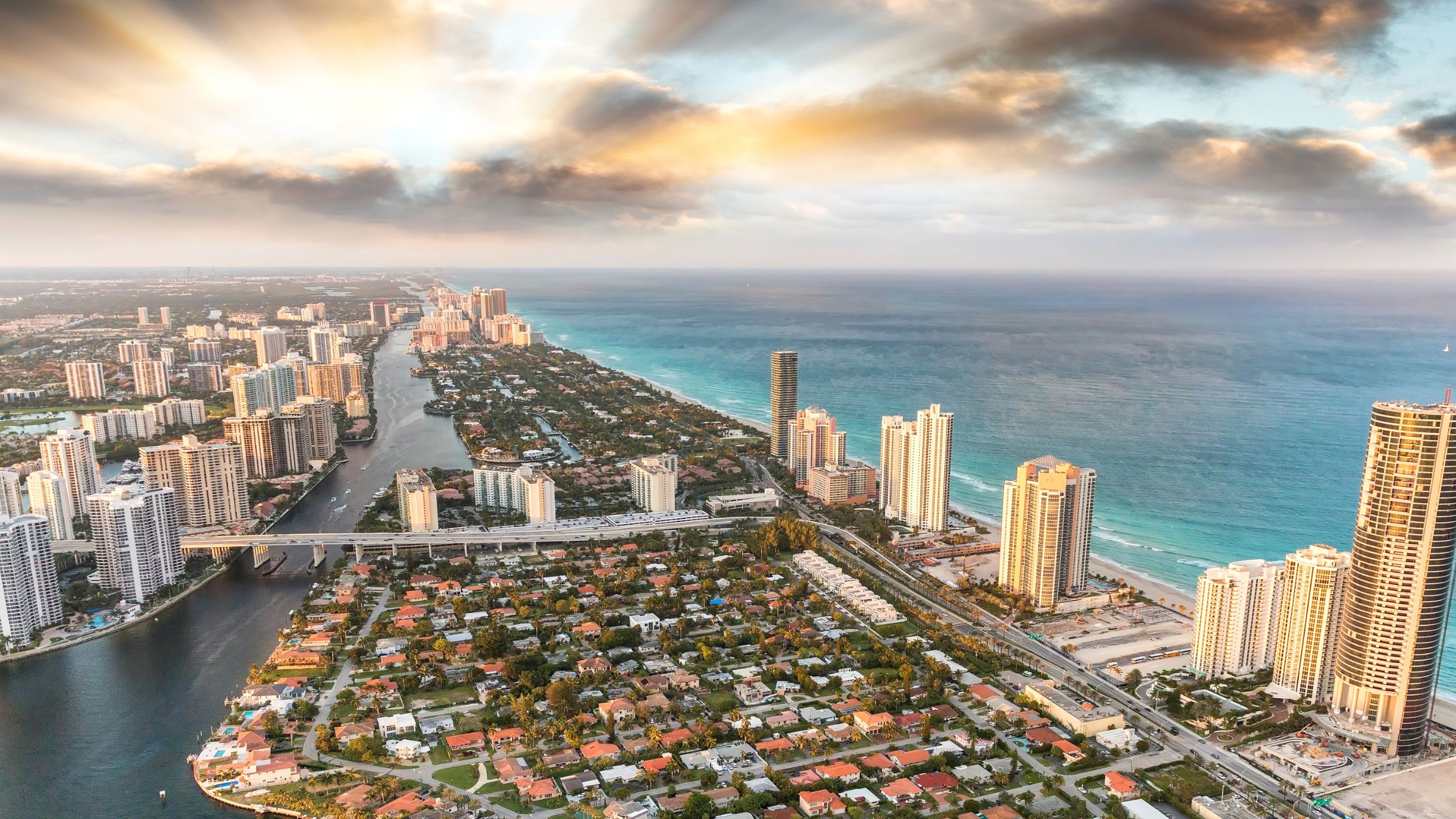
Miami is not a one-size-fits-all city. Lifestyle, housing stock, walkability, and long-term value vary significantly from one neighborhood to the next. Buyers relocating to Miami or moving within the city often ask the same question: Where is the best place to live in Miami?
The answer depends on priorities. Some buyers value walkability and dining. Others focus on schools, safety, or long-term appreciation. This guide breaks down Miami’s residential landscape through a practical, neighborhood-by-neighborhood lens to help buyers, investors, and long-term residents make informed decisions.
Is Miami a Good Place to Live?
- Miami offers diverse neighborhoods that support different lifestyles, from urban high-rise living to family-oriented residential areas.
- The city combines year-round outdoor amenities with strong cultural, dining, and waterfront access.
- Housing options range from luxury condos to historic single-family homes across distinct neighborhoods.
- Demand remains steady due to relocation trends, international interest, and limited land availability.
- Choosing the right neighborhood matters more than choosing the city itself.

Neighborhood Overview
Miami is best understood as a collection of micro-markets rather than a single housing market. Each neighborhood has its own rhythm, buyer profile, and long-term outlook.
Broadly, Miami neighborhoods fall into four lifestyle categories:
- Urban Core: Brickell, Downtown Miami, Edgewater
- Residential and Family-Focused: Coral Gables, Coconut Grove, Pinecrest
- Creative and Cultural Districts: Wynwood, Little Havana, Design District
- Waterfront and Coastal: Miami Beach, Key Biscayne, Bay Harbor Islands
Understanding where each neighborhood fits helps narrow the search quickly.
Lifestyle and Daily Living
Lifestyle is often the deciding factor for buyers choosing where to live in Miami.
Walkability and Transportation
- Brickell and Downtown Miami offer the highest walkability, with access to Metromover and Metrorail.
- Coral Gables and Coconut Grove are moderately walkable but more car-dependent.
- Suburban neighborhoods prioritize space and privacy over walkability.
Dining, Parks, and Culture
- Brickell and Wynwood lead in dining density and nightlife.
- Coconut Grove and Coral Gables offer balanced dining with green space.
- Miami Beach and Key Biscayne emphasize waterfront access and outdoor recreation.
Day-to-Day Convenience
Buyers who work remotely or commute locally often prioritize neighborhoods with:
- Grocery access
- Medical services
- Schools
- Parks and walking paths
For buyers planning long-term, neighborhoods in Miami known for safety and strong schools often become a key part of the decision process.
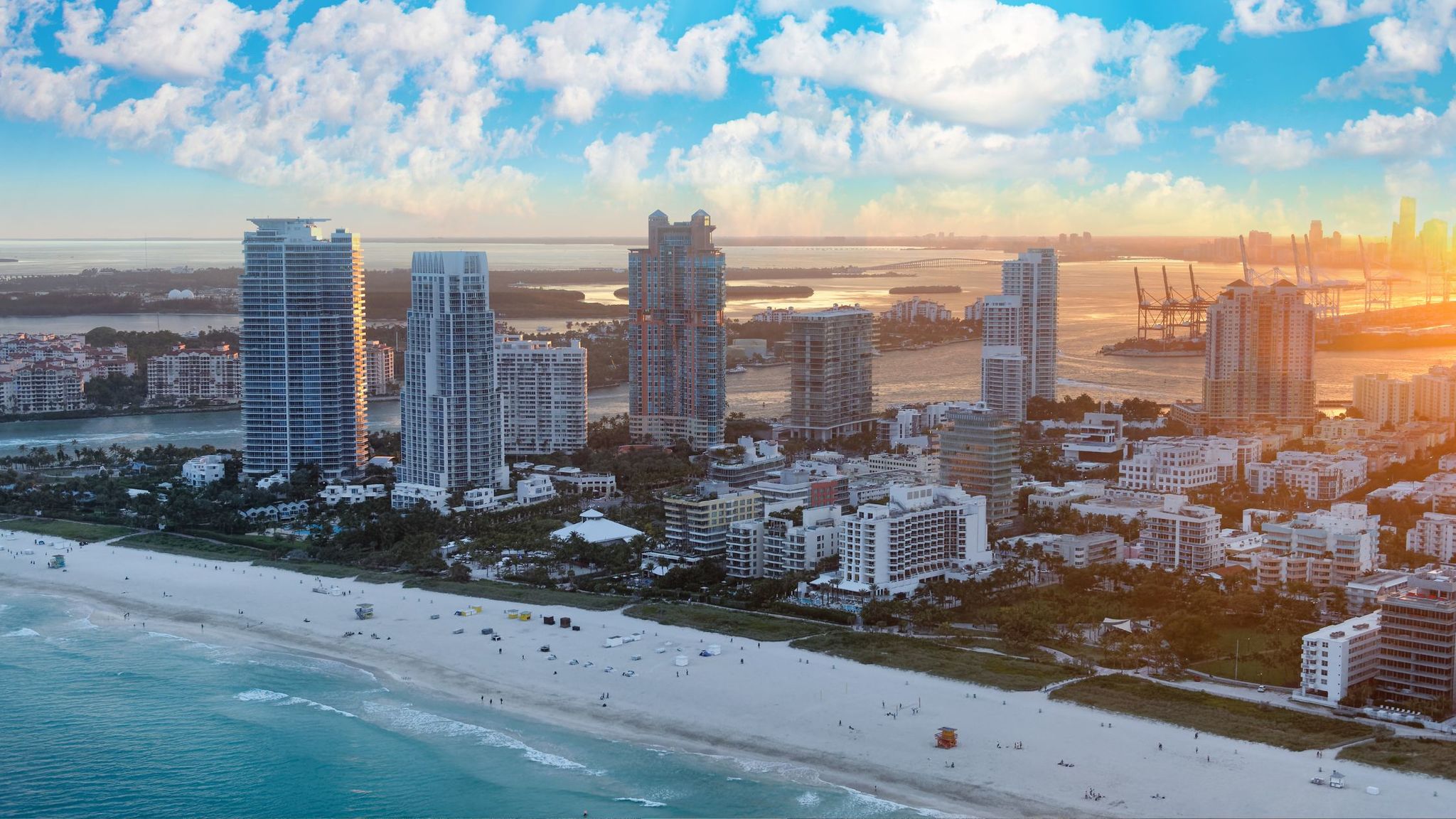
Miami Real Estate Market (2026)
- Miami housing includes condos, townhomes, and single-family residences across distinct submarkets.
- Demand remains strongest in walkable and lifestyle-driven neighborhoods.
- Limited land availability supports long-term value stability.
- Buyer activity is driven by relocation, second-home ownership, and investment demand.
Neighborhood-specific trends matter more than city-wide averages.
Real Estate Market Overview (2026)
Miami’s real estate market is shaped by supply constraints, zoning differences, and neighborhood desirability.
Housing Types by Area
- Brickell and Downtown: High-rise condos and mixed-use developments
- Coral Gables and Coconut Grove: Single-family homes and low-density condos
- Wynwood and Edgewater: Mid-rise condos and newer residential developments
- Miami Beach and Key Biscayne: Waterfront condos and luxury homes
Buyer Behavior
Buyers increasingly prioritize:
- Lifestyle compatibility
- Long-term livability
- Neighborhood character
- Access to amenities rather than size alone
Who Is Miami Best For?
- Professionals seeking walkable, urban living often choose Brickell or Downtown Miami.
- Families often take a closer look at how safety and school quality vary by neighborhood before narrowing their options.
- Creative professionals are drawn to Wynwood and the Design District.
- Investors focus on neighborhoods with rental demand and zoning flexibility.
Who Each Neighborhood Is Best Suited For
Brickell
Best for:
- Professionals
- Condo buyers
- Buyers seeking walkability and transit access
Coral Gables
Best for:
- Families
- Buyers seeking historic homes
- Long-term residents prioritizing schools and stability
Coconut Grove
Best for:
- Buyers seeking a balance of nature and city access
- Families and professionals
- Walkable, village-style living
Wynwood
Best for:
- Creative professionals
- Buyers comfortable with evolving neighborhoods
- Those prioritizing culture and dining
Miami Beach
Best for:
- Waterfront lifestyle seekers
- Second-home buyers
- Buyers prioritizing beach access
Is Miami a Good Investment?
- Long-term value is supported by limited land availability and sustained relocation demand.
- Neighborhood selection plays a critical role in investment performance.
- Walkable and amenity-rich areas show stronger demand consistency.
- Rental demand remains stable in urban and lifestyle-focused neighborhoods.
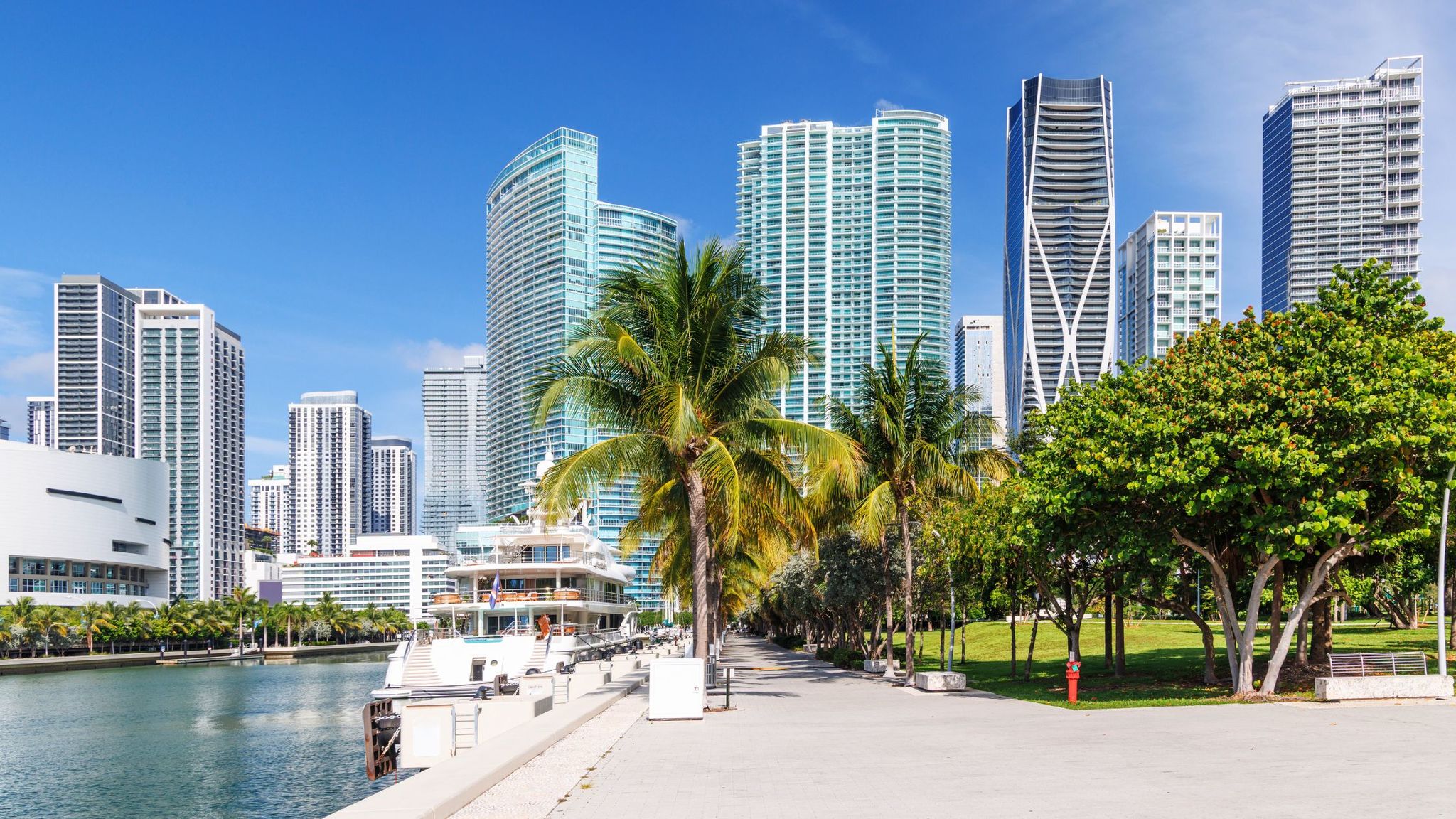
Investment and Long-Term Value Considerations
Investors and long-term buyers should focus on fundamentals rather than short-term trends.
Key drivers include:
- Zoning and development limitations
- Infrastructure and transit access
- School districts and neighborhood reputation
- Rental demand stability
Neighborhoods with established identity and limited new supply tend to perform more consistently over time.
Neighborhood Comparisons
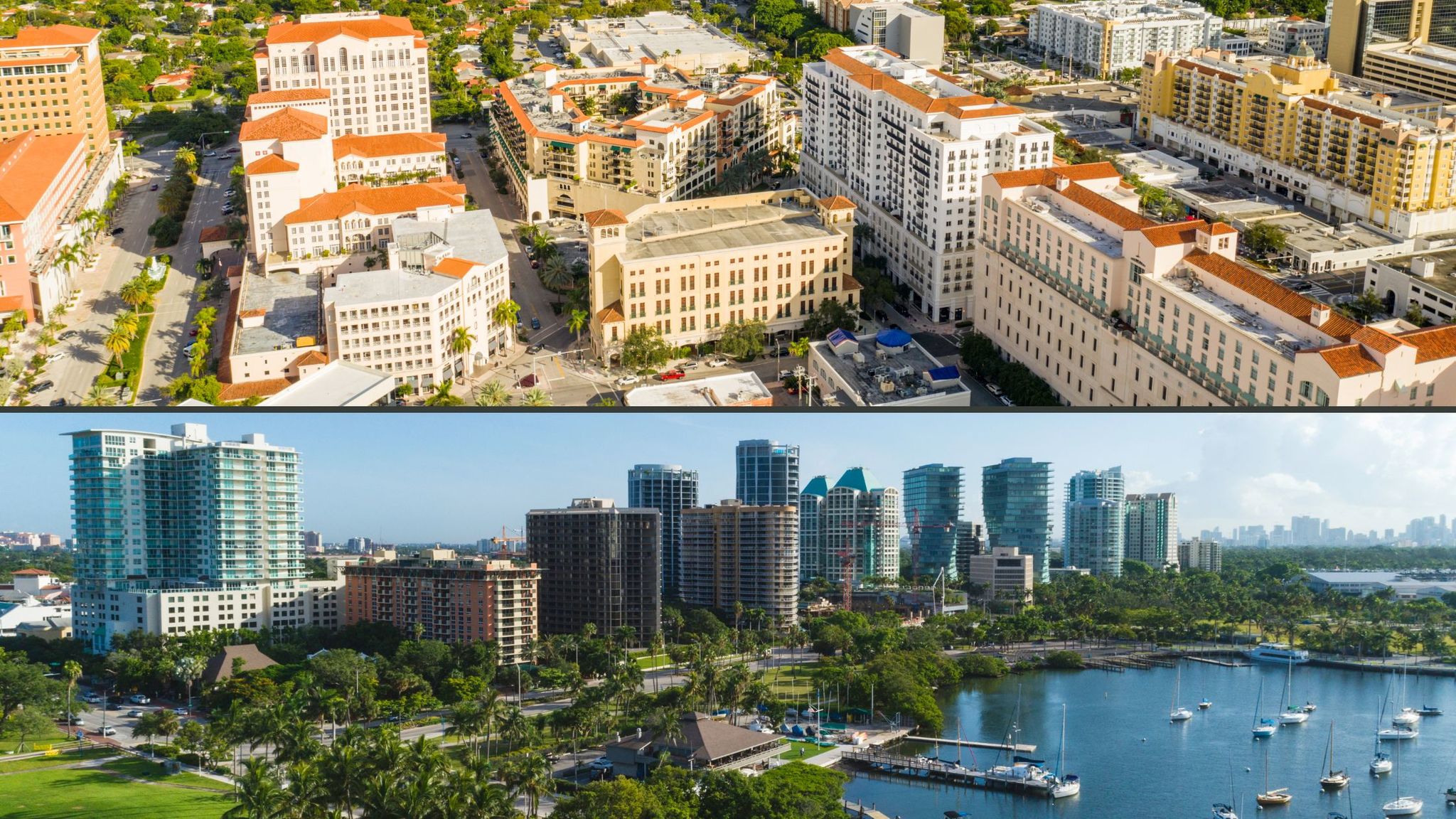
Coconut Grove vs Coral Gables
- Coconut Grove offers more walkability and a relaxed lifestyle.
- Coral Gables emphasizes residential stability and schools.
- Both appeal to long-term buyers, but lifestyle preferences differ.
Brickell vs Wynwood
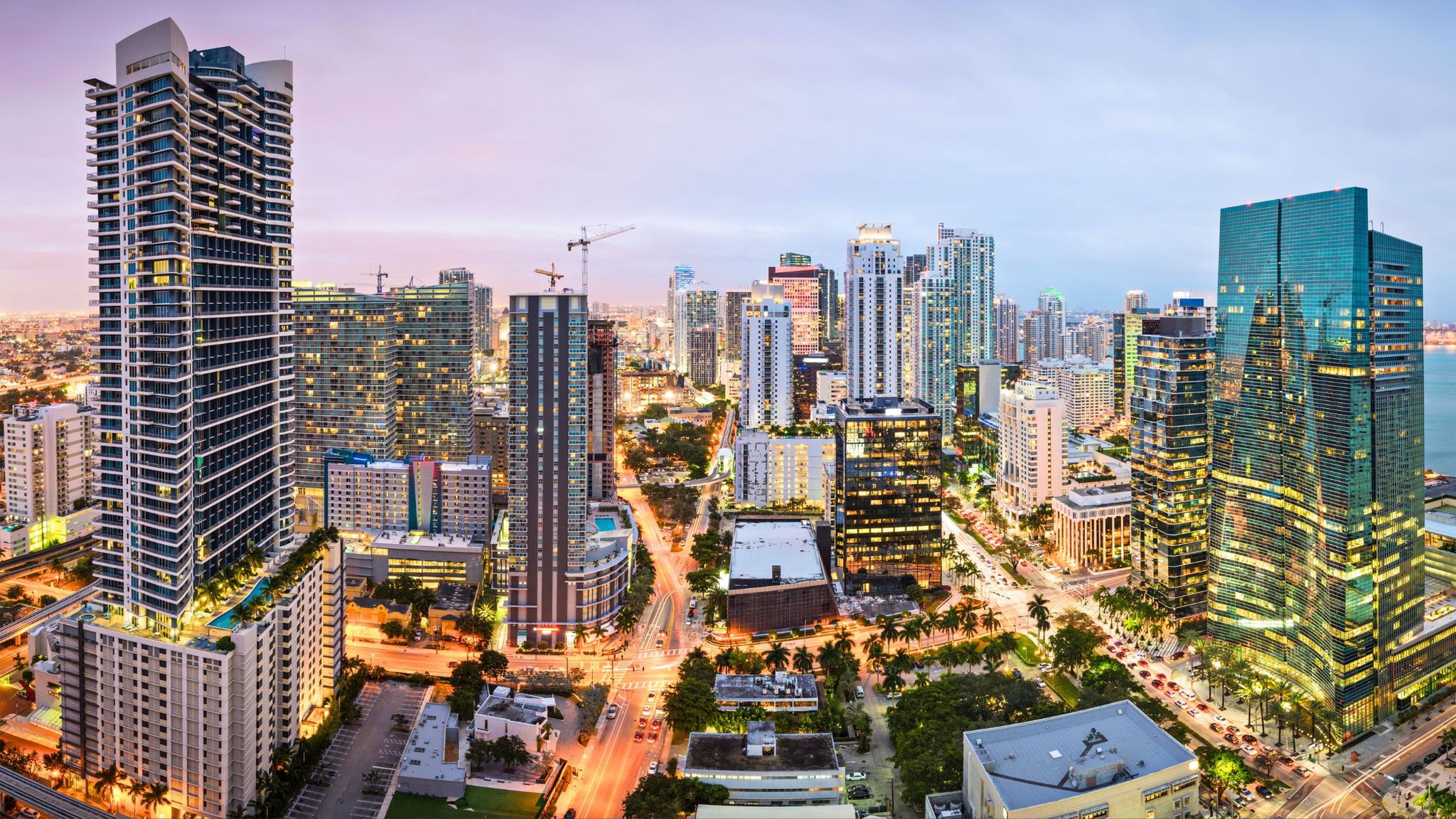
- Brickell is more established with dense residential infrastructure.
- Wynwood offers cultural appeal but continues to evolve.
- Buyer risk tolerance often determines preference.
FAQs
Is Miami a good place to live
Miami offers diverse neighborhoods that support a wide range of lifestyles. Choosing the right neighborhood is key to long-term satisfaction.
What is the best neighborhood to live in Miami?
The best neighborhood depends on lifestyle priorities such as walkability, schools, or waterfront access. No single area fits every buyer.
Is Miami walkable?
Some neighborhoods like Brickell and Downtown are highly walkable, while others are more car-dependent. Walkability varies significantly by area.
Is Miami a good place for real estate investment?
Miami remains attractive for long-term investment due to demand and limited land supply. Neighborhood selection is critical to performance.
Which Miami neighborhoods are best for families?
Coral Gables, Coconut Grove, and Pinecrest are commonly chosen by families due to schools and residential layout.
Which neighborhoods attract new buyers moving to Miami?
Urban and lifestyle-driven areas such as Brickell, Edgewater, and Coconut Grove continue to attract relocation buyers.
Why Neighborhood Choice Matters
Miami offers a wide range of neighborhoods, each suited to different lifestyles and priorities. The best place to live is not defined by popularity, but by alignment with how you plan to live day to day.
Understanding neighborhood dynamics is essential before making a purchase. Buyers who take the time to evaluate lifestyle fit, long-term value, and daily convenience tend to make more confident decisions.
If you are exploring neighborhoods and want clarity on which areas align best with your goals, working with a local professional who understands Miami at a neighborhood level can make the process more efficient and informed.
Check out this article next