Introduction
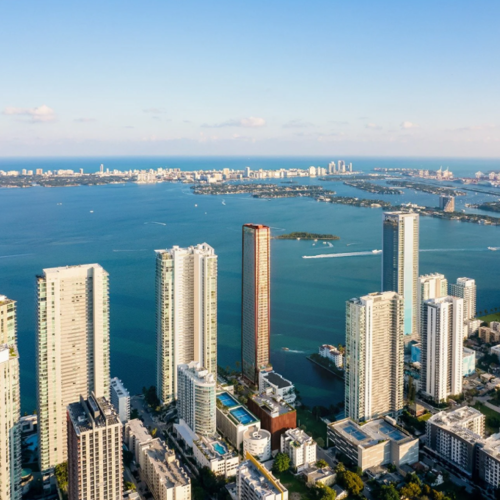
Edgewater, the once-quiet bayfront community bordering Downtown Miami, has evolved into one of the city’s most coveted addresses. Today’s Edgewater real estate market is defined by its waterfront lifestyle, proximity to cultural districts, and a steady pipeline of new luxury and mixed-income development.
This 2026 market report provides a comprehensive, lifestyle-driven look at Edgewater’s housing landscape. Whether you’re buying, selling or relocating, you’ll find practical insights on price ranges, property types, emerging projects, rental considerations and the subtle nuances that make Edgewater unique.
If you are considering relocating to Miami or exploring neighborhoods for the first time, our Relocation Guide provides a helpful overview of the city’s housing landscape, lifestyle districts and buying process.
Let’s dive into what makes this neighborhood such a compelling place to call home.
Miami Market Overview
Before zeroing in on Edgewater, it helps to understand broader market conditions. Housing economists expect 2026 to usher in a normalization phase for U.S. real estate rather than a speculative boom. According to industry forecasts, the market rebound is driven by expanding inventory, stabilizing mortgage rates and renewed buyer participation. Miami follows these national trends but has its own dynamics. The city remains buoyed by international demand, limited developable land and strong inbound migration, which keep pricing resilient even during slower periods. Industry predictions point to moderate price growth and healthier transaction volume, with buyers gaining more options and sellers needing disciplined pricing strategies.
Current median pricing in Miami‑Dade reflects this balance. A February 2026 market snapshot notes that single‑family homes average around $640,000–$650,000 and condos average roughly $420,000. Cash buyers continue to dominate the luxury segment, especially above $1 million, and mortgage rates hover between 5.6% and 6.4%. Urban, walkable districts like Brickell, Downtown and Edgewater are expected to benefit early from market normalization. In these neighborhoods, renewed demand and more balanced pricing create opportunities for buyers seeking waterfront access and urban convenience.
Neighborhood Insights
Location and Boundaries
Edgewater sits north of Downtown Miami and the Arts & Entertainment District, stretching east to west from Biscayne Bay to NE 2nd Avenue and north to south from I-195 to NE 17th Street. This prime location places residents within minutes of Wynwood, Midtown, the Design District and Miami Beach.
Free trolley service and quick commutes to major business districts make Edgewater especially appealing to professionals and families.
If you’re comparing Miami neighborhoods before deciding where to live, you may also want to explore our Miami neighborhood, where we break down areas such as Brickell, Wynwood and Coconut Grove.
Evolution from Working Waterfront to Luxury Enclave
Fifteen years ago, Edgewater was largely overlooked. Today, it is a bayfront haven defined by design‑forward high‑rises, public art and a pedestrian‑friendly Baywalk. Margaret Pace Park anchors the neighborhood’s 8‑acre green space with tennis courts, dog parks and a planned extension of the Baywalk. This transformation reflects broader lifestyle trends. Buyers now prioritize wellness, time affluence and walkability; they seek views, park adjacency, and quick access to cultural districts without being immersed in the hustle. As one design‑focused article noted, Edgewater’s identity shifted from a working waterfront to a design‑forward living environment where bay views and park frontage heavily influence pricing.
Residential Character
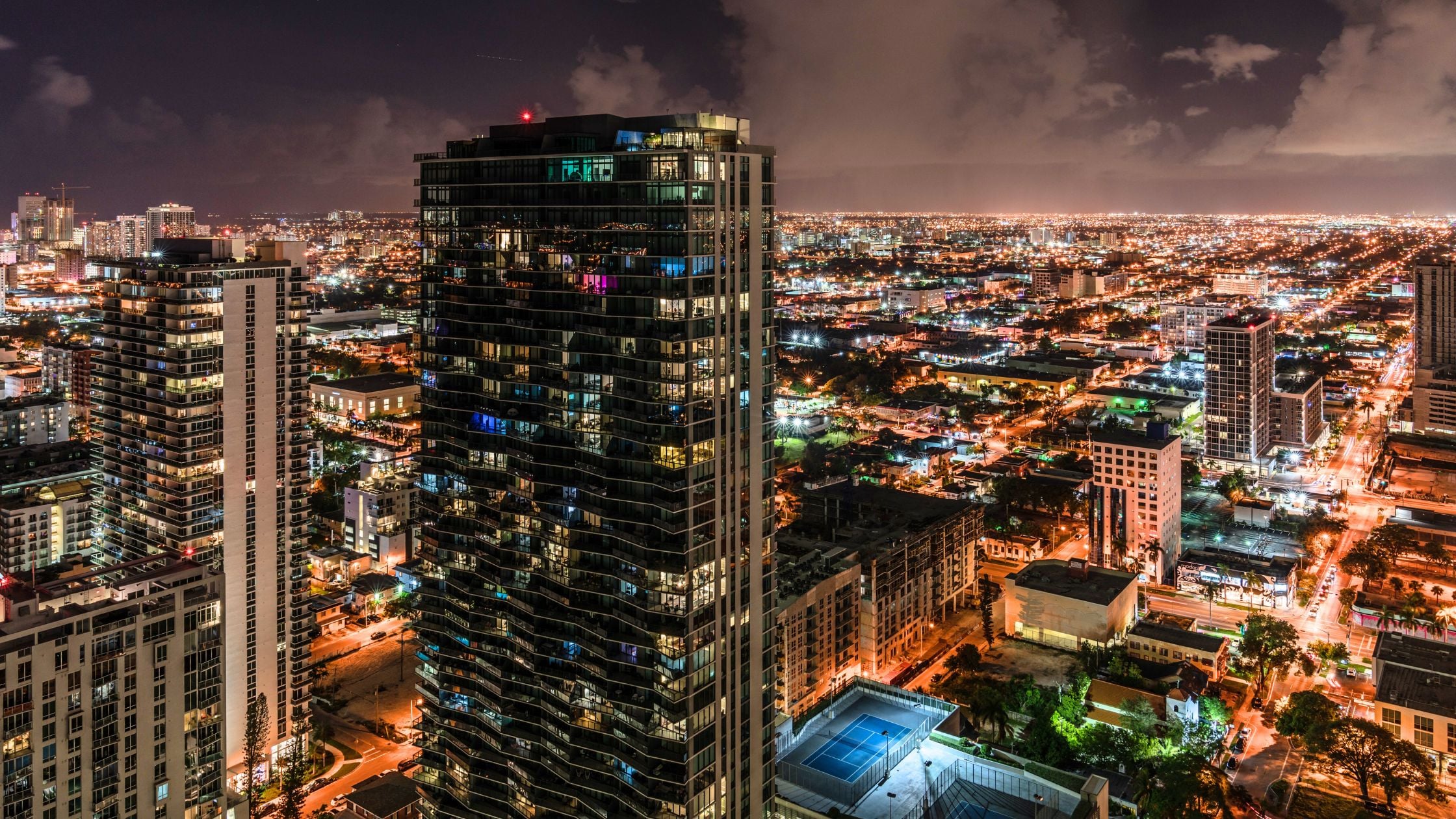
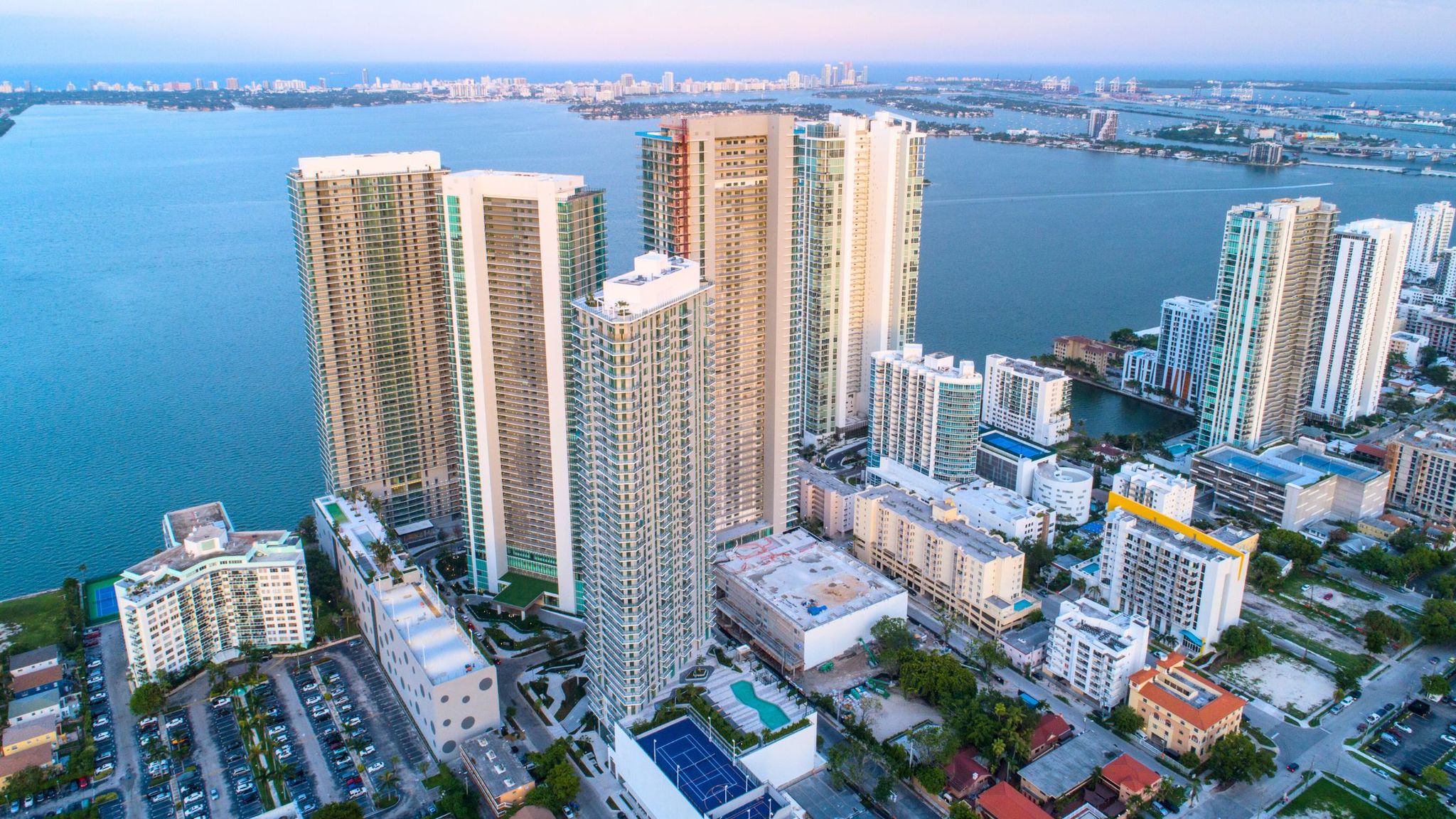
Edgewater is primarily residential, dominated by mid-rise and high-rise towers along Biscayne Bay. Waterfront condos feature modern amenities including floor-to-ceiling windows, private balconies, concierge services and secure parking, offering turnkey living for professionals and relocators.
Beyond the eastern towers, historic early-20th-century homes populate interior streets, giving the neighborhood a mix of vintage charm and contemporary luxury.
Unlike arts-first districts such as Wynwood, Edgewater’s identity centers on bay views, building amenities and green space rather than nightlife. Even so, residents enjoy easy links to Midtown and the Design District for dining and shopping.
Market Transition and Seller Psychology
Edgewater’s condo market is not declining but transitioning. Analysts emphasize that fundamentals including waterfront location, proximity to cultural hubs and significant new development remain strong.
However, rising costs, shifting buyer psychology and increased competition mean sellers must adapt. Pandemic-era price expectations are fading as inventory grows. Sellers are increasingly offering concessions and pricing competitively.
Buyers, on the other hand, see the current phase as an opportunity to secure prime waterfront property at realistic prices.
Property Types and Price Ranges
Edgewater offers a spectrum of housing options, from entry-level condos to ultra-luxury residences and a small collection of single-family homes.
For buyers beginning their search, understanding financing, closing costs and negotiation strategies is essential.
Condominiums
- Entry to Mid‑Range Condos: Many mid‑rise buildings and older high‑rise towers offer one‑ and two‑bedroom units that serve young professionals or couples. Median condo pricing around $700,000 and an average $640 per square foot make Edgewater more competitive than Brickell. These units often provide open floor plans, modern kitchens and balconies with partial bay views. Buildings like Aria on the Bay, located adjacent to Margaret Pace Park, feature one‑ to three‑bedroom residences priced from around $400,000 to $2.6 million. Amenities include resort‑style pools and rooftop lounges.
- Luxury and Ultra‑Luxury Condos: At the upper end, Edgewater shines. Waterfront towers like Missoni Baia ($0.5M–$9M) combine Italian design, spa and fitness facilities, Olympic‑length pools and electric car charging. Elysee Miami offers boutique living with three residences per floor and spacious balconies at $1.3M–$6.25M. Paraiso Bay and Biscayne Beach feature private elevators, marina access and members‑only beach clubs priced from the mid‑$600,000s to nearly $5 million. Edition Residences and Villa Miami, covered in the New Construction section, push the ultra‑luxury envelope with concierge service and unique design elements.
Single‑Family Homes and Townhomes
Although Edgewater is condo‑centric, there are pockets of historic single‑family homes and townhomes west of Biscayne Boulevard. These properties appeal to buyers desiring a yard and detached living within walking distance of the bay. Pricing varies widely, from $900,000 for a renovated mid‑century cottage to $3 million for a modern townhome. Inventory is limited, making these homes prized among families who want to stay close to schools and parks.
New Development Price Ranges
Pre‑construction towers bring fresh inventory at premium price points. Aria Reserve’s 1‑ to 4‑bedroom residences range from roughly $1.3 million to $4.2 million, with delivery expected in late 2026. Edition Residences plan to offer bespoke units starting around $2 million, with 12‑foot‑deep terraces and 45,000 sq ft of amenities. Villa Miami will deliver half‑ and full‑floor homes starting around $5 million, each with 360‑degree views and bronze exoskeleton.
See the New Construction section for more details.
Lifestyle and Community Highlights
Waterfront Living and Parks
Edgewater’s bayfront parks and promenades shape daily life. Residents start mornings along the paved paths of Margaret Pace Park, enjoying sunrise views, sea breezes and fitness stations. The park’s dog areas and sports courts foster community and provide open space in a densely built area. Many towers incorporate expansive terraces and private balconies, enabling residents to experience sunsets and bay views from home. As one lifestyle essay notes, the bay encourages early mornings and the park encourages walking; closeness to cultural districts reduces friction in planning evenings.
Connectivity Without Chaos
Edgewater occupies a sweet spot between connectivity and calm. Residents can walk to Wynwood, Midtown, Downtown and Miami Beach for dining, art and shopping, yet they return to quieter streets without loud nightlife. This balance appeals to professionals who want easy access to business centers and cultural venues without sacrificing peace at home. Free trolley service and quick commutes to I‑195 and Biscayne Boulevard ensure the neighborhood remains convenient for daily errands and longer trips.
Design, Art and Community
Many Edgewater towers incorporate art and design elements that contribute to a curated feel. Biscayne Beach features a mural wall; other projects integrate sculpture gardens and curated common spaces. Local cafés, yoga studios and boutique shops sprinkle along Biscayne Boulevard, reflecting a young professional and family‑oriented demographic. Community events, from outdoor movie nights in the park to pop‑up art shows, foster neighborhood interaction and underscore Edgewater’s role as a lifestyle destination rather than a nightlife hub.
Relocation Insights
Edgewater consistently attracts local and out-of-state relocators thanks to its lifestyle balance. Professionals appreciate the short commute to Downtown and Brickell, while families value the parks, dog-friendly areas and absence of late-night clubs.
International buyers, whether from Latin America, Europe or Asia, are drawn by Florida’s ownership rules, which grant foreign nationals the same property rights as U.S. citizens.
For those moving from another city or country, our Relocation Guide outlines key considerations such as neighborhood selection, schooling options, and the logistics of purchasing property in Miami.
There is no residency requirement, but foreign buyers typically place higher down payments of 30 to 50 percent compared to locals. These buyers often partner with local agents experienced in international transactions and may schedule visits around major art fairs or business trips.
Relocators should budget for homeowners’ association (HOA) fees, which vary by building but cover amenities, insurance and reserves. Insurance for waterfront properties can be higher, though many towers have hurricane‑rated windows and emergency generators. Schools near Edgewater include high‑performing magnet and charter options within a short drive, and there are private schools in nearby Miami Shores and Coconut Grove. For daily necessities, the neighborhood offers grocery stores, cafés, medical offices and co‑working spaces within walking distance. Those arriving with pets will appreciate the park’s dog runs and condo buildings with pet‑friendly policies.
Investment and Rental Considerations
Edgewater’s rental market is active, reflecting demand from professionals and families seeking waterfront living. Condo rentals typically start around $2,100 per month, while luxury units with waterfront views and resort-style amenities can reach $6,500 or more.
Investors and second-home buyers often evaluate rental flexibility and long-term appreciation when selecting buildings.
Short‑Term Rental Rules
Edgewater lies within the City of Miami, which has layered regulations governing short‑term rentals (STRs). Prospective investors must navigate four levels of compliance: city zoning, county and state taxes, state condominium law and building‑specific condo documents. Even if zoning permits transient use, individual condominium rules often impose a minimum lease term (such as 30 days) or outright ban transient stays. Investors should verify zoning, obtain required city registrations and understand tax obligations. Building rules and HOA documents are crucial; some new projects, like Edge House and Vida Residences, offer flexible rental programs, whereas others prohibit short‑term rentals to maintain privacy. Due diligence ensures compliance and protects rental income.
Long‑Term Rental Demand
Edgewater’s rental market is active, reflecting demand from professionals and families seeking waterfront living. The 2026 market snapshot notes that condo rentals start around $2,100 per month and luxury units average $6,500 per month. High‑end towers with marina access and full‑service amenities command premium rents. Investors should factor HOA fees and potential special assessments into pro‑formas, but stable demand and limited waterfront inventory support long‑term cash flow. Selecting buildings with strong reserves, flexible rental policies and desirable amenities will maximize returns.
Market Resilience and Growth Drivers
Despite periodic slowdowns, Edgewater remains resilient due to location, views and lifestyle appeal.
Forecasts predict moderate price growth. Miami Realtors expect single-family home prices to rise 2% by late 2025 and 4% by late 2026.
Industry projections anticipate a 5.6% increase in single‑family home sales and continued population and tourism growth.
Additionally, a January 2026 ordinance allows Edgewater to double its allowed residential density, increasing potential units per acre from 150 to 300 and eliminating parking requirements for the density bonus.
Funds collected will support resiliency infrastructure including pump stations, seawalls and parks.
This policy encourages vertical development and signals long-term confidence in Edgewater’s growth.

New Construction and Pre‑Construction Opportunities
Edgewater’s skyline is dotted with cranes as developers respond to sustained demand. Here are key projects shaping the neighborhood’s next chapter:
Aria Reserve (700 NE 24th Street)
Scheduled for completion in 2026, Aria Reserve will become the tallest waterfront twin towers in the United States. Developed by Melo Group and designed by Arquitectonica, the two 62‑story towers offer 782 oversized residences with flow‑through layouts, 11‑foot‑deep terraces and dedicated office/bonus rooms. Stand‑out amenities include a two‑acre recreation deck, semi‑Olympic‑length pool, children’s splash pad, wellness center, miniature golf, tennis and paddle courts, and a waterfront restaurant. Owners may rent their units up to four times per year. Prices range from $1.3 million to $4.2 million.
Vida Residences (410 NE 35th Terrace)
Breaking ground in late 2023 with completion slated for 2026, Vida Residences caters to digital nomads and investors. This 9‑story Kobi Karp‑designed tower offers fully furnished, flexible rental condos with a private beach club in South Beach. FlexShare floor plans allow owners to split units into smaller rentable spaces. Amenities include an 11,000‑sq‑ft pool, rooftop restaurant, wellness center and co‑working facilities. Vida’s turnkey design aims to maximize rental income and provide investors with a hassle‑free experience.
Villa Miami (700 NE 29th Street)
Set to complete in late 2027, Villa Miami marks Edgewater’s first residential project with only half‑floor and full‑floor residences. The 58‑story tower will house just 65 condos, each with 360‑degree views and an exquisite copper‑clad exoskeleton. Amenities include a rooftop helipad, floating swimming pool, private docks, spa and wellness spaces, two Major Food Group dining concepts and an in‑house car service. Interiors by Charles & Co and kitchens designed by Chef Mario Carbone elevate the building’s bespoke aesthetic. Residences start around $5
Cove Miami (456 NE 29th Street)
Expected completion in 2028, Cove Miami will deliver 116 luxury residences in a 40‑story tower adjacent to Icon Bay. Designed by Kobi Karp, the project promises wrap‑around terraces, 10‑foot ceilings, Calacatta Gold countertops and a nature‑inspired Zen aesthetic. Amenities include a waterside restaurant, direct boardwalk access, spa, fitness center with spin auditorium and coworking space. Short‑term rentals are not permitted, protecting resident privacy.
Edge House, ELLE Residences and Future Projects
Edge House (1825 NE 4th Avenue) aims to combine smart design with full rental flexibility. The 57‑story tower will house 608 turnkey residences with vertically arranged metallic elements and unique lighting. Amenities include active and tranquil pools, a reservation system for rentals, spa treatments, yoga studio, game room and zen garden. ELLE Residences (3618 NE 5th Avenue) will be the world’s first ELLE‑branded residential project, offering 180 turnkey units with Parisian‑inspired interiors and a flexible rental program. Additional developments such as condo-hotels, mixed-use towers and condo-apartment hybrids continue to surface, encouraged by the new density ordinance.
Guidance for Buyers
- Clarify Your Lifestyle Priorities: Identify whether waterfront views, park proximity, privacy or amenity access matter most. Buyers prioritize view corridors, sunrise exposure and park adjacency. Edgewater offers a spectrum from full-service luxury towers to quieter mid-rises. If you are preparing to purchase your first property in Miami.
- Evaluate Building Policies: Check HOA rules regarding pets, rentals and renovations. Condo documents can restrict rentals or remodels. Ensure the building’s reserves are healthy to avoid special assessments.
- Budget for All Costs: Beyond purchase price, account for HOA fees, property insurance (especially waterfront), closing costs and potential hurricanes. Foreign buyers should arrange financing early and expect higher down payments.
- Consider Resale and Rental Potential: If you plan to rent part‑time, target buildings with flexible rental policies like Aria Reserve or Edge House. For long‑term living, focus on amenities and community culture. With more inventory coming, choose quality construction and prime views to maximize long‑term value.
- Work With a Local Realtor: A local agent familiar with each building’s history, upcoming developments and HOA nuances can save you time and money. They will negotiate effectively, recommend inspectors and connect you with lenders experienced in Florida transactions.
Our Free Buyers Guide provides step-by-step guidance on financing, inspections, contracts and closing timelines.
Guidance for Sellers
- Price Realistically: Pandemic‑era premiums have faded. Inventory has risen and buyers are more discerning. Sellers should align listing prices with current comparables and may need to offer concessions or improvements.
- Enhance Presentation: Buyers expect move-in ready homes with neutral finishes and modern amenities. Consider minor updates such as fresh paint, updated lighting and decluttering. Highlight unique features like bay views or large balconies.
- Leverage Market Timing: 2026 is predicted to be a balanced year with moderate price growth. Listing early in the year may capture buyers who delayed purchases in 2025. A local agent can recommend optimal timing based on building‑specific activity.
- Invest in Marketing: Use professional photography, virtual tours and targeted digital marketing to showcase your property’s lifestyle appeal. Highlight proximity to parks, cultural districts and transportation. For luxury units, emphasize amenities and concierge services.
- Be Flexible on Terms: With new developments offering incentives, resale sellers may need to negotiate closing dates, credits for repairs or contributions to HOA fees. Flexibility can make your listing stand out.
Our Sellers Guide also explains pricing strategy, staging recommendations and the marketing process used to attract qualified buyers.
Local Insight for Navigating Edgewater Real Estate
Edgewater’s complexity including its mix of historic homes and modern towers, evolving short-term rental regulations, pre-construction options and varied HOA rules makes working with an experienced local realtor invaluable. A knowledgeable agent:
- Provides hyper‑local market dax`ta and comps specific to each building.
- Navigates HOA documents, rental restrictions and special assessments.
- Monitors new development timelines and negotiates reservation contracts.
- Connects buyers with preferred lenders, inspectors and attorneys accustomed to Florida transactions.
- Offers lifestyle guidance, from school options to commute routes and wellness amenities.
If you’re considering buying or selling property in Edgewater, feel free to reach out for personalized guidance based on your goals and timeline.
Frequently Asked Questions
What makes Edgewater different from Brickell and Wynwood?
While Brickell is Miami’s financial hub packed with skyscrapers and nightlife, and Wynwood thrives on street art and breweries, Edgewater offers a quieter, residential vibe with easy access to both. Its identity centers on bay views, building amenities and green space, not clubs or galleries. Residents enjoy walkability to Midtown and the Design District while maintaining a serene waterfront lifestyle.
Are there still affordable options in Edgewater?
Yes. Edgewater’s median condo price around $700,000 and average price per square foot of $640 make it more attainable than Brickell or Miami Beach. Mid‑rise buildings and older towers offer one‑ and two‑bedroom units starting in the high $400,000s, while interior single‑family homes may list under $1 million. New developments are pricier but often provide introductory prices during pre‑construction.
How restrictive are short‑term rental regulations in Edgewater?
Short‑term rentals are subject to multiple regulations. Investors must comply with city zoning, county and state taxes, and state condominium law, and each building’s condo documents may impose additional restrictions. Many waterfront towers set minimum lease terms of 30 or 90 days, while some projects like Edge House and Vida Residences offer flexible rental programs. Always verify building policies before purchasing.
What’s driving Edgewater’s growth in 2026?
Several factors fuel growth: renewed buyer demand due to expanding inventory and stabilizing rates; population and tourism growth increasing housing demand; and local policies such as Miami’s new ordinance allowing density bonuses up to 300 units per acre with contributions to a Resilience Trust Fund. Additionally, developers are prioritizing wellness, design and smaller, more efficient floor plans, aligning with changing buyer preferences.
Which new construction project is best for investors?
The answer depends on goals. Aria Reserve offers generous amenities and up to four rentals per year, balancing lifestyle and income potential. Vida Residences provides turnkey units with flexible rental options and a beach club. Edge House promises a sophisticated rental reservation system and full flexibility. For investors prioritizing privacy and exclusivity, Villa Miami may be appealing despite high price points, though rentals are likely limited. Always consult a local realtor to align project features with your investment strategy.
Is now a good time to buy in Edgewater?
Market conditions in 2026 favor buyers seeking balance. Prices have stabilized and inventory is increasing, giving buyers more choices and negotiating power. Mortgage rates, while higher than pandemic lows, are stabilizing, and economists expect moderate price growth rather than volatility. For those who value waterfront living and long‑term appreciation, Edgewater offers a rare combination of location, amenities and lifestyle.
How do rising HOA fees and insurance impact ownership?
HOA fees vary widely based on building age and amenity package. Luxury towers with extensive services and staff have higher monthly dues. Insurance premiums may increase due to waterfront risk, though many buildings feature hurricane‑rated glass and raised infrastructure. Buyers should budget for these recurring costs and choose buildings with healthy reserves to minimize special assessments. A local realtor can provide fee comparisons and strategies for negotiating these expenses.
Can foreign nationals buy property in Edgewater?
Yes. Florida allows foreign buyers to own property without residency requirements. However, financing terms differ; foreign buyers often need to place down payments of 30–50% and comply with tax rules such as FIRPTA when selling. Working with lenders experienced in foreign purchases and understanding U.S. tax implications are essential steps.
Edgewater’s Growth and Market Direction
Edgewater’s real estate market in 2026 is marked by transformation and opportunity.
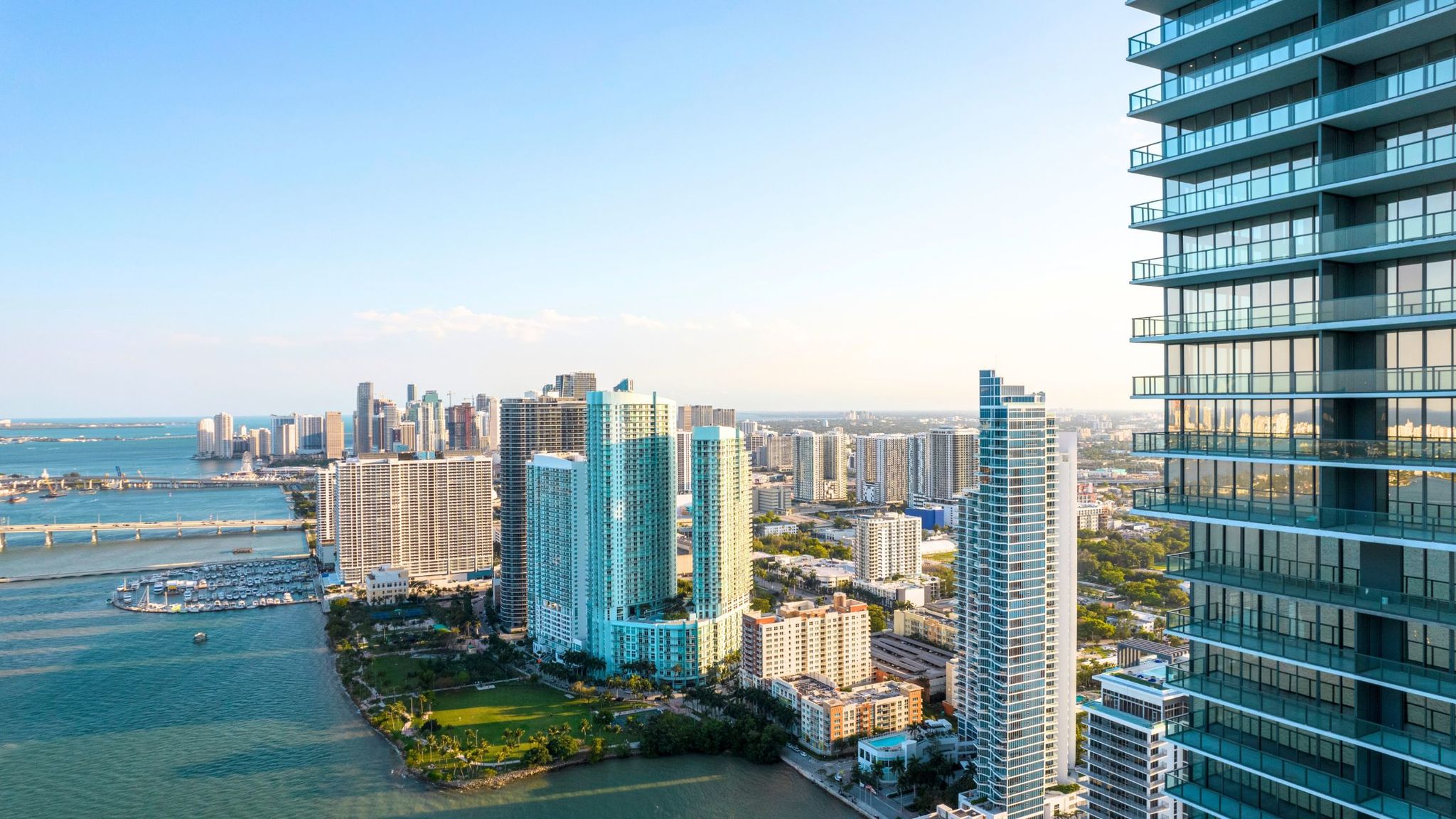
A once-industrial waterfront has become a sanctuary of modern towers, parkland and culture. Prices have normalized, offering buyers realistic entry points, while sellers adjust to a more balanced market.
New developments ranging from flexible rental mid-rises to ultra-luxury sky homes signal confidence in the neighborhood’s long-term appeal.
Lifestyle amenities including the Baywalk, world-class restaurants and wellness centers continue to attract a diverse community of professionals, families and international investors.
Check out this article next