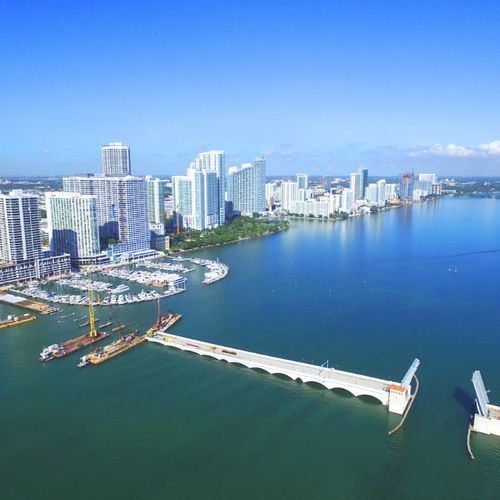

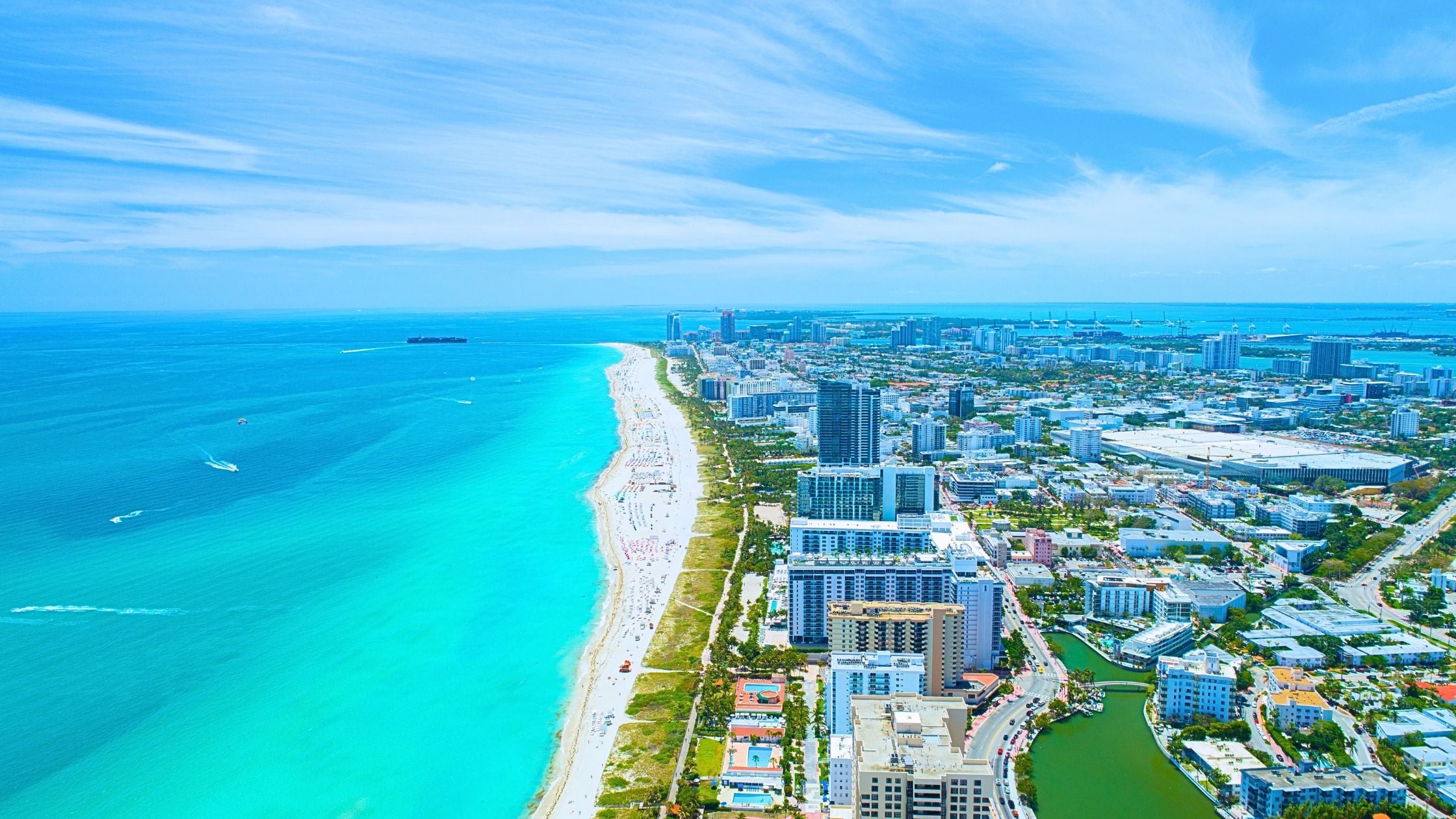
Tucked between Biscayne Bay and the energy of Greater Miami, the village of Miami Shores stands as one of South Florida's most beloved and distinctive communities. With its canopy of century-old oak trees, pastel-hued Mediterranean Revival homes, and a tight-knit neighborhood culture that has endured for nearly a century, Miami Shores offers something increasingly rare in modern real estate: genuine character. For home buyers, relocators, and investors seeking a Miami address that blends history with livability, Miami Shores continues to deliver, and the numbers are backing it up.
For homeowners considering a move, understanding current Miami Shores home values and market trends can provide helpful insight into timing and pricing.
A Village Built on Vision: The History of Miami Shores
Miami Shores was not simply discovered; it was deliberately designed. In the 1920s, developer Hugh Anderson and his Shoreland Company saw potential in a stretch of land along Biscayne Bay and marketed it boldly as "America's Mediterranean," selling approximately 400 acres for a reported $22 million at the height of Florida's land boom. The vision was a planned community defined by elegance, greenery, and architectural cohesion.
Originally incorporated as part of the City of Miami in 1925, Miami Shores today operates as an independent village within Miami-Dade County, a distinction that gives it a self-governing identity and a community-first approach to development and preservation that sets it apart from denser, faster-moving Miami neighborhoods.
From Citrus Groves to a Celebrated Community
Before the mansions and manicured boulevards, Miami Shores was agricultural land once known for its citrus groves and starch mills. The transformation from rural tract to refined community happened rapidly in the boom years of the 1920s, and what emerged was a neighborhood whose bones have proven remarkably strong. Decades later, Miami Shores still retains the low density, mature tree cover, and residential charm that its early planners envisioned.
Mediterranean Revival Architecture: The Soul of Miami Shores
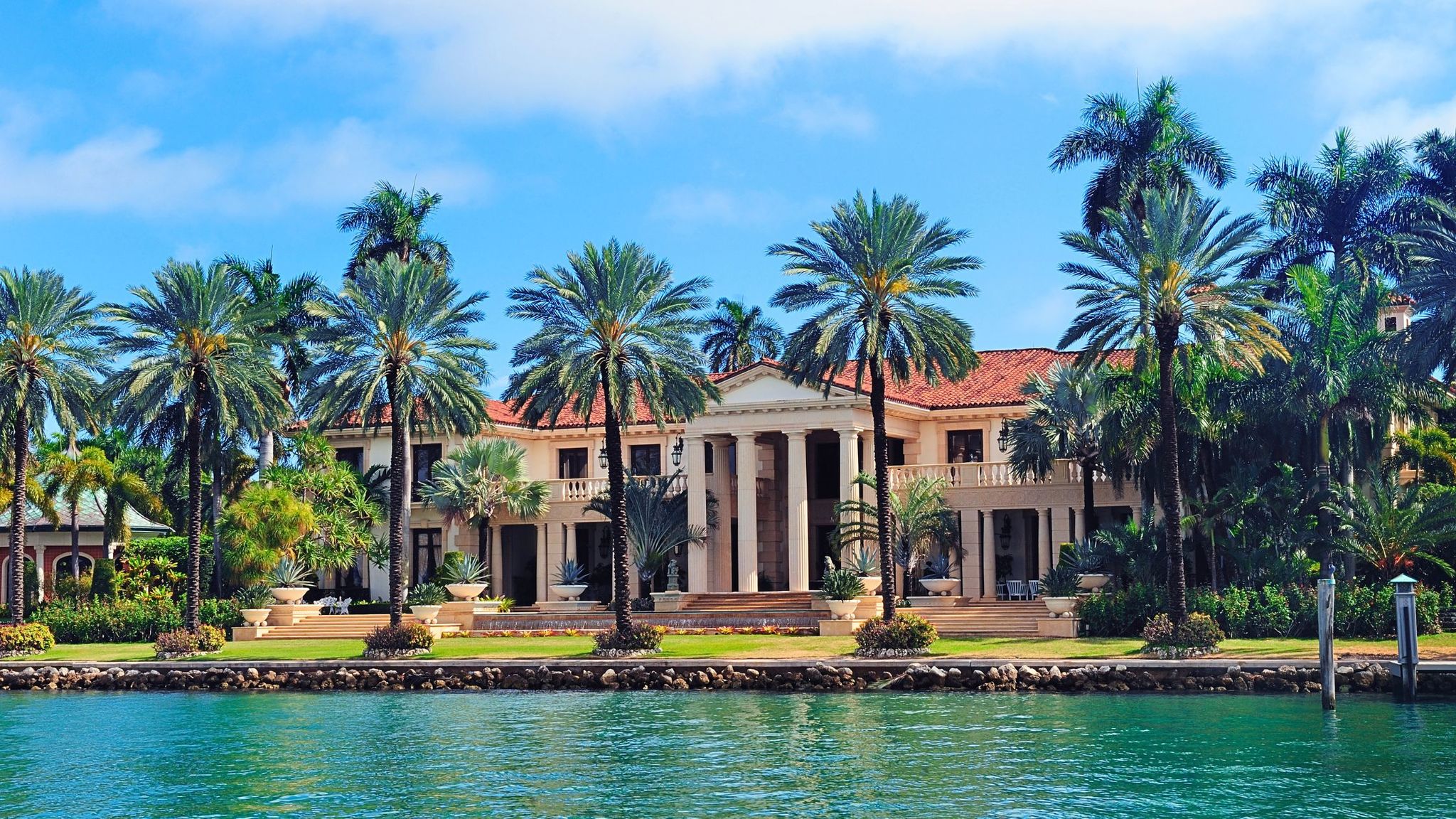
Walk the streets of Miami Shores and the architecture tells the story. The dominant style is Mediterranean Revival, a design movement that swept South Florida in the 1920s, drawing inspiration from the coastal cultures of Spain, Italy, France, and North Africa. In an era when Miami was positioning itself as an exotic escape for Northern travelers, Mediterranean Revival was both aspirational and theatrical, and no neighborhood embraced it better than Miami Shores.
What to Look for in a Miami Shores Historic Home
Miami Shores Mediterranean Revival homes share a vocabulary of distinctive features that, when intact and well-preserved, define the neighborhood's visual identity:
- Barrel tile roofs — The signature terracotta or clay tile rooflines that arc gently over stucco facades
- Arched windows and doorways — Rounded or pointed arches that echo the loggia traditions of Mediterranean villas
- Textured stucco exteriors — Rough-finish plaster walls in white, cream, and warm earth tones
- Decorative ceramic tilework — Colorful tile accents around windows, entry courtyards, and staircases
- Exposed wooden beams and carved rafters — Visible interior ceiling beams that add warmth and craftsmanship
- Informal, asymmetrical floor plans — Open and flowing interior arrangements with arched room dividers
- Shaded courtyards and loggias — Outdoor living spaces that blur the line between interior and exterior
Miami Shores is home to over 40 properties formally designated on the Village's historic register, with the Historic Preservation Board actively reviewing and nominating additional sites. Nationally significant examples, such as the Simmons Estate at 257 NE 91st Street, designed by acclaimed architects Kiehnel and Elliott in 1925 and listed on the National Register of Historic Places, demonstrate the architectural caliber that defines this village.
Buying a Historic Home in Miami Shores: What Buyers Should Know
Purchasing a historic home in Miami Shores is a rewarding experience, but it comes with important considerations. Renovations on designated historic properties should follow the Secretary of the Interior's Standards for Rehabilitation, which provide clear guidance on preserving original materials and design intent. Working with a real estate agent who understands the nuances of Miami's historic home market is essential to navigating inspections, renovation planning, and historic board processes successfully.
Key considerations for buyers include:
- Verifying whether a property is on the Village's official historic designation list
- Hiring property inspectors familiar with 1920s-era construction and building materials
- Understanding that certain exterior modifications may require Historic Preservation Board approval
- Recognizing that original details such as Cuban tile, plaster, and vintage ironwork often add significant value
Buyers entering the market often benefit from a clear roadmap, and having access to a comprehensive Miami home buying guide can make the process more informed and strategic.
Miami Shores Real Estate Market: What Buyers and Sellers Need to Know in 2026
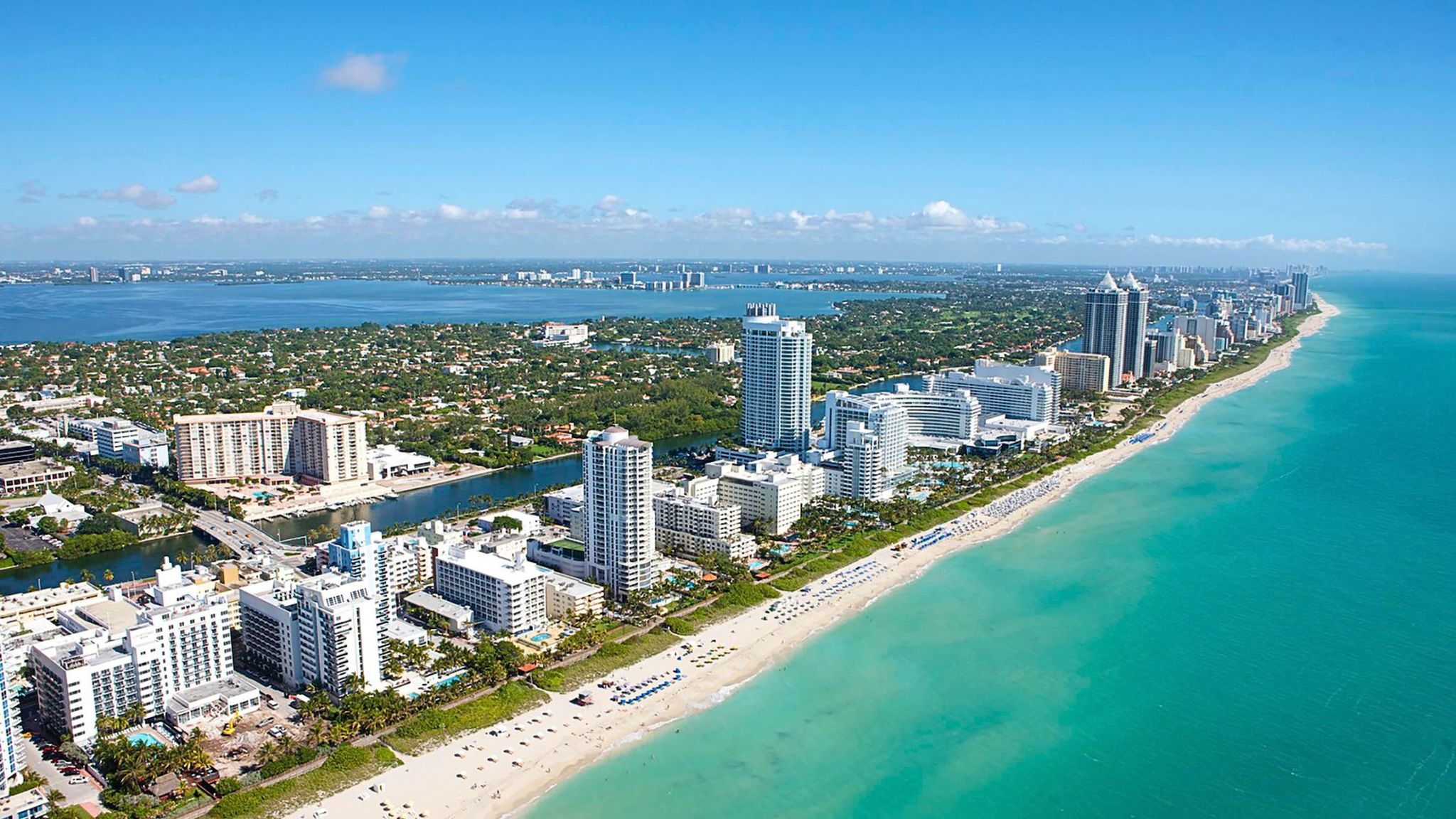
Miami Shores has matured into one of Miami's most respected and increasingly competitive residential markets. The neighborhood's combination of architectural significance, excellent schools, proximity to the water, and relative affordability compared to Coconut Grove, Coral Gables, and Pinecrest continues to attract families, remote workers, and lifestyle buyers.
Current Market Snapshot
The Miami Shores real estate market reflects strong underlying demand, even as South Florida broadly sees more inventory and some price moderation:
- Median home prices have ranged between approximately $1.1 million and $1.4 million based on recent market data, reflecting significant appreciation over the past several years
- The neighborhood draws buyers from out-of-state markets including New York, San Francisco, and Washington D.C., reinforcing Miami's continued appeal as a relocation destination
- Low inventory remains a defining feature. The limited supply of historically significant and well-maintained homes creates lasting competition and protects long-term values
- The luxury segment is actively expanding, with waterfront properties along Biscayne Bay commanding prices above $5 million and a growing number of new-construction mansions entering the market
Who Is Buying in Miami Shores?
Miami Shores has emerged as a particularly strong draw for families with school-age children. The presence of top-rated private schools including Miami Country Day School and St. Rose of Lima makes the zip code 33138 highly attractive to parents who prioritize education. As buyers are increasingly priced out of Coconut Grove and Coral Gables, Miami Shores has become a natural next destination, offering comparable quality of life at a slightly more accessible entry point.
The neighborhood also appeals to:
- Remote workers and telecommuters seeking space, greenery, and a quieter pace within driving distance of downtown
- Design-conscious buyers who value architectural authenticity over cookie-cutter new construction
- Long-term investors who recognize the protective value of low density, high demand, and a strong community identity
Life in Miami Shores: Community, Amenities, and Local Traditions
What truly distinguishes Miami Shores from comparable historic neighborhoods is the strength of its community identity. This is a village where neighbors know each other's names, where local businesses are celebrated, and where community events are a genuine part of everyday life.
Parks, Recreation, and the Country Club Life
Miami Shores offers residents exceptional recreational infrastructure within the village itself:
- Miami Shores Country Club — An iconic 18-hole golf course, tennis facilities, and the Miami Shores Aquatic Center anchor the recreational life of the community
- Biscayne Bay waterfront access — Waterfront properties with private boat docks make this a haven for boating and water sports enthusiasts
- Village parks and green spaces — Tree-lined parkways and well-maintained public spaces reinforce the neighborhood's pedestrian-friendly character
A Downtown With New Energy
The commercial corridor of Miami Shores, centered along NE 2nd Avenue, has seen a thoughtful infusion of new energy in recent years. New businesses including Conscious Brewery, Element Home & Lifestyle Shop, and CLAUG Art Studio have added creative vitality to the village while honoring the neighborhood's low-key, community-oriented spirit. Long-established local restaurants and boutiques remain neighborhood staples, giving the village a "main street" feel that chain-heavy suburban corridors simply cannot replicate.
Community Traditions That Connect Residents
Miami Shores has long maintained community traditions that foster connection and shared identity. Notable among these is the neighborhood's history of home tours, where residents have opened architecturally significant properties to the public for walking tours, complete with live music and community gatherings, celebrating the architectural heritage that makes the village unique. These events are emblematic of a community that takes pride not just in individual properties, but in the collective character of its streets.
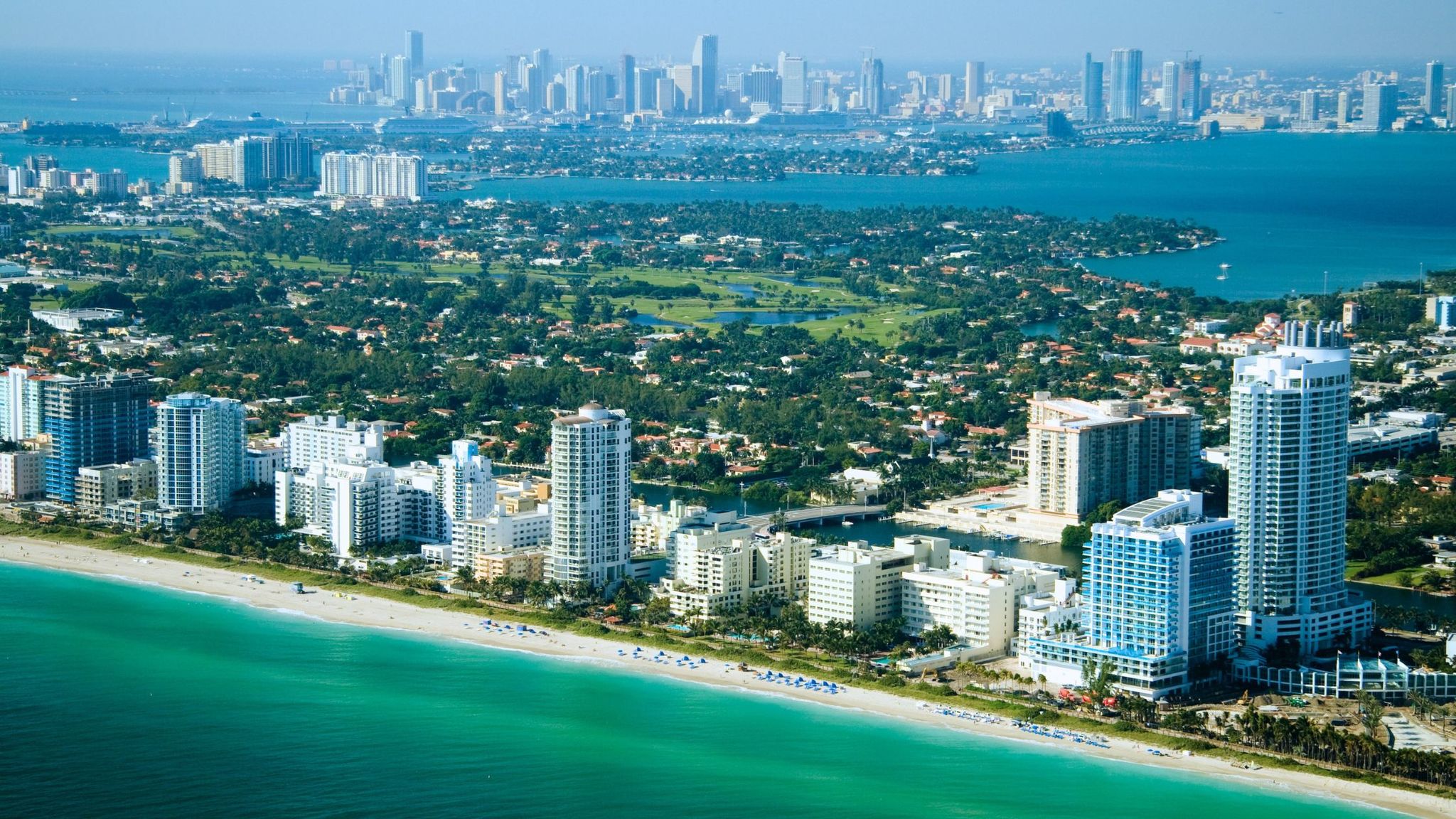
Location Advantages: Close to Everything, Far from the Chaos
Miami Shores occupies a strategically enviable position within Greater Miami:
- Less than 8 miles from downtown Miami, making it a practical choice for professionals who need occasional city access
- Approximately 10 miles from Miami International Airport, convenient for frequent travelers
- Adjacent to the Upper East Side and within easy reach of Wynwood, Brickell, and Miami Beach
- Quick access to Miami Beach for those who want sand and surf without living in a tourist corridor
This positioning gives Miami Shores residents the best of both worlds: a quiet, tree-shaded village where you can walk to a neighborhood café or jog along the bay, and rapid access to Miami's full economic, cultural, and culinary landscape.
"What makes Miami Shores a desirable place to live?"
Miami Shores is an independent village in Miami-Dade County known for its Mediterranean Revival architecture, oak-lined streets, and strong community identity. The neighborhood features over 40 historically designated homes, top-rated private schools including Miami Country Day School, the Miami Shores Country Club, and Biscayne Bay waterfront access. Median home prices range from approximately $1.1 million to $1.4 million, reflecting sustained buyer demand from families, remote workers, and relocators from cities like New York and San Francisco. Located less than 8 miles from downtown Miami, Miami Shores offers an exceptional balance of historic character and modern livability.
For those drawn to water views and coastal living, exploring Miami’s top waterfront neighborhoods and luxury real estate options offers a deeper look at some of the city’s most desirable areas.
Is Miami Shores Right for You?
Whether you are a first-time buyer drawn to the romance of a 1920s-era Mediterranean Revival cottage, a growing family seeking top schools and neighborhood parks, or an investor looking for a Miami address with proven long-term value, Miami Shores deserves serious consideration.
As a real estate professional specializing in the Miami market, I work with buyers and sellers across Miami Shores and the surrounding neighborhoods every day. The stories behind these homes, the history embedded in every barrel tile roof and arched doorway, and the community bonds that make Miami Shores feel like a village within a city. These are the things that make this market genuinely special.
Miami Shores is just one of many unique areas that reflect the diversity of South Florida living, and exploring Miami neighborhoods and their distinct lifestyles can help buyers better understand where they fit best.
Ready to explore homes in Miami Shores? Reach today and let's find the property that fits your vision.
FAQ
Q1: What is Miami Shores, Florida known for?
Miami Shores is known for its Mediterranean Revival architecture, century-old oak trees, and strong community identity. As an independent village in Miami-Dade County, it features over 40 historically designated properties, excellent private schools, the Miami Shores Country Club, and Biscayne Bay waterfront access. It is widely regarded as one of Miami's most livable and architecturally distinctive neighborhoods.
Q2: How much do homes cost in Miami Shores, FL?
Miami Shores home prices typically range from approximately $550,000 for entry-level single-family homes to over $5 million for luxury waterfront properties along Biscayne Bay. Median sale prices have ranged between $1.1 million and $1.4 million in recent market periods, reflecting the neighborhood's sustained demand and limited inventory of high-quality historic homes.
Q3: Is Miami Shores a good neighborhood for families?
Yes, Miami Shores is widely considered one of Miami's top family-friendly neighborhoods. It is home to highly regarded private schools including Miami Country Day School and St. Rose of Lima, low-density residential streets, community parks, the Miami Shores Aquatic Center, and a village culture that prioritizes safety and community engagement.
Q4: What architectural style are Miami Shores homes?
The dominant architectural style in Miami Shores is Mediterranean Revival, developed in the 1920s and influenced by the architecture of Spain, Italy, France, and North Africa. Key features include barrel tile roofs, arched windows and doorways, textured stucco exteriors, decorative ceramic tilework, and informal floor plans with arched room dividers. Many of these homes are now formally designated on the Village's historic register.
Q5: How far is Miami Shores from downtown Miami?
Miami Shores is located approximately 8 miles north of downtown Miami, making it a practical residential choice for professionals who need periodic access to Miami's business and cultural core. The neighborhood is also about 10 miles from Miami International Airport and within easy reach of Miami Beach, Wynwood, Brickell, and the Upper East Side.
Check out this article next