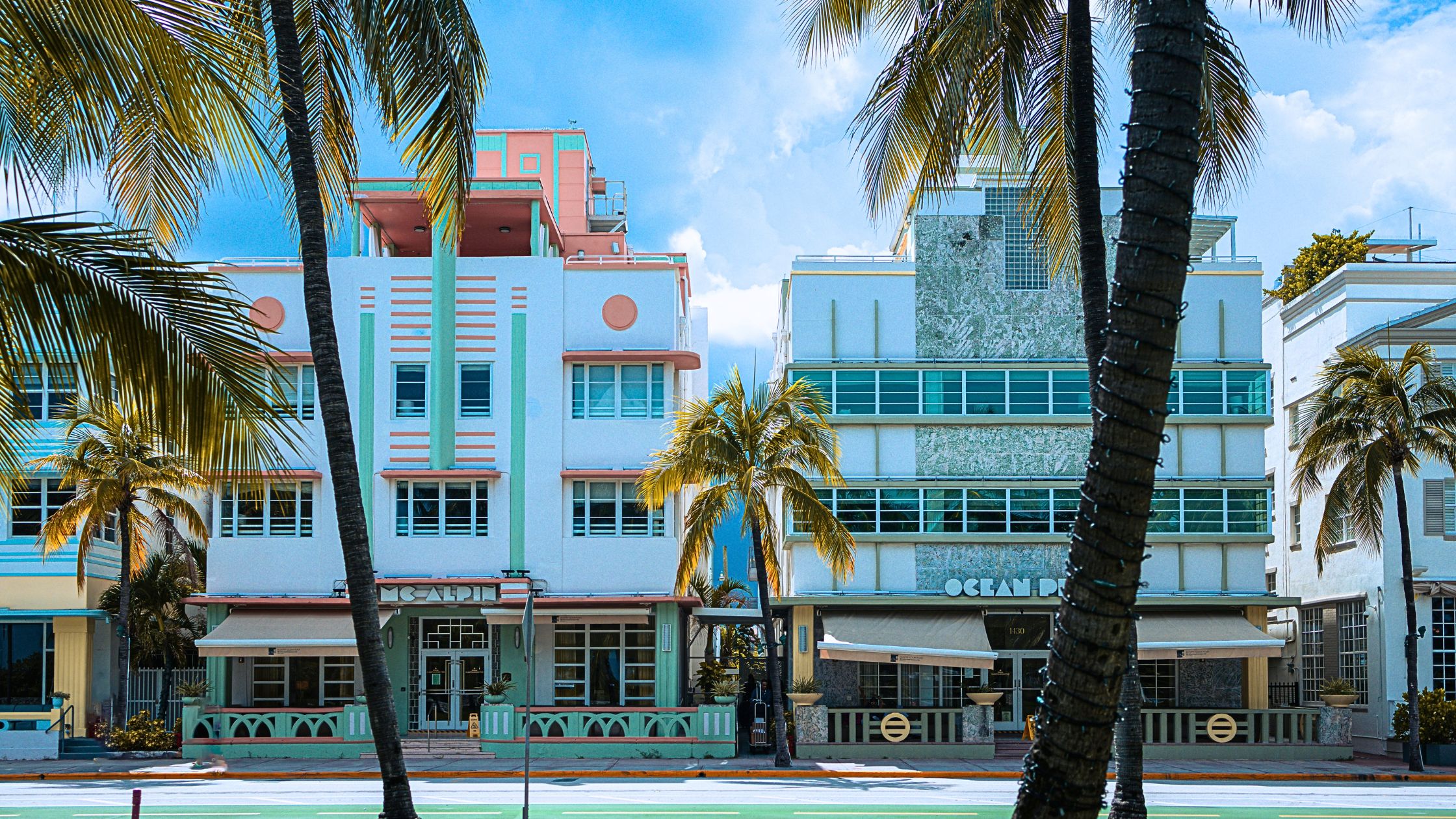
South Beach is the part of Miami the rest of the world already has a picture of. The Art Deco pastels, the ocean walk, the cafes spilling onto Ocean Drive: most buyers walk in with a version of South Beach already in their head. My job, when a serious client is weighing it, is to widen that picture.
I work the broader Miami market every day, and South Beach is one of the submarkets I get asked about most by out-of-state and international buyers. This guide is the version of the conversation I have with the ones who are actually ready to buy. It covers what makes South Beach structurally different from the rest of Miami, how the real estate market really behaves down here, the pockets within South Beach worth knowing, and who this neighborhood is (and isn't) built for.
Why South Beach Sits in a Category of Its Own
Most Miami neighborhoods compete with each other. South Beach competes with the world.
That sounds dramatic, but it's the right framing. The buyer pool here isn't a Florida buyer pool. It's a global one. You're competing with capital from Latin America, Europe, the Northeast, and the West Coast for the same finite stretch of barrier island. That dynamic shapes everything from pricing to days on market to which kinds of product hold value.
Coming from a real estate finance background that started in 2006, that's the lens I bring to South Beach. The submarket is small, supply is constrained by geography, and the demand inputs are structurally diversified. That doesn't make it a guaranteed win. It does make it a market where the underwriting questions are different from anywhere else in Miami.
What Makes South Beach Different
If you've only seen South Beach from Ocean Drive on a Friday night, you've seen maybe ten percent of it. The rest is residential, walkable, and a lot quieter than the postcard suggests.
The Art Deco Foundation
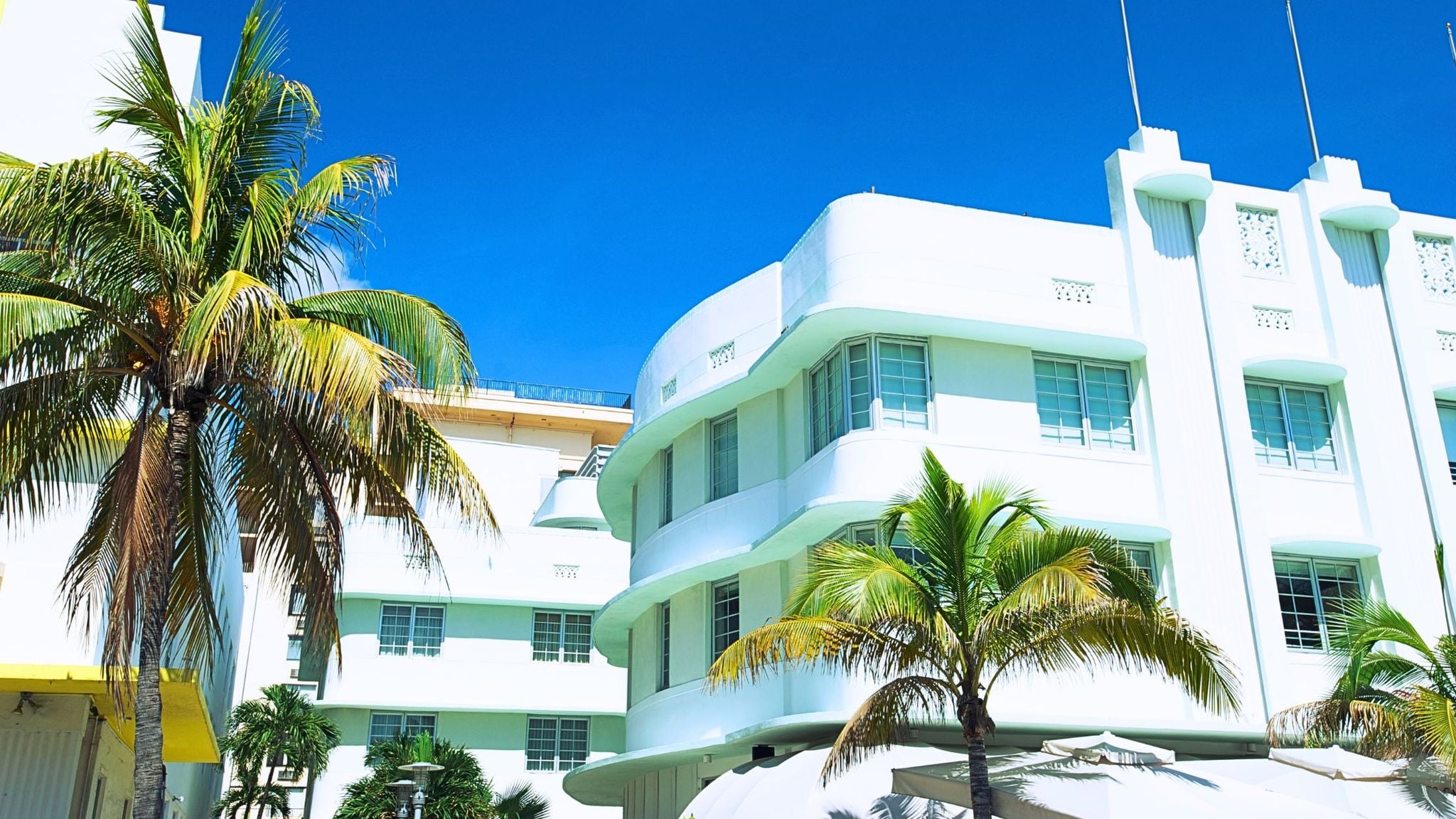
The Miami Beach Architectural District is the largest concentration of Art Deco architecture in the country, and it's a designated historic district. Pastel facades, porthole windows, eyebrow shading, terrazzo floors, neon signage at night: it's a coherent design vocabulary the way Coral Gables is a coherent design vocabulary, just from a different decade. If a 1930s Art Deco low-rise on Collins or Espanola Way appeals to you, almost nowhere else in the country delivers it at this density. If it doesn't, the high-rise towers at the south and north ends of the island offer a completely different product.
The Ocean Is Not an Amenity. It's the Frame.
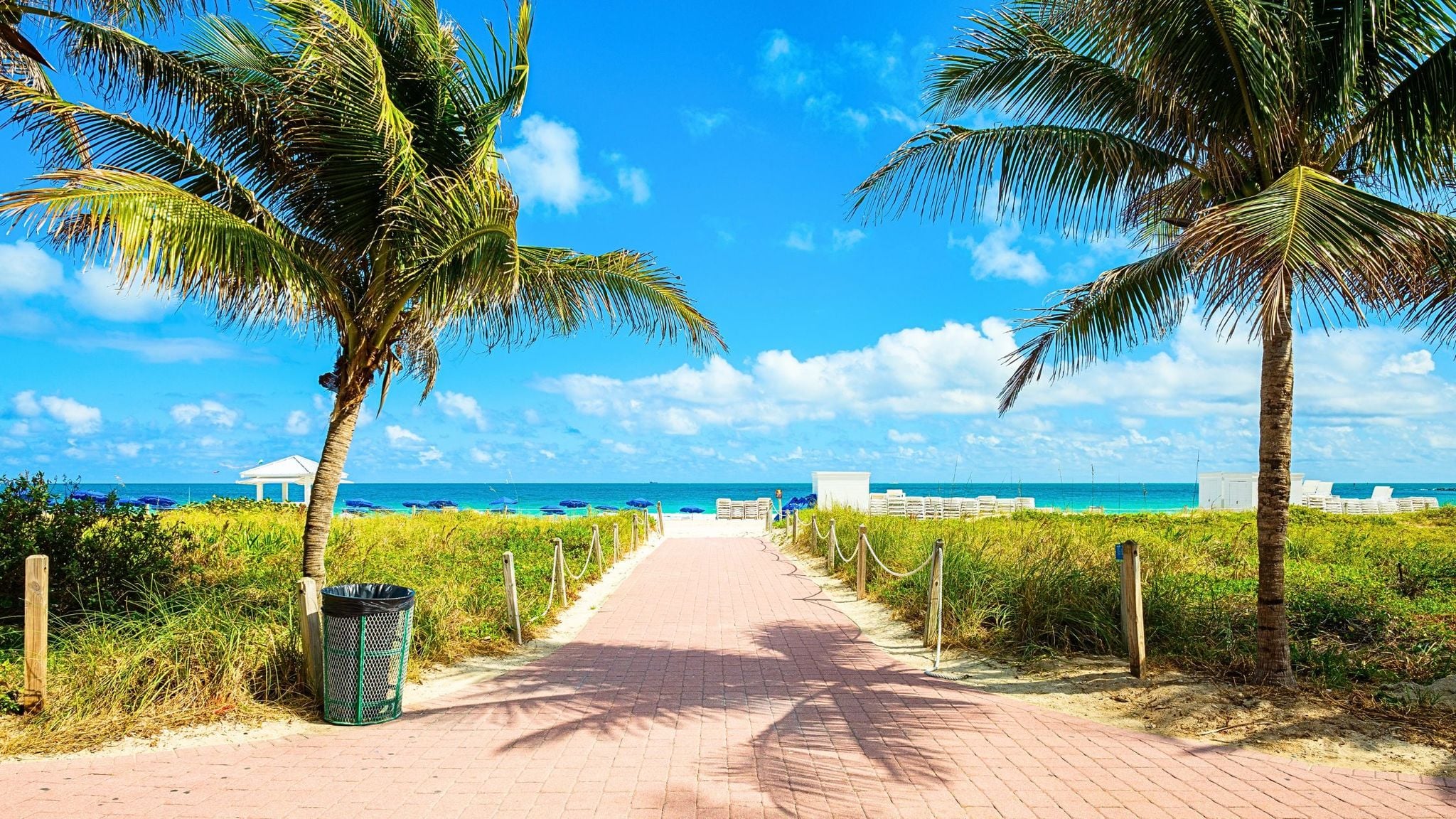
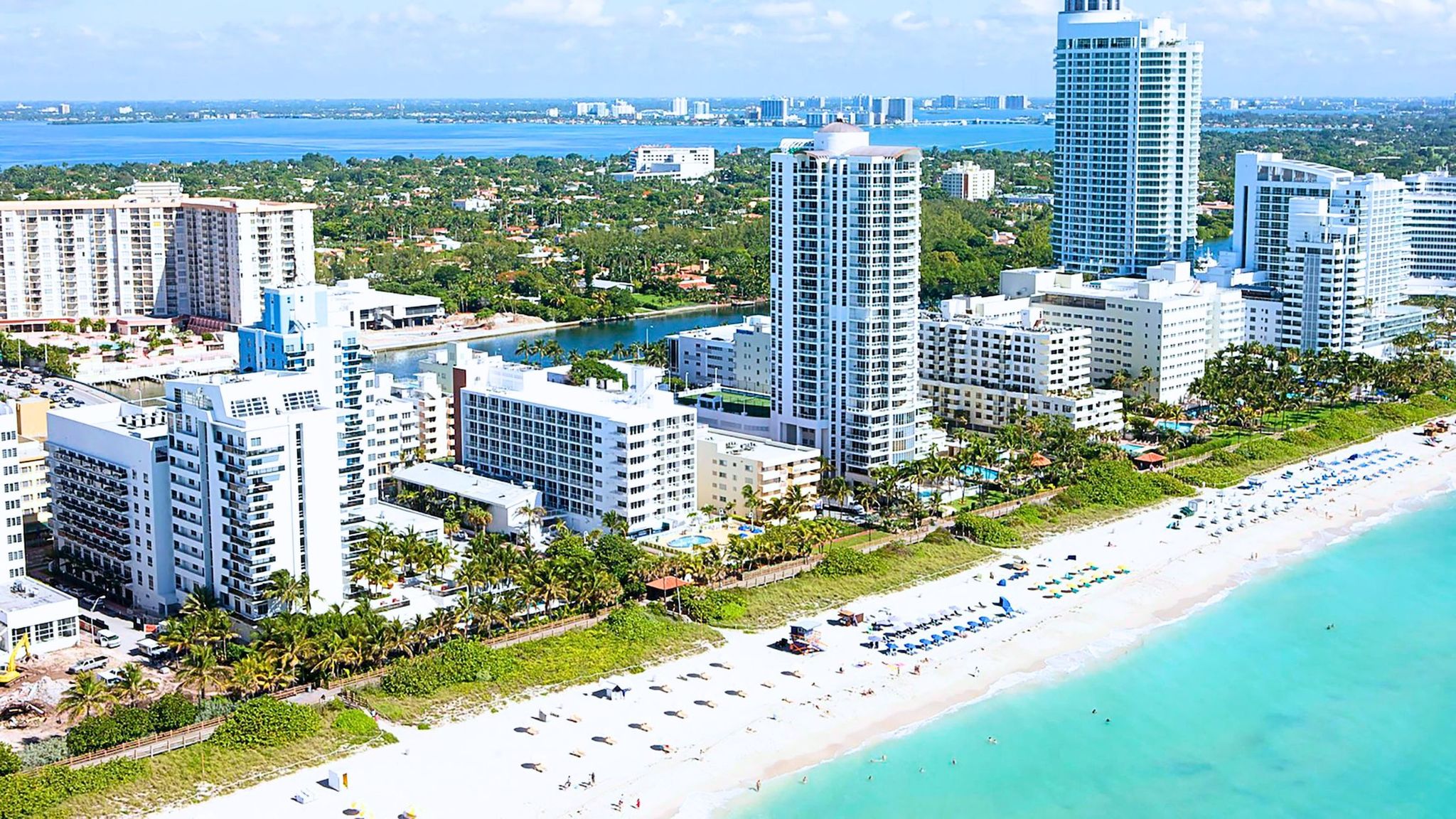
In most Miami neighborhoods, water is a view, an amenity, or a price modifier. In South Beach, the ocean is the structural frame of daily life. The barrier island is roughly a mile wide at most points. Your residence is rarely more than a few minutes from sand. Lummus Park, the dune system, and the boardwalk run continuously up the eastern edge. That proximity is what most buyers actually pay the premium for, even when they think they're paying for the building.
A Walkable Grid Most of Miami Doesn't Have
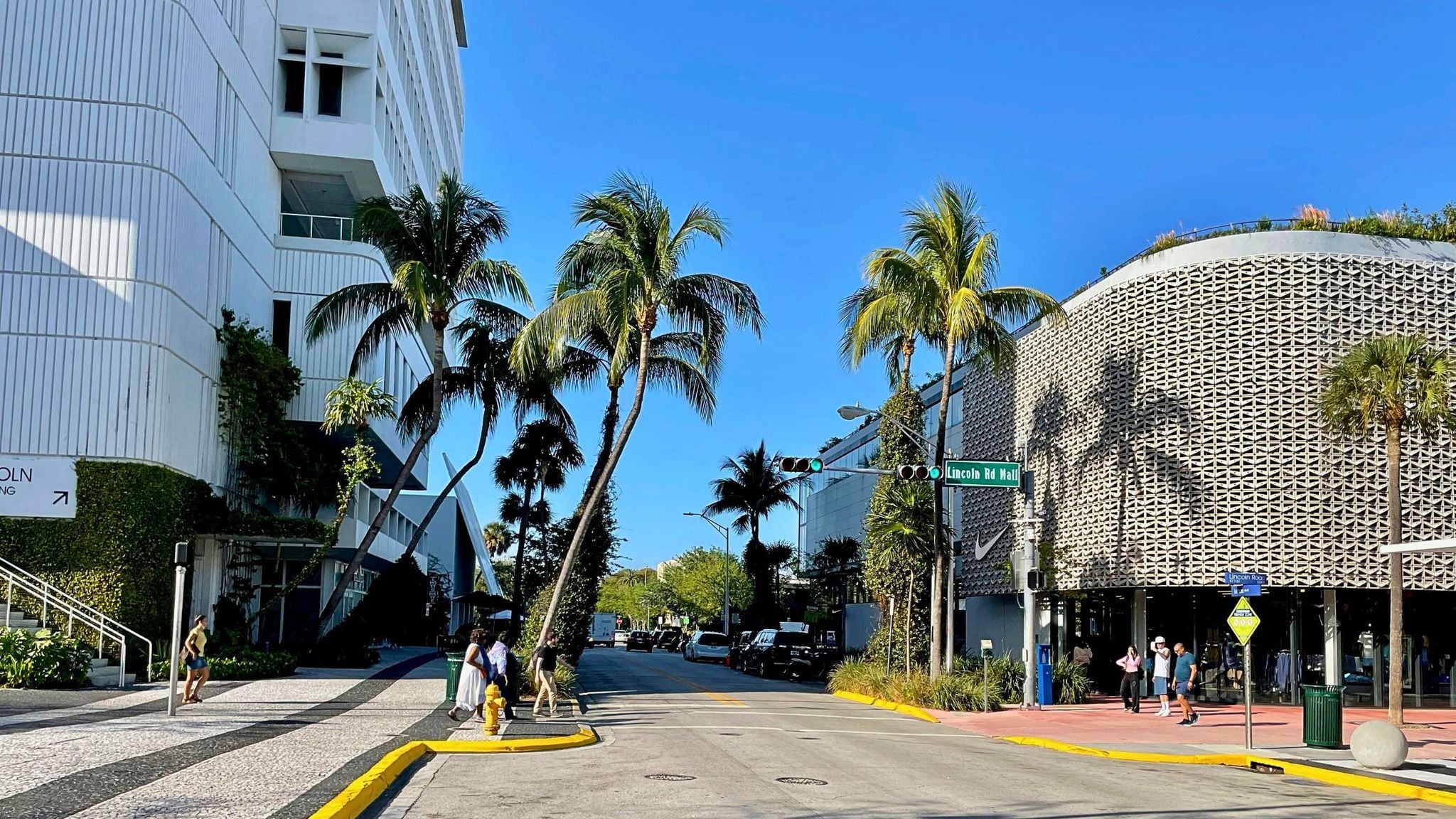
South Beach has something rare in Florida: a real, dense, walkable grid. Lincoln Road, Espanola Way, Washington Avenue, Collins, and Ocean Drive function as a connected pedestrian system. You can do the gym, breakfast, errands, and a dinner reservation without getting in a car. For buyers coming from walkable Northeast cities, that's often the single thing that closes the deal.
The South Beach Real Estate Market at a Glance
South Beach is one of the most layered markets in Miami. There isn't one South Beach price point, there are several, depending on which slice of the island you're looking at.
On the entry side, you have the renovated Art Deco condos in the historic district, smaller floor plates in mid-century buildings, and walk-up co-ops in the central blocks. Mid-tier is the bulk of the modern condo product along Collins and West Avenue, with full amenity packages, pool decks, and concierge service. The top end is its own market entirely: the South of Fifth (SoFi) towers, the oceanfront full-floor and penthouse product, and the Star, Palm, and Hibiscus Islands waterfront homes connected to South Beach by the Venetian and MacArthur causeways.
What I tell buyers about pricing here, in plain terms: the South Beach market behaves more like a global luxury market than a regional one. International capital flows, currency movement, and shifts in remote-work demand can all move pricing as much as local Miami fundamentals do. That's a feature if you understand it. It's a frustration if you don't.
For a broader read on how South Beach stacks up against other parts of the city, my Miami neighborhood lifestyle guide is the right starting point.
Pockets Within South Beach Worth Knowing
People talk about South Beach like it's one neighborhood. It's really a stack of them.
South of Fifth (SoFi) is the southern tip below 5th Street: quieter, residential, full of high-end towers, with Smith and Wollensky, Joe's Stone Crab, and South Pointe Park anchoring the edge. This is where a lot of the trophy condo product lives and where buyers prioritizing privacy tend to land.
The Art Deco Historic District, roughly between 5th and 23rd along Collins, Washington, and Ocean, is the postcard South Beach. Lower-rise buildings, walkable retail, the strongest Art Deco inventory, and the densest restaurant and cafe scene.
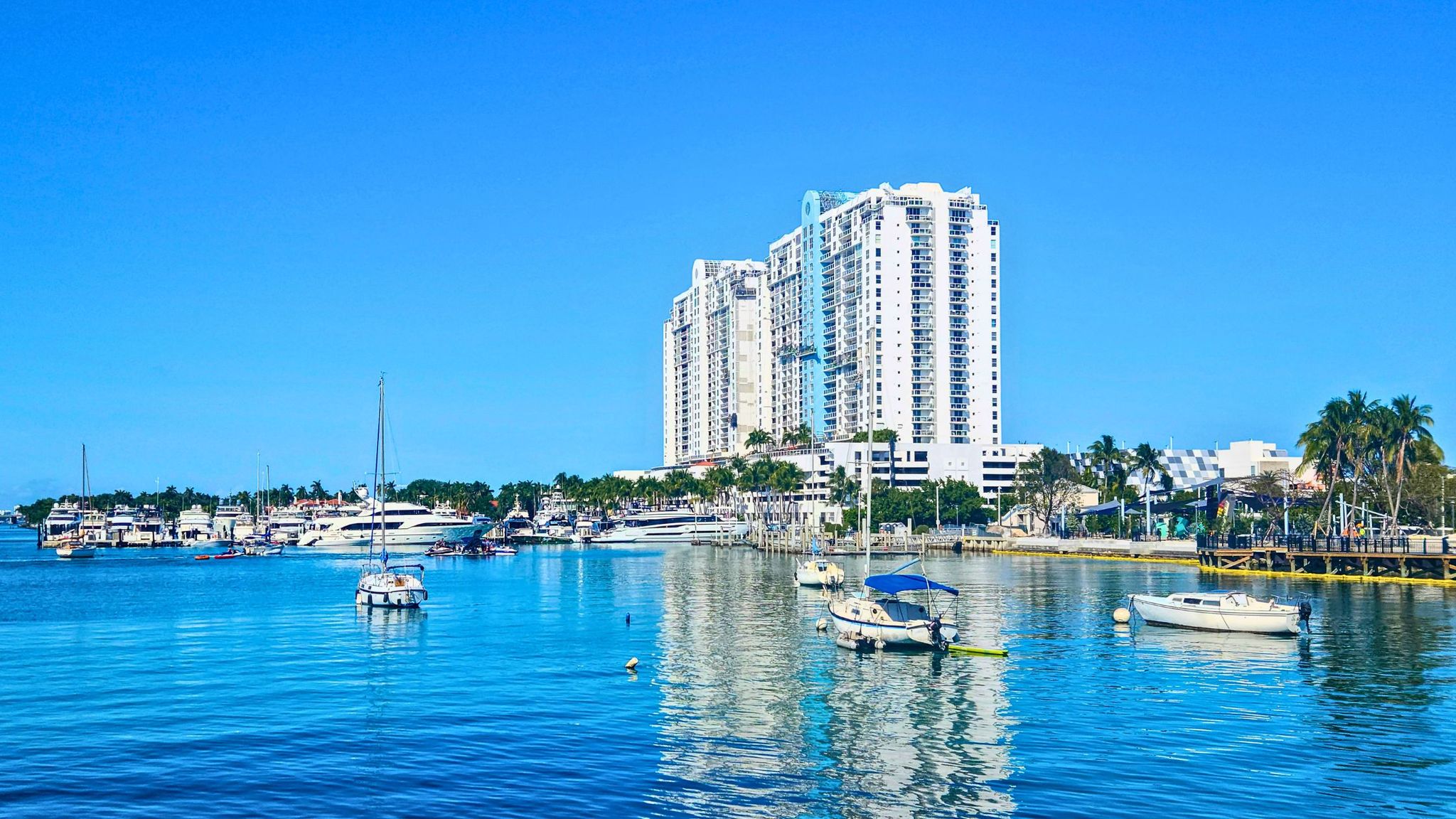
West Avenue and the Sunset Harbour corridor, on the western (bay-facing) side, has become one of the more interesting submarkets on the island: newer mid-rise condo product, Sunset Harbour's gym-and-cafe culture, and a quieter, more local feel than the eastern oceanfront blocks.
Mid-Beach, roughly from 23rd up toward 44th, is where the larger oceanfront resort condos and full-amenity towers cluster: Faena, Setai-style luxury product, and the Fontainebleau corridor. Different tempo from SoFi or the historic district.
Star, Palm, and Hibiscus Islands, technically connected via the MacArthur Causeway, function as the single-family ultra-luxury counterpart to South Beach's condo inventory. Different price universe, different buyer profile, often international or finance-driven.
If architecture is part of what's drawing you here, my breakdown of Miami architectural styles from Art Deco to modern luxury gives more context on how South Beach fits into the broader Miami design story.
Day-to-Day Life: What Buyers Actually Get
The lifestyle pitch for South Beach is short: ocean, walkability, food, and a 24/7 city you can drop in and out of as much as you want.
You can run the boardwalk from South Pointe up past 23rd before most of the city is awake. You can eat your way through a different cuisine every night without ever needing your car. Lincoln Road's pedestrian mall is a dinner-and-people-watch staple. The Bass and the New World Symphony anchor the cultural side. South Pointe Park at the southern tip is one of the best public parks in Miami for sunsets and watching cruise ships clear the channel.
If you're moving here as a primary residence rather than a second home, the daily life is different from the Friday-night Ocean Drive caricature. The locals' South Beach is gym in the morning, work from a Sunset Harbour cafe, ocean swim at lunch, and an early dinner on a side street most tourists never find. That version is the one I think holds up over years.
For families, the calculus is more nuanced than other parts of Miami. South Beach has good public and private school options nearby, but it's not a school-driven submarket the way Coral Gables or Pinecrest are. I cover the broader safety and schools picture in my best neighborhoods in Miami for safety and schools guide.
Who South Beach Is, and Isn't, For
South Beach is for buyers who want walkability, ocean access, a dense restaurant and cultural scene, and a building (not a yard) as their home base. It's a strong fit for second-home buyers, snowbirds, lock-and-leave international owners, urban-minded primary residents, and luxury condo investors with a long enough horizon to ride the global cycle.
It's not the right fit if you want a quiet, low-density single-family suburb, a school-district-first move, a low-traffic stretch with no nightlife footprint, or an inland suburban lifestyle. Coral Gables, Pinecrest, or parts of Coconut Grove do those better. The two markets reward different things, and the worst version of buying in Miami is buying the right product in the wrong neighborhood for your life.
Frequently Asked Questions About South Beach
Is South Beach a good place to live in Miami?
For buyers who prioritize walkability, ocean proximity, a global city feel, and a dense food and cultural scene, South Beach is one of the strongest neighborhoods in the country, not just Miami. It's particularly well-suited to second-home buyers, lock-and-leave owners, urban-minded primary residents, and luxury condo investors. It's less of a fit for buyers who want a low-density suburban lifestyle, a single-family yard, or a school-district-first relocation.
How does South Beach compare to Brickell or Coral Gables?
South Beach, Brickell, and Coral Gables are all in Greater Miami, but they're three completely different products. South Beach is a barrier-island, ocean-fronted, walkable Art Deco and luxury condo market with a global buyer pool. Brickell is a high-rise urban core driven by tower supply and tenant demand. Coral Gables is a design-controlled, residential, historic single-family market. The right pick depends on whether your daily life is built around ocean access, urban density, or residential calm.
What's the real estate market like in South Beach right now?
South Beach behaves more like a global luxury market than a regional one. Inventory is structurally limited because the barrier island is fully built out. The luxury and ultra-luxury tiers, particularly South of Fifth, the oceanfront full-floor product, and the Venetian and Star Island corridors, operate as their own market. For current pricing in the slice of South Beach that fits your budget, reach out and I'll pull live numbers for you.
Is South Beach walkable?
Yes, and unusually so for South Florida. Lincoln Road, Espanola Way, Washington Avenue, Collins, and Ocean Drive form a connected pedestrian grid where you can do most of your daily life on foot. Sunset Harbour and SoFi are walkable internally as well. It's one of the few corners of Greater Miami where many residents rarely use their car during the week.
Can you live in South Beach year-round, or is it mostly second homes?
Both. South Beach has a deep year-round resident base alongside its second-home and seasonal owners. The locals' South Beach (gyms in Sunset Harbour, side-street restaurants, the boardwalk run, neighborhood coffee shops) is a different version of the city than the tourist Ocean Drive picture and is the version most full-time residents settle into.
Thinking About a Move to South Beach?
If you're weighing South Beach against another part of Miami, that's the conversation I have with clients every week. I work the broader Miami market daily, and I bring a finance background to the analysis on top of the lifestyle side.
Reach out and let's talk about what you're looking for. The right product in South Beach moves quickly when it hits, but only if you've done the work to know it when you see it.
Check out this article next