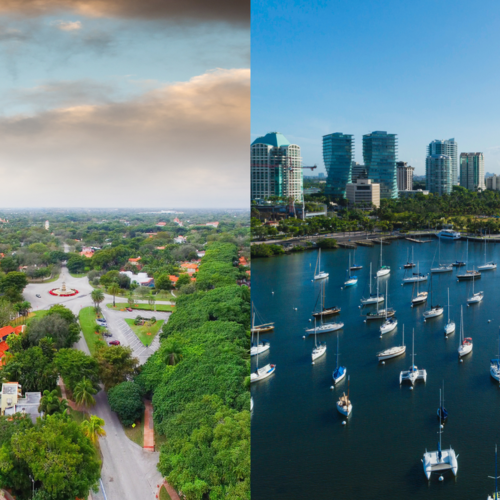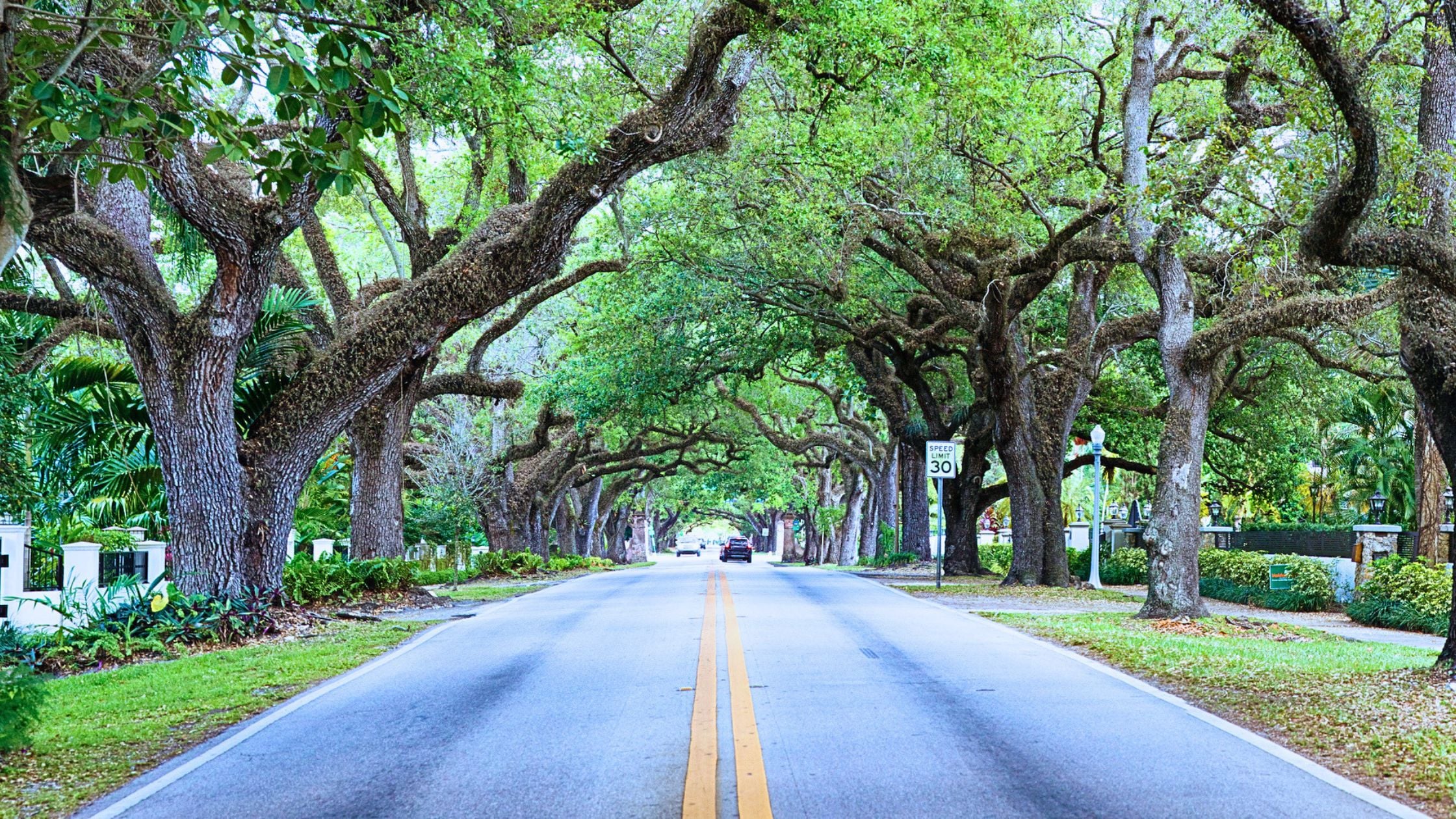
I live in Coral Gables. That's where my family is, that's where my morning runs start, and that's where I've watched the Miami market move for years from the inside. So when clients ask me about living in Coral Gables, I'm not pulling from a brochure. I'm pulling from the corner of South Florida I chose on purpose and have stayed in on purpose.
This guide is the version of the conversation I have with serious buyers who are weighing The City Beautiful against Brickell, Coconut Grove, or the beach. It covers what makes Coral Gables architecturally and culturally distinct, how the real estate market actually behaves here, the pockets within the city worth knowing, and who this neighborhood is (and isn't) built for.
Why Coral Gables Has Been My Home Base
Most Miami neighborhoods are defined by what's new. Coral Gables is defined by what's protected.
That's the short version of why I'm still here. The architectural code, the tree ordinance, the signage rules: they all sound like friction until you live with them for a while. Then you realize they're the reason your street looks the same in 2026 as it did in 1996, and the reason a 1940s home down the block from mine is still standing instead of being scraped for something forgettable.
That continuity has a real financial signal underneath it. Buyers who care about long-term value tend to gravitate here because the rules of the city are doing some of the work of preserving value for them. As someone who started in mortgage finance back in 2006, I pay attention to that. Stability isn't a vibe. It's an asset class.
What Makes Coral Gables Different
If you've only seen Coral Gables from Miracle Mile, you've seen maybe five percent of it. The rest is residential, and the residential side is where the personality lives.
The Mediterranean Revival Foundation
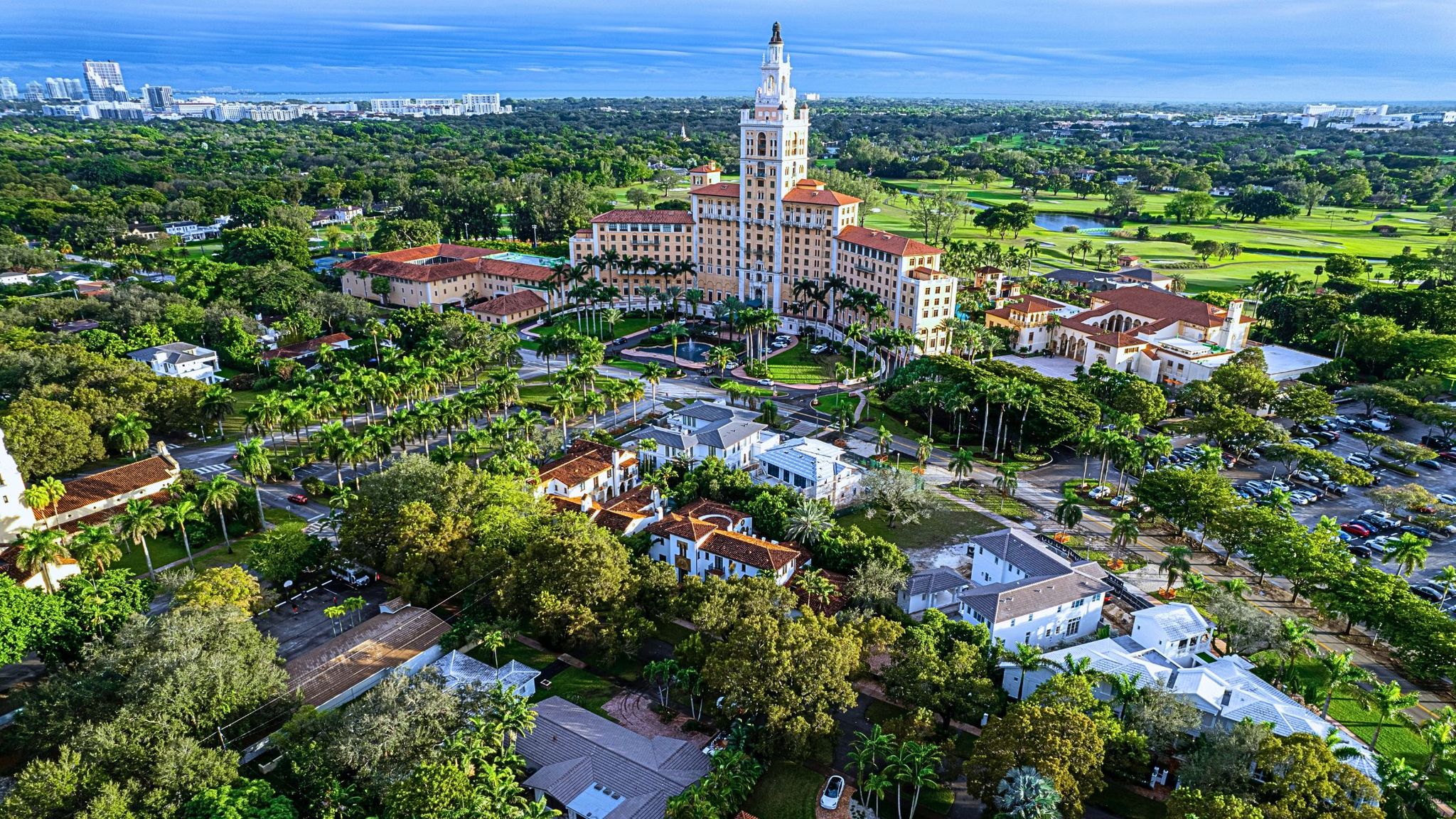
George Merrick designed Coral Gables in the 1920s as one of the country's first fully planned communities, and the Mediterranean Revival aesthetic he locked in is still the template. Stucco walls, barrel-tile roofs, arched windows, wrought iron, courtyards. You'll see modern interpretations and the occasional contemporary build, but the city's design review process is real and it shapes what gets built. If Mediterranean Revival isn't your taste, Coral Gables probably isn't your neighborhood. If it is, almost nowhere else in Miami delivers it at this scale.
The Tree Canopy and Why It Matters
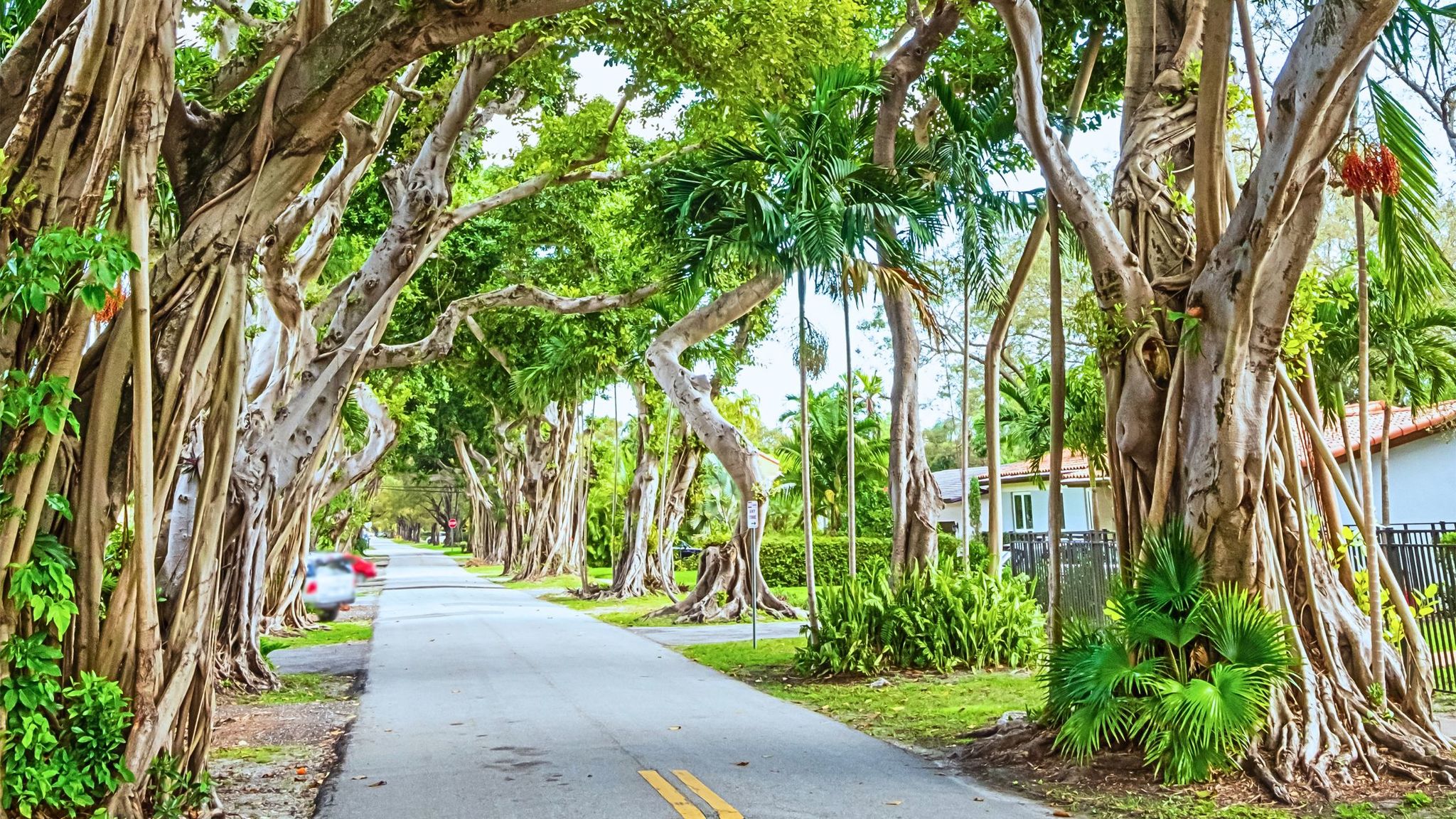
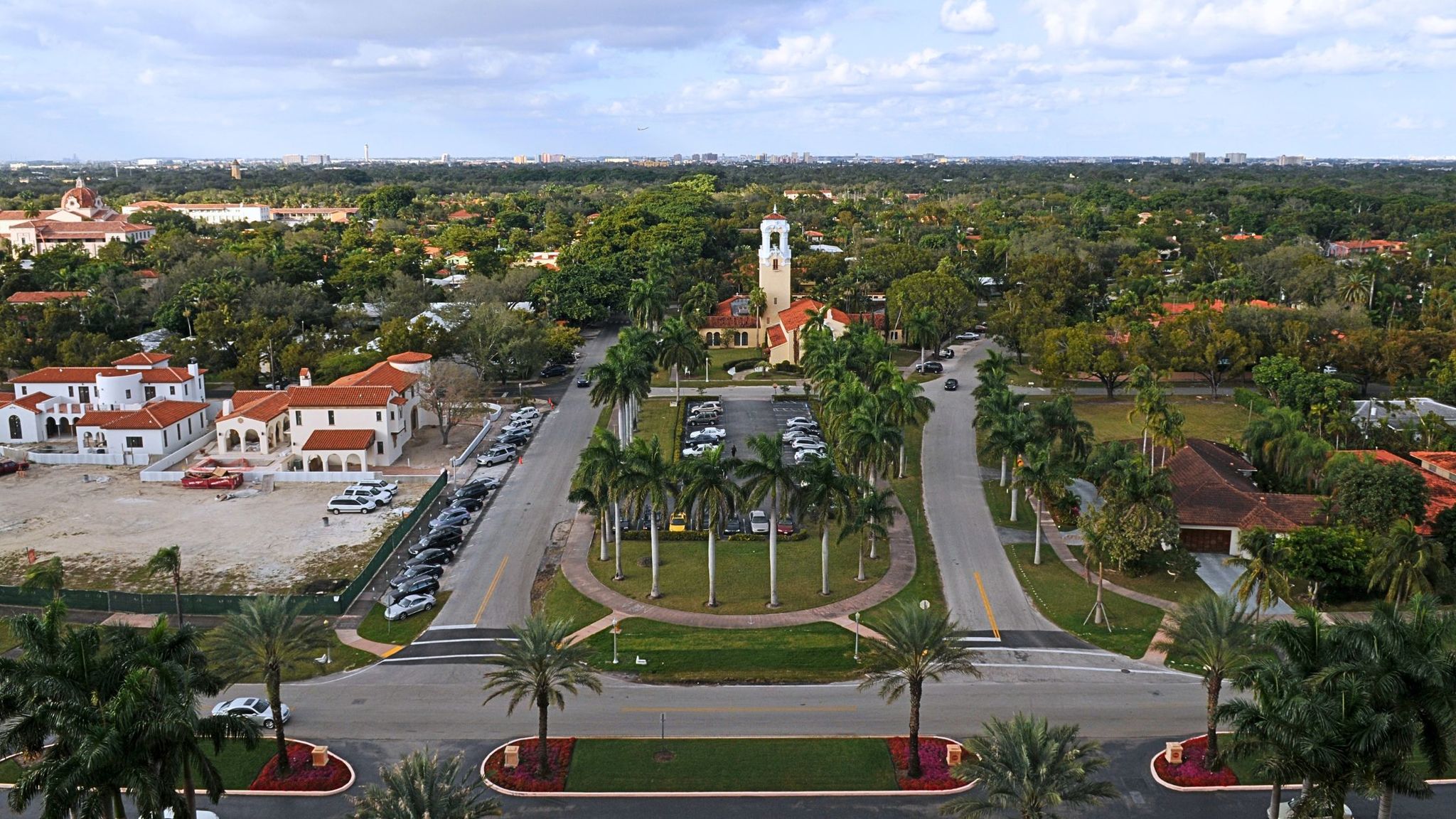
The banyan and live oak canopy is one of the first things visitors notice. It's also one of the most enforced features of the city, because Coral Gables has a tree protection ordinance that genuinely has teeth. The practical effect is that streets like Granada Boulevard and Country Club Prado feel more like a corridor than a road. From a livability standpoint, the shade matters in August. From a real estate standpoint, mature canopy is almost impossible to replicate, which is part of why streets here hold their character (and their pricing) over time.
A Different Kind of Regulation
Coral Gables runs on rules. Paint colors, roof materials, fences, signage, even what you can park in your driveway: all of it has guidelines. To some buyers that sounds like a headache. To others it sounds like a moat. I tell clients to be honest with themselves about which camp they're in before they fall in love with a house here. Going in clear-eyed is the difference between feeling protected and feeling restricted.
The Coral Gables Real Estate Market at a Glance
Coral Gables is one of the more layered markets in Miami. There isn't one Coral Gables price point, there are several, depending on which slice of the city you're in.
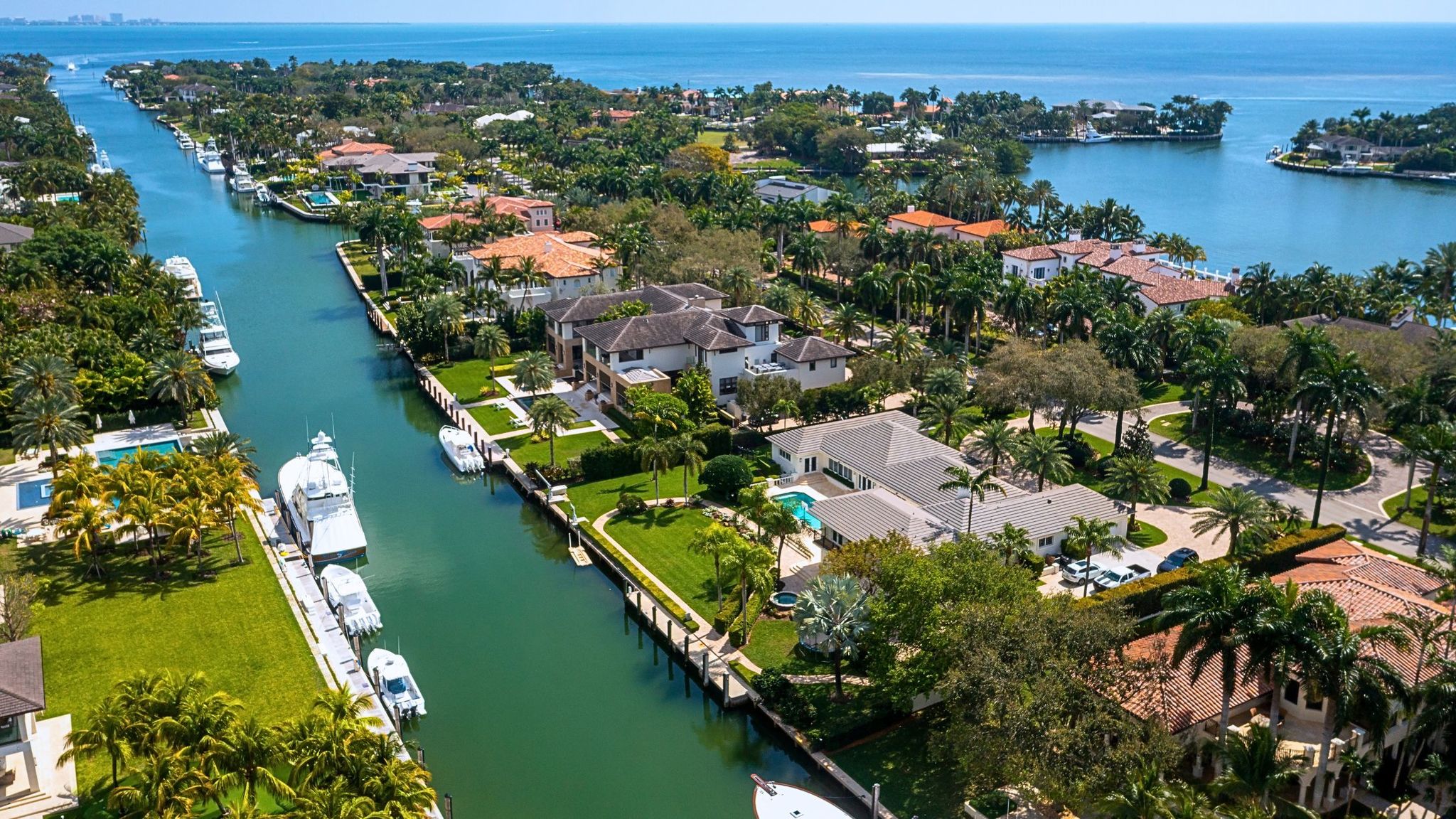
On the entry side, you have the older single-family homes north of the Miracle Mile corridor and the condo inventory along Ponce de Leon and downtown Coral Gables. Mid-tier is the heart of the residential city: the streets between Granada and Riviera, the Country Club section, and the homes south of Bird Road. The top end is its own market entirely: Gables Estates, Cocoplum, Tahiti Beach, and the Old Cutler waterfront corridor, where ultra-luxury and boating access drive a different conversation altogether.
What I tell buyers about pricing here, in plain terms: Coral Gables doesn't tend to spike or crash the way some Miami submarkets do. The combination of inventory constraints, design review, and the demographic that buys here softens both directions. That's a feature, not a bug, if your time horizon is longer than a flip.
For a broader read on how Coral Gables stacks up against other parts of the city, my Miami neighborhood lifestyle guide is the right starting point.
Pockets Within Coral Gables Worth Knowing
People talk about Coral Gables like it's one neighborhood. It's really a collection of them.
- The Country Club section, the area around the Coral Gables Country Club and the Biltmore, is the postcard version. Wide streets, mature canopy, classic Mediterranean homes, and proximity to the Biltmore Hotel and the historic Venetian Pool. This is where a lot of the architectural showpieces live.
- Riviera and Hammock Lakes: quieter, family-heavy, and a strong pull for buyers prioritizing schools and walkability to parks.
- Gables Estates and Cocoplum: the gated, ultra-luxury, waterfront tier. Different price universe, different buyer profile, often international or finance-driven.
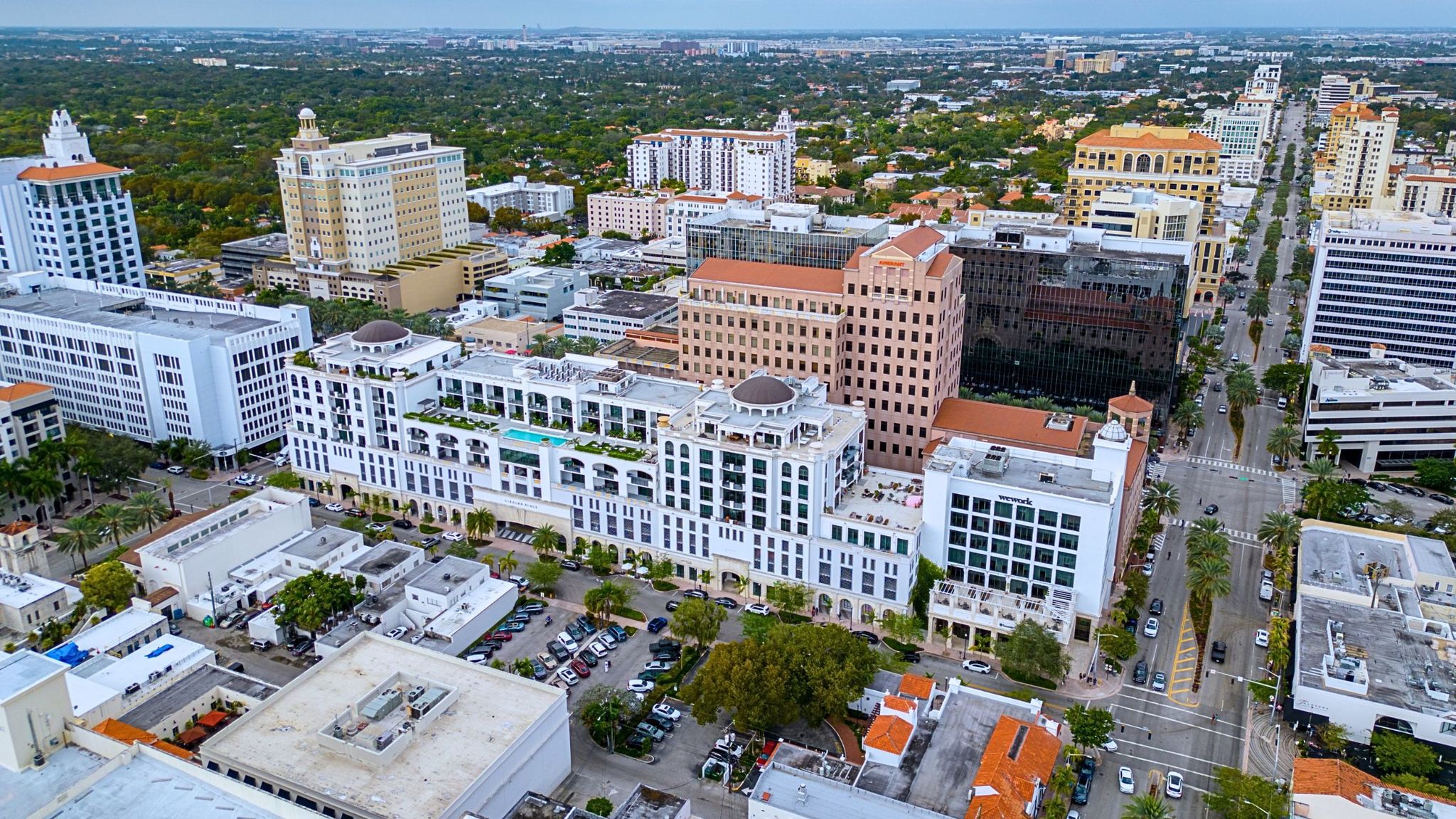
- Downtown Coral Gables and the Miracle Mile corridor: condo and mixed-use product, walkable to restaurants, the Books & Books flagship, and the cultural anchors. This is where I send clients who want Coral Gables aesthetics without a yard to maintain.
- South Gables and the Old Cutler corridor: large lots, equestrian-adjacent feel in spots, and some of the most distinctive estate-scale properties in the city.
If architecture is part of what's drawing you here, my breakdown of Miami architectural styles from Art Deco to modern luxury gives more context on how Coral Gables fits into the broader Miami design story.
Day-to-Day Life: What Buyers Actually Get
The lifestyle pitch for Coral Gables is short: walkable, civilized, and unusually intact.
You can walk to the Venetian Pool, an actual coral-rock public pool that's been operating since the 1920s. You can have dinner on Miracle Mile and be home in five minutes. The Biltmore Hotel and golf course are inside the city limits. Books & Books on Aragon is one of the last great independent bookstores in the country. And Fairchild Tropical Botanic Garden, which is genuinely world-class, sits at the southern edge of the area.
The Miami trolley runs through the city, and downtown Coral Gables is one of the few parts of Greater Miami where you can park once on a Saturday and not need your car again for the rest of the day. For buyers coming from walkable Northeast cities, that matters more than they expect.
For families, the school question comes up early. Coral Gables has a strong public-school reputation in parts of the city and is dense with private-school options across the broader Gables/Coconut Grove area. I cover the safety and schools angle in more depth in my best neighborhoods in Miami for safety and schools guide.
Who Coral Gables Is, and Isn't, For
Coral Gables is for buyers who value continuity, design integrity, walkability, and a market that tends to behave itself. It rewards long holds. It rewards taste. It rewards people who actually use their neighborhood (the parks, the pool, the restaurants, the trolley) instead of just sleeping in it.
It's not the right fit if you want a constantly reinventing scene, brand-new tower views, or a paint-it-whatever-you-want approach to your home. Brickell, Edgewater, or parts of Miami Beach do that better. Be honest with yourself about which one you actually want before you tour here. The two markets reward different things, and the worst version of buying in Miami is buying the right house in the wrong neighborhood for your life.
Frequently Asked Questions About Coral Gables
Is Coral Gables a good place to live in Miami? For buyers who prioritize architectural integrity, walkability, mature tree canopy, and a market with long-term stability, Coral Gables is one of the strongest neighborhoods in Greater Miami. It's particularly well-suited to families, second-home buyers, and long-hold investors. It's less of a fit for buyers chasing brand-new construction or high-rise water views.
How does Coral Gables compare to Coconut Grove or Brickell? Coral Gables, Coconut Grove, and Brickell are next to each other geographically but very different in character. Coral Gables is design-controlled, residential, and historic. Coconut Grove is greener, more bohemian, and waterfront-oriented. Brickell is a high-rise urban core. The right pick depends on whether you want a yard, a view, or a walkable city block as your daily backdrop.
Are there strict rules about renovating a home in Coral Gables? Yes. Coral Gables has design review, color palettes, signage standards, and a tree protection ordinance, among other guidelines. These rules are part of why the city has held its character. If you plan to renovate, build the design review timeline into your plans from the start, and work with an agent and architect who have navigated it before.
What's the real estate market like in Coral Gables right now? Coral Gables tends to move more steadily than Miami's beach and high-rise submarkets. Inventory is structurally limited because the city is built out. The luxury and ultra-luxury tiers, particularly Gables Estates, Cocoplum, and the Old Cutler corridor, operate as their own market. For current pricing in the slice of Coral Gables that fits your budget, reach out and I'll pull live numbers for you.
Is Coral Gables walkable? Parts of it, yes, and unusually so for South Florida. Downtown Coral Gables, Miracle Mile, and the streets around the Biltmore are genuinely walkable. The deeper residential pockets are car-oriented but lined with sidewalks and shaded by canopy, which makes them pleasant to walk recreationally even when you wouldn't run errands on foot.
Thinking About a Move to Coral Gables?
If you're weighing Coral Gables against another part of Miami, that's the conversation I have with clients every week. I live here, I work the broader Miami market daily, and I bring a finance background to the analysis on top of the lifestyle side.
Reach out and let's talk about what you're looking for. The right house in Coral Gables tends to find the right buyer pretty quickly, but only if you've done the work to know it when you see it.
Check out this article next