South Beach real estate in 2026 is not the runaway market most national headlines still describe, and that gap is exactly where smart buyers are finding the strongest entry points of the cycle.
I have been a Florida-licensed agent since 2018 and started in real estate finance back in 2006, which means I have read this barrier-island market through every interest-rate cycle of the last twenty years. South Beach is the neighborhood I get asked about more than almost any other in Miami, and the question I hear most often is the same one: is this still a smart buy, or has the market already moved past it? The honest answer for 2026 is that South Beach is a buyer's market in the condo segment, a tight market at the top of the luxury stack, and a neighborhood where the spread between asking and closing has widened more than any other ZIP code on the island.
Here is how the South Beach condo market actually looks right now, what the lifestyle still delivers, and the specific buyer strategy that is working for the clients I am closing with this summer.
For broader market framing before getting into South Beach specifically, my 2026 Miami real estate forecast is the right context to load first.
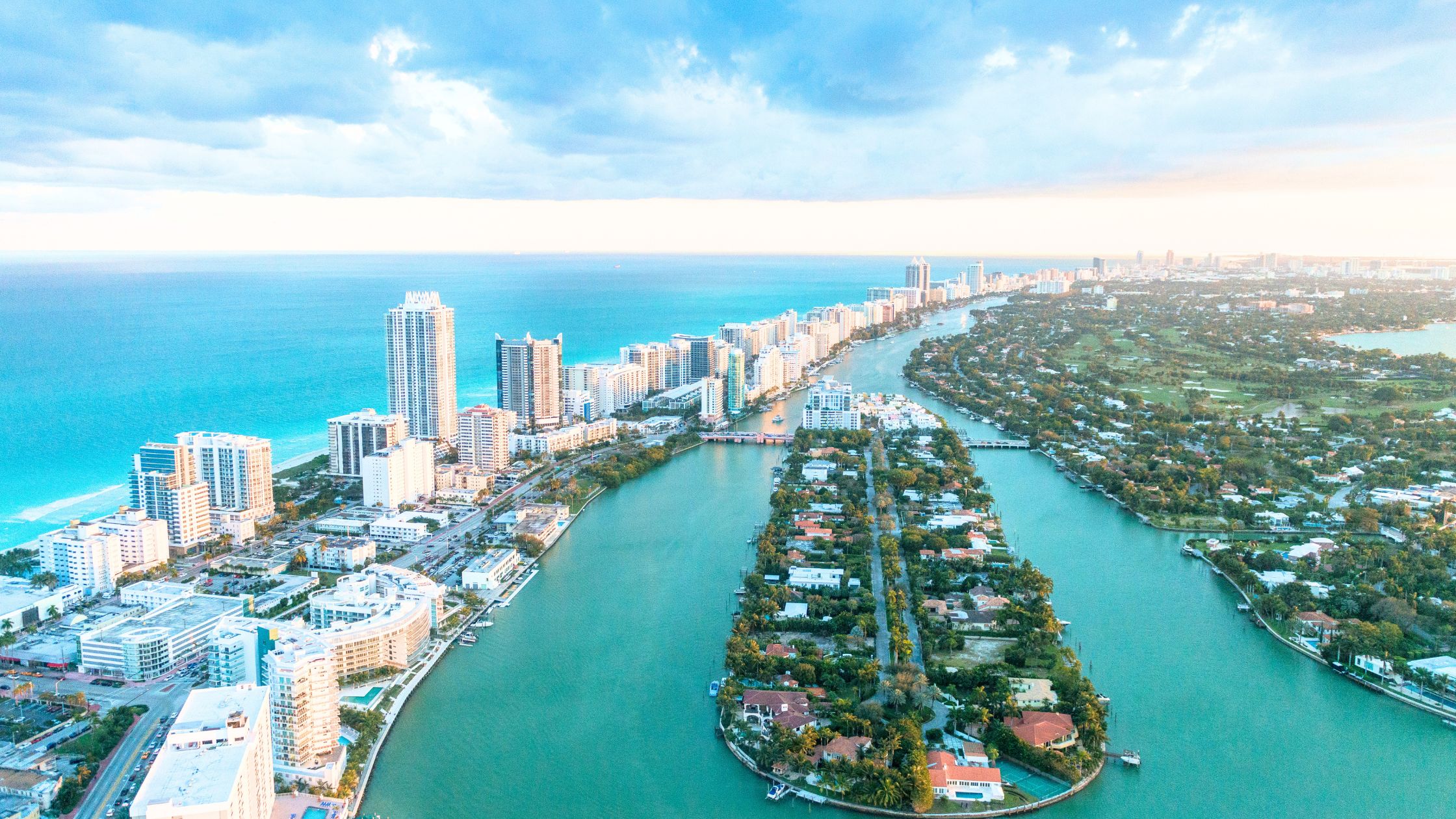
What Counts as South Beach, and Why the Sub-Markets Trade Differently
South Beach is one neighborhood on the map and four different micro-markets in the real estate data. Lumping them together is the first mistake most buyers make.
South of Fifth, the SoFi pocket south of 5th Street running down to Government Cut, is the trophy address on the island and trades closer to a Brickell-luxury logic than a beachfront-condo logic. Inventory here is tight, price per square foot stays elevated, and the buildings with bay or ocean views see real bidding when they hit. This is where the headline ultra-luxury sales come from, and it is the segment of South Beach least available for value plays.
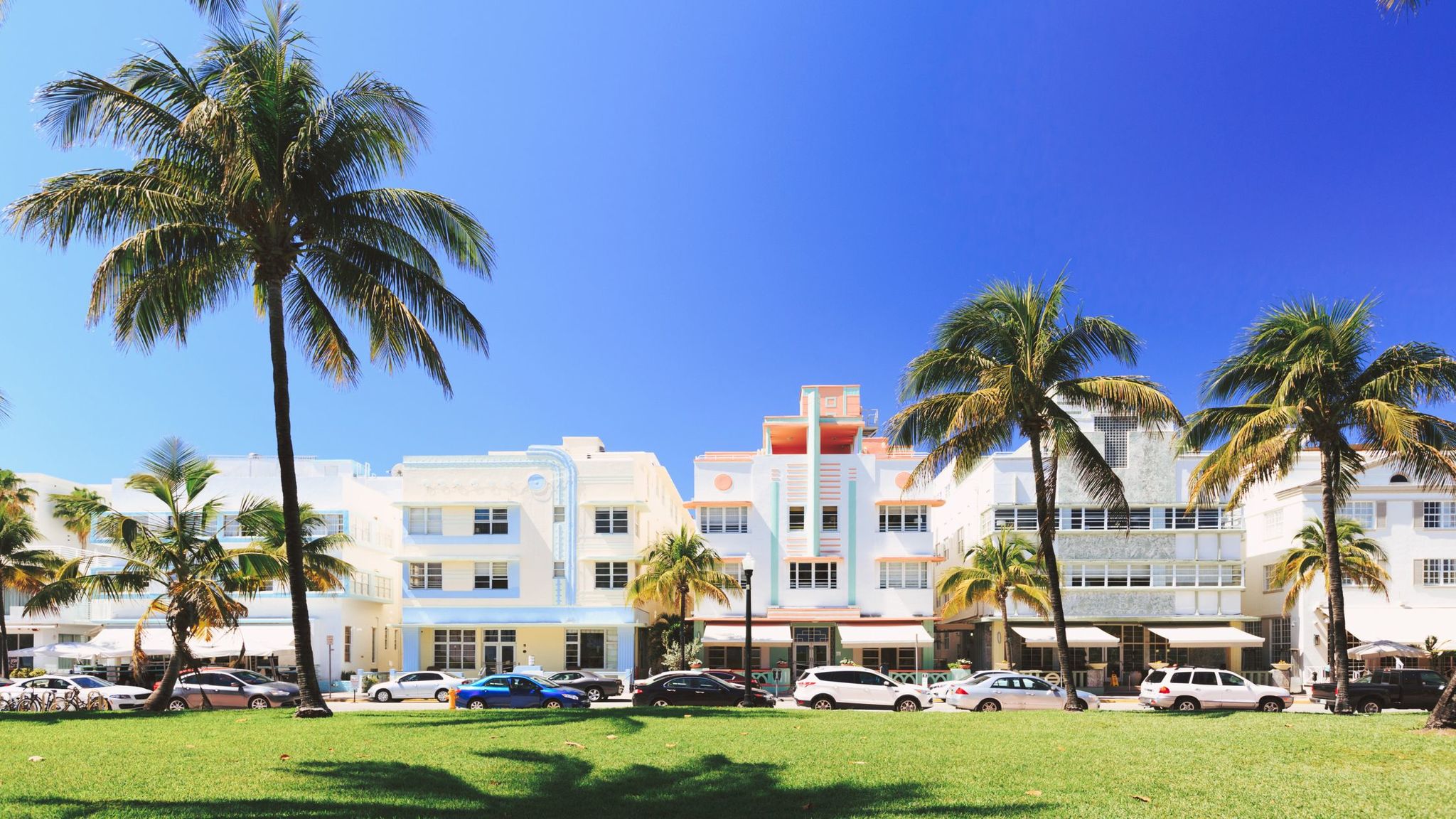
The Art Deco core, roughly 5th Street up to Lincoln Road, is the historic walk-everywhere stretch that defines South Beach in most buyers' minds. Inventory here is older, building quality varies sharply between renovated and original, and the price-per-square-foot range is wider than any other South Beach pocket. This is where the smartest buyers are finding 2026 entry points if they read the building, the assessments, and the rental rules correctly.
North of Lincoln to Dade Boulevard, sometimes grouped with the Art Deco core and sometimes called Mid-Beach-adjacent, picks up more residential calm without losing the walkability. Slightly larger floor plates, slightly newer building stock in places, and a quieter Sunday morning than the streets directly off Ocean Drive.
The Sunset Harbour pocket on the bay side has quietly become one of the most consistently sought-after South Beach micro-markets, with boater access, lower-rise mid-century buildings, the Standard spa across the water, and the kind of walkable everyday infrastructure that makes a primary residence feel livable instead of theatrical. Per-square-foot pricing here often runs at a premium to the average South Beach condo, with real reasons behind it.
A buyer who is thinking "South Beach" without picking which of these four they actually want is shopping for a $1M comp set and a $10M comp set in the same neighborhood and wondering why nothing makes sense.
The 2026 South Beach Condo Market, What the Numbers Say
Miami-Dade overall is sitting on roughly thirteen months of condo supply in 2026, which is a textbook buyer's market by any conventional measure. South Beach is running in line with, and in several sub-markets above, that broader figure.
That oversupply is not evenly distributed. South of Fifth and the strongest Sunset Harbour buildings are still moving on tighter timelines and stronger closings. The bulk of South Beach condo inventory, Art Deco core buildings with older systems, higher assessments, or short-term-rental questions, is where the soft market lives. Days on market in that bucket stretches longer, price reductions are more common, and seller concessions on rate buydowns or closing costs have come back into the deal structure in a way most buyers have not seen in the last five years.
The two structural drivers behind the soft South Beach condo market are not going away in 2026. First, the Florida condo legislation that followed the Surfside tragedy required older buildings to complete milestone inspections and fund their structural reserves, and the special assessments that came out of that process are still working through the market. Buildings with assessments behind them are trading at a discount that has not fully closed. Second, the short-term rental landscape on the island has tightened in several buildings and across some Miami Beach addresses entirely, which has thinned the investor buyer pool that used to absorb a meaningful share of South Beach condo inventory.
For the buyer in 2026, both of those drivers are actually opportunities if the diligence is run correctly. Buildings that have already completed their inspections and assessments are out of the worst of the overhang. Buyers who are clear on their use case, primary residence, second home, or longer-term-rental investment, can underwrite the unit without trying to model around a short-term-rental income stream that may not survive the next ordinance change.
For broader market context, my March 2026 South Florida real estate update is the most recent monthly read on where prices, inventory, and demand are actually sitting.
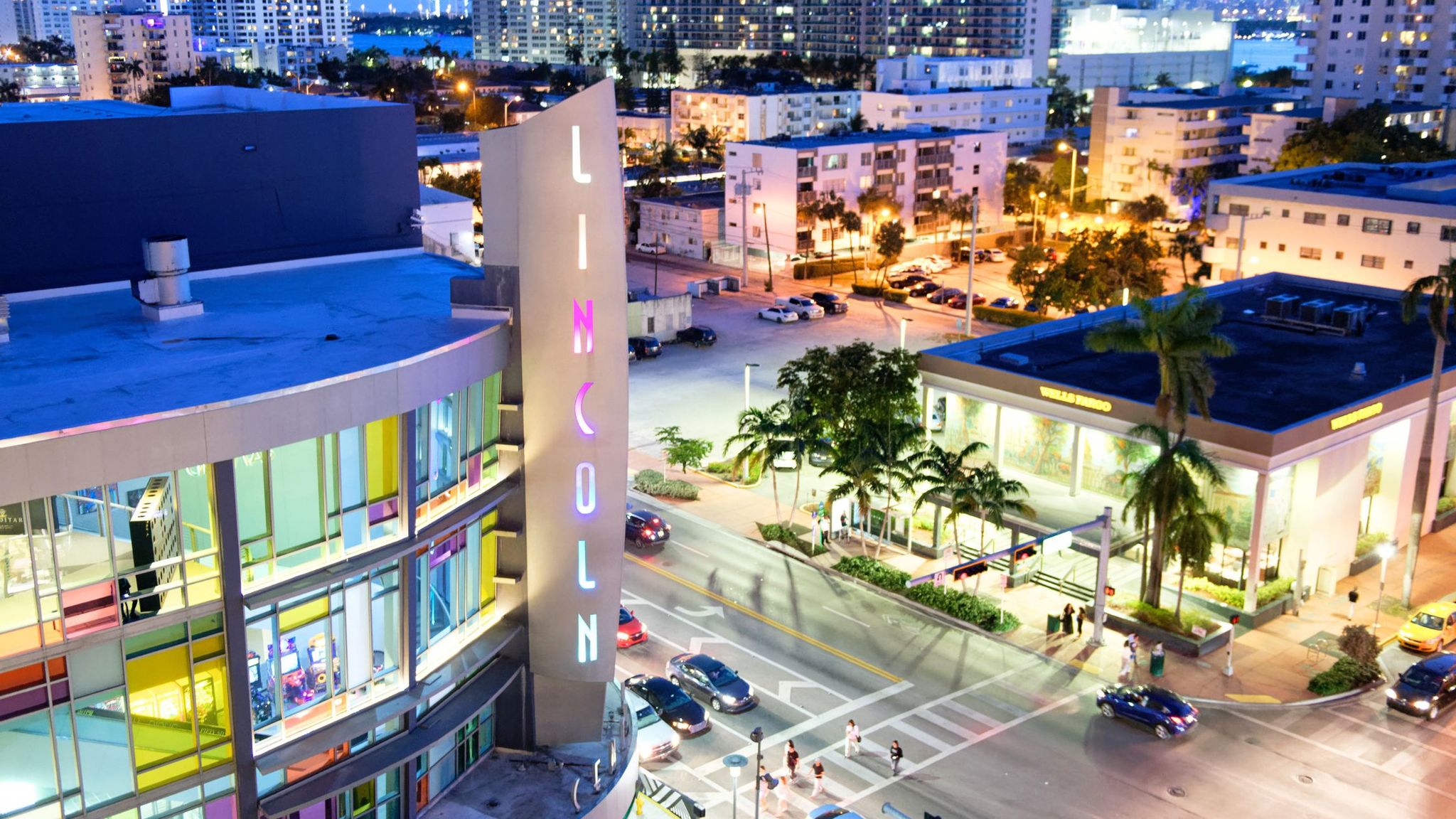
The Lifestyle Buyers Are Actually Buying Into
South Beach gets sold as a nightlife address and lived as a walkable, ocean-fronted city neighborhood, and the buyers who fall in love with it are usually responding to the second version, not the first.
A morning here looks like a sunrise walk on the sand, a cycle up the boardwalk, a coffee at one of the Lincoln Road or Española Way cafes, and a Lincoln Road farmers market on Sundays. The day runs on the same boardwalk-and-bike-path infrastructure that makes Sunset Harbour, Flamingo Park, and the South Pointe Park promenade the daily backdrop for residents who actually live here. The dining is real, with a tier of restaurants that has matured well beyond the tourist-strip reputation the neighborhood carried in the 2010s. The arts calendar is anchored by the New World Symphony, the Bass Museum, the Wolfsonian, and the December Art Basel pulse that still resets the global luxury conversation around Miami every year.
The piece most buyers do not factor in: South Beach is one of the most walkable, transit-light neighborhoods in all of South Florida. The car becomes optional in a way it almost never is anywhere else in Miami. For buyers coming from New York, Chicago, San Francisco, or any European city, that walkability is often the unspoken reason South Beach keeps winning the shortlist.
For more on how walkability and outdoor dining actually flow through to property values in Miami, my outdoor dining and walkability impact on home prices read is the lens many of these buyers are using whether they realize it or not.
Buyer Strategy: What Is Actually Working in South Beach in 2026
The buyers winning in South Beach right now are the ones treating this as a building-first market, not a neighborhood-first market.
The single most important diligence step on any South Beach condo in 2026 is the building itself: the reserve study, the recent and upcoming assessments, the milestone inspection status, the insurance posture, and the rental rules. Two units in the same ZIP code at the same price per square foot can be a fundamentally different investment based entirely on the building's financials. The buyers who skip that step and chase the headline price are the ones who end up writing a six-figure assessment check eighteen months into ownership and wondering why the comp set never validated the purchase.
Pricing the offer correctly is the second piece. With thirteen months of condo supply across Miami-Dade and South Beach running in line with or above that figure, the listing prices on the slower end of the market are not the closing prices on the slower end of the market. The spread between asking and closing is wider here in 2026 than in most Miami sub-markets, and buyers who write at ask in this segment are almost always leaving real money on the table. The right offer is anchored to the actual closing comps in the building over the last six to twelve months, not the optimistic asking prices on the active inventory across the street.
Financing strategy is where my background actually pays off. South Beach condos sit in a financing environment that is not the same as the single-family market, with non-warrantable buildings, condo questionnaire issues, and insurance hurdles all narrowing the lender pool for certain buildings. A buyer who walks into this market without a pre-aligned lender who actually closes South Beach condos is the buyer whose deal falls apart at week five. The buyers I see closing cleanly are the ones who run the financing pre-work before they ever write the first offer.
Use-case clarity is the last piece, and it is the one most buyers skip. A primary residence, a lock-and-leave second home, and an investment unit are three different underwrites in South Beach in 2026, and the right building, the right floor plan, and the right rental rules are different for each one. Picking a unit before picking the use case is how most South Beach mistakes start.
When South Beach Is the Right Move, and When It Is Not
To be honest: South Beach is not the right answer for every Miami buyer.
It is the right move for the buyer who genuinely values walkability, beach access, restaurant density, and the cultural calendar, and who is going to actually use it. It is the right move for the lock-and-leave second-home buyer who wants oceanfront or near-ocean for three or four months of seasonal use and the ability to close the door for the rest of the year. It is the right move for the longer-term hold investor who underwrites without leaning on short-term rental income and who can carry a unit through the next cycle.
It is the wrong move for the buyer who wants single-family privacy, a yard, school-zone optionality for a young family, and a quieter daily rhythm. That buyer should be looking at Coral Gables, Pinecrest, or Coconut Grove, not South Beach. It is the wrong move for the investor underwriting purely on a short-term-rental cash flow model that may not survive the next ordinance review. And it is the wrong move for any buyer who is not willing to do the building-level diligence that this market requires in 2026.
The South Beach buyers I close with happiest a year later are almost always the ones who picked the right pocket, the right building, and the right use case, in that order.
Frequently Asked Questions About South Beach Real Estate in 2026
Is South Beach a good place to buy real estate in 2026?
South Beach can be a strong buy in 2026, but the answer depends heavily on the sub-market and the building. South of Fifth and the strongest Sunset Harbour buildings remain tight and competitive, while a meaningful share of the Art Deco core condo inventory is sitting in a buyer's market with wider asking-to-closing spreads than most Miami sub-markets. The opportunity exists, but it requires building-level diligence on reserves, assessments, milestone inspections, and rental rules before a number gets written on a contract.
How much does a condo cost in South Beach in 2026?
South Beach condo pricing in 2026 spans a wide range driven by sub-market, building age, view, and floor plan. South of Fifth and oceanfront luxury buildings continue to trade at the top of the per-square-foot range, while Art Deco core inventory with older systems or pending assessments often trades meaningfully below. Buyers should run any specific price expectation against the last six to twelve months of closed comps in the actual building they are targeting, not against active listings or the South Beach average.
What is the difference between South of Fifth and the rest of South Beach?
South of Fifth, the SoFi pocket south of 5th Street, is the trophy address on the island and trades closer to a Brickell-luxury logic, with tighter inventory, higher price per square foot, and the bulk of the headline ultra-luxury sales. The Art Deco core north of 5th has a wider price-per-square-foot range, older building stock, and most of the value opportunities in the current market. Sunset Harbour on the bay side is its own pocket, quieter, boater-friendly, and frequently at a premium per square foot for the lifestyle it delivers.
Are South Beach condos a good investment in 2026?
South Beach can work as an investment in 2026 for buyers underwriting a longer-term hold without depending on short-term rental income, since rental rules vary by building and the regulatory landscape has tightened in recent years. The buildings that have already completed milestone inspections and worked through their reserve assessments are positioned more cleanly for investment than buildings still carrying that overhang. Cash flow assumptions should be conservative, the time horizon should be long, and the diligence on building financials and rental rules should be the gating step before pricing the deal.
Is South Beach safe to live in?
South Beach is a dense urban beach neighborhood with the variability that comes with that profile, including quieter residential pockets near Sunset Harbour, Flamingo Park, and South of Fifth, alongside the heavier nightlife corridors closer to Ocean Drive and Washington Avenue. Most full-time residents who choose the right pocket and the right building report a comfortable everyday experience, and the Miami Beach Police Department has continued to invest in the high-traffic stretches. As with any urban neighborhood, the specific block, building, and street activity matter more than the headline ZIP code average.
Ready to Make a Smart Move in South Beach?
South Beach real estate in 2026 rewards the buyers who pick the right pocket, the right building, and the right use case in that order, and it punishes the ones who chase a headline address without doing the diligence underneath it.
If you want the deeper playbook, download my free Buyer’s Guide. It covers the buying process, market strategy, financing, and what to watch for before making an offer.
If South Beach is on your shortlist for a primary residence, a second home, or a longer-term investment, the conversation worth having now is the one that lines up your timeline, your use case, and the specific buildings worth your time against the current state of the market. I run that conversation with the loan-officer lens and the agent lens at the same time, which means the strategy reads against both the building's financials and the price you should actually be writing. Reach out and we will map your South Beach shortlist together.
Check out this article next