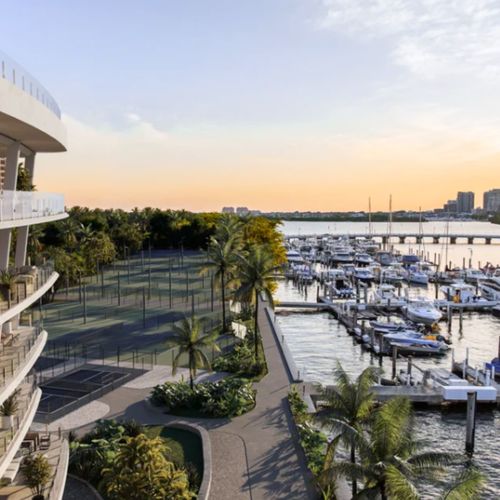

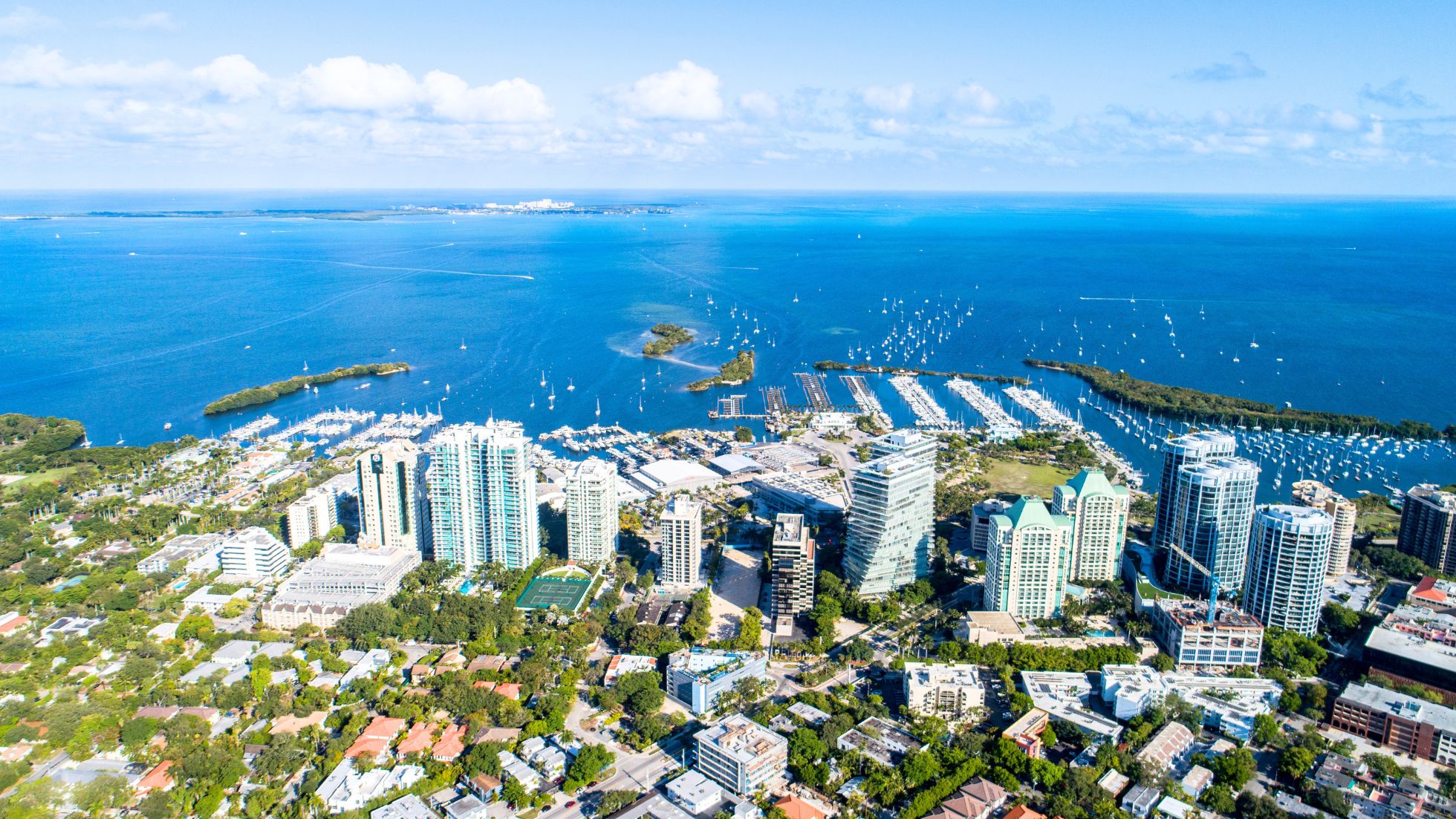
Coconut Grove, known simply as “The Grove,” is Miami’s oldest and perhaps most mythologized neighborhood. People describe it as lush and laid back, upscale yet artsy. Locals rave about open air cafés, sailboats bobbing in Biscayne Bay, and a calendar filled with art festivals. But with median home prices approaching $3 million, does Coconut Grove offer enough value to justify the hype? This comprehensive guide evaluates the lifestyle, schools, and real estate market to help you decide whether Coconut Grove should be your next home or investment.
Coconut Grove Lifestyle: Bohemian Spirit Meets Bayside Luxury
History and Community Vibe
Coconut Grove sits just south of downtown Miami and the Beaches and is celebrated for its mix of Bahamian and bohemian heritage. Early settlers included Bahamian immigrants, artists and adventurers; over the years the neighborhood has attracted notable residents like Tennessee Williams and Madonna. Today, it still feels like a village: lush parks, a glittering shoreline dotted with sailboats and shady tree‑lined streets create scenic serenity.
The community exudes a bohemian‑lux atmosphere. A recent lifestyle article notes that Coconut Grove blends rich history with bohemian vibes and luxurious living; its relaxed atmosphere and artistic flair make it a favorite among artists, intellectuals and affluent families. Winding streets lead to magnificent estates, charming boutiques and eclectic galleries. Waterfront parks and marinas provide endless activities such as sailing, kayaking and scenic strolls. Residents value sustainability, culture and a laid‑back way of life, which helps explain the neighborhood’s tight‑knit feel.
Walkability and Recreation
Coconut Grove’s walkability is a major selling point. The Jose Munoz Real Estate blog describes the Grove as a village‑style environment with a pedestrian‑friendly core and waterfront parks, cafes and boutique shopping. Unlike Brickell’s high‑rise density, Coconut Grove offers compact streets that encourage walking, biking and stroller‑friendly outings. Living here means you can grab a coffee, browse a bookshop and watch the sunset over the bay without getting into a car.
CocoWalk: The Grove’s Shopping and Entertainment Hub
CocoWalk is the neighborhood’s rejuvenated town center. Reimagined for the 21st century, it blends tropical gardens with independent boutiques and more than 100,000 sq ft of creative office space. The grounds were designed to seamlessly blend into the bay‑side boating village. Visitors encounter high‑end retail, bistro cafés, live entertainment and even a 15‑screen luxury movie theater serving wine and small plates. It’s a tranquil yet buzzing place for people to watch and experience the Grove’s cultural pulse.
Parks and Outdoor Spaces
- Peacock Park – Spanning more than nine acres, this waterfront park offers basketball and softball fields, soccer pitches, a playground and a multi‑purpose field. Inside the recreation building you’ll find ping‑pong tables, foosball and even computer workstations with free Wi‑Fi. A boardwalk over Biscayne Bay provides space for yoga or simply admiring the breeze. Peacock Park hosts live music during the Coconut Grove Arts Festival and is steeped in history—its site was once home to the 1883 Peacock Inn.
- Barnacle Historic State Park – Built in 1891 by yacht designer Ralph Middleton Munroe, the Barnacle offers a glimpse of frontier life when travel was by sea. Massive trees shade the property, and visitors can tour Munroe’s 1891 home and view replicas of his sailboats. Events like Shakespeare in the Park and the Haunted Ballet add to its charm.
- Regatta Park – Adjacent to Dinner Key Marina, this park is the main venue for the annual Coconut Grove Arts Festival. During Presidents Day weekend 2026 the festival will return for its 62nd edition, showcasing works by more than 275 artists along McFarlane Road, Pan American Drive and South Bayshore Drive. The event offers visual art, live demonstrations, culinary delights and a family zone, and proceeds fund year‑round arts programming.
Dining and Cultural Scene
Coconut Grove’s dining scene runs from farmers’ market stalls to high‑end restaurants. The neighborhood is home to chef‑driven eateries, laid‑back cafés and weekly farmers’ markets. Notable waterfront dining includes Glass & Vine, a glass‑walled restaurant inside Peacock Park with farm‑to‑table cuisine, and Grand Public or Ava MediterrAegean in CocoWalk for upscale Mediterranean flavors. Live music venues, wine bars and craft breweries cater to locals seeking nightlife without leaving the neighborhood. Combined with art galleries and the annual arts festival, these experiences reinforce the Grove’s reputation as an artistic hub.
Pros and Cons of the Lifestyle
Pros
- Bohemian village vibe with a strong sense of community and nature.
- Walkability: compact streets and waterfront paths encourage walking and cycling.
- Abundant parks and marinas for sailing, kayaking and outdoor recreation.
- Rich cultural scene: CocoWalk, arts festival, theaters and galleries.
Cons
- Traffic and parking can be challenging during festivals and weekend events.
- Limited nightlife compared with downtown Miami; those seeking late‑night clubs may find the Grove too quiet.
- High cost of living due to limited housing supply and premium property values (discussed below).

Schools in Coconut Grove – Quality Public and Prestigious Private Options
One of Coconut Grove’s biggest draws for families is its top‑rated schools. The neighborhood offers excellent public schools within the Miami‑Dade County Public School system and a range of elite private institutions.
Public Schools
School | Notable Stats & Highlights | Why It Matters |
Coconut Grove Elementary School | Rated 10/10 and in the top 5 % of Florida public schools. Math proficiency is 83 % and reading proficiency 85 %, both well above state averages. Student–teacher ratio of 15:1 fosters individualized learning. | Exceptional test scores and small class sizes attract parents who value academic performance in a neighborhood school. |
George Washington Carver Middle School | Magnet school rated 10/10 and ranked in the top 5 % of Florida middle schools. Math proficiency 87 % and reading 91 % exceed state averages. Recognized as a Blue Ribbon School, signaling national excellence. | Offers advanced coursework and language programs; draws motivated students from across the city, enhancing peer quality. |
Private and Parochial Schools
School | Key Facts & Rankings | Why It Matters |
Ransom Everglades School (Grades 6‑12) | Widely regarded as the top private school in Miami and among the top 10 private schools in North America. Known for rigorous college‑prep curriculum and experiential learning. | Highly selective; graduates attend Ivy League universities; fosters intellectual curiosity and leadership. |
Carrollton School of the Sacred Heart (PK‑12) | Serves 873 students; average class size 15; tuition roughly $49,000; student–teacher ratio 7:1. Ranked in the top 20 % of Florida schools for acceptance rate, sports offerings and historical prestige. | Excellent academics and extracurricular programs; all‑girls environment encourages empowerment and service. |
Immaculata‑La Salle High School (Grades 9‑12) | Catholic coeducational school overlooking Biscayne Bay. Enrollment around 886 students; tuition ≈$17,040; acceptance rate 85 %; average class size 20. | Offers AP courses, strong athletics and fine arts; ideal for families seeking a value‑oriented private high school. |
St. Stephen’s Episcopal Day School (PK‑5) | Top‑20 % private school with 320 students, 7:1 student–teacher ratio and average class size 20. Tuition is ≈$39,500 and the school emphasizes character development and design‑thinking. | Prepares children for elite middle schools; fosters leadership and innovation from an early age. |
School Takeaways
- Academic excellence is a hallmark of Coconut Grove, with both public and private options ranked among the state’s best. Families relocating from other regions often choose the Grove specifically for its schools.
- Small class sizes and low student‑teacher ratios promote individualized attention and accelerated learning.
- Tuition costs at top private schools range from $17 k to $49 k annually; families should budget accordingly.
Coconut Grove Real Estate Prices and Market Trends
Market Overview
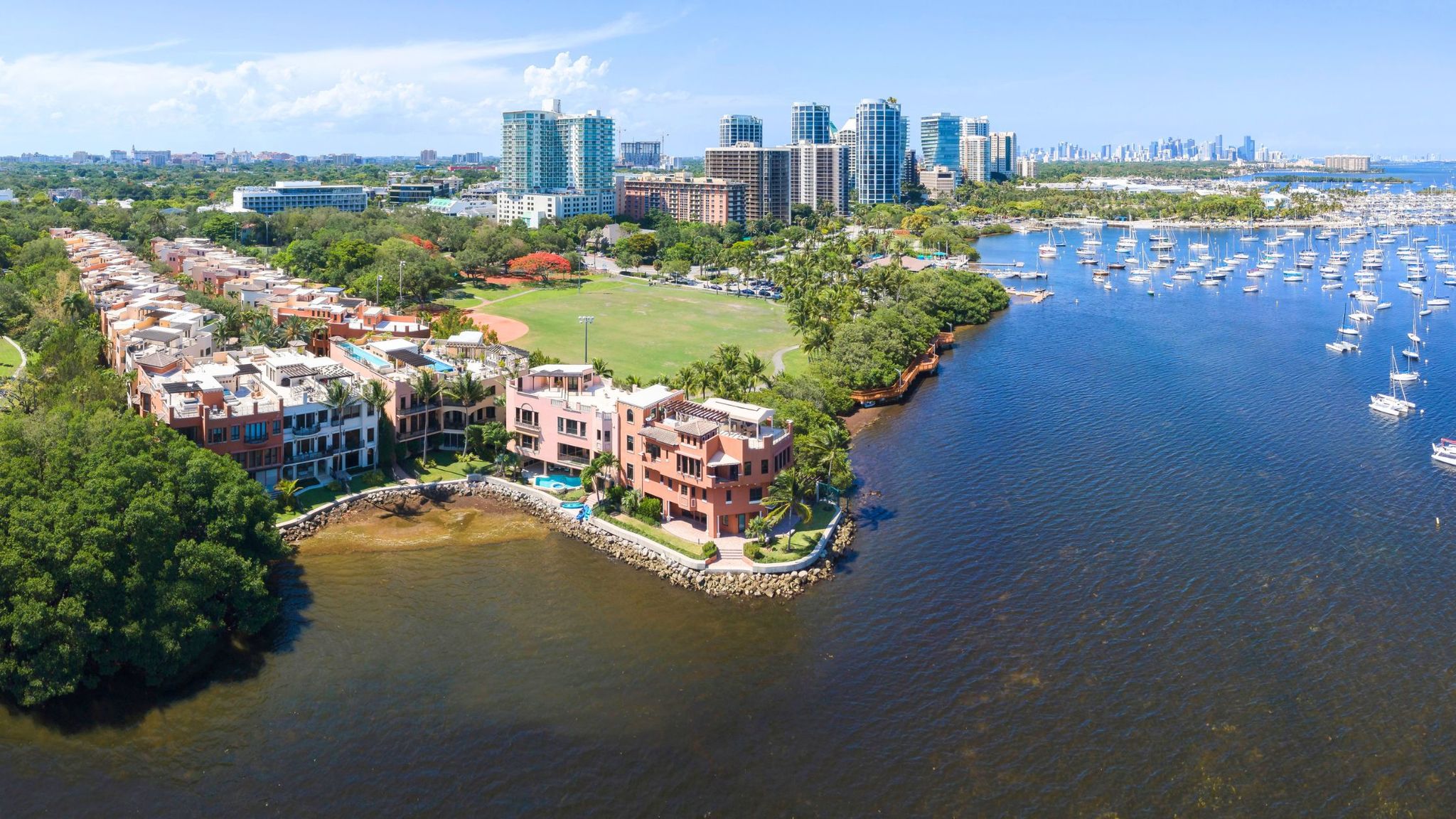
Coconut Grove’s housing market is notoriously tight, reflecting a balance of historic homes, waterfront estates and modern condos. According to the March 2026 Movoto market report, there were 2,304 active listings and 131 new listings in Coconut Grove. Homes sold for a median price of $2,949,500 in March 2026 and remained on the market for 83 days on average. The number of sold homes (71) suggests modest turnover compared with the previous year.
The report also notes that the median list price increased from $2.5 million in 2025 to $2.949 million in 2026. Analysts classify Coconut Grove as a seller’s market, meaning demand exceeds supply. Low inventory and the neighborhood’s desirability continue to support price growth.
Price Ranges by Property Type
- Condos and Townhomes: In 2025, the average price per square foot for condos hovered around $855, up nearly 4.8 % year‑over‑year (as reported in accessible market summaries). Entry‑level condos begin around $700,000, while luxury units at new developments like Vita at Grove Isle start near $6.5 million.
- Single‑Family Homes ($3 M–$6 M segment): The David Siddons Group’s 2025 report observed that inventory loosened in this segment and the average price per square foot remained near $1,000. Only well‑finished homes or those in prime locations justify higher prices, while over‑pricing leads to extended listing periods.
- Single‑Family Homes ($6 M–$10 M segment): Buyers in this bracket became more selective in 2025. Median days on market increased from 104 to 336 days, yet special homes still commanded more than $1,500 per square foot. Pricing must be sharp as more inventory has come to market, shifting toward a balanced environment.
- Ultra‑Luxury Market ($10 M+): New construction waterfront estates and trophy properties along Bayshore Drive or North Prospect Drive command $15 M–$50 M+. Buyers in this tier prioritize lot size, waterfront exposure and architectural pedigree. Sellers often wait for the right buyer, leading to longer days on market but strong sale prices when they do transact.
Market Trends and Forecasts
- Stabilizing Growth: After the pandemic‑era frenzy, Coconut Grove’s market has cooled but remains strong. In 2025 there were 10 fewer home sales year‑over‑year, the average sale price dropped by $170,000, and price per square foot increased by $27—indicating robust demand for well‑presented homes.
- Seller’s Market Continued: March 2026 data shows more buyers than homes available, keeping upward pressure on prices and reducing negotiation power for buyers.
- Limited Inventory: Historic preservation rules and limited land restrict new single‑family construction. Demand remains strong because of the neighborhood’s lifestyle, schools and walkability, which help insulate property values.
- Flood and Insurance Considerations: Parts of Coconut Grove lie within FEMA flood zones. Buyers should assess flood risk, elevation and insurance costs. A real estate guide stresses that flood risk, HOA rules and Florida homestead tax laws can influence affordability.
Is Coconut Grove Over‑Priced?
The hype around Coconut Grove can make prices seem inflated, yet the neighborhood offers enduring value for several reasons:
- Lifestyle premium: The combination of lush greenery, waterfront access, arts and culture justifies higher prices. Comparable neighborhoods like Coral Gables or Miami Beach may have similar price points but lack the Grove’s bohemian charm.
- Top‑rated schools: Access to high‑performing public schools and elite private options attracts families, which stabilizes demand.
- Walkability and community feel: Buyers pay a premium for walkability and a village atmosphere.
- Limited supply: With only a few hundred homes trading each year and little developable land, scarcity supports long‑term appreciation.
However, prospective buyers should consider alternative neighborhoods if they prefer more urban energy, lower price points or an easier commute to the mainland. Coral Gables offers a more traditional aesthetic; Brickell and Downtown Miami deliver high‑rise living; and Pinecrest provides estate‑sized lots at slightly lower prices.
Tips for Buyers and Sellers
For Buyers
- Get pre‑approved and be ready to act quickly, especially for well‑priced homes in the $2 M–$5 M range.
- Inspect flood risk and insurance costs before finalizing a contract.
- Consider off‑market opportunities through an experienced agent; many Grove properties transact privately.
If you’d like a step-by-step overview of the process, our free Buyers Guide can help you navigate each stage with more clarity.
For Sellers
- Price sharply: Over‑pricing extends days on market, especially in the $3 M–$6 M segment.
- Invest in presentation: Buyers continue to pay a premium for renovated homes with modern finishes.
- Market during high season: Demand peaks from November to March when seasonal residents are in town.
For a more detailed approach to preparing and positioning your property, our free Sellers Guide is available as a helpful reference.
Why Coconut Grove Lives Up to the Hype
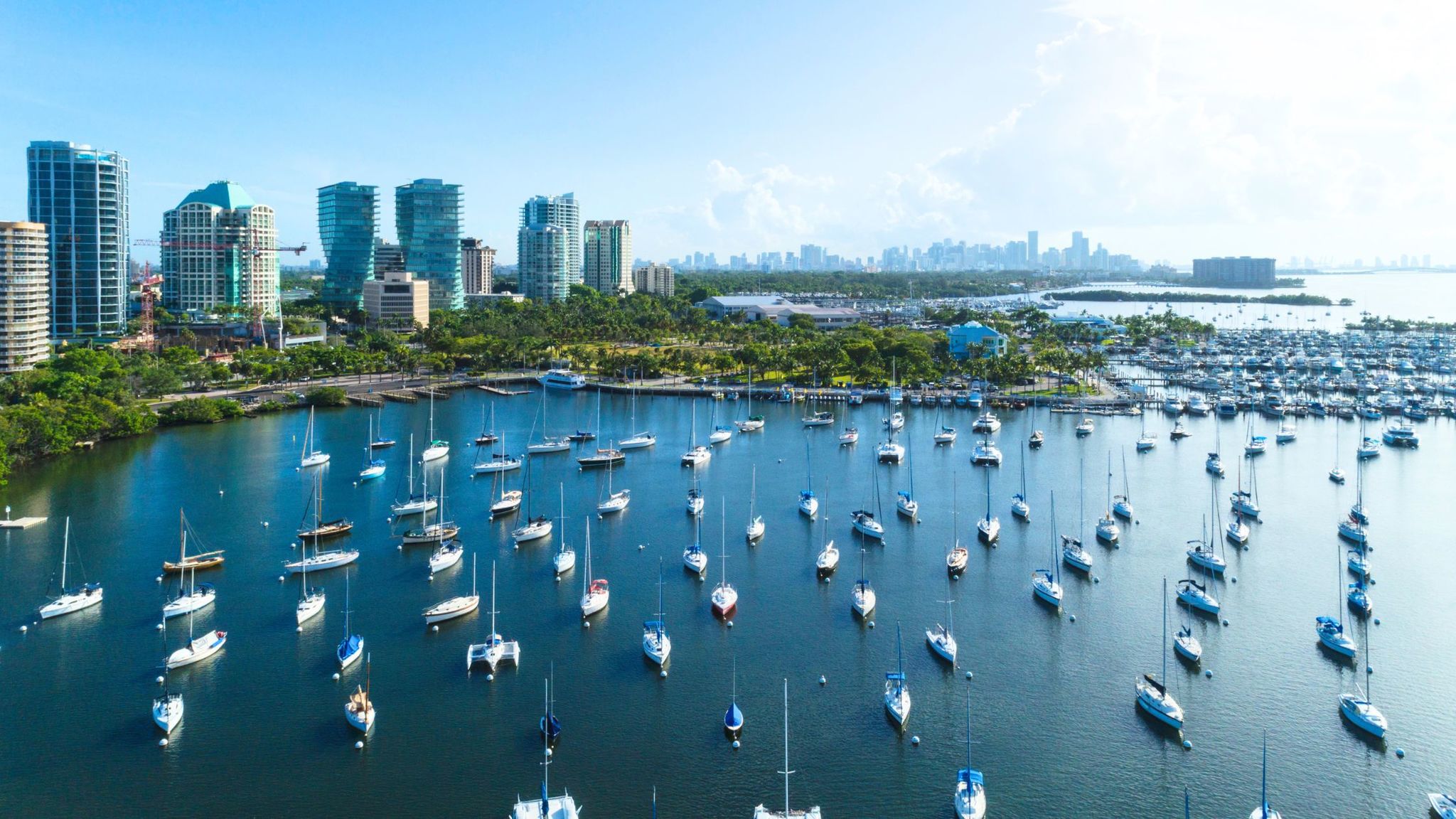
Coconut Grove captivates residents with its lush, bayside setting, artsy vibe and top-tier schools. The neighborhood blends Bahamian and bohemian heritage, offering walkable streets, waterfront parks and a vibrant cultural scene. Real estate values remain high, with median prices approaching $3 million in 2026, but the premium reflects limited inventory, excellent schools and a tight-knit community. In short, Coconut Grove’s lifestyle and long-term value make it worth the hype for buyers who prioritize quality of life and investment stability.
Ready to explore Coconut Grove or other Miami neighborhoods? Reach out anytime to discuss your goals and find the right home that fits your lifestyle.
Check out this article next