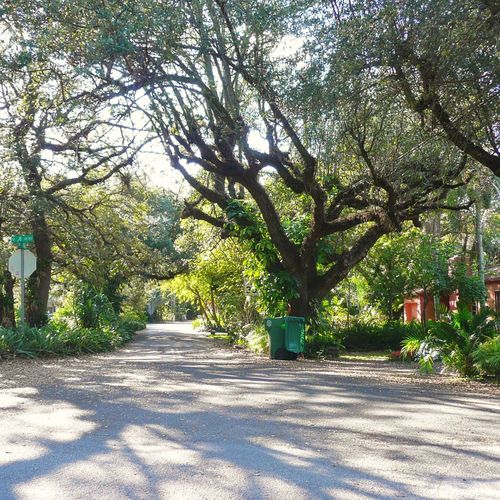


Selling a home in El Portal is a comp problem before it is a marketing problem. The village is half a square mile, has fewer than 30 arm's-length sales in a typical year, and sits between Miami Shores to the north and the Little River Canal to the south. Every appraiser who walks a listing here has to reach outside the village lines to find enough recent transactions to build a report, and the neighborhoods they reach for (Miami Shores, Little Haiti, the Upper East Side corridor along Biscayne) do not price the same way El Portal does. Redfin's most recent read has the El Portal median at $650,000, down 20.6 percent year over year. That number hides more than it reveals. I have originated mortgages back to 2006, and micro-markets like this one reward sellers who understand exactly how the appraisal side works and punish sellers who list off a Zestimate.
What the El Portal market is actually doing in 2026
Let me set the numbers with the caveat that in a market this small, one closing moves the median and every quarterly print carries a small-sample-size asterisk. Per Redfin's El Portal market data, the median sale price in March 2026 was $650,000, roughly 20.6 percent below the same month a year earlier. Median days on market was around 106, well above the broader Miami-Dade average. For broader context, MIAMI REALTORS 2026 single-family market data shows Miami-Dade single-family months-of-supply at 4.9 in June 2026 with sales up 16.8 percent year over year. El Portal is running slower than the county average, not faster.
The reason is not demand. El Portal buyers are consistently the same profile: architecturally-literate families and remote-worker households priced out of Coconut Grove or looking for pre-war character without paying Coral Gables PSF. Demand exists. The reason listings sit is that pricing in this village is genuinely hard, and mispriced listings sit visibly in front of every buyer for weeks because the inventory is that small.
Why sellers underprice El Portal (the comp problem)
Here is where I earn my fee. When an appraiser writes an El Portal report, they need three to six closed comps within roughly one mile and 90 to 180 days. In a half-square-mile village with fewer than 30 annual sales, there are almost never enough El Portal closings inside that window. So the appraiser reaches into Miami Shores to the north (higher PSF, more mature market, more transaction volume) or into the Little River corridor to the south (lower PSF, different housing stock, different buyer). The comp adjustments they make are formulaic and rarely capture what actually differentiates El Portal.
Sellers doing their own pre-list research hit the same problem, but worse. A Zillow Zestimate for an El Portal address is built off exactly the same comp problem, and it defaults to Miami Shores when the tree canopy and Little River proximity should be pulling the number up, or defaults to Little Haiti when the pre-war architecture and lot size should also be pulling the number up. The Zestimate is often 15 to 25 percent below what a properly comped El Portal home actually sells for.
That is the underpricing pattern the trigger title refers to. The market data reads soft. The neighborhood is not.
The four things El Portal has that comps do not capture
If you own here and you are thinking about listing, these four features are the ones that separate El Portal from every neighborhood the appraiser is about to compare you to. Sellers who pull documentation for them into the pre-list package see meaningfully better appraisals. In order of dollar impact:
- State-designated bird sanctuary status. El Portal has held state bird sanctuary designation for more than 50 years. Trees cannot be removed casually, streets are named after birds (Peacock Street, Cardinal Street), and the mature canopy that comes with 50-plus years of protection is not replicable in adjacent Miami Shores or Little Haiti. Buyers pay for that canopy, and it does not show up in a comp adjustment.
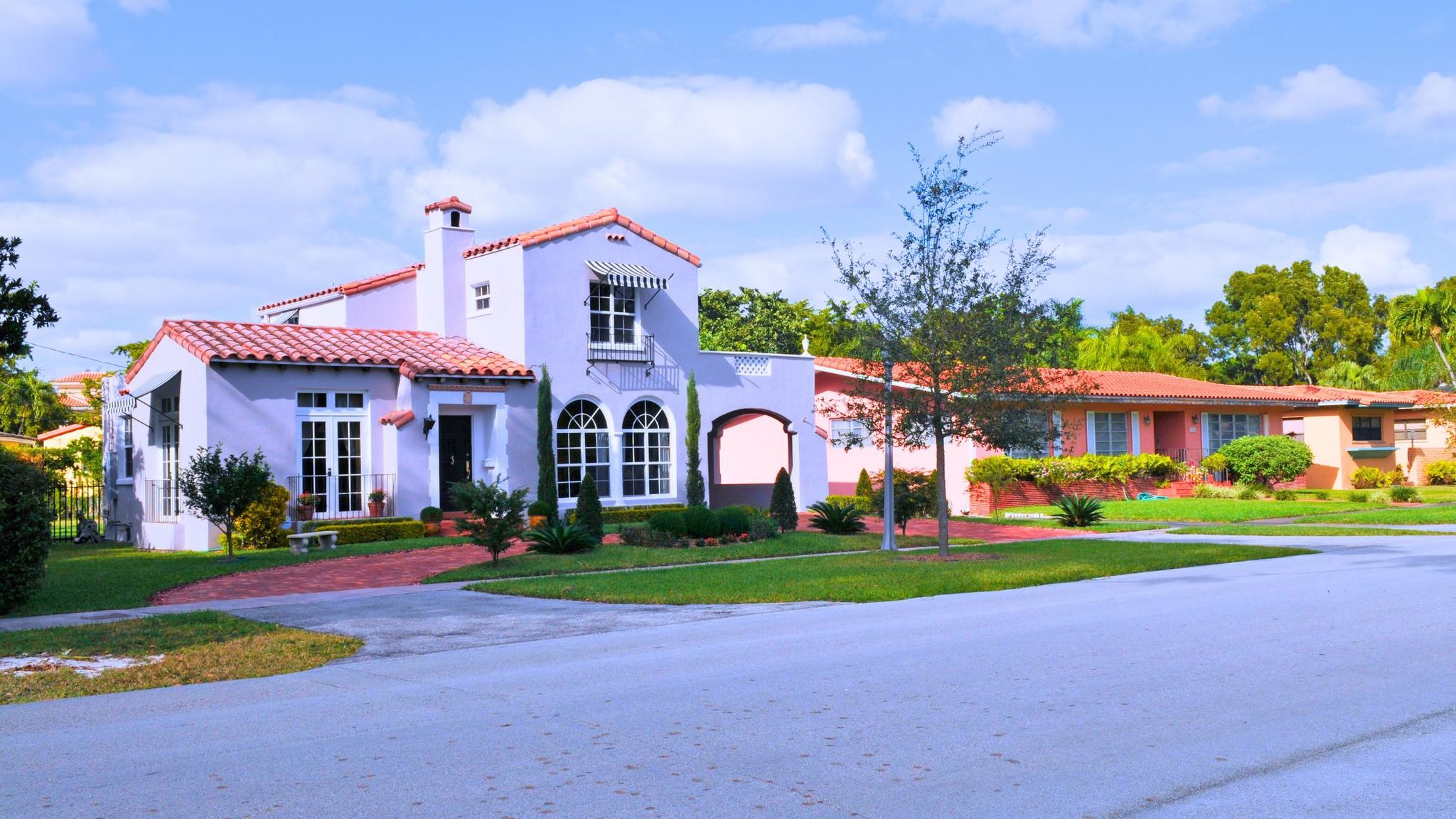
- Pre-war and mid-century historic housing stock. The Village of El Portal municipal records show incorporation in 1937 across three historic subdivisions: Sherwood Forest, El Jardin, and El Portal. Most housing stock is Mediterranean revival, mid-century modern, and cottage from the 1930s through 1950s. The Miami architectural styles guide covers why pre-war and mid-century architecture carries a real premium in Miami-Dade. Standard comp reports do not adjust for architectural periods.
- Little River proximity and archaeological zone. El Portal sits directly on the Little River Canal. Certain lots have water frontage or short walking access to the water. The El Portal Archaeological Zone (established 1983 for artifacts more than 1,400 years old) sits inside the village. Waterway lots command a real premium; archaeological-zone context adds character and story that appraisers do not price.
- Sub-mile village governance. El Portal has its own mayor, village council, and small police force. That translates to noticeably better response times, tighter code enforcement, and a small-town feel most Miami buyers do not know exists inside Miami-Dade until they walk it. Municipal separation from unincorporated Miami-Dade is worth documenting on the listing.

The pre-list playbook I run in El Portal
The playbook is different here than in a standard Miami-Dade listing. Five steps, in order.
Step one: build the comp support package before the appraiser walks the property. Pull the three most recent El Portal closings (even if they are outside the 90-day window), the three most recent Miami Shores closings on comparable pre-war or mid-century stock, and one Coconut Grove closing if the subject property is on the water. Annotate each with square footage, lot size, year built, architectural style, and whether the buyer was cash or financed. Hand this package to the appraiser at the inspection. Appraisers appreciate it and it visibly influences the report.
Step two: document the historic and municipal features. Bird sanctuary designation letter from the village, archaeological zone confirmation if applicable, historic subdivision confirmation (Sherwood Forest, El Jardin, or El Portal), and any historic-plaque or landmark documentation. This is a one-hour project that materially changes the listing narrative and the appraisal support.

Step three: photograph the tree canopy. El Portal's canopy is one of the most visually distinctive features in the village and it is not photographed unless a professional shoots it deliberately. Drone shots showing the tree cover, ground shots showing individual specimen trees, and interior shots showing filtered natural light through the canopy. This is not decorative photography. It is comp-adjustment support in visual form.
Step four: pre-list the property to the family and architect network. El Portal buyers are architecturally literate and often network-driven. Two to three weeks of pre-list outreach to local architects, mid-century modern specialists, and family relocation networks (particularly the Miami Shores school district families) often produces a strong offer before the property hits MLS. Consult the Free Seller's Guide for the outreach template I use.
Step five: price to attract multiple offers, not to test the ceiling. Listing at fair value plus 3 to 5 percent typically produces a bidding dynamic in El Portal because the inventory is thin. Listing at fair value plus 15 percent sits for 106 days. The Redfin median-DoM number reflects that pattern, not underlying demand weakness.
Timing, taxes, and the finance side most sellers skip
El Portal seller economics reward two specific timing decisions. First, list before or immediately after Miami Shores hits the fall school-district relocation window (roughly mid-August through mid-October), because a portion of El Portal buyers cross-shop the two municipalities. Second, close before the year-end property-tax reassessment cycle if you can, so the buyer inherits the current year's cap. Neither timing lever is enormous individually, but combined they typically shift a sale two to four weeks and a few thousand dollars in negotiated concessions.
On the finance side, the mortgage back to 2006 is where I actually earn my keep on a village listing. Two questions matter more than most sellers realize. First, is the buyer conventional, FHA, or cash? El Portal's pre-war housing stock can trip up FHA appraisal standards on foundation, roof, and electrical items, and the seller should know that going in so the negotiation does not surprise anyone at inspection. Second, if the buyer is financed, is the loan a conforming loan (Fannie or Freddie) or a portfolio product? Portfolio products often price micro-markets better than conforming products because they are not bound by the same automated comp-selection rules. That preference matters for the buyer's ability to close at the listing price without a low-appraisal renegotiation.
For a broader comparison of how family-focused Miami buyers evaluate municipality choice, the best neighborhoods in Miami for safety and schools piece covers the framework most El Portal buyers walk through before they land here. And for anyone deciding between El Portal and its neighbor, the historic vibes in Miami Shores piece is the direct comparison read.
Ready to sell in El Portal
If you own in El Portal and are thinking about a 2026 listing, the difference between a fair sale and an underpriced sale in this village comes down to the appraisal-support work you do before the property hits MLS. The playbook is specific to a half-square-mile market that does not price like anything around it. Reach out and I will run the comp analysis on your specific address, walk you through the pre-list documentation checklist, and share what I am seeing on active listings and pending sales inside the village right now. For a broader read on how the neighborhood fits inside the wider Miami market, the neighborhood lifestyle guide is the pillar piece to start with.
Check out this article next