Lifestyle and Property Value
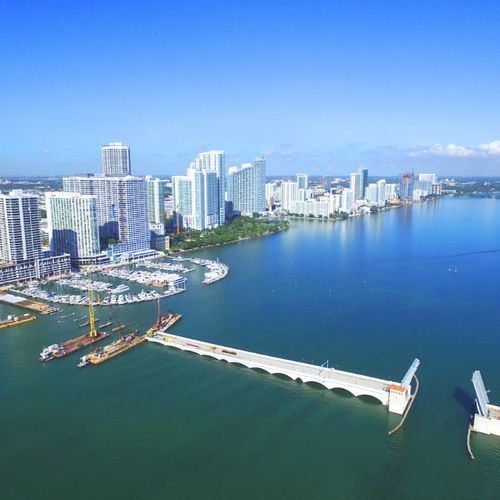
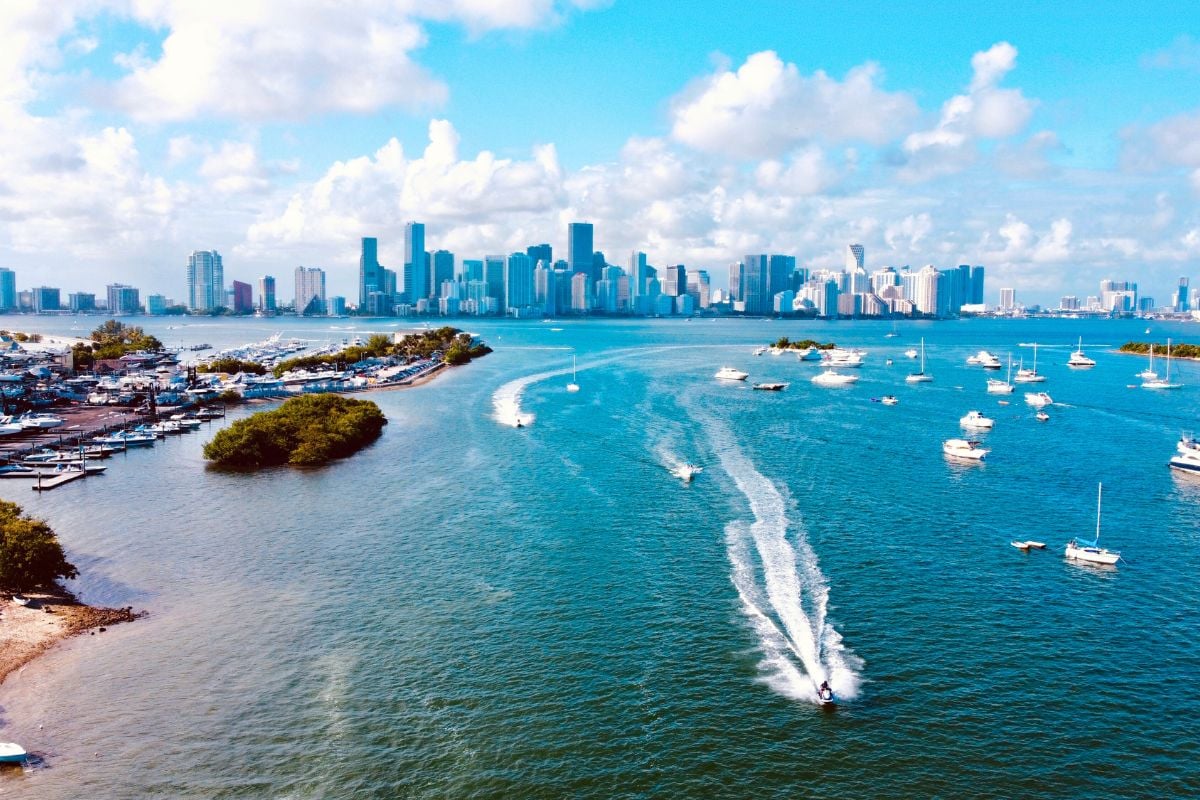
Living on Biscayne Bay is one of the defining waterfront experiences in Miami real estate. Biscayne Bay is not just a scenic backdrop. It is a protected lagoon that runs approximately 35 miles along Miami-Dade County’s eastern shoreline, separating mainland Miami from barrier islands such as Miami Beach and Key Biscayne.
For homeowners, this geography shapes property values, architectural styles, boating access, flood insurance requirements, zoning limitations and long-term demand.
Whether you are a buyer exploring waterfront living, a seller evaluating your bayfront property’s position in the market, or relocating to Miami for lifestyle reasons, understanding how Biscayne Bay influences real estate is essential.
Understanding Biscayne Bay and Its Real Estate Impact
Biscayne Bay is a shallow estuary with average depths between six and ten feet in many areas, with dredged channels allowing larger vessel navigation. It is protected by barrier islands including Miami Beach, Key Biscayne and the Venetian Islands.
This geography creates calmer waters compared to direct oceanfront exposure, wide east-facing sunrise views and navigable boating routes to the Atlantic Ocean.
Unlike oceanfront properties, bayfront homes typically experience less direct wave impact. However, they remain subject to hurricane conditions and storm surge exposure.
From a real estate perspective, living on Biscayne Bay means owning property influenced by tidal conditions, seawall maintenance, dock permitting, floodplain mapping and coastal construction codes. These factors directly affect insurance costs, resale value and buyer demand.
Neighborhoods Along Biscayne Bay
Biscayne Bay touches multiple submarkets, each offering a distinct combination of lifestyle and property value.
Coconut Grove
Coconut Grove is one of Miami’s oldest neighborhoods and has long been associated with sailing culture.
Waterfront homes here often feature canal frontage with bay access, deepwater dockage on select streets and larger lot sizes compared to newer areas.
Peacock Park and Regatta Park provide direct waterfront access and reinforce the neighborhood’s marine identity.
Recent luxury condominium developments emphasize boutique scale, private elevator access and expansive terraces with bay views. Property values here reflect limited waterfront land and strong long-term owner occupancy.
Coral Gables Waterfront
The Coral Gables waterfront includes gated enclaves and deepwater canal neighborhoods.
Key characteristics include no fixed bridges in certain sections, expansive lot dimensions and architectural consistency.
Homes with direct ocean access and wide water frontage represent some of the highest tiers of Biscayne Bay real estate. Navigability is a primary pricing factor in this market.
Edgewater
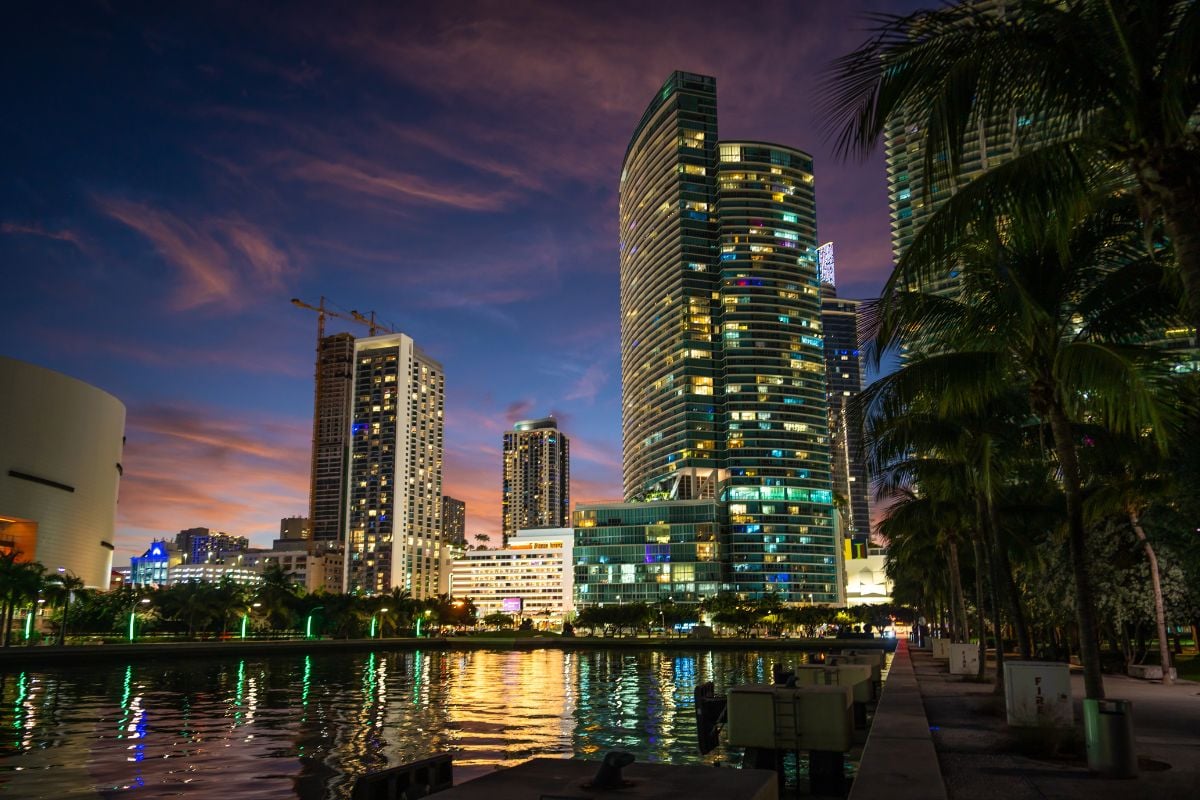
Edgewater directly faces Biscayne Bay and has evolved into a high-rise residential corridor.
It offers unobstructed eastern exposure, waterfront parks such as Margaret Pace Park and close proximity to Downtown and Midtown.
Bayfront condominiums in Edgewater range from mid-market buildings to ultra luxury towers featuring private elevator entries and wellness-focused amenities. This neighborhood provides one of the more accessible entry points for living on Biscayne Bay.
Downtown Miami
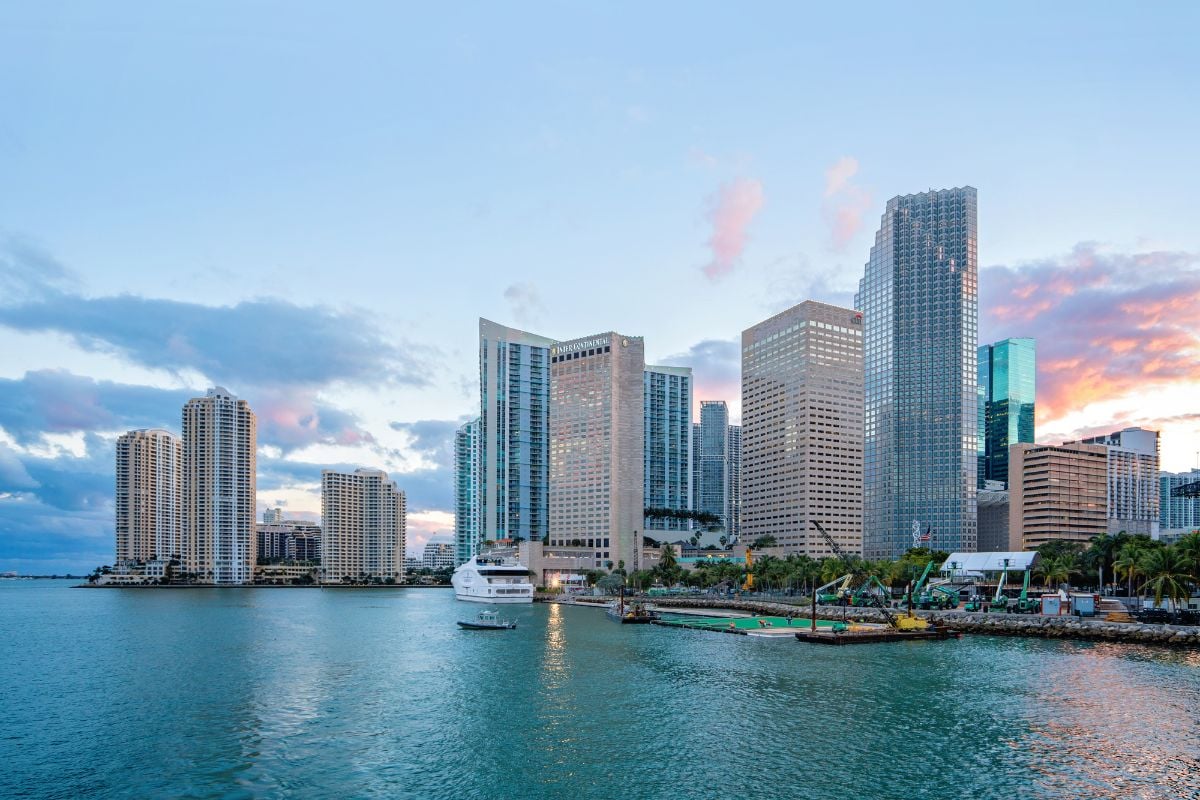
Downtown combines bay exposure with walkability, transit connectivity and proximity to the financial district.
Many towers feature floor to ceiling glass designed to maximize water views and expansive amenity decks facing the bay.
Urban waterfront living here attracts international buyers and professionals who prioritize convenience and skyline exposure.
Venetian Islands and Miami Beach Bayfront
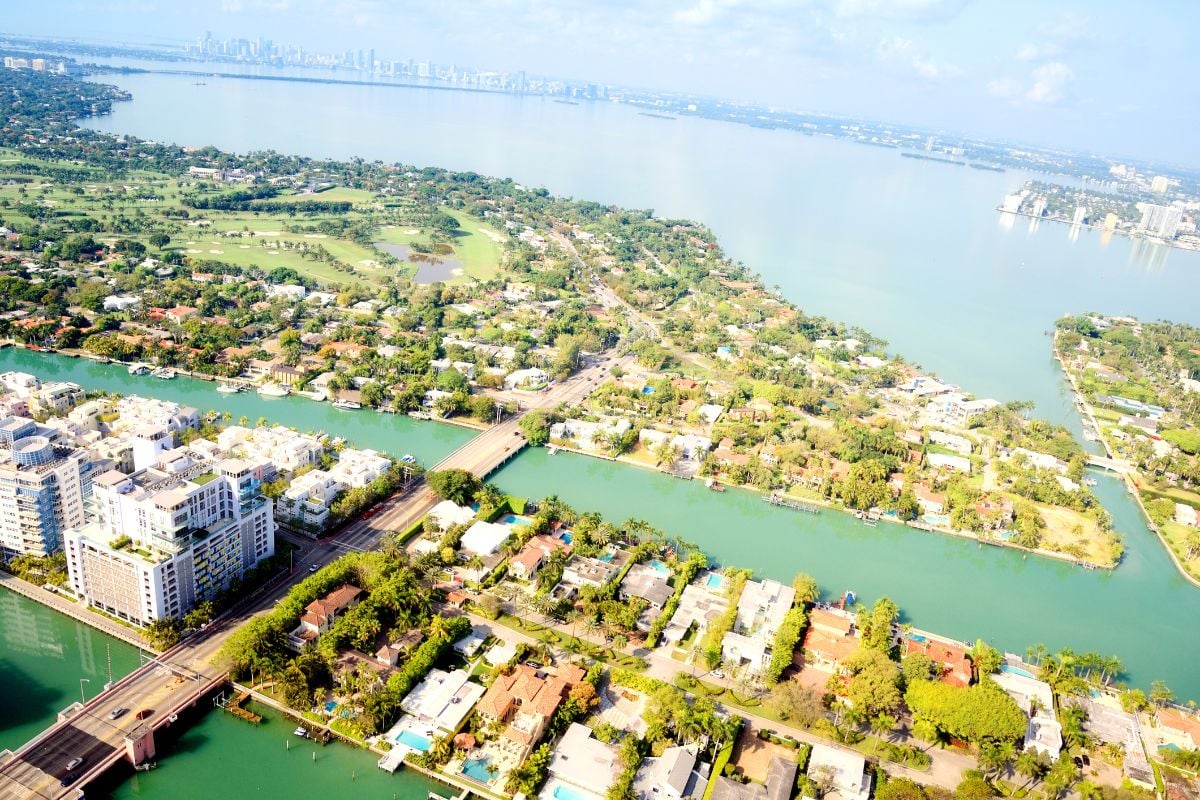
The Venetian Islands connect mainland Miami to Miami Beach and offer open Biscayne Bay frontage.
Properties here typically include wide water views, contemporary architecture and proximity to both South Beach and Downtown Miami.
Open bay exposure generally commands higher premiums than interior canal homes due to view scale and direct water frontage.x
Property Types and Entry Points
Living on Biscayne Bay spans multiple property types and price points.
Bayfront Condominiums
Condominiums range from established buildings to newly delivered luxury towers.
Typical features include impact resistant glass, concierge services, resort style pools and marina slips in select developments.
HOA financial reserves, building maintenance history and structural integrity significantly influence resale value.
Canal Front Single Family Homes
Canal front homes may offer dock access and moderate bridge clearance. These properties can provide a more accessible price point compared to open bay estates.
Bridge height directly impacts vessel size capacity and long-term appeal.
Open Bay Estates
Open bay properties offer unobstructed water views, larger docks and direct routing toward the Atlantic.
These homes are limited in supply and represent a premium segment of Miami luxury waterfront real estate.
What Drives Biscayne Bay Property Values
Waterfront pricing reflects several measurable factors.
- Water Exposure Type - Open bay views generally command higher premiums than canal frontage.
- Navigability - No fixed bridge access increases demand among yacht owners.
- Elevation - Higher finished floor elevation can reduce flood risk and insurance costs.
- Seawall Condition - Seawall replacement can be significant in cost and is carefully evaluated by buyers.
- View Permanence - Future development potential and zoning regulations affect long-term value stability.
Because waterfront land is finite, Biscayne Bay property values often maintain strong positioning relative to inland neighborhoods.
Boating, Marinas and Navigability
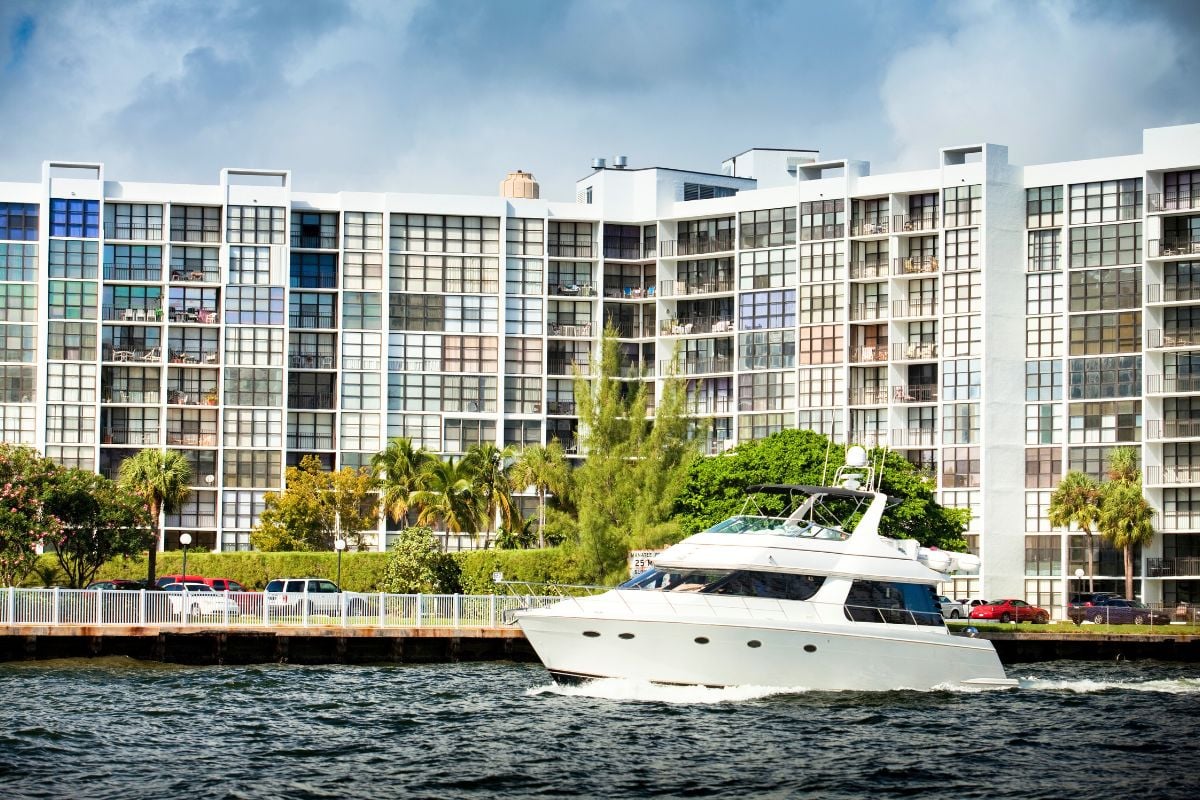
Boating culture is central to living on Biscayne Bay.
Residents often access nearby sandbars, marina clubs and offshore fishing routes.
Important navigational considerations include bridge clearance heights, dredged channel depth, tidal variation and no wake zones.
Buyers intending to own larger vessels should verify navigational routes from property to open ocean before purchasing.
Flood Zones, Elevation and Insurance Considerations
Much of Biscayne Bay falls within FEMA flood zones AE or VE.
Flood insurance is typically required for financed purchases in these zones. Premiums depend on elevation certificates, base flood elevation and updated floodplain maps.
Miami-Dade County enforces strict building codes due to hurricane exposure, influencing construction standards for waterfront properties.
Understanding structural mitigation measures such as impact glass, reinforced roofing systems and elevated slab design is critical.
New Construction and Waterfront Development Trends
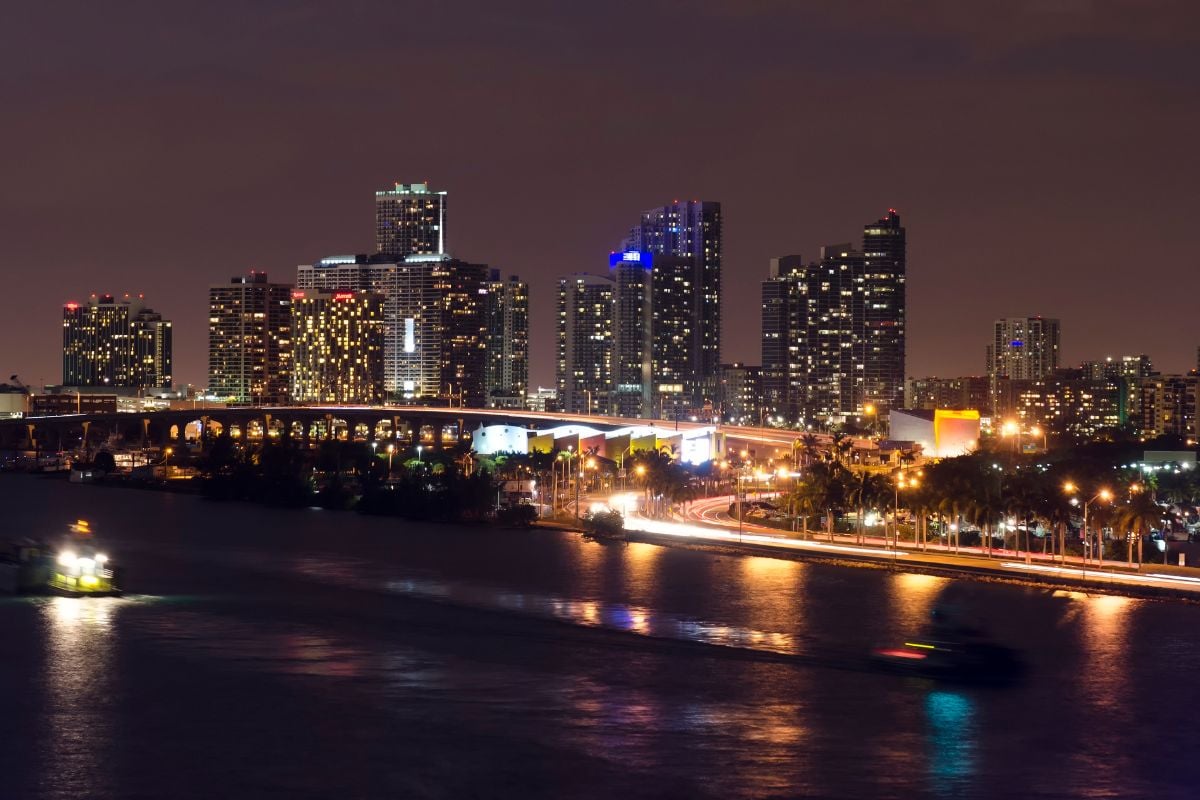
Recent waterfront development trends include larger floor plans, fewer residences per floor, private elevator foyers and expanded wellness amenities.
Developments are increasingly incorporating elevated podium construction and improved flood mitigation design.
Pre construction opportunities may offer phased deposit structures and customization options, though buyers should evaluate developer track record and projected HOA budgets.
Exploring active new construction pages can provide insight into current delivery timelines along Biscayne Bay.
Short Term Rental and Regulatory Considerations
Short term rental rules vary by municipality and condominium association.
Some Downtown buildings allow monthly rentals, while many luxury waterfront towers restrict short term leasing.
Buyers should review association documents and municipal ordinances before purchasing if rental flexibility is a priority.
Buyer Strategy for Living on Biscayne Bay
Before purchasing waterfront property:
- Order a dock and seawall inspection.
- Verify bridge clearance and navigability.
- Review HOA reserve studies if purchasing a condo.
- Confirm elevation certificate details.
- Assess nearby development plans that may impact views.
Waterfront ownership requires deeper due diligence than inland real estate.
Seller Positioning for Bayfront Homes
Effective marketing strategies include drone footage demonstrating water width, documenting dock specifications and clarifying flood insurance history.
Highlighting navigability and sunrise orientation can meaningfully impact buyer perception.
Requesting a Home Valuation ensures pricing aligns with current buyer expectations in the waterfront segment.
Why Local Waterfront Expertise Matters
Waterfront transactions involve navigational knowledge, flood zone familiarity, seawall and dock evaluation, HOA governance review and awareness of future development patterns.
These details influence both pricing and transaction security.
Frequently Asked Questions
Is living on Biscayne Bay safer than oceanfront property?
Bayfront homes are generally more protected from direct wave impact but remain exposed to storm surge and hurricane conditions.
Are Biscayne Bay homes more expensive than inland properties?
Waterfront properties typically command premiums, though condominiums offer varied entry points.
Does bridge clearance affect resale value?
Yes. Limited bridge clearance can restrict vessel size and reduce buyer pool.
Is flood insurance required?
With financing in FEMA designated flood zones, flood insurance is typically mandatory.
Are waterfront values stable long term?
Limited land supply and strong lifestyle demand have historically supported resilience in this segment.
Final Thoughts
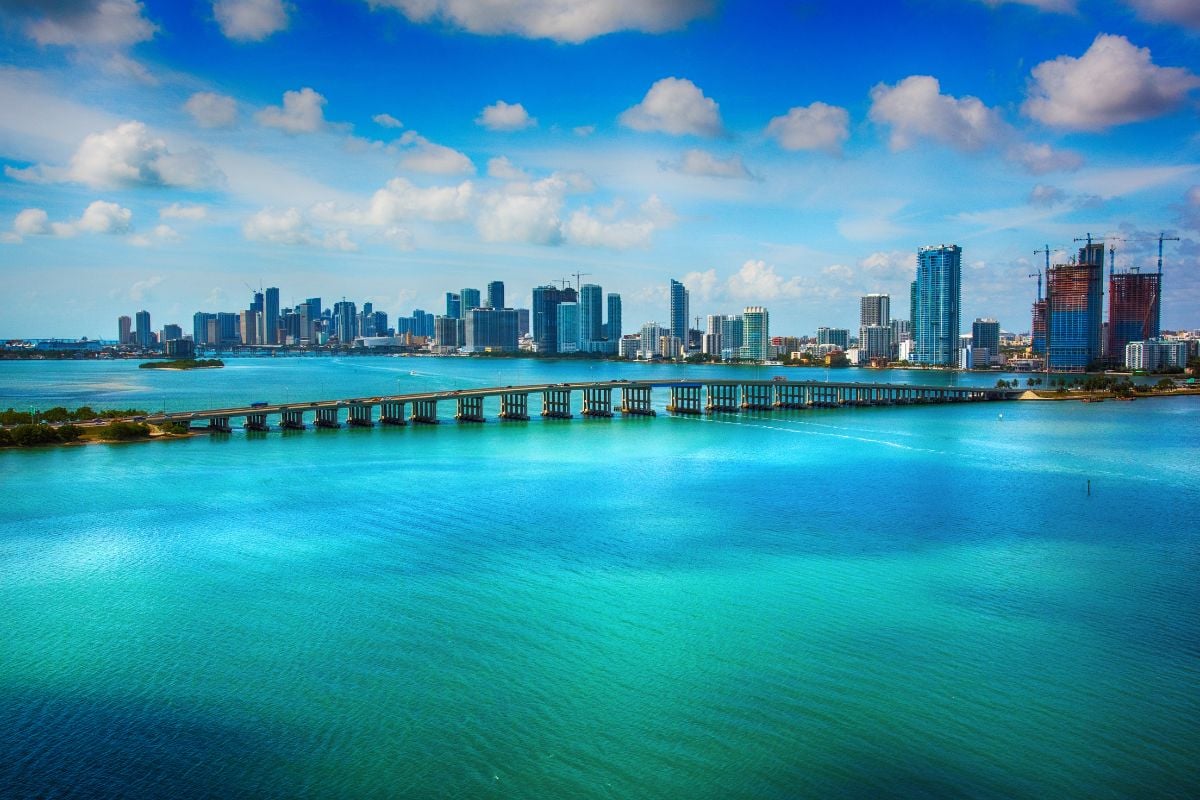
Living on Biscayne Bay combines expansive water views, marine access, architectural diversity and long-term waterfront positioning within one of the most globally recognized real estate markets.
From high rise bayfront condominiums to gated estates with private docks, Biscayne Bay remains one of Miami’s most influential property corridors.
If you are evaluating waterfront options or considering selling your bayfront property, informed local guidance makes a meaningful difference. Explore additional Miami neighborhood guides or visit our Contact page to discuss your waterfront goals.
Check out this article next