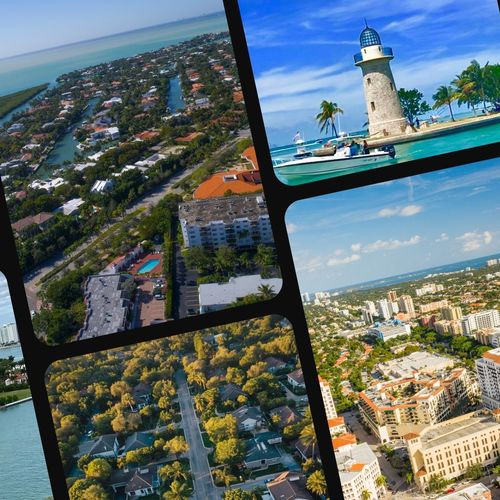

Living in Pinecrest Miami is one of the smartest single-family moves a family-focused buyer can make in South Florida in 2026, and most of the people I land here tell me later it's the best decision they've made.
Pinecrest is a quiet, leafy, low-density village south of Coral Gables with some of the best public and private schools in Miami-Dade, generous lot sizes, mature tree canopy, and a buyer pool that is overwhelmingly family-driven, financially stable, and long-term oriented. It is the version of Miami you don't see on the Brickell skyline reel. It's the version of Miami a lot of buyers move here for and never want to leave.
I work with Pinecrest buyers constantly, primarily relocations from the Northeast, the Midwest, and California, alongside Miami families trading up out of a starter home or out of a condo. Coming from a real estate finance background, originally as a mortgage loan originator starting in 2006, I treat every Pinecrest purchase as both a lifestyle decision and a long-term financial decision. The neighborhood penciled long before the recent run-up. It still pencils now if you buy the right property in the right pocket at the right number.
This is the read on what Pinecrest is really like in 2026, what the real estate market looks like right now, and who thrives here.
What Pinecrest Actually Feels Like
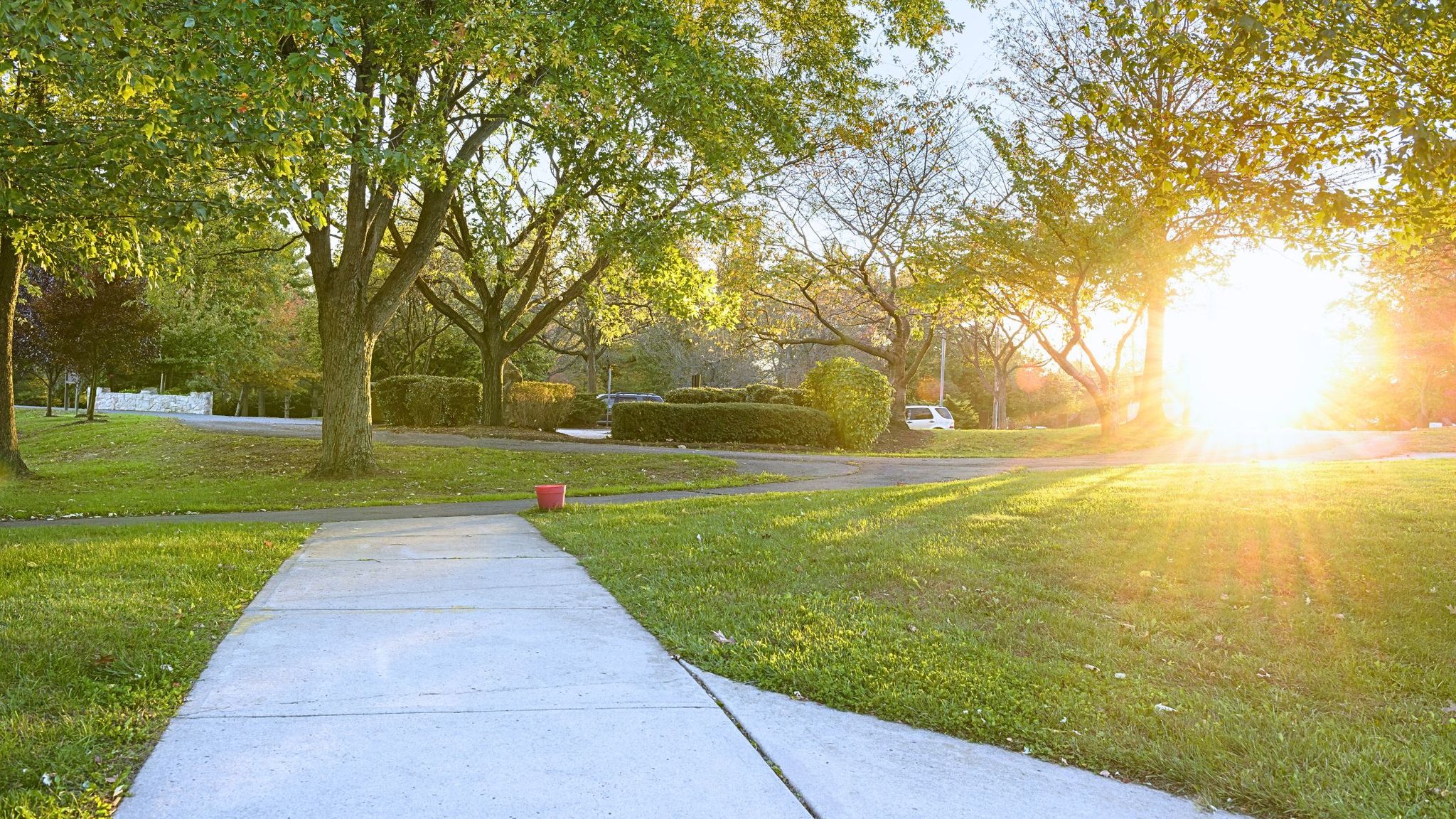
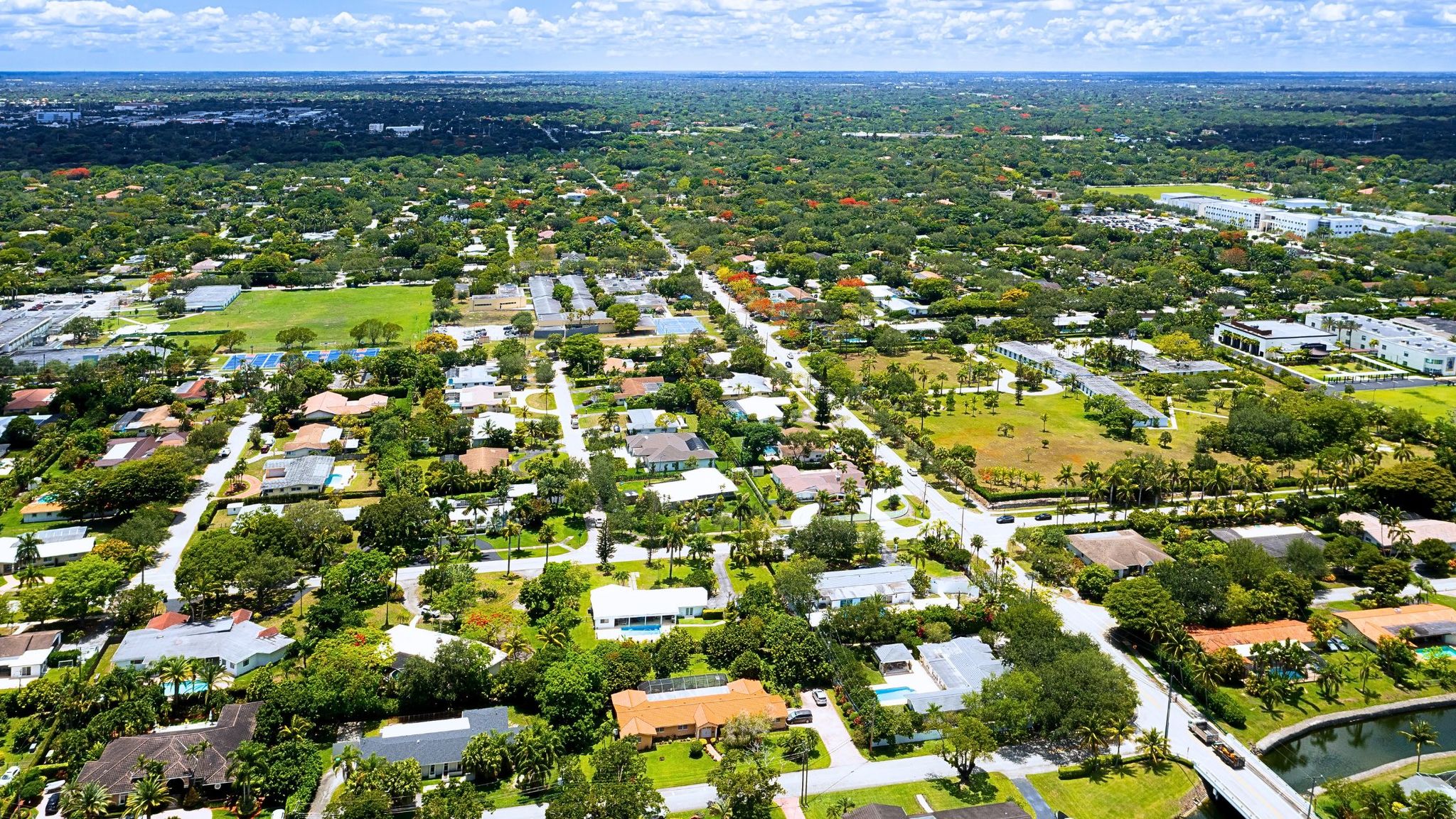
Pinecrest is a residential village. There is no Pinecrest skyline, no Pinecrest nightlife corridor, no high-rise condo inventory. There are single-family homes, on large lots, behind hedges, under banyan and oak canopy, on quiet residential streets.
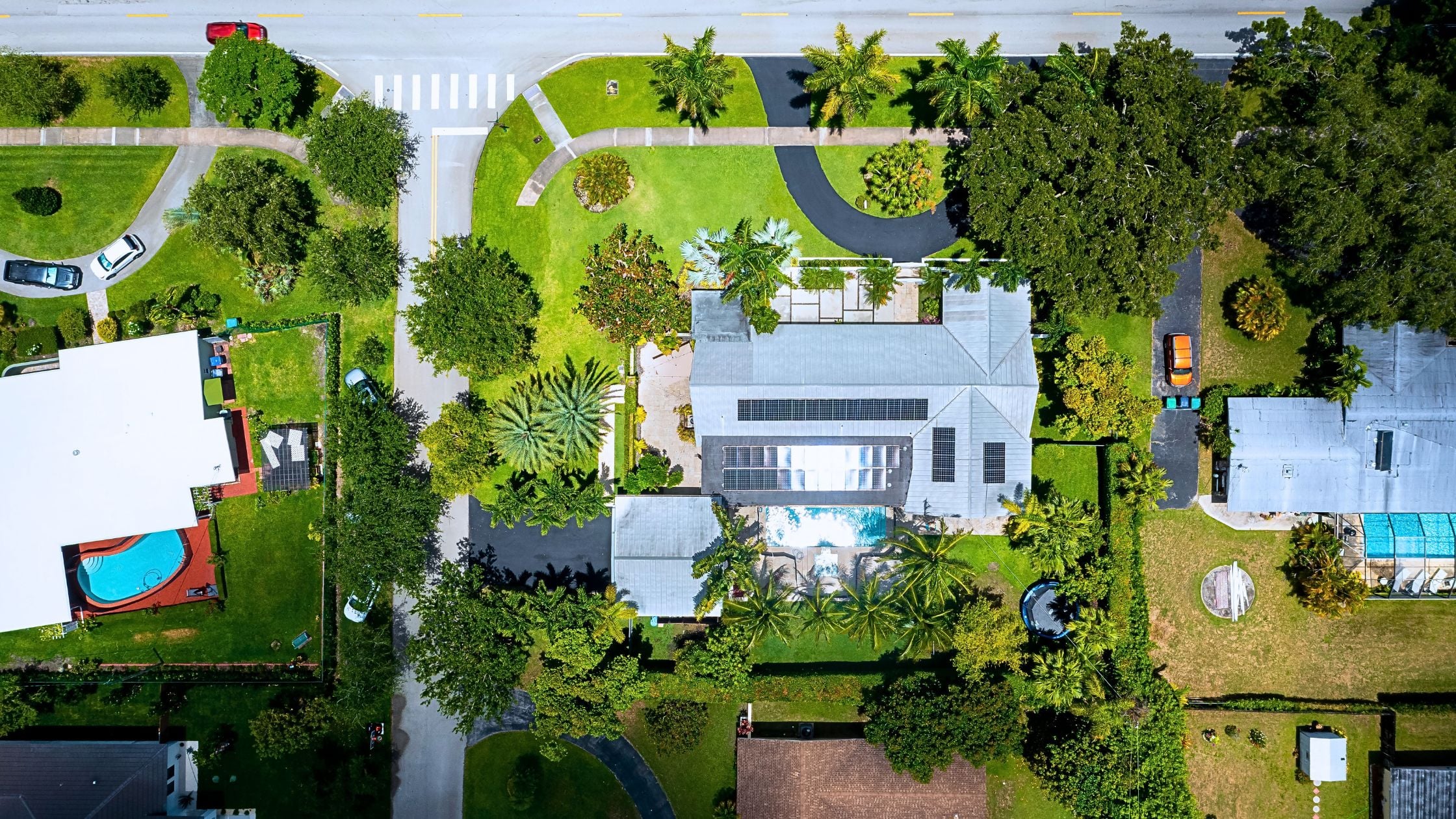
The whole place runs about seven square miles, with roughly 18,000 to 20,000 residents, and the texture varies block by block. The northeast pockets near US-1 are more accessible and less estate-feeling. The interior streets are quieter, leafier, more private, and where most of the high-end single-family inventory sits. The southwest portion edges into estate territory with larger lots, longer driveways, gated entries, and the kind of mature landscaping that takes 30 to 40 years to grow in.
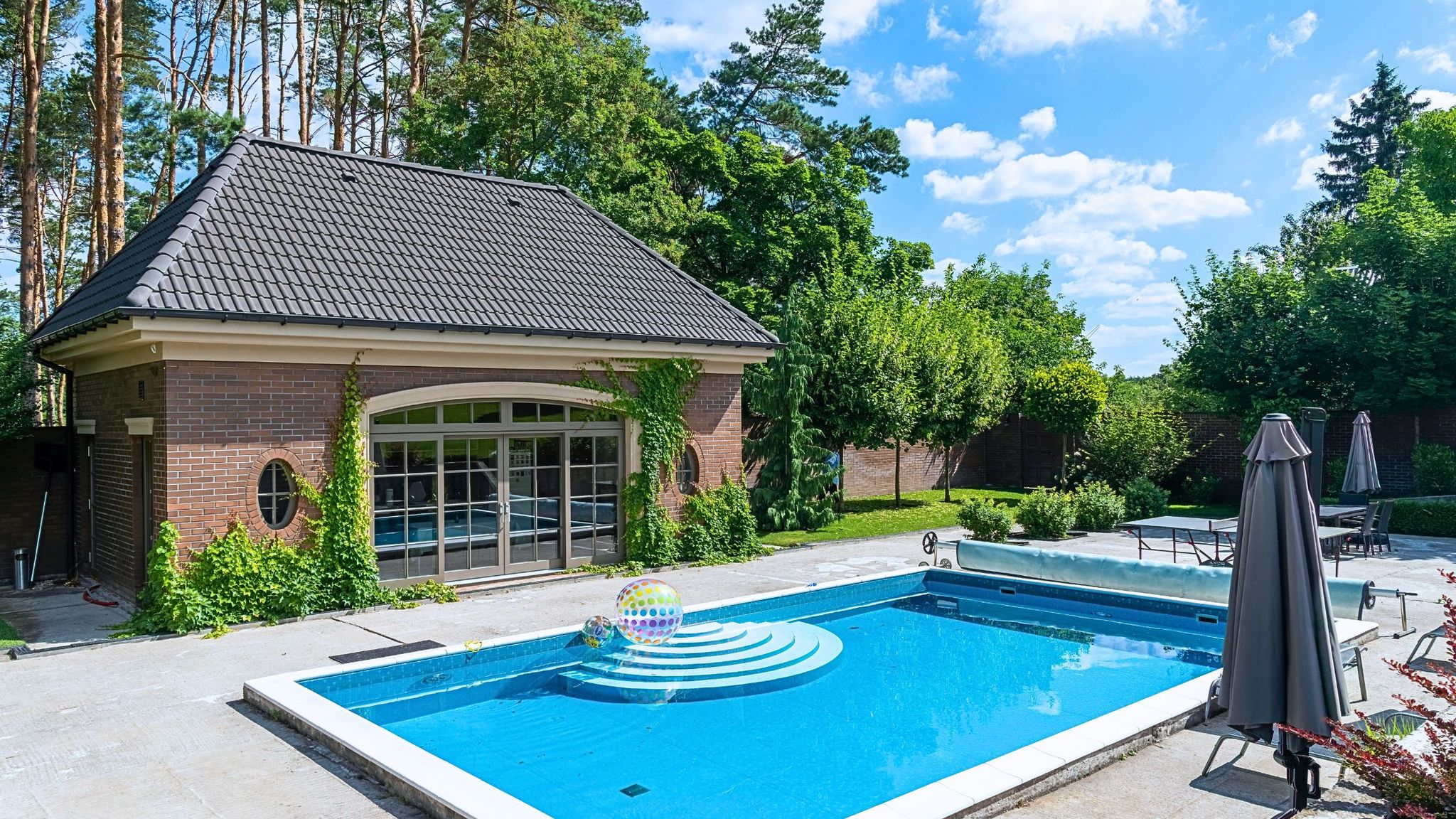
The day-to-day in Pinecrest looks like school drop-off, gym or run on a tree-shaded street, work from a home office or a 15-to-25-minute commute to Coral Gables, Brickell, or Downtown Miami, family dinners at home or at the village's small cluster of restaurants, weekends at Pinecrest Gardens, Matheson Hammock, or Fairchild Tropical Botanic Garden a few minutes north, and a meaningful number of pool days. The pace is unmistakably slower than Brickell or South Beach. That's not a bug. That's the entire reason most buyers move here.
For broader neighborhood context across Miami, where to live in Miami: a neighborhood lifestyle guide is the right wider read.
Schools: The Number One Reason Buyers Land in Pinecrest
The honest read on Pinecrest is that schools are the number-one driver of the buyer pool, and the school quality is what holds the values up.
Public schools serving Pinecrest are some of the highest-rated in Miami-Dade County, with strong elementary, middle, and high school options. The private school options nearby across Pinecrest, Palmetto Bay, and South Miami are some of the deepest in South Florida, including long-established independent schools that draw families from across the entire metro. Many Pinecrest buyers are willing to pay a meaningful premium specifically to land in a specific public school catchment, and that demand is one of the structural reasons values have held up so consistently.
If schools are a major driver of your move, the right framing is to identify your school shortlist first, then run the property search inside the catchment for those schools. Catchment lines shift, so the verification has to be current to the year you're buying, not a year or two old. I help every family-focused buyer run that exact mapping before we look at homes.
The Pinecrest Real Estate Market in 2026
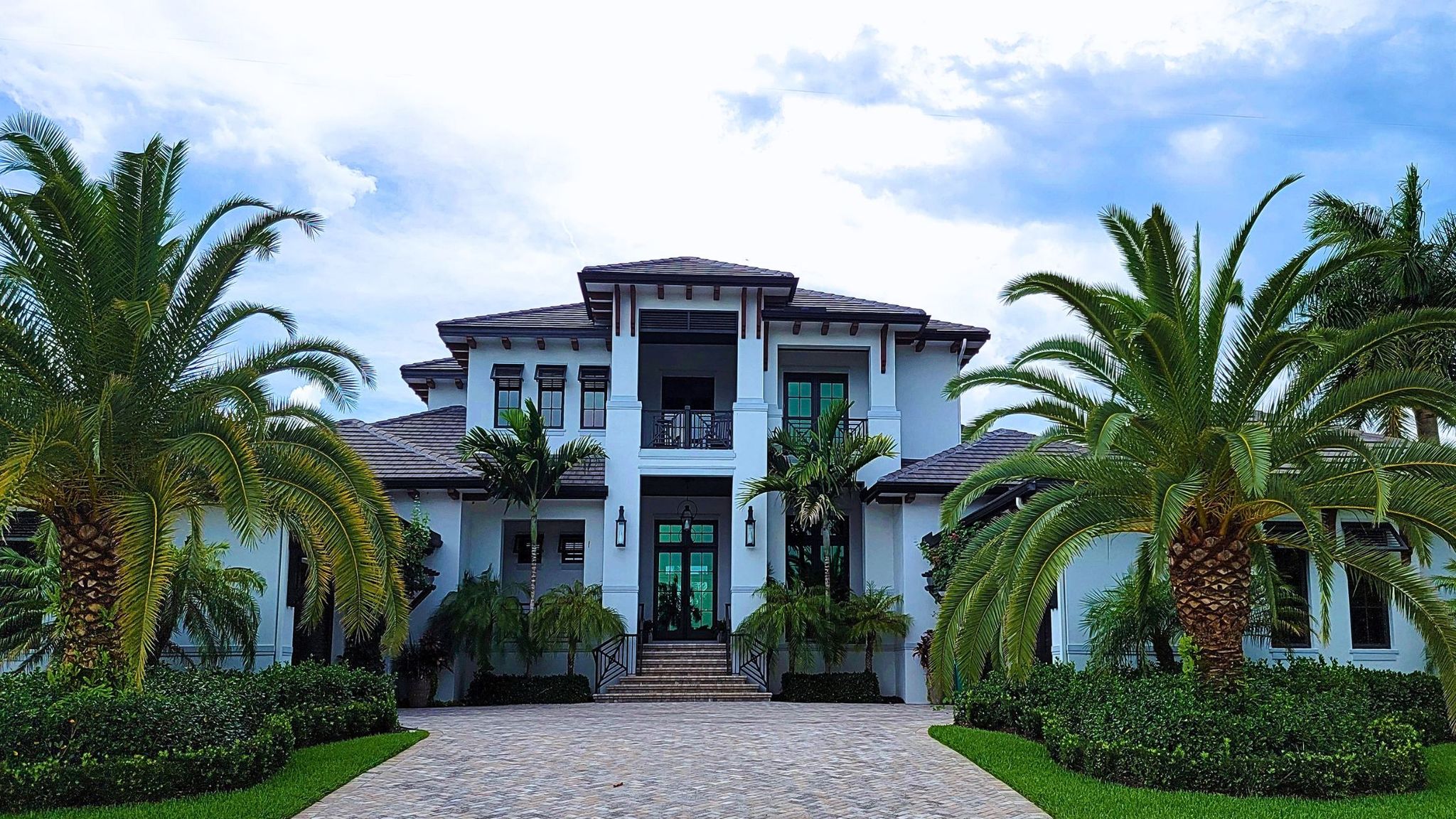
Pinecrest is a single-family market. Detached homes, generally on 30,000-square-foot lots in the village's signature lot pattern, though older pockets and tear-down lots vary. New construction and major renovations have meaningfully reshaped the inventory over the last decade. Tear-down-and-rebuild has been the single biggest pattern in Pinecrest for the last several years, with older 1960s and 1970s ranches getting replaced by larger modern builds with open plans, summer kitchens, and pool-deck-as-living-room layouts.
The 2026 read on the Pinecrest market is that pricing has flattened from the 2022 peak but the floor is durable. Buyer demand at the family-relocation end remains strong, supported by continued relocation traffic from high-tax states and a buyer pool that values long-term lifestyle over short-term speculation. Inventory has loosened modestly, which gives buyers more real negotiation room than they had two years ago. Sellers who price to current comps and present the home cleanly are still moving inside reasonable timelines. Sellers who hold 2022 peak pricing are sitting.
For the broader 2026 market context that shapes any single-family purchase across Miami, my 2026 Miami real estate forecast is the right starting frame.
The price spread inside Pinecrest is wider than most buyers expect. Older homes on smaller lots, in pockets closer to US-1, can come in well below the village average. Renovated and newly constructed homes on interior streets and in the estate-style pockets sit well above. The same dollar moves you across very different property types depending on where in the village you land, so the comp work has to be pocket-specific, not village-wide.
What Pinecrest Is Best Suited For
The Pinecrest buyer profile is consistent. Families with school-aged or about-to-be-school-aged children, professionals trading up out of a Coral Gables condo or a smaller single-family, relocations from high-tax states looking for a long-term residence rather than a part-time second home, and buyers who specifically want space yard, pool, garage, home office, room for guests over walkability and density.
Where Pinecrest is not the right fit: buyers who want a walkable urban lifestyle, buyers who prioritize nightlife and restaurant culture, buyers who plan to be at the beach four or five times a week, and buyers who want short-commute access to Brickell during peak traffic windows. The drive from Pinecrest to Brickell is typically 25 to 40 minutes depending on time of day, and the drive to the beach is more like 25 to 35. That math works for many families. It doesn't work for buyers who want to be in the city in 10 minutes.
How Pinecrest Compares to Coral Gables, Palmetto Bay, and Coconut Grove
The neighborhoods Pinecrest buyers most often compare against are Coral Gables, Palmetto Bay, and Coconut Grove.
- Coral Gables is more architecturally distinctive, more walkable in the village core (Miracle Mile), and has a stronger restaurant and shopping presence. It's also more expensive per square foot on average and has tighter lot sizes in most pockets. Buyers who want a more walkable single-family lifestyle with village character often land in Coral Gables. Buyers who want bigger lots and a more residential feel often land in Pinecrest.
- Palmetto Bay sits just south of Pinecrest with a similar residential, family-focused profile, often at lower price points per square foot. It's a real alternative for buyers who like the Pinecrest feel but want more home for the money.
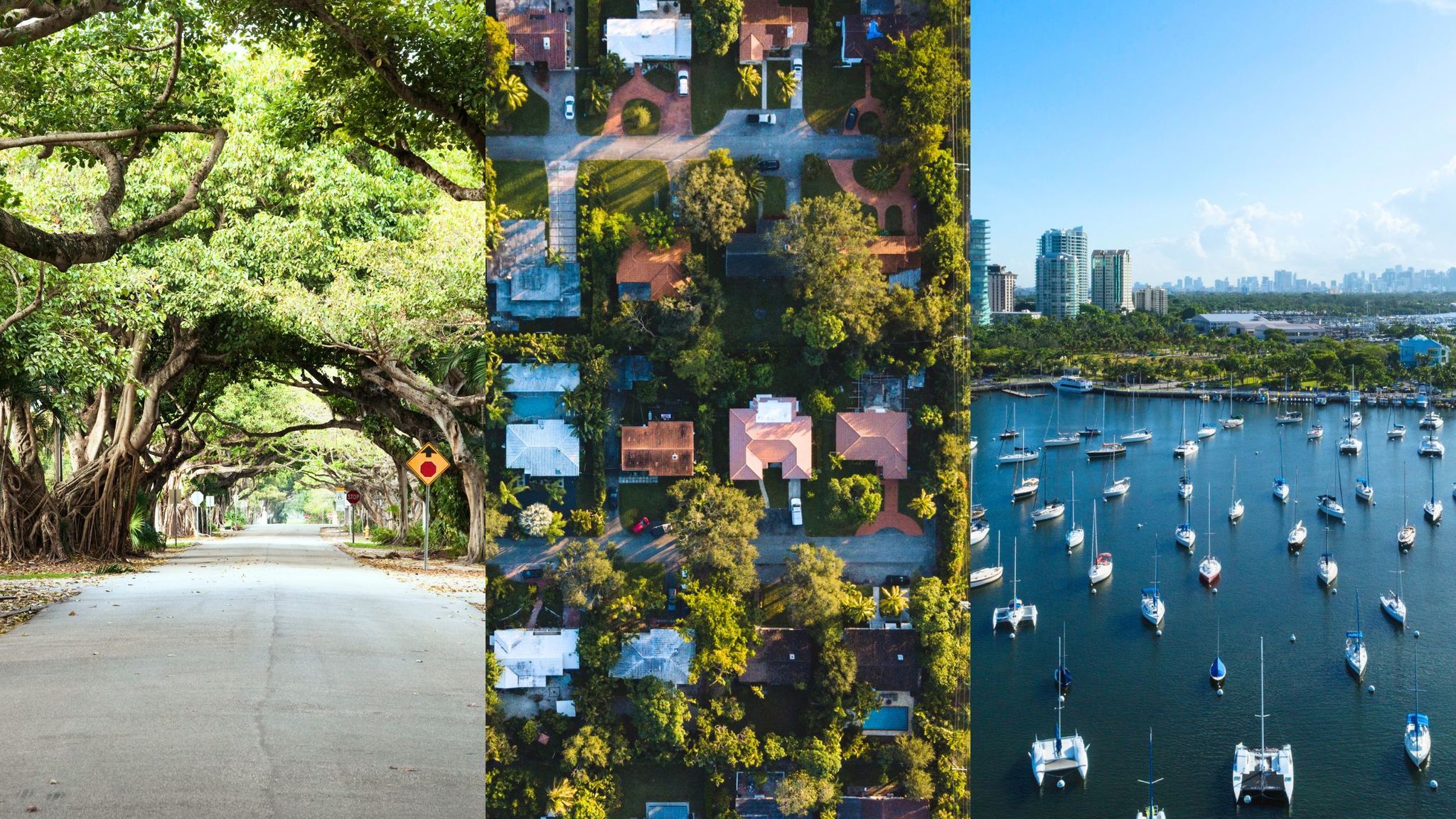
- Coconut Grove offers a different lifestyle entirely sailing, banyan trees, walkable village character, more bohemian energy, generally smaller lots and tighter inventory. Buyers who want the laid-back outdoor lifestyle near the bay often pick Coconut Grove. Buyers who want quiet streets, big lots, and top-rated schools pick Pinecrest.
The right framing is to pick the lifestyle and school priorities first, then run the comp work in the two or three neighborhoods that fit, rather than locking into one village before seeing the others on the ground.
Thinking About Buying a Home in Pinecrest in 2026?
If you're weighing a Pinecrest move this year and want a real read on which pocket fits your lifestyle, which school catchment to anchor your search around, and what current comps actually look like inside your target streets, that's the conversation I run with Pinecrest buyers constantly. I work the full Miami market from single-family in Coral Gables, Pinecrest, and Coconut Grove to luxury condos in Brickell, Edgewater, Sunny Isles, and the beachfront corridor, and I bring a real estate finance background to the underwriting so we're running the numbers on every property, not buying on first impression.
Reach out and let's walk the village together. Real shortlist of the right pockets, real school catchment mapping, real comp work inside your target streets, and a clear path from search to closing on the right Pinecrest home for your family. The right Pinecrest purchase compounds into both lifestyle and long-term value. The wrong one costs you years before you realize it. Let's start the conversation first.
Check out this article next