Introduction
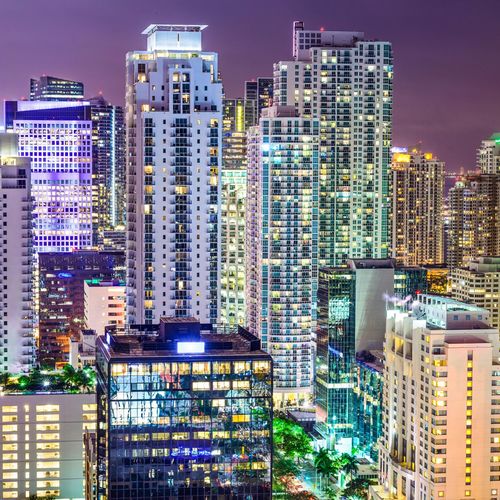
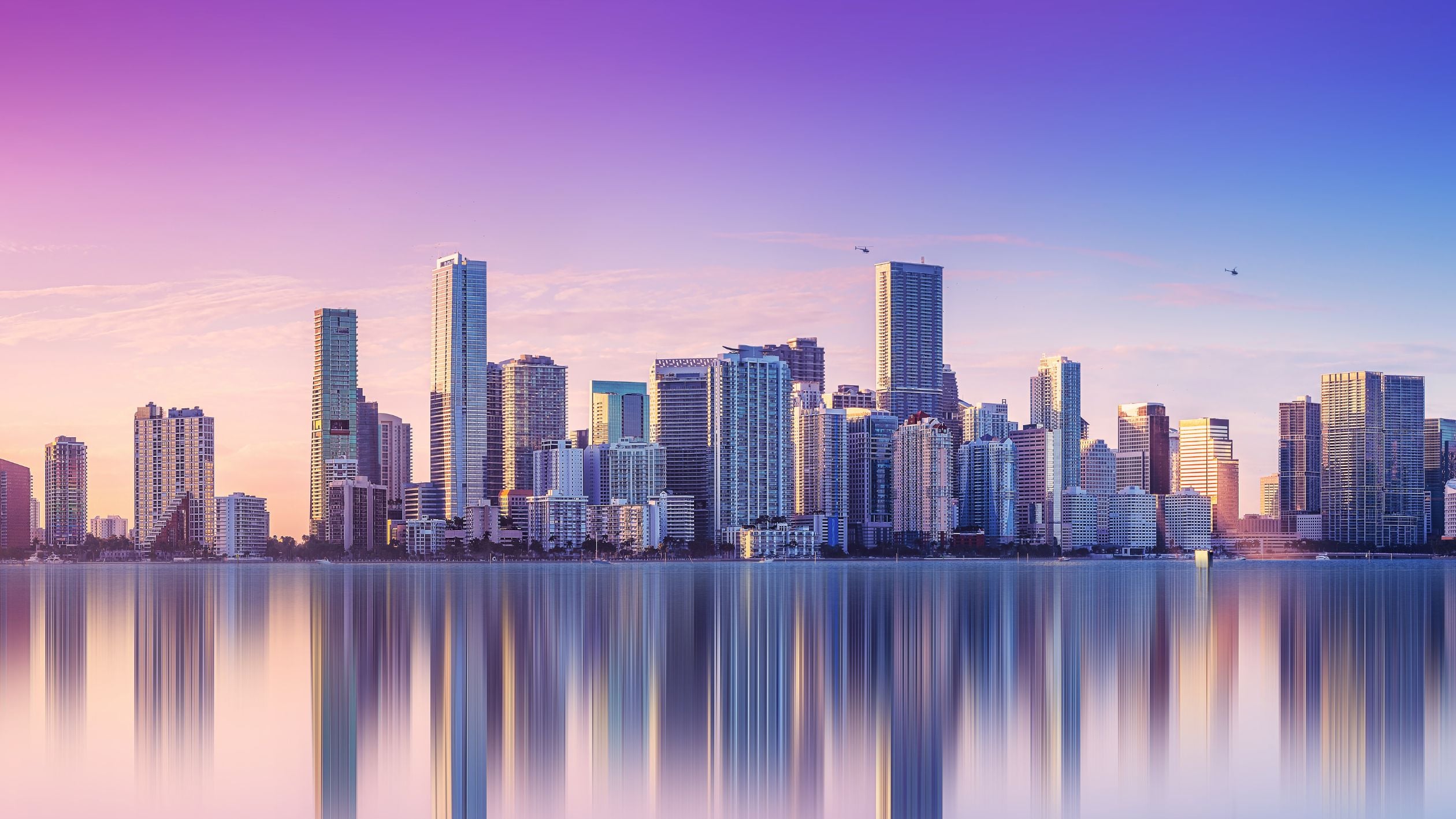
Miami is a tapestry of architectural styles that reflect its history, climate and cosmopolitan outlook. Visitors often marvel at the pastel‑painted hotels of South Beach, but those postcard facades tell only part of the story. From Mediterranean Revival villas in Coral Gables to mid‑century MiMo motels along Biscayne Boulevard and the glass‑walled towers now reshaping Downtown, each style reveals something about the people who built and live in them. This long‑form guide explores Miami architectural styles past and present, the neighborhoods where they thrive and how these aesthetics influence lifestyle and property values. Whether you’re a buyer, seller or simply curious about the city’s design heritage, the following sections will help you navigate the market from a position of knowledge and appreciation.
Miami Market and Lifestyle Overview
Miami’s appeal extends beyond beaches and nightlife. It has a robust economy anchored by finance, technology and tourism, a multicultural population and one of the world’s most distinct real estate landscapes. According to MIAMI REALTORS®, the median sale price for a single‑family home in Miami‑Dade County in May 2025 was about $675,000, while the median condo price was about $425,000. Zillow’s home value index for the City of Miami hovered around $569,760 in early 2026, while affluent suburbs like Coral Gables averaged $1.46 million. These figures provide context without drilling into inventory or days‑on‑market details, which fluctuate.
From a lifestyle perspective, Miami is defined by year‑round warmth, water access and cultural diversity. Residents choose between walkable urban neighborhoods, gated communities and island enclaves. Parks, marinas, museums and world‑class dining sit alongside quiet residential streets. Understanding the architectural language of each neighborhood helps buyers and sellers match lifestyle goals to the right homes.
Art Deco Heritage in South Beach
Origins and defining features
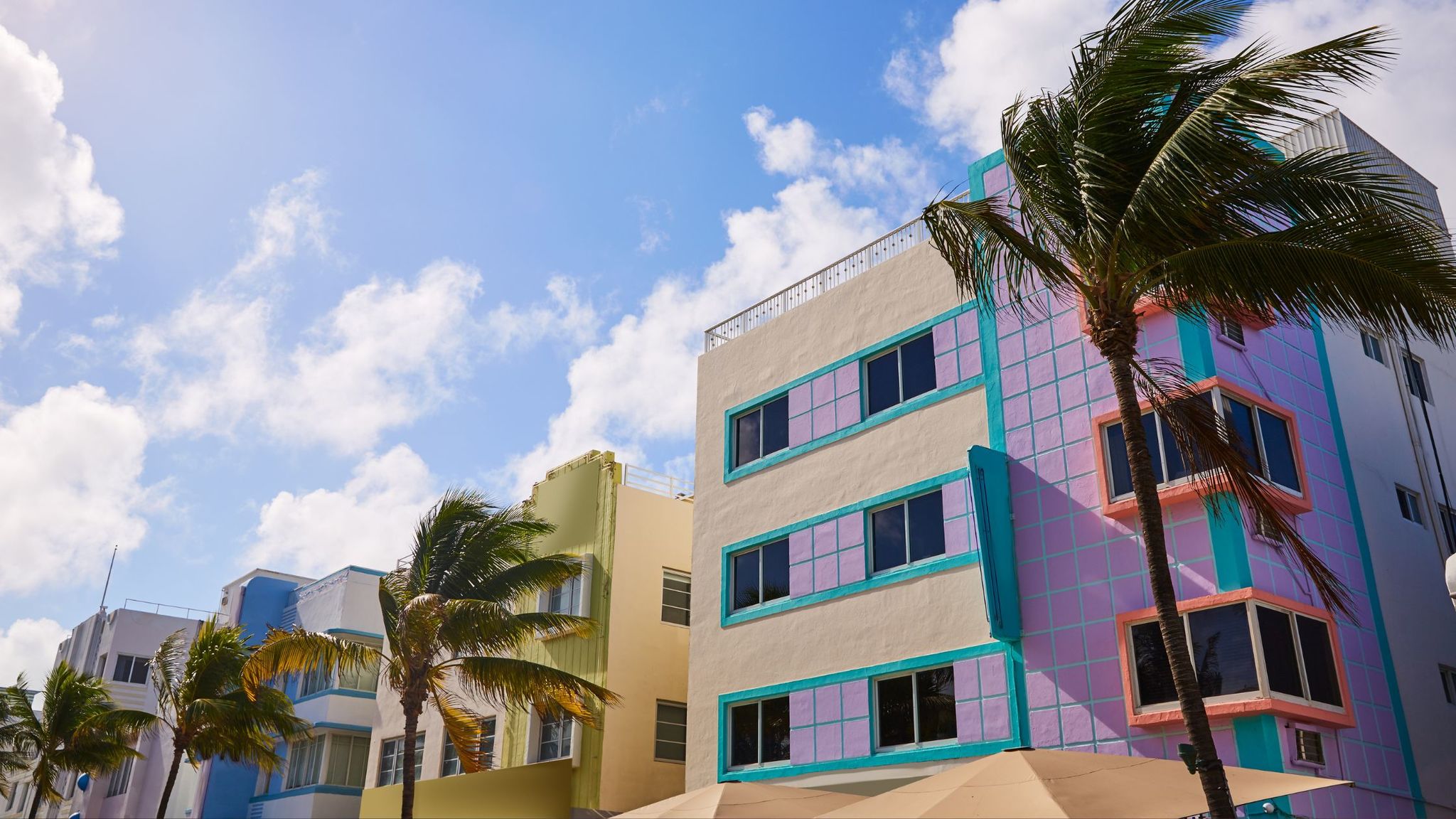
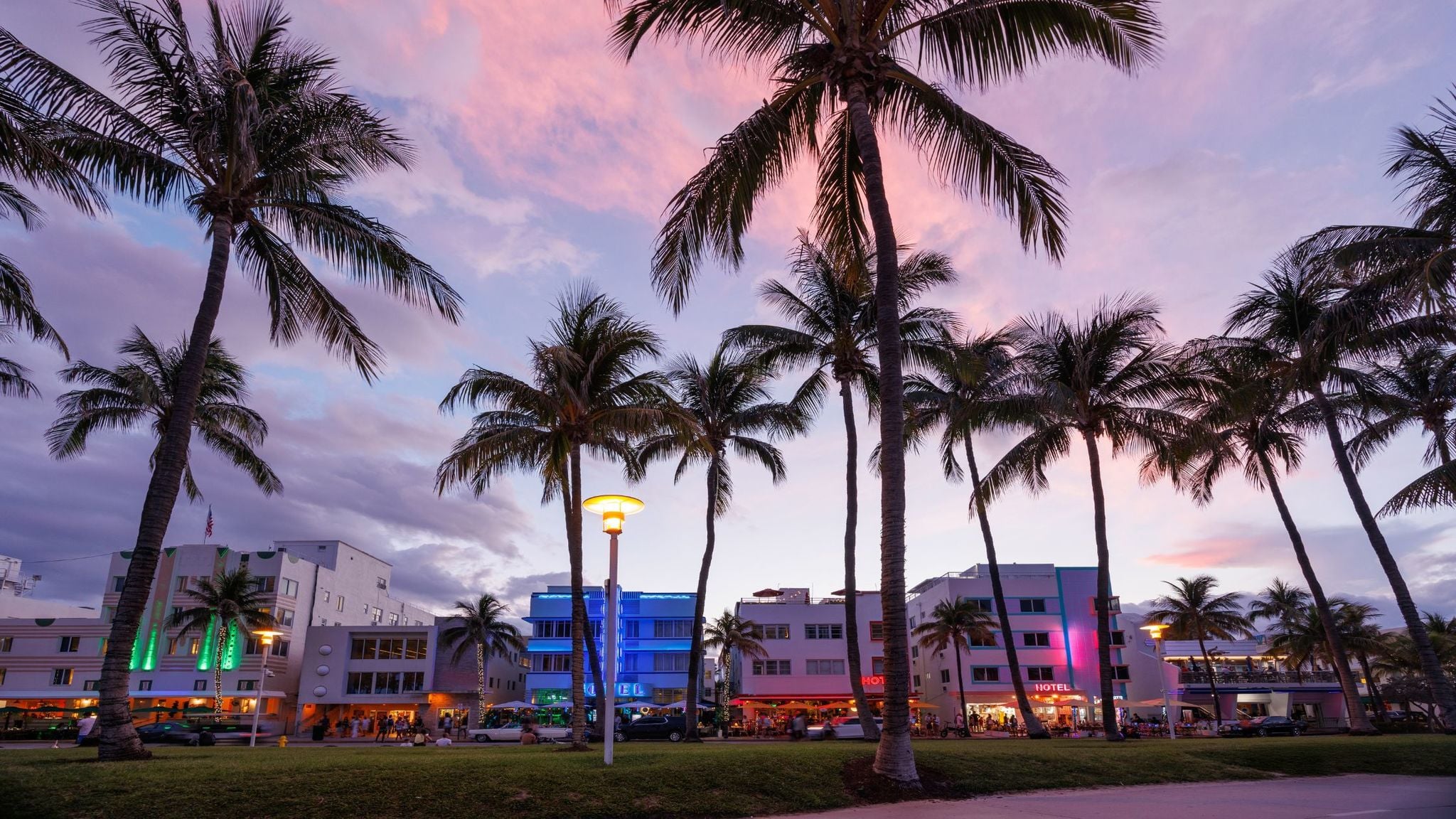
Art Deco arrived in Miami Beach in the 1920s and 30s, ushering in a bold, geometric aesthetic influenced by modernist optimism and tropical exuberance. The City of Miami Beach describes Art Deco as characterized by bold geometric shapes, clean lines, and symmetrical designs accented by bright colors and decorative motifs such as zigzags, chevrons, stylized florals and nautical patterns. Materials like stainless steel, glass and concrete signaled modernity, while curved corners, streamlined forms and neon accents embodied the Streamline Moderne substyle.
Where to find it
South Beach’s Art Deco Historic District boasts more than 800 preserved buildings, making it the world’s largest collection of Art Deco architecture. Hotels like the Colony, Delano and the Raleigh display pastel hues, porthole windows and nautical motifs. Ocean Drive, Collins Avenue and Washington Avenue form an open air museum, and preservation rules ensure that renovations respect the original fabric. The district’s popularity stems from more than aesthetics. It delivers immediate beach access, a 24/7 entertainment scene, and walkability rarely found in newer developments.
Lifestyle and market context
Condominiums dominate South Beach’s housing stock. Prices vary widely; boutique Art Deco condos may start in the mid‑$400,000s, while oceanfront units and penthouses can command several million dollars. Buyers should consider building conditions, association rules and potential assessments for preservation work. Sellers benefit from international demand driven by the neighborhood’s fame.
Climate resilience
Miami’s iconic buildings face increasing pressure from sea‑level rise and stronger storms. Adaptive preservation strategies are emerging. For example, the Raleigh Hotel, an Art Deco landmark, is being elevated roughly 18 inches using stilts to preserve its silhouette while improving flood resilience. New building codes require structures below 10 feet in elevation to incorporate adaptive design strategies, and developers are investing in permeable pavers, living seawalls and hurricane‑resistant windows. These upgrades protect residents and maintain property values.
Mediterranean & Spanish Revival: Coral Gables and Beyond
Mediterranean Revival
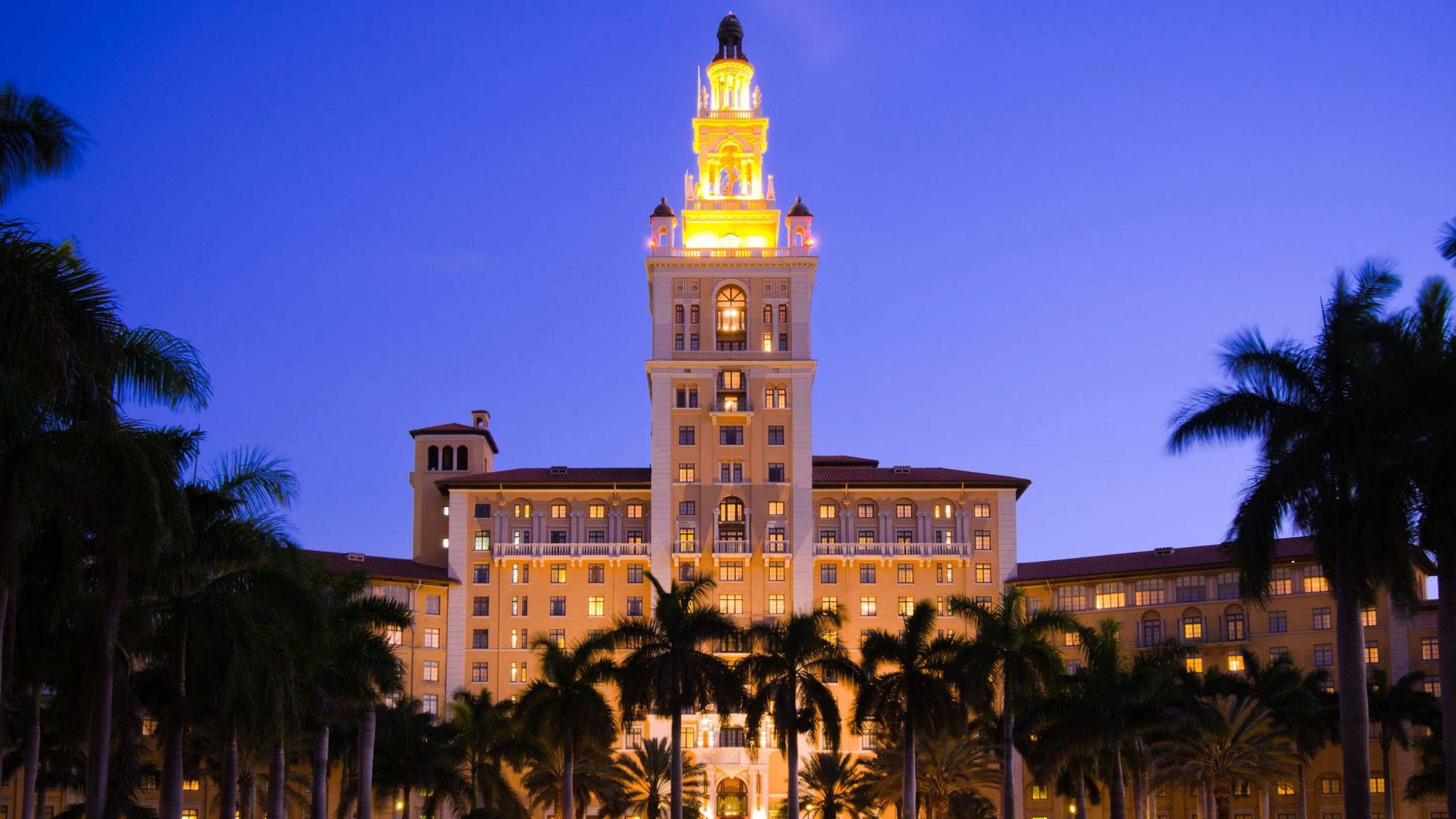
In the 1910s and 1920s, as Florida’s land boom attracted northern investors, developers looked to Mediterranean coastal villas for inspiration. The City of Miami Beach notes that Mediterranean Revival buildings typically feature white or light stucco exteriors paired with red‑tiled roofs, decorative ceramic tile accents around windows and doors, arched openings, balconies and courtyards, and ornamental wrought‑iron railings and light fixtures. Tropical landscaping with palms and native plants reinforces a relaxed, sun‑soaked ambiance. In Miami, prominent architects such as Addison Mizner and Maurice Fatio popularized this look, often incorporating grand arches and fountains.
Spanish Revival
Spanish Revival and Mediterranean Revival overlap significantly, but Spanish Revival homes often lean into heavier ornamentation. The Debowsky Design Group notes that Spanish Revival houses frequently have white or pastel stucco walls, red tile roofs, and intricate interiors with carved wooden doors, hand‑painted tiles and decorative ironwork. Interiors may also feature exposed beams and patterned floor tiles, creating a warm, earthy ambiance. Together, these elements evoke Spanish Colonial and Moorish influences while addressing South Florida’s climate through durable materials and shaded courtyards.
Neighborhoods and lifestyle
The city of Coral Gables, conceived by developer George Merrick in the 1920s, is the epitome of Mediterranean Revival planning. Its strict design code ensures cohesive aesthetics—stucco facades, red‑tile roofs, wrought‑iron balconies and grand arched entryways. Landmarks like the Biltmore Hotel and Venetian Pool showcase the style and attract visitors. The city also offers lush tree‑lined boulevards, the University of Miami campus, golf courses and world‑class dining. Home prices here range from the high $800,000s for modest single‑family houses to multi‑million‑dollar estates; Zillow reports average home values around $1.46 million.
Beyond Coral Gables, Mediterranean and Spanish Revival homes appear in older neighborhoods such as Shenandoah, The Roads, and parts of Coconut Grove. Buyers drawn to old‑world charm should weigh the costs of maintaining historic materials against the enduring appeal and resale value. Sellers can emphasize original features like tilework and iron detailing in marketing.
The MiMo Movement and Mid‑Century Flair
Origins and key features
After World War II, Miami sought to reinvent itself. The Miami Modern (MiMo) movement emerged in the late 1940s to 1960s as a futuristic departure from Art Deco. According to the City of Miami Beach, MiMo buildings feature curved rooflines and sleek, asymmetrical geometry, flat roofs with projecting eaves, large windows and glass walls that blur indoor and outdoor space, and decorative concrete “breeze blocks” that filter light and air. Tropical motifs and neon signage deliver whimsy, while structural innovation reflects a new era of travel and optimism.
Where to see MiMo
The MiMo Biscayne Boulevard Historic District, running roughly from Northeast 50th to 77th Streets, preserves mid‑century motels, diners and apartments with kidney‑shaped pools, boomerang angles and playful signage. The restored Vagabond Hotel exemplifies the style, with breeze‑block screens and a restored cocktail lounge. MiMo elements also surface in pockets of North Beach and Sunny Isles. These neighborhoods appeal to buyers seeking retro charm with improved affordability relative to South Beach.
Market context
MiMo buildings often house boutique hotels or small condominium associations. Prices tend to be moderate compared with luxury high‑rises, offering an entry point for buyers seeking character. Renovations may require compliance with historic‑district guidelines. Sellers should highlight period details, such as original terrazzo floors and breeze blocks, while promoting upgrades like impact‑resistant windows.
Tropical Modernism & Coastal Contemporary
Tropical Modernism
Originally popularized in the 1950s and 60s by architects like Alfred Browning Parker, Tropical Modernism is enjoying a renaissance in Miami’s luxury market. According to design specialists, contemporary tropical homes feature wide eaves and floor to ceiling glass, breezeways and shaded courtyards, and locally sourced materials like coral rock and terrazzo. Open layouts blur indoor and outdoor spaces, while biophilic elements such as lush gardens, reclaimed wood and natural stone create a calm, resort-like ambiance. Colors lean toward warm whites, sandy taupes and muted greens, producing quiet luxury.
Coastal Contemporary
Coastal Contemporary, sometimes referred to as Coastal Modern, shares similar principles. The Debowsky Design Group explains that these homes use massive windows and glass façades to maximize natural light, clean lines and minimal ornamentation, and high ceilings with open floor plans that promote socialization and connection to the outdoors. They often incorporate sustainable systems and hurricane‑resistant materials to meet modern building codes.
Where to find these styles
Coconut Grove and Key Biscayne harbor many Tropical Modern and Coastal Contemporary residences. Coconut Grove, Miami’s oldest continuously inhabited neighborhood, balances historic cottages with modern architecture. An article on the neighborhood’s renaissance notes that its appeal stems from village scale walkability, mature tree canopy and access to marinas. The Barnacle Historic State Park and the King Mango Strut parade underscore the community’s heritage and civic identity. Modern developments like Vita at Grove Isle deliver private island living, while projects like Four Seasons Residences Coconut Grove cater to buyers seeking service driven lifestyles. Price points here range widely, from around $1 million for a modern townhome to over $20 million for waterfront estates.
Coastal Contemporary design also appears in newer waterfront mansions in Miami Beach, Sunny Isles and Pinecrest, where large glass walls frame Biscayne Bay or canal views. Buyers often prize hurricane resilience and energy efficiency alongside aesthetics. Sellers should invest in staging that emphasizes indoor‑outdoor flow and natural materials.
Modern Luxury High‑Rises and Miami’s Future Skyline
Downtown and Brickell’s transformation
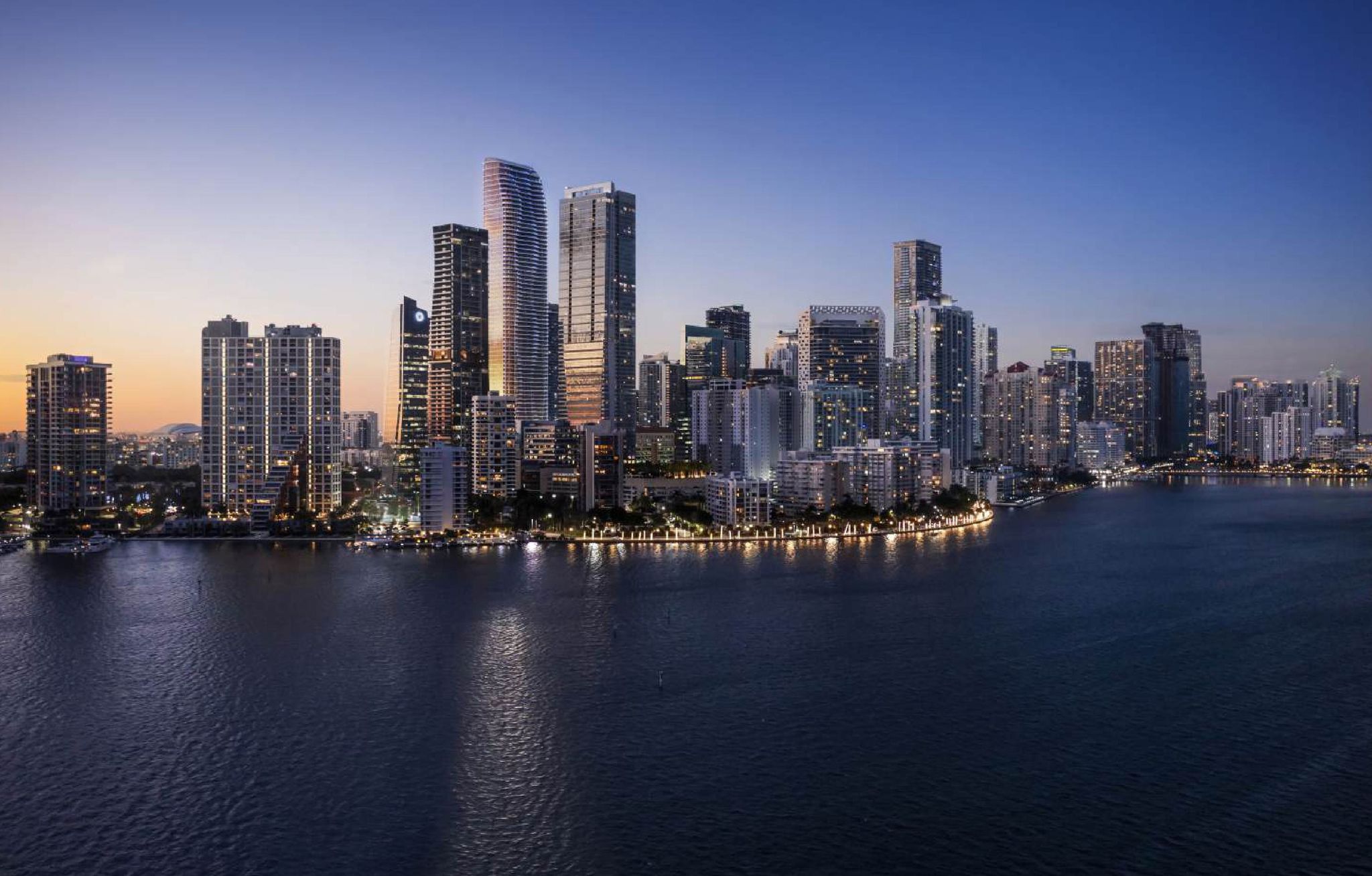
Downtown Miami and Brickell have transitioned from business hubs to lifestyle destinations. Mixed use districts like Miami Worldcenter, a 27 acre development unveiled in 2025 with plans for 16 residential towers, more than 11,000 units, over 1,000 hotel rooms and about 300,000 square feet of retail and lifestyle space, are redefining urban living. This scale of development brings parks, retail and transit into one walkable ecosystem, appealing to full time residents and investors alike.
Supertall icons
- Waldorf Astoria Hotel & Residences Miami: Miami’s first supertall tower broke ground in 2022 and reached the 50th floor in late 2025. The Florida YIMBY report explains that the 100 story, 1,049 foot tower, designed by Sieger Suarez Architects and Carlos Ott, will include 387 private residences and 205 hotel rooms. Nine offset glass cubes create a striking silhouette and offer 360 degree views. Amenities include Peacock Alley lounges, a resort style pool deck, a wellness spa, owner only lounges and event spaces. The project is more than 90 percent sold and is projected to top off in 2026, with completion targeted for 2028. Buyers can expect pricing starting in the high six figures for smaller units, while penthouses will command several million.
- The Residences at 1428 Brickell: Ytech’s 70‑story tower will be the world’s first residential high‑rise partly powered by solar energy. The building integrates 500 photovoltaic windows along its west‑facing façade, generating about 175,000 kWh of clean energy annually and reducing an estimated 4,700 tons of CO₂ emissions. The tower will house 195 luxury homes, priced from about $3 million to $7 million for two‑ to four‑bedroom layouts. A $60 million penthouse features 30‑foot ceilings and expansive terraces. Amenities span over 80,000 square feet and include multiple pools, a 10,000‑square‑foot gym, a wine and art lounge, private dining rooms and concierge services. Each residence has an estate manager to coordinate household needs, underscoring the personalized service.
- Okan Tower: Rising at 555 North Miami Avenue, Okan Tower is a 70‑story mixed‑use supertall reaching 902 feet. Designed by Behar Font & Partners and developed by Okan Group, it will comprise a 316‑key Hilton Miami Bayfront Hotel, 236 condo‑hotel residences, 163 Sky Residences, 60,000 square feet of Class A office space and more than 80,000 square feet of lifestyle amenities. Construction reached the halfway mark in 2025, with completion anticipated in 2027. Residents will enjoy multiple pools, a Turkish hammam, fitness center, cinema and wine cellar.
- Casa Bella Residences by B&B Italia: This 56‑story condominium tower topped off in July 2025 with more than 90 percent of its 319 units under contract. Developed by Related Group and Alta Developers, it features design by Arquitectonica with interiors by Piero Lissoni. Residences offer private elevator access, expansive views and high‑end appliances. Amenities include wellness centers, yoga and spin studios, a private theater, co‑working lounge, wine vault and Italian‑inspired gardens with an 80‑foot lap pool and rooftop observatory. Completion is expected by summer 2026.
- Riverside Wharf: Groundbreaking occurred in December 2025 on this $350 million hospitality‑driven complex along the Miami River. The development includes two towers designed by CUBE 3 Architects, a 167‑key Dream Miami hotel, a 30,000‑square‑foot nightclub, rooftop pool dayclub, 12,000‑square‑foot event hall, multiple dining venues and 16,000 square feet of restaurants. Plans call for a new public riverwalk and a seawall to mitigate sea‑level rise. Completion is slated for fall 2028.
These projects highlight two trends: amenity‑rich living and climate resilience. Developers are integrating flood‑mitigation features, hurricane‑rated glass, and sustainable energy systems, responding to both buyer demand and regulatory requirements.. For investors, understanding construction timelines and brand affiliations (Hilton, Waldorf Astoria, B&B Italia) is critical when comparing pre‑construction opportunities.
Investment and Short‑Term Rental Considerations
Miami’s popularity with tourists and part‑time residents makes short‑term rentals attractive, but regulations are strict. The Miami‑Dade County government defines a short‑term vacation rental as any residence rented for less than 30 days or one month. Property owners in unincorporated Miami‑Dade must comply with Section 33‑28 of the County Code. Key requirements include:
- State and tax registration: Rentals must be licensed by the state and registered with the Florida Department of Revenue for tax purposes. Operators who rent for six months or less must also register for a Tourist Tax account to collect and remit convention and tourism taxes.
- Certificate of Use (CU): Hosts must obtain a CU before listing or advertising the property. The permit requires an inspection and costs about $246.78; it must be renewed annually. The CU must be displayed conspicuously inside the rental and list the responsible party and maximum occupancy.
- Occupancy limits: Short‑term rentals may host up to two people per bedroom plus two additional guests, with a maximum of 12 persons (excluding children under three).
- Resident requirement: In estate or low‑density residential zones, the responsible party must live in the home for more than six months per year.
- Safety and compliance: Operators must ensure pool safety (e.g., barriers or alarms), adhere to noise and parking regulations and maintain a guest register open to inspection. Advertising restrictions, notice to HOA/condo boards and criminal background checks for occupants near schools also apply.
Short‑term rentals are banned in many parts of Miami Beach and restricted by zoning within the City of Miami; enforcement is aggressive, and violations can result in hefty fines. Investors should consult a local attorney and realtor to verify permissible locations and comply with evolving laws. For those seeking passive rental income, new hotel‑branded condo developments that allow flexible stays may offer a safer path.
Guidance for Buyers
- Define your lifestyle priorities. Do you crave the energy of South Beach, the serenity of Coral Gables or the walkable village feel of Coconut Grove? Each neighborhood’s architectural style influences daily life. Art Deco condos emphasize compact urban living, Mediterranean homes offer courtyards and gardens, MiMo buildings evoke retro charm, and modern towers deliver concierge service.
- Understand property types and budgets. Miami’s housing stock ranges from historic cottages and mid‑century bungalows to high‑rise condos and waterfront mansions. Review your budget relative to general price ranges: condos in central areas often start around $400,000, while luxury high‑rises and waterfront homes can exceed $10 million. Factor in HOA fees, insurance (especially flood and wind), taxes and potential assessments for building upgrades.
- Evaluate resilience and sustainability. Ask about flood elevation, hurricane‑impact windows, generator capacity and sustainability features (such as the solar‑powered facade at 1428 Brickell). Properties built before 1970 may require retrofits to meet current codes.
- Check zoning and rental rules. If you plan to rent your property seasonally, verify whether short‑term rentals are permitted and what license requirements apply. Condos often have their own rental restrictions.
- Work with a local expert. A knowledgeable Miami realtor understands micro‑market differences, has relationships with new‑construction developers and can advise on neighborhood-specific issues like flood insurance and historic designation. Consider requesting our Free Buyers Guide or Mortgage Calculator for detailed steps.
Guidance for Sellers
- Highlight architectural character. Buyers are drawn to authenticity. Emphasize original terrazzo floors, Art Deco reliefs, Mediterranean arches or MiMo breeze blocks in your marketing. Invest in professional photography and staging that accentuates indoor‑outdoor flow.
- Modernize sensitively. Updating kitchens, bathrooms and systems is essential, but preserve defining features. Consult with architects experienced in historic renovations, and review any historic district guidelines before altering façades.
- Price strategically. Align your price with comparable sales in your micro‑neighborhood, adjusting for condition, amenities and views. Avoid overpricing; buyers are selective even in high‑demand areas.
- Prepare for inspections and appraisals. Address deferred maintenance, obtain elevation certificates and gather documentation on improvements like hurricane shutters or solar panels. A polished property commands higher offers.
- Market globally yet locally. Miami attracts international buyers, but many transactions originate from local or regional networks. Leverage our Free Sellers Guide and targeted marketing campaigns to reach both audiences.
Why Work with a Local Miami Realtor
Navigating Miami’s real estate landscape requires more than browsing listings. Architectural styles, zoning rules and climate risks vary block by block. A local realtor provides:
- Neighborhood expertise. From Coconut Grove’s canopy‑lined streets to Brickell’s glass towers, a seasoned agent can decode market dynamics and lifestyle nuances.
- Access to off‑market opportunities. Many luxury properties sell before hitting public platforms, especially in new construction and pre‑construction projects.
- Regulatory guidance. Short‑term rental ordinances, flood zones and permitting requirements can be overwhelming. A local agent coordinates with attorneys, inspectors and county offices to keep transactions compliant.
- Negotiation leverage. Experienced agents know when developers offer incentives, how to navigate multiple-offer situations and how to position unique architectural features as value drivers.
We invite you to explore our Miami Neighborhood Guides, browse our New Construction pages or Request a Home Valuation to start your journey.
FAQ
What is Art Deco architecture in Miami?
Art Deco buildings in Miami Beach feature bold geometric shapes, clean lines, pastel colors and decorative motifs such as zigzags and sunbursts. Streamlined curves and neon accents create a nautical, futuristic feel. The style emerged in the 1920s and 30s and remains concentrated in the South Beach historic district.
Which neighborhoods feature Mediterranean Revival style?
Coral Gables is the premier example, with stucco walls, red‑tile roofs and arched entryways. Mediterranean and Spanish Revival homes also appear in Shenandoah, parts of Coconut Grove and older sections of Miami Beach.
What defines the MiMo movement? Miami Modern (MiMo) architecture combines mid‑century modernism with tropical flair. Hallmarks include curved roofs, flat roofs with projecting eaves, large windows, breeze blocks and playful neon signs. The MiMo Biscayne Boulevard Historic District preserves many examples.
Are short‑term rentals allowed everywhere in Miami?
No. Miami‑Dade County requires short‑term rentals to be licensed, registered for taxes and obtain a Certificate of Use. Occupancy limits and onsite residency rules apply. Many municipalities, particularly Miami Beach, prohibit short stays in residential zones.
What are the benefits of living in a modern luxury high‑rise?
New towers like the Waldorf Astoria Miami and 1428 Brickell offer resort‑caliber amenities, panoramic views and concierge services. Many incorporate sustainable features such as photovoltaic façades and flood‑mitigation systems.
How should I choose between historic and modern homes?
Consider your lifestyle, maintenance tolerance and design preferences. Historic homes offer character and established neighborhoods but may require ongoing upkeep and compliance with preservation rules. Modern homes provide contemporary amenities, energy efficiency and often better hurricane resilience. A local realtor can help balance these factors.
What pre‑construction opportunities are available?
Developments like Okan Tower, Riverside Wharf, 1428 Brickell and Casa Bella Residences offer the chance to secure a unit at today’s prices with completion slated between 2026 and 2028. Buyers should review construction timelines, deposit schedules and brand affiliations before committing.
How Architectural Style Influences Buying and Selling in Miami
Miami’s architecture tells a story of ambition, adaptation and artistry. From the Deco hotels that attracted early tourists to the Mediterranean villas of the 1920s and the MiMo motels of the postwar boom, each style encapsulates a moment in time. Today, tropical modern houses and sustainable skyscrapers push boundaries while responding to climate realities. Understanding these styles helps buyers find homes that align with their lifestyle and values, and empowers sellers to market their properties effectively. For personalized guidance on buying, selling or exploring new construction, reach out, download our relocation guide. We look forward to sharing our local expertise.
Check out this article next