


I'm getting the same question from clients three times a week right now. Should I be looking at a Miami condo or a single-family home in 2026? A year ago I could give you a clean answer in about ten seconds. This year the honest answer takes longer, because Miami isn't one market anymore. It's two, and they are moving in opposite directions.
The Miami condo vs single family home decision in 2026 is the single most important call most of my buyers make before we even open a search. Get it right and you walk into a market with real leverage. Get it wrong and you spend six months chasing homes that were never going to negotiate with you in the first place. Here's how I walk clients through it.
The Two-Speed Miami Market at a Glance
The clearest way I've found to explain what's happening right now is with one number: months of inventory. That number tells you how long it would take to sell every listing on the market at the current pace of sales. Anything around six months is balanced. Below that favors sellers. Above that favors buyers.

Here's where Miami sits as of the most recent July 2026 Redfin data.
Property Type | Months of Inventory | Market Condition | Typical Buyer Leverage |
Condo | 12.3 months | Deep buyer's market | Strong on price and terms |
Single-family home | 6.6 months | Balanced to slight buyer edge | Moderate, mostly on terms |
That gap is real. Condo buyers today have roughly twice the runway that single-family buyers have. That's not a small difference in negotiation. It's the entire game.
What's Actually Happening in the Miami Condo Market
Miami has a lot of condos, and it has been building more of them for years. That's the background. The foreground is Florida's post-Surfside condo reform. Older towers, especially 30+ year buildings and coastal buildings past their milestone-inspection window, are working through Structural Integrity Reserve Studies, catching up on decades of underfunded reserves, and in many cases handing owners special assessments that can run from thirty thousand to well over a hundred thousand dollars per unit.

Insurance is the second pressure. Coastal condo insurance premiums have climbed hard, and master-policy renewals have pushed HOA fees up across the board. When carrying costs rise, some existing owners choose to sell rather than absorb the increase. That inventory hits the market and stays there. If you want a deeper look at how insurance and flood exposure are reshaping Miami property carry, I broke it down in Miami Flood Zones Explained.
The result is what you see in the data. Around twelve months of condo inventory across Miami-Dade. Multiple price reductions on listings that would have sold in a weekend three years ago. Sellers who are actually willing to negotiate on price, closing-cost credits, HOA fee credits, and inspection contingencies. Sub-markets like the Aventura condo scene are seeing similar dynamics play out, as I covered in the Aventura Condo Market Outlook 2026.
If you're a condo buyer in Miami right now, you're shopping in an unusually strong position. Just understand what you're buying. In a 12-month-inventory market, price is negotiable but your due diligence is not. You need to read the association's budget, reserve study, and recent board minutes before you write an offer, not after.
Why Miami Single-Family Homes Are Holding Ground
Single-family homes are a different market entirely. There's only so much developable land inside the Miami-Dade neighborhood grid, and almost none of it that is walkable, low-flood-risk, and inside a good school zone. Wealth migration into South Florida hasn't slowed, and cash buyers are still active on turn-key homes in the $1M to $5M range, per Florida Realtors' latest market summary.
Insurance and property-tax carry have gone up for single-family owners too, but the reserve-study and special-assessment exposure that's dragging on the condo side simply doesn't exist for a house you own outright. Owners feel less pressure to sell. Inventory stays tight.
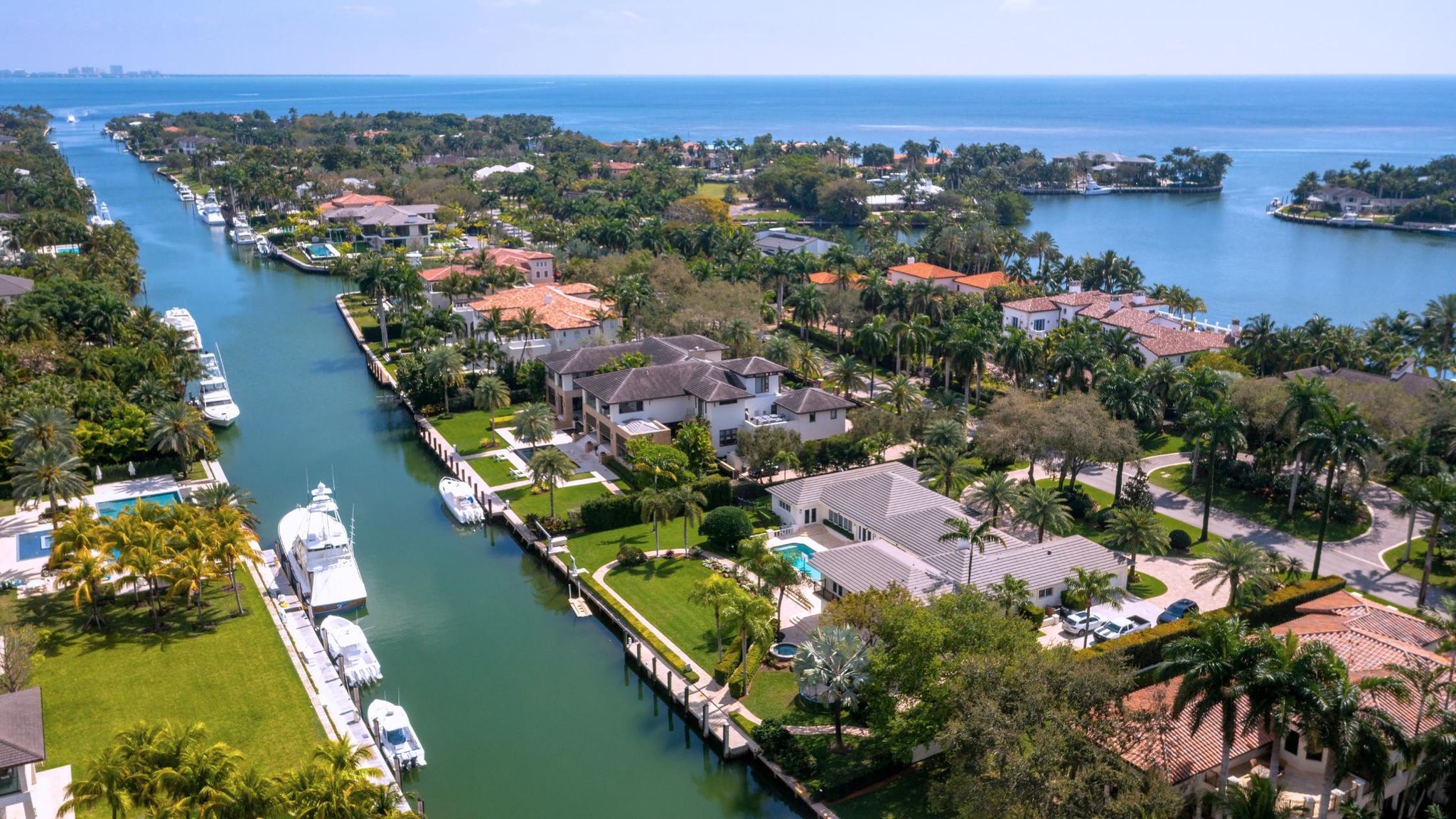
The numbers back this up. Around 6.6 months of single-family inventory in Miami-Dade puts the market roughly at balance, with a slight buyer's edge on properties that need work or are priced ahead of the comps. Fully renovated, waterfront, or top-school-zone homes still move quickly and still see multiple offers, especially at attractive price bands. That waterfront premium is a bigger driver than most people realize, and I walked through it in more depth in Miami Waterfront vs Inland Living.
Which Side Wins for Each Type of Buyer
Here's how I actually match the two-speed market to a buyer profile.
First-time buyer, primary residence, under $600K. The condo side is where your leverage lives right now. You have inventory to compare, sellers who will negotiate, and time to walk away. Focus on newer buildings (post-2005) or older buildings that have already completed their milestone inspection and funded their reserves. Non-negotiable: pull the association documents before you offer.
Move-up buyer, family home, $900K to $2M. You're shopping the tighter market. Come pre-approved, decide fast on the homes that fit, and be ready to compete on turn-key waterfront and top-school-zone products. There's still room to negotiate on homes that have been sitting more than 60 days, especially outside the highest-demand pockets.
Investor, cash-flow focus. The condo side is more interesting on paper because pricing has softened, but the assessment-reserve exposure and insurance carry can eat what looks like a good yield. I make every investor client build the true carry math (HOA plus assessment reserve plus tax plus insurance plus vacancy plus management, against realistic market rent) before we submit anything.
Second-home buyer, $2M and up. You can shop on both sides right now. Ultra-luxury condos have negotiation rooms they haven't had in years, and single-family waterfront still commands the premium it always has. This is a good moment to buy the property type you actually wanted, not the one you were willing to settle for.
Downsizer selling a house to buy a condo. You're on both sides of the two-speed market simultaneously. Your house is likely to sell inside a balanced market. Your condo purchase gets to walk into a buyer's market. That's a genuinely favorable position, but time your listing and your offer so you aren't carrying two properties longer than necessary.

What This Means for Your Offer Strategy
For condo buyers, the strategy this year is patience plus leverage. Ask for price reductions, closing-cost credits, HOA fee credits for the first six or twelve months, and full due-diligence access to association records. Sellers of 60-plus-day listings are, in most cases, willing to talk. My finance background from 2006 makes me stickler about this: run the true monthly carry with the assessment risk included, not the pretty pro forma the listing agent hands you.
For single-family buyers, the strategy is preparation plus decisiveness. Have your financing lined up (or your proof of funds ready), know your top three neighborhoods cold, and be ready to write within 48 hours of the right listing hitting the MLS. You still have some leverage on aged inventory or homes with clear issues; you have less leverage on turn-key or waterfront products.
The one strategy that doesn't work in 2026 is treating Miami as a single market and applying one playbook. Condo tactics don't translate to houses. House tactics don't translate to condos. If your agent is pitching you a one-size-fits-all approach right now, that's your signal to ask harder questions.
Ready to Move
If you're weighing a Miami condo vs single family home this year, don't rely on last year's playbook. The market has split, and the right move depends on which side you're actually shopping. That's exactly the call I help clients make every week. If you want a step-by-step primer to walk into your first meeting prepared, grab my Free Home Buyer Guide.
If you want to talk through your specific situation, reach out directly and we'll build a shortlist that fits both your goals and the current market.