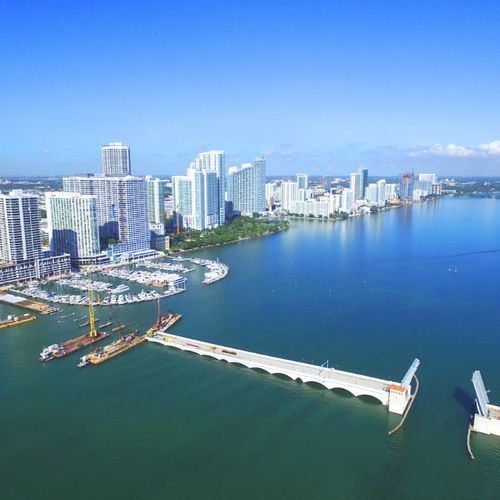

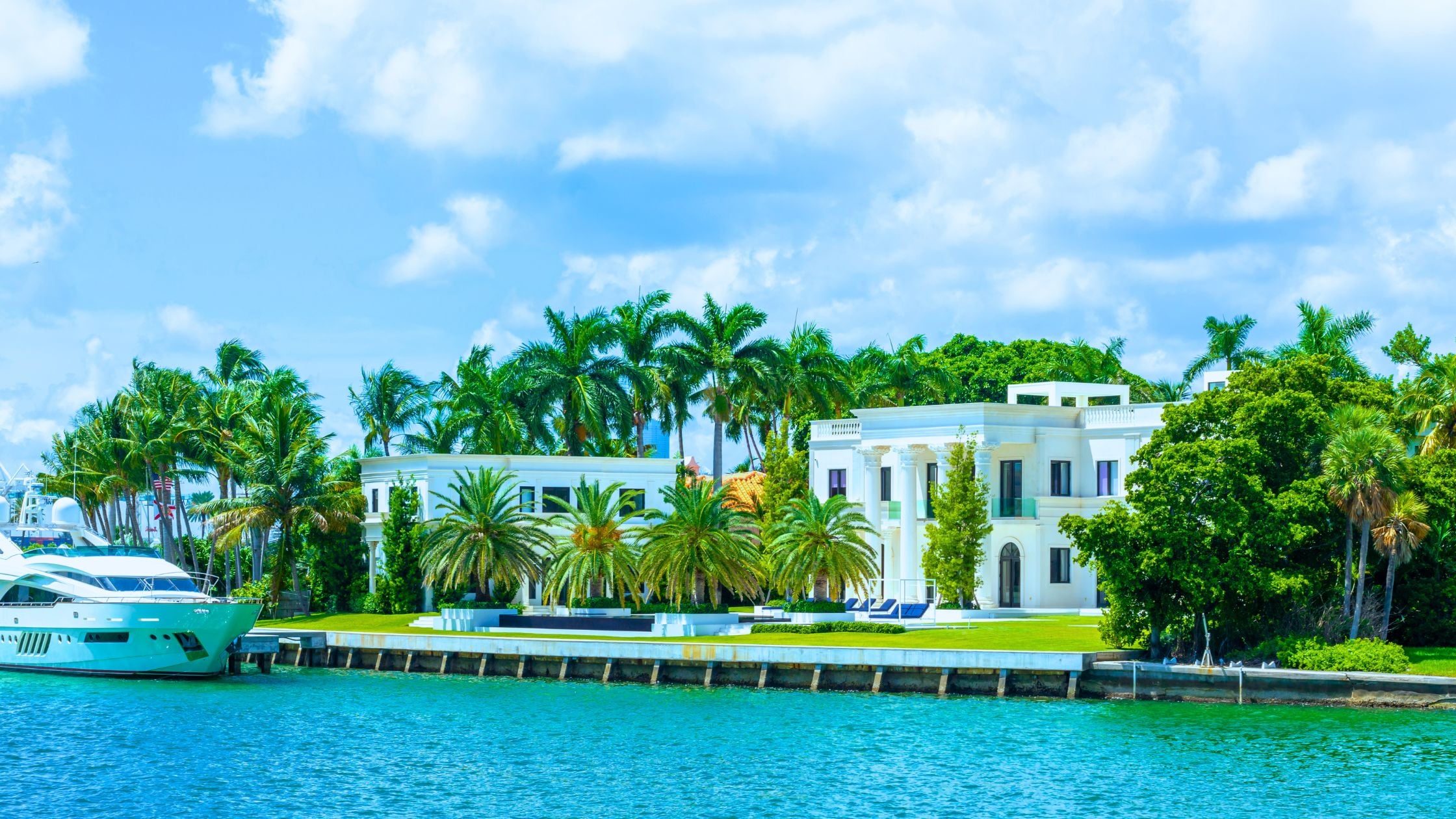
The view sells the showing. The paperwork sells the house.
I have watched more waterfront deals fall apart in the last three years than I did in the previous ten combined, and almost none of them died over price. They died over a seawall, a surveyor flagged, a dock permit nobody could find, or a flood insurance quote that came back three times what the buyer expected. If you are selling a waterfront home in Miami right now, the view is not your job. Your job is to have every answer ready before the buyer's attorney thinks to ask the question.
I have been working in South Florida real estate since 2018, and I started in finance back in 2006, so I look at waterfront sales through two lenses at once. The property, and the paper trail behind it. What follows is the seller playbook I actually use with my own clients, from how I price it to what I get inspected before we ever list.
What Miami Buyers Are Actually Paying a Premium For in 2026
The Waterfront in Miami is not one market. There are at least four. A single-family on a wide canal in Coconut Grove is priced differently from a bayfront estate on Sunset Islands, which is priced differently from a Biscayne Bay condo with an assigned slip, which is priced differently from a fixed-bridge canal home in Palmetto Bay.
What connects them is that buyers are willing to pay a real premium, but they price that premium against a checklist that gets longer every year.
The features that move the number up in this market:
- Ocean access with no fixed bridges. A boat that can leave the property and hit open water without waiting for a tide window is worth substantially more than one that cannot. This is the single biggest waterfront price driver I see.
- Wide, dredged waterway frontage. Depth at the seawall matters. Buyers with real boats bring a surveyor to confirm it.
- A permitted, in-good-standing dock and lift sized for the class of boat the neighborhood supports.
- Newer seawall construction or a documented recent cap repair. Age of seawall is the first question serious buyers ask.
- Elevated finished floor above base flood elevation. Newer construction built to updated Florida Building Code flood-resistant standards typically prices better on the insurance line.
- Southern or eastern exposure for the bay or canal view, which reads better in listing photos and reduces afternoon sun on the primary living space.
If your property has three or more of those, you can price aggressively. If it has one or two, you need to price it to reality and lean hard on the offset features (lot size, block, school zone, walkability).
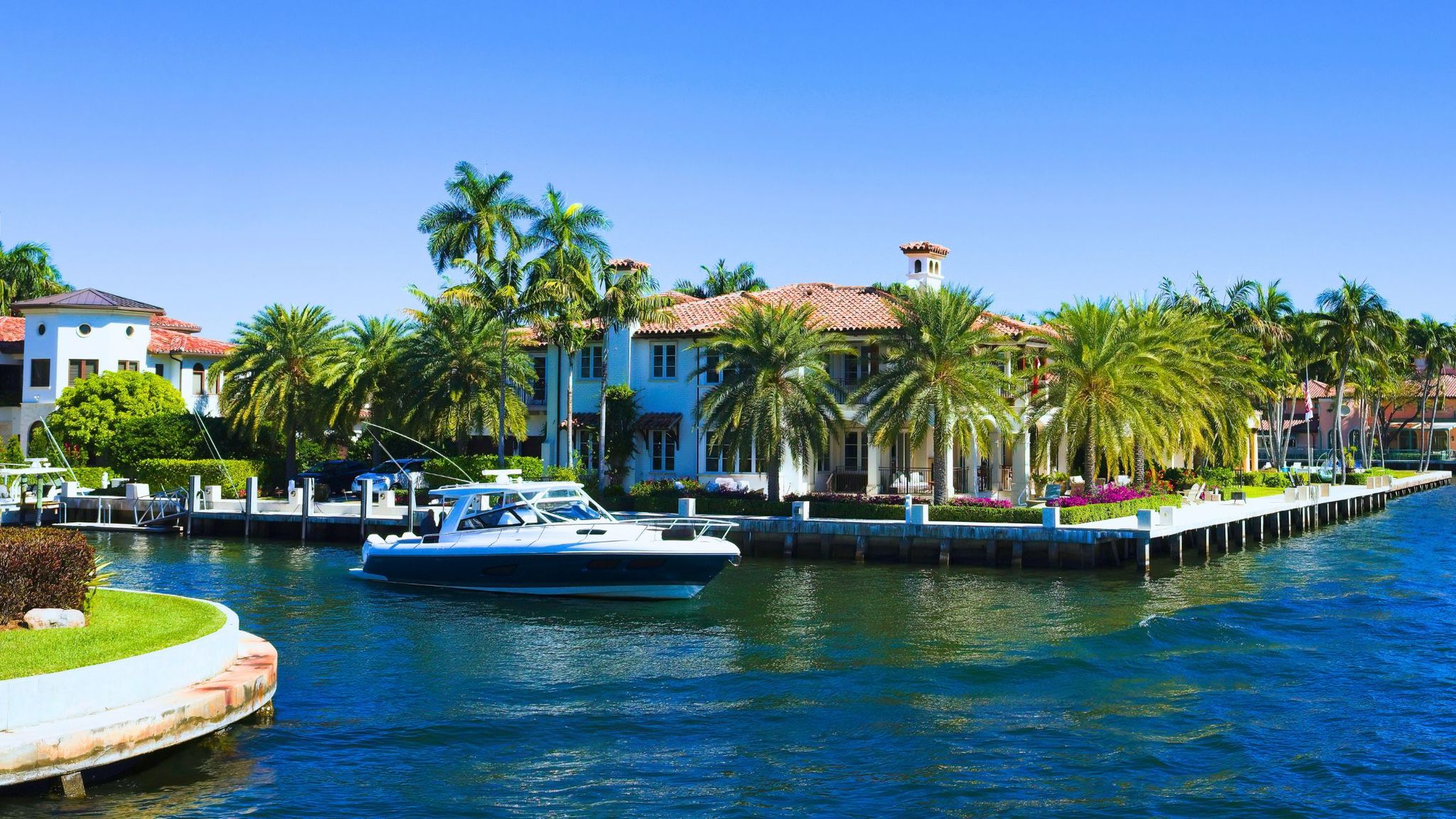
What Kills Waterfront Deals: The Four Documents Buyers Now Demand
This is the section most sellers wish someone had walked them through before they signed the listing agreement.
1. Seawall condition and permit history
Miami-Dade County seawalls are aging, and county-level attention has increased. Buyers' inspectors are now routinely calling for a specialized seawall inspection, separate from the general home inspection, and lenders are following. If your seawall shows tie-back failure, cap cracking, or scour behind the wall, expect a credit request in the tens of thousands, or a killed contract.
What I do before listing: I pull the permit history from the Miami-Dade Department of Environmental Resources Management, which issues Class I Permits for seawall work, and if the wall is aging or shows any surface signs, I bring in a marine engineer to write a one-page condition letter. That letter goes in the disclosure packet on day one, before any buyer's inspector has a chance to make it a negotiation lever.
2. Dockage rights and permits
A dock without a valid permit is not an amenity. It is a liability. Every serious waterfront buyer's attorney now asks for the U.S. Army Corps of Engineers permit, the Florida DEP submerged lands lease if applicable, and the local municipal dock permit before closing. If any of those are missing, expired, or in a previous owner's name that was never transferred, you have a problem.
Get this cleaned up before you list. It takes weeks, sometimes months. It never gets shorter under contract.
3. Flood zone, elevation certificate, and insurance quotes
Miami buyers in 2026 are pricing homes on the total monthly carry, not the sale price alone. Insurance is now often a meaningful line in that math for waterfront properties. If your home is in an AE, VE, or coastal-A flood zone per the FEMA National Flood Insurance Program, get a current elevation certificate and get two insurance quotes in writing before you list. Hand them to the buyer's agent proactively. This kills the "your insurance is going to be twenty grand" objection at the first showing.
For context on how flood zones are drawn and priced, my earlier post on Miami flood zones and sea-level rise walks through the map mechanics and what buyers should actually be checking.
4. Boat lift, davits, and any mechanical waterfront equipment
Buyers assume anything attached to the seawall is included, and they assume it works. Have your lift inspected. Get a signed service report. If the motor is aging or has not been serviced recently, price a replacement into your net or handle it before you list. A dead lift on a walkthrough day is one of the most common reasons I see a waterfront closing get pushed.
Pre-Listing Prep That Is Waterfront-Specific
Standard pre-listing prep applies here (declutter, neutralize, paint), but waterfront homes need a different photo and inspection strategy on top of that.
- Twilight and drone photography are not optional. Waterfront buys are emotional. The photo that closes the deal is almost always the one shot from the water looking back at the house, or the aerial that shows the point, the dock, and the canal in one frame.
- Stage the outdoor entertaining zone as the primary living space. Miami buyers pay the premium for the water because they plan to live outside. Show them what that looks like.
- Pressure wash the seawall, the dock, and the pool deck the week you list. This one costs almost nothing and photographs are a completely different property.
- Have the boat there for the shoot if you have one. An empty slip reads as a partial home. A slip with a boat in it reads as a lifestyle.
- Assemble a waterfront disclosure packet in one PDF: elevation certificate, seawall report, dock permits, most recent flood insurance policy, and HOA rules for any shared water access. If the property is a condo or cooperative that triggers Florida's milestone inspection requirement under SB 154, add that paperwork too. This is the single highest-leverage document in the entire sale.
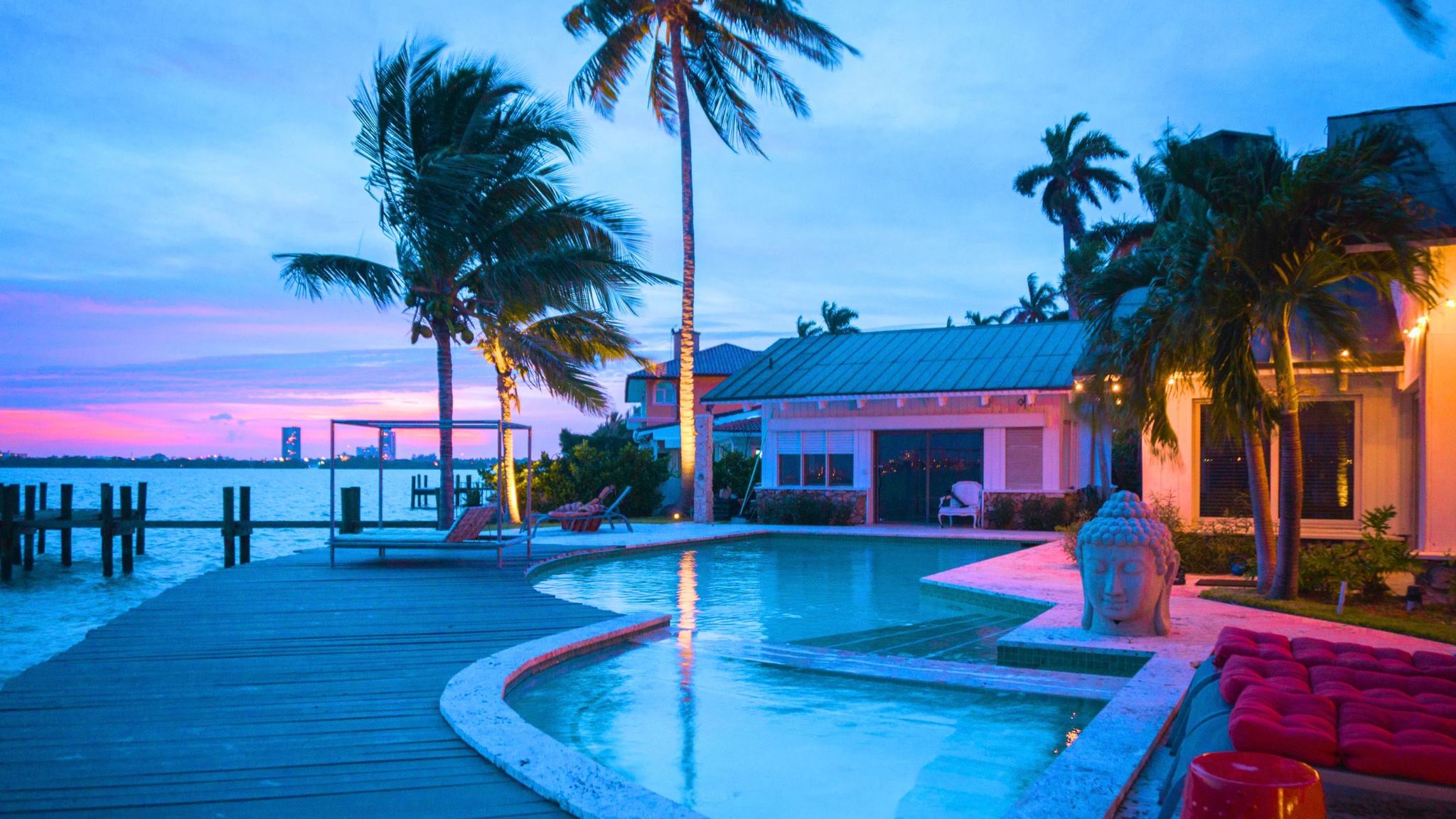
Pricing a Waterfront Home in Fall 2026
Comps get harder on waterfront because the differences that matter (bridge clearance, seawall condition, lot geometry, dock class) do not show up in the tax records. That is why I run every waterfront listing through a two-layer comp process. First layer is the closed sale comps within a mile, adjusted for lot size and square footage. Second layer is a manual adjustment for the waterfront features listed above.
The first move I recommend before you list is a current-value benchmark on your specific property so you know where you actually stand today, before any staging or repair budget gets committed. Pricing decisions get made with real numbers, not what the neighbor thinks the market is doing.
Fall listing windows in Miami are shorter than most sellers realize. Serious buyers on the waterfront tend to concentrate between mid-October and mid-February, when the weather is showing off. If you are listing this fall, price it to sell inside that window, not to test it.
Disclosures You Cannot Skip
Florida law requires sellers to disclose known material defects. On waterfront, that list runs longer than it does inland. Flood history, seawall repairs, any past marine environmental testing, prior insurance claims, hurricane damage and its remediation, and any pending code enforcement or permit issues all belong in your disclosure. Florida Realtors publishes updated disclosure guidance that is worth reading in full before you list. Fair Housing rules apply throughout the process, and I keep every marketing decision inside those lanes.
I always run disclosures with a Florida real estate attorney before the listing goes live. That one call has saved my clients more money than any negotiation move I have ever made.
Ready to Talk Numbers?
If you are thinking about selling a Miami waterfront home this fall or in early 2026, the first move is a real conversation about your specific property, your specific seawall, and your specific window. I live and work in Coral Gables, I sell across greater Miami, and I look at every waterfront listing through both a market lens and a finance lens.
Reach out through my contact page and we will set a time. If you want a broader read on the market first, my free seller's guide is a good starting point, and the Miami neighborhoods hub is where I break down what is happening in each submarket.
For more on the waterfront specifically, my earlier posts on the best waterfront neighborhoods in Miami, waterfront versus inland living, and how boating culture impacts Miami property values are worth a read before we talk.
Check out this article next