Is Brickell a Good Place to Live in Miami?
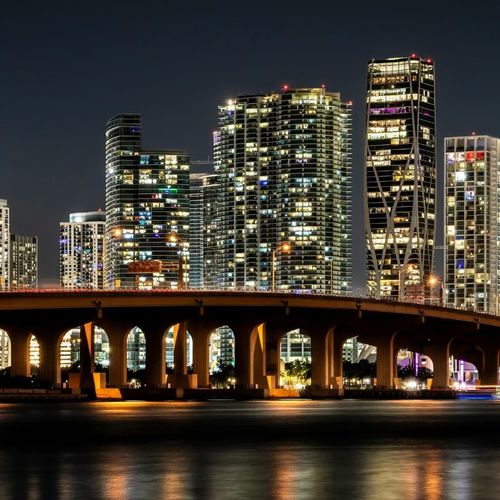
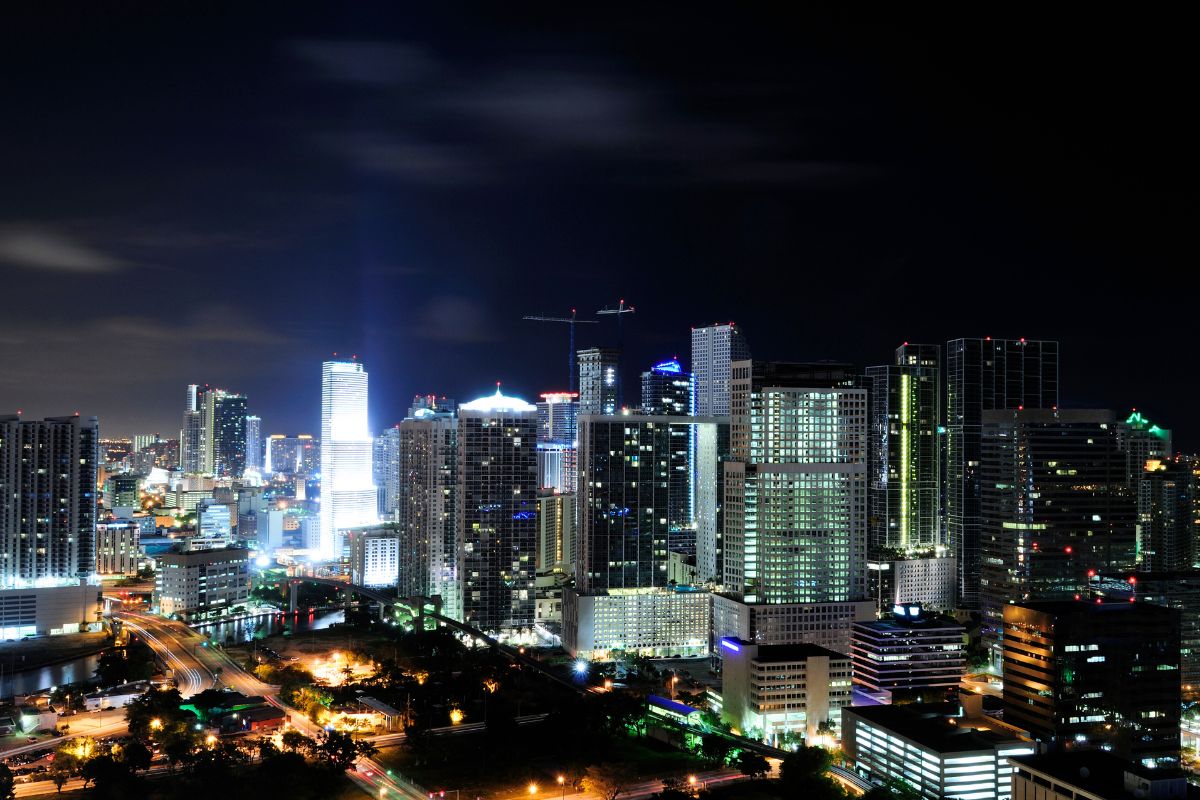
Brickell is Miami’s primary financial district, located south of the Miami River and east of Interstate 95. It is a dense, urban neighborhood characterized by high-rise condominium towers, Class A office buildings and large-scale mixed-use developments that combine residential, commercial and retail uses.
The area is considered one of the most walkable neighborhoods in Miami. The free Metromover operates continuously throughout Brickell and downtown, providing frequent service and reducing the need for car ownership. Protected bike lanes, shared mobility options and compact block design further support a car-free lifestyle for many residents.
Brickell offers a broad range of dining options, from upscale restaurants and international cuisine to casual cafés, bakeries and food halls. Parks and open spaces include protected natural areas, linear recreational trails and waterfront parks that provide balance to the neighborhood’s vertical density.
Residents include young professionals, corporate executives, international buyers and long-term condominium owners. Most are drawn by proximity to employment centers, access to transit and the convenience of living in a walkable urban environment.
Brickell Real Estate Market Overview (2026)
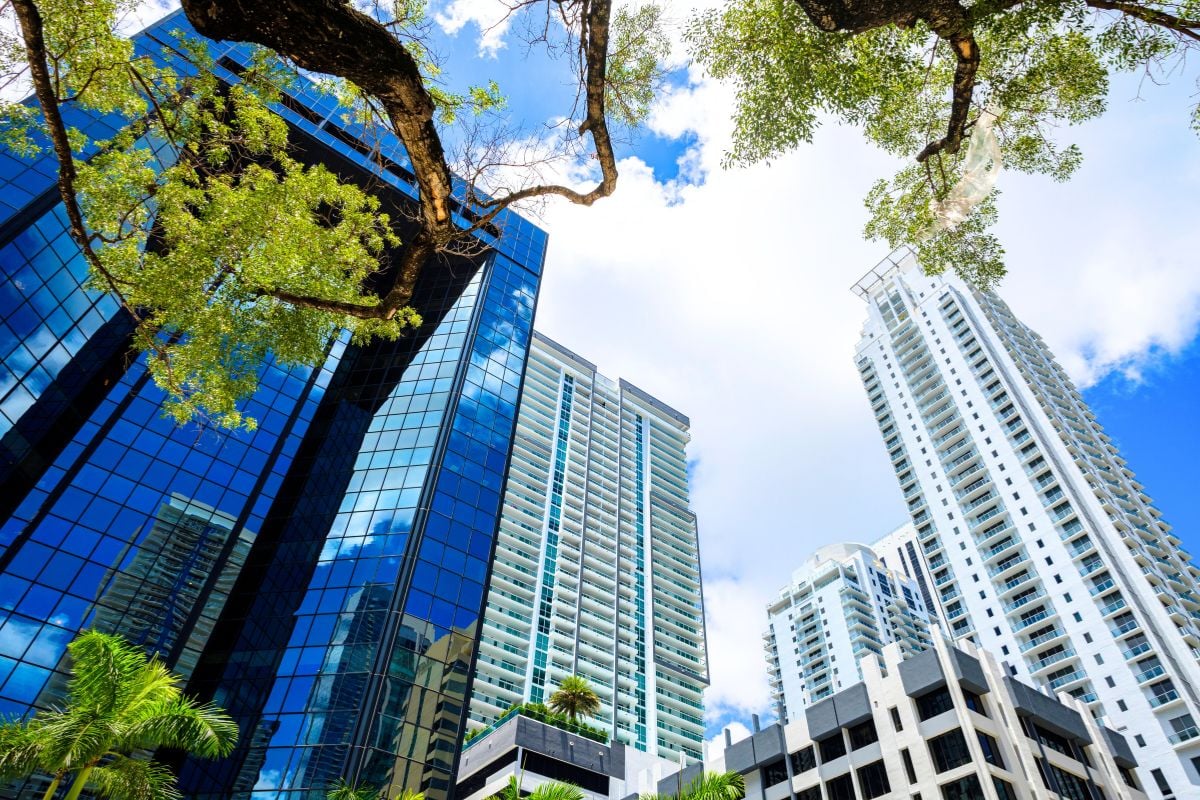
Brickell’s housing stock consists primarily of high-rise condominiums, with limited availability of townhomes or single-family residences. Most buildings offer full-service amenities such as pools, fitness centers, concierge services and secured parking.
In 2025, 989 residential units sold in Brickell, with an average sale price of $884,490. Price per square foot peaked at $868 mid-year before declining to $756 by the end of the year, reflecting a normalization following recent market highs.
Approximately 4,500 units are currently under construction. Despite the addition of new inventory, demand remains supported by continued corporate relocations, population growth and the development of branded luxury residential towers.
Median household income in Brickell is approximately $137,810. Median home value in 2025 was about $632,503. Fifty-six percent of condominium transactions were all-cash, and the average time on market was 106 days.
Sales activity remains strongest in newer, amenity-rich buildings with modern layouts and strong management. Older properties may experience longer marketing times and greater price sensitivity, particularly when association fees are high or building upgrades are pending.
Who Brickell Is Best Suited For
Brickell appeals primarily to professionals who value walkable access to office towers, restaurants, fitness studios and public transit. Many residents commute on foot or by rail.
International buyers favor Brickell for its global business presence, familiarity with condominium ownership and ease of managing property from abroad.
Empty nesters and long-term owners are drawn to full-service buildings that offer security, amenities and minimal maintenance responsibilities.
Outdoor enthusiasts benefit from waterfront running routes, dedicated bike lanes and the Underline trail system, which connects Brickell to neighboring communities.
Families may prefer South Brickell or Brickell Key, where traffic is lighter, streets are quieter and access to parks and open space is more immediate.
Investment and Long-Term Value
Brickell’s long-term value is driven by sustained corporate migration, high-income demographics and ongoing investment in infrastructure and transit.
Branded residential towers contribute to pricing stability by attracting international buyers and setting higher standards for amenities, service and design. Transit improvements and pedestrian infrastructure continue to enhance accessibility and quality of life.
New supply may moderate price growth in the short term, particularly in older or less competitive buildings. Demand remains concentrated in high-quality properties with strong management, views and amenities.
Investors should prioritize buildings with proven resale performance, consistent rental demand and sustainable association fees when evaluating opportunities.
Neighborhood Overview
Location and Subareas
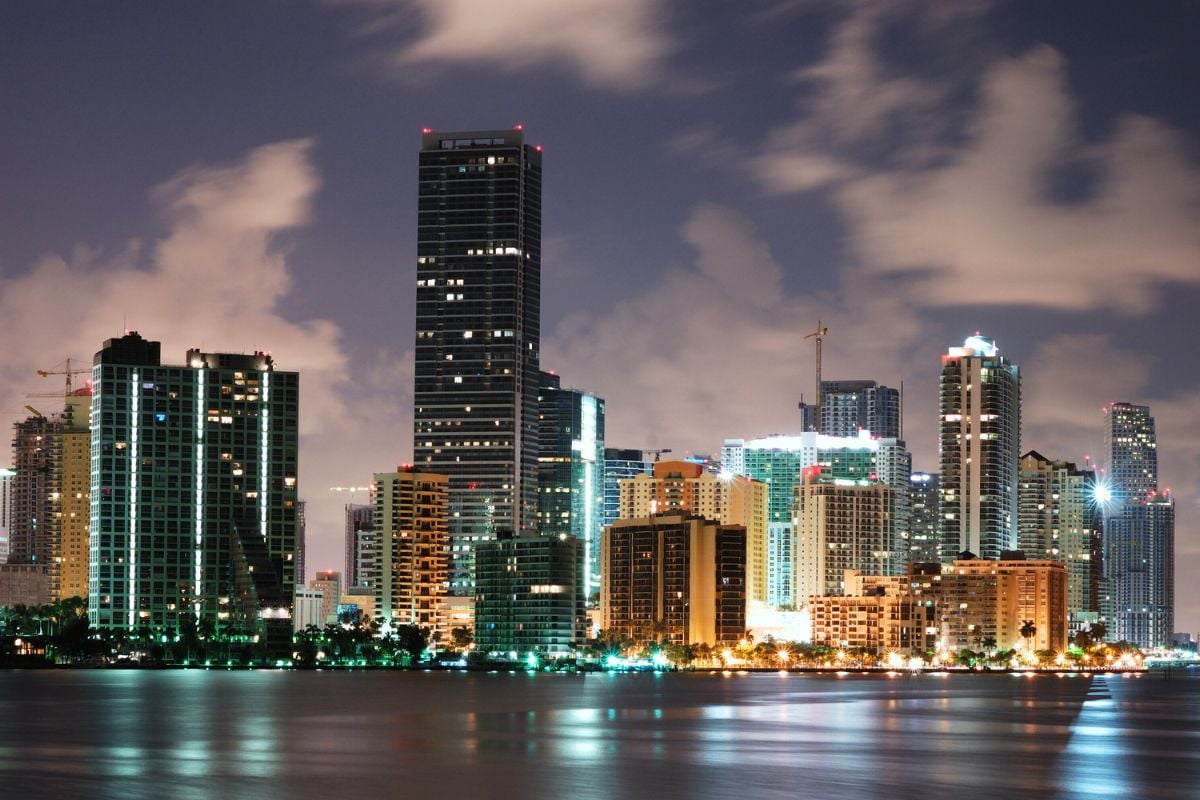
Brickell is located within the City of Miami and is bounded by the Miami River to the north, SW 26th Road to the south and Biscayne Bay to the east.
Key subareas include:
- Brickell Core, the commercial and entertainment center with the highest concentration of offices, restaurants and retail
- South Brickell, a quieter residential section with more green space and neighborhood parks
- Brickell Key, a gated island community featuring a waterfront loop and limited access
These subareas offer varying levels of activity, privacy and residential character within the broader Brickell neighborhood.
History and Development
Originally developed as a residential estate area, Brickell evolved into Miami’s financial center during the late twentieth century as banks and international firms established offices in the area.
Modern high-rise development accelerated with the introduction of mixed-use projects and transit-oriented planning. Today, Brickell functions as a vertical urban neighborhood designed to support dense residential and commercial use while minimizing reliance on automobiles.
Lifestyle and Transportation
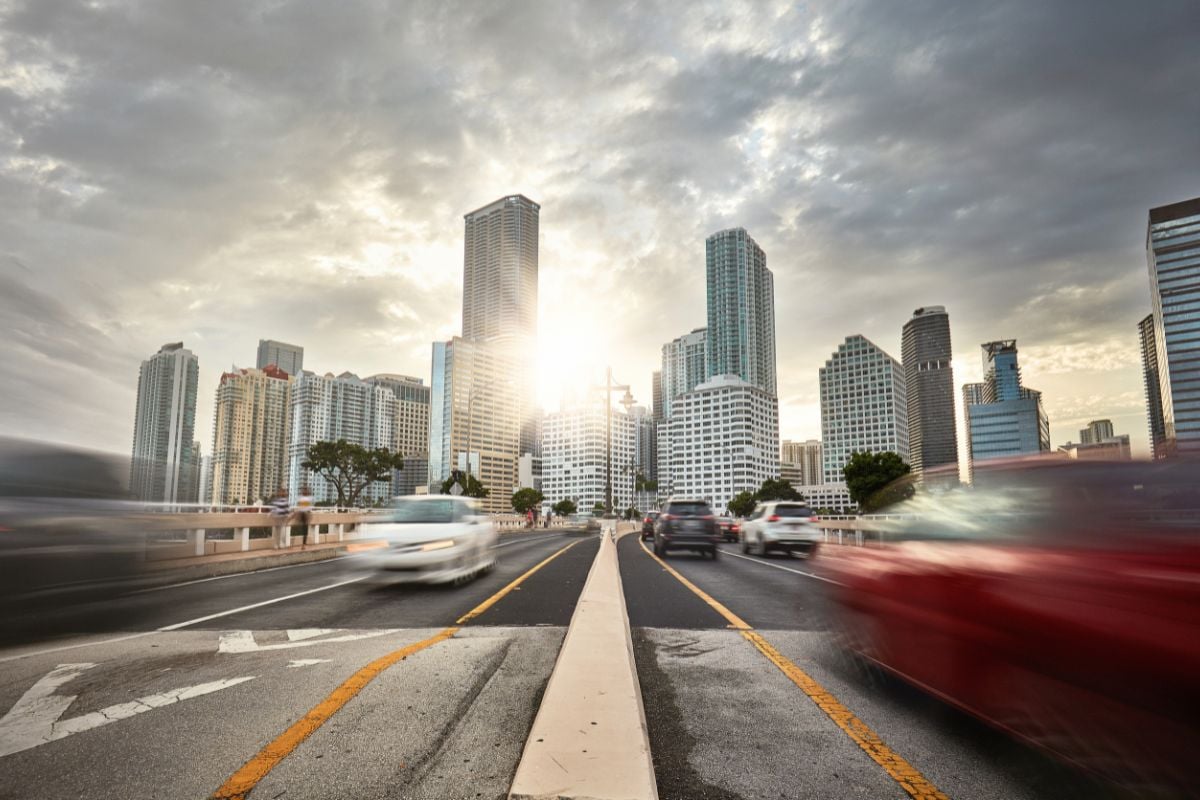
Brickell is one of Miami’s most walkable neighborhoods. Sidewalk infrastructure, short block lengths and mixed-use zoning allow residents to complete many daily errands on foot.
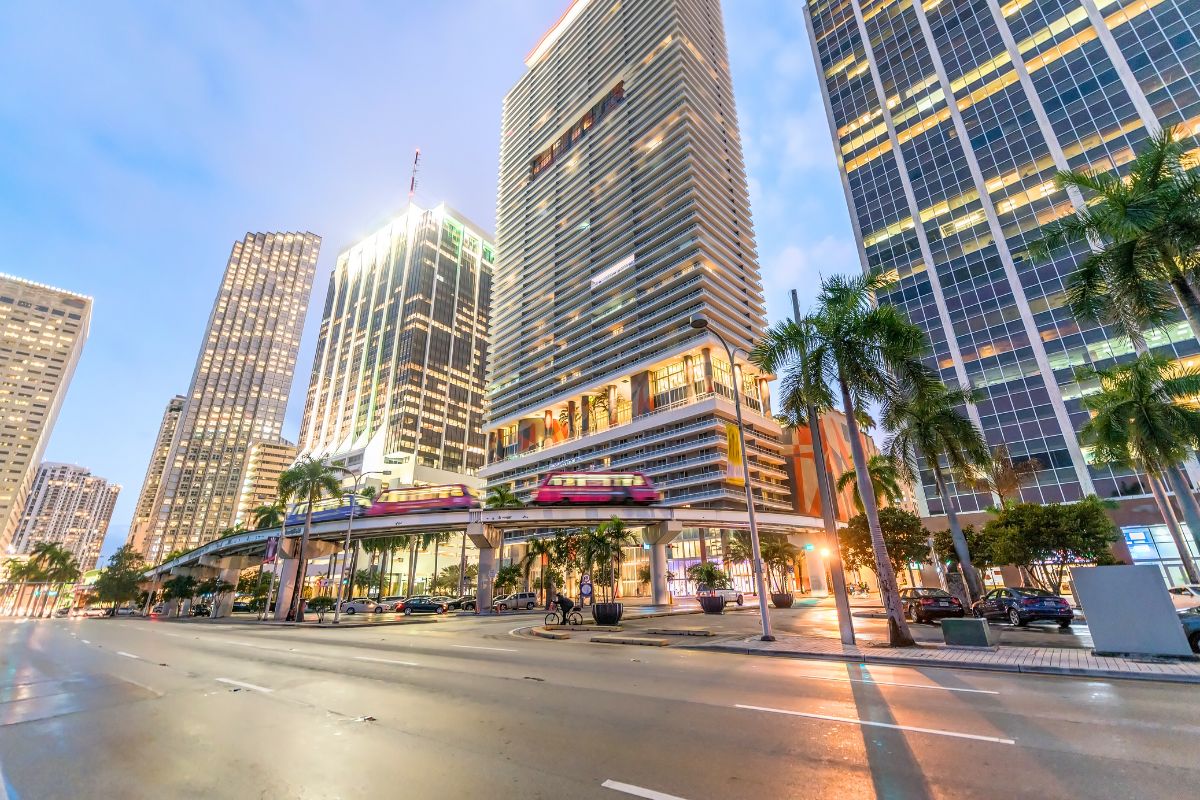
The Metromover provides free service connecting Brickell to downtown Miami and key transit hubs. Metrorail offers direct access to Miami International Airport and suburban employment centers.
The Underline linear park provides protected bike and pedestrian paths, fitness areas and shaded public spaces beneath the Metrorail corridor, improving safety and connectivity.
Driving access is convenient via Interstate 95 and US-1, though traffic congestion is common during weekday peak hours.
Dining and Social Scene
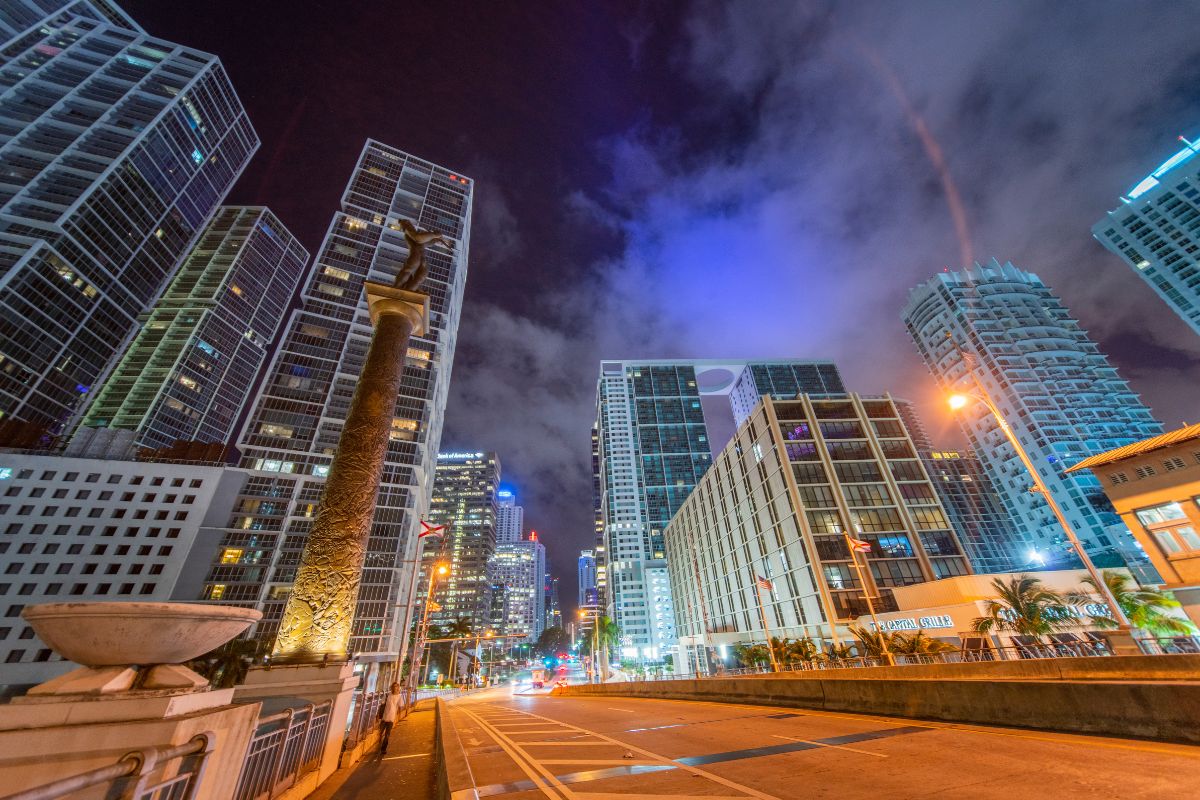
Brickell has one of Miami’s most concentrated dining scenes, with restaurants ranging from fine dining establishments to casual eateries and food halls.
Many venues function as social hubs that combine dining, nightlife and event programming. As a result, reservations are commonly required during evenings and weekends.
Cafés, bakeries and takeout options are widely available and support day-to-day convenience for residents.
Parks and Open Space
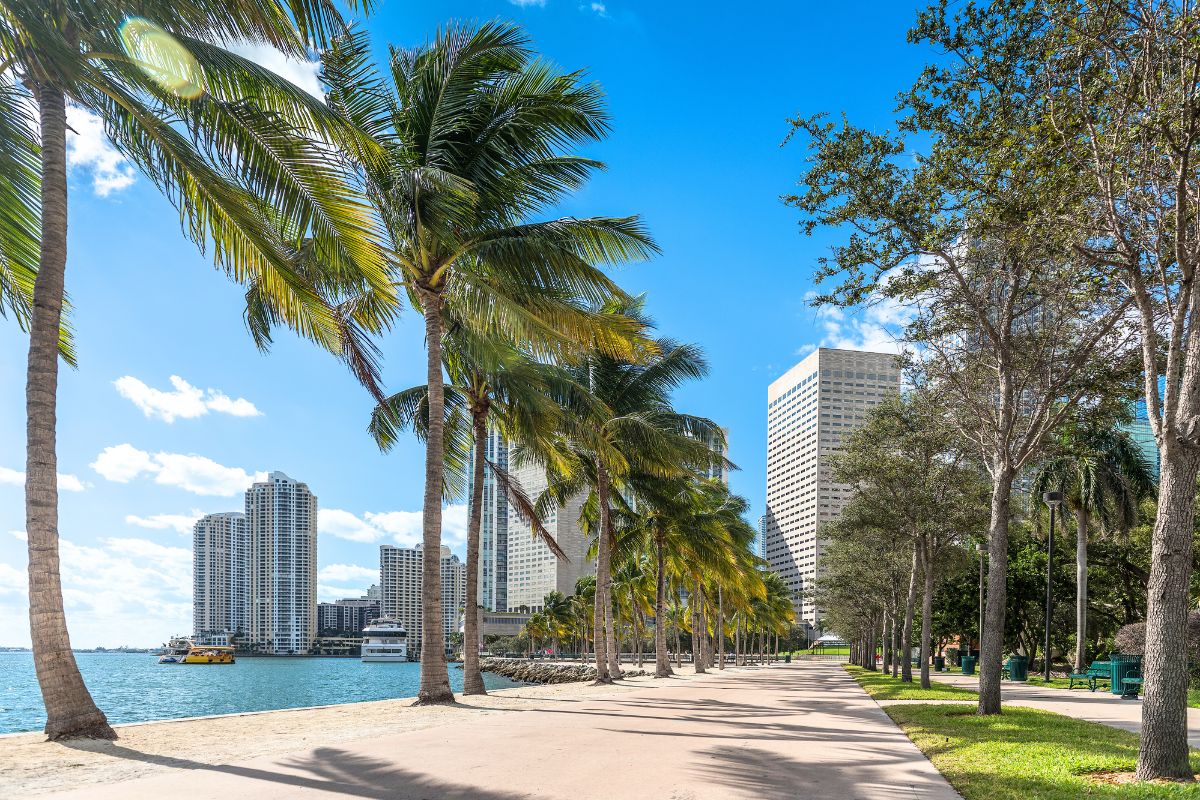
Brickell includes both natural and urban green spaces that support recreation and outdoor activity:
- Simpson Park, a protected hardwood hammock offering walking paths and natural landscape
- The Underline, a multi-phase linear park with trails, fitness areas and community space
- Alice C. Wainwright Park, a waterfront neighborhood park in South Brickell
- Brickell Key Park, a small park with skyline and bay views
Residents also use the Brickell Bay Drive waterfront route and the Brickell Key perimeter path for walking, jogging and cycling.
Shopping, Culture and Entertainment
Brickell City Centre serves as the primary retail destination, offering a mix of shopping, dining and entertainment in a walkable environment.
Mary Brickell Village provides open-air retail and restaurants within close proximity to residential towers and offices.
Cultural venues in downtown Miami, including museums and performance spaces, are easily accessible via Metromover.
Rental Market Overview
Rental demand in Brickell remains strong due to employment concentration, walkability and transit access.
Median rents reflect Class A condominium buildings with full amenities. Short-term rentals are restricted in many buildings, and buyers should carefully review association rules, minimum lease terms and rental caps before purchasing.
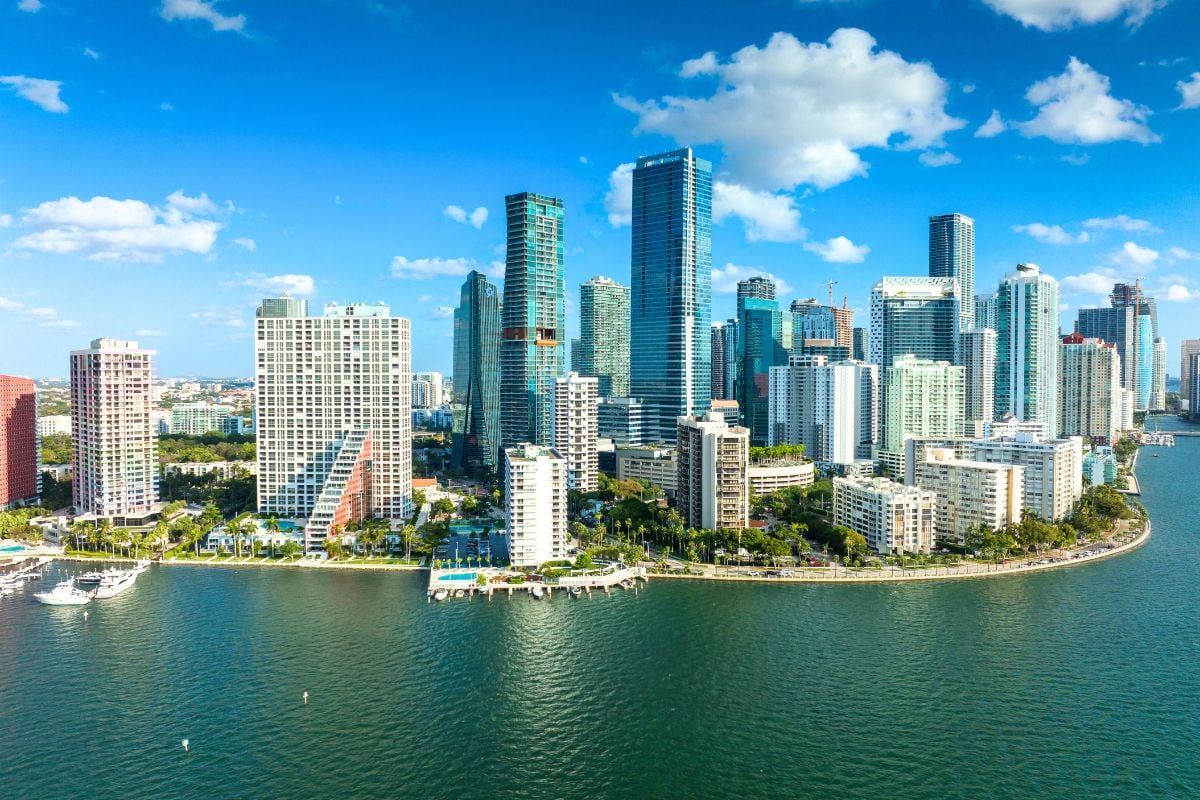
Brickell Compared to Nearby Neighborhoods
Brickell vs Downtown Miami
Brickell emphasizes finance, luxury housing and dining. Downtown Miami offers greater access to cultural institutions, government offices and large event venues.
Brickell vs Edgewater and Coconut Grove
Edgewater features newer waterfront towers but fewer walkable amenities. Coconut Grove offers lower density, more green space and a residential atmosphere with fewer high-rise buildings.
See how lifestyle, walkability, and setting shape the difference between South Beach and Brickell.
Frequently Asked Questions
Is Brickell walkable?
Yes. Brickell supports car-free living through transit access, sidewalks and protected bike infrastructure.
Is Brickell good for real estate investment?
Brickell offers long-term investment potential, particularly in newer, high-quality buildings with strong amenities and management.
Who should buy in Brickell?
Professionals, international buyers, empty nesters and residents seeking an urban, low-maintenance lifestyle.
What parks are located in Brickell?
Simpson Park, Alice C. Wainwright Park, Brickell Key Park and the Underline.
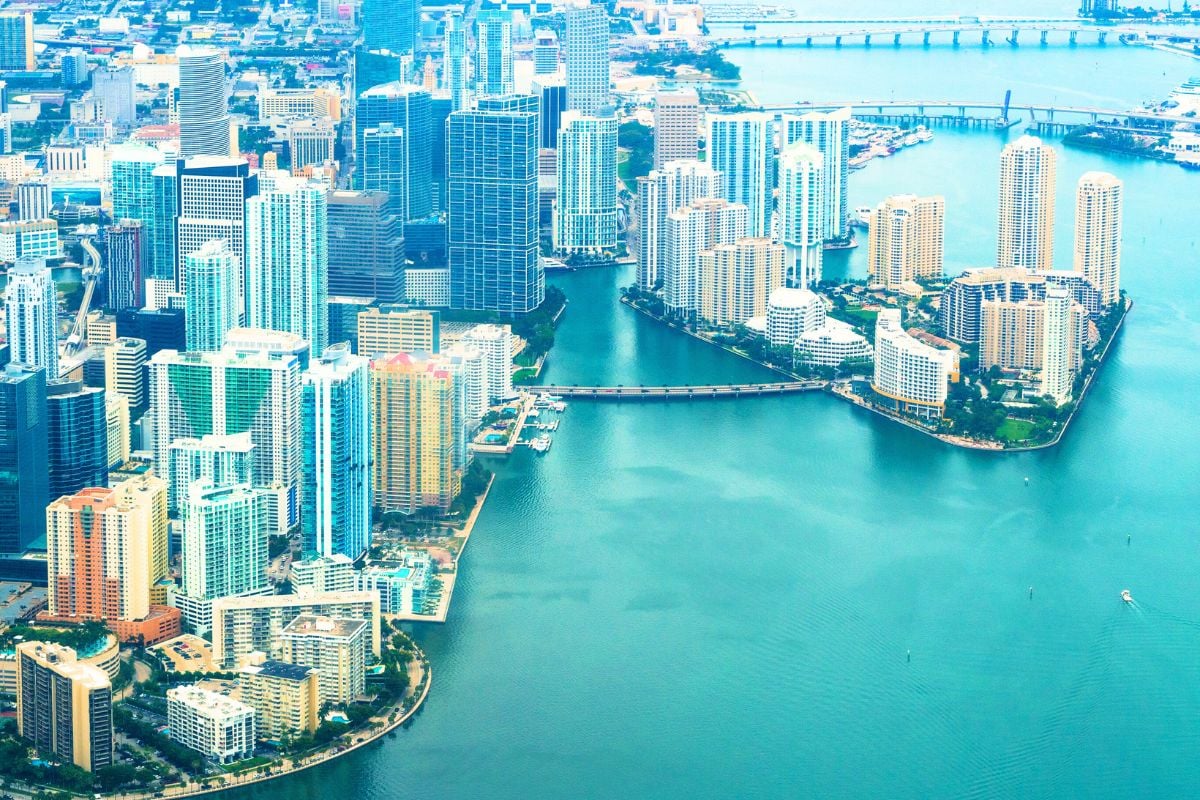
The Brickell Lifestyle in Context
Brickell is one of Miami’s most established urban neighborhoods, offering walkability, transit access, dining and a high concentration of luxury condominiums.
The real estate market remains active, with demand strongest in newer, well-managed buildings. Buyers and investors should carefully evaluate building quality, association fees and subarea differences.
Brickell continues to play a central role in Miami’s long-term growth as a global business and residential hub.
Check out this article next