


Selling a home in Midtown Miami is not the same game as selling in Brickell or Coconut Grove, and the sellers who treat it like it is are the ones leaving 4 to 6 percent on the table. Midtown is small. It sits on roughly 56 walkable blocks between Wynwood and Edgewater, with a condo inventory measured in the hundreds, not the thousands. When a Midtown listing is priced and positioned right, it moves in days. When it is priced off comps that were pulled from the wrong buildings, it sits for months and eats price cuts until the seller matches what the market was already telling them on day one.
I have been selling Miami real estate since 2018 and I started in real estate finance back in 2006 as a mortgage loan originator, so I look at every listing through both a marketing lens and a lending lens. Both matter more in Midtown than most sellers realize. This is the seller playbook I actually run when a client hands me the keys to a Midtown condo and asks me to get it sold.
Why Midtown Sells Differently Than the Rest of Miami
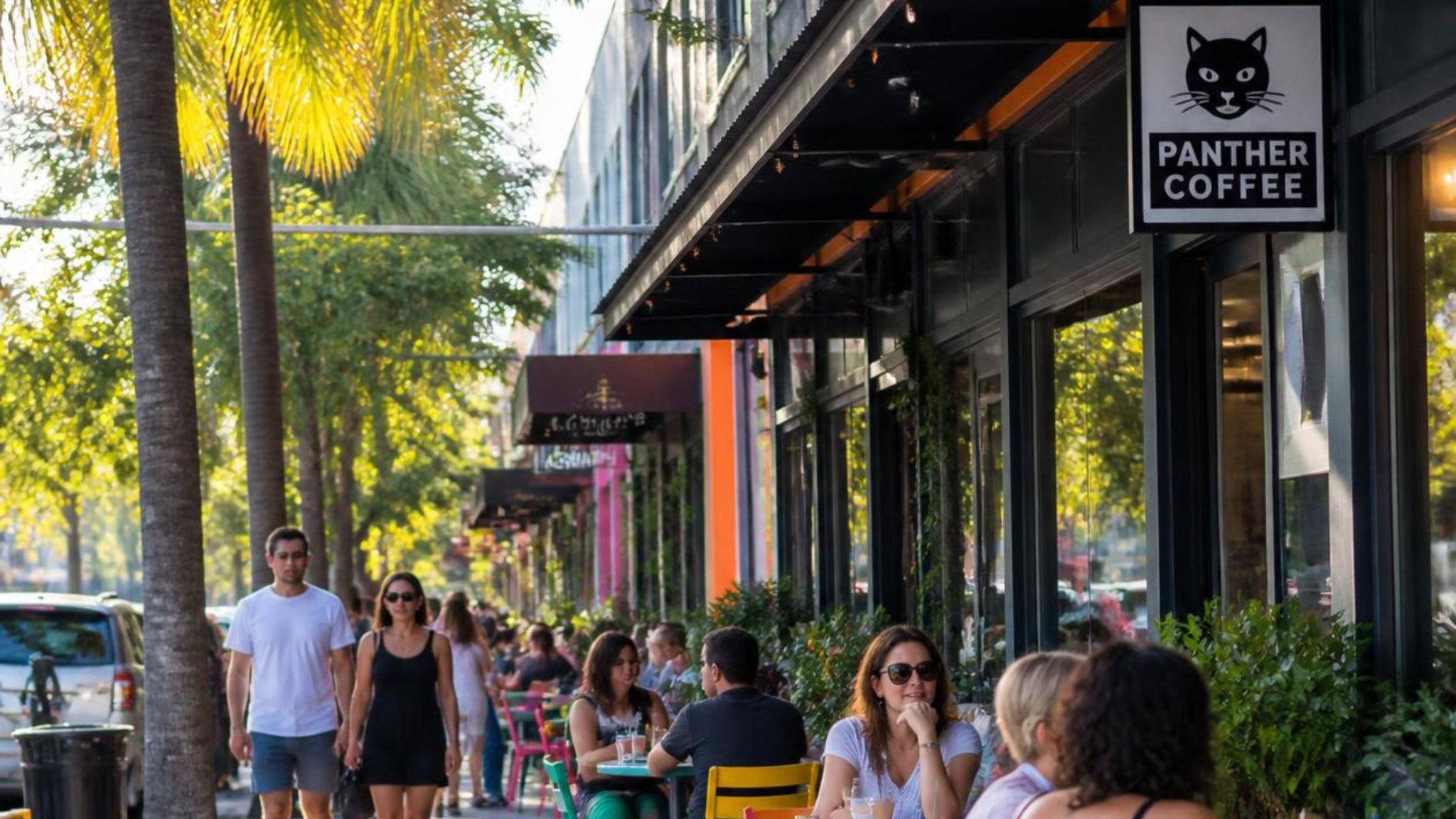
Midtown Miami is a compact, condo-dominant submarket wedged between Wynwood's art-and-food scene to the west and Edgewater's bayfront tower to the east. The buyer pool that shows up for Midtown is not the same buyer pool that shops Brickell. Midtown draws creatives, remote-work professionals, first-time luxury buyers, and investors who want walkable Wynwood energy without paying the full Wynwood premium.
That buyer profile has two implications for a seller. First, your buyer is walking your neighborhood before they walk your unit, so the way your listing tells the Midtown lifestyle story matters as much as the finishes inside the door. Second, the buyer pool is smaller than the Brickell pool, so pricing errors get punished faster. There is not an endless line of buyers to absorb an overpriced listing.
For the neighborhood context I share with every out-of-market buyer, my sister piece Art & Pets in Midtown: Galleries, Dog-Friendly Cafes & Creative Energy is the one I send them first. When I list a Midtown unit, I lean on the same lifestyle framing in the marketing.

Price It Off the Right Comps, Not the Whole Submarket
The single biggest pricing mistake I see in Midtown is a seller pulling comps from the whole 33127 ZIP code and calling it a day. That ZIP crosses into Wynwood and parts of Edgewater. Those are different buildings, different amenity stacks, and different buyer expectations. The right comp set is inside your building first, then buildings within two blocks with the same amenity tier, then a check against the broader Midtown small-cluster of towers.
Here is the practical order I use to build a Midtown pricing strategy:
- Pull the last six closed sales inside your building. Match line, view, and floor as tightly as possible.
- Pull the active listings in your building right now. These are your immediate competition.
- Pull closed sales in the two or three buildings within a two-block radius that share your amenity tier (pool, gym, doorman, parking ratio).
- Adjust for finish level, view, floor, and outdoor space. In Midtown, a private terrace with a Wynwood-facing view carries a real premium.
- Cross-check the resulting price against Miami-Dade's tale-of-two-markets read. As of the most recent MIAMI REALTORS market data, Miami's median sale-to-list ratio is sitting near 95 percent, and roughly three quarters of active listings are taking at least one price cut. Price to the market you are actually in, not the one you wish you were in.
Position the Unit for the Actual Midtown Buyer
Positioning is where Midtown listings win or lose. The Midtown buyer is not the same person shopping for a Brickell tower with a full amenity resort attached. Your listing needs to answer three questions in the first five seconds a buyer sees it.
Does it feel like Midtown? Photos should carry the walkability, the Wynwood spillover energy, and the mid-rise scale that make the neighborhood what it is. If your photos could belong to any Miami condo, they belong to none.
Can they see themselves living the Midtown day? The marketing should show a morning coffee walk to a Midtown 4 cafe, a bike ride to Wynwood, and an easy drive to Edgewater's bayfront run. Consider a floor-plan graphic that flags walk-to-work-from-home details like a dedicated desk nook, a lightwell, or a den off the main space. Remote-work-friendly buyers screen for this fast.
Do the numbers make sense for the way this buyer is buying? Midtown attracts a lot of first-time luxury buyers and a lot of investors doing the math on monthly carry. Publish the HOA, the taxes, and the parking arrangement on the first slide of the marketing deck. Nobody wants to chase a listing for three days only to find out the HOA is 40 percent higher than expected.
For a broader read on how the adjacent submarkets compare, I keep clients grounded with What Is the Lifestyle Like in Wynwood? Living, Dining, and Culture and Living in Edgewater Miami: Bayfront Condo Lifestyle Real Estate Guide. If they read all three, they self-select into Midtown for the right reasons, and they show up ready to write.
A Fast Read on the Midtown Seller Math
Building age | Typical HOA / sq ft (2026) | Typical DOM when priced right | Typical DOM when overpriced 5%+ |
2005 to 2010 mid-rise | $0.75 to $1.05 | 14 to 30 days | 90 to 150+ days |
2011 to 2018 tower | $0.85 to $1.20 | 21 to 45 days | 100 to 180+ days |
2019 to present new-build | $1.10 to $1.60 | 30 to 60 days | 120+ days |
Ranges above are Midtown-cluster typicals I see and adjust with client-specific comps at listing time. Verify your building's exact HOA, reserve status, and current DOM against MIAMI REALTORS and MLS data before pricing.

Marketing That Actually Moves a Midtown Unit
Midtown's buyer pool is a mix of local move-ups, out-of-state relocators, and investors who never see the unit in person before offering. Your marketing plan has to speak to all three at once.
Professional photography and a walk-through video are non-negotiable. A Midtown unit lives or dies in the first scroll on Zillow, Redfin, and the MLS syndication. Twilight exterior shots, wide-angle interior shots that hold true proportions, and a two to three minute walk-through video with real narration convert lookers into showings.
A dedicated single-property landing page. Not a slide inside my site's blog, an actual URL for the address with the full media set, HOA and tax facts, and a scheduling widget. Investors and out-of-state buyers make offers off this page.
Targeted paid social to the right zip and lookalike stack. Midtown listings perform best in front of Miami zip codes 33127, 33137, 33132, and 33131 for local move-ups, plus a national relocator lookalike built off past buyer profiles for out-of-state reach. Do not spend the paid-social budget on broad Miami targeting.
Broker outreach inside the neighborhood. Small submarket means the same 40 to 60 buyer agents cycle through the listings every week. A private broker preview before the MLS goes live has moved more Midtown units for my clients than any other single tactic.
Stage the space if it is vacant. Empty Midtown units photograph small even when they are not. Staging pays for itself in a submarket where the buyer needs to picture the lifestyle to justify the price per square foot.

Disclosures, Financing, and the Cash-Buyer Reality
Midtown carries a higher share of cash buyers than the Miami average, and that changes what a seller needs to prepare. Cash buyers close fast (often 14 to 21 days) but they underwrite the building, the reserves, and the assessment history harder than a financed buyer does. Have your building's estoppel, current assessments, reserve study, and Milestone Inspection paperwork organized and ready to hand over on day one. I have watched clean paperwork save deals in Midtown that would have died in due diligence.
For financed buyers, know your building's warrantability status with Fannie Mae and Freddie Mac. If the building is not warrantable, you are looking at portfolio-lender financing or cash only, and that shrinks your buyer pool. This is where my 2006 mortgage-originator lens matters. I check warrantability before we set price, not after we get an offer.
Timing Your Midtown Listing
Midtown does not have as sharp a seasonal seasonality as the beach markets, but the calendar still matters. Q1 and early Q2 (January through April) draw the strongest out-of-state relocation activity, when snowbirds are converting from renters into buyers. Late Q3 into Q4 (September through November) is when local move-ups and investors do the most shopping, ahead of year-end tax planning. Deep summer (late June through August) is the quietest window; if you can list in the shoulder, list in the shoulder.
If you are inside a building that just closed its Milestone Inspection or Structural Integrity Reserve Study (SIRS) with a clean report and full reserve funding, list into that news, do not wait it out. Buyers are underwriting condos on reserve health right now, and a clean SIRS report is a real marketing asset. The condo-market backdrop I walk buyers through, including how the Miami pre-construction condo process shapes what they compare your unit against, is a useful sibling read for sellers too.
If Midtown is on your radar, it is worth seeing what is currently rising in the neighborhood before the next release cycle.
Ready to Sell in Midtown?
If you own a condo in Midtown Miami and you are thinking about listing this quarter, let's talk. I run this exact playbook for every Midtown seller I represent, and I would rather help you price it right on day one than watch you take three price cuts trying to find the market. Reach out, or grab my free Miami Seller's Guide and start there.