Introduction
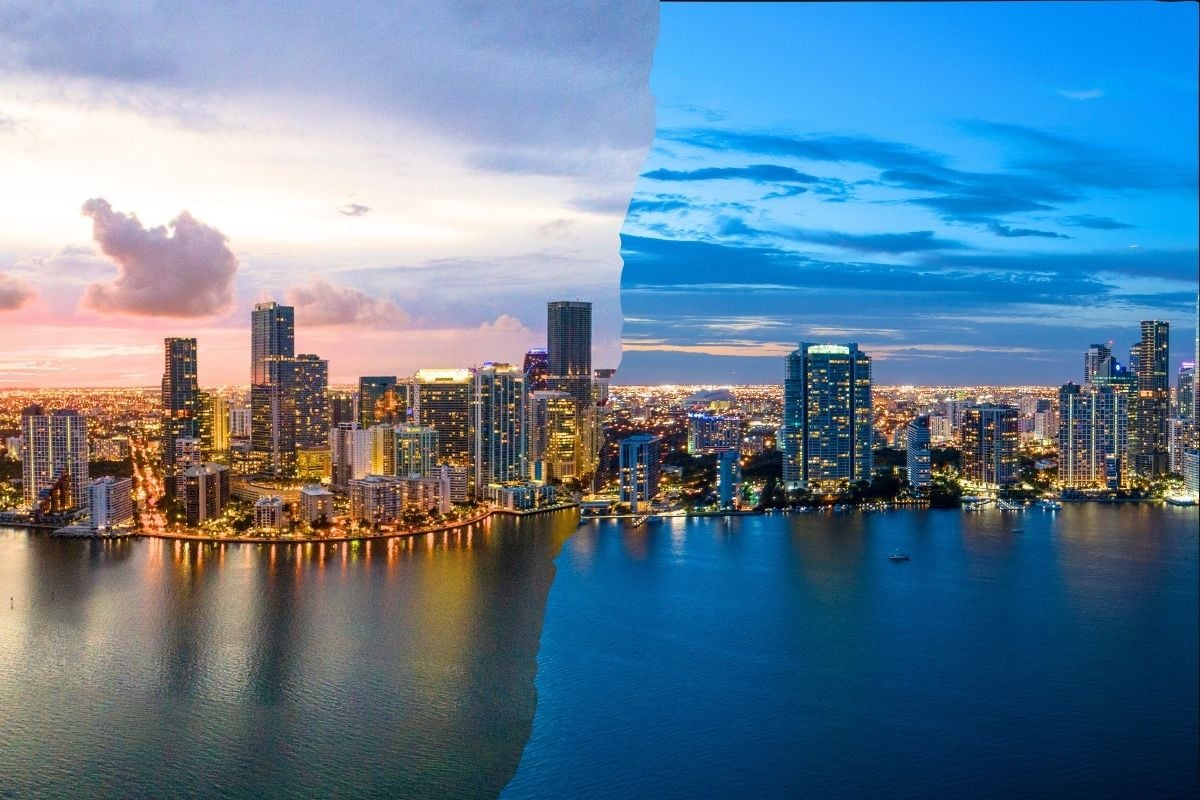
Miami’s urban core has undergone explosive transformation over the last decade. Two neighborhoods anchor this evolution: Brickell, often dubbed the “Wall Street of the South,” and Downtown Miami, the city’s historic and civic heart. Both offer luxury high‑rise living, spectacular bay views, and access to transit, yet they differ markedly in vibe, price point, and daily conveniences. Whether you’re relocating for work, evaluating an investment or seeking a pied‑à‑terre, understanding the nuances of Brickell vs Downtown Miami is essential for making an informed decision.
Quick Comparison
- Brickell: polished and vertical, with amenity‑heavy towers, sleek retail corridors and a finance‑district energy. Ideal for professionals who want luxury condo living within walking distance of offices, curated retail and fine dining.
- Downtown: broader and more eclectic, mixing government offices, museums and performance venues with a wider range of building ages and price points. Perfect if you value civic parks, cultural access and varied housing choices.
- Walkability & Transit: both neighborhoods score highly on walkability and are connected via the free Metromover and Metrorail; driving and parking can be challenging.
- Pricing Trends: Brickell generally commands higher price per square foot due to newer luxury stock, while Downtown offers more entry‑level options.
Neighborhood Overview
Location and Vibe
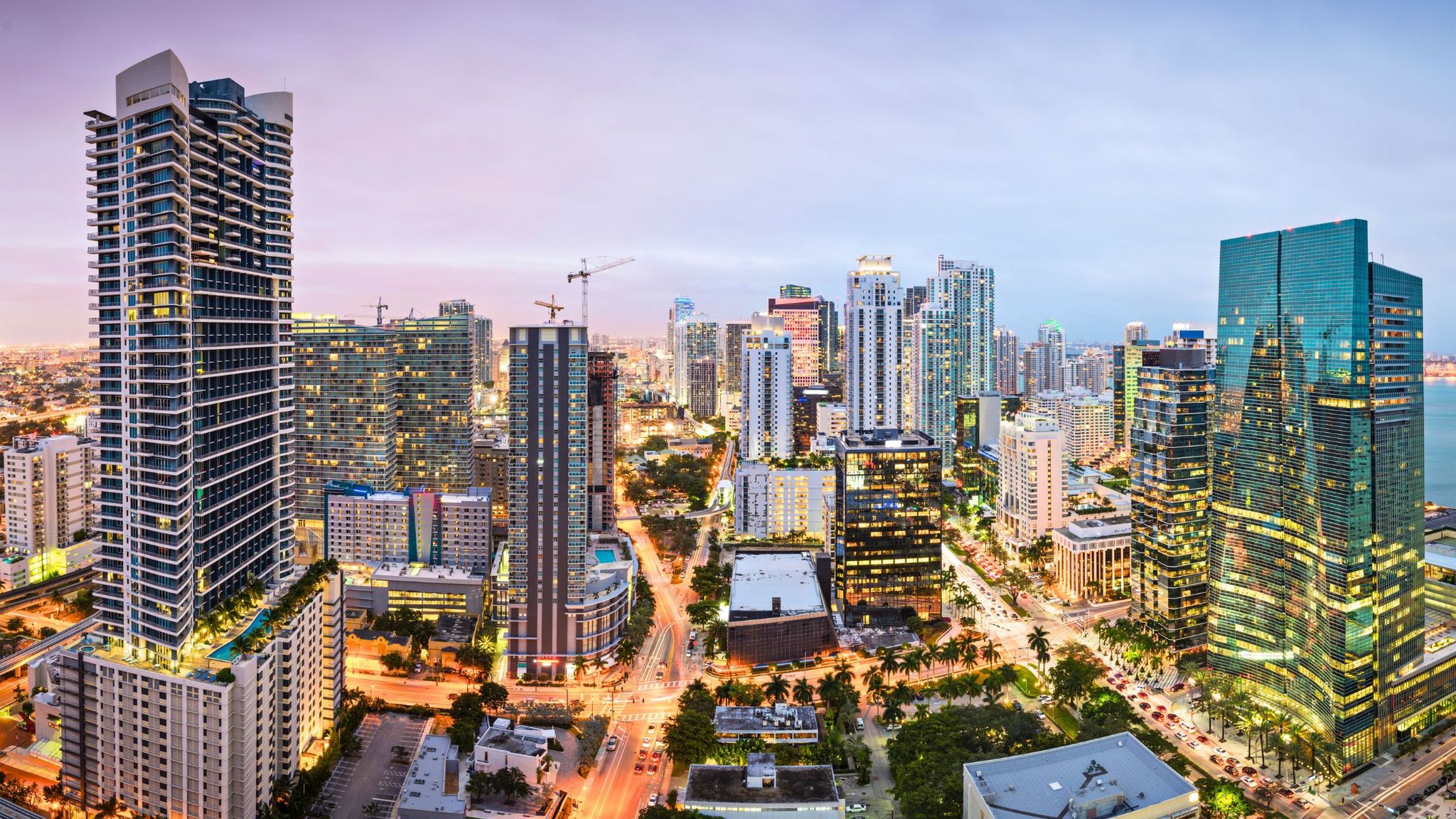
- Brickell lies south of the Miami River and east of I-95, stretching toward Biscayne Bay. Once a residential estate area, it evolved into Miami’s financial district and now houses modern office towers and luxury condos. The neighborhood is anchored by Brickell City Centre, which draws steady foot traffic from morning to night. The atmosphere is polished, vertical and corporate. High-rise towers line narrow streets, and after-work life spills into rooftop bars and upscale restaurants.
- Downtown Miami sits north of the Miami River, centered on Biscayne Boulevard, Bayfront Park, Museum Park and Government Center. It mixes government offices and cultural institutions with residential buildings that range from pre‑war mid‑rises to ultra‑modern supertalls. The vibe is more civic and eclectic: major museums, concert halls and sports arenas attract locals and tourists alike, while residential pockets vary from block to block. Downtown remains the historic heart of Miami, and its renaissance is drawing new residents seeking culture and walkable urban living.
Demographics and Community
- Brickell’s population is around 14,498 residents with a median age of ~36. Households are small: about 2 people on average, and 57.5 % of households are nonfamily. A large share of residents are working professionals between ages 25-44, drawn by high‑paid finance and tech jobs. Median household income in Brickell is $113,367 per year. Diversity is high; roughly 38.8 % of residents are U.S.‑born, 29.4 % are naturalized citizens and 31.7 % are non‑citizens.
- Downtown Miami has a population of about 16,483 people. It leans slightly younger; roughly 38 % of residents are 25–34 years old. The community is diverse, 50 % Hispanic, 27 % White, 8 % African American and 6 % Asian. The median household income is roughly $108,401, slightly below Brickell but still well above the citywide median. Men outnumber women (59 % male, 41 % female), reflecting a workforce‑oriented population.
Lifestyle and Daily Living
Both neighborhoods rank among Miami’s most walkable. The Metromover, a free automated tram, loops through Brickell and Downtown, linking buildings to Government Center, Brickell Station and Bayfront Park. Metrorail connects to the broader county and the airport, while the Brightline offers high‑speed rail to Fort Lauderdale, West Palm Beach and Orlando.
Brickell concentrates daily amenities within a compact radius. Dense retail corridors and integrated mixed‑use developments allow residents to walk to grocery stores, gyms, banks and salons. Protected bike lanes, e‑scooters and the Underline Trail make car‑free living practical. Nightlife revolves around trendy rooftops, hotel bars and fine‑dining establishments like Zuma and Komodo. Although Brickell offers smaller green spaces, it boasts scenic waterfront promenades and access to the Miami Riverwalk; Brickell Key provides a quieter, gated loop with bay views.
Downtown presents a broader mix of services. Residents enjoy major cultural venues such as the Pérez Art Museum, Adrienne Arsht Center and Frost Science Museum along with sports at the FTX Arena. Bayfront Park and Museum Park provide expansive lawns, promenades and programming for festivals and concerts. Retail includes everything from tourist‑oriented Bayside Marketplace to local cafés and international eateries. Grocery stores and pharmacies are walkable from many buildings, although some residential towers near Government Center sit farther from retail nodes.
Real Estate and Housing
Housing Stock and Architecture
- Brickell’s residential inventory is dominated by modern high‑rise condominiums with extensive amenities. Buildings frequently include pools, spas, full gyms, valet parking and concierge services. Newer towers such as St Regis Residences, Baccarat Residences, Cipriani Residences and 1428 Brickell (under construction) are redefining ultra‑luxury living with branded amenities and smart‑home technology. Amenities drive higher monthly HOA fees but appeal to buyers seeking resort‑style convenience. Townhomes and single‑family homes are scarce; some exist in South Brickell and the Roads, but most residents live in condos.
- Downtown Miami, by contrast, offers greater variety. You’ll find everything from pre‑war mid‑rises and renovated lofts to supertall towers like One Thousand Museum and Waldorf Astoria Hotel & Residences. The mix of building ages leads to wider price points and monthly fees. Some older buildings may require higher maintenance budgets and could have more modest amenities. For buyers wanting high ceilings, unique layouts or live‑work spaces, Downtown provides options not available in Brickell.
Market Trends and Pricing
- Brickell’s real estate market is among Miami’s most competitive. In 2025, 989 residential units sold with an average sale price of $884,490. Price per square foot peaked at $868 mid‑year before normalizing to $756 by year‑end. Median household income in the area sits around $137,810, and more than half of sales are all‑cash, a reflection of the affluent buyer base. A 2025 midyear report found that in the $1–3 million segment, average price per square foot rose from $869 to $894 despite a drop in sales volume, and median days on market fell to 65 days, indicating continued demand for well‑positioned condos.
- Downtown Miami’s housing costs remain high but typically offer better entry points. A relocation guide notes that the median listing price in Downtown is around $715,000 and the median sold price roughly $596,500. Average rent is about $3,000 per month, with one‑bedroom units running $1,800–$2,500. Homes spend 118 days on the market, and the sale‑to‑list ratio averages 95 %, indicating that sellers accept a 5 % discount. Compared to Brickell, Downtown offers older buildings and more modest amenities, which translate to lower prices per square foot.
Investment Considerations
Both neighborhoods attract investors, but market dynamics differ. Brickell’s supply pipeline remains robust; approximately 4,500 units are under construction as of 2025. Despite increased inventory, demand stays strong due to corporate relocations and population growth. High rents and the concentration of high‑income residents support cash‑flow stability. Investors should focus on newer buildings with proven resale performance, moderate HOA fees and strong management.
Downtown Miami offers more value‑driven opportunities. Oversupply in the broader condo market, particularly in high‑rise districts like Brickell and Downtown which gives buyers leverage to negotiate. Many buildings allow flexible rental policies, attracting corporate rentals and hospitality‑driven demand. However, investors must carefully review building bylaws, rental restrictions and upcoming assessments. Flood risk is also a critical consideration; both neighborhoods lie in low‑lying zones. Buyers should verify flood zones and insurance costs via FEMA resources.
Daily Life Comparison
Walkability and Errands
Both Brickell and Downtown score highly on Walk Score metrics, often classified as “Walker’s Paradise.” Brickell’s dense grid of shops and services means daily errands rarely require a car, everything from groceries and gyms to dry cleaners and banks is concentrated within a few blocks. In Downtown, walkability varies by micro‑location; condos near Bayfront Park or Museum Park have easy access to grocery stores and coffee shops, while buildings nearer to Government Center may require longer walks or Metromover rides to reach retail.
Dining, Nightlife and Culture
- Brickell: The dining scene skews upscale. Rooftop bars, celebrity‑chef restaurants and polished hotel lounges dominate, think Sugar at EAST, Cipriani and Sexy Fish. Brickell City Centre hosts luxury retailers and a cinematic complex. The after‑work crowd populates happy hours and late‑night lounges. While you’ll find casual cafés and bakeries, the overarching vibe remains curated and finance‑district chic.
- Downtown: Dining is more eclectic. Tourist‑oriented spots near Bayside Marketplace sit alongside authentic Latin eateries, Vietnamese pho shops and hidden cocktail bars. Cultural venues like the Pérez Art Museum and Adrienne Arsht Center anchor an events calendar that includes art openings, concerts and festivals. Nightlife ranges from arenas and clubs (e.g., E11even) to intimate jazz lounges. Retail spans high‑end jewelry designers, family‑owned shops and the sprawling Bayside Marketplace.
Parks and Recreation
- Brickell is short on large parks but offers intimate green spaces and waterfront paths. Brickell Key provides a scenic 1.2‑mile loop for running or walking and offers pocket parks and playgrounds for families. The Miami Riverwalk connects to Downtown and provides an urban jogging trail. Southside Park and the Underline (a linear park beneath Metrorail) offer additional greenery.
- Downtown boasts expansive civic parks: Bayfront Park (30+ acres) and Museum Park host music festivals, yoga classes and community events. The Biscayne Bayfront walkway provides panoramic views and is a hub for morning runs, dog walking and fireworks displays. Access to cultural institutions like Miami Dade College, Frost Science Museum and Olympia Theater further enrich outdoor and educational experiences.
Transportation and Commute
Both neighborhoods benefit from robust public transit, but commuting patterns differ:
- Metromover: A free elevated tram loops through Brickell and Downtown. Brickell’s loop circles the financial district, while the Downtown/Omni loops connect to Government Center and the Performing Arts District.
- Metrorail: Serves both neighborhoods via Brickell Station and Government Center; connects to Miami International Airport and Dadeland.
- Brightline: High‑speed rail at MiamiCentral (Downtown) provides intercity service to Fort Lauderdale, West Palm Beach and Orlando.
- Driving: Both neighborhoods have easy access to I‑95 and US‑1, but traffic congestion and limited parking make car commuting slow and expensive. Many condo towers include assigned parking spaces; street parking is scarce.
- Micromobility: Bike lanes and scooter rentals are expanding. Brickell’s Underline includes dedicated bike paths; Downtown’s network is growing but remains patchy.
Costs and Affordability
When evaluating living costs, consider housing prices, rents, HOA fees, taxes and insurance:
- Housing prices: Brickell’s newer towers command higher prices per square foot and higher HOA fees. Downtown provides a wider range of price points, making entry easier.
- Rents: Average rent in Downtown is around $3,000 per month. Brickell rents are similar but skew higher for luxury buildings; mid‑2025 data shows one‑bedroom units averaging $3,559 per month.
- HOA fees: Brickell towers often have higher monthly dues due to extensive amenities. Downtown’s fees vary widely, particularly in older buildings.
- Insurance and Flood Risk: Both neighborhoods sit in low‑lying coastal zones. Buyers should verify flood zone designations and estimate insurance premiums using FEMA’s Flood Map Service Center. Properties with elevation or storm‑mitigation features may command higher prices but lower long‑term risk.
- Utilities and Parking: Utilities are similar citywide. Parking costs vary; assigned spaces may add $100–$300 per month to rent or HOA fees. Valet and guest parking charges are common in Brickell, whereas Downtown offers more public garages.
Pros and Cons Summary
Feature | Brickell | Downtown Miami |
Vibe | Polished, finance‑district energy; modern high‑rises and curated retail | Eclectic, civic and cultural mix; blend of older and new buildings |
Housing Stock | Primarily luxury condos with robust amenities; higher HOA fees | Wider range of condos and lofts; some older buildings with varied amenities |
Price per Sq Ft | Generally higher due to newer product and demand | More entry‑level options; lower price per square foot |
Walkability | Highly walkable; compact retail and service radius | Walkable around parks, museums and Bayfront; less uniform across sub‑districts |
Dining & Nightlife | Upscale restaurants, rooftop bars, curated retail | Eclectic mix of cultural venues, arenas, cafés and local eateries |
Parks & Recreation | Smaller parks, Miami Riverwalk, Brickell Key loop | Large civic parks (Bayfront, Museum Park), major cultural institutions |
Commute Options | Metromover loop, Brickell Station (Metrorail), easy walk to offices | Metromover & Metrorail, Brightline at MiamiCentral for regional travel |
Ideal Resident | Professionals in finance/tech, international buyers, those wanting resort‑style living | Culture lovers, civic employees, buyers seeking diverse housing stock and value |
Investment Outlook | Strong demand; high inventory under construction; stable rental yields | Value opportunities; negotiation leverage due to oversupply; careful due diligence required |
Which Neighborhood Fits Your Lifestyle?
Choosing between Brickell and Downtown comes down to how you prioritize lifestyle, budget, and future plans:
- Professionals Seeking Walk‑to‑Work Luxury – If you work in banking, law, tech or venture capital and want to walk to the office, Brickell’s polished high‑rises with concierge services and on‑site amenities are unbeatable. You’ll pay higher HOA fees but enjoy resort‑style living and a tight social scene.
- Culture Enthusiasts and Urban Explorers – If museums, concerts and civic events matter more than rooftop pools, Downtown provides immediate access to Miami’s cultural institutions and wide civic parks. You’ll sacrifice some building uniformity but gain unique lofts and more attainable price points.
- Value‑Driven Buyers & Investors – Downtown’s diverse housing stock and price spectrum offer opportunities to enter the urban market at a lower cost. Thorough due diligence on building health, rental rules and flood risks is vital.
- International & Corporate Renters – Brickell’s high rents and luxury amenities attract international buyers and corporate renters. Short‑term rental restrictions vary, so investors should confirm policies before purchasing.
- Families and Empty Nesters – South Brickell and Brickell Key offer quieter streets and proximity to parks, making them appealing to families and empty‑nest residents. Downtown has limited family‑oriented housing but is improving with new mixed‑use developments near parks.
FAQ
Is Brickell or Downtown more walkable for daily errands?
Both neighborhoods rank as Walker’s Paradises. Brickell offers a compact mix of grocery stores, gyms and retail within a tight radius, making daily errands easy on foot. Downtown’s walkability varies by micro‑location; buildings near Bayfront Park and the Metromover enjoy similar convenience, while those near Government Center may require longer walks or transit.
How do home prices compare between Brickell and Downtown Miami?
Brickell generally commands higher prices per square foot due to its newer, amenity‑rich towers. In 2025 the average sale price was about $884,490. Downtown offers a broader range of buildings, so median listing prices hover around $715,000 with sold prices near $596,500.
Which neighborhood has better nightlife and dining options?
Brickell skews upscale with rooftop bars, fine dining and polished hotel lounges. Downtown is more eclectic, combining tourist‑oriented restaurants, authentic Latin eateries and cultural venues like the Pérez Art Museum and Adrienne Arsht Center. Your preference for curated luxury or cultural diversity will determine the better fit.
Are HOA fees higher in Brickell or Downtown?
HOA fees in Brickell tend to be higher because most buildings offer extensive amenities such as pools, spas and concierge services. Downtown has a wider range of buildings; some older towers have lower fees but may require more maintenance.
What should investors know about short‑term rentals in these neighborhoods?
Rental demand is strong in both areas. Brickell often attracts corporate renters, while Downtown sees a mix of corporate and hospitality‑driven stays. Short‑term rental rules vary by building and city regulations; investors must review condo bylaws and obtain proper licensing before renting.
Finding the Right Fit in Miami’s Urban Core
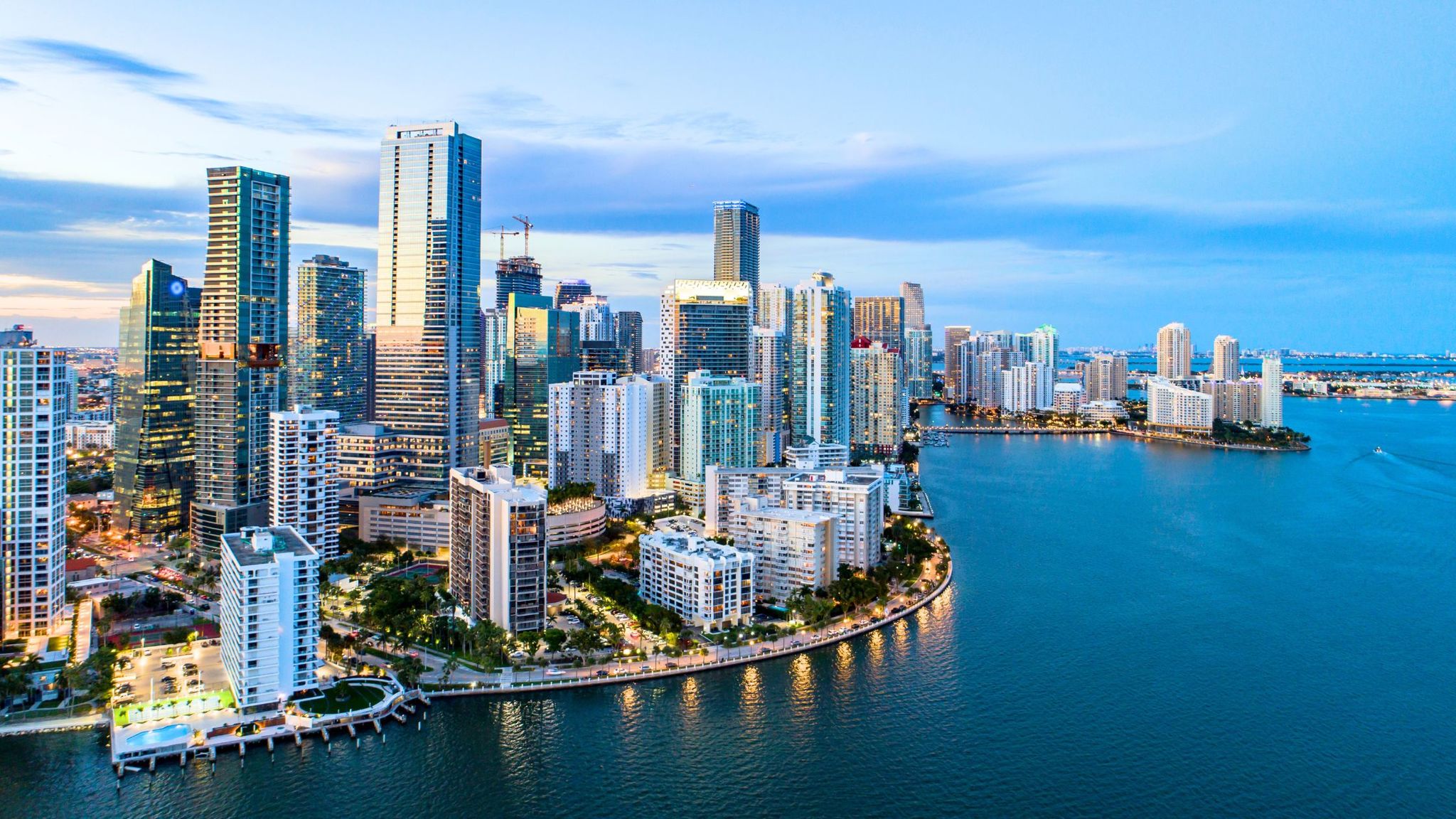
Brickell and Downtown Miami both represent the evolution of Miami into a global, high-density, lifestyle-driven city, but they serve different priorities. Brickell delivers a refined, amenity-rich environment built around convenience, luxury, and proximity to the financial district. Downtown Miami offers a more layered urban experience, where culture, history, and a wider range of housing options create flexibility and value.
The right choice ultimately comes down to how you want to live day to day. If your focus is seamless, walk-to-work living with elevated amenities and a polished social scene, Brickell stands out. If you prefer cultural access, larger public spaces, and more diverse price points with long-term upside, Downtown Miami presents a compelling alternative.
As both neighborhoods continue to grow and evolve, opportunities exist in each for primary residents, second-home buyers, and investors. The key is aligning your lifestyle, budget, and long-term goals with the unique strengths of each area.
If you’re considering a move, investment, or simply want expert guidance on which neighborhood aligns best with your goals, feel free to reach out. I’d be happy to walk you through available properties, current market trends, and help you make a confident, well-informed decision in Miami’s dynamic urban core.
Check out this article next