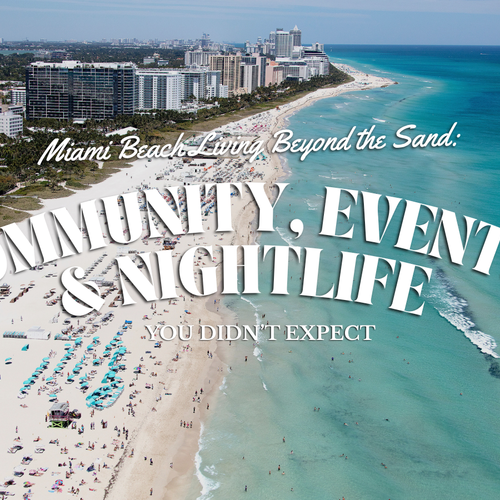

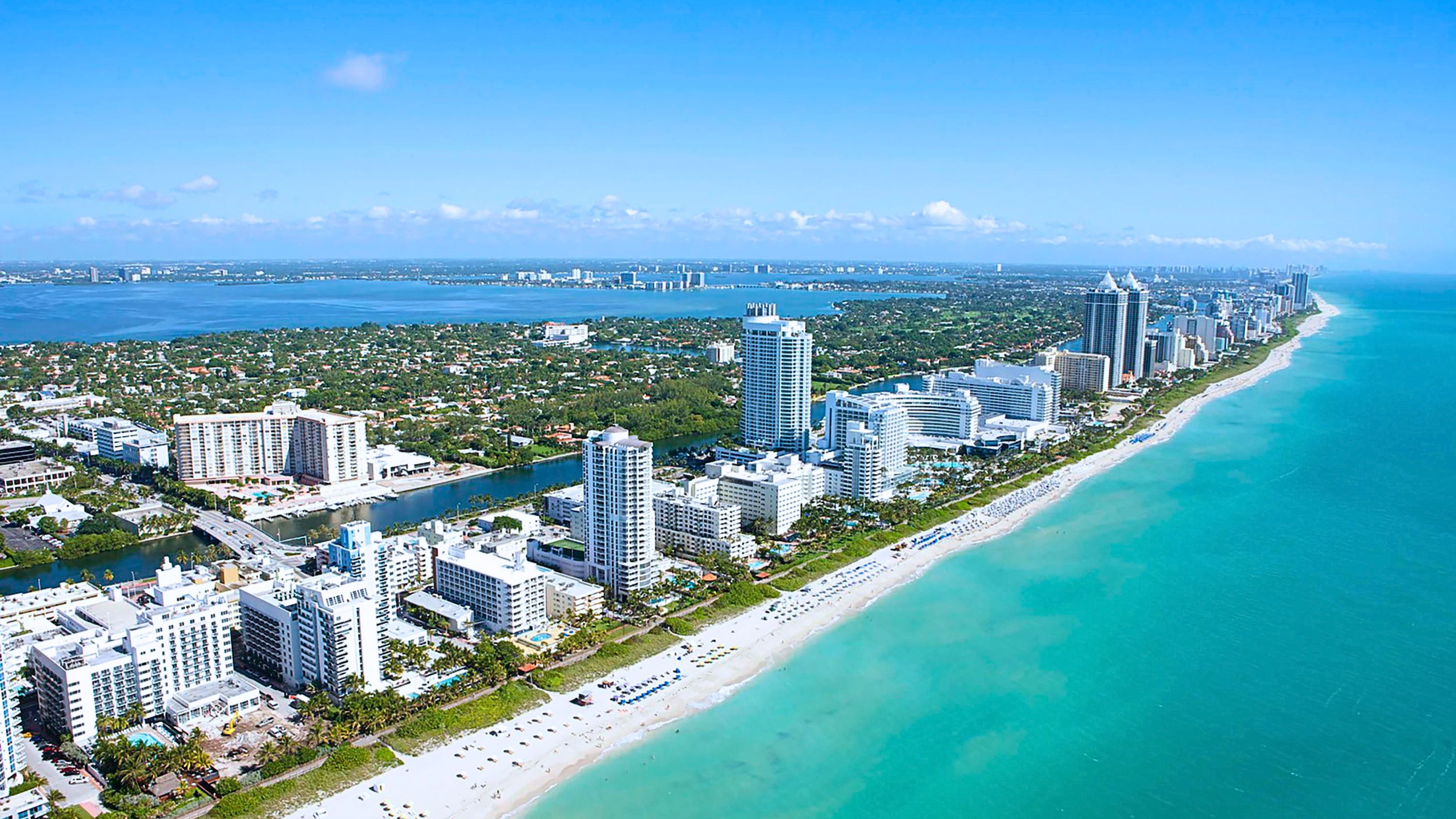
Living in Sunny Isles Beach is the closest thing Miami has to a beachfront luxury Manhattan, a two-mile barrier-island stretch where some of the most sought-after branded condo towers in the country happen to share a coastline.
It's not Brickell. It's not South Beach. It's not Bal Harbour. Sunny Isles Beach has its own gravity, and the buyers who do well here understand that going in. I spend a real amount of my year working at Sunny Isles for second-home buyers, international clients, and investors who want oceanfront luxury condo products with a different rhythm than the urban core. This is the playbook I walk through before anyone writes an offer up here.
This guide covers what actually defines Sunny Isles Beach in 2026, who the neighborhood fits, the building-level questions that decide whether a purchase is smart or sentimental, the lifestyle reality between the towers, and the steps I'd take if you're seriously weighing a Sunny Isles purchase this year.
What Actually Defines Sunny Isles Beach
Sunny Isles Beach sits north of Bal Harbour and south of Hallandale on a slim strip of barrier island between the Atlantic and the Intracoastal. The footprint is small, roughly one mile wide and a little over two miles long, and that geography is the entire story.
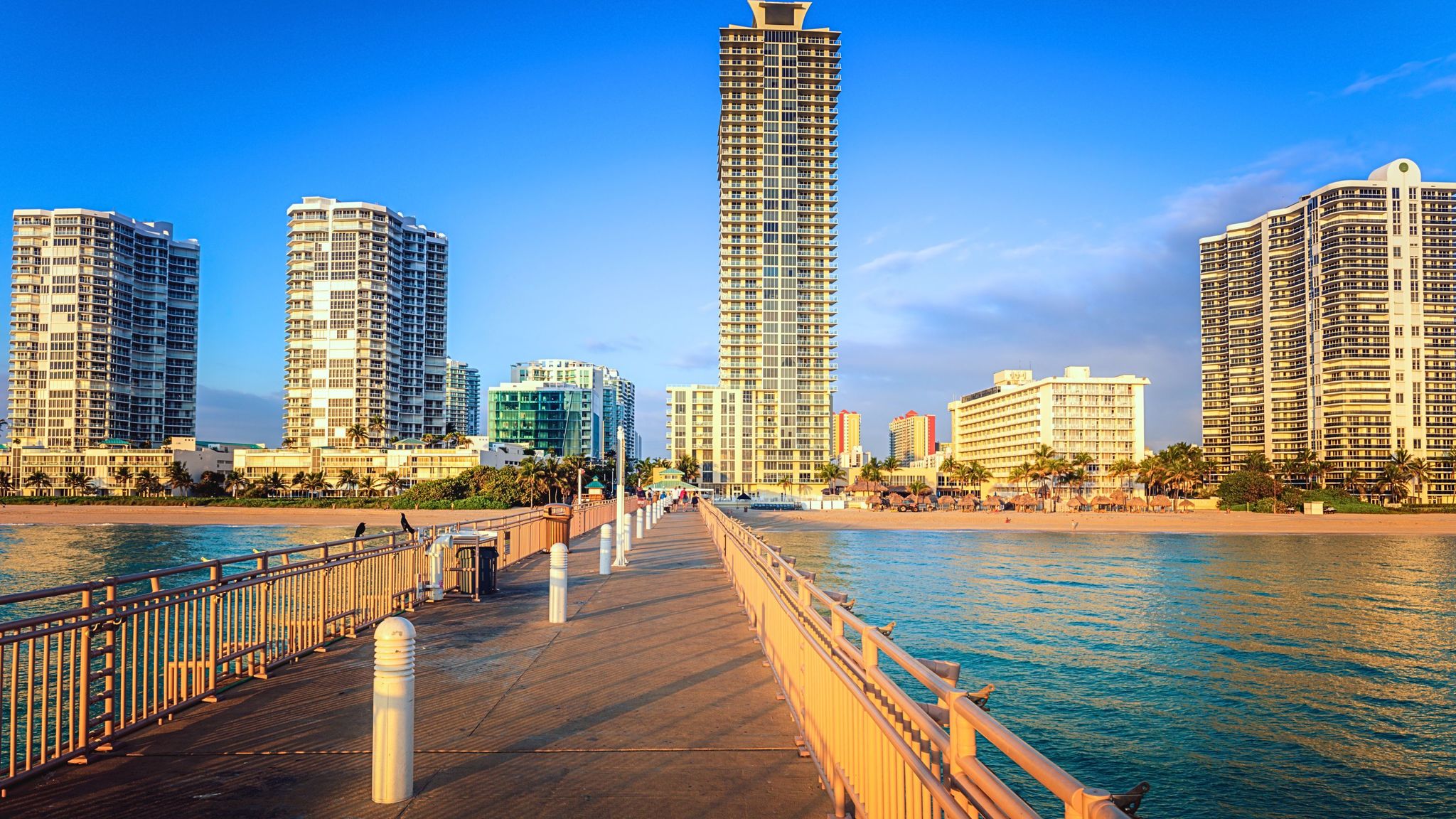
The skyline you see driving up Collins Avenue is not generic high-rise inventory. It's a roster of branded oceanfront condo towers, names like Acqualina, Estates at Acqualina, Porsche Design Tower, Armani Casa, Trump-branded buildings, Jade Signature, Mansions at Acqualina, Muse, Chateau Ocean, and a continuing pipeline of new construction. These are not interchangeable assets. Each tower has a distinct floor plate, amenity philosophy, service model, resident profile, and resale dynamic, and the difference between a clean Sunny Isles purchase and a complicated one is usually building-level, not neighborhood-level.
The buyer base reflects that. Sunny Isles is heavily international, with significant ownership concentrations from South America, Europe, Eastern Europe, and increasingly the Northeast US relocation flow. A lot of units are second homes or part-year residences, which changes the building rhythm in ways worth understanding before you buy. The full-time, year-round community is real, but it's a layer underneath the seasonal flow, not the dominant rhythm.
For a broader 2026 market context that helps frame any Miami beachside decision, my 2026 Miami real estate forecast is the right starting point.
Who Sunny Isles Beach Actually Fits
Sunny Isles Beach is not a fit for every Miami buyer, and I'd rather have that conversation up front than midway through a search.
It tends to fit second-home buyers who want a full-service, full amenities oceanfront tower they can lock-and-leave for parts of the year. It fits international buyers who want a recognized branded residence with concierge-level building staff and the operational ease that comes with that. It fits relocations from the Northeast and overseas who want the beach in front of them and the airport, MIA or FLL, within a manageable drive. It fits investors targeting luxury beachfront products, with the explicit understanding that short-term rental rules and building policies vary tower by tower and need to be verified in writing for each specific building.
Where Sunny Isles is usually not the right fit: buyers who want a walkable village with a long roster of independent restaurants, gallery spaces, and small-format retail. Buyers who prioritize a true neighborhood-school district lifestyle and a single-family-home footprint. Buyers who want the dense restaurant scene of Brickell or South Beach right outside their door, with the casual ability to walk to dinner across multiple options every night of the week. Those buyers usually land elsewhere in Miami, and that's the right call.
The honest match for Sunny Isles is a buyer who wants oceanfront, amenity-heavy, branded condo product with a quieter beach-resort cadence than the urban core, and who's comfortable doing the rest of their dining, shopping, and culture by a short drive south to Bal Harbour, Aventura, or Miami Beach.
The Building-Level Questions That Decide the Purchase
This is the part most casual Sunny Isles searches skip and where the real money is made or lost. In a market that is concentrated in oceanfront condo products, the building is at least half of the asset.
The first question is the building's age and reserve posture. Sunny Isles has a meaningful mix of newer trophy towers and earlier-generation oceanfront buildings, and the post-2022 regulatory environment has changed the diligence floor on older condo products across South Florida. Reserve studies, structural inspection status, special-assessment history, and pending or projected assessments all need to be pulled and read before, not after, an offer is in. A perfectly qualified buyer can still lose a deal if the building's financials don't pencil for the lender. My Miami pre-construction condo process guide covers the equivalent diligence on the new-construction side.
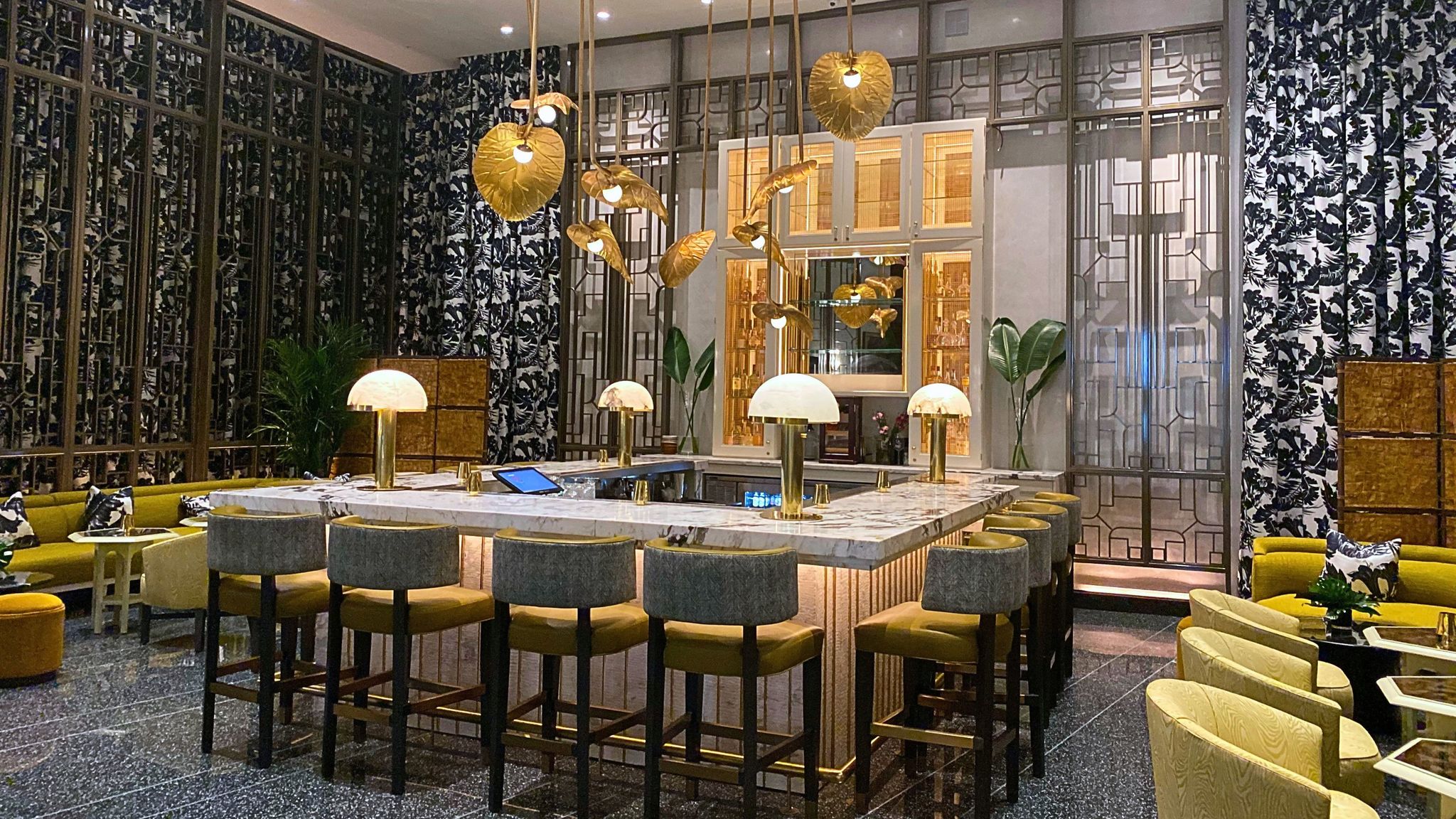
The second is HOA dues and what they actually buy. Sunny Isles oceanfront buildings can carry meaningful monthly HOA figures, and that number is the operational truth of the lifestyle. It typically buys 24/7 concierge, valet, fitness facilities, spa access, pool service, beach service, security, common-area maintenance, water, and sometimes cable, internet, and partial utilities. The right question is not whether the HOA is high. It's whether what you're getting is worth what you're paying and whether the building runs at the service standard the dues imply.
The third is rental policy and short-term rental rules. Sunny Isles Beach has a city-level overlay on short-term rental activity, and individual buildings layer their own rules on top of that. Some towers allow only annual leases. Others permit shorter terms under specific conditions. A handful of mixed-use or condotel-structured buildings permit nightly or weekly rentals as part of their core operating model. If your strategy involves any kind of rental income, the rental policy of the specific building has to be verified in writing before you write an offer, not assumed from the neighborhood.
The fourth is line of sight, exposure, and tower placement on the actual floor plate. Direct ocean exposure, southeast exposure, and unobstructed-view lines trade at a premium in Sunny Isles, and the gap between a "partial ocean view" unit and a clean direct-ocean unit is bigger than the spec sheet suggests. Two units in the same building, two floors apart, can have meaningfully different long-term resale dynamics depending on what they actually look at when you stand at the glass.

The Lifestyle Reality Between the Towers
The day-to-day in Sunny Isles is more village than glamour shot, and that surprises some buyers.
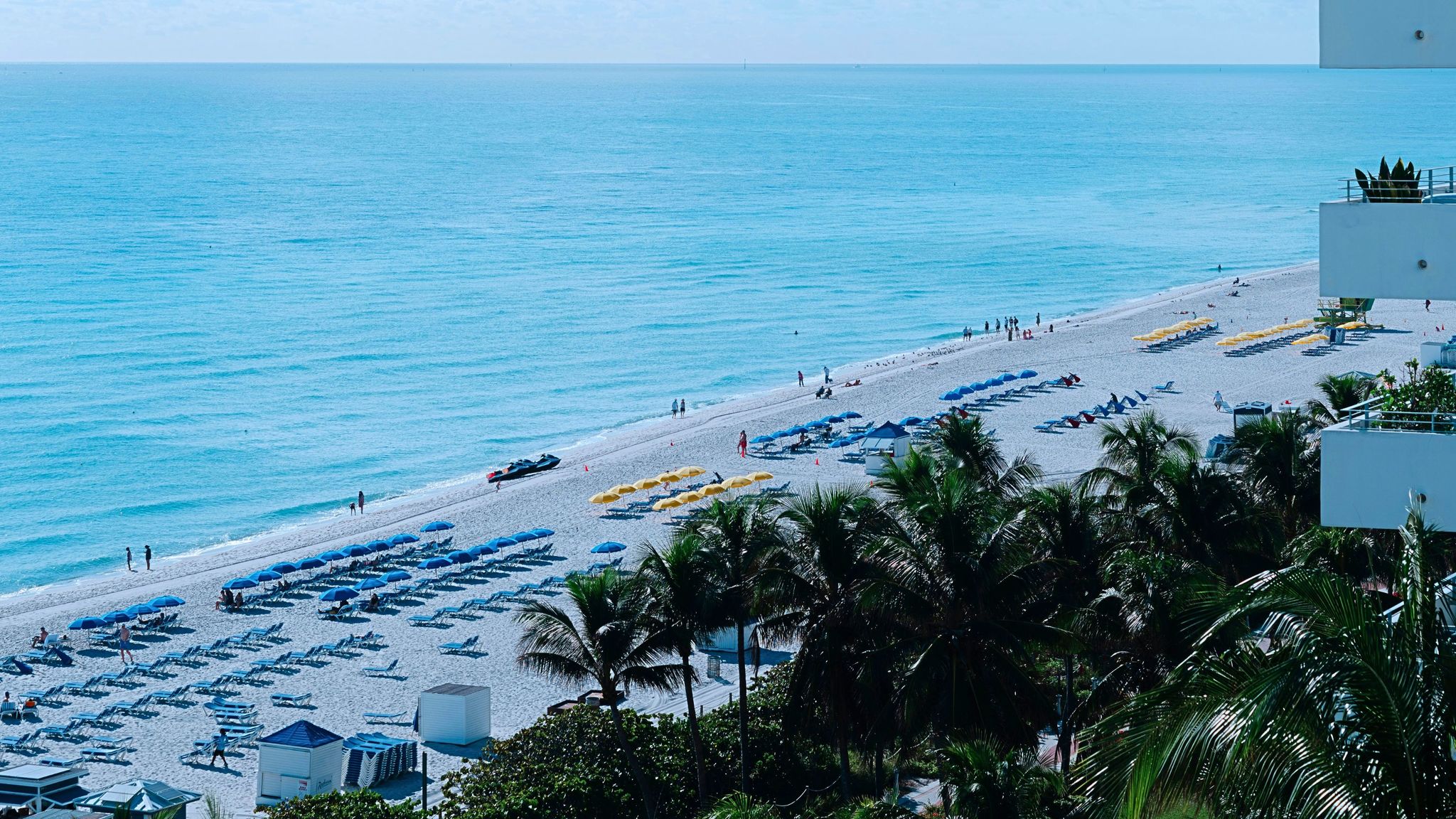
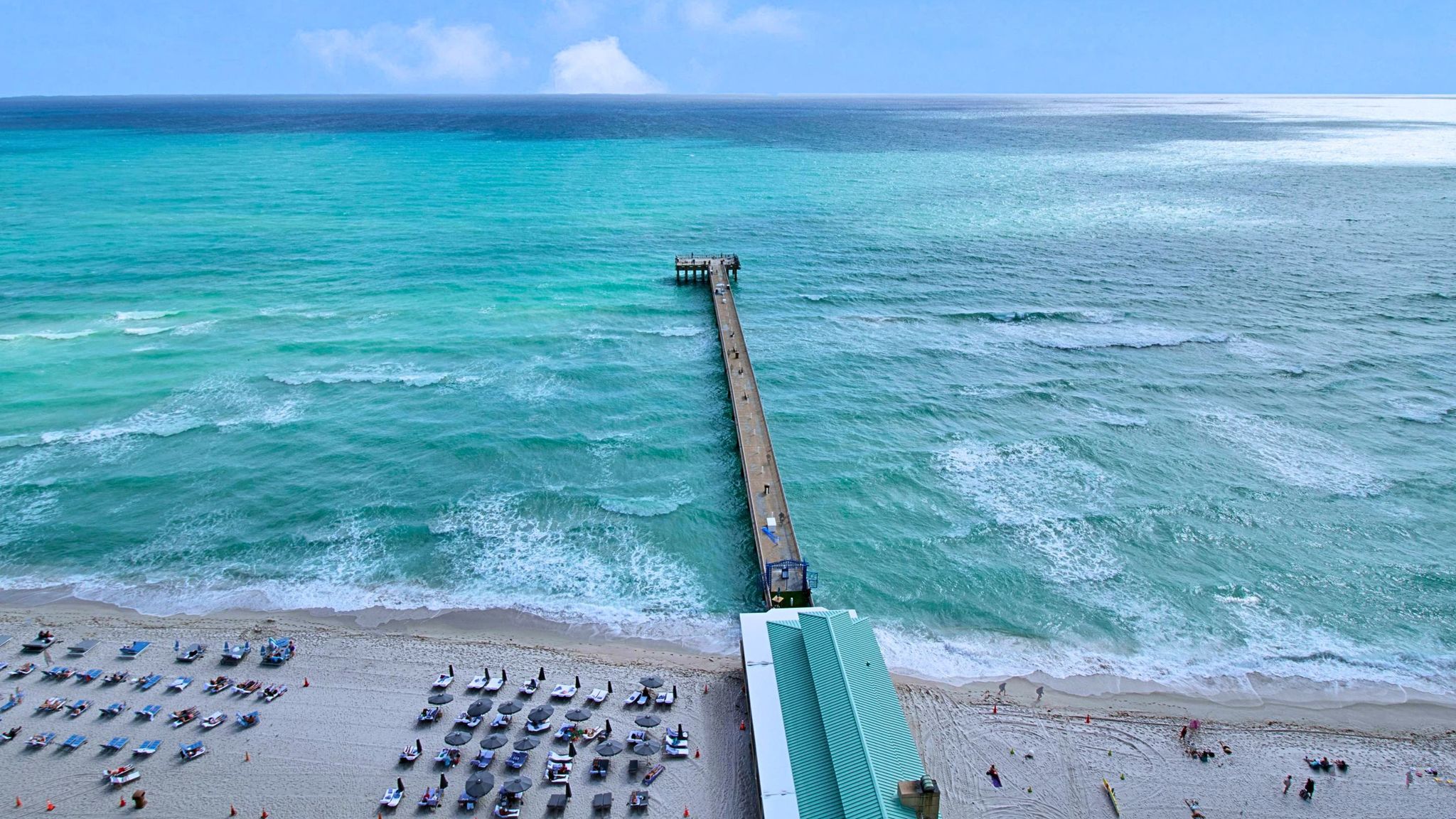
The beach is the anchor. The public beachfront along Collins is well-maintained, walkable for miles, and quieter than South Beach or Miami Beach proper for most of the year. Beach service is part of the resident experience in nearly every full-service building. Pier Park is a real community asset, with a fishing pier, walking paths, a beachfront playground, food kiosks, and an event lawn that hosts a real calendar of programming throughout the year.
For dining and retail, the immediate corridor along Collins is heavier on hotel-tower restaurants, casual oceanfront spots, and a steady mix of cafés, sushi, and Latin American cuisine. The deeper restaurant scene is a short drive south to Bal Harbour Shops, north to Hallandale, or west to Aventura for the mall, Whole Foods, and the broader retail spine. The honest framing is that you live in Sunny Isles and dine across a slightly wider geography. That's the bargain. The upside is the beach is in front of you when you wake up.
For families, the Sunny Isles K-8 community school, the recreational programming at Pier Park, and the lifestyle scale of the buildings themselves are the core. For high-school-aged kids and buyers who prioritize a top-tier public-school district as the lead criterion, other Miami submarkets are typically a better fit, and that's a real consideration to weigh.
For health and fitness, Sunny Isles is one of my favorite neighborhoods in greater Miami for the actual lifestyle I run myself. The beach walk, the Pier Park loop, the in-building fitness facilities and spas, the proximity to oceanfront cycling, the morning runs along Collins. The full-time, year-round residents who lean into that rhythm tend to be among the happiest Sunny Isles buyers I work with.
What I'd Actually Do If You're Weighing Sunny Isles This Year
If a Sunny Isles purchase is on the table for 2026, this is the sequence I'd run.
Get clear on the use case first. Is this a primary, a second home, a part-year residence, or an investment? Each of those points to a different shortlist of buildings, a different price-per-square-foot framework, and a different diligence emphasis. A primary-residence buyer cares about year-round building rhythm and full-time resident concentration. A second-home buyer cares about lock-and-leave service and seasonal staffing. An investor cares about rental policy and building-level financials before anything else.
Then narrow to three to five buildings, not a wishlist of twenty. Sunny Isles rewards depth over breadth. Once you've identified the right product type and price point, the right move is to walk those specific buildings, meet the managers, sit in the lobby at different times of day, and understand the operational reality before you fall in love with a floor plan.
Pull the condo questionnaire, reserve study, and recent meeting minutes on any building you're seriously considering, and read them. This is the part that decides whether the closing is clean.
Verify the rental rules in writing if rental income is part of your thesis.
Then negotiate the unit. By the time you're at the offer stage, the asset risk has been done, and the conversation can be about price and terms, not whether the building works.
Download the free Miami Home Buyer Guide for a step-by-step roadmap from pre-approval to closing, plus expert checklists, financing tips, and local neighborhood insights to help you buy with confidence.
Thinking About a Sunny Isles Beach Move in 2026?
If you're seriously weighing a Sunny Isles Beach purchase this year, that's the conversation I have with second-home, international, relocation, and investor clients constantly. I work the Sunny Isles corridor directly, I know the buildings and the managers, and I bring a finance background to the diligence so the building works before the unit does.
Reach out and let's talk about what you're trying to accomplish, who the buyer actually is in this transaction, and which Sunny Isles building and floor plan actually fits. The right Sunny Isles purchase is a great one. Getting there starts with the questions most searches skip.
For broader context on choosing among Miami beachside neighborhoods, my neighborhood lifestyle guide is the right companion piece.
Check out this article next