

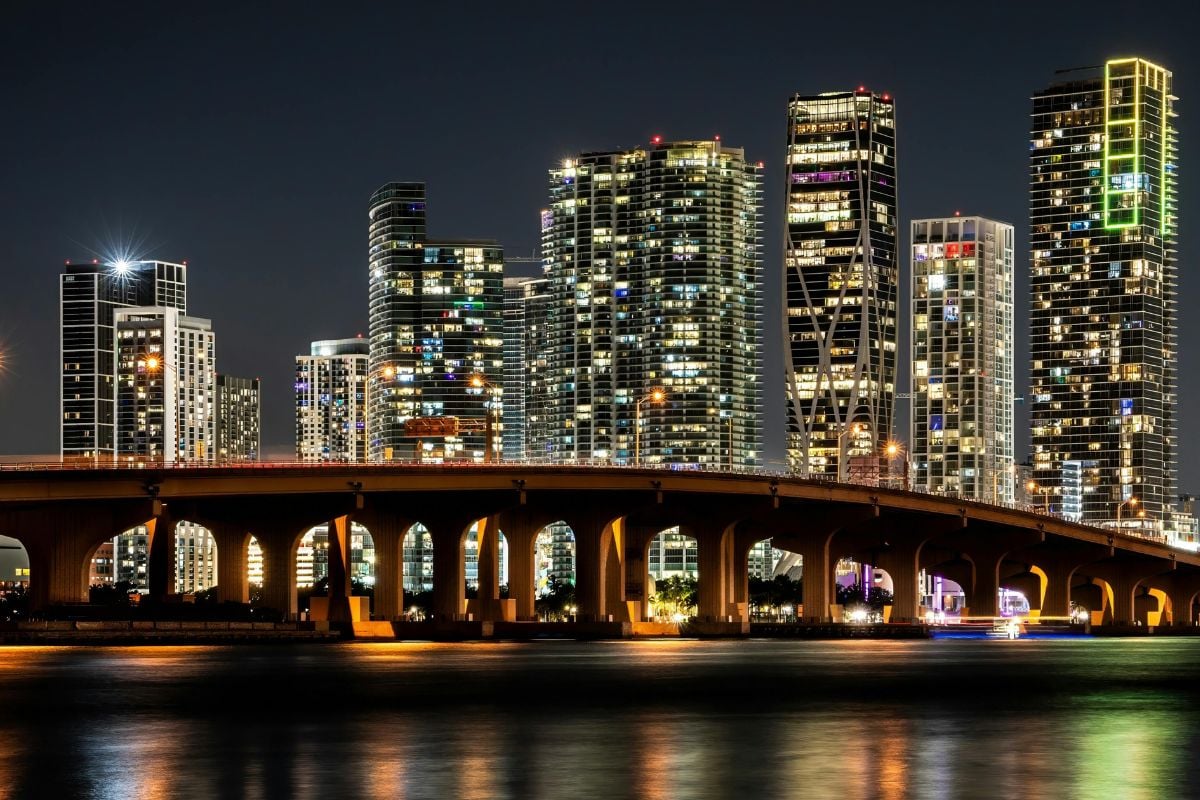
Quick answer: Yes, out-of-state and international buyers can purchase property in Miami, and many complete the entire process without living in Florida. Foreign nationals face no general ban on owning Florida real estate, although state law restricts some purchases by people domiciled in certain countries. Remote online notarization allows buyers to close from anywhere, and cash or foreign national loans are the usual ways to pay.
Miami draws buyers from across the U.S. and around the world for its year-round climate, diverse economy, lack of a state income tax and steady rental demand. This guide explains how the buying process works from a distance, the financing basics, remote closings, the legal and tax topics to review with professionals, and the neighborhoods that tend to fit out-of-town buyers. If you are planning a full-time move, pair it with our Miami relocation buyer playbook.
How Does the Miami Buying Process Work for Out-of-State Buyers?
The steps mirror a local purchase, with more of the work handled by video, email and electronic signatures.
- Set your goals and budget. Decide whether the property will be a primary home, second home or investment, since this affects financing, taxes and which neighborhoods fit.
- Line up financing or proof of funds. Cash buyers need bank verification. Financed buyers should speak early with a lender experienced in out-of-state or foreign national loans.
- Tour properties. Buyers often start with live video walkthroughs and plan an in-person visit for their top choices when possible.
- Make an offer and complete due diligence. This includes inspections and, for condos, a review of the association's structural inspections, reserves and budget.
- Work with a title company. The title company handles the title search, title insurance, escrow and closing documents.
- Close in person or remotely. Florida allows remote online notarization, and a properly executed power of attorney is another option.
How Do International and Out-of-State Buyers Finance a Miami Property?
Cash purchases are common among international buyers, especially at higher price points. Buyers who finance usually work with lenders that offer foreign national loan programs.
These loans typically require larger down payments than standard domestic loans, often in the range of 30 to 50 percent, and interest rates may be higher. Lenders also tend to ask for cash reserves and extensive documentation of income and assets. Terms vary by lender, so compare options before you start touring.
Can You Close on a Miami Property Without Being in Florida?
Yes. Florida permits remote closings through Remote Online Notarization (RON). A licensed online notary verifies your identity and notarizes documents over a secure audio-video session. Electronic signatures are legally binding for most closing documents, and deeds and mortgages can be notarized online when proper procedures are followed.
Another option is to authorize someone to sign for you through a Power of Attorney that meets Florida's statutory requirements. Your title company and attorney can confirm which method fits your transaction.
What Documents Do Foreign Buyers Need?
Requirements vary by transaction, but international buyers are often asked for:
- A valid passport or other government-issued ID
- Bank verification and proof of funds for international wire transfers
- IRS Form W-8BEN to document foreign status
- An Individual Taxpayer Identification Number (ITIN) for U.S. tax filings
- An apostille for documents signed outside the U.S.
International wires can take extra time, so start this paperwork early. Always confirm wire instructions by phone with your title company before sending funds.
Can You Buy Miami Property Through an LLC or Trust?
Some buyers hold property through an LLC or trust for privacy or liability protection. These structures add reporting requirements and tax considerations that depend on your situation and home country. Review ownership options with a tax advisor and a Florida real estate attorney before signing a contract.
What Legal and Tax Rules Should International Buyers Know?
This section is educational and is not legal or tax advice. Consult a licensed attorney and CPA about your situation.
Florida SB 264
In 2023 Florida enacted Senate Bill 264, which restricts certain real estate purchases by people domiciled in seven designated "countries of concern": China, Russia, Iran, North Korea, Cuba, Venezuela and Syria. The restrictions include limits near military installations and critical infrastructure, with stricter rules for buyers domiciled in China. All buyers sign an affidavit at closing confirming compliance. The law has faced court challenges, so anyone connected to these countries should confirm the current rules with counsel before making an offer.
FIRPTA
The Foreign Investment in Real Property Tax Act (FIRPTA) applies when a foreign person sells U.S. real estate. In many cases the buyer must withhold a portion of the sale price, generally 15 percent, and send it to the IRS, although exceptions and reduced rates can apply. This matters when you sell in the future, and also when you buy from a foreign seller, because the buyer is responsible for the withholding. Your title company can help identify the seller's status early.
Documentary Stamp Taxes
Florida charges documentary stamp tax when a deed is recorded, and Miami-Dade County has its own rate schedule. Who pays is set by the purchase contract, so ask for a closing cost estimate early in the process.
Homestead Exemption
Florida's homestead exemption, and the cap on assessed value that comes with it, applies only to a Florida resident's permanent primary home. Second-home, investment and nonresident buyers generally do not qualify unless they establish Florida residency and apply.
What Should You Check Before Buying a Miami Condo?
After the 2021 Champlain Towers South collapse in Surfside, Florida passed condominium safety laws. Buildings three stories or taller must complete milestone structural inspections once they reach a set age, associations must complete structural integrity reserve studies, and reserves for key structural components can no longer be waived. Before buying, ask:
- Has the building completed its milestone inspection, and were repairs required?
- Is the structural integrity reserve study complete, and how well funded are the reserves?
- Are any special assessments pending or planned?
- How have HOA fees and the master insurance policy changed recently?
These answers affect your monthly costs and future liabilities. If you are still weighing property types, compare homes vs. condos in Miami.
Which Miami Neighborhoods Fit Out-of-State and International Buyers?
Miami is not one market. Urban high-rise districts and leafy suburban villages offer very different lifestyles and investment profiles. The ranges below are approximate starting points; prices vary by building, view and condition.
| Neighborhood | Typical Price Range | Property Focus | Common Buyer Type |
|---|---|---|---|
| Downtown Miami | $400K to $600K | Condos | Professionals |
| Brickell | $450K to $750K | High-rise condos | Executives and investors |
| Coconut Grove | $850K to $2.5M+ | Homes and condos | Families |
| Coral Gables | $900K to $3M+ | Single-family homes | Luxury buyers and families |
| Pinecrest | $1M+ | Single-family homes on large lots | Families |
| Bal Harbour | $1.2M to $5M+ | Waterfront condos | International buyers |
Is Brickell a Good Fit for International Buyers?
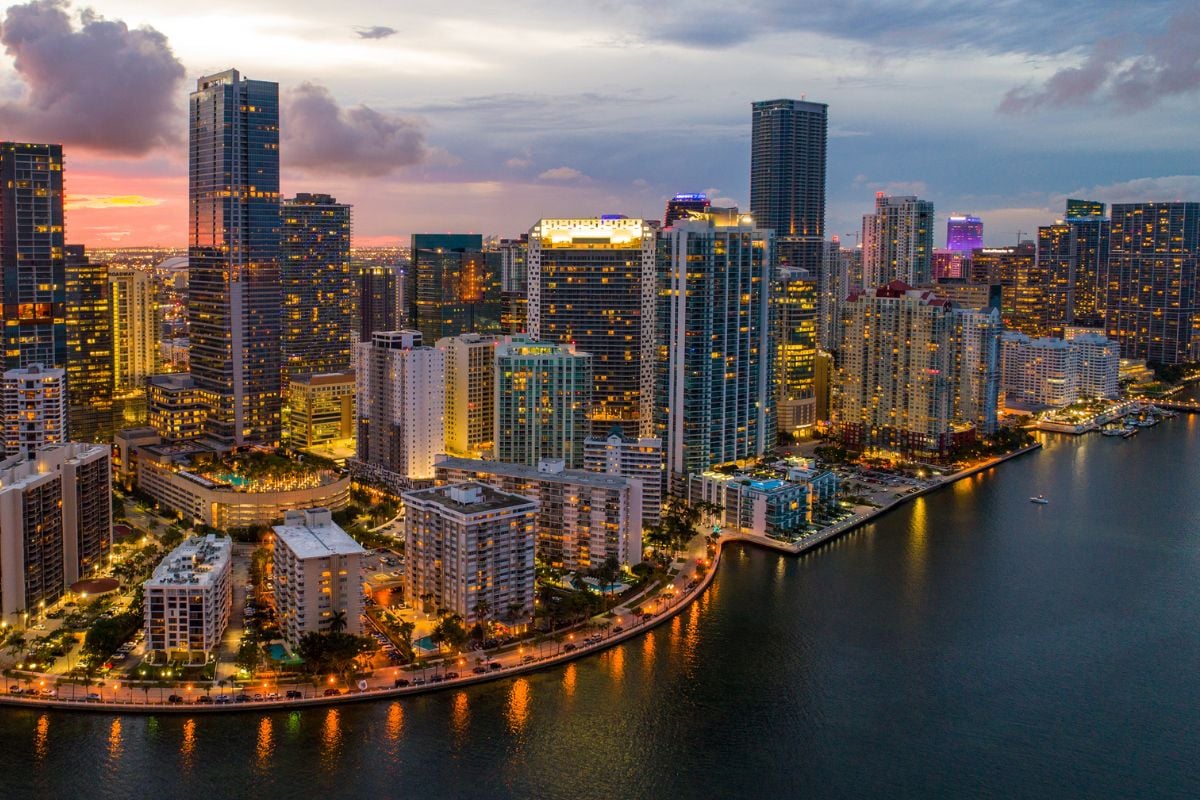
Brickell is Miami's financial district and one of its most walkable areas. Residents walk to offices, restaurants and shopping at Brickell City Centre, ride the free Metromover, and use the Underline's bike paths and green space. Housing is mostly high-rise condos with concierge services, pools and roof decks. Inventory has grown and days on market have lengthened, which gives buyers more room to negotiate. Proximity to international banks makes it a common choice for Latin American and other international buyers.
Best for: professionals, investors seeking rental demand, and international buyers wanting a pied-a-terre. Factor HOA fees and insurance into any return calculation.
Is Coral Gables a Good Area for Out-of-State Families?
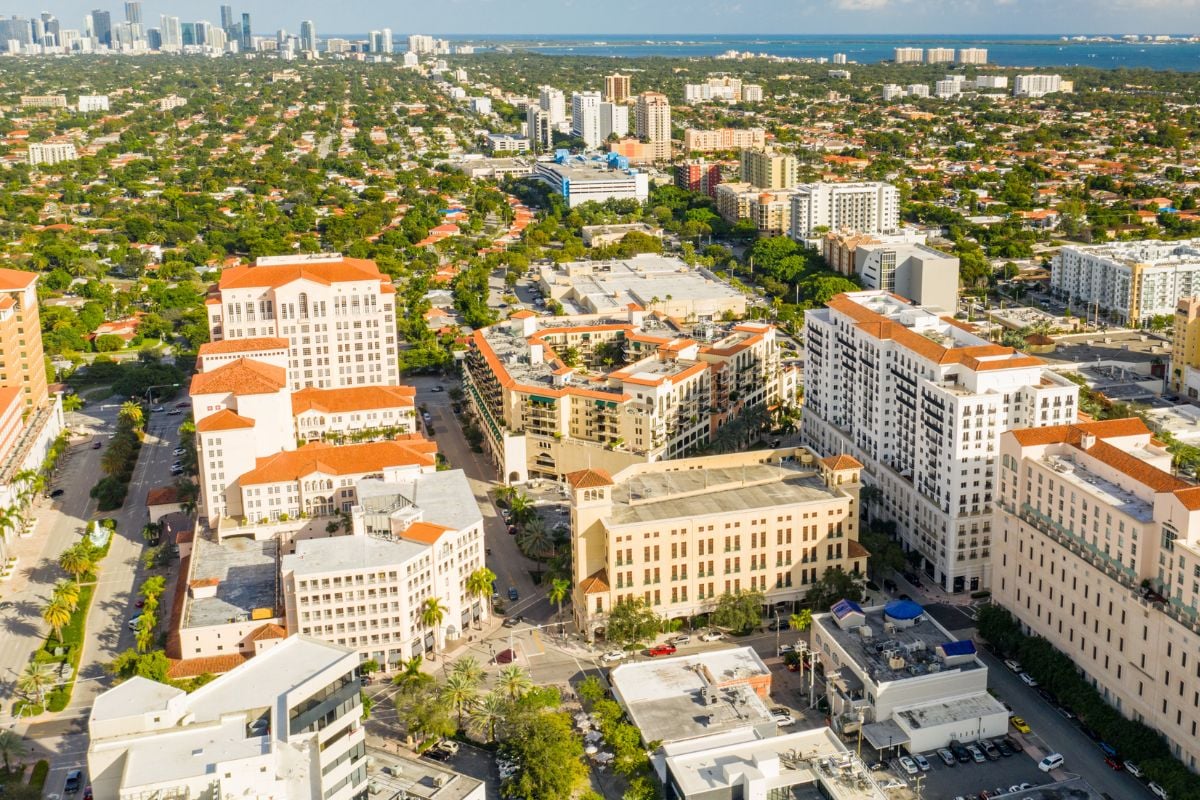
Coral Gables is known for Mediterranean Revival architecture, tree-lined streets and strict design standards. Miracle Mile, the Biltmore Hotel and the Venetian Pool anchor its dining and social life, and gated communities such as Gables Estates and Cocoplum offer waterfront homes with private docks. Zoning limits on density protect the area's character and support long-term values. High entry prices mean investors usually focus on capital preservation rather than rental cash flow.
Best for: families, luxury buyers, and anyone who wants single-family living near well-regarded schools and the University of Miami.
Who Should Buy in Pinecrest?
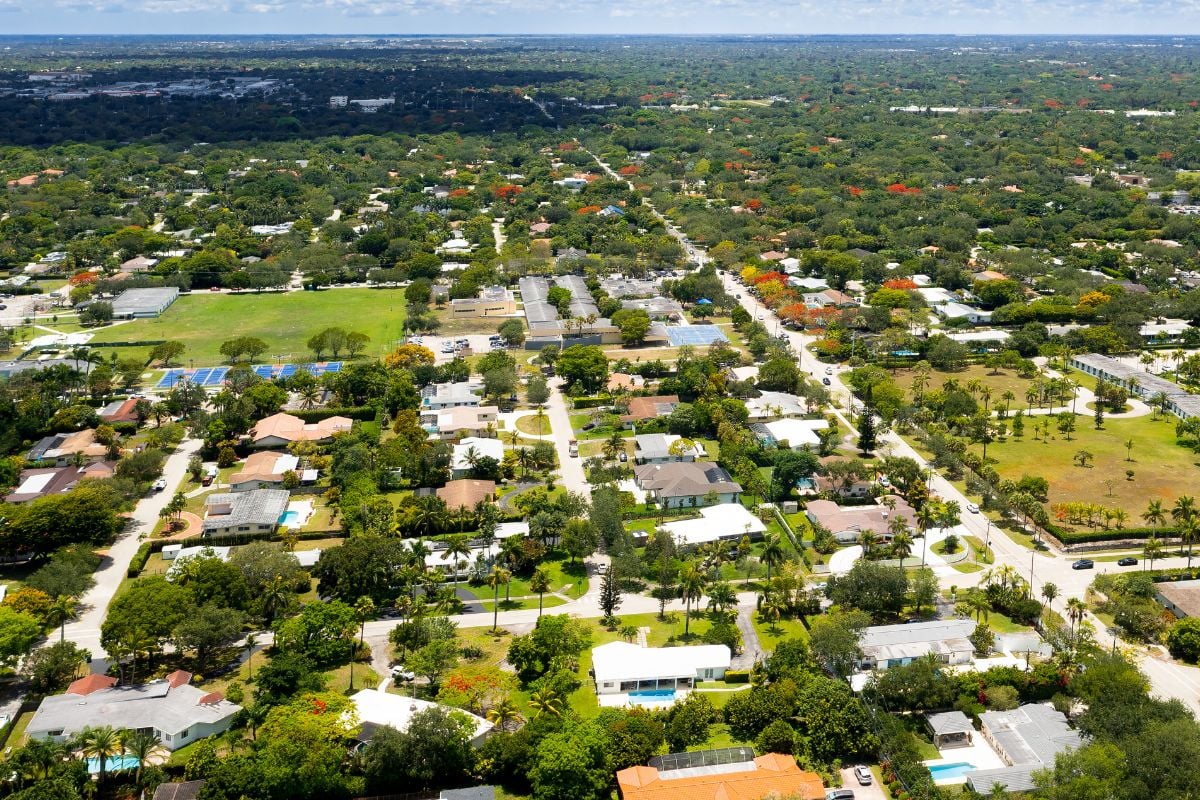
Pinecrest is a suburban village of large lots, shaded streets and a quiet, family-oriented pace. Homes are mostly single-family properties, often with room for pools, and inventory is low. The area is car-dependent, but it offers privacy and space within driving distance of downtown Miami. Older homes can offer renovation potential, while property taxes and insurance run higher on larger properties.
Best for: families, out-of-state buyers relocating long term, and remote workers who value space over nightlife.
Is Coconut Grove Walkable?
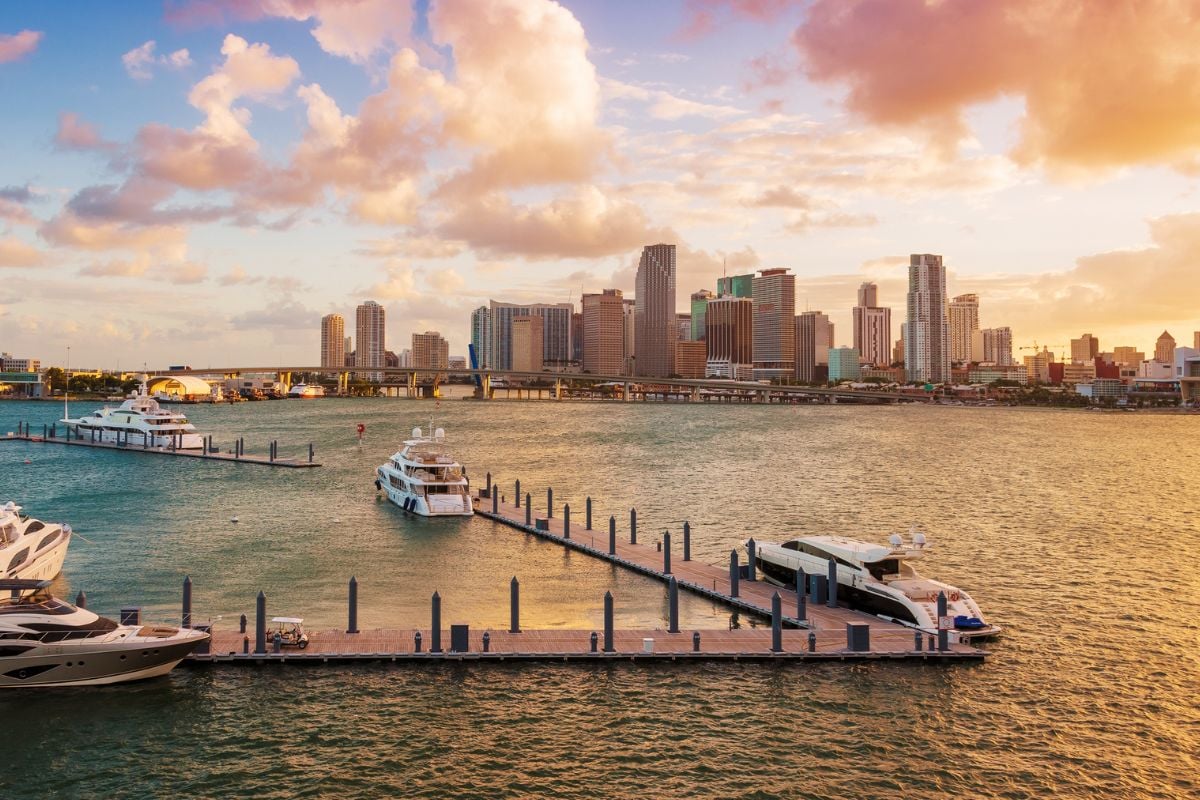
Coconut Grove is Miami's oldest continually inhabited neighborhood, with banyan-shaded streets and a village feel. Residents walk to cafes, farmers' markets, CocoWalk and waterfront parks such as Peacock Park, although some errands still require a car. Zoning limits high-rise development, which keeps supply tight and supports long-term values. Marinas on Biscayne Bay appeal to boaters.
Best for: families and buyers who prefer greenery, community and privacy over high-rise living.
Is Downtown Miami a Good Place to Buy?
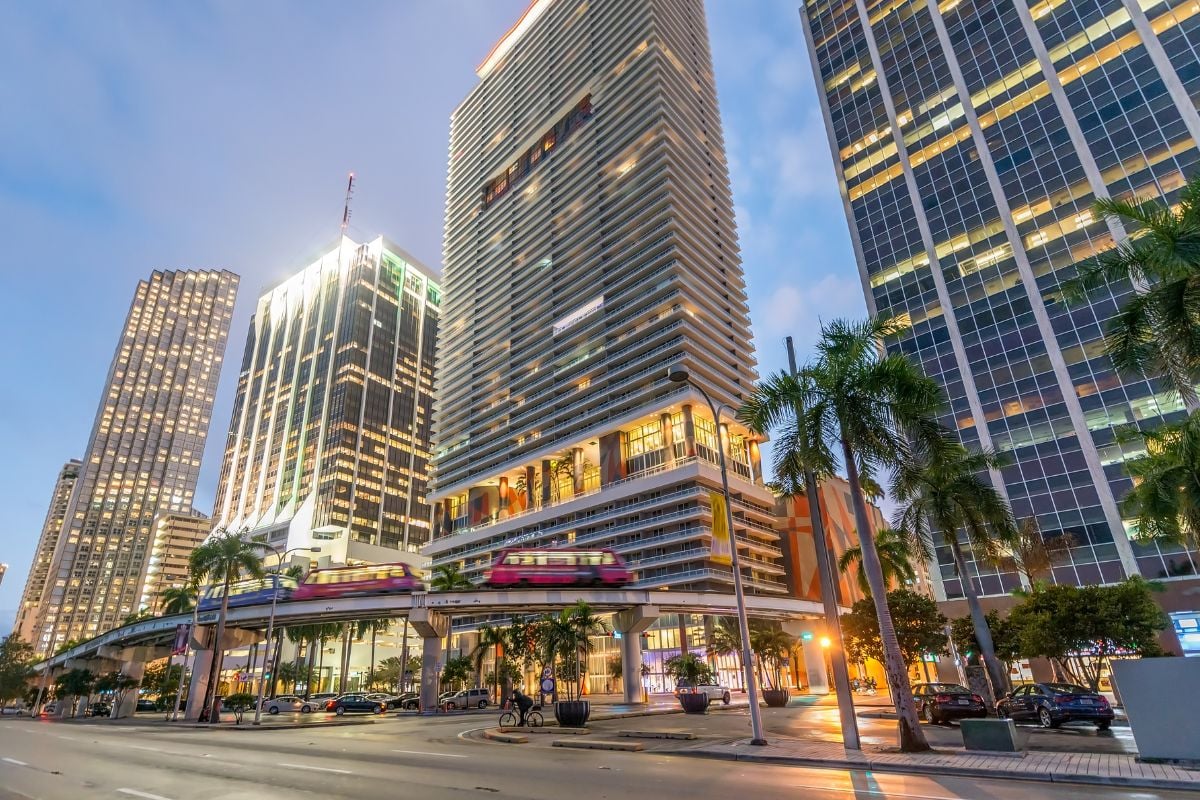
Downtown Miami is the urban core, with high-rise condos, the Perez Art Museum, the Adrienne Arsht Center and free Metromover and Metrorail connections. Prices sit slightly below Brickell and homes have taken longer to sell, which can create negotiating opportunities. Noise and congestion are part of daily life. Buyers should review each building's inspections and reserves under Florida's condo laws.
Best for: professionals seeking a short commute and investors focused on rental demand from nearby employers and schools.
Is Wynwood Good for Real Estate Investment?
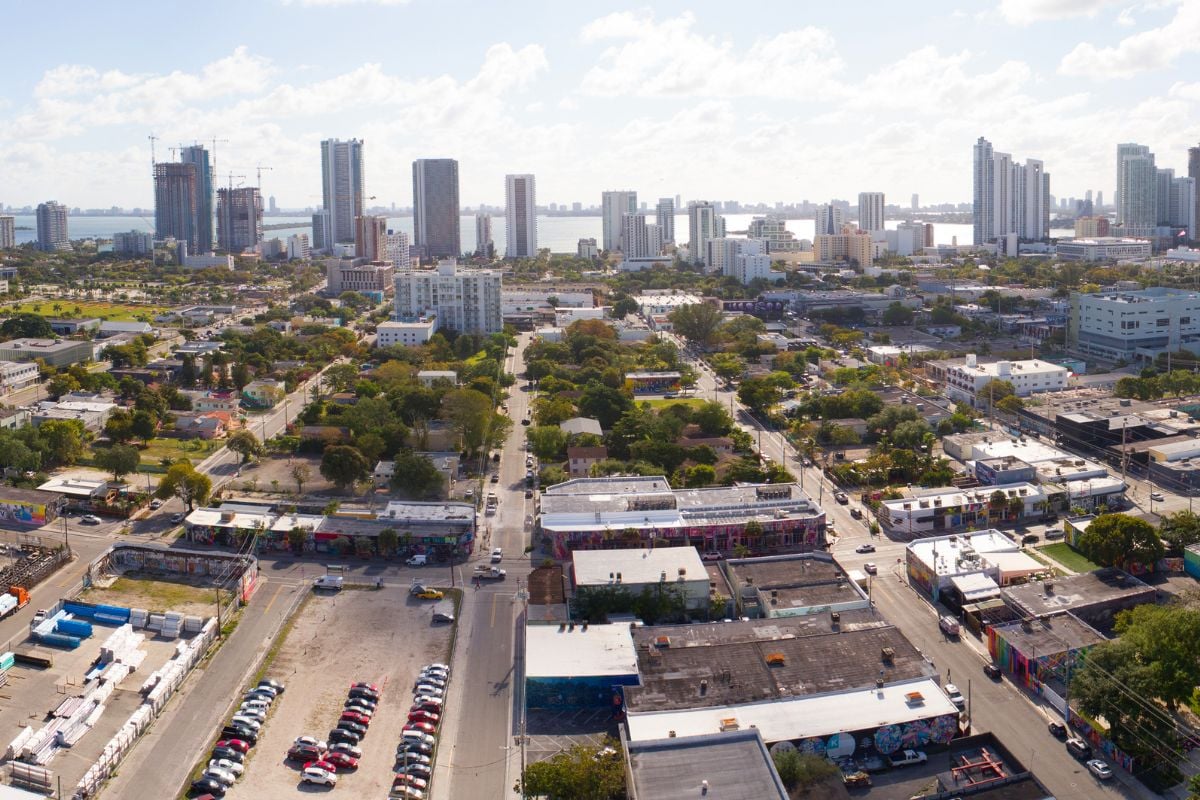
Wynwood has grown from a warehouse district into Miami's arts and creative hub, known for murals, galleries and breweries. Housing includes lofts and design-forward condos. Rapid redevelopment has driven appreciation, but the area carries more volatility than established neighborhoods, along with construction noise and limited parking. Research each developer and building's reserves before buying.
Best for: entrepreneurs, creatives and investors comfortable with an evolving neighborhood.
Which Neighborhood Matches Your Buyer Profile?
| Buyer Profile | Priorities | Neighborhoods to Consider |
|---|---|---|
| Young professionals | Walkable, amenity-rich living near offices and nightlife | Brickell, Downtown, Wynwood |
| Families | Schools, safety and larger homes | Coconut Grove, Coral Gables, Pinecrest |
| Investors | Rental demand and long-term value | Brickell, Downtown, Wynwood, Edgewater |
| Luxury buyers | Exclusivity, large lots and waterfront access | Coral Gables, Coconut Grove waterfront, Pinecrest estates |
| Creative entrepreneurs | Cultural scene and loft spaces | Wynwood, Allapattah |
What Is Daily Life Like in Miami?
Transportation and Walkability
Brickell and Downtown are the most walkable areas, with dense street grids, transit and street-level retail. Coconut Grove and Coral Gables are walkable within their village centers, Wynwood's walkability is improving, and Pinecrest is car-dependent. The Metrorail, Metromover and Busway provide low-cost transit across the urban core, and the Underline adds bike and pedestrian paths beneath the rail line.
Schools
School quality drives many housing decisions. Coral Gables, Pinecrest and Coconut Grove are known for well-regarded public and private schools, while families in Brickell and Downtown often choose private education. Check current school ratings and boundaries for any specific address.
Community and Climate
Year-round sunshine shapes daily life around beaches, parks and waterfront promenades. Miami's international population shows up in its food, multilingual services and neighborhoods with distinct identities. Safety varies by block, so visit at different times of day or ask your agent for local context.
Buy in Miami From Anywhere
Buying from another state or country is easier with a local advisor who can preview properties, coordinate with lenders and title companies, and guide you through a remote closing. Explore our buyer resources or contact Jose Munoz with SERHANT. at [email protected] to start your Miami search.
Check out this article next
