Understanding the Rise of Sustainable Real Estate in Miami
Miami’s real estate market is undergoing a structural shift. What was once driven primarily by location, views, and lifestyle is now increasingly influenced by sustainability, resilience, and long-term performance. As environmental awareness grows and climate-related risks become more visible, green building trends in Miami are no longer a niche segment. They are becoming a defining characteristic of modern development.
For buyers, this shift is practical. Energy efficiency directly impacts monthly costs. Climate-resilient construction affects insurance eligibility and long-term maintenance. For investors, sustainability plays a role in future demand, resale value, and risk management.
For those planning a move, understanding how sustainability fits into the broader market is essential. Our Miami Relocation Guide outlines key considerations such as neighborhood differences, cost expectations, and lifestyle factors that influence property decisions.
From solar-powered homes to luxury condominiums designed around wellness and efficiency, Miami is gradually aligning with global sustainability standards while adapting them to a coastal, high-humidity environment.
Why Sustainability Is Becoming a Core Factor in Miami Real Estate
Miami’s environmental conditions make sustainability more than a preference. It is closely tied to long-term livability and financial planning.
Environmental Pressures Driving Development Decisions
- Rising sea levels and increased tidal flooding
- High exposure to hurricanes and extreme weather
- Year-round heat requiring continuous cooling
- Aging infrastructure in some coastal areas
These factors are influencing how properties are designed, built, and evaluated. Developers are increasingly incorporating resilient construction methods, while buyers are factoring environmental risk into purchasing decisions.
Insurance, Costs, and Long-Term Ownership
One of the most practical drivers of green building in Miami is cost predictability.
Sustainable features can influence:
- Insurance premiums
- Utility expenses
- Maintenance requirements
- Building longevity
For example, energy-efficient systems reduce electricity usage, while resilient construction can help mitigate potential damage from storms or flooding. Over time, these factors contribute to a more stable cost of ownership.
The Influence of Relocation Buyers
Miami continues to attract buyers from across the U.S. and internationally. Many of these buyers come from markets where sustainability is already integrated into real estate expectations.
As a result, demand is shifting toward:
- Energy-efficient homes
- Smart-enabled properties
- Buildings with wellness and environmental certifications
If you are evaluating how different areas compare, our Miami Lifestyle Guide provides additional context on neighborhood dynamics and daily living.
Key Green Building Trends in Miami
1. Passive Design and Climate-Responsive Architecture
Passive design is one of the most effective strategies for improving energy efficiency in Miami. Rather than relying entirely on mechanical systems, these designs work with the natural environment.
Key elements include:
- Building orientation to minimize direct solar exposure
- Deep overhangs and shading systems
- Cross-ventilation layouts
- High-performance glazing and insulation
In a climate where cooling costs are significant, these strategies can lead to measurable long-term savings.
2. Solar Energy and Renewable Systems
Miami’s climate makes solar energy a practical option, although adoption varies depending on property type and HOA restrictions.
Common applications:
- Rooftop photovoltaic panels
- Solar water heating systems
- Battery storage for backup energy
While upfront installation costs can be a consideration, long-term savings and energy independence make solar increasingly attractive, particularly for single-family homes.
When evaluating affordability, it is helpful to consider these savings alongside insights from the Cost of Living in Miami.
3. Smart Home Technology and Energy Management
Smart technology is becoming a central component of sustainable living.
Key systems include:
- Smart thermostats that adapt to occupancy
- Automated lighting and shading systems
- Real-time energy monitoring
- Water leak detection and shut-off systems
These features are especially common in New Construction Condos in Miami, where developers integrate them from the design phase.
4. Water Efficiency and Stormwater Management
Water management is increasingly important in South Florida, both for sustainability and infrastructure resilience.
Key features include:
- Low-flow plumbing fixtures
- Smart irrigation systems
- Rainwater harvesting
- Permeable paving and landscaping
At a broader level, stormwater management systems are being incorporated into both private developments and public infrastructure.
5. Climate-Resilient Construction and Materials
Resilience is one of the most important aspects of sustainable building in Miami.
Construction features include:
- Elevated finished floor elevations in flood zones
- Reinforced concrete structures
- Hurricane-impact windows and doors
- Mold- and moisture-resistant materials
These features are especially important in coastal properties, including Waterfront Homes in Miami, where environmental exposure is higher.
Sustainable Condo Innovations in Miami’s Luxury Market
Miami’s condominium sector is leading many sustainability advancements, particularly in the luxury segment.
Building-Level Systems and Efficiency
- Centralized high-efficiency HVAC systems
- Energy-efficient lighting and elevators
- EV charging infrastructure
- Water recycling and greywater systems
Some developments pursue LEED certification, while others incorporate similar principles without formal designation.
Wellness-Focused Design and Sustainability
Sustainability is increasingly linked to health and wellness.
Common features include:
- Advanced air filtration systems
- Non-toxic building materials
- Natural lighting and ventilation
- Access to green outdoor spaces
This approach reflects a broader shift toward properties that support both environmental and personal well-being.
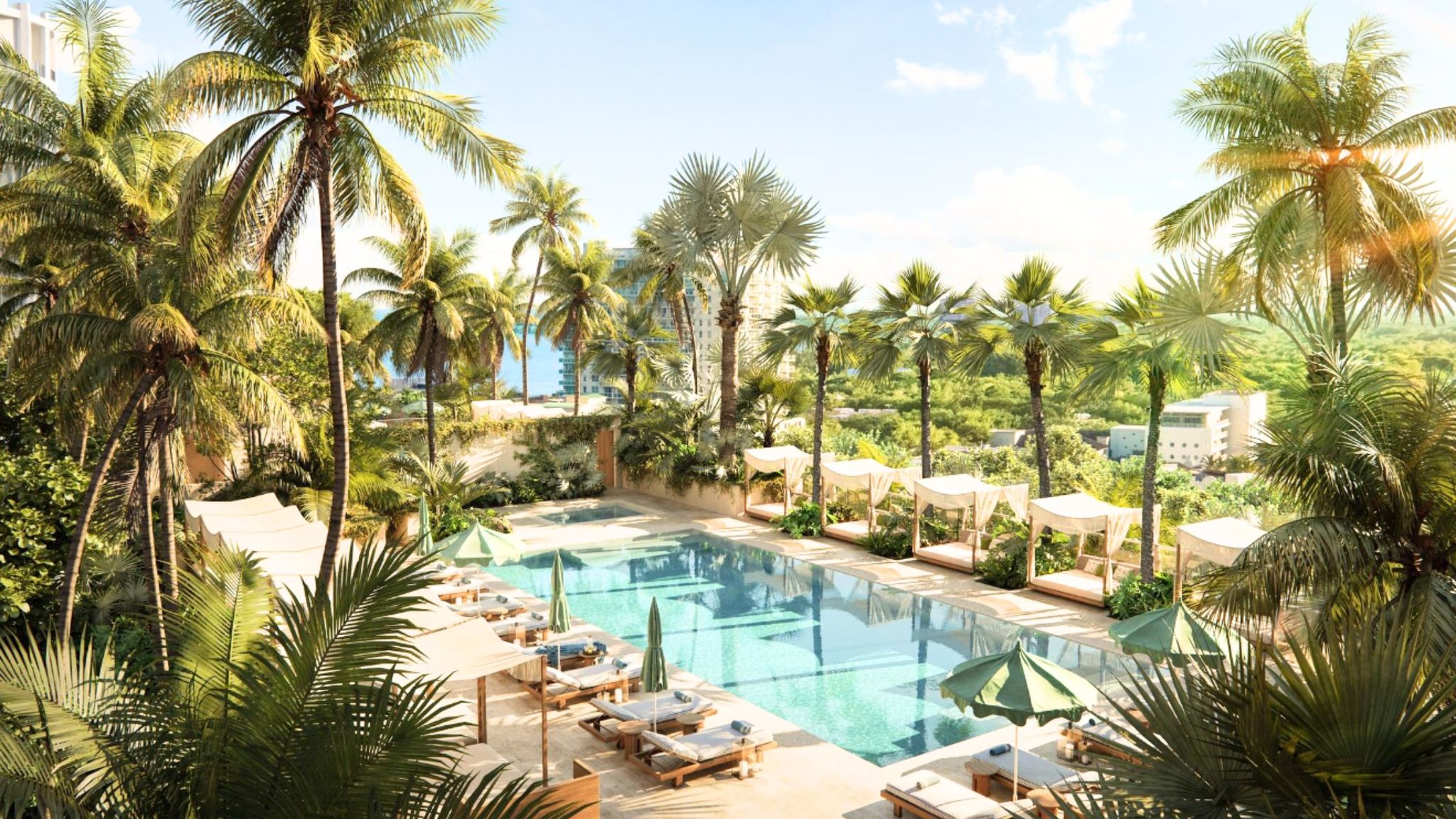
Sustainability in Practice: Green Building Trends in Miami
While sustainability concepts are important, understanding how they are being applied across Miami’s real estate market provides clearer insight into current conditions. Across different neighborhoods and property types, developers are integrating energy efficiency, climate resilience, and wellness-focused design into modern residential projects.
Notable Developments
The WELL Bay Harbor Islands
The WELL Bay Harbor Islands is one of the most recognized examples of wellness-driven residential design in Miami.
Key features include:
- Advanced air and water purification systems
- Use of non-toxic and low-emission materials
- Energy-efficient building systems
- Design focused on natural light and ventilation
This development reflects a growing demand for homes that prioritize both environmental quality and overall well-being.
Brickell City Centre
Brickell City Centre demonstrates how sustainability can be applied at an urban scale.
Sustainability elements include:
- LEED for Neighborhood Development certification
- The Climate Ribbon system designed to provide shade and reduce heat gain
- Pedestrian-focused design that enhances walkability
This project highlights how sustainable design can improve both environmental performance and the overall urban experience.
Aston Martin Residences Miami
Aston Martin Residences reflect how modern luxury developments are incorporating more efficient building systems and materials.
Relevant features include:
- High-performance glass systems that help reduce heat gain
- Advanced building systems designed for energy efficiency
- Coastal design considerations aligned with Miami’s environment
This illustrates how efficiency is becoming a standard feature in new construction, even when sustainability is not the primary focus.
One Thousand Museum
Designed by Zaha Hadid, One Thousand Museum represents innovation in architecture and structural design.
Key elements include:
- Exoskeleton structural system that optimizes material use
- Advanced construction materials for durability
- Extensive use of glass to maximize natural light
While not specifically marketed as a green building, it reflects how modern design can contribute to building performance and efficiency.
Icon Bay
Icon Bay offers an example of design strategies that enhance natural airflow and daylight.
Notable feature:
- Layouts designed to improve ventilation and interior comfort
This demonstrates how architectural planning can support energy efficiency alongside mechanical systems.
Sustainable Homes in Coconut Grove and Coral Gables
Across neighborhoods such as Coconut Grove and Coral Gables, many newer homes are incorporating sustainability-focused features.
Common features include:
- Solar-ready or solar-integrated systems
- Energy-efficient HVAC and appliances
- Open layouts designed for natural airflow
- Water-efficient landscaping
These homes reflect how sustainability is expanding across different property types and price points.
What This Means for Buyers
These examples show that sustainability in Miami is already being integrated into the market.
For buyers and investors, this means:
- A wider range of eco-conscious property options
- Greater transparency in building features
- Increasing importance of evaluating sustainability alongside location and price
Sustainable Single-Family Homes: A Growing Segment
Single-family homes are becoming a major part of Miami’s sustainability shift. Unlike condos, these properties offer more flexibility for solar installation, landscaping, and energy systems.
Many new builds incorporate:
- Solar-ready infrastructure
- Smart home integration
- High-performance building materials
- Climate-responsive design
This segment continues to grow as buyers prioritize independence, efficiency, and long-term cost control.
How Sustainability Influences Property Value in Miami
Sustainability is becoming a measurable component of property valuation.
Key Value Drivers
- Lower operating and utility costs
- Reduced long-term maintenance
- Increased appeal to future buyers
- Alignment with evolving market expectations
As sustainability becomes more standardized, properties lacking these features may face increased competition.
Cost vs Value: Understanding the Investment
While sustainable homes may require higher upfront investment, they often provide strong long-term returns.
Upfront Costs
- Solar systems
- Smart technology
- High-performance materials
Long-Term Benefits
- Lower utility expenses
- Reduced maintenance costs
- Increased resale value
- Improved resilience
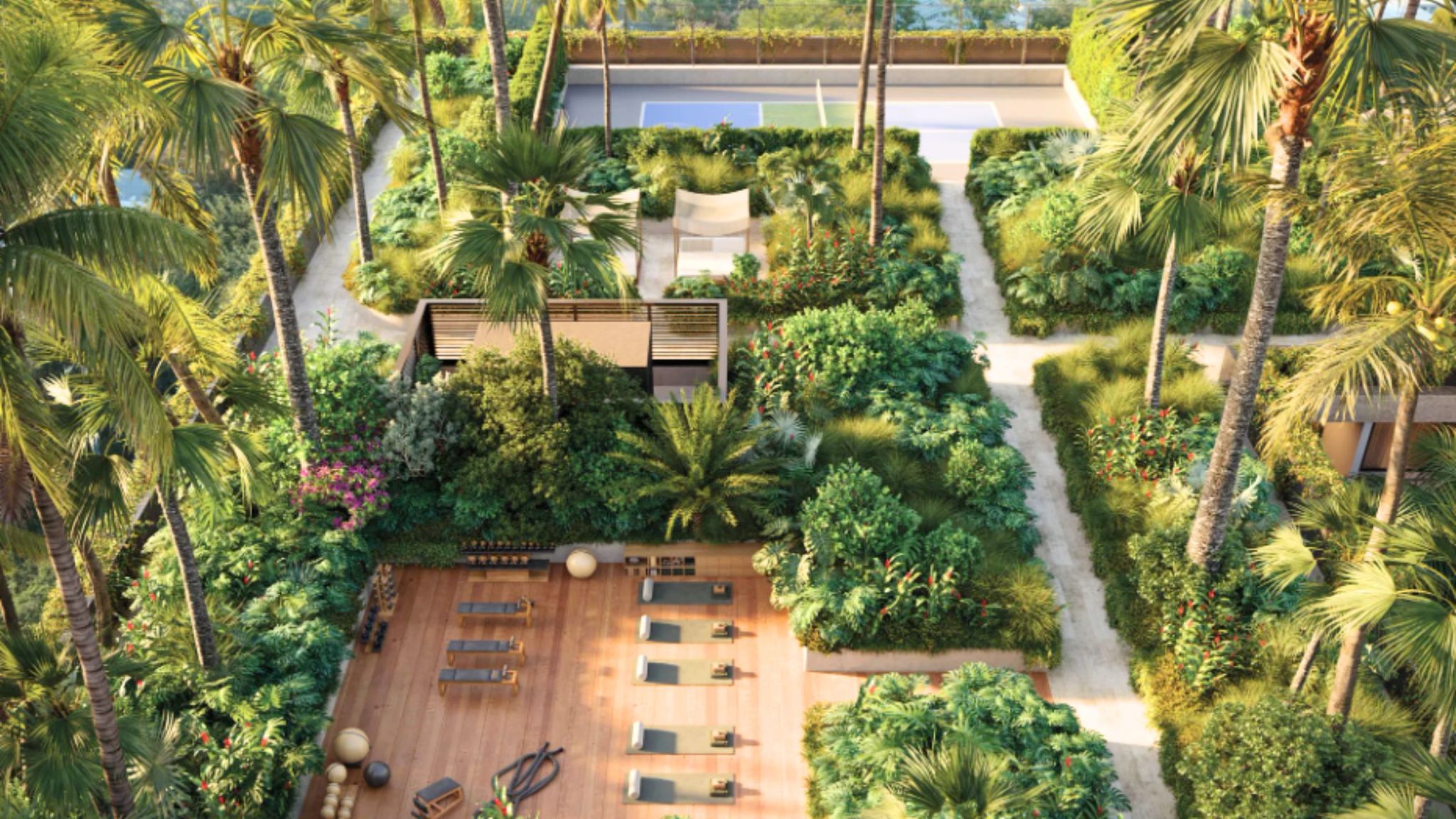
The Future of Green Building in Miami
Sustainability will continue to shape Miami’s real estate market as technology and regulations evolve.
Emerging Trends
- Net-zero energy homes
- AI-driven energy management systems
- Expanded renewable energy adoption
- Stronger building codes focused on resilience
These trends suggest a long-term shift toward sustainability becoming the standard in Miami real estate.
What Buyers Should Look for in Sustainable Miami Properties
When evaluating properties, consider:
- Energy-efficient design and systems
- Solar or renewable energy capability
- Smart home integration
- Water conservation features
- Structural resilience
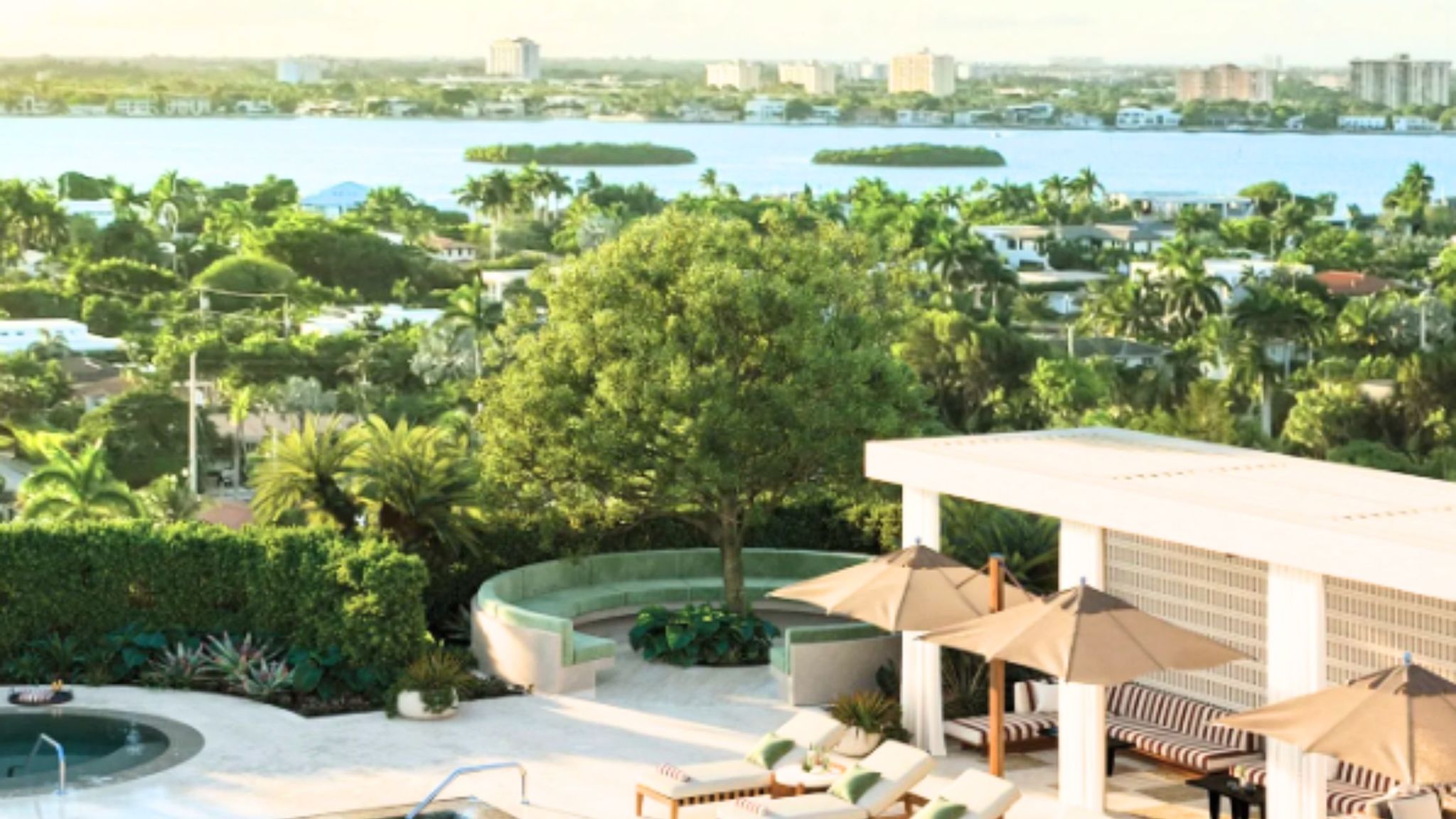
How Green Building Trends Are Shaping Miami’s Future
Green building trends are redefining Miami real estate. Sustainability is becoming a core factor in how properties are built, valued, and experienced.
As Miami continues to evolve, eco-friendly properties offer advantages in efficiency, resilience, and long-term demand. Buyers and investors who understand these trends are better positioned to make informed decisions.
If you are considering buying or relocating to Miami, reach out for personalized guidance and available listings.
FAQ
Are sustainable homes more expensive in Miami?
They may cost more upfront but offer long-term savings.
Do green homes have higher resale value?
Yes, due to growing demand.
What certifications should buyers look for?
LEED and ENERGY STAR.
Is solar energy worth it in Miami?
Yes, due to consistent sunlight.
Are sustainable condos common in Miami?
Yes, especially in newer developments.
Check out this article next