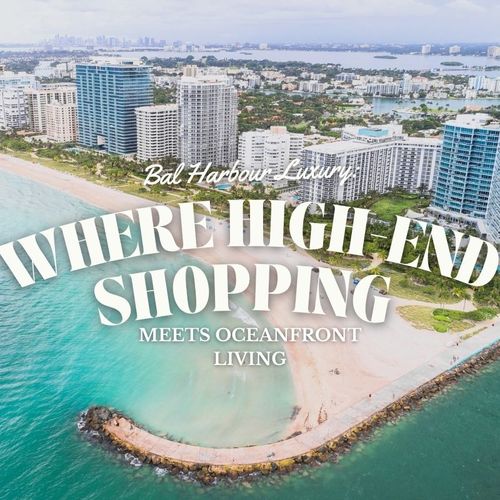

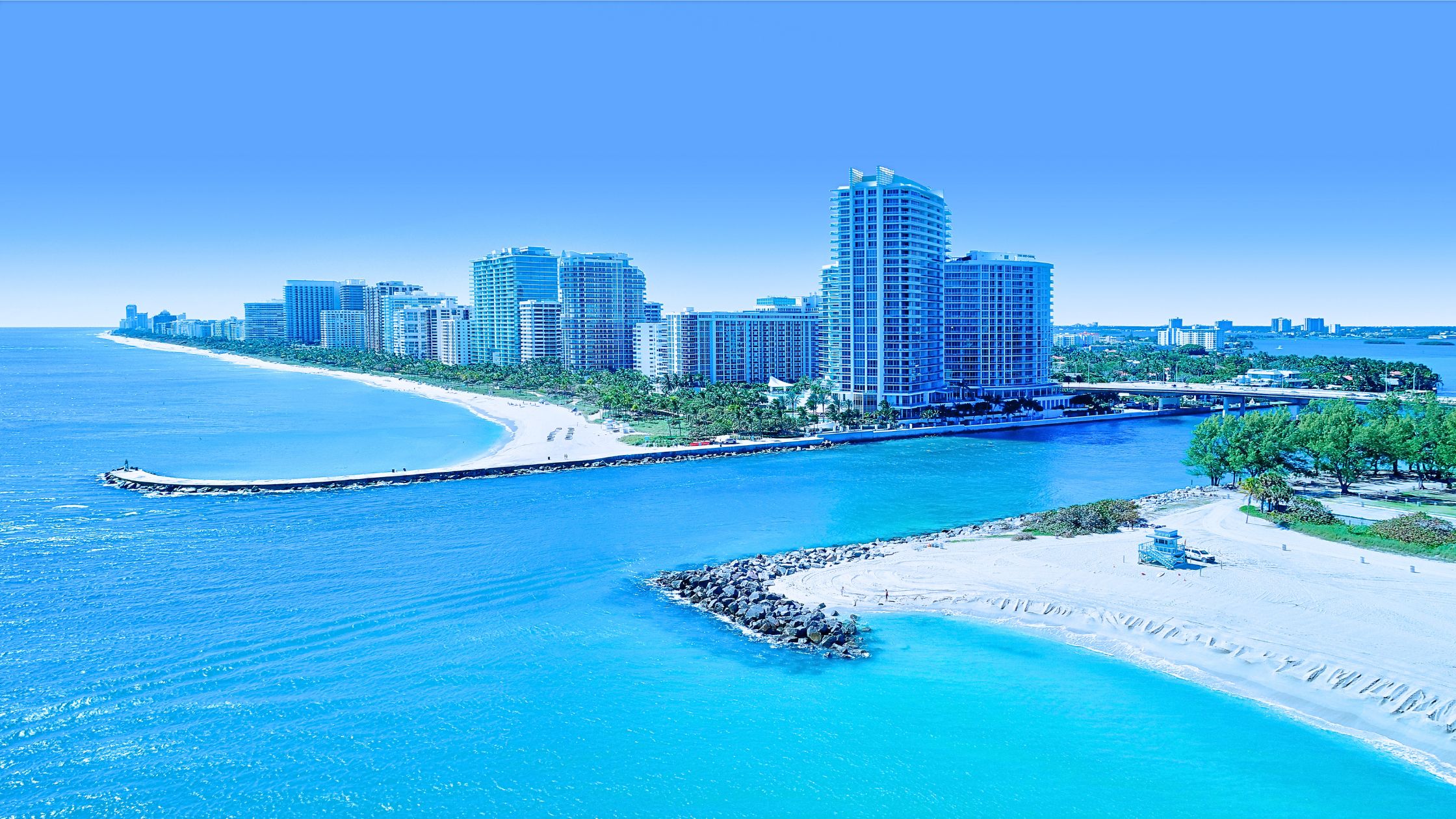
Living in Bal Harbour Miami is the most concentrated luxury proposition I run in the entire South Florida market. Quarter-square-mile village, gated single-family estates on one side, branded oceanfront towers on the other, and Bal Harbour Shops doubling in size in 2026 as the literal anchor of the village. There is no other Miami submarket that compresses that much luxury infrastructure into that small a footprint, and the buyers who do well here go in understanding exactly what they are buying.
I work Bal Harbour constantly for second-home buyers, international clients, relocations out of the Northeast, and a steady stream of trade-up buyers leaving larger primary residences for a lock-and-leave oceanfront condo with full-service amenities. After almost two decades in this market, first as a mortgage loan originator starting in 2006, then as a licensed Miami agent since 2018, Bal Harbour is one of the few neighborhoods where the building-level and pocket-level decisions matter more than the headline neighborhood pick itself. Get the building right and the math compounds. Get the building wrong and the dues, the assessments, and the resale dynamic punish the position for years.
This is the 2026 read on what living in Bal Harbour Miami actually looks like, who it fits, and the questions I run with every Bal Harbour buyer before an offer goes in.
For broader neighborhood context across the Miami metro, where to live in Miami: a neighborhood lifestyle guide is the right wider read to keep alongside this one.
What Actually Defines Bal Harbour
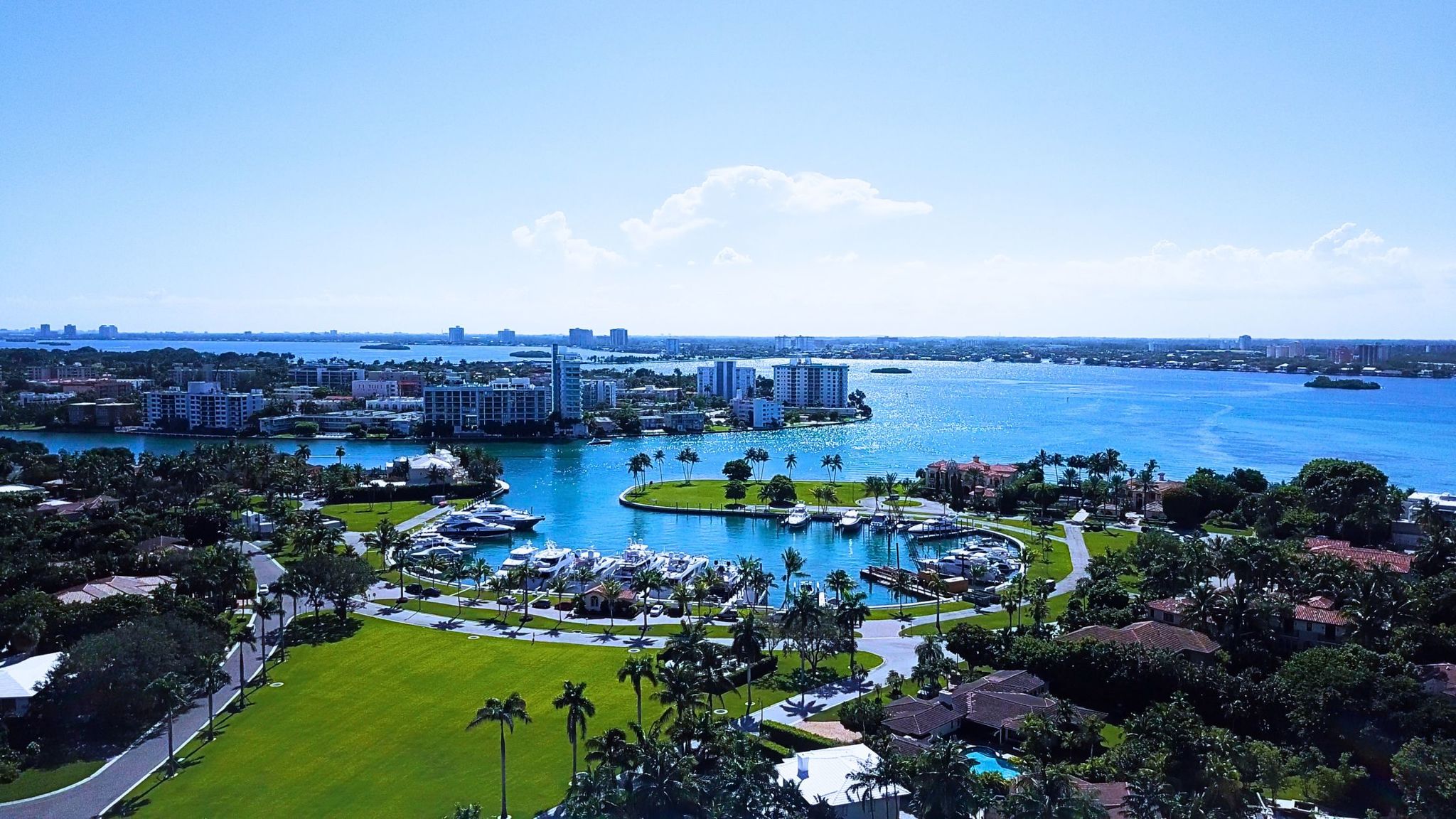
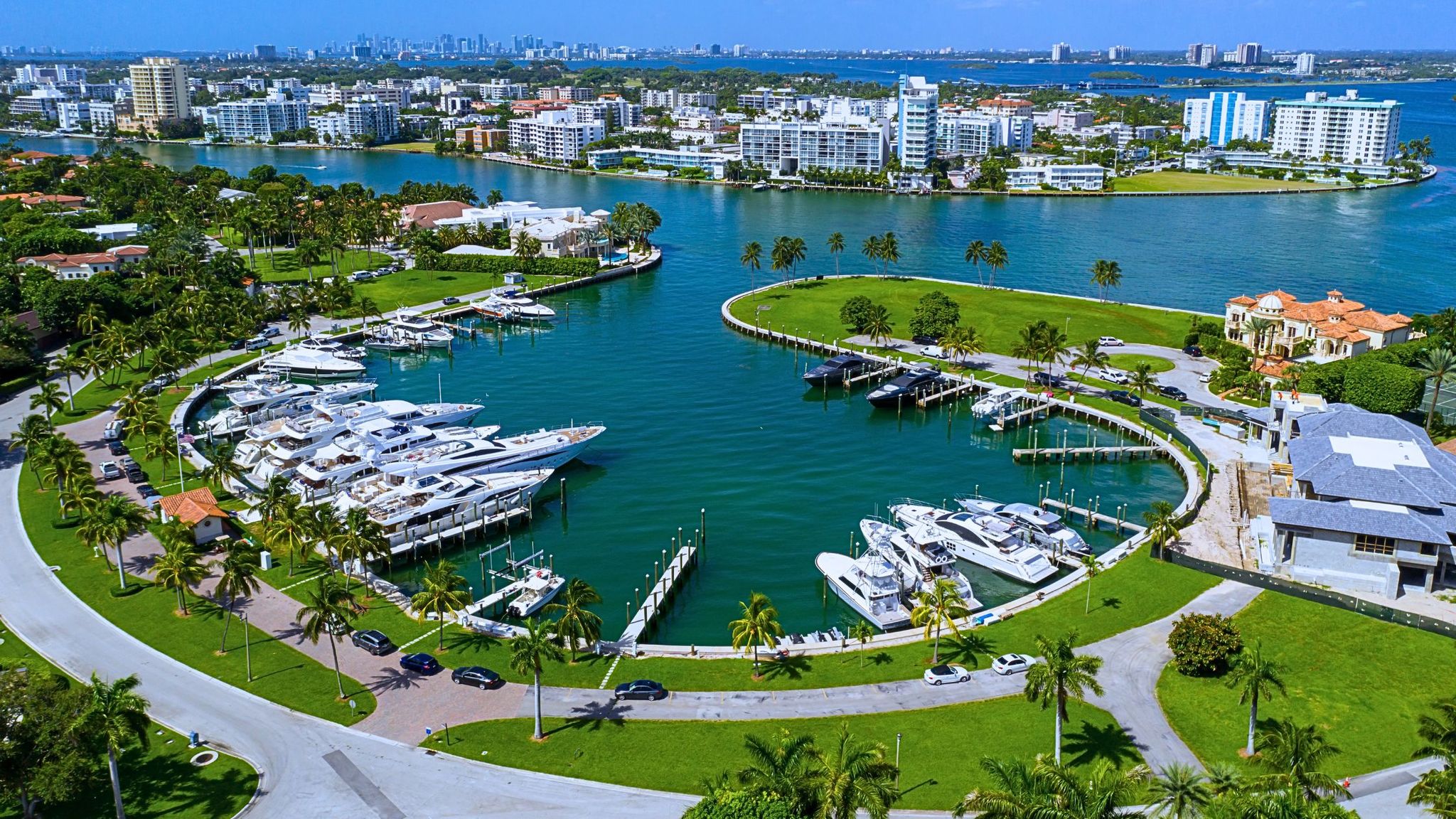
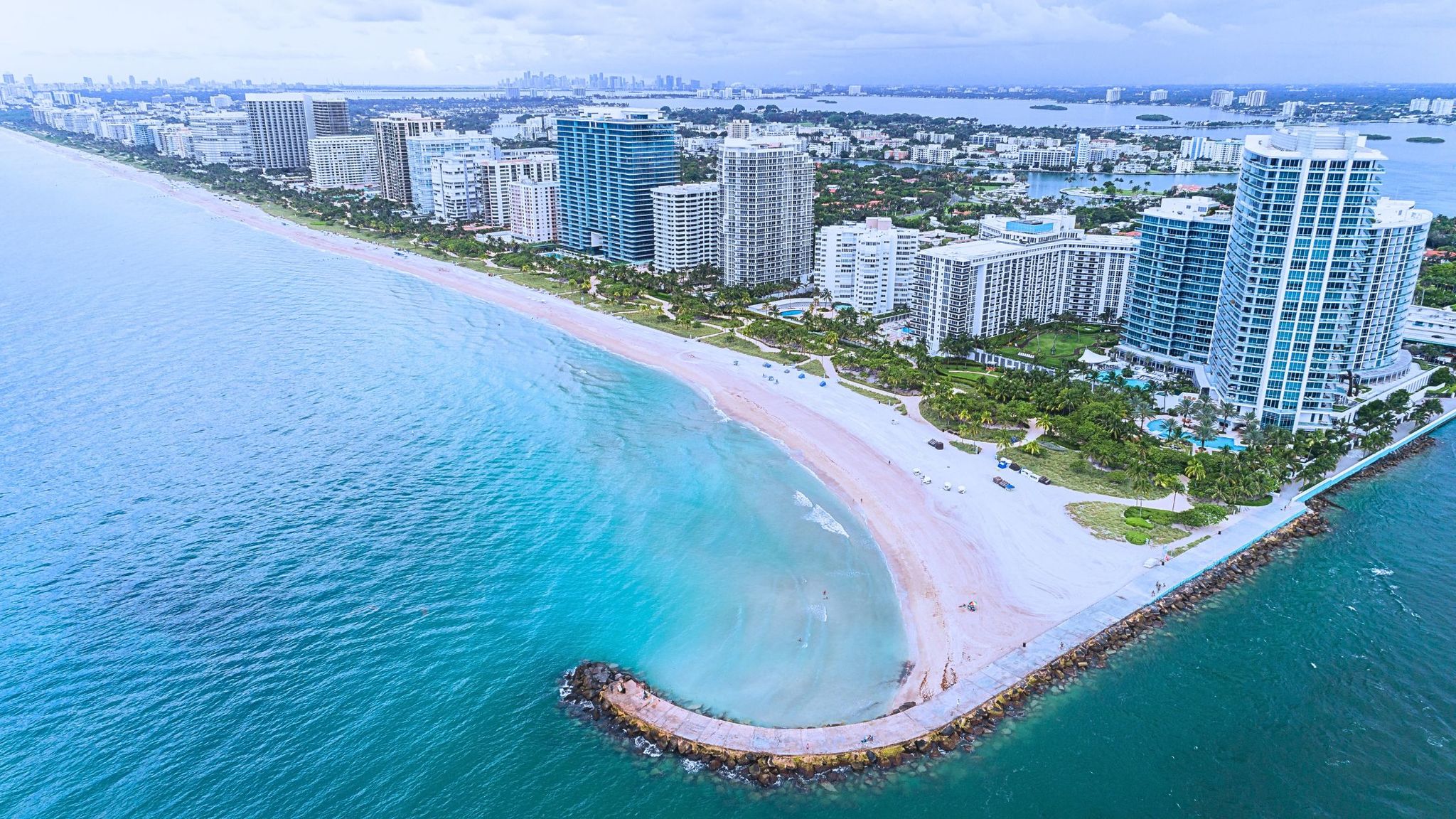
Bal Harbour is its own incorporated village inside Miami-Dade, a roughly quarter-square-mile footprint at the northern tip of the Miami Beach barrier island, immediately south of Haulover Cut and immediately north of Surfside. That municipal status matters. Bal Harbour controls its own zoning, its own police, its own beach access, its own development standards, and its own building-by-building review. The architectural quality, the landscape standards, and the security posture are not accidents. They are the product of decades of municipal stewardship that does not exist next door.
The footprint is small enough to walk, and that is the entire texture of daily life here. Bal Harbour Shops sits at one end, the protected Bal Harbour Beach at the other, branded oceanfront towers line Collins Avenue, and the gated single-family estate section sits inside the village interior on the bay side. Everything connects on foot. The pace is residential, refined, and quiet, by design.
The buyer pool is consistent with the geography. International ownership is heavy, with significant flows from South America, Europe, and increasingly the Northeast US relocation market, alongside a meaningful base of full-time, long-term residents in both the estate section and the lower-turnover floors of the legacy buildings. A real share of the inventory operates as second homes or part-year residences, which is part of why the village feels quieter than a primary-residence neighborhood of the same size would.
For broader 2026 market framing that shapes any luxury Miami decision, my 2026 Miami real estate forecast is the right starting frame before any Bal Harbour search.
The Bal Harbour Real Estate Market in 2026
The Bal Harbour inventory splits cleanly into two markets that move on different drivers, and treating them as one market is one of the most common mistakes I see.
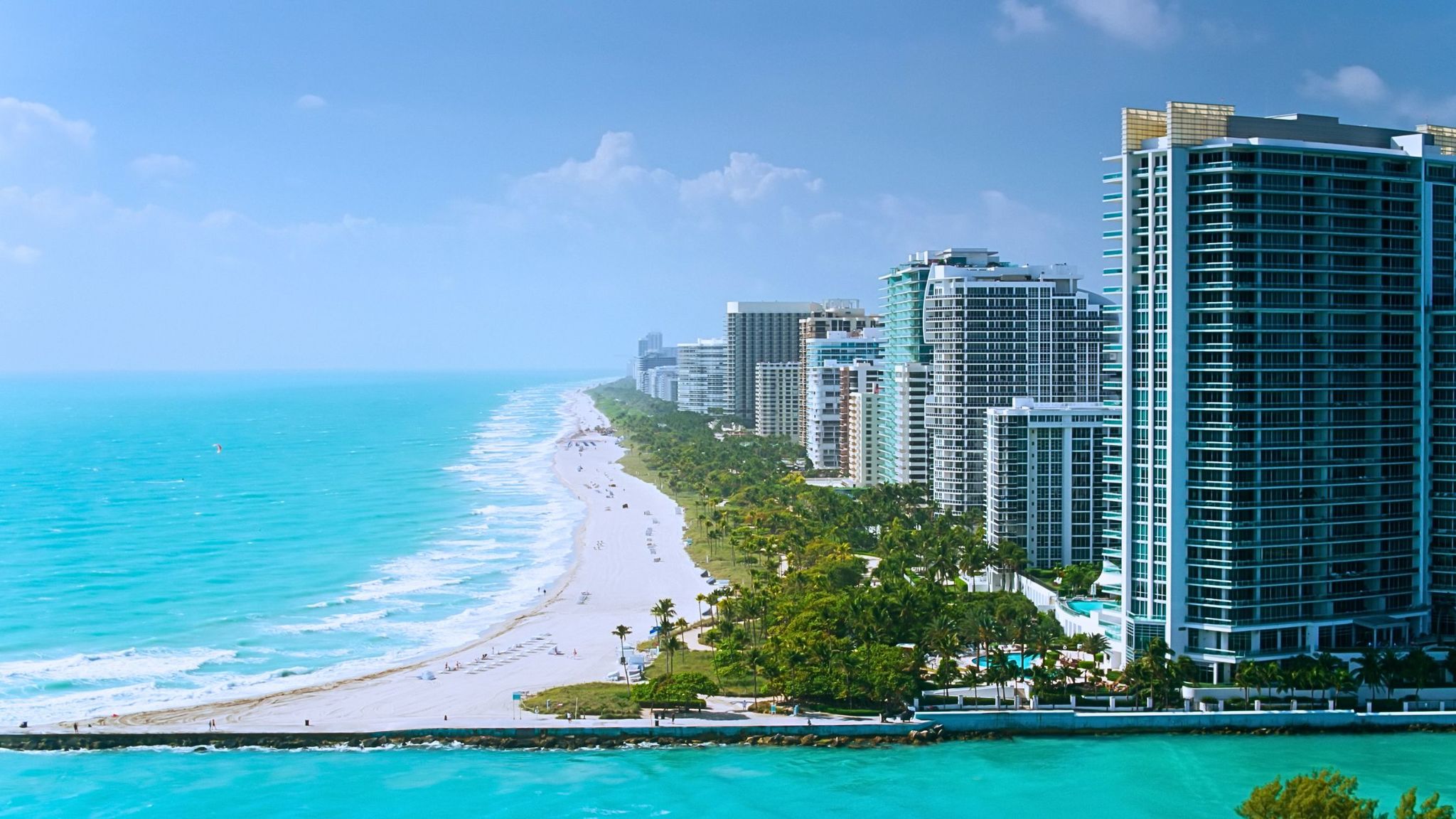
The oceanfront condo market is the larger of the two by transaction volume. Trophy buildings like the St. Regis Residences, Oceana Bal Harbour, Bal Harbour Tower, One Bal Harbour, Bellini, and the brand-new Rivage Bal Harbour anchor the high end, with a legacy of earlier-generation oceanfront towers filling out the rest of the inventory. These are not interchangeable assets. Each building has its own floor plate, amenity philosophy, service model, HOA structure, resident profile, and resale dynamic. The right Bal Harbour condo purchase is at least half a building selection and half a unit selection, and the buyers who skip the building-level diligence pay for it later.
The 2026 read on the condo market is that the trophy and branded-residence segment continues to compress around limited supply and consistent international demand, with the legacy oceanfront product trading on building-by-building specifics, including reserve studies, post-2022 structural inspection status, special-assessment history, and HOA discipline. The post-Surfside regulatory environment has permanently raised the diligence floor on older oceanfront condo product across South Florida, and Bal Harbour is no exception. Buyers who do the underwriting before the offer come out ahead. Buyers who underwrite after the contract end up renegotiating, walking, or absorbing surprises that should have been priced in.
The single-family estate market inside Bal Harbour is a separate conversation. The gated Bal Harbour Estates section is one of the most tightly held single-family pockets in Miami-Dade. Inventory is thin, turnover is low, and the buyer pool is concentrated. Pricing here is pocket-specific and condition-specific in a way that headline averages do not capture, and most of the meaningful comp work is private channels rather than open MLS days-on-market.
What holds both halves of the Bal Harbour market up structurally is supply. The village is fully built. There is no meaningful new land. New construction happens through redevelopment of legacy sites, one tower at a time, with municipal review at every step. That structural supply constraint, combined with a buyer pool anchored by international wealth, branded-residence demand, and long-term holders, is the reason Bal Harbour does not behave like a typical Miami condo submarket through softer cycles.
Bal Harbour Shops, Walkability, and the 2026 Expansion
Bal Harbour Shops is the lifestyle anchor of the village, full stop. Over 100 luxury boutiques in an open-air, tropically landscaped setting, anchored by Saks Fifth Avenue and Neiman Marcus, with Chanel, Gucci, Prada, Cartier, Harry Winston, and a roster of fashion and jewelry flagships that consistently rank the property among the most productive shopping centers in the world. The dining roster is part of the daily rhythm, including Makoto, Carpaccio, Avenue 31, Hillstone, and Le Zoo at the perimeter, and the shops are within walking distance of every Bal Harbour residence.
The 2026 story is the expansion. The shops are adding roughly 200,000 to 250,000 square feet of additional gross leasable area, nearly doubling the footprint to around 700,000 square feet, with new tenants, expanded dining, and a more substantial public realm. For Bal Harbour residents, that expansion is not abstract retail news. It is a direct upgrade to the daily walkable infrastructure of the village. For owners, it is a structural reinforcement of the underlying value proposition. The shops are why most non-resident visitors come to Bal Harbour at all, and a larger, more diversified shops draws more demand to the village around them.
Beach access in Bal Harbour is one of the most protected and well-kept in Miami-Dade. The Bal Harbour Beach Path runs the length of the village and is the default morning routine for residents who want to walk, run, or cycle along the ocean before the day starts. Haulover Park sits immediately north for boat launches, kite surfing, and a different texture of outdoor recreation. The village's compact footprint means most residents organize their day on foot inside Bal Harbour and use a short drive south to Bay Harbor Islands, Surfside, or Miami Beach for the broader restaurant and grocery flow.
For a sense of what an adjacent walkable village looks like, my Bay Harbor Islands neighborhood read is the right companion piece. Bay Harbor sits a single bridge west and feeds Bal Harbour residents constantly for family-scale dining, grocery, and school
Who Bal Harbour Is Best Suited For
The Bal Harbour buyer profile is consistent and well-defined.
Second-home buyers who want a full-service, fully amenitized oceanfront tower they can lock-and-leave for parts of the year. International buyers who want a recognized branded residence with concierge-level building staff. Relocations from the Northeast and overseas who want oceanfront condo product with a quieter, more refined village pace than South Beach or Sunny Isles. Trade-up buyers leaving larger primary residences for a tighter, lower-maintenance oceanfront condo footprint. Long-term holders looking for a supply-constrained luxury asset with structural protections that do not exist next door.
The single-family estate buyer in Bal Harbour Estates is a separate profile entirely, consisting of long-term primary residents, families who want a gated single-family footprint inside one of the most secured villages in the metro, and buyers who specifically want to be inside the Bal Harbour municipal envelope rather than across the bridge.
Where Bal Harbour is generally not the right fit: buyers who want a dense, walkable, multi-restaurant nightlife scene right outside the door. Those buyers usually land in South Beach, Brickell, or parts of Miami Beach. It is also not always the best fit for buyers who want a true neighborhood-school district lifestyle. The Bay Harbor Islands K-8 is the local public option, and the school decision deserves its own conversation. Buyers who prioritize short-drive access to the urban core during peak traffic should also think carefully about the location, since the bridges in and out of the barrier island can be slow at the wrong hour, and the math has to work for the lifestyle.
How Bal Harbour Compares to Sunny Isles, Surfside, and Miami Beach
The neighborhoods Bal Harbour buyers most often compare against are Sunny Isles Beach, Surfside, and Miami Beach proper.
- Sunny Isles Beach sits immediately north across Haulover Cut and shares the oceanfront condo DNA but operates at a different scale. Sunny Isles has a denser skyline, a larger and more concentrated pipeline of trophy branded towers, and a more international, more transient buyer mix. The vibe is bigger, taller, and more skyline-driven. Bal Harbour is smaller, more village-scaled, and more concentrated around the shops as a daily anchor. For a fuller side-by-side on the oceanfront tower playbook north of Haulover, my living in Sunny Isles Beach breakdown is the right companion read.
- Surfside sits immediately south and is its own municipal village with a different character, offering lower-rise, more single-family and townhouse inventory, a tighter year-round community, and a different post-2022 condo recovery story. Surfside buyers tend to want a lower-density, more residential feel. Bal Harbour buyers tend to want the shops, the branded-residence options, and the slightly larger and more amenitized building set.
Miami Beach proper, including South Beach, Mid-Beach, and the Indian Creek corridor, is a different proposition entirely, with denser walkability, a deeper restaurant and nightlife scene, and a broader range of building vintages and price points. Bal Harbour is quieter, more concentrated, more refined, and more village-paced. Most of my Bal Harbour buyers specifically do not want the South Beach energy. That is part of the choice.
Frequently Asked Questions About Living in Bal Harbour Miami
Is Bal Harbour a good place to live in 2026?
For international buyers, second-home buyers, relocation families wanting an oceanfront village pace, and long-term holders looking for a supply-constrained luxury asset, yes. Bal Harbour is one of the most structurally protected luxury enclaves in Miami-Dade, with its own municipal zoning, a fully built footprint, branded oceanfront residence options, and Bal Harbour Shops expanding meaningfully in 2026. It is generally not the right fit for buyers who want a dense walkable nightlife scene right outside the door or short-commute proximity to the urban core during peak traffic.
How much do homes and condos in Bal Harbour Miami cost?
Bal Harbour pricing varies widely by building, floor, view, and unit specifics on the condo side, and by lot, pocket, and condition inside the gated Bal Harbour Estates on the single-family side. Trophy branded oceanfront residences sit at the top of the Miami luxury condo market. Legacy oceanfront product trades on building-by-building specifics including reserve health, structural inspection status, and HOA discipline. The right price read in Bal Harbour is always building-specific and unit-specific, not a city-average headline number, and current comps inside the specific building of interest are the right input before any offer.
What is Bal Harbour Shops and why does it matter for residents?
Bal Harbour Shops is the open-air luxury shopping center at the heart of the village, with over 100 designer boutiques anchored by Saks Fifth Avenue and Neiman Marcus, and a dining roster that operates as the daily-life anchor for many residents. It consistently ranks among the most productive shopping centers in the world. The 2026 expansion adds roughly 200,000 to 250,000 square feet of additional gross leasable area, nearly doubling the footprint. For residents, the shops are the walkable, daily lifestyle infrastructure that defines a meaningful part of why Bal Harbour exists at the price point it does.
Is Bal Harbour walkable?
Inside the village, yes. Bal Harbour is roughly a quarter square mile and the residential, retail, dining, and beach infrastructure all connect on foot. Most residents organize day-to-day errands and dining around walking inside the village and use a short drive to Bay Harbor Islands, Surfside, or Miami Beach for the broader grocery, family-scale dining, and service flow. The Bal Harbour Beach Path runs the length of the village and is a daily routine for residents who want to walk, run, or cycle along the ocean.
How does Bal Harbour compare to Sunny Isles Beach and Surfside?
Sunny Isles Beach sits immediately north and operates at a denser, taller, more skyline-driven scale with a more transient international buyer mix. Bal Harbour is smaller, more village-scaled, more concentrated around Bal Harbour Shops, and quieter. Surfside sits immediately south with a lower-rise, more residential character and a tighter year-round community feel. Bal Harbour generally fits buyers who want oceanfront luxury condo product with a refined village pace and walkable luxury retail at the center of daily life.
Thinking About a Bal Harbour Move in 2026?
If you're weighing a Bal Harbour purchase this year and want a real read on which building matches your use pattern, which lines and floors actually work, and what current comps look like inside your specific target building, that is the conversation I run with Bal Harbour buyers constantly. The Bal Harbour decision is at least half a building decision, and the building diligence, including reserve health, structural inspection status, HOA discipline, special-assessment history, and resale dynamics, has to happen before the offer, not after.
I work the full Miami luxury market from oceanfront condos in Bal Harbour, Sunny Isles, and Surfside to single-family homes in Coral Gables, Pinecrest, and Coconut Grove, and I bring a real estate finance background to the underwriting so the math is run on every position, not assumed.
Reach out and let's run the Bal Harbour conversation before the showings begin. Real building shortlist, real diligence on the financials, real comp work inside the target floors, and a clear path from search to closing on the right Bal Harbour residence for your use pattern. The right Bal Harbour purchase compounds quietly into one of the most protected luxury positions in Miami. The wrong one becomes an HOA story. Let's run it cleanly the first time.
Check out this article next