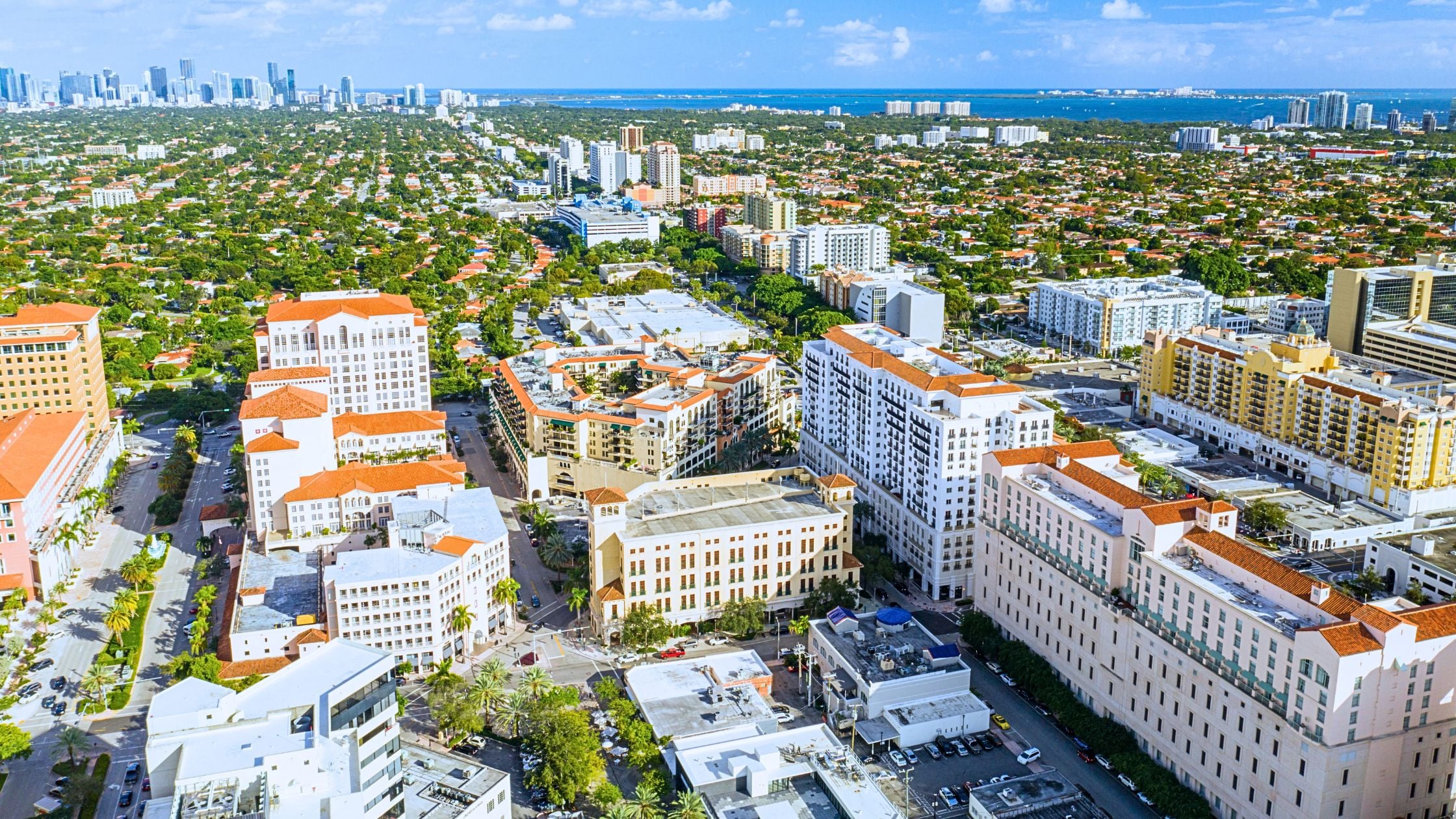
Living in Coral Gables Miami is the version of South Florida I chose for my own family, and after almost two decades working this market first as a mortgage loan originator starting in 2006, then as a licensed Miami agent since 2018 it is still the neighborhood I would pick again today.
Coral Gables is the most architecturally distinct, most consistently zoned, and most quietly powerful submarket in Miami-Dade. It is a planned Mediterranean Revival city built in the 1920s with a tree canopy that doesn't exist anywhere else in South Florida, a walkable village core most Miami neighborhoods can't replicate, and a buyer pool that overwhelmingly skews long-term residents, established professionals, and families with school-aged kids. This is the version of Miami that compounds quietly into a household balance sheet rather than the version that ends up on the postcard.
I work Coral Gables constantly relocations from the Northeast, the Midwest, and California, trade-up buyers leaving Brickell or Edgewater condos, and investors who want a single-family asset they can hold for 20 years rather than flip in 36 months. I live here. I run my mornings here. I know which pockets, which streets, and which school catchments fit which buyer profile. This is the honest 2026 read on what living in Coral Gables Miami is actually like.
For broader neighborhood context across the metro, where to live in Miami: a neighborhood lifestyle guide is the right wider read to keep alongside this one.
What Coral Gables Actually Feels Like
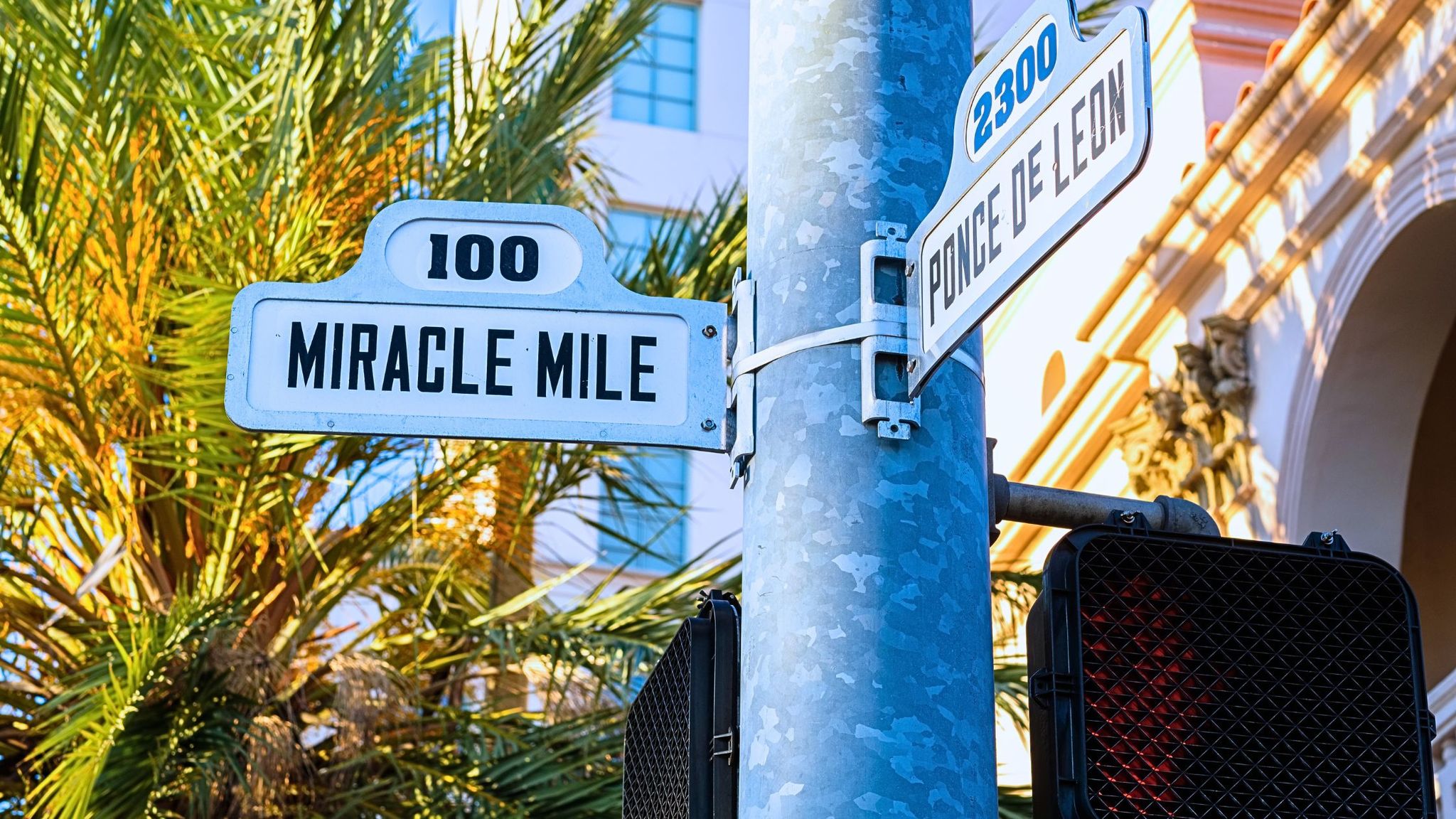
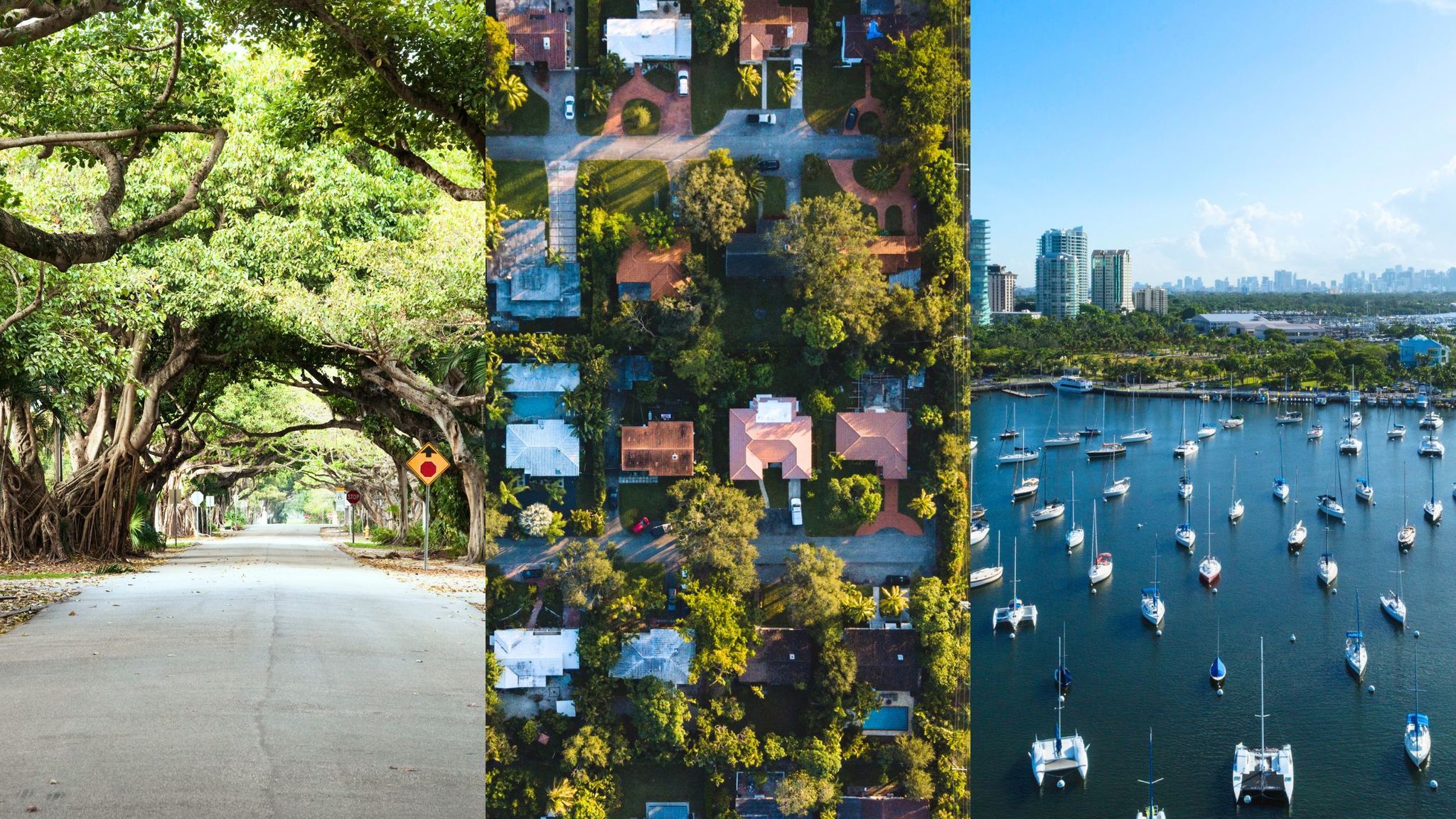
Coral Gables is not a neighborhood, it is a city with its own incorporated municipality of roughly five square miles inside Miami-Dade. That distinction matters because the zoning, code enforcement, signage rules, and architectural review have been protecting the look and feel of this place for almost a century. The street signs are limestone. The street lights are old-Spanish. The mature oak and banyan canopy on streets like Granada, Riviera, and Coral Way is the kind of thing buyers stop and notice the first time they drive through.
The day-to-day rhythm is what most buyers actually move here for. Mornings on tree-canopied streets, a quick walk or short drive to Miracle Mile for a coffee or a meeting, lunch at one of the long-established Gables restaurants, an afternoon at the Biltmore pool or a bike loop through the Granada Golf Course, school pickup on quiet residential streets, and dinner either at home or at a walkable village spot. The pace is residential without being suburban. It is one of the only places in Miami where I genuinely don't need to be in a car for a long stretch of the day if I plan it right.
The lifestyle leans toward family-driven, professional, and long-term residents, with a meaningful presence of academics tied to the University of Miami and executives working out of Brickell or the airport corridor. It is quieter than Brickell and South Beach by design. That is not a flaw of Coral Gables. It is the entire reason most of us moved here in the first place.
The Coral Gables Real Estate Market in 2026
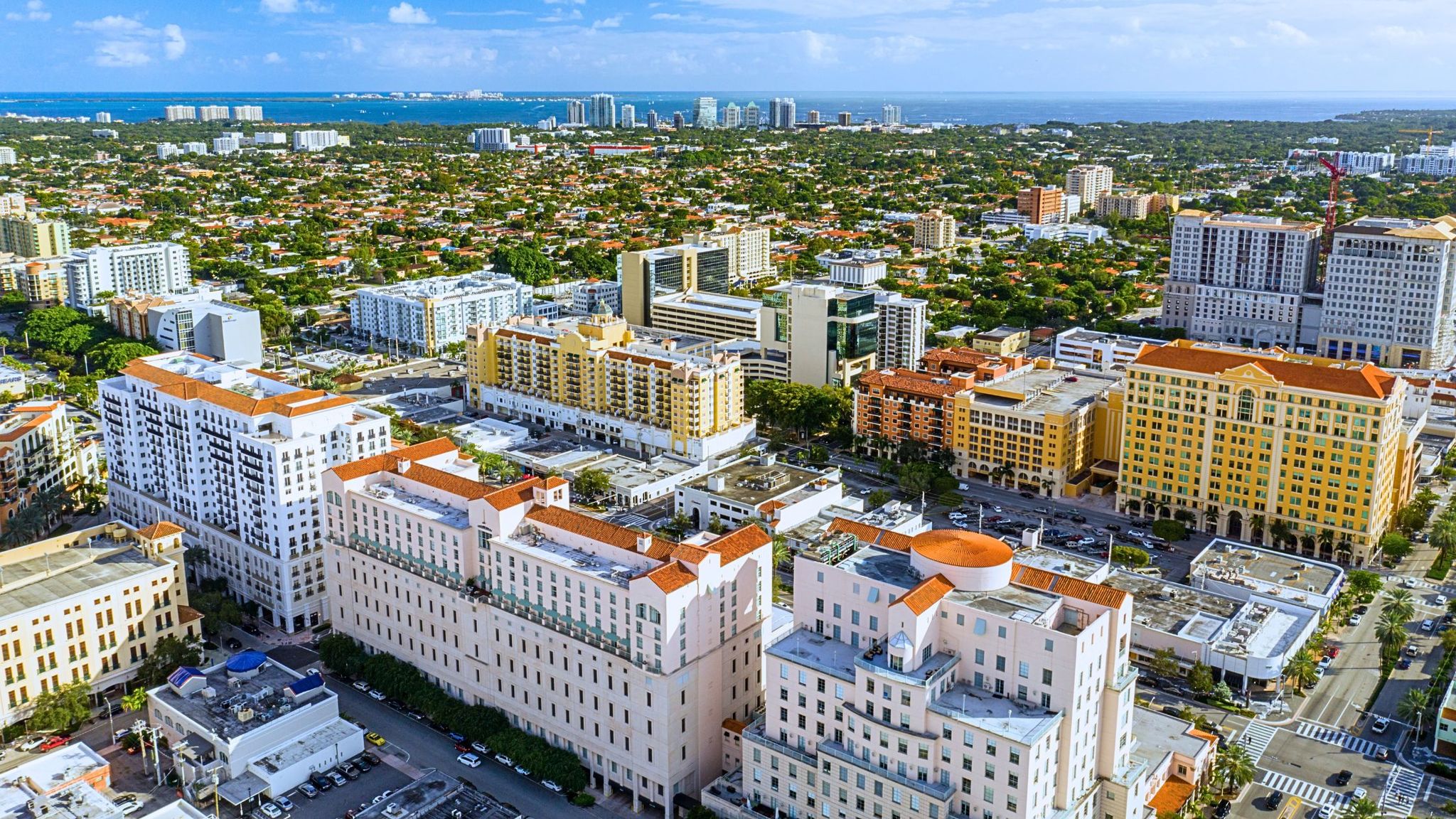
Coral Gables is a hybrid market. The bulk of the inventory is single-family, but the village core and the Ponce de Leon corridor carry a meaningful condo and townhouse footprint. The single-family pricing varies dramatically by pocket, lot size, age, and proximity to the village core, golf courses, or waterfront. The same dollar buys a 1950s ranch in some pockets and a fraction of a renovated estate in others. The comp work has to be pocket-specific, not city-wide.
The 2026 read is that Coral Gables values have flattened from the 2022 peak but the floor is durable. Inventory has loosened modestly compared to 2022 and 2023, which gives buyers more real negotiating room than they have had in years. Sellers who price to current comps and present cleanly are still moving inside reasonable timelines. Sellers anchored to peak-2022 pricing are sitting, and they are sitting for a reason that has nothing to do with the desirability of the address.
What holds the Gables market up structurally is the depth and durability of the buyer pool. Long-term family residents, relocations out of high-tax states, trade-up buyers from Brickell and Edgewater condos, and a steady stream of academic and professional households tied to the University of Miami and the broader Miami economy. That demand floor doesn't disappear in a softer cycle. It changes pace, but it doesn't go away. That is the structural difference between Coral Gables and submarkets that lean heavily on speculative or short-term-rental-driven demand.
For the broader market context that shapes any 2026 South Florida purchase, my 2026 Miami real estate forecast is the right starting frame.
The condo and townhouse footprint in and near the village core is its own conversation. Smaller buildings, low-rise and mid-rise, with a different buyer pool of young professionals working in Brickell, downsizing residents who want to stay in the Gables, and investors who like the walkability premium. The pricing dynamics there track more closely to Brickell condo trends than to single-family Gables trends, which catches some buyers by surprise.
Schools, Walkability, and Day-to-Day Living
Coral Gables sits inside a strong public school catchment with several highly rated elementary, middle, and high schools, and is one of the deepest private school markets in South Florida. Families pay specific premiums to land in specific catchments, particularly elementary, and that demand is one of the structural reasons single-family values hold up the way they do.
Walkability is where Coral Gables genuinely separates from most of Miami. Miracle Mile, Giralda Plaza, and the surrounding village core deliver a walkable restaurant, shopping, and coffee culture that is rare in the metro. The Granada and Riviera corridors, Ponce, and parts of Coral Way connect into the village walkably from many residential pockets. Outside of that core, the rest of the city is more residentially scaled and most errands still require a car, which is consistent with single-family living across Miami broadly.
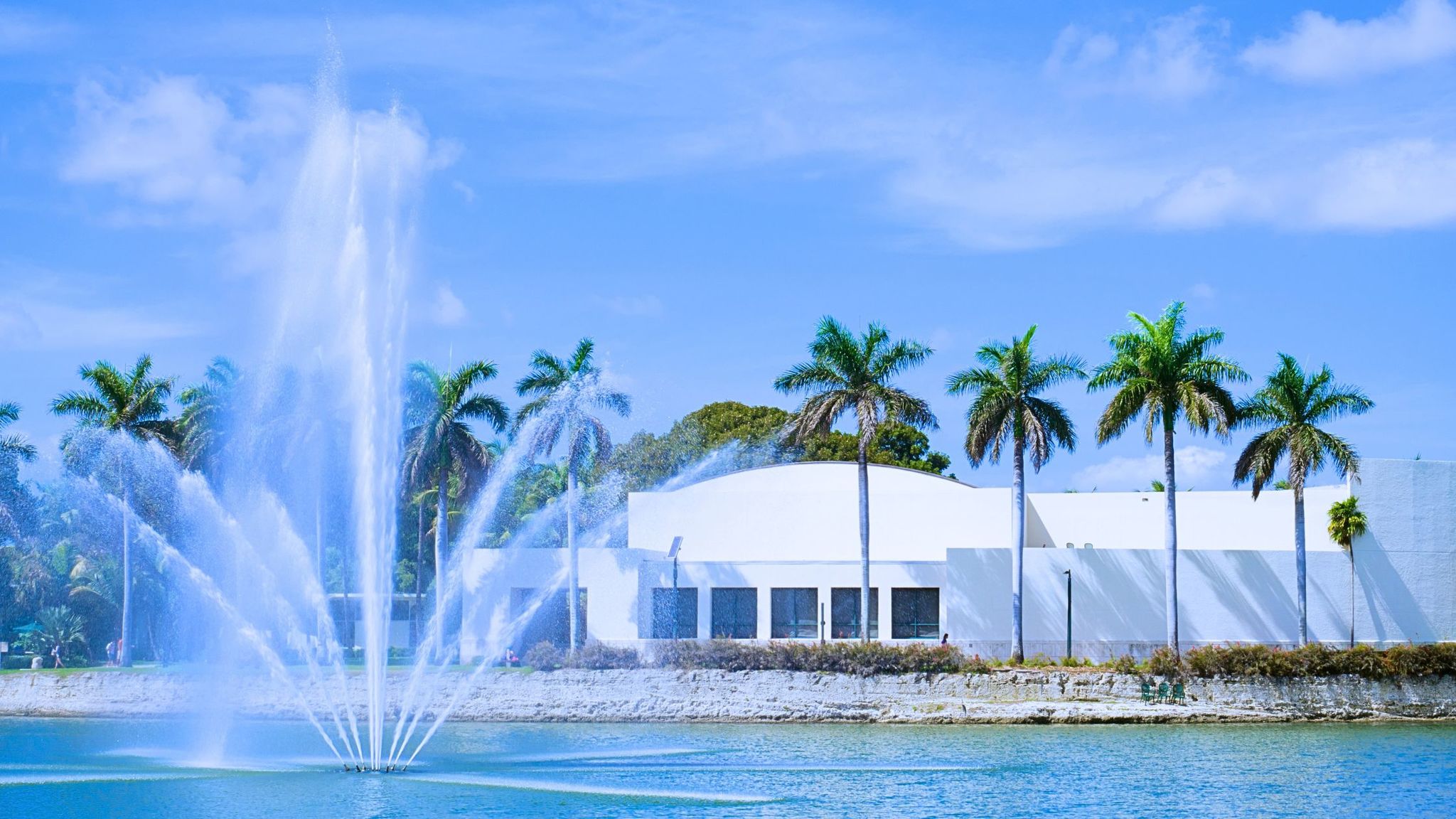
A note on the lifestyle for buyers who prioritize health and routine which is a big chunk of my client base and also how I personally live: the running, cycling, and gym infrastructure here is real. The Granada Golf Course loop, the canopy streets, the bike-friendly corridors, and the gym density along US-1 make a 5am training routine genuinely sustainable. That is part of why I land so many active-professional relocations in the Gables and not somewhere else.
Who Coral Gables Is Best Suited For
The Coral Gables buyer profile is consistent and well-defined. Families with school-aged or about-to-be-school-aged children. Professionals and executives who want a residential lifestyle within reasonable commute range of Brickell, the airport, and downtown. Relocations from high-tax states looking for a long-term primary residence rather than a part-time second home. Trade-up buyers leaving Brickell or Edgewater condos who want a single-family asset and a more residential pace. Long-term investors who value architectural durability and zoning protection.
Where Coral Gables is generally not the right fit: buyers who prioritize a high-rise condo skyline lifestyle, buyers who want to live within walking distance of the beach, and buyers who want short-commute proximity to the beach corridor during peak traffic. The drive from most Gables pockets to the beach is typically 25 to 40 minutes, and the drive to Brickell is closer to 15 to 25 depending on time of day. That math works for most family-focused buyers. It does not work for buyers whose lifestyle is built around walking to the ocean.
How Coral Gables Compares to Pinecrest, Coconut Grove, and Brickell
The neighborhoods Coral Gables buyers most often compare against are Pinecrest, Coconut Grove, and Brickell.
- Pinecrest is the closest single-family alternative to bigger lots, quieter streets, top-rated public schools, and a strictly residential village feel without Miracle Mile's walkability. Buyers who want big-lot residential living with a private feel often land in Pinecrest. Buyers who want a walkable village core attached to single-family living often pick Coral Gables. For a fuller side-by-side, my living in Pinecrest Miami breakdown is the right companion piece.
- Coconut Grove sits just east of Coral Gables with a different texture, sailing culture, banyan trees, walkable village character, bayfront proximity, more bohemian energy, generally smaller lots, and tighter inventory. Buyers who want the laid-back outdoor lifestyle near the bay often pick the Grove. Buyers who want architectural consistency, broader village walkability, and a more established residential rhythm often pick the Gables.
- Brickell is a different category entirely. High-rise condo living, urban density, walkable nightlife, and a very different buyer pool. Many of my Coral Gables single-family buyers came out of Brickell condos after their first or second child, which is one of the most common trade-up arcs I run in the Miami market.
Frequently Asked Questions About Living in Coral Gables Miami
Is Coral Gables a good place to live in 2026? For families, professionals, and long-term residents who want architectural consistency, a walkable village core, top-rated school options, and a single-family residential pace inside the Miami metro, yes. Coral Gables is consistently one of the most durable residential markets in South Florida, with strong demand from family-focused buyers, deep architectural and zoning protections, and a buyer pool that prioritizes long-term lifestyle over short-term speculation. It is generally not the right fit for buyers who want a high-rise skyline lifestyle or short-commute proximity to the beach.
How much do homes in Coral Gables Miami cost? Coral Gables home prices vary widely by pocket, lot size, age, condition, and proximity to the village core, golf courses, or waterfront. Older homes on smaller lots in non-core pockets can come in well below the city average. Renovated estates near the Biltmore, the Riviera section, or the waterfront pockets sit well above. Condos and townhouses in and near Miracle Mile track a different pricing curve than single-family. The right read on price is pocket-specific and condition-specific, so current comps inside your specific target area are the right input, not headline averages.
What are the schools like in Coral Gables? Coral Gables sits inside a strong public school catchment with several highly rated elementary, middle, and high schools, and is one of the deepest private school markets in South Florida. School quality is one of the primary drivers of the family-buyer pool here and one of the structural reasons single-family values hold up. Catchment verification should always be current to the year of purchase, since boundaries can shift.
Is Coral Gables walkable? The village core around Miracle Mile, Giralda Plaza, and the surrounding blocks is genuinely walkable for restaurants, shopping, and coffee culture — a rarity in Miami. Many residential pockets along Granada, Riviera, Ponce, and parts of Coral Way connect into that core walkably. Outside of those corridors, Coral Gables is more residentially scaled and most errands still require a car, which is consistent with single-family living across Miami broadly.
How far is Coral Gables from Brickell, the airport, and the beach? Drive times from most Coral Gables pockets typically run 15 to 25 minutes to Brickell depending on time of day, 10 to 20 minutes to Miami International Airport, and 25 to 40 minutes to the beach corridor. That math works for the family-focused, professional buyer pool the Gables is built for. It does not work for buyers whose lifestyle is built around walking to the ocean.
Thinking About Buying a Home in Coral Gables in 2026?
If you're weighing a Coral Gables move this year and want a real read on which pocket fits your lifestyle, which school catchment to anchor your search around, and what current comps actually look like inside your target streets, that's the conversation I run with Gables buyers constantly and the conversation I have lived myself, on my own street, for years now. I work the full Miami market from single-family in Coral Gables, Pinecrest, and Coconut Grove to luxury condos in Brickell, Edgewater, Sunny Isles, and the beachfront corridor, and I bring a real estate finance background to the underwriting so we are running the numbers on every property, not buying on first impression.
Reach out and let's walk the Gables together. Real shortlist of the right pockets, real school catchment mapping, real comp work inside your target streets, and a clear path from search to closing on the right Coral Gables home for your family. The right Gables purchase compounds into both lifestyle and long-term value. The wrong one costs years before you realize it. Let's run the conversation first.
Check out this article next