Miami new construction in 2026 is the deepest, broadest, and most architecturally serious development cycle I've worked through since I got my real estate license in 2018, and the spread between a well-underwritten new construction buy and a casually purchased one is wider this year than it has been in any cycle in my career.
Coming from a real estate finance background that started in 2006 as a mortgage loan originator, I underwrite a new construction contract differently than I underwrite a resale. The deposit structure, the delivery window, the developer's track record, the building amenities, the unit floor and line, and the financing math all stack, and the buyer who treats new construction like a resale tour almost always picks the wrong unit in the right building or, worse, the wrong building entirely.
This is the 2026 read on Miami new construction the way I actually run it with my buyers: what's different about this cycle, where the new product is concentrated, how to underwrite a pre-construction contract before signing, and the diligence checklist that runs before any deposit gets wired.
For broader 2026 market framing that shapes any Miami purchase, my 2026 Miami real estate forecast is the right starting frame before any new construction search.
Why Miami New Construction in 2026 Is a Different Market Than 2021
The Miami new construction story has shifted meaningfully since the 2021 to 2022 cycle, and the framing buyers walk in with, often recycled from podcasts and TikTok content two years out of date, is almost always wrong for this market.
Three things have moved. First, the buyer pool has tightened. The pure rental-arbitrage investor who would put down a deposit on any pre-construction unit assuming yield assumptions that no longer pencil has been priced out by rates, short-term rental regulation, and HOA discipline. The buyer signing pre-construction contracts in 2026 is the buyer who actually plans to use the property, whether as a primary residence, second home, long-term hold, or multi-generational family position. That buyer profile is more disciplined and more focused on building-level quality.
Second, developer discipline has tightened. The Florida post-2021 condo reform cycle has reset what reserve studies, structural inspections, and HOA budgets look like on new builds. Developers who deliver buildings without long-tail capital plans are not getting buyer absorption the way they did in 2018. The developers who are still selling well in 2026 are the ones with serious track records and capitalized reserve structures from day one.
Third, the product is materially better. Branded residences, hospitality-tier amenity programs, and architecturally serious new construction are now the entry point for the luxury segment, not the high end of it. What was a trophy amenity in 2018 is a baseline expectation in 2026. The buyer evaluating Miami new construction this year is choosing between developments that all hit a higher floor than the cycle before.
The 2026 new construction market is more disciplined, more durable, and more demanding of buyer diligence than the cycle that came before it. That's a good thing for the buyer who runs the math. It's a worse market for the buyer who doesn't.
Where the New Construction Pipeline Is Concentrated in Miami in 2026
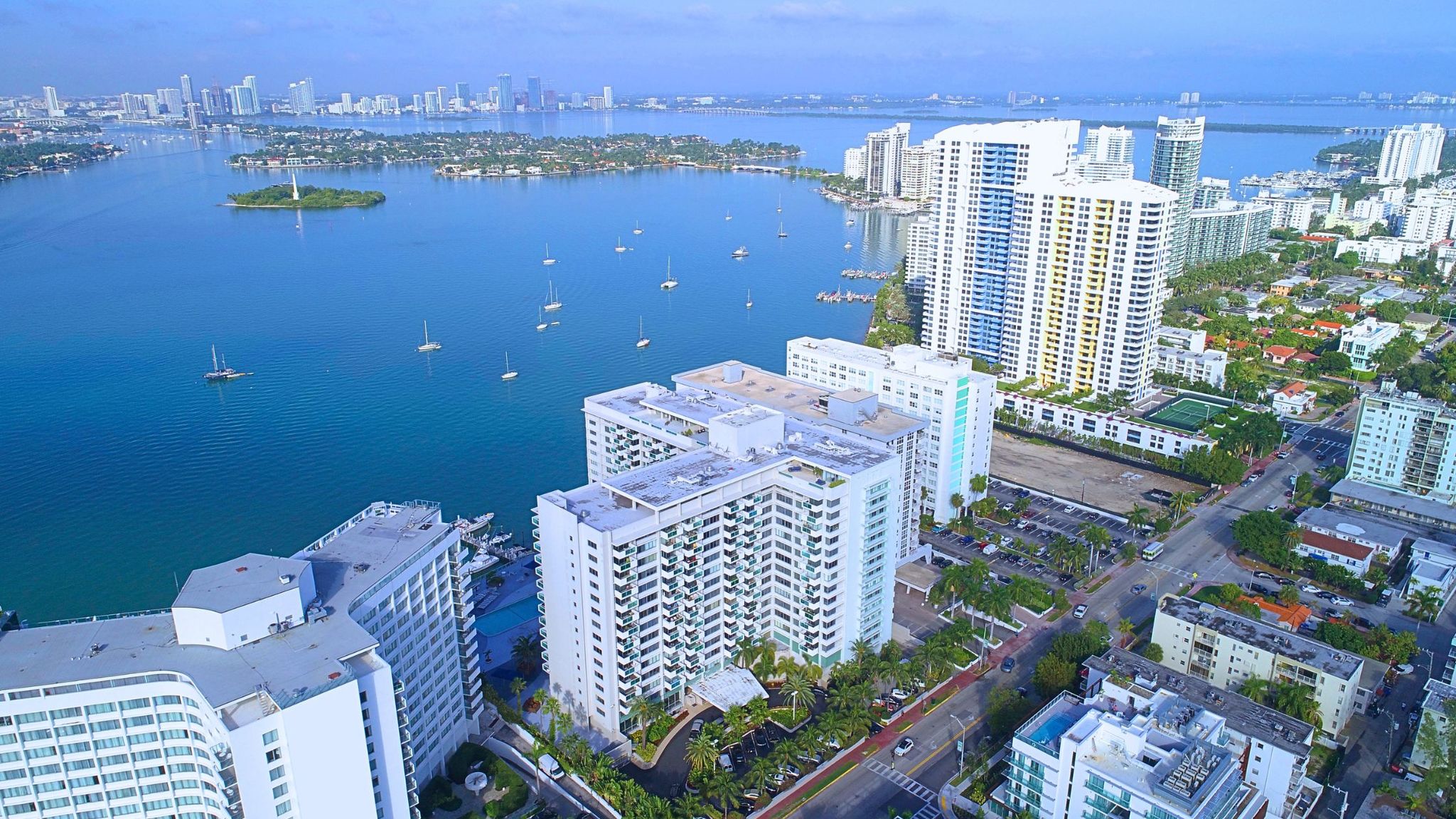
The Miami new construction pipeline in 2026 is not evenly distributed across the metro. Five neighborhoods are doing meaningful new construction lifts in this cycle, and each one rewards a different kind of buyer.
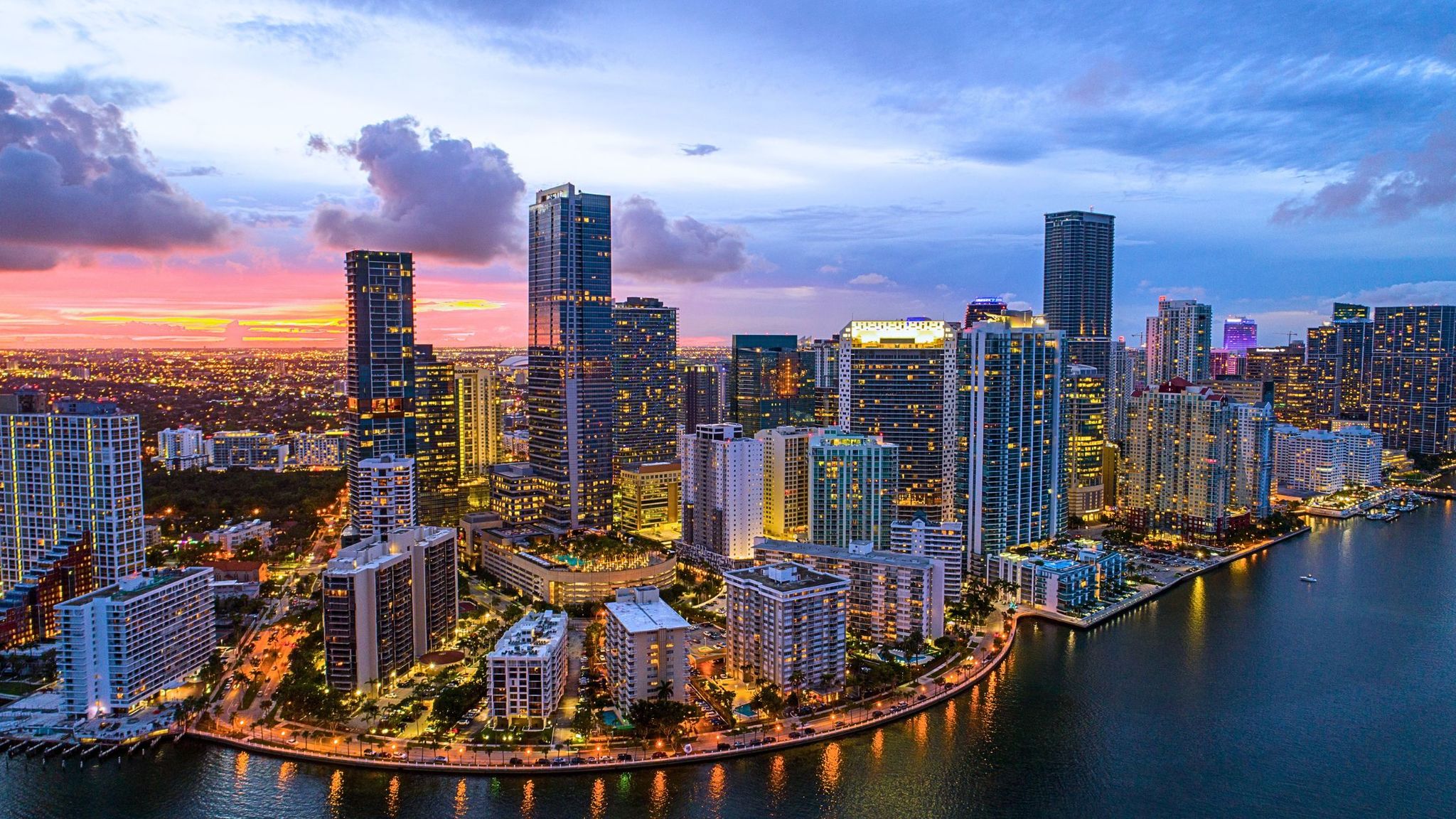
- Brickell - The urban-core engine of the Miami new construction cycle. Branded residences, supertall mixed-use towers, and high-rise condo inventory genuinely target the lock-and-leave second-home and primary-residence buyer who wants walkable density. Brickell's new construction pricing per square foot has reset upward across the cycle, and the building-level diversity is real. Branded hotel-residence buildings, pure condo inventory, and family-office-quiet floors all sit within a few blocks of each other. For the lifestyle backdrop on Brickell day to day, my Brickell lifestyle guide is the right read.
- Edgewater -The bayfront condo corridor north of Downtown that has been quietly building one of the strongest new construction stories in the metro. Edgewater is delivering pre-construction products with bayfront orientation, walkability to Wynwood and Midtown, and pricing entry points that are still meaningfully below Brickell's per-square-foot on comparable luxury floors. The Edgewater real estate market report 2026 is the right context piece, and the active pre-construction inventory is mapped in my preconstruction condos in Edgewater post.
- Downtown Miami -The supertall mixed-use story has rewritten the Downtown skyline this cycle. New construction in Downtown in 2026 is increasingly branded-residence and mixed-use inventory rather than pure condo inventory, and the buyer evaluating Downtown new construction needs to underwrite the mixed-use overlay, including retail, hotel, and office components, against the condo carry. The Downtown Miami new landmarks post walks through the active supertall inventory.
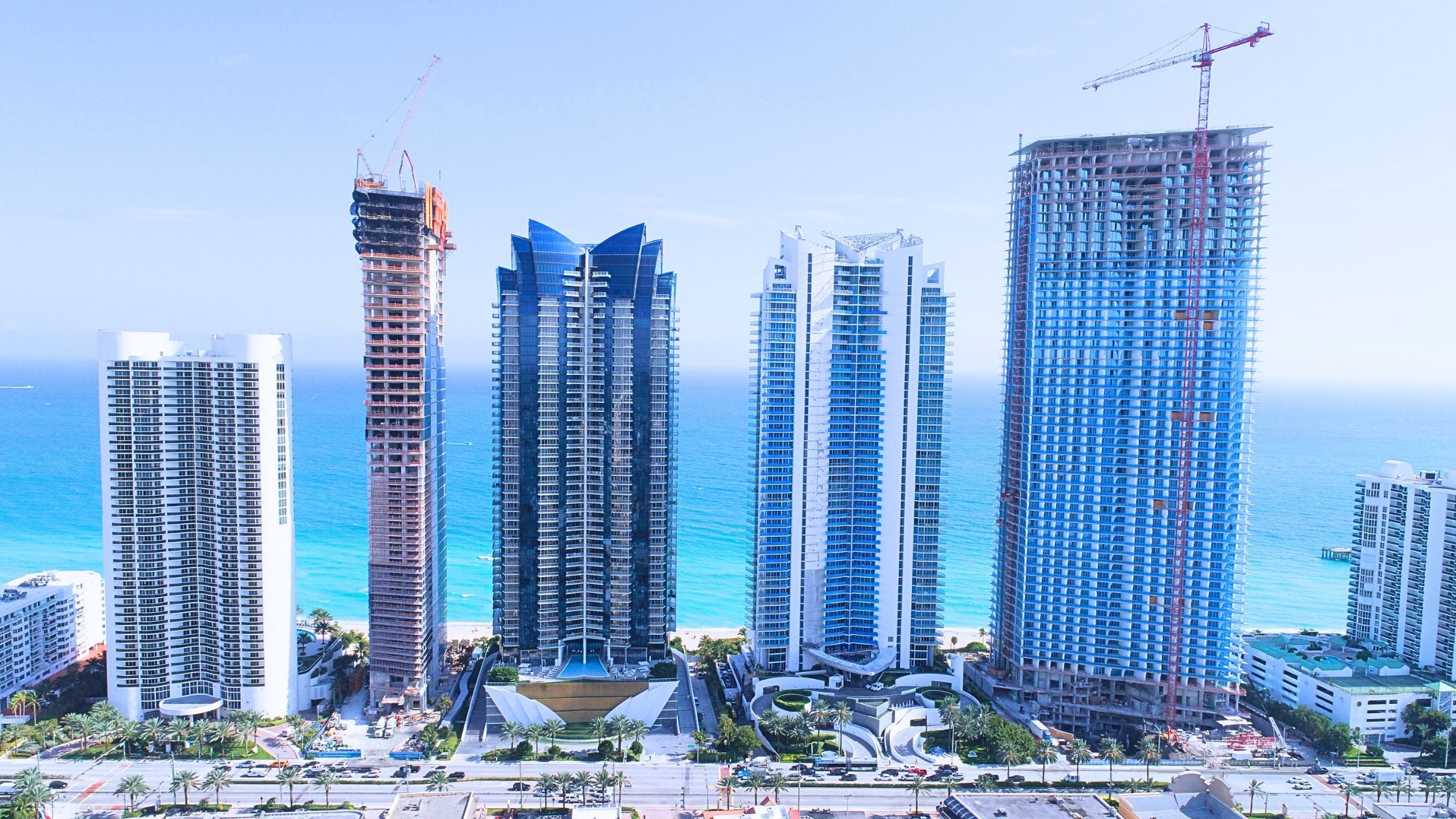
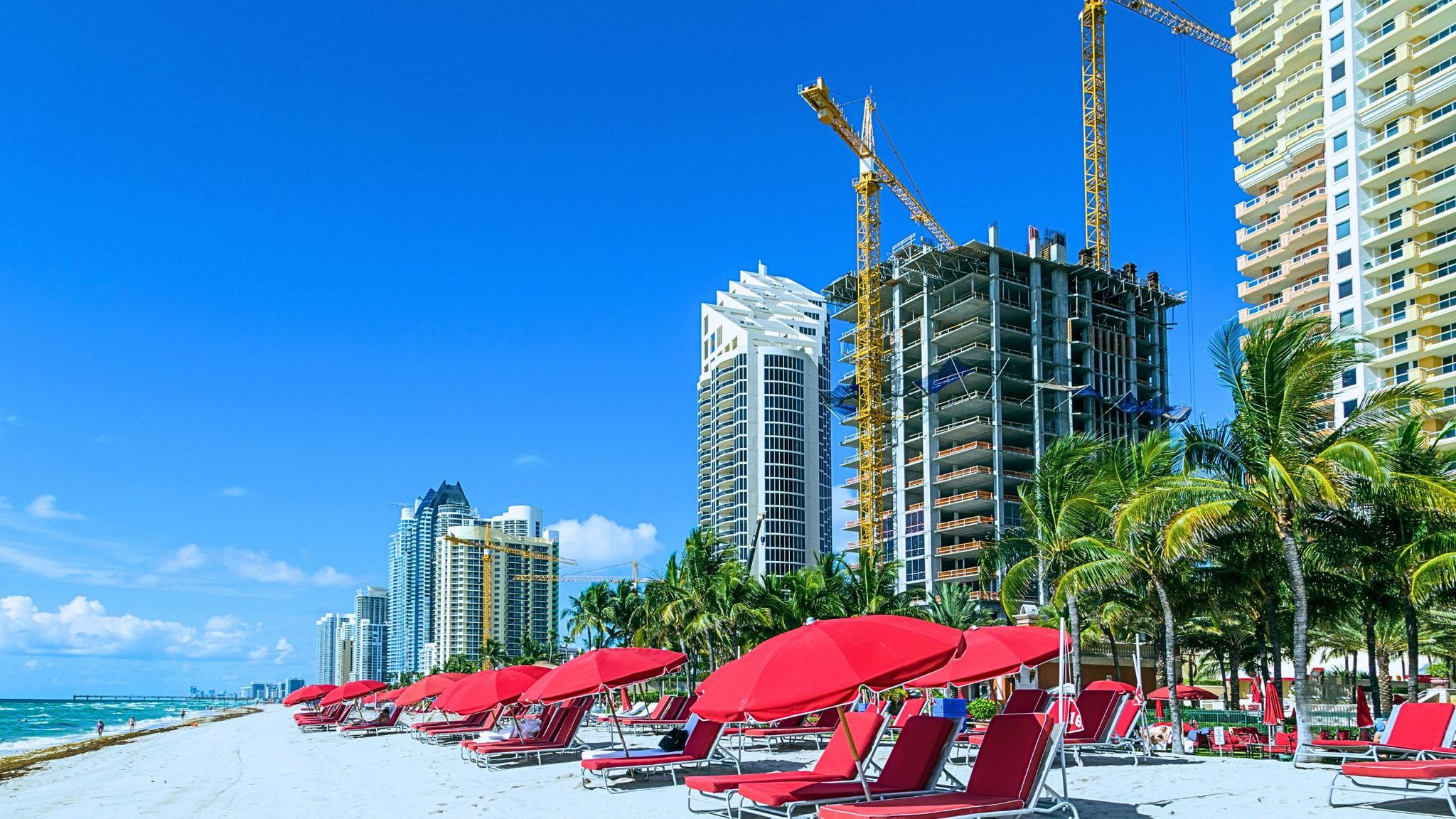
- Sunny Isles Beach - The barrier-island luxury tower line has continued delivering branded oceanfront inventory through this cycle. New construction in Sunny Isles in 2026 is the buy for the oceanfront-first buyer who wants building-level services, architecturally serious towers, and a beach-village pace that does not exist in Brickell or Downtown. The new construction here is concentrated in branded residences and trophy towers: narrower in count, deeper in price.
- Coconut Grove - Smaller-scale new construction with a residential, low-rise character. The new inventory in the Grove tends to be boutique condo buildings and single-family infill rather than supertalls, and the buyer profile is meaningfully different: primary residence, family-oriented, and design-driven. The Grove is the quiet new construction story most national buyers underestimate.
The pattern is consistent across all five: the neighborhood is chosen against the use pattern and the buyer profile, not against a per-square-foot heat map. The buyer who shops Miami new construction by price first almost always ends up in the wrong building for how they actually plan to live.
The Pre-Construction Contract Structure Every Buyer Should Understand
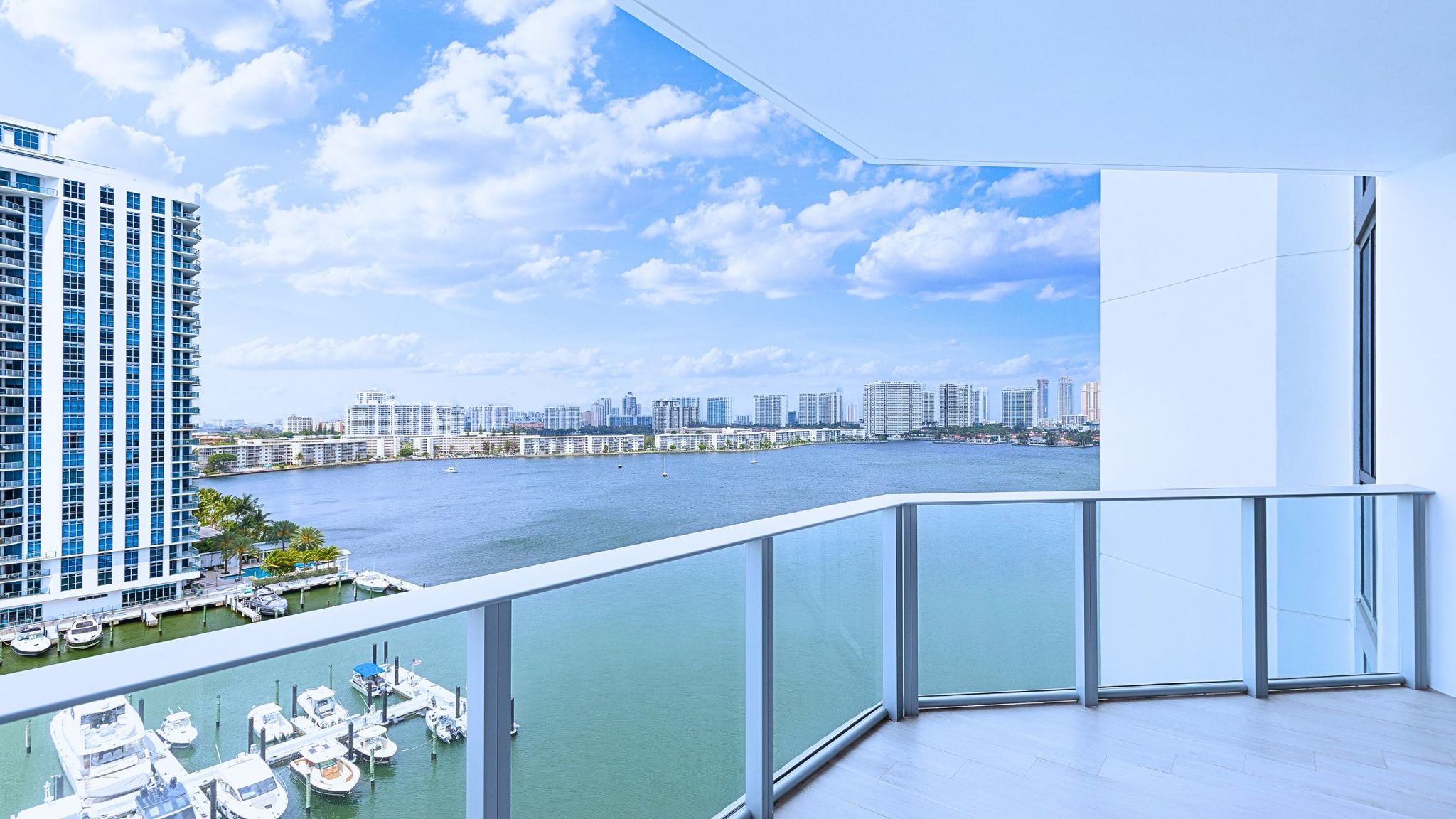
This is the section most buyers skip and the one I will not let my buyers skip. Pre-construction contracts in Miami are structured differently from resale, and the deposit schedule, the delivery window, and the developer's contractual outs are where the real risk lives.
- Deposit schedule. Most Miami pre-construction contracts run on a staged deposit schedule, typically 10 percent at contract, 10 percent at groundbreaking, 10 percent at top-off, and 10 percent at closing. International buyers and certain buildings may see schedules closer to 50 percent or higher before closing. The right deposit structure depends on the building, the developer, and the buyer's liquidity position, but the buyer needs to model the full deposit timeline against their cash flow, not just the contract deposit.
- Delivery window. Pre-construction in Miami in 2026 typically delivers two to four years from contract. That window matters for two reasons. First, the financing environment at delivery is unknowable at contract. Rates, lender appetite, and insurance markets all move. Second, the buyer's use case at delivery may not match the use case at contract. Underwrite a pre-construction buy for the delivery-year picture, not the contract-year picture.
- Developer outs. Every pre-construction contract has developer-side flexibility, including delivery date changes, specification substitutions, and material modification rights. The well-structured contract has narrow developer outs and a clear buyer remedy. The poorly structured contract has wide developer flexibility and a buyer who has little recourse. Read the contract with a real estate attorney before signing.
- Construction draws risk. The deposit money is typically held in escrow under Florida statute, but the protections vary, and the buyer's claim against the deposit in the rare case of developer default is governed by the contract language and the escrow structure. The diligent buyer confirms the escrow structure before the contract, not after.
For the full process walkthrough, including deposit timelines, escrow rules, and buyer-side risks, my Miami pre-construction condo process guide is the right deep-dive companion to this post.
The Diligence Checklist Before Any New Construction Contract
Before any new construction contract I run with a Miami buyer, I work a fixed checklist. It does not change.
The developer's track record is verified: delivered buildings, on-time delivery rates, and post-delivery HOA stability. The deposit schedule and full cash-flow timeline are modeled against the buyer's liquidity, not assumed. The contract is reviewed by a real estate attorney, not skimmed. The HOA budget projection, the reserve structure, and the post-delivery operating cost forecast are stress-tested. The amenity program is verified against the buyer's actual use case, not the renderings. The unit floor, line, and view exposure are confirmed against the construction documents, not the marketing materials.
The mortgage strategy for delivery is mapped in advance, including the rate-environment sensitivity over the two-to-four-year delivery window. The insurance binding picture is modeled against the building's coastal exposure and the post-2021 carrier environment. And the resale liquidity case is run through comparable resale velocity in similar buildings, not just the developer's marketing absorption pace.
Buyers who clear that checklist before contract are the ones landing well in the 2026 new construction market. Buyers who skip steps are the ones either overpaying at contract or absorbing surprises at delivery.
Frequently Asked Questions About Miami New Construction in 2026
Is buying new construction in Miami a good investment in 2026?
It depends on the building, the deposit structure, the delivery window, and the buyer's use pattern. New construction in Miami in 2026 has a stronger structural case than the 2021 to 2022 cycle because the buyer pool is more disciplined, developer reserves and post-2021 condo reform are tightening building quality, and the product itself is meaningfully better. That said, a generic "new construction in Miami" thesis is the wrong framing. The right framing is building-by-building and unit-by-unit, with the deposit schedule, the delivery window, the developer track record, and the resale liquidity all underwritten before contract. A well-chosen new construction position in Brickell, Edgewater, Downtown, Sunny Isles, or Coconut Grove can be a durable buy. A casually chosen one in the same neighborhoods can be a carry-cost story.
How much do I need to put down on Miami pre-construction in 2026?
Most Miami pre-construction contracts run on a staged deposit schedule of roughly 10 percent at contract, with additional 10 percent installments tied to construction milestones, typically groundbreaking, top-off, and closing. This often adds up to a 30 to 40 percent total deposit before closing.
International buyers and certain trophy buildings may see deposit schedules closer to 50 percent or higher before closing. The exact schedule is contract-specific and varies by developer. Buyers should model the full deposit timeline against their cash flow, not the contract deposit alone, and confirm the escrow structure for each installment before signing.
What's the difference between branded residences and standard new condo construction?
Branded residences are new condo buildings developed in partnership with a hospitality, fashion, or lifestyle brand that provides operating services, design standards, and brand-level amenity programming. The buyer is purchasing a condo unit and a service-level expectation that the brand stands behind. Standard new construction in Miami delivers a condo unit, a building, and an HOA-managed amenity program without an external brand partner. Branded residences typically command a meaningful price premium per square foot, and the value question is whether the buyer's use case actually consumes the brand-level services that justify the premium. For a part-time buyer who values turnkey hospitality, the math often works. For a primary-residence family buyer who runs their own household, the premium may not pencil.
How long does Miami new construction take to deliver after I sign?
Most Miami pre-construction contracts in 2026 deliver two to four years from contract. The exact delivery window depends on the building's construction stage at the time of contract. Buyers signing at sales launch typically wait the longest, while buyers signing closer to top-off see a shorter wait.
The delivery window matters because the financing environment, the buyer's life situation, and the building's HOA structure can all shift across two to four years. Pre-construction has to be underwritten for the delivery-year picture, not the contract-year picture.
Which Miami neighborhoods have the strongest new construction pipeline right now?
Brickell, Edgewater, Downtown Miami, Sunny Isles Beach, and Coconut Grove are the five neighborhoods doing meaningful new construction in 2026. Brickell leads on urban-core branded residences and supertall mixed-use. Edgewater leads on bayfront condo inventory with a more residential feel. Downtown Miami leads on supertall mixed-use towers with hospitality overlays. Sunny Isles Beach leads on barrier-island branded oceanfront inventory. Coconut Grove leads on boutique low-rise and single-family infill with a residential character.
The right neighborhood depends on the buyer's use pattern, lifestyle priority, and price sensitivity, not on a single ranking.
Thinking About Miami New Construction in 2026?
If you're weighing a Miami new construction purchase this year and want a real read on the deposit structure, the delivery-window math, the developer track record, the building-level quality, and the financing strategy before you sign, that's the conversation I run with new construction buyers every week.
The Miami new construction decision in 2026 is at least as much a contract, financing, and diligence decision as it is a real estate decision, and the underwriting has to happen before the deposit gets wired.
Reach out and let's run the new construction conversation before the showings begin. A real shortlist by use pattern, real underwriting on the deposit schedule and delivery-year math, a real read on the developer track record, and a clear path from contract to closing on the right Miami new construction unit for how you actually plan to live. The right new construction buys Miami compounds into one of the most durable real estate positions a household can own. The wrong one becomes a delivery-day problem. Let's run it cleanly the first time.
Check out this article next