

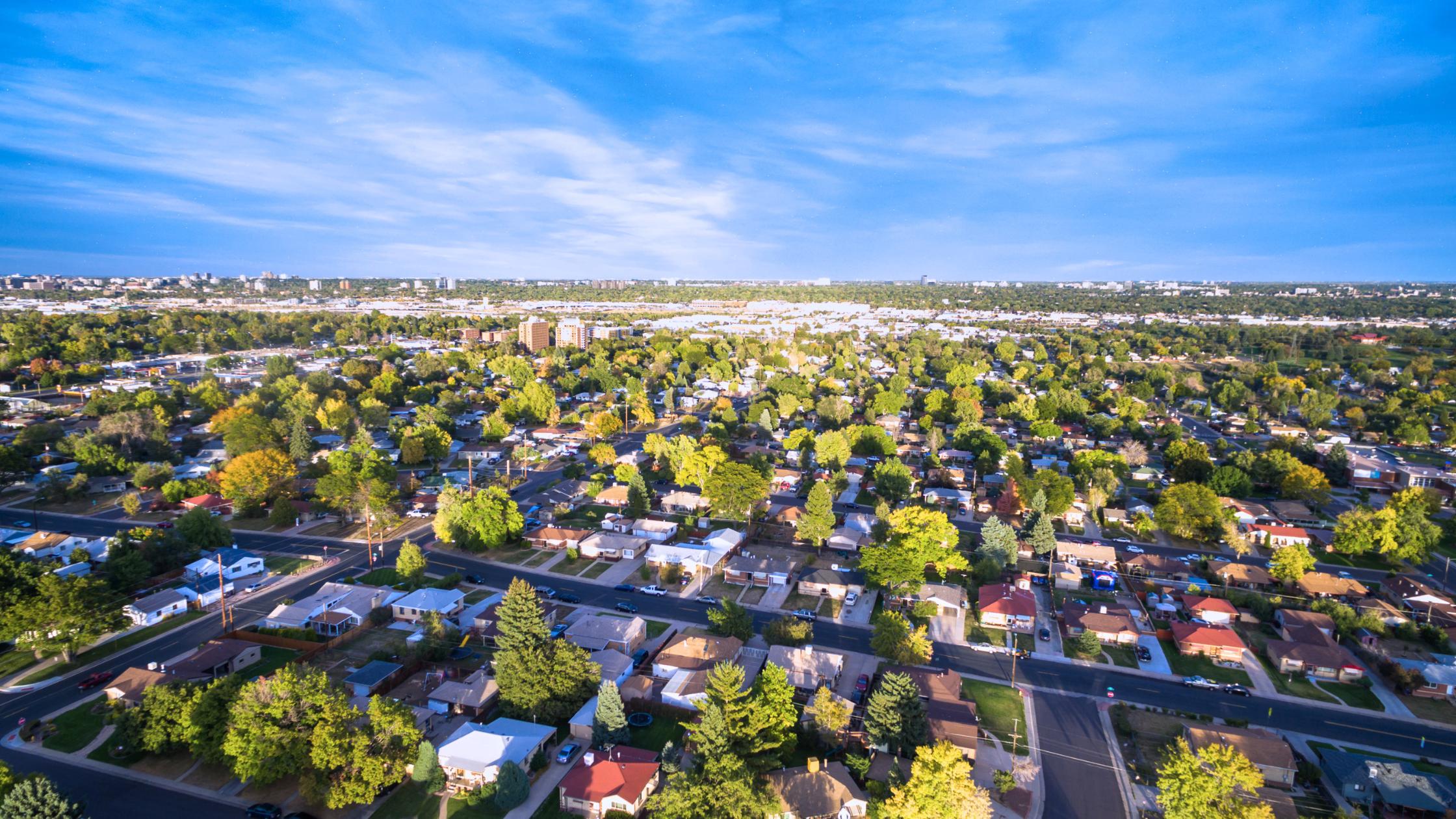
Glenvar Heights does not show up in Miami real estate magazines. It shows up on the maps of every relocating family I work with who decided Coral Gables priced them out and Pinecrest was too far. Selling a home in Glenvar Heights in 2026 means selling to a specific buyer with specific math, and the listing strategy that closes a Coral Gables home does not work here. The pocket has its own rules.
This is one of the most underrated submarkets in Miami-Dade, and that is good news and bad news for sellers. Good news: buyer demand is real and durable, especially from school-driven families. Bad news: most agents who take a Glenvar Heights listing run the same playbook they use in Coral Gables and quietly underperform the comps by a meaningful margin. The submarket rewards sellers who treat it as its own neighborhood, not as a Coral Gables overflow.
What Glenvar Heights Actually Sells in 2026
The headline numbers first.
The most recent reads I trust on this submarket put the single-family median at roughly $1.70 million in Q1 2026, with price per square foot near $771, up about 9.2% year over year. The trailing 12-month single-family median sits closer to $1.65 million. When you blend in condos and townhomes, the all-home median runs in the $650,000 range and was up about 19% year over year as of mid-2026. Those figures move month to month; I refresh them every time I take a listing here.
What those numbers do not capture is the dispersion. Glenvar Heights has lots that average over half an acre, and lot value drives a meaningful chunk of the sale price. A 3,000 square foot home on a quarter-acre lot and a 3,000 square foot home on a 0.7-acre lot are not the same listing, even at the same $/sf. Pricing this submarket without a lot-line read leaves money on the table or scares off buyers, depending on which side of the average your home sits.

The Buyer You're Really Listing To
The buyer who closes on a Glenvar Heights home is not "a Miami buyer." The profile is consistent enough to write down.
In a typical week I see:
- Families with school-aged children, prioritizing public-school zoning (Kenwood K-8, South Miami Senior High, Miami Palmetto Senior High depending on address)
- Buyers who already toured Coral Gables and decided the entry price was a stretch they did not want to make
- Buyers who already toured Pinecrest and decided the commute, the lot size, or the deal flow was not what they were after
- Out-of-state professionals working in Brickell, Coral Gables, or the Health District corridor, with a 20 to 30 minute drive tolerance
- Buyers who actively want a yard, a real driveway, and a quiet residential block rather than condo amenities
That buyer is not the buyer who shops in Brickell. They are not the buyers who shop in Miami Beach. The marketing that wins those neighborhoods will not win Glenvar Heights. The right approach is to speak directly to the school-zoning, lot-size, and quiet-residential story that brought them here in the first place.
The Unincorporated Miami-Dade Factor
This is where my background in real estate finance matters more than my license. I came up as a mortgage loan originator starting in 2006, and that lens still shapes how I think about the carry math behind every Miami sale.
Glenvar Heights sits in unincorporated Miami-Dade County, not inside an incorporated municipality like Coral Gables, South Miami, or Pinecrest. That distinction matters in three concrete ways for a seller:
- Property tax structure. Unincorporated areas are taxed by Miami-Dade County and not by a separate municipal layer, which means the millage rate sits below incorporated neighboring cities. For a buyer running monthly carry, the property tax line on a Glenvar Heights home is meaningfully different than the property tax line on a comparable Coral Gables home, and a smart listing surfaces this in the marketing rather than burying it.
- Zoning and permitting. Unincorporated Miami-Dade handles zoning oversight directly. The renovation, addition, or pool-permit process here is the county's process, not a municipal one. Buyers planning to make changes after closing will run that calculus before offering.
- Insurance considerations. Larger lots, older trees, and unincorporated-area service coverage all touch the homeowners premium. The carrier's read on a Glenvar Heights home is not identical to its read on a Coral Gables home at the same sale price.
The combined effect is that the monthly carry math on a Glenvar Heights home is genuinely different from its incorporated neighbors. Sellers and agents who do not surface that math in the marketing leave the strongest piece of the value story on the table.
Pricing a Glenvar Heights Home in 2026
The pricing approach that works in this submarket has three pieces:
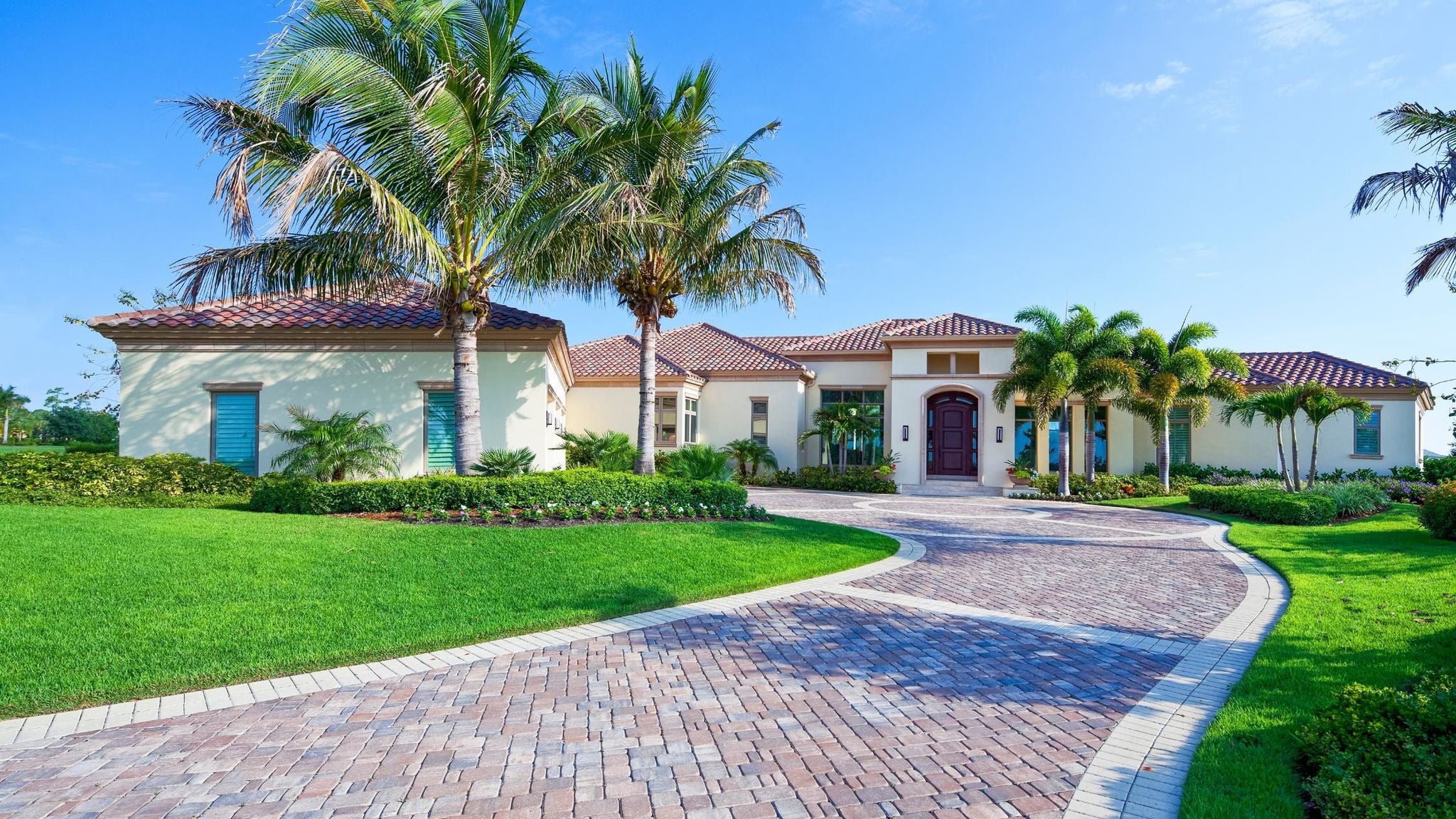
Lot-first comps. Pull the lot dimensions from the Miami-Dade Property Appraiser for every comp before evaluating it. Two homes at the same total square footage on different lot sizes are different listings. Average them and you mis-price one of them by 5 to 10 percent.
School-zoning comps. Glenvar Heights school zoning varies by address. Comps inside the strongest school catchments price higher than comps with the same square footage outside them. If your home is in a premium catchment, the listing strategy should lean into it. If it is not, do not pretend otherwise; price accordingly.
Carry-math transparency. Surface the property-tax, insurance, and millage-rate story in the listing materials. The buyer is already running this math. Doing it for them, with accurate numbers, builds offer confidence and reduces price-reduction risk later.
The most expensive mistake I see in this submarket is pricing the home against incorporated Coral Gables or South Miami comps without adjusting for the unincorporated factor. That overpricing typically reads as ambitious for the first two weeks, then sits, then takes a reduction that lands the seller below where a properly-priced listing would have closed in 30 days.
Staging That Works in Glenvar Heights
This is not Shenandoah. Glenvar Heights stock is not predominantly 1920s historic. It is mid-century ranch, 1960s and 1970s tropical modern, and a growing share of post-2000 rebuilds and gut renovations. The staging approach reflects that.
What works:
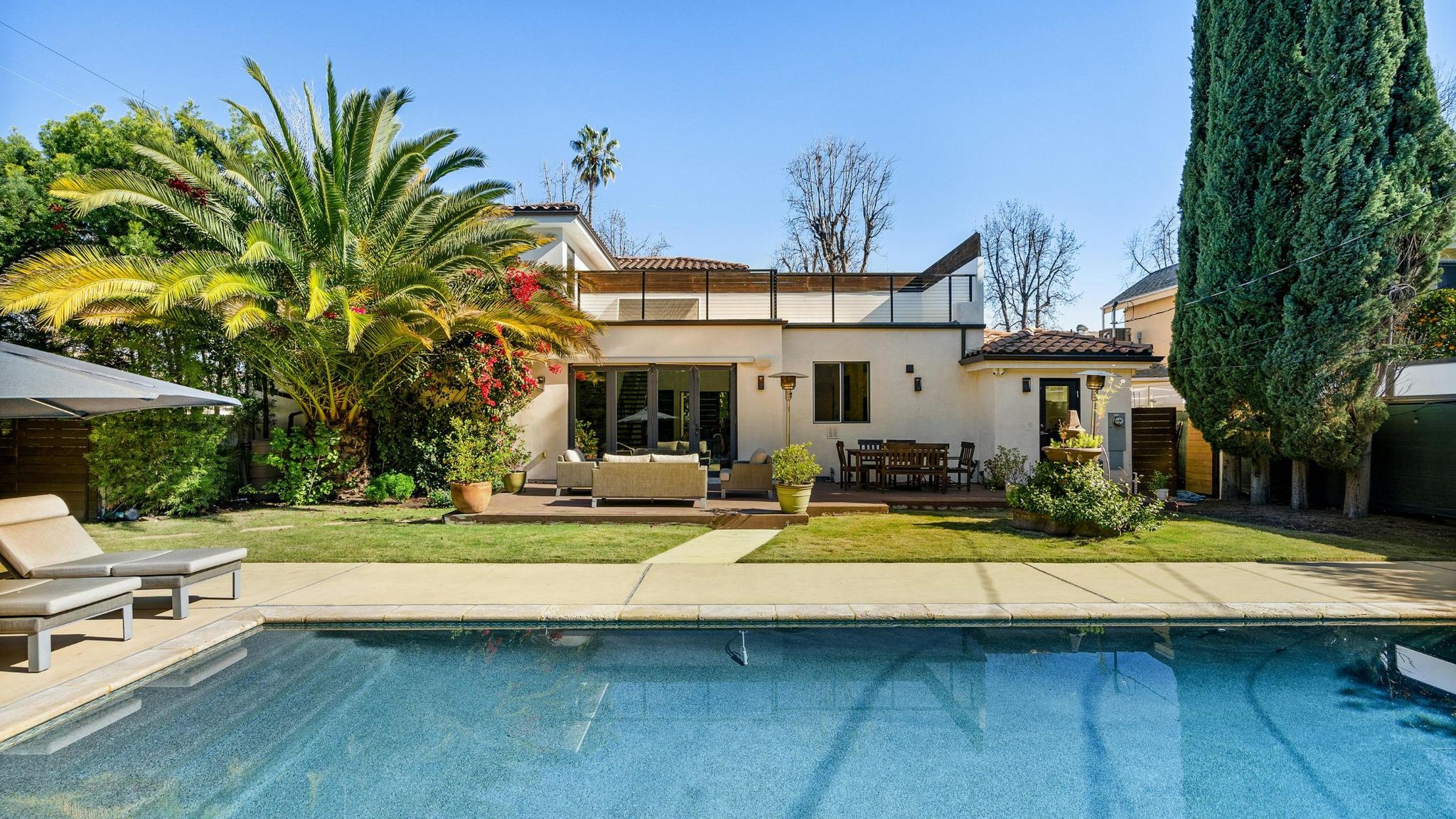
- Lean into the lot and the outdoor space. The half-acre-plus lot is the value driver. Photograph it from drone height, mid-day light. Stage the patio, the pool if there is one, and any covered outdoor area as a room.
- Family-functional staging. The buyer is family-driven. Show a clear kid's room, a homework nook, a mudroom or laundry room with storage. Stage for how the home is actually lived in.
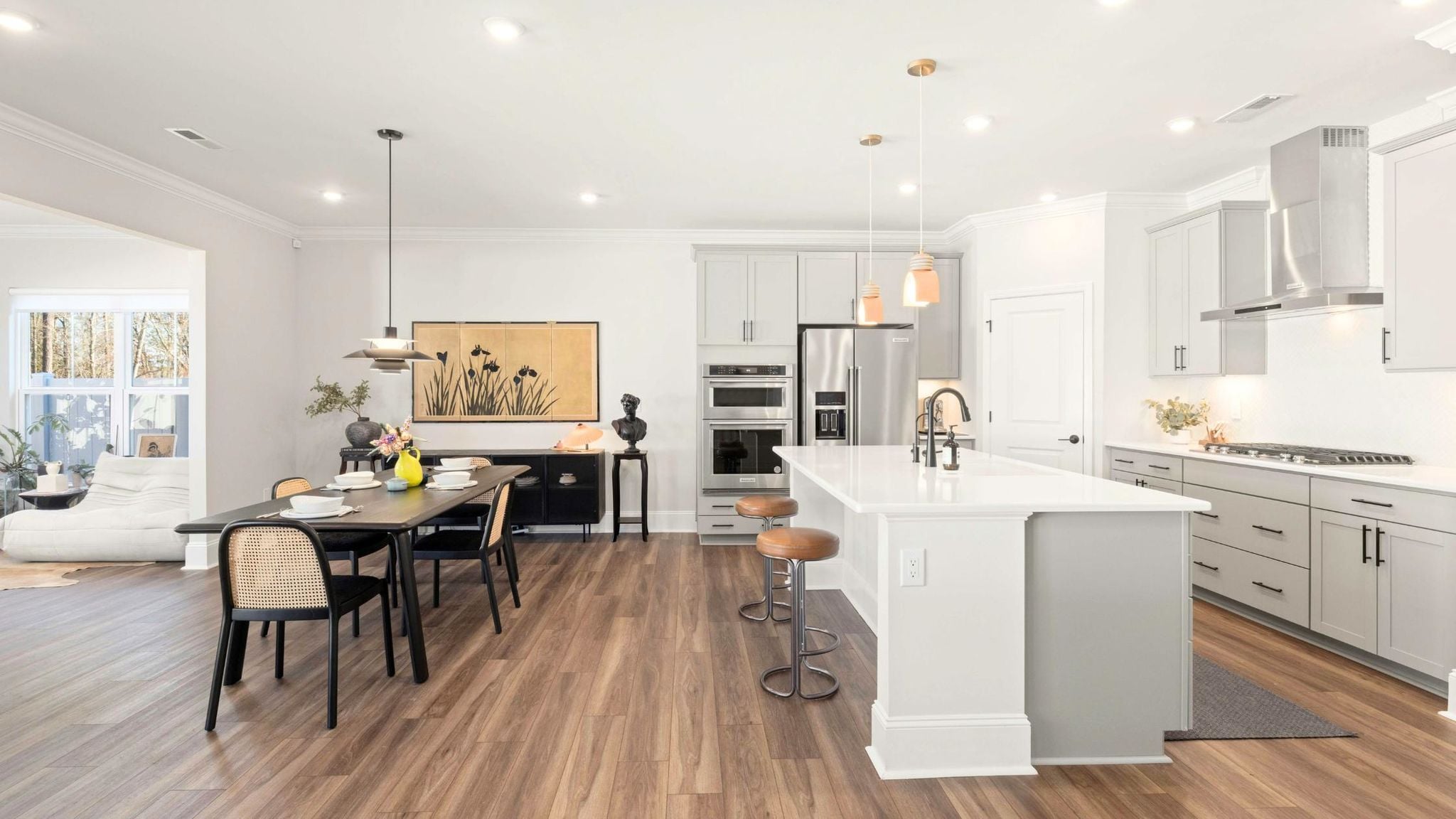
- Neutral, warm interior palettes. White-on-white modern photographs poorly on mid-century ranch stock. Warm whites, natural wood, and a touch of color photograph well and feel like a home rather than a furniture catalog.
- Show the storage and the garage. Family buyers care about garages, attics, and outbuildings. Other neighborhoods can hide these. Glenvar Heights cannot.
What does not work:
- Brickell-style condo modernism applied to a ranch home.
- Empty rooms photographed without any staging. Buyers in this submarket need to see the family use case.
- Drone shots that only show the house and not the lot. The lot is the story. Photograph it.
Marketing to the Right Buyer
The marketing channel mix in Glenvar Heights is different from a luxury condo listing. Most of the buyer pool finds the home through targeted digital marketing built around school zoning, lot size, and the relocator search journey, not by driving the neighborhood.
The marketing posture I use here:
- School-zoning-specific paid search and social, targeting families in the catchment-overlap with relocator behavior signals
- Lot-and-yard-led photography, both in the MLS feed and in the social campaigns
- A written listing description that names the school zoning, the lot dimensions, and the unincorporated-Miami-Dade carry math, not just the bedroom count
- Outbound to my buyer network of relocating professionals in Brickell and Coral Gables roles, who often consider Glenvar Heights as the answer to a Coral Gables search that ran out of inventory or budget
A sign in the yard and an MLS listing is not a marketing plan in this submarket. The buyer is not driving the block. Find them where they are searching.
Grab the free Seller's Guide for the broader pre-listing framework.
If You're Thinking About Selling in Glenvar Heights, Let's Talk
The biggest seller mistake in Glenvar Heights is treating it like a Coral Gables substitute. It is not. It is its own pocket with its own buyer, its own pricing rules, and its own marketing playbook. Done right, this submarket still rewards sellers. Done generically, it punishes them.
If you are thinking about selling in Glenvar Heights in 2026, reach out and let's walk through what your home is actually worth at the lot, school-zoning, and carry-math level. For neighborhood context, the best Miami neighborhoods for safety and schools lays out the catchment lens that shapes the Glenvar Heights buyer, Coral Gables vs Coconut Grove for families and how to read Coconut Grove on lifestyle, schools, and prices cover the two neighborhoods most Glenvar Heights buyers were priced out of, and the neighborhood lifestyle guide for Miami places this submarket in your broader decision set.