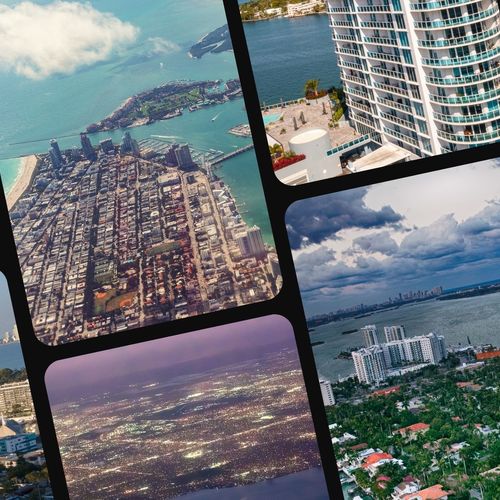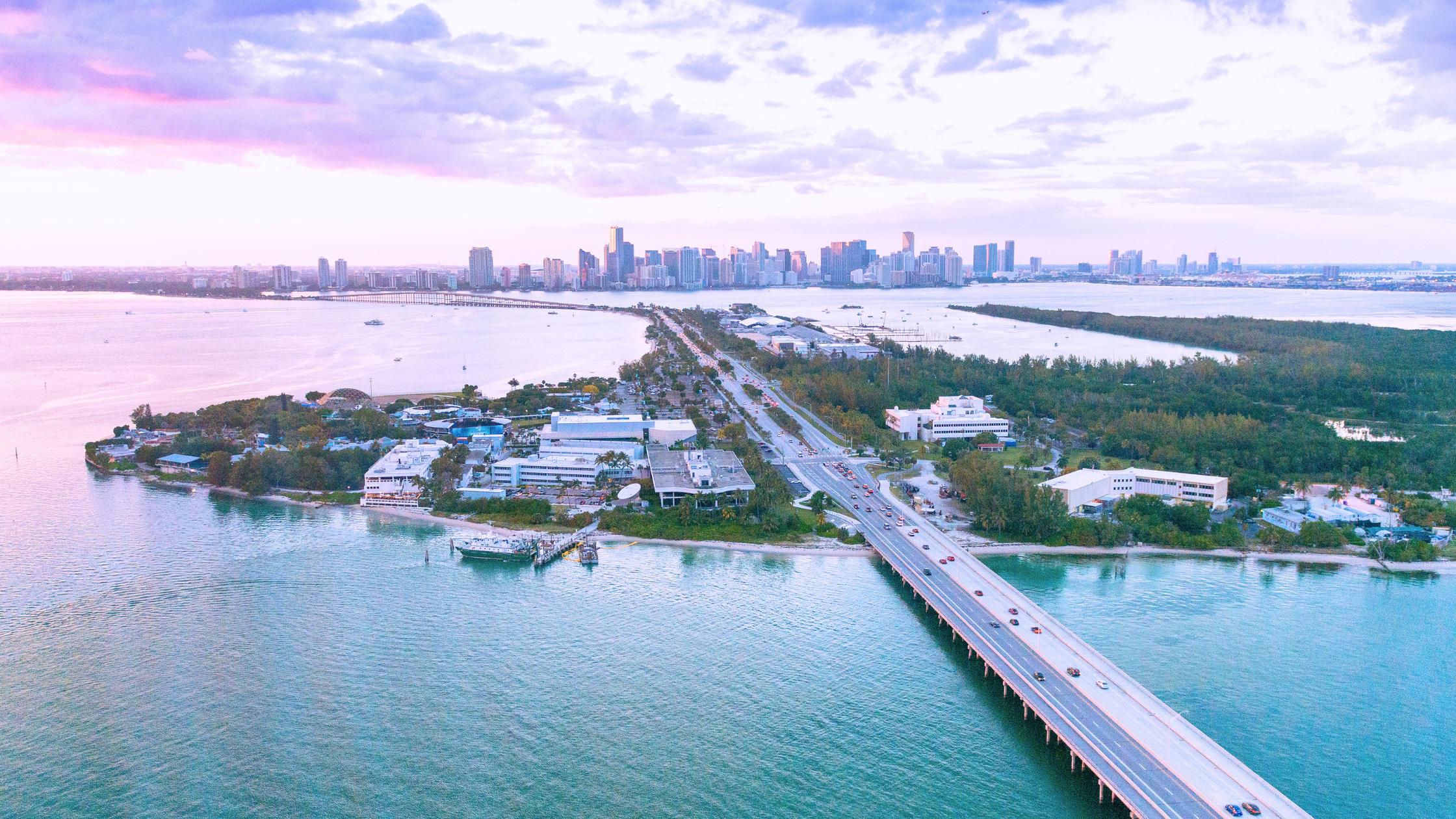
Selling a home in North Bay Village is nothing like selling anywhere else in Miami-Dade, because the entire market is three small islands and a causeway. A handful of condo towers, a few streets of single-family homes with docks, and a pre-construction pipeline that is about to change the comp set for everyone. In a market this small, one closing moves the median, one new tower resets the ceiling, and one mispriced listing sits in front of every buyer who looks. I write mortgages back to 2006, and micro-markets like this one reward sellers who understand exactly how thin the data is and punish sellers who price off it casually. If you own here, the way you read the comps matters more than the comps themselves.
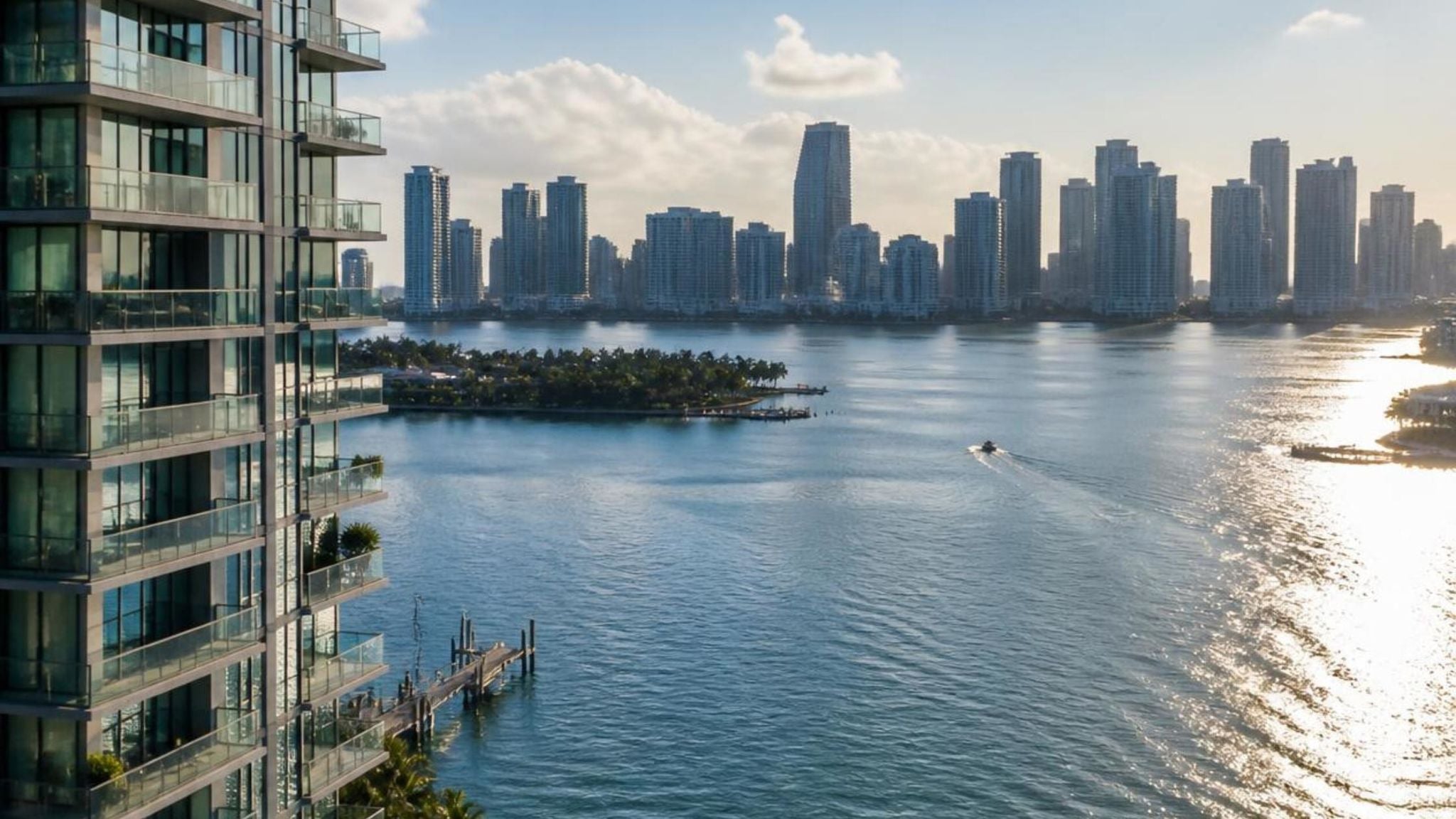
What the North Bay Village market is actually doing in 2026
Let me set the numbers, with the caveat that in a three-island market every number comes with a small sample size behind it. The median sale price across North Bay Village is running around $477,500, up roughly 4 percent year over year per Redfin's North Bay Village market data. Active condo inventory has been running around 140 units at any given time, spread across price points from the low $200,000s in older bayfront buildings to just under $13 million at the top of the new-construction pipeline. That spread tells you the real story. North Bay Village in 2026 is two markets sharing a zip code: an established mid-market condo corridor pricing structurally below its neighbors, and an arriving ultra-luxury tier that did not exist here three years ago.
The structural discount is the historical identity. Buyers have long come to North Bay Village for 360-degree bay views and island quiet at 40 to 60 percent below the per-foot pricing of oceanfront Surfside or North Beach, accepting bay exposure instead of ocean frontage. The arriving pipeline is the new identity, and it is the single biggest variable in any 2026 seller's pricing conversation.

The pipeline is repricing the islands
Three named projects are changing what the top of this market looks like: Pagani Residences, Continuum Club & Residences, and Shoma Bay, with additional mixed-use development bringing retail, dining, and community facilities to the islands. Verify current delivery timelines against Village of North Bay Village development records before you list, because in a market this size the difference between a tower delivering next spring and next fall changes your optimal launch window.
Here is what the pipeline means for a resale seller, and it cuts both ways.
The upside: the pipeline validates the market. National-brand ultra-luxury projects do not land on a three-island municipality by accident. Every marketing dollar those developers spend introducing buyers to North Bay Village makes your resale easier to show. The neighborhood's price ceiling is moving up, and a rising ceiling eventually pulls the middle of the market with it.
The risk: while the towers are selling, they compete directly for your buyer. A buyer touring a $700,000 resale on the bay is also being shown a pre-construction unit two blocks away with a newer amenity stack and a payment schedule stretched over three years. If your pricing does not account for that alternative, your listing becomes the showroom for someone else's product. Sellers positioning against pre-construction should understand the deposit structures and timelines buyers are weighing; the framework is the same one I cover for the broader bay corridor, and my guide to living on Biscayne Bay and its property values frames what bayfront buyers are actually paying for.

How a micro-market prices differently
This is the part most sellers get wrong, because everything they learned from watching bigger neighborhoods misleads them here.
In Brickell, thirty comparable sales a quarter give you a reliable price curve. In North Bay Village, your building might have three sales a year, and your street might have one. That thinness changes the pricing logic in three specific ways.
First, comps age fast and carry noise. A single estate sale, divorce sale, or cash-quick closing can drag your building's apparent value down 10 percent on paper. Your agent needs to read every comp's story, not just its number. In a thin market, why a home sold at a price matters as much as the price.
Second, the bidding dynamic is binary. With one or two active buyers in your price band at any time, you either have competition or you do not. Pricing slightly under the last comparable sale to generate urgency works in thick markets. In a thin one, it just resets the comp lower for your neighbors without producing a bidding war. Price at the market, not under it.
Third, positioning premiums are bigger than the spreadsheet suggests. In a market where every unit is a bay view, the differentiators are the specifics: sunset exposure versus sunrise, protected dockage, corner lines, walk-to-school proximity on the family streets. The delta between a west-facing and east-facing unit in the same building can run wider here than the citywide data would ever predict. The same logic applies to the single-family streets, where dock depth and boat access carry real premiums; my breakdown of how boating culture impacts Miami property values covers what that dockage is actually worth.

The financing story for island sellers
The buyer pool here spans conventional, jumbo, and cash, and the split matters for how you evaluate offers. For units under the conforming limit, which covers most of the established condo stock, Fannie Mae's 2026 condo project standards decide whether your building's buyers can use conventional financing at all. The January 2027 tightening, with reserve minimums rising from 10 to 15 percent and Limited Review retired, applies to every older tower on the islands. If your building sits near the reserve line, the window before that change lands is a real consideration in your timing.
For the single-family streets and the new-construction tier, jumbo and cash dominate, and the offer-evaluation logic shifts to close certainty and documentation speed. In a market with this few transactions, a deal that falls through does not just cost you time. It marks your listing publicly in a small pool of watching buyers. Weight close certainty heavily.
Comparable bayfront sub-markets run the same math at larger scale; my Edgewater bayfront condo guide covers the closest cross-shop south along the bay, and the waterfront versus inland pricing framework explains the exposure-pricing logic that underpins every offer you will see.
The pre-list playbook for North Bay Village sellers
Compress the sequence into 90 focused days.
Days 1 to 14: Pull the building resale packet and the municipal picture. For condo owners: financials, SIRS status, Milestone Inspection results, insurance declarations, assessment history. For single-family owners: permit history and seawall and dock documentation from the Miami-Dade Property Appraiser records. In a village this small, also check what is planned across the street. A buyer will know if a construction crane is arriving next door before your agent does.
Days 15 to 45: Fix small issues and document the water. Cosmetic repairs first, then the island-specific documentation: seawall condition report if you have one, dock permits, flood and wind insurance binders with premium history. The water is your premium. Document it like the asset it is.
Days 45 to 75: Interview agents who have actually closed on the islands. This is not the market for an agent learning the corridor on your listing. Ask any candidate for their last three closings within the village or the immediately adjacent bayfront. Then build the comp set: every sale in your building or on your street across 24 months, not 6, because the sample is too thin for a short window. Read each comp's story.
Days 75 to 90: Price at the market and launch. Not under it to spark a war that will not come, not over it hoping the pipeline's halo carries you. At it, positioned on the specifics: exposure, line, dockage, and walk-to-school streets. My Free Seller's Guide covers the broader pre-list sequence.
What North Bay Village sellers get wrong every time
- Pricing off the citywide condo median instead of the 24-month island comp set.
- Ignoring the pre-construction alternative, their buyer is being shown the same afternoon.
- Underpricing to generate urgency that thin markets cannot produce, and resetting the neighborhood comp in the process.
- Treating one bad comp as the market instead of reading the story behind it.
- Skipping the seawall, dock, and flood documentation that island buyers ask for on the first showing.
Frequently asked questions
How long does it take to sell a home in North Bay Village in 2026? It varies more than in larger markets because the buyer pool is thin. Well-priced units with strong exposure move in 60 to 120 days; mispriced listings in a market this small can sit indefinitely because every active buyer has already seen them.
Is North Bay Village a good market to sell in right now? For sellers who price against the real island comp set, yes. The pipeline is validating the market and the median is up around 4 percent year over year. The main risk is competing unprepared against pre-construction alternatives.
How does the new construction affect my resale value? Both directions. The pipeline raises the neighborhood ceiling and brings buyer traffic, but it also competes directly for buyers in the upper price bands. Sellers below roughly $600,000 mostly benefit; sellers above $1 million need to position explicitly against the pre-construction alternative.
Do the Florida condo compliance rules apply in North Bay Village? Yes. Every condo three stories or taller in the village faces the same SIRS and Milestone Inspection requirements as the rest of the state, and Fannie Mae's January 2027 reserve tightening applies to the older towers. Know your building's status before you list.
What documents should island sellers prepare that mainland sellers do not need? Seawall condition documentation, dock permits and depth details where applicable, and flood insurance binders with premium history. Bay-adjacent buyers ask for all three early.
Ready to sell in North Bay Village?
If you own on the islands and you are thinking about selling in the next 12 months, the earliest thing worth doing is a 24-month comp review with someone who knows how thin-market pricing actually works. It costs nothing and it decides everything. If you want a second set of eyes on your comp set, your building's compliance status, or your timing against the pipeline, reach out through my contact page and we will run it together.
Check out this article next