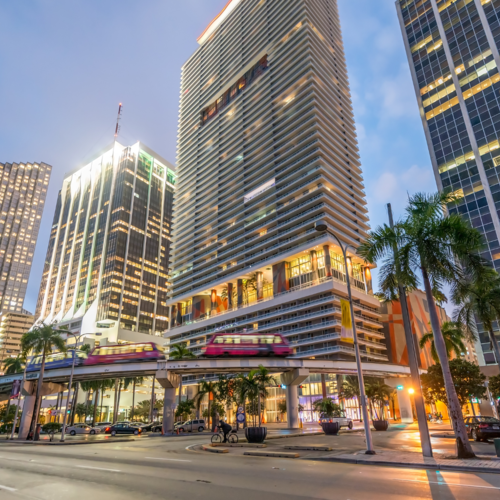

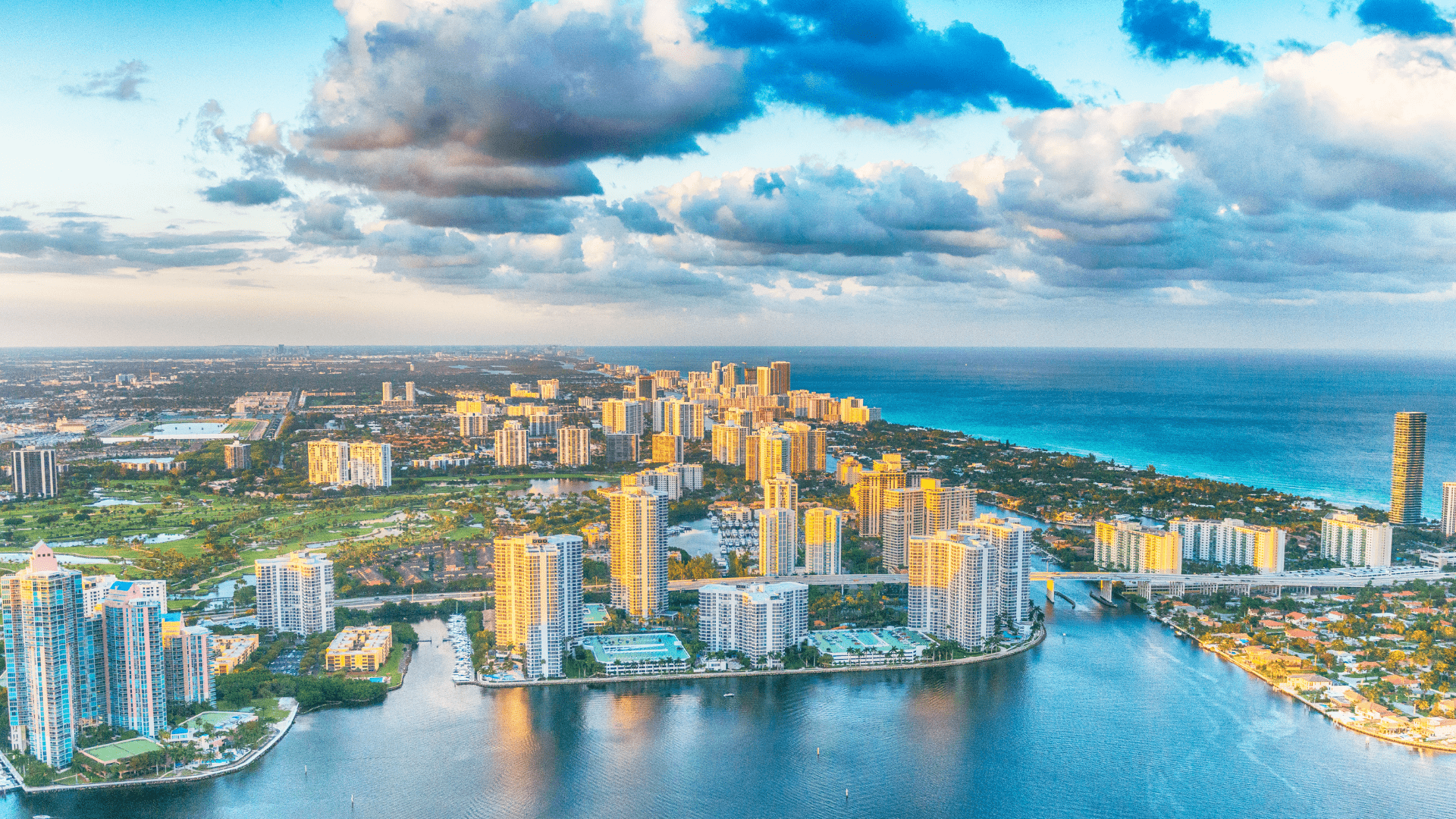
Miami is a city full of color, energy and sunshine, with a mix of cultures, a lively social scene and beaches that are hard to beat. Like any major city, it also comes with real trade-offs. I help families and professionals, many of them moving from New York, New Jersey and Boston, figure out whether Miami fits their life before they buy. Here is my honest look at both sides.
Why People Are Moving to Miami
Miami has become one of the country's most talked-about relocation destinations. Florida's tax environment, a growing finance and tech presence, and easy international travel draw professionals, remote workers, retirees and business owners. Add the climate, the dining and arts scene, and the city's diversity, and the appeal is easy to understand.
Buyers I work with from the Northeast often mention the same reasons: no state income tax, more time outdoors and a lifestyle that feels more relaxed than what they are leaving. Affordability is the trade-off they weigh most carefully, and it is the part that varies most by neighborhood.

Pros of Living in Miami
No State Income Tax
Florida does not have a state personal income tax, so more of your paycheck stays with you. For high earners and business owners relocating from the Northeast, this is often the first item on the list.
Year-Round Warm Weather
Winters are mild and dry, and outdoor living is possible almost every month of the year. Beach mornings, waterfront dinners and weekend boating become part of normal life.
Cultural Diversity and International Vibe
Miami reflects Latin America, the Caribbean and beyond. You see it in the food, the music, the festivals and the character of each neighborhood.
World-Class Beaches and Natural Attractions
From South Beach to Key Biscayne, the coastline is a daily amenity rather than a vacation. The Everglades and Biscayne National Park are close enough for a day trip.
A Growing Business Scene
Finance, tech and other industries have expanded their presence in Miami, adding to the city's established strengths in real estate, hospitality and international trade.
Global Travel Hub
Miami International Airport offers direct flights to Europe, Latin America and major U.S. cities, which matters if you travel for work or have family abroad.
Cons of Living in Miami
High Cost of Living
Florida is tax-friendly, but Miami is not an inexpensive city. Housing and insurance are the biggest drivers, and costs vary a lot by neighborhood and by building. A condo in a well-funded building with a newer roof can cost very differently to own than a similar unit a few blocks away. I break down what drives each cost in my Cost of Living in Miami guide.
Traffic and Public Transportation Gaps
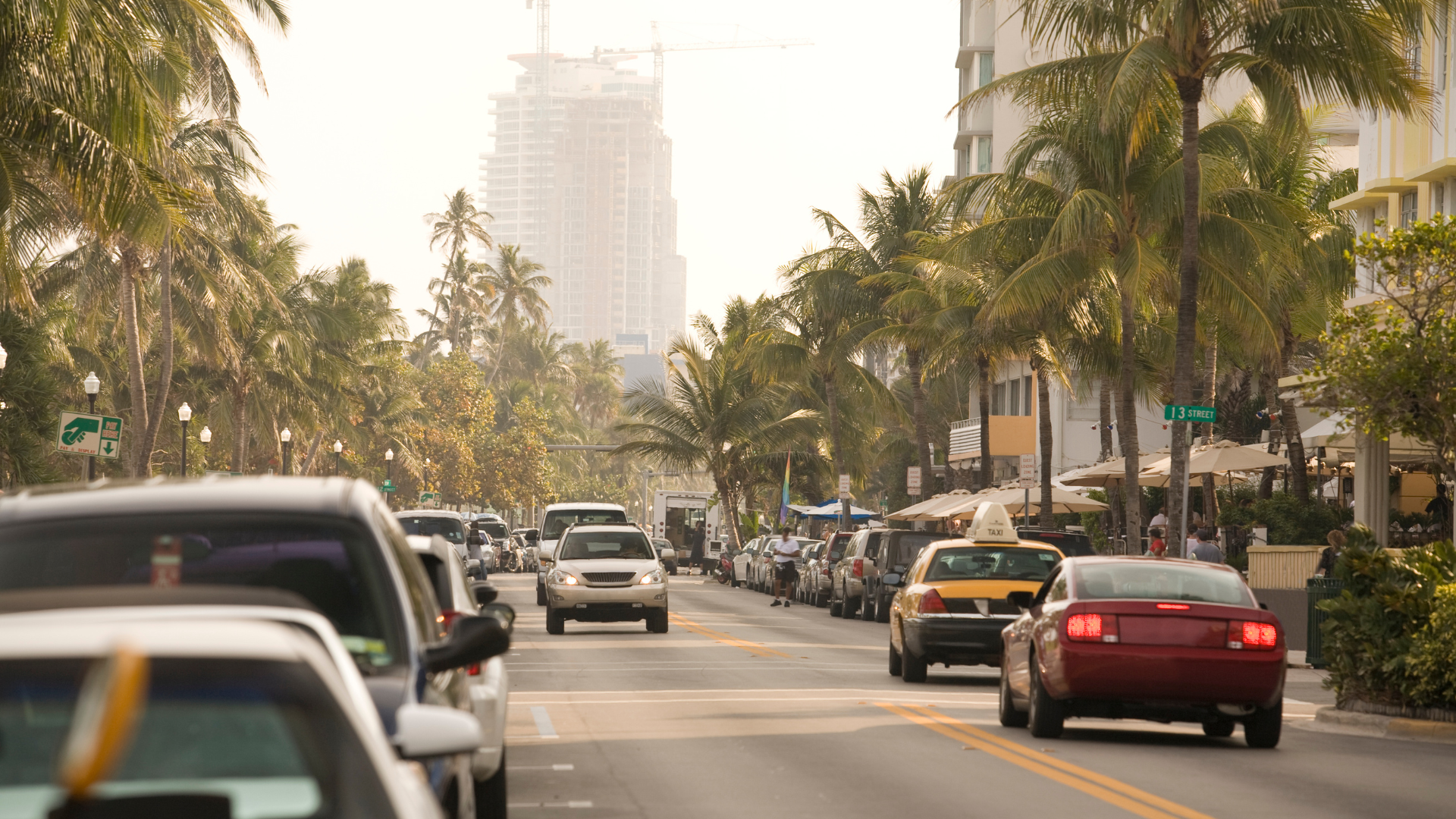
Traffic is part of daily life, especially at rush hour, and Miami is mostly car-dependent. Metrorail, Metrobus and Brightline help with certain commutes, but plan on driving for most errands.
Hurricane Risk and Climate Concerns
Miami's coastal location means hurricanes and flooding are real considerations. Before you make an offer, ask for the flood zone, the elevation certificate (if available), the roof age and current insurance quotes. Those details shape your true monthly cost as much as the price does.
Seasonal Crowds and Tourism
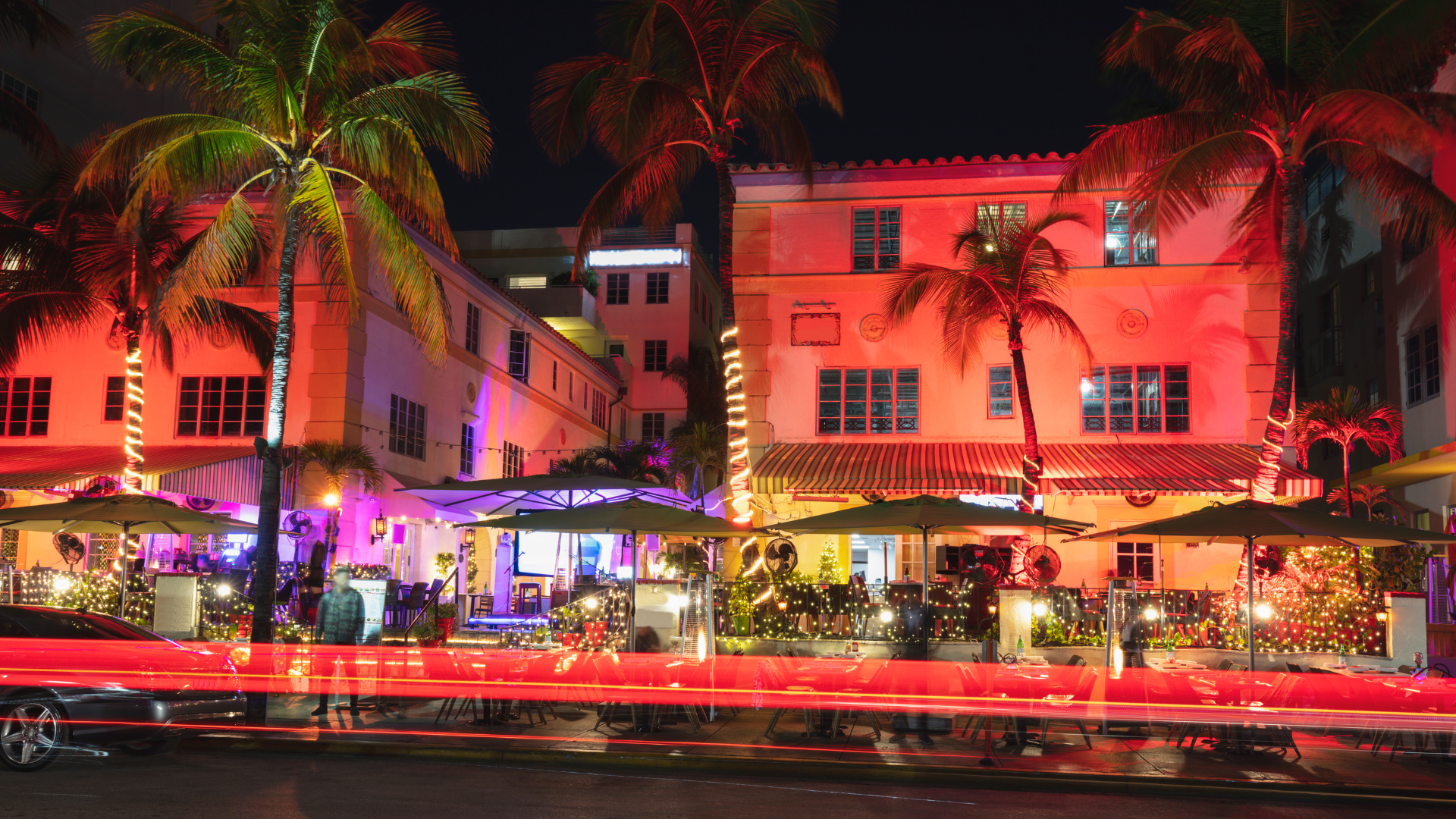
Tourism keeps restaurants and nightlife busy, but it also brings crowds, higher prices and noise in areas like South Beach, especially during peak season.
Who Miami Fits (and Who It May Not)
Miami tends to fit people who value lifestyle, culture and climate, and who are ready to plan around heat, traffic and insurance. In my experience, it suits:
- Families relocating for schools, especially in residential areas like Pinecrest and Coral Gables
- Northeast professionals and executives looking for a tax-friendly home base (my Relocating to Miami Buyer Playbook walks through the process)
- Remote workers and business owners who can choose where they live
- Retirees and second-home buyers drawn to waterfront living
It may not be the right fit for:
- Buyers looking for a low-cost market
- Anyone uncomfortable with heat, humidity or hurricane season
- People who want to rely on public transit for daily life
If a quiet, residential setting is high on your list, my guide to the Safest Neighborhoods in Miami is a good next read.
Moving from the Northeast: What Surprises People
- Hurricane season prep. The season runs from June through November. Homeowners learn to keep supplies ready, know their evacuation zone and understand their building's storm plan.
- Flood zones and insurance. Flood insurance is often a separate policy from homeowners insurance, and the flood zone can change a budget more than people expect.
- Driving culture. Daily errands usually mean a car, highways can feel intense, and toll roads are part of getting around.
- Summer heat and humidity. Summers are long, hot and humid, with frequent afternoon storms. Visiting in summer before you buy is one of the best ways to test the fit.
Tips Before You Relocate to Miami
- Visit in both winter and summer to understand the weather and the crowds
- Consider renting before buying if you are unsure which neighborhood fits
- Compare the full monthly cost of each home, including insurance and association fees
- Talk with residents and local professionals in the areas you like
My Miami Moving Guide covers the practical side of settling in. You can also download my Miami Relocation Guide, compare areas on my Miami neighborhoods page, or start with one of the city's leafiest areas in my Coconut Grove guide.
Final Thoughts
Living in Miami can be a dream for the right person. The sunshine, culture and opportunity are real, and so are the costs, the traffic and the climate. Weigh your goals, budget and lifestyle before you make the move. If you'd like a second opinion on whether Miami fits, reach out to me and I'll walk you through the neighborhoods that match what you're looking for.
Check out this article next