

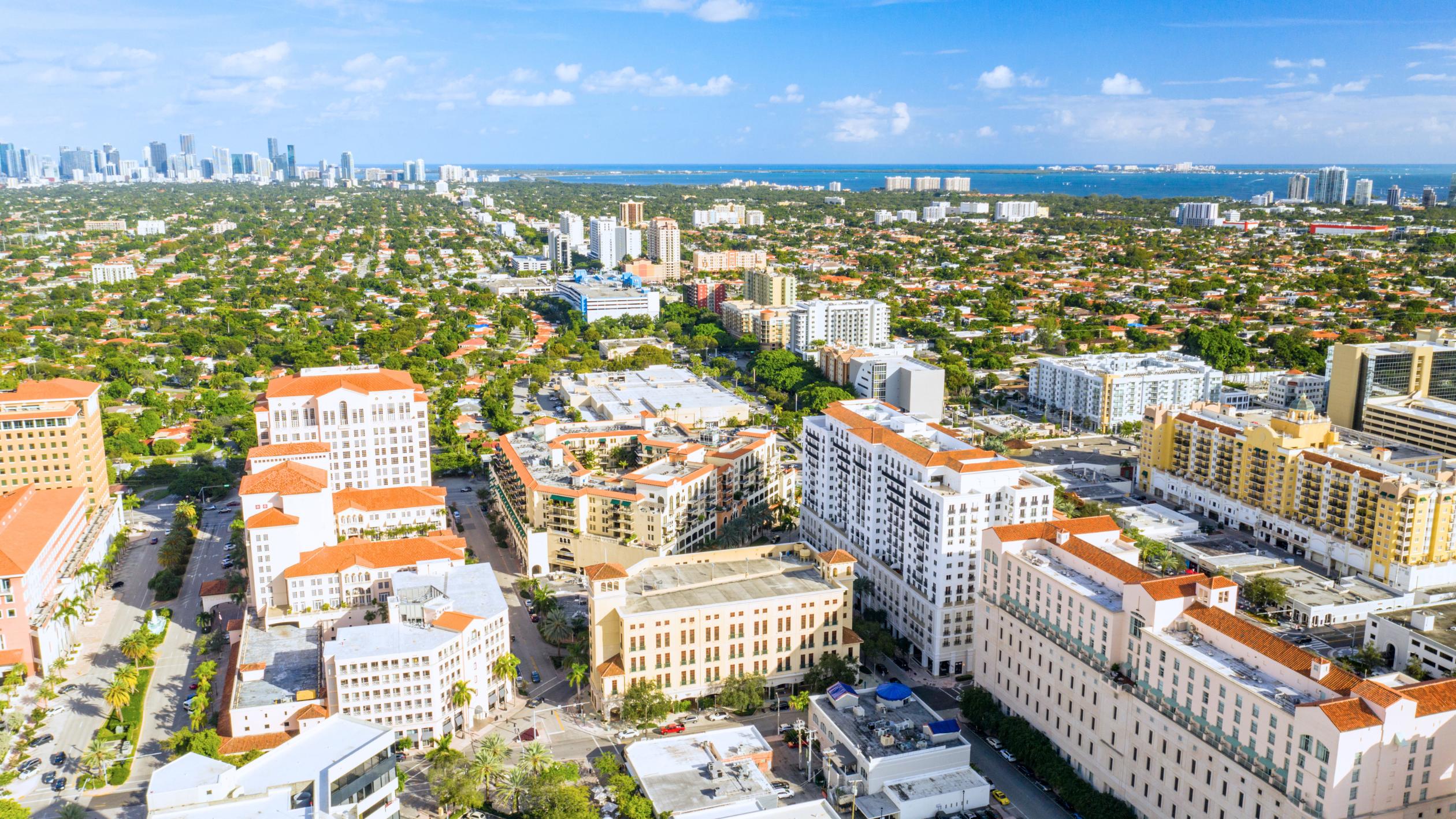
I'll say it straight: selling a home in Coral Gables in 2026 is not one game, it's three or four games at the same time. The address on Gables Estates Drive does not play by the same rules as a 1940s ranch on Alhambra Circle, and the data backs that up. Days on market here are stretching while well-priced homes in the right pockets still pull multiple offers in under three weeks. If you are thinking about selling a home in Coral Gables this year, the question is not "how is the market," it is "where in the Gables does your home actually sit?"
I live here. I walk these streets. I have helped neighbors price, position, and close deals on everything from Mediterranean estates to mid-century cottages on quiet side streets. And I started my career back in 2006 as a mortgage loan originator, so I read carrying-cost math and buyer financing pressure before I even looked at the comps. That combination is what shapes how I would price and position your home this year.
Here is how I think about it.
Coral Gables Is Not One Market, It's Several
Zillow puts the average Coral Gables home value north of $1.3 million, with single-family pricing in the $900 to $950 per square foot range. Those averages flatten what is actually happening on the ground. Three things are pulling this market in different directions.
The luxury estate streets, Gables Estates, Old Cutler Bay, Cocoplum, Hammock Lakes, the Granada and North Greenway corridors, are still seller-leaning. Buyers in this tier are largely cash, often relocating from the Northeast or Latin America, and true scarcity at the $5 million plus price point keeps absorption strong. When the home shows well and pricing is honest, these listings still trade.
The mid-tier between roughly $1.5 million and $3 million is where the slowdown is most visible. Redfin and local market reports are showing days on market closer to 84, up from 71 a year ago, and roughly one in three listings has taken at least one price cut. Overpriced or dated homes in this band sit. Move-in ready homes priced honestly do not.
The under $1.5 million band is the most balanced. Local move-up demand is real, but financing math has bite. With property taxes, insurance, and HOA or condo dues factored in, a buyer is solving for a monthly payment, not just a list price. That changes what they will tolerate.
Same neighborhood, different game.
How I Would Price a Coral Gables Home in 2026
Pricing is the single biggest factor in how this sale goes. I will be direct about it.
The instinct most sellers have is to price aspirationally and "see what happens." That worked in 2021 and 2022. It does not work now. The price-reduction data in Coral Gables is loud, and every reduction trains both the algorithm and the buyer pool to assume there is more give in the number. By the time you reduce a second time, your listing has already lost the early-attention window that drives the best offers.
What I do instead is build the price off three reference points: closed comps from the last 90 days in your specific sub-pocket of the Gables, active competition you will be measured against today, and a buyer-side carrying-cost check that confirms the payment math actually pencils for a financed buyer in your range. That last step is the finance background showing up. If your home does not pencil on a 30-year fixed at today's rate, plus taxes and insurance, your real buyer pool is smaller than you think.
Three pricing strategies, what each is built for:
- Aspirational pricing: gambles that a unicorn buyer appears. In 2026 Coral Gables, the cost of that gamble is days on market and price-reduction stigma.
- Market pricing: gives you the best shot at multiple offers in the first 14 to 21 days. This is the win in this cycle.
- Strategic underpricing: rare, but useful in the lower band when you want to manufacture competition. Has to be set up properly with offer-deadline structure.
The right call depends on which band your home is in, what your timeline looks like, and how strong the floor under your value really is.
Staging and Presentation That Match Coral Gables Expectations
Buyers in Coral Gables expect polish. They are not comparing you to a builder-grade townhome in Doral. They are comparing you to a competitor two streets over with a refreshed kitchen and a fresh coat of paint.
Three moves matter most.
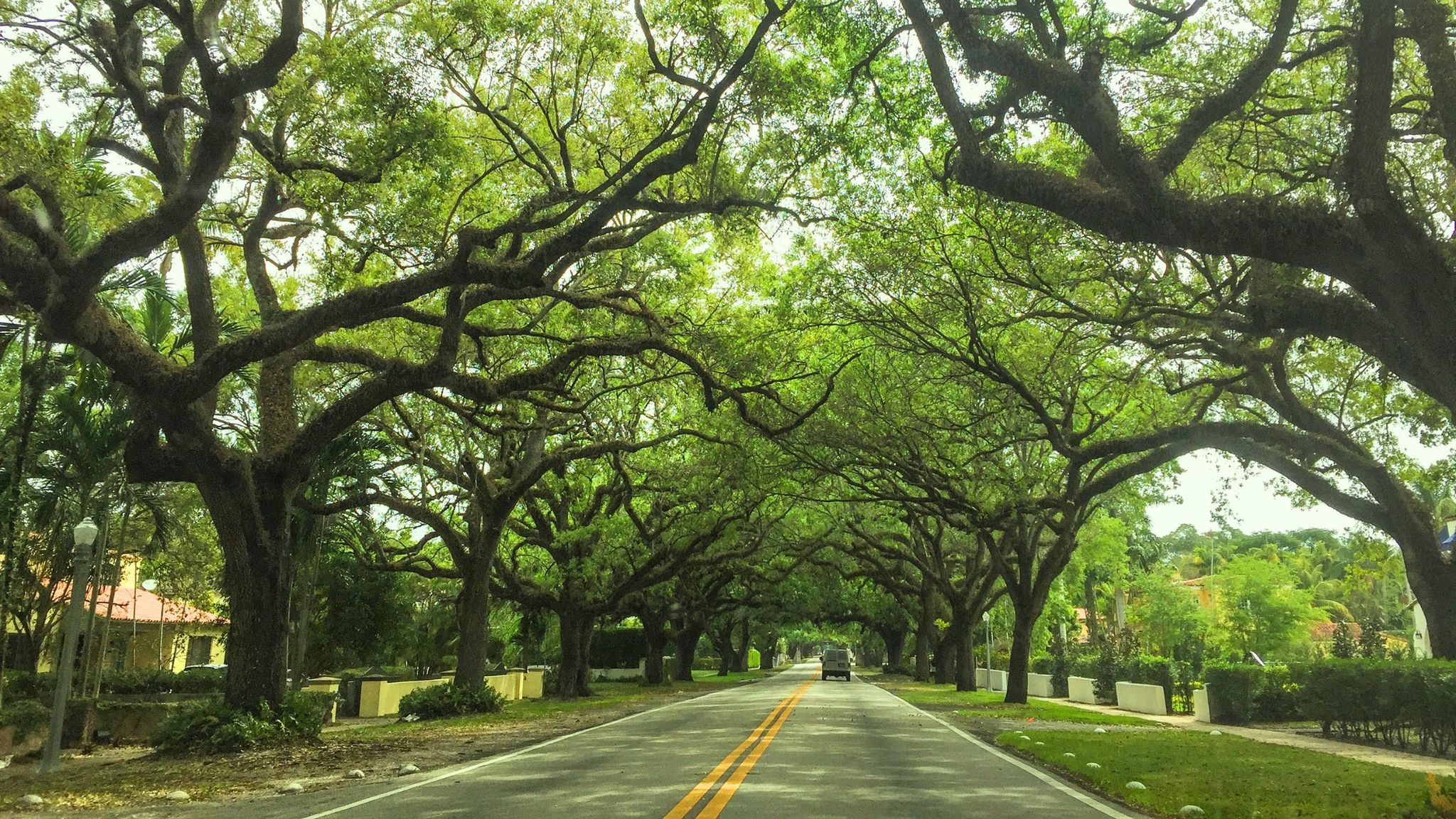
First, the curb. The Gables tree canopy is famous for good reason, but it also means moss, oxidized paving, and tired exterior paint show up fast in photographs. A pressure wash, fresh paint on the front elevation, and landscaping that pulls the eye to the entry will lift your photo set more than almost any other pre-listing move.
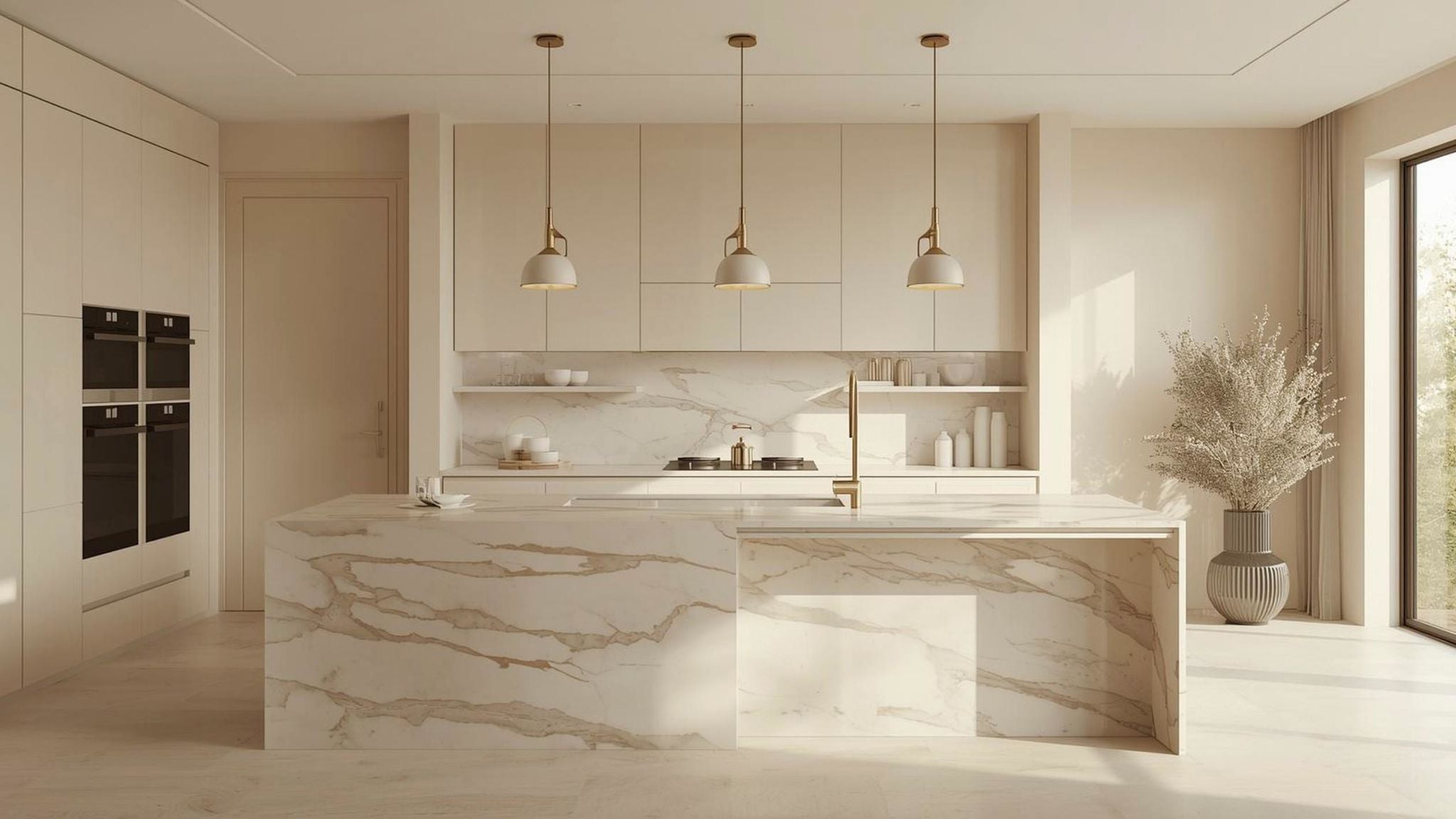
Second, the kitchen and primary bath. Full remodels rarely return their cost when you sell. Surgical updates, hardware, fixtures, paint, lighting, and counter touch-ups can pay back two to three times what you spend. The Mediterranean and historic homes that define the Gables also reward refresh choices that respect the architecture rather than fight it, which is one of the points I get into in my deeper look at Miami architectural styles from Art Deco to modern luxury.
Third, the photo and video package. The first showing happens on a phone. If your photographer is not putting a wide-angle lens, a drone, and a twilight set on your home, you are losing a percentage of the buyer pool that never gets to the front door.
Timing Your Sale: Why "When" Matters in the Gables
Miami's seasonality is real, and Coral Gables tracks it. Here is a simple version of how the calendar tends to play out:
Window | Buyer activity | Listing leverage |
January to March | Peak inflow of out-of-state and snowbird buyers | Strongest, especially $2M plus |
April to June | Local move-up buyers active, school timing matters | Solid for family homes near top schools |
July to August | Slowest stretch, heat and travel | Weakest, expect longer marketing time |
September to November | Buyers return, new construction comps reset | Strong, especially for higher-end homes |
That table is a pattern, not a guarantee. If you have flexibility, the late winter and early spring window into early summer is where I would aim for most Coral Gables listings. If you have to list now, the strategy changes: tighter pricing, sharper staging, and a clear plan for the first 21 days.
The other timing piece is reading the broader South Florida market. My recurring South Florida real estate updates track sales volume, inventory, and luxury pricing month over month, and the 2026 Miami real estate forecast is the bigger-picture read I'd pair with this post before you set a list price.
Common Mistakes I See Sellers Make in Coral Gables
A handful of unforced errors come up over and over. Avoiding them is the cheapest edge you can buy.
Overinvesting in pre-listing renovations. Granite to quartzite, full kitchen redo, designer wallpaper. By the time you finish, you have spent more than the market will return, and you have delayed the sale.
Picking an agent based on the highest opening price. The number any agent quotes in a listing presentation is not a price, it is a pitch. The real number is what closed comps and active competition can defend.
Underestimating Coral Gables' architectural review process for visible exterior changes. The city protects the character of the neighborhood, and that affects what you can and cannot do in a pre-listing refresh. Plan around it, not into it.
Ignoring the financing math. A buyer at $2.2 million in Coral Gables is solving for a monthly payment that often runs north of $14,000 once taxes and insurance are added. If your home does not pencil for a financed buyer, you are betting on cash. That bet can pay off in the high estate band. It is much weaker in the mid-tier.
Skipping pre-listing inspections. Buyers in this market negotiate hard from inspection findings. Knowing what they will find before they find it lets you price it in or fix it on your own timeline, not theirs.

Ready to Talk About Your Coral Gables Sale?
If you are thinking about selling a home in Coral Gables this year and you want a clear read on what your specific sub-pocket can defend in price right now, reach out. I will walk your home, run the comps and the carrying-cost math, and tell you straight what I would do in your spot. If you want the deeper playbook first, my free Seller's Guide covers pricing strategy, prep, and timing in more detail.
Coral Gables homes have personality. They deserve to be sold by someone who actually lives here and understands the difference between Granada and Hammock Lakes. That is what I do, every day.