

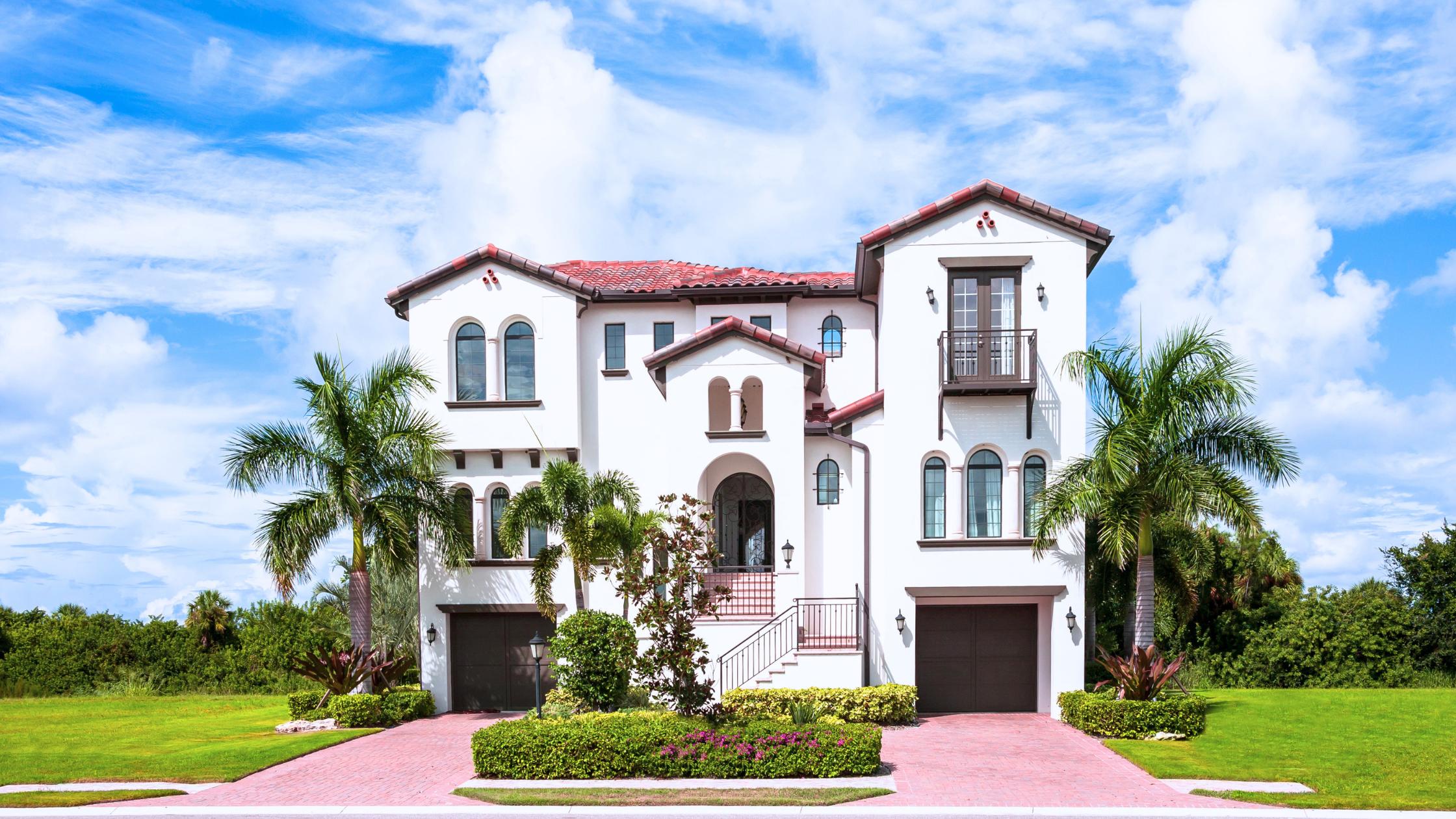
Shenandoah is one of those Miami neighborhoods where the listing photos do not sell the house. The story does. Selling a home in Shenandoah Miami in 2026 means selling to a buyer who already knows what they want: a 1920s Mediterranean Revival with a real lot, a tree canopy, and a 10-minute drive to Brickell. Get the positioning right and this market still rewards sellers. Get it wrong and your home sits.
I sell across Miami, and Shenandoah is one of the pockets where the playbook is genuinely different from anywhere else in the city. The inventory is small. The comps are quirky. And the buyer pool is narrower and more specific than the magazine version of Miami real estate ever captures. Here's how I think about it for a 2026 seller.
What Shenandoah Actually Sells in 2026
Before any of the staging or marketing decisions, the seller conversation in Shenandoah starts with what the market is actually doing right now.
The most recent reads I trust on this neighborhood put Shenandoah's median home price near $945,000, with price per square foot around $644, both well above where the broader 33145 ZIP code sits. The 33145 ZIP, which covers a chunk of Shenandoah, had a median sale price of about $820,000 in early 2026, with a typical home spending roughly 62 days on the market. Those numbers move month to month, so I refresh them every time I take a listing here.
What the headline numbers do not tell you is how bimodal this market is. A well-positioned restored 1920s home in the heart of the neighborhood will draw multiple offers in under 30 days. An identical lot with a tired interior, the wrong price, or marketing that treats Shenandoah like generic Miami can sit for 90 days or longer. There is no "average" Shenandoah sale. There are well-staged sales and there is overpriced inventory, and 2026 is unforgiving to the second group.
What is a Shenandoah Miami home worth in 2026?
Recent neighborhood reads put the median home price near $945K and the median price per square foot near $644, with typical days on market around 60. Restored historic homes routinely outperform that range, while unrenovated stock typically sits longer.
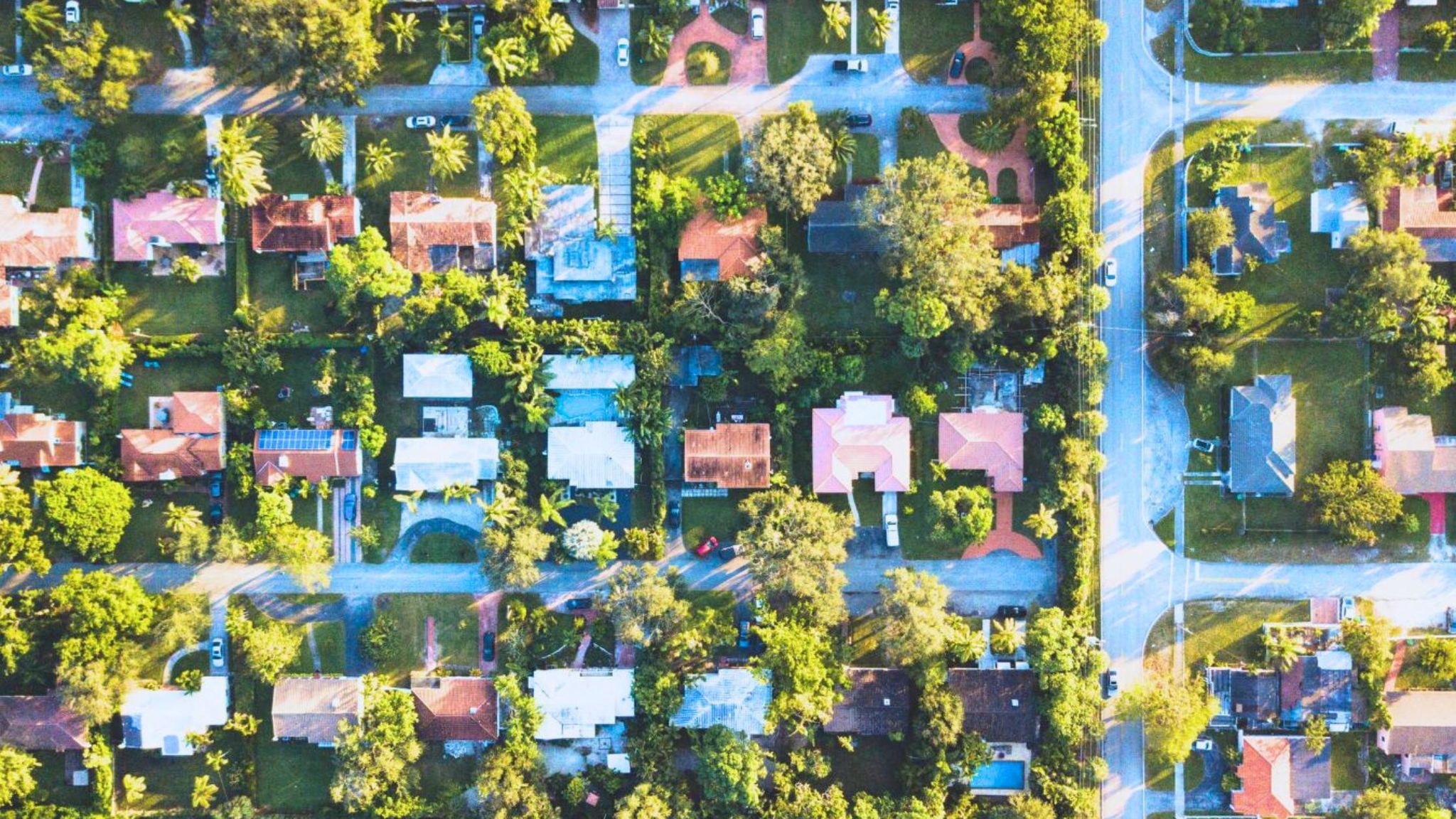
The Buyer You're Really Listing To
This is where most listings in Shenandoah miss the mark. Sellers list to "Miami." The buyer who actually closes on a Shenandoah home is far more specific.
After working buyers across this submarket, the profile I see most often is:
- A 30 to 50 year old professional or family relocating from out of state, working in Brickell or downtown
- A buyer who wants a yard, a real driveway, and a sense of neighborhood that Brickell condo living does not deliver
- A buyer who actively wants 1920s architecture, not against it. They are not "willing to deal with" the historic character. They came looking for it.
- A buyer who has already toured Coral Gables and decided the entry price was a stretch
- A buyer who has already toured Coconut Grove and decided the commute was too long
- A buyer with the income to bid in the $700K to $1.4M range, often financing 70 to 80 percent
When you understand that the buyer is the buyer, the listing decisions get a lot clearer. You are not selling them in Miami. You are selling them on this exact pocket between Calle Ocho and Coral Way, west of Brickell, that gives them what they want at a price point Coral Gables cannot match.
How I Price a Shenandoah Home
This is the section where my background matters more than my license. I came up in real estate finance, originated mortgages starting in 2006, and that lens still shapes how I price historic Miami inventory.
Pricing Shenandoah is harder than pricing a Brickell condo or a Coral Gables estate for three reasons:
- The comp pool is small. Shenandoah is roughly 1.2 square miles. Some months close 8 to 12 sales total. That means active comps may be 3 to 5 homes, not 30. When you only have a handful of comps, every one matters and every one has to be evaluated, not averaged.
- The lots are not standardized. Shenandoah was platted in the 1920s and lots vary in size, shape, and frontage in ways suburban Miami does not. Two homes on the same block at the same square footage can have very different lot values. A pure $/sf model will price one of them wrong.
- Insurance and replacement cost mismatch. This is where the finance lens matters. A 1920s home in Miami carries a different insurance load than a 2010 build, and the replacement-cost figure your insurer uses is rarely the same number as your sale price. Buyers running the math on monthly carry will factor that, and a smart pricing strategy accounts for it upfront so the negotiation does not blow up at the inspection.
The pricing approach that works here is to set a price that draws genuine offers in the first 14 days. Overpricing to "leave room for negotiation" is the single most expensive mistake I see Shenandoah sellers make. A home that sits past 30 days in this neighborhood is interpreted by the buyer pool as wrong, not as priced ambitiously.
Staging That Works on a 1920s Historic Home
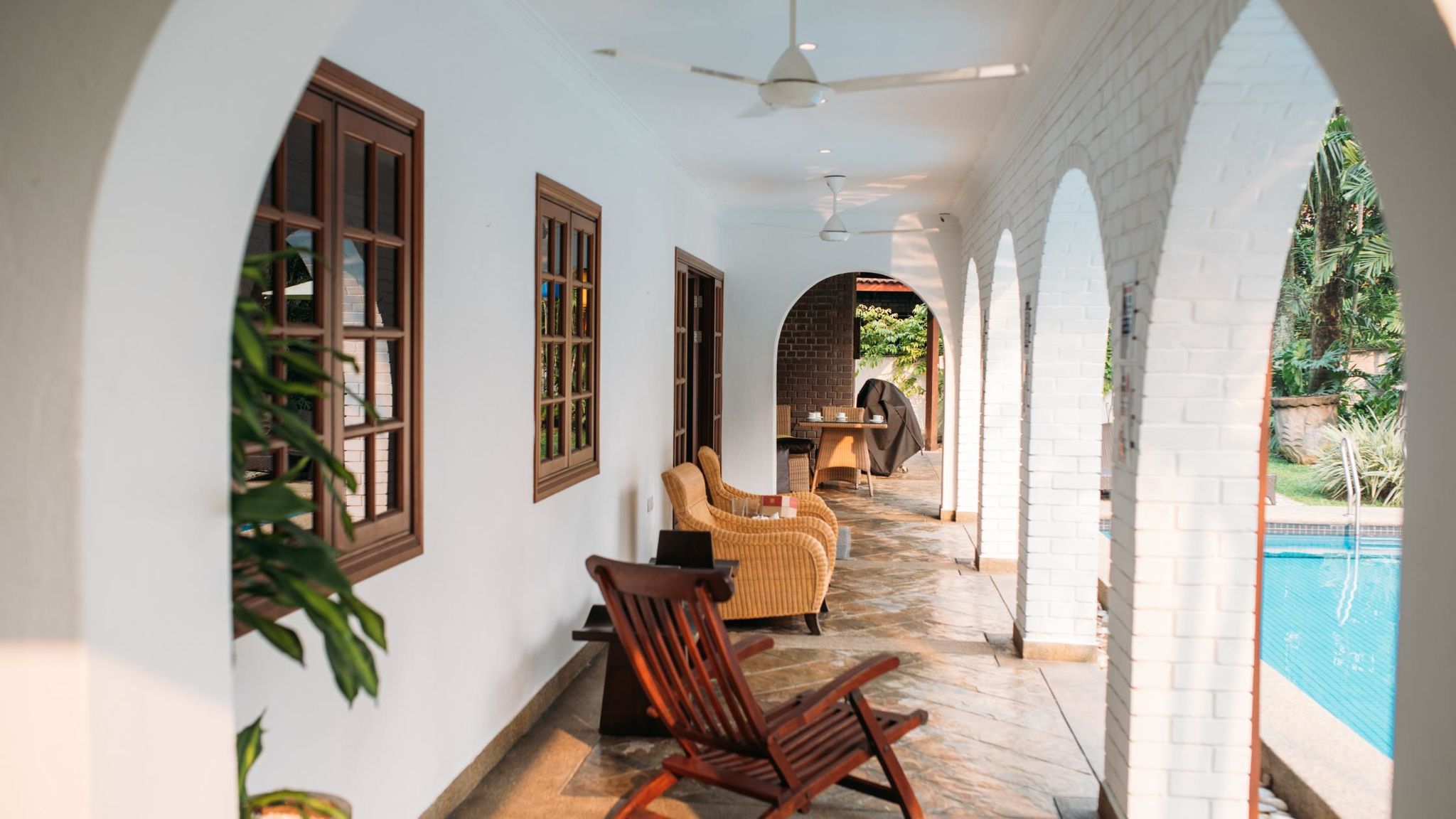
Generic Miami staging fails in Shenandoah. White-on-white modern minimalism does not flatter a Mediterranean Revival home with original tile, arched doorways, and barrel-tile roofs. Trying to hide the historic character backfires because the historic character is exactly what the buyer came to see.
The staging approach that actually moves Shenandoah homes:
- Lean into the original architectural details. Photograph the arches, the tile, the wood beams. Do not paint over them.
- Use furniture that complements, not competes. Mid-century modern, transitional, or natural-material furniture flatters this stock. Hyper-contemporary glass-and-chrome does not.
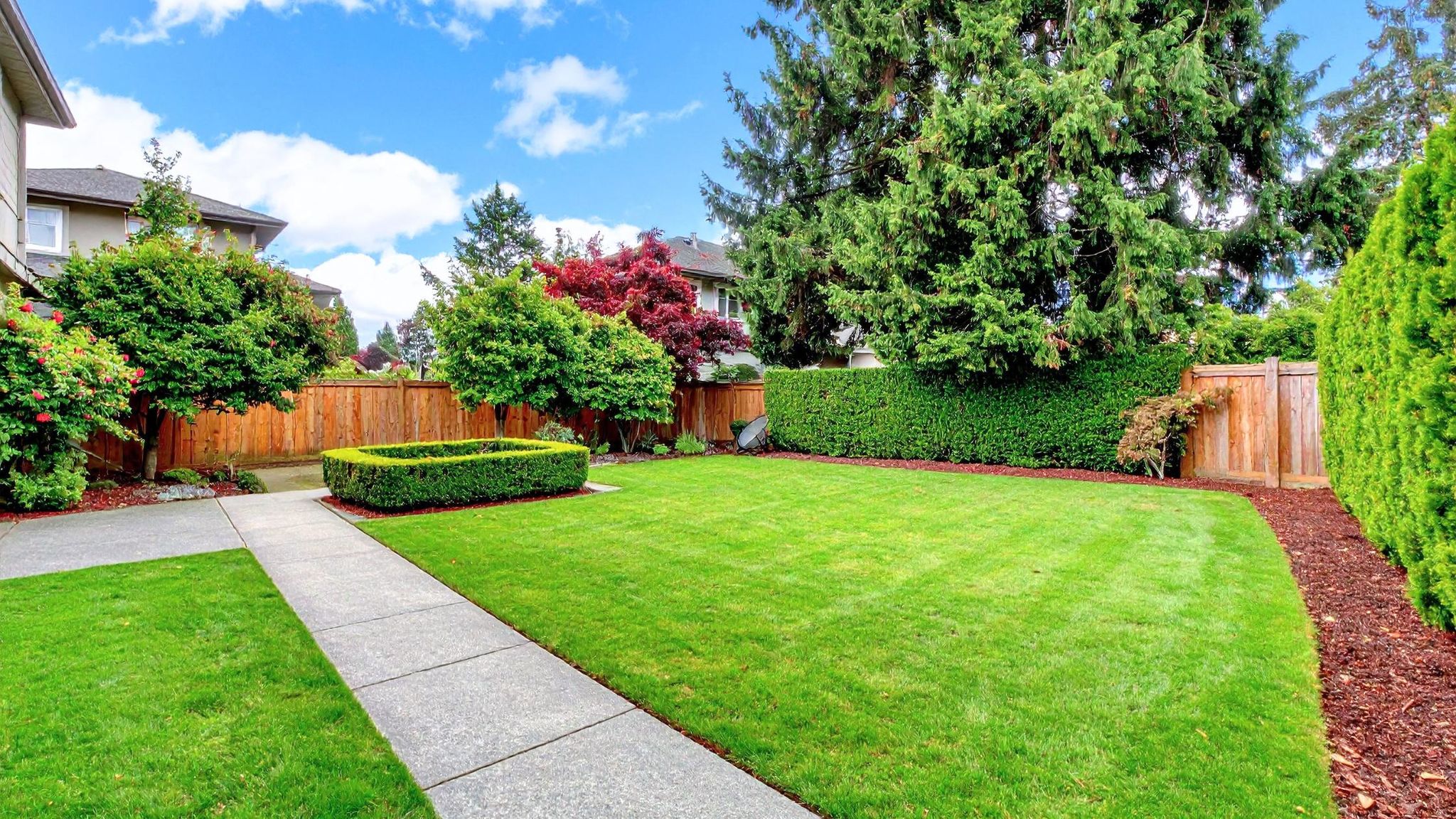
- Outdoor space is non-negotiable. Stage the patio, the yard, and any covered porch. These are major drivers of the Shenandoah premium.
- Light matters more than usual. 1920s windows are often smaller than current code requires for new builds, and many homes have darker interiors. Sheer window treatments, mirror placement, and warm-temperature lighting carry significant weight in photos.
- Bring in a stager who has worked historic Miami stock before. The portfolio matters.

Timing the Listing
Miami real estate is less seasonal than Northeast markets, but Shenandoah has its own rhythm.
The two strongest seasonal windows I see in this neighborhood are mid-January through April and mid-September through mid-November. The January-to-April window catches relocating professionals starting new roles and out-of-state buyers escaping winter. The September-to-November window catches families settling in for the school year and the second wave of corporate relocations.
The two windows to avoid as a primary launch are late June through August (heat, hurricane risk, and travel-heavy schedules pull buyers off the market) and mid-December (everyone is traveling).
That said, the right home priced correctly will sell in any month. Timing is a tailwind, not a requirement. Do not delay a listing six months for a perceived seasonal window if your motivation is strong and the home is ready now.
Where Shenandoah Sellers Leave Money on the Table
After working enough of these, the recurring places I see sellers underperform the neighborhood:
Underinvesting in pre-listing photography. Shenandoah is a story-first sale. The photos are the story. Twilight exterior shots, drone footage of the tree canopy, and wide-angle interiors that show the architectural detail are not optional.
Pricing for the Brickell condo buyer. That buyer is not your buyer. Pricing for them undervalues the home.
Failing to address inspection items in advance. 1920s homes have predictable inspection items: original plumbing, electrical panels, roof age, window seals. Address the obvious ones before the listing so the inspection negotiation does not become the entire deal.
Skipping the historic-character context in the listing description. "Built in 1925" is not a feature. "1925 Mediterranean Revival with original Cuban tile, restored arched windows, and a barrel-tile roof on a 7,500 square foot lot" is a feature. Write the description like the story it is.
Listing without a clear marketing plan. This is not a market where putting a sign in the yard and a listing on the MLS is enough. The buyer for a Shenandoah home is often relocating from out of state and finds the listing through targeted digital marketing, not by driving the neighborhood. Ask your agent what their marketing plan looks like specifically for this pocket.
If You're Thinking About Selling in Shenandoah, Let's Talk
The biggest seller mistake in Shenandoah is treating it like generic Miami. It isn't. This pocket has its own buyer, its own pricing logic, and its own marketing playbook. The agent who works it the right way will find your buyer in 30 days. The agent who treats it like Brickell will not.
If you are thinking about selling in Shenandoah in 2026, reach out and let's walk through what your home is actually worth, what to fix before you list, and the marketing plan that gets the right buyer through the door.
Grab the free Seller's Guide for the broader pre-listing prep framework, and have a look at how Shenandoah blends historic charm and modern living and the modern Shenandoah revival for the buyer-facing context.
For broader stock perspective, Miami architectural styles from Art Deco to modern luxury gives the historical frame, and the neighborhood lifestyle guide for Miami puts Shenandoah next to its closest comps in your decision set.