

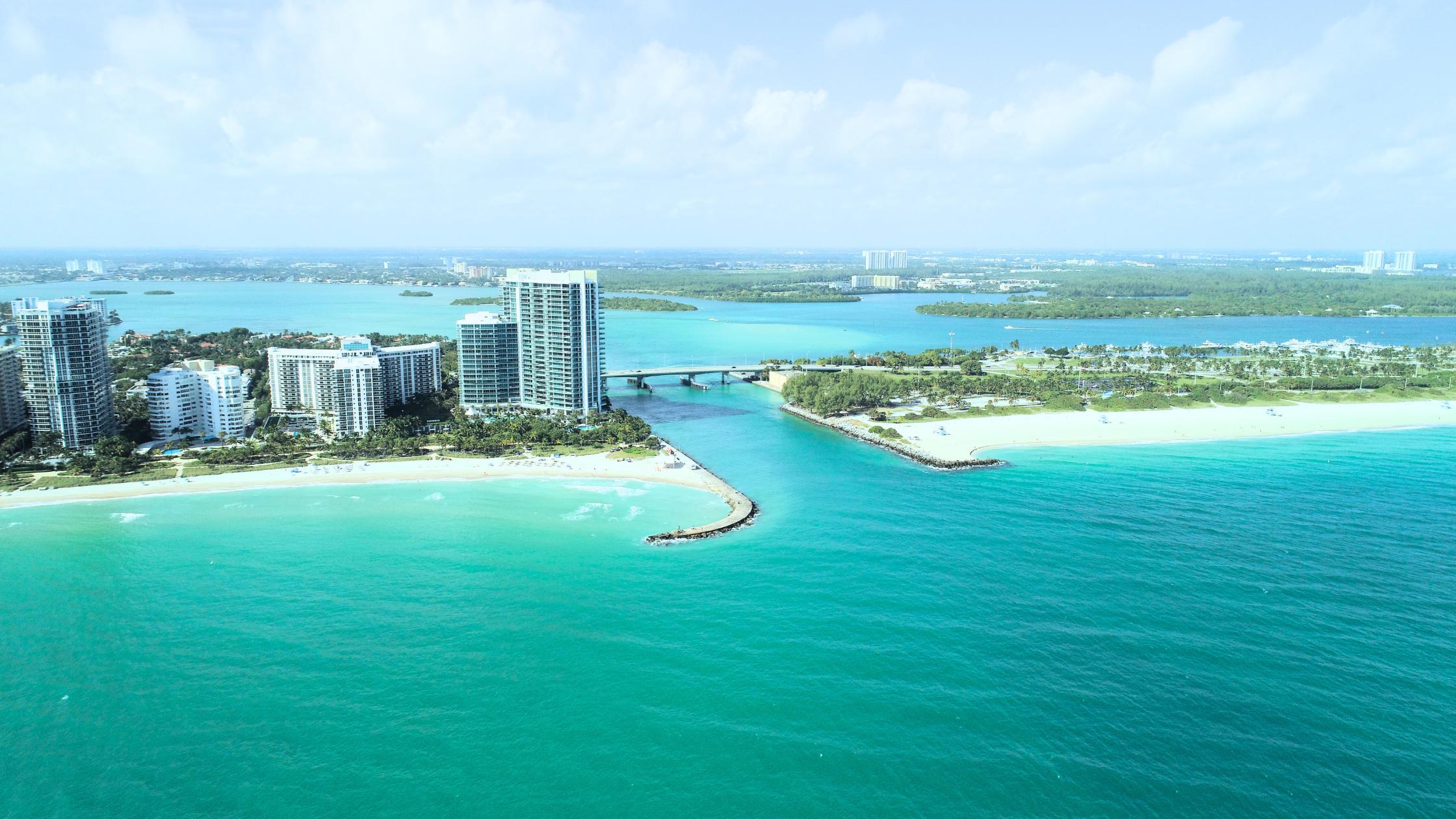
Selling a Bal Harbour condo is nothing like selling in Brickell, Aventura, or even the rest of Miami Beach. The buyer pool is small, cash-heavy, and detail-obsessed. Roughly 400 to 500 serious ultra-luxury buyers move through this village a year, more than 80 percent of $1M-plus condo closings here close in cash, and every one of them is running your reserves, your milestone inspection, and your Fannie Mae eligibility before they ever ask about the view. If you get those three right before you list, you negotiate from strength. Get them wrong and your listing becomes the comp somebody else uses to close their sale.
I have walked sellers through this micro-market long enough to see the pattern. Selling a Bal Harbour condo is a completely different sport from the rest of Miami, and pricing the tower going up on Collins Avenue is the single most important move you can make right now.
Why Selling a Bal Harbour Condo Is Its Own Category
Bal Harbour is a village of roughly 3,000 residents, a mile of oceanfront, and a shopping district that pulls higher sales per square foot than any mall in the country. The residential inventory that matters here is a short list of ultra-luxury towers, most of them delivered between 2007 and 2016, plus the new development pipeline. That is it. There is no starter-condo Bal Harbour, there is no mid-market Bal Harbour. Every listing is competing at or above $2 million, and most of the trades that actually move the comps happen between $5 million and $25 million.
That price band changes almost everything about the sale. The buyers are wealth-preservation buyers, not first-time buyers. They are represented by attorneys and family offices, not just buyers' agents. They fly in for two showings, not eight. And when they write an offer, it is on their own paper, not a stock MLS form. If you treat your Bal Harbour listing like a bigger version of a waterfront Miami condo sale, you will lose your shot at the top of the market before the listing even hits.
The Rivage Effect: Pricing Against Pre-Construction
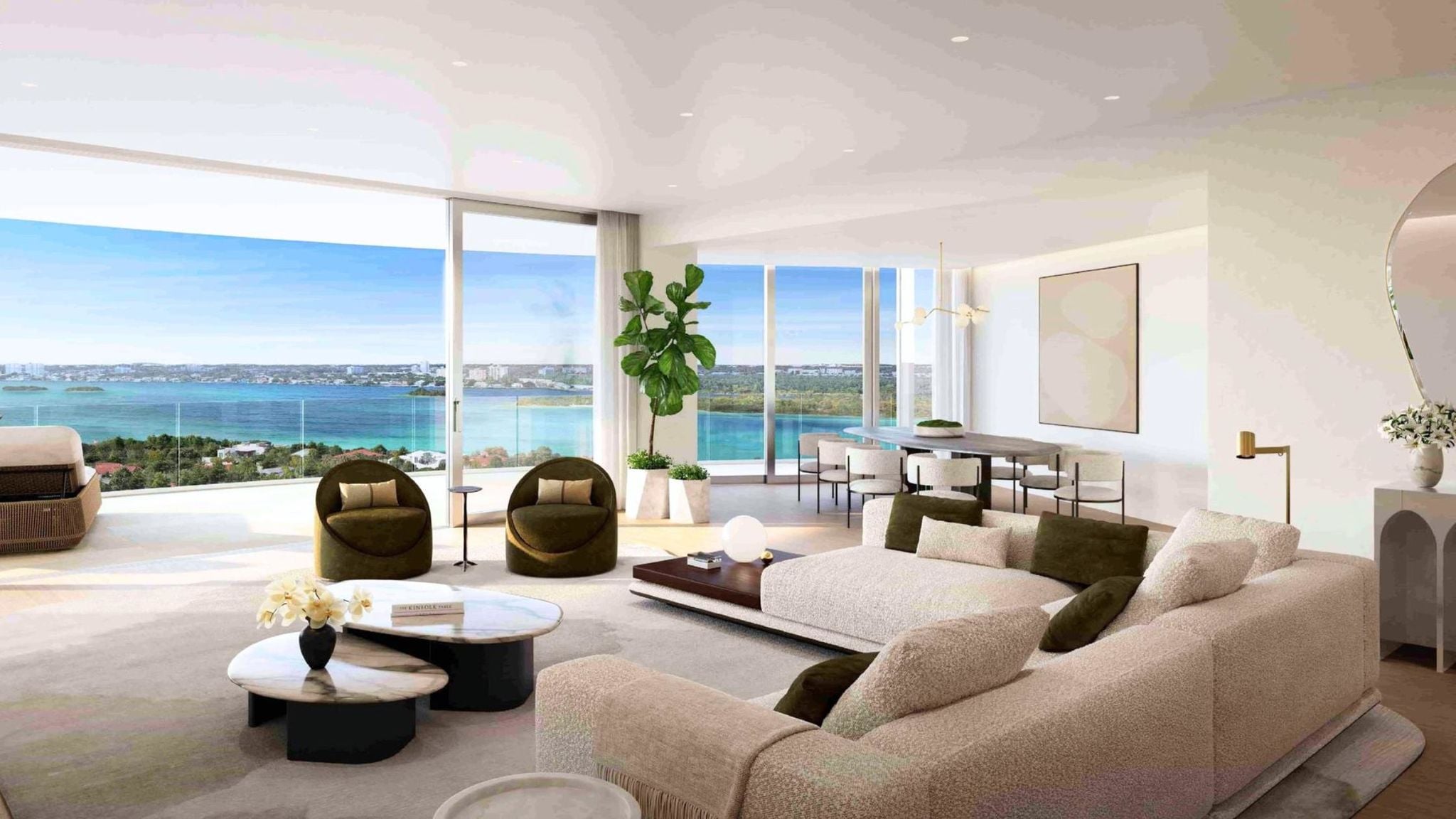
You cannot talk about selling a Bal Harbour condo in 2026 without talking about Rivage Bal Harbour. This is the first new ground-up ultra-luxury condo in Bal Harbour since Oceana delivered in 2016. Fifty-six residences, sizes running from about 3,300 to 12,700 square feet, oceanfront on Collins Avenue, delivery targeted for 2026. Starting prices for the smaller floor plans were in the $7 million range at pre-launch; the larger lines started around $15 to $16 million.
Here is what that does to your resale. Any serious buyer touring your unit is also touring Rivage's sales gallery. They are comparing your finished condo against a brand-new tower with new-development amenities, developer warranties, and no assessment history. If your unit does not have a compelling reason to be preferred at a lower price per square foot, you are going to lose the offer. The winning move is not to ignore Rivage. The winning move is to price and pitch your unit as the value alternative to Rivage, with proof.
That means three things:
- A crisp valuation deck that puts your price-per-square-foot next to Rivage's, with a clear delta and a clear reason for it (finished vs. pre-construction, immediate closing vs. 2026-plus delivery, resale mortgage eligibility vs. developer contract).
- A move-in-ready presentation. Not staged for a Zillow shoot, staged for a family-office site visit. Different bar entirely.
- A clean building story. Which is where the diligence list comes in.
For sellers who want to understand the pre-construction lens from a buyer's side (so you can preempt their objections), Miami's Pre-Construction Condo Process covers deposits, timelines, and risks. Read it before you list. You need to speak that language to counter it. The broader New Construction hub covers what else is delivering across Miami's ultra-luxury pipeline, and it matters for the same reason.

The Cash Buyer Diligence List Every Bal Harbour Seller Should Preempt
Cash buyers do not need financing, but they still underwrite. The three items that kill Bal Harbour deals at contract stage, in order:
- Reserves and the milestone inspection. Every Florida condo building over three stories and 30 years old has to complete a milestone inspection and a Structural Integrity Reserve Study under SB-4D. If your building has completed one, you need the report ready for buyer review before the first showing. If it has not, you need to know exactly where the building stands and what the assessment picture looks like. Sellers who cannot answer this in one sentence lose the deal.
- Fannie Mae condo eligibility. Even cash buyers care about this. A building on the Fannie Mae unavailable list is a building that will be hard to resell to a financed buyer later, and ultra-luxury buyers protect optionality. Fannie Mae's Lender Letter LL-2026-03 updated the eligibility framework. Know whether your building is compliant, and if it is not, know the plan to get there.
- Insurance. Windstorm, flood, and master policy premiums have moved sharply in Bal Harbour over the last three years. A buyer who sees a 40 percent HOA jump on the disclosure walks. A buyer who sees an HOA jump plus a clear explanation and a stabilizing trend usually stays.
Handle these three before the sign goes in the ground. This is the same underwriting lens buyers use on new-development towers in Aventura's condo market, and it is exactly why my mortgage-origination background from 2006 matters here. I read reserve studies and lender letters the same way a family-office CFO does. That is what you want on your side of the table.
Marketing to a 400-Person Global Buyer Pool
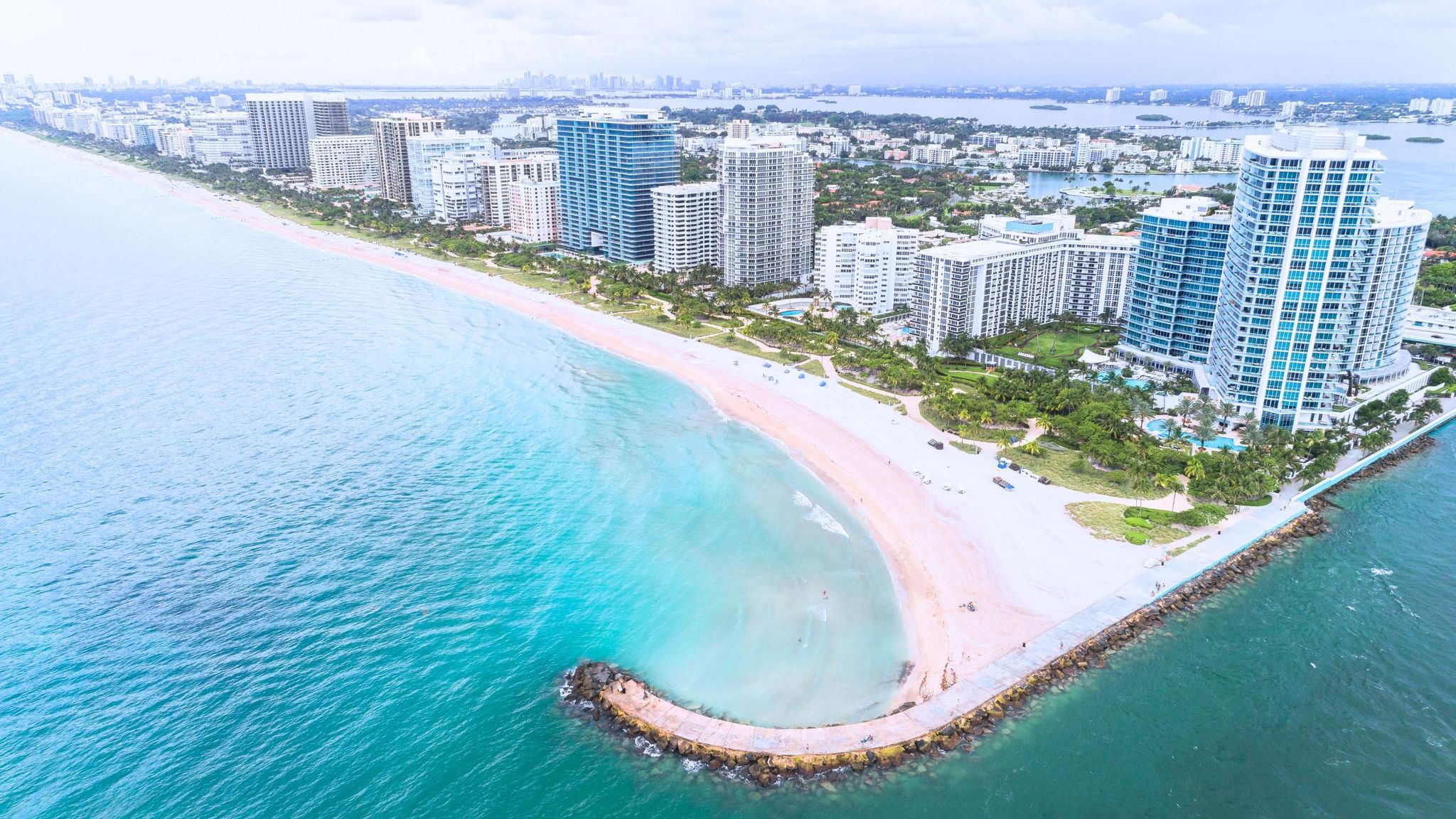
MLS does not sell Bal Harbour condos. The MLS is a compliance document, not a marketing plan. The actual buyer pool for a $5 million-plus unit here breaks down roughly like this:
- U.S. HNW buyers, primarily from the Northeast and West Coast, looking for a Florida homestead or second home.
- Latin American buyers, primarily from Argentina, Brazil, Colombia, and Mexico, using Bal Harbour as a wealth-preservation base.
- European and Middle Eastern buyers using Miami as a hemisphere-hedge home.
- A small but active pool of Canadian and Israeli families.
Reaching them means private brokerage networks, family-office channels, and Spanish and Portuguese-language marketing. It also means quiet marketing. The very best Bal Harbour buyers do not want to be seen shopping. If your listing shows up on every syndication site the day it hits MLS with a splashy price cut two weeks later, you have told the market you are a motivated seller. That is a $500,000 negotiating error on a $10 million condo.
A quieter start, a private showing sequence, and a controlled price-discovery process gets you to the top of the market. This is the same pattern you see across Miami's best waterfront neighborhoods, just tighter and more concentrated.

Negotiation: How to Win When Everyone Pays Cash
When 80-plus percent of your buyer pool is paying cash, "no financing contingency" stops being a differentiator. What separates a winning offer from a losing one at this level:
- Diligence timeline. A 21-day inspection window and a 45-day close is a strong Bal Harbour offer. Shorter is stronger, longer is a soft signal.
- Deposit structure. Ten percent hard on execution, ten more on inspection completion is a serious buyer. Anything less than 10 percent at execution is a look, not an offer.
- Contingency stack. Bal Harbour condo contracts often carry an approval condition from the association. That is normal. What is not normal is a buyer who insists on financing, appraisal, and personal-use contingencies all at once.
- Attorney selection. The attorney the buyer picks tells you how the deal is going to close. Recognizable Miami condo counsel is a green flag. A generalist from out of state is a yellow flag.
Selling for maximum value means reading these signals correctly and choosing the offer that closes, not just the offer with the biggest number on top.
Quick Comparison: Bal Harbour Buyer Profiles at Contract
Buyer Type | Typical Deposit | Diligence Window | Close Timing |
U.S. HNW cash | 10% hard + 10% at inspection | 21 to 30 days | 45 days |
Foreign cash (LATAM/EU) | 15% hard | 30 to 45 days (wire, FIRPTA) | 60 days |
Jumbo financed | 5-10% deposit | 45 to 60 days | 60 to 75 days |
Use this as a decision matrix when you get multiple offers. The highest price with the weakest contingency stack is not always the offer that closes.
Ready to Sell in Bal Harbour?
If you are thinking about selling a Bal Harbour condo in 2026, the first move is a private valuation conversation. No obligation, no listing pitch. Reach out any time, I will walk you through what your specific unit and building look like against current comps, the pre-construction pipeline, and the buyer pool that would actually write your offer. From there you decide how to move.