

Welcome to

Coconut Grove

Living in Coconut Grove

Coconut Grove is a leafy bayfront community on Biscayne Bay, just south of Brickell. Settlers arrived in the 1880s, years before the City of Miami incorporated in 1896, and the Grove governed itself as a town from 1919 until Miami annexed it in 1925. That village character still shows in its shaded streets, historic homes, and walkable center. 

Coconut Grove fits buyers who want green space and a slower pace close to the city: families looking for single-family homes with yards, boaters who want marinas and sailing clubs nearby, and condo buyers who want bay views without the density of Brickell. Relocators often like that daily errands, parks, and dining sit within a short walk or drive. 

It may not suit every buyer. Those who want late-night urban energy, a high-rise skyline at their doorstep, or a beach-town setting should look at other areas, since the Grove sits on the bay rather than the ocean. Buyers planning major renovations should also know that tree protections and historic preservation rules can affect what you build.

Homes, condos and waterfront living in Coconut Grove

Coconut Grove offers more variety than most Miami neighborhoods. Housing ranges from historic wood-frame cottages and mid-century homes to modern estates, townhouses, and gated enclaves, with waterfront homes in parts of South Grove offering bay access. Condo living centers on the bayfront along South Bayshore Drive, where towers such as Grove at Grand Bay, designed by Bjarke Ingels Group, and Park Grove, designed by OMA, overlook Biscayne Bay. Grove Isle adds a gated island setting, and newer branded residences such as Four Seasons Private Residences Coconut Grove are under construction.

Amenities, association dues, insurance, and elevation vary widely from one property to the next. For houses, lot size, flood zone, and the condition of roofs and windows matter as much as the floor plan. For condos, comparing buildings is as important as comparing units. Our homes vs condos in Miami guide covers the trade-offs.

Lifestyle and daily life

Daily life revolves around the village center, where CocoWalk, Mayfair, and the dining along Main Highway, Grand Avenue, and Commodore Plaza keep restaurants, cafes, and shops within walking distance for many residents.

The bay shapes the rest of the routine. Dinner Key Marina, local sailing and yacht clubs, and bayfront parks such as Peacock Park, Kennedy Park, and Regatta Park make it easy to get on or near the water. Vizcaya Museum and Gardens and The Barnacle Historic State Park, home of Coconut Grove pioneer Ralph Munroe built in 1891, add history and culture. Each February, the Coconut Grove Arts Festival fills the bayfront over Presidents Day weekend.

Getting around is flexible. Metrorail stops at the Vizcaya, Coconut Grove, and Douglas Road stations, and the free City of Miami trolley and Freebee rides connect local streets. Parking can be tight in the village center on weekends, so it is worth checking garage and driveway access for each home or building.

Coconut Grove vs Coral Gables vs Brickell

Three neighboring areas offer very different ways to live:

  • Coconut Grove: A bayfront village in the City of Miami, with a lush tree canopy, a mix of homes and condos, marinas, and a relaxed pace.
  • Coral Gables: Its own city just west of the Grove, known for Mediterranean Revival architecture, tree-lined residential streets, and its own design rules. See the Coral Gables guide.
  • Brickell: Miami's financial district to the north, with a dense skyline, high-rise condos, and walkable urban dining. See the Brickell guide. 

Visiting all three on a weekday and a weekend is the best way to see which one fits your routine. 

New construction vs resale in Coconut Grove

New construction offers modern layouts, current amenities, and the chance to choose a unit before completion. The trade-offs include deposit schedules, a wait until the building is finished, and the chance that timelines or finishes change during construction. Before signing, ask about the deposit structure and where deposits are held, the expected completion date, what happens if it is delayed, and what the estimated association dues will cover. 

Resale lets you tour the actual home or unit, move in sooner, and review an established association's budget, reserves, and history. Older homes and buildings still deserve careful inspection, especially roofs, windows, plumbing, and any recent or upcoming assessments. 

For current projects, visit our Coconut Grove new construction page, which is separate from this living guide. Whichever route you choose, a contract review with a local agent is especially valuable in Coconut Grove. 

Browse current Coconut Grove listings below, or visit our buyers page to get started.

Before you choose, see my guide to new construction vs resale in Miami for a checklist to use before signing any contract.

New Construction in Coconut Grove

Check out the hottest new listings Coconut Grove has to offer!

View More New Construction Projects in Miami

Coconut Grove FAQs

Coconut Grove occupies the southern bayfront of the City of Miami, below Brickell and east of Coral Gables, running along Biscayne Bay from roughly the Rickenbacker Causeway south toward the Gables waterfront, with South Dixie Highway forming much of its inland edge. Addresses fall largely in the 33133 ZIP code. The village center sits around Main Highway, Grand Avenue and McFarlane Road, anchored by CocoWalk, Peacock Park at 2820 McFarlane Road and the Barnacle Historic State Park at 3485 Main Highway. The Coconut Grove Metrorail station at 2780 SW 27 Avenue sits at the neighborhood's northwest edge. Settled in the 1870s and 1880s, the Grove is the oldest continuously inhabited neighborhood in Miami and predates the city's 1896 incorporation.

Families are a large part of who lives here, and the parks are the reason. Peacock Park at 2820 McFarlane Road runs a recreation center with after-school, spring, summer and winter camp programs alongside basketball courts, a playground and waterfront open space, open 7:00 a.m. to 10:00 p.m. David T. Kennedy Park at 2400 South Bayshore Drive adds a playground, volleyball, outdoor gym equipment, bike paths and a dog park. The Barnacle Historic State Park preserves Ralph Middleton Munroe's 1891 home on the bay and hosts outdoor concerts and Shakespeare in the Park. Sailing and rowing programs operate from the marinas. The neighborhood also holds a notable concentration of private schools. Weigh the trade-offs too: prices run high, parts of the Grove sit in low-lying flood-prone pockets, and public school assignment must be verified per address with the Miami-Dade County Public Schools locator.

The two border each other and attract similar buyers, so the distinction matters. Coconut Grove is a City of Miami neighborhood with an organic, tree-canopied street pattern, a walkable bayfront village center and a bohemian history that still shows in the architecture, which ranges from 1920s cottages to contemporary custom builds with no unifying style. Coral Gables is its own municipality, planned by George Merrick in the 1920s, with Mediterranean Revival architecture enforced by an architectural review board, its own police force and code rules, and a more formal commercial spine along Miracle Mile. Walkability splits along the same lines: Northeast Coconut Grove scores 74 on Walk Score and the city of Coral Gables averages 56. The Grove gives you water access and looser design rules, and the Gables gives you municipal services and design consistency.

Both, and the split is geographic. Single-family homes fill the interior streets, from small 1920s and 1930s cottages on tight lots to large custom builds on the waterfront side, and the Grove's tree canopy and irregular lot shapes make each block different. Condos cluster in two places: the bayfront along South Bayshore Drive, where mid-rise and high-rise buildings hold much of the neighborhood's luxury inventory, and the village center around Grand Avenue and Main Highway, where newer boutique buildings have been added over the past decade. There are also older low-rise apartment buildings inland toward Douglas Road. Price range is wide as a result, and a village-center condo and a waterfront house on the same postcode can differ by an order of magnitude.

Elevation and flood zone vary block to block here more than almost anywhere else in Miami, and that difference drives insurance cost, lender requirements and long-term resale. Tree protection rules add another layer, since the Grove's canopy is regulated and removing or trimming specimen trees requires permits. Lot shapes are irregular, many parcels were platted long before current zoning, and what can actually be built or added often differs from what the lot size suggests. Housing ages range from 1890s to brand new, so inspection priorities shift dramatically from one listing to the next. Add a market where a meaningful share of sales never reach the MLS, and local relationships matter. Jose Munoz is a licensed Florida real estate advisor with SERHANT., license 3426728, reachable at 305-988-0693.

Waterfront recreation defines the Grove. David T. Kennedy Park at 2400 South Bayshore Drive offers a playground, volleyball, outdoor gym equipment, bike paths, a dog park and open bayfront lawn from sunrise to sunset. Peacock Park at 2820 McFarlane Road pairs a staffed recreation center and camp programs with basketball and waterfront open space. The Barnacle Historic State Park at 3485 Main Highway protects an 1891 pioneer home with guided house tours, picnic lawns, birding and outdoor performances. Alice C. Wainwright Park at 2651 Brickell Avenue sits just north. Marinas along the bay support sailing, rowing and boating, and Vizcaya Museum and Gardens is minutes away. The Coral Gables waterfront, Matheson Hammock Park and Fairchild Tropical Botanic Garden are all a short drive south.

The village center handles most of it. CocoWalk, Grand Avenue and Main Highway carry restaurants, cafes, bars, boutiques, a cinema, fitness studios and services within a walkable few blocks, and the Grove's Saturday farmers market is a long-running fixture. Grocery stores, pharmacies and everyday retail sit along Grand Avenue and the Bird Road and South Dixie Highway corridors at the neighborhood's western edge. Coral Gables' Miracle Mile is roughly ten minutes west for additional dining and shopping, Brickell is ten to fifteen minutes north for larger retail, and Miami International Airport is about twenty minutes by car. The Coconut Grove Metrorail station at 2780 SW 27 Avenue connects to Brickell, downtown, Coral Gables and Dadeland without a car.

Walkability depends on which part of the Grove. Walk Score rates Northeast Coconut Grove at 74 out of 100 with a bike score of 79, among the best cycling scores in Miami, while Southwest Coconut Grove rates 60. In practice, living within a few blocks of the village center means restaurants, groceries, the cinema and the waterfront parks are all reachable on foot, and the tree canopy makes those walks far more pleasant than the Miami average. Further from the center the streets are winding, sidewalks are inconsistent and a car becomes necessary. Transit is decent rather than excellent, with the Coconut Grove Metrorail station at 2780 SW 27 Avenue on the northwest edge plus Metrobus along Bayshore Drive, Grand Avenue and Douglas Road.

Ready to see what is available in Coconut Grove? Work with Jose Munoz to compare buildings, review association documents, and tour with a clear plan.
Work with Me

Want the full market report for Coconut Grove?

We want to ensure that you have all the information needed to make the best decisions when it comes to your home goals. When you enter your info below you will get instant access to the area's latest market report, complete with sales and demographic trends.

Coconut Grove
Market Report

Schools In The Area

Check our schools near Coconut Grove complete with ratings and contact info.

Around The Area

Browse through the top rated businesses that Coconut Grove has to offer!

Local News & Advice

Read helpful resources and articles related to the area.
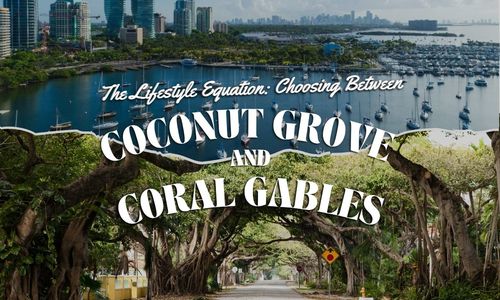
The Lifestyle Equation: Choosing Between Coconut Grove and Coral Gables

The Lifestyle Equation: Choosing Between Coconut Grove and Coral Gables

Explore how Coconut Grove’s coastal charm and Coral Gables’ timeless sophistication define two of Miami’s most desirable lifestyles.
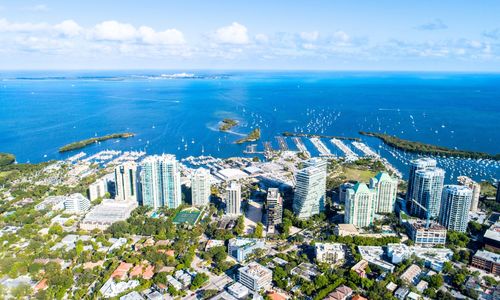
Is Coconut Grove Worth the Hype? Lifestyle, Schools & Real …

Is Coconut Grove Worth the Hype? Lifestyle, Schools & Real …

Is Coconut Grove really worth the hype? This guide breaks down its lifestyle, top-rated schools and real estate…
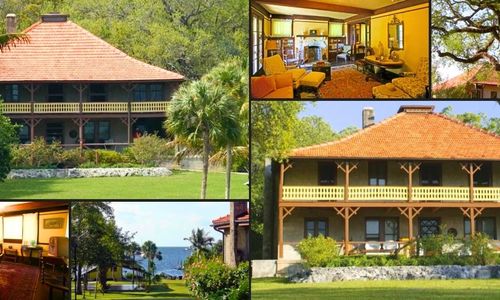
Insider Insight: The Barnacle Historic State Park in Coconut Grove

Insider Insight: The Barnacle Historic State Park in Coconut Grove

The Barnacle Historic State Park is a five-acre bayfront escape in Coconut Grove, home to Miami-Dade's oldest house…