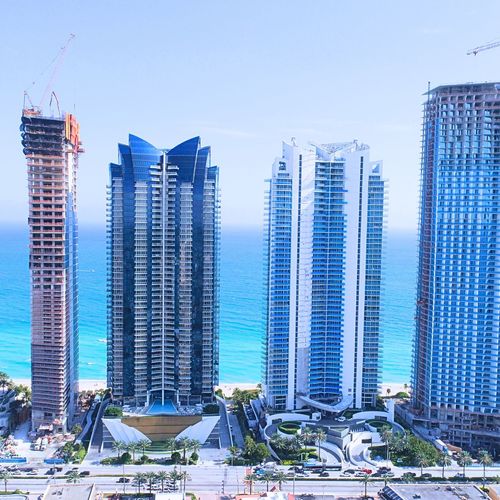

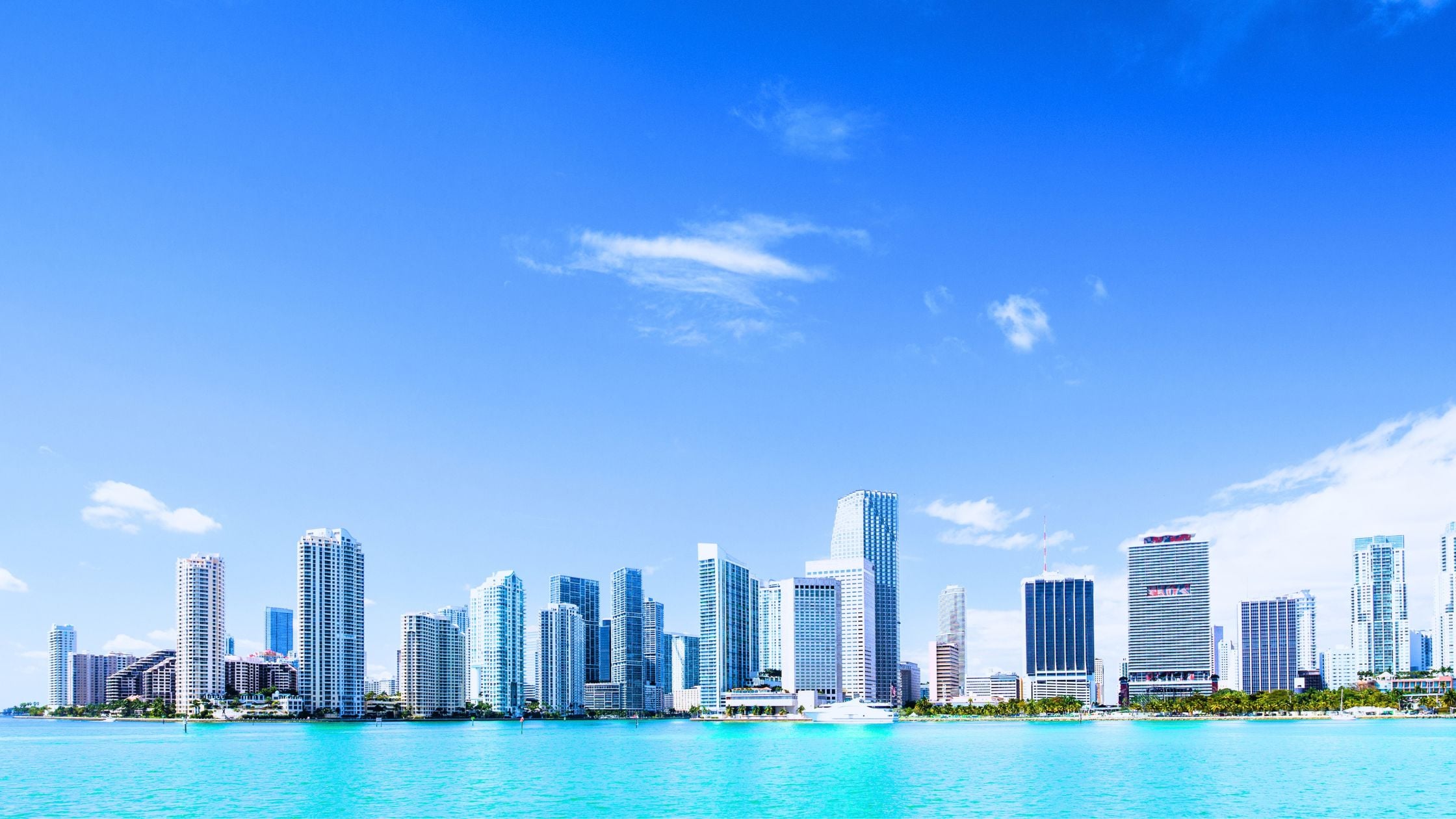
Every week I talk with buyers who are torn between two very different paths. One is a brand-new residence, sometimes still a rendering and a sales gallery. The other is a home or condo that already exists, with a track record you can walk through, inspect, and research. Both can be smart moves in Miami. The right one depends on your timeline, how you plan to use the property, and how much uncertainty you are comfortable carrying.
This guide to new construction vs resale in Miami is meant to be neutral. I work with buyers on both sides of this decision, and my goal here is to help you ask better questions before you sign anything.
New Construction vs Resale in Miami: The Quick Answer
New construction or preconstruction tends to make sense when you have a flexible timeline, want modern finishes and amenities, and are comfortable waiting for a building to be completed. Resale tends to make sense when you need to move in soon, want to inspect exactly what you are buying, or prefer an established building or neighborhood with a known history. For single-family homes in areas like Coral Gables and Pinecrest, resale is usually where the inventory is.
What "Preconstruction," "New Construction," and "Resale" Mean in Miami
These terms get used loosely, so here is how I define them when I talk with clients:
- Preconstruction: You buy directly from a developer before the building is finished, and sometimes before ground is broken. You typically sign a purchase contract, pay deposits over time, and close when the building receives its certificate of occupancy.
- New construction: A newly completed property that has never been lived in. This can be a developer's remaining inventory in a finished tower, or a newly built single-family home or townhouse.
- Resale: Any property that has had a previous owner. In Miami, that covers everything from a condo in a tower completed a few years ago to a 1950s ranch home in South Miami.
If you want to see what preconstruction looks like in practice, my guide to preconstruction condos in Edgewater walks through the projects currently shaping that neighborhood.
Preconstruction: Deposits, Timelines, and What to Ask the Developer
Buying preconstruction means committing to something you cannot fully see yet. That is not a reason to avoid it, but it does mean the paperwork matters more than the renderings.
How deposits usually work
Preconstruction purchases are generally structured as a series of deposits paid at set milestones, such as contract signing, groundbreaking, or topping off, with the balance due at closing. The amounts and schedule vary by developer and by project, so the only numbers that matter are the ones written into your specific contract. Florida law includes rules on how developers handle condo buyer deposits, including escrow requirements, and your attorney can explain how those rules apply to the contract in front of you.
Timelines are estimates
Projected completion dates can shift because of permitting, labor, materials, financing, or weather. Read what the contract says about delays, how much flexibility the developer has on the completion date, and what options you have if the timeline moves significantly.
Questions I ask developers on behalf of buyers
- Who is the developer, and what have they completed in Miami before?
- Where are deposits held, and under what conditions can they be used?
- What is the current construction status and the projected completion window?
- What can the developer change about the floor plan, finishes, or amenities after I sign?
- What will the estimated HOA dues be, and how was that budget prepared?
- Are there rental restrictions, minimum lease terms, or resale limits before closing?
- What closing costs and fees will I pay that a resale buyer might not?
- What warranties come with the unit, and how are defect claims handled?
One more thing worth knowing: Florida gives buyers of new condos from a developer a short review period after signing and receiving the required documents. Ask your attorney about the exact window for your purchase and use that time to actually read the documents.
Resale: What You Can See and Inspect Today
The biggest advantage of resale is clarity. You can tour the actual unit, test the views at different times of day, hire an inspector, and talk to people who live in the building. You can also close on a timeline that fits your life rather than a construction schedule.
With a resale condo, though, you are buying into an existing association and its history. That deserves just as much attention as the unit itself.
Condo association and building questions to ask
- When was the building's most recent milestone inspection, and what did it find?
- Has the association completed its structural integrity reserve study, and how well funded are the reserves?
- Are there current or planned special assessments?
- Is there pending litigation involving the association?
- What do the latest budget and meeting minutes say about upcoming repairs?
- What are the rules on rentals, pets, renovations, and parking?
- How have HOA dues changed over the past few years?
Florida has tightened condo safety and reserve requirements in recent years, so older buildings may be in the middle of major repair projects. That is not automatically a red flag. It simply needs to be understood and priced into your decision.
Condos vs Single-Family: How the Choice Differs
The new versus resale question looks very different depending on property type. In Miami, preconstruction is overwhelmingly a condo and townhouse story. Towers in Edgewater, Brickell, and along the bay make up a large share of what developers are selling before completion.
Single-family buyers face a different landscape. New single-family homes do come up, often as custom builds or rebuilds on existing lots, but the bulk of house inventory in established neighborhoods is resale. If you are still deciding between a house and a condo in the first place, start with my guide on homes vs condos in Miami, then come back to the new versus resale question.
Neighborhood Notes
Edgewater and Brickell
These are Miami's tower neighborhoods, and both have an active mix of preconstruction launches and established resale buildings. In Edgewater, the bayfront has been reshaped by new residential towers, so buyers often compare a preconstruction unit against a resale unit a few blocks away. Brickell offers a deep pool of existing condos alongside newer branded residences, which makes side-by-side comparisons on dues, amenities, and building age especially useful.
Coconut Grove and South Miami
Both neighborhoods offer a true mix. Coconut Grove has boutique condo projects and newer luxury residences near the bay, along with established single-family homes on leafy streets. If new product is your focus, see New construction in Coconut Grove. South Miami combines classic single-family neighborhoods with newer townhomes and mixed-use residential, so buyers there often weigh both paths at once.
Coral Gables and Pinecrest
These are primarily resale single-family markets. Inventory is mostly existing homes, with new construction usually coming from rebuilds or renovations on established lots. Coral Gables also has its own architectural review process, which matters if you plan to renovate or build after you buy.
Questions to Ask Before You Sign
Whichever path you choose, run through this checklist before you commit:
- Have I compared total monthly costs, including HOA dues, insurance, and taxes, for both options?
- Does my move-in timeline realistically fit a construction schedule?
- Have I read the contract, or had an attorney review it, rather than relying on marketing materials?
- Do I understand exactly when deposits are due and the conditions for getting them back?
- For resale condos, have I reviewed the budget, reserves, inspection reports, and any special assessments?
- Do the rental and usage rules match how I plan to use the property?
- Have I spoken with a lender about financing, especially if closing is years away?
- Do I have my own agent representing my interests, separate from the developer's sales team?
If you are buying from another state or another country, there are extra steps around financing, documentation, and closing remotely. My guide for out-of-state and international buyers covers those in detail.
Talk to Me Before You Sign a Preconstruction Contract
A preconstruction contract can tie up your money for years, and a resale condo can carry building issues that never show up in the listing photos. Before you commit to either, I am happy to compare buildings with you, walk through the questions above, and connect you with attorneys, lenders, and inspectors who know the Miami market. You can learn more about how I work with buyers on my buyers page or reach out directly at [email protected].
Check out this article next